Loading summary
Transcript365 lines
- [00:00]
Ian
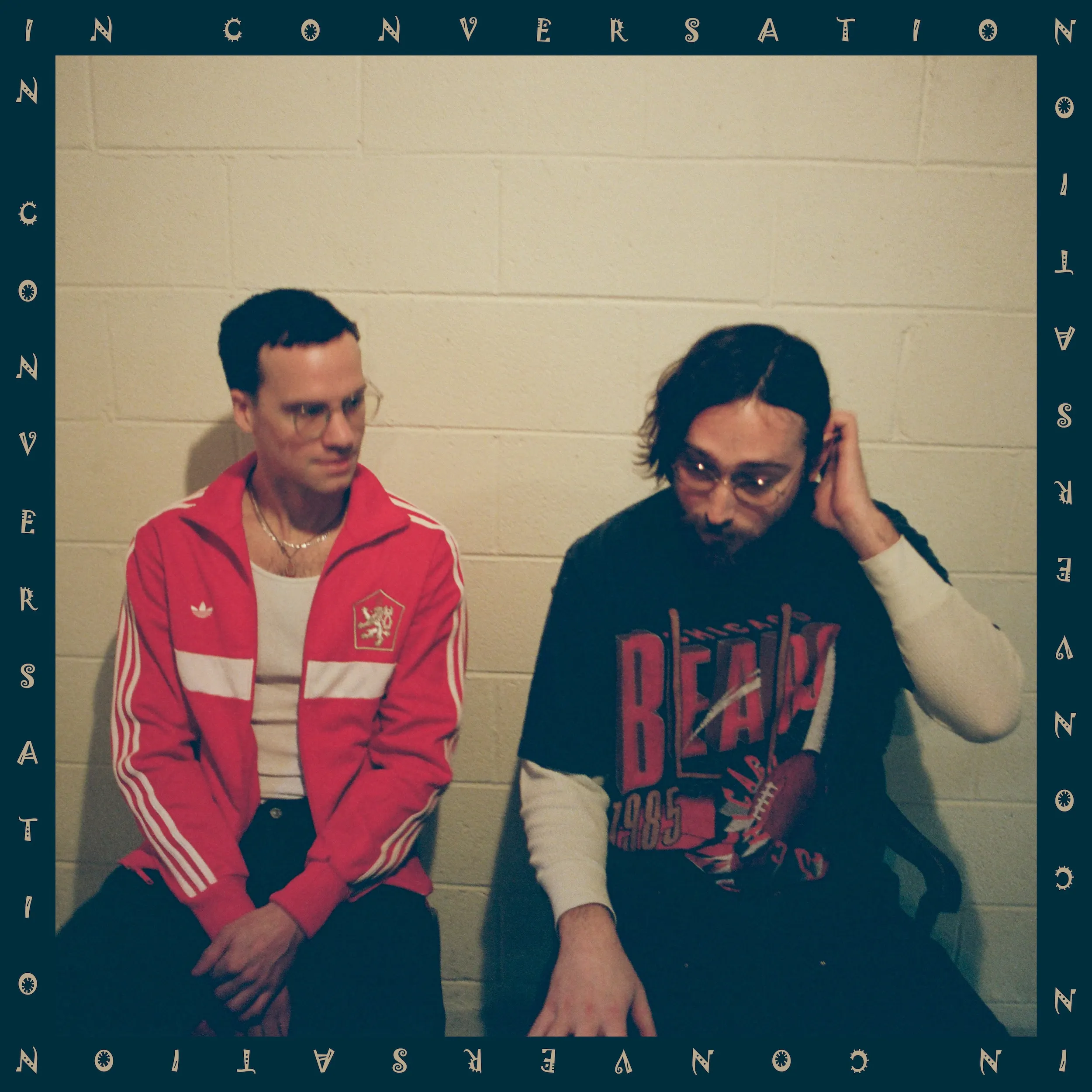
Welcome back to Jokerman in conversation once again, I'm Ian. Today, double shot of guests forya Max Kakasek and Julian Ehrlich, better known as the Whitney Boys, who are back with their first record in a couple years, Small talk out now. And wouldn't you know, sounds. Sounds like the band we know and love, have known and loved since no Woman about a decade ago. At this point, we talk a little bit about all of this, making a, what they call a pandemic record in Spark. Something that sounded, you know, a little different than you might expect coming from Whitney and now sort of moving back in the direction that you might be more familiar with from them, slipping back into this palette like it's a warm bath. Very fun chat today. Plenty of talk about Whitney and the record and their history as a band, but also plenty of on brand Jokerman bullshit. Favorite band members, top three Bob albums, a whole oh mercy tangent, and a little bit of NBA talk. Actually, you know, I think probably the most basketball conversation I have ever managed to shoehorn into this podcast. So big shouts to Julian and Max for allowing me the opportunity to talk about my Los Angeles Lakers for about, you know, 10 minutes. I'm no Zach Lowe, but, you know, hopefully doesn't bore too many people out there. Anyways, great guys, great record, great convo. Here are Julian and Mags.
- [01:41]
Guest Singer (possibly a band member or a guest musician)
Won't you speak your mind? It's plenty of time so tell me about the way that you feel what you really feel Won't you clear your head? I heard what you said.
- [02:11]
Ian
Julian, Max, thanks so much for joining on. On Jokerman.
- [02:15]
Max Kakasek
Thanks so much for having us, man.
- [02:16]
Ian
Absolutely. We were just talking off mic here a moment ago. You know, I, I was saying I appreciate you guys coming in. You're. You're, you're interviewing with me direct, sitting right next to each other, same room, same place, same computer. Because you guys are. I mean, you are the band Whitney, of course, but you are still also roommates, which I find incredibly impressive based on my own personal experience, both as a roommate and as a collaborator on this podcast. I know those can be touchy relationships here and there, I guess, just like, has. How was the roommate slash, band member, slash. Honestly, like kind of small business partner, because that's what a band turns into eventually. Like, how is that dynamic evolved between you guys, man?
- [03:02]
Max Kakasek
I mean, saying that it's been a roller coaster feels like, you know, cliche as hell.
- [03:08]
Julian Ehrlich
Sure.
- [03:09]
Max Kakasek
It just really has been, you know, like we've, we've lived together for the last, like, 12 years or something.
- [03:17]
Ian
Damn.
- [03:17]
Max Kakasek
With maybe just one little year. Ish. Long stint where we lived with our respective partners.
- [03:23]
Ian
But.
- [03:24]
Max Kakasek
And, you know, we've released three sort of three and a half records throughout that span, so we've kind of, like, seen it all, and it feels like. And like our days are numbered, actually, living together. I just got married.
- [03:41]
Ian
Congratulations.
- [03:43]
Julian Ehrlich
So.
- [03:44]
Max Kakasek
And. But we're just, like, waiting on, like, immigration stuff. She lives in Denmark, so. Yeah. But. But it, like, it feels like we're gonna. We're gonna go out on a high note because, yeah, this record just, like, feels good.
- [03:58]
Julian Ehrlich
Yeah.
- [03:58]
Max Kakasek
I think it's like.
- [03:59]
Julian Ehrlich
I think it's one of those things, like, it's hard to put necessarily define, like, how it's changed over the years because we're, like, living in it. You know, it's like that, like, fallacy. It's like that kind of conundrum of, like, when you're. The way things change when you're living through it don't seem as obvious to you or something, you know?
- [04:14]
Ian
Sure.
- [04:15]
Julian Ehrlich
But we've definitely, I think, grown up a little bit more so than when we started the band. At least I hope.
- [04:21]
Ian
I love that. Yeah. I think I saw you guys, I think, initially at the. I want to say the troubadour in, like, 2016, maybe before the first record even came. I think maybe, like, no woman had come out, but, like, I don't think the LP had even dropped. It was great show, and I just, like, Troubadour is an amazing room. Obviously, you don't need me to tell you that, but it was like, it's. It's kind of crazy that you've been around for, like, a decade. Like, basically a decade. Over a decade at this point, really. It.
- [04:48]
Julian Ehrlich
Time flies, you know, that show specifically. Didn't one of the members of the band get broken up with?
- [04:53]
Max Kakasek
Yeah, I don't.
- [04:54]
Julian Ehrlich
Jeez.
- [04:56]
Max Kakasek
Like, went through, like, a really sort sort of, like, unexpectedly tragic breakup. Like, literally right before that show.
- [05:04]
Julian Ehrlich
Like, after soundcheck.
- [05:05]
Ian
Jesus.
- [05:06]
Julian Ehrlich
You went to go meet her for dinner and then came back single type deal.
- [05:10]
Ian
Oh, man. Well, I couldn't tell from the audience it was a great show.
- [05:14]
Max Kakasek
Yeah. But, yeah, I mean, just us being a band for a decade that, like, really. It's kind of crate. Like, the decade truly snuck up on us, I feel like, because of the pandemic in the way that. That just sort of, like, you know, stopped time or, like, took a giant chunk out of it. So it really feels like we've been, like, an active band for shorter than that. For some reason, we also made, like. Like, a very much like a Pandemic record, too, in that time in making Spark. So. Yeah, I don't know. Yeah, it does feel like time collapsed on itself for a second, but.
- [05:52]
Ian
Yeah, but, you know, keeps on. Keeps on trucking. We're here, obviously, to talk about the new record Small Talk, which is great, you know, just insanely catchy and melodic and. Want to talk about that a little bit more in a moment. But, I mean, you brought it up a moment ago, Julian, so I had some questions. Just Spark, you said that was a Pandemic record, and I think there was a little bit about that in the press packet, too. You guys were down in, I think, Texas, making that sort of off the grid, I guess. I just. I wonder, because this record sounds different than Spark in that it sounds more like maybe what people had expected from Whitney in the first couple records. Spark was sort of a step away. I wonder if you could just kind of talk about what inspired that direction and now, you know, maybe moving away from that direction with this next record.
- [06:42]
Julian Ehrlich
You know, it's like. I think it's just a lot of it had to do, at least for me personally, during the Spark writing process. I think maybe without being cognizant of it or, like, admitting it to ourselves, we were, like, pretty uninspired by, like, our, like, kind of chosen avenues of instrumentation. Like, you know, like, I've played guitar for. Since I was 12 years old, and that's, like, been my main writing instrument for a really long time. And I think Julian's been playing drums, you know, ever since he was, like, 4. And we've kind of always, like, had this, like, very specific set kind of nature of who plays what. In a certain sense. Like, we'd each dabble in different things, obviously, but I think during the writing process, both of us felt, like, a little less inspired or, like, kind of like we were expressing ourselves too similarly from those instruments in the writing process. So, like, it was kind of like, what can. How can we just, like, completely shake this up? So for Spark, Julian kind of was, like, learning and performing a lot on piano. I was doing a little more programming and trying to find ways to play guitar, like, through samplers a little more and stuff like that. That felt like it was adding something that I hadn't tried before, and I think he was doing the same thing, and we just kind of ended up with the sound that Spark is through that experimentation and then returning now, like, kind of after that, like, step Away. I think it, like, Refreshed our, like, intrigue and where we started of just like, I picked up a good. Like playing organically into a tape machine or capturing organic performances in a room felt like a lot more rewarding.
- [08:19]
Ian
Yeah.
- [08:20]
Max Kakasek
And I mean, we, like. We kind of completely left guitar out of spark. Like, we didn't write any of the songs on guitar really at all. And there's. There are like choice guitar lines and like, clearly songs where like a guitar is playing an important melody or something. But I. Yeah, I think honestly we were just like kind of sick of the acoustic guitar specifically. And, you know, there's reasons why we got sick of it. I think we. We sort of got like pushed into making Forever turned around in this in the same exact way that we made Light upon the Lake. And. Yeah, I think just like that sort of like sent us down a path of extremes of being like, dog, we gotta. We gotta get away from this.
- [09:08]
Ian
We gotta. We gotta change some up.
- [09:11]
Max Kakasek
Yeah, exactly. And then so. Yeah. And I think because of that sort of that course, it, like, it feels like small talk is we're just back to doing what we want, both what we want to do and what we know how to do well, but now we sort of have the agency and the space to execute it exactly how we want to.
- [09:33]
Ian
That makes sense. It's very natural sounding record. Exactly what I want to hear from you guys. Frankly, I wonder how much of this, the, like, the sense of expectations or whatever, like, how much do you feel of that comes from specifically, like, no Woman, which I was looking at. I was looking at Spotify earlier today and like, you know, that song has like a hundred million streams or something like that, which, like, you know, obviously you guys have tons of songs with many, many streams, but, like, that is sort of leaps and bounds, you know, beyond anything else. You know, it sort of exists almost beyond, you know, the constraints of Whitney itself. I don't know. I'm just always kind of curious about how bands feel about, like, the big song, you know, especially one that like, kind of broke with you guys right at the very beginning and has been with you for, you know, a decade.
- [10:25]
Julian Ehrlich
At this point, it's gonna sound like I'm making this up. But there was. I, like. I didn't have Spotify until after forever turned around 2020. And I remember specifically being in the studio with Red Cook in tech or that this was. Sorry. In Sonoma where we recorded Forever Turned. We were talking about streaming. And I like, said something just like along the lines of, like, do we stream well? And he was like, yeah, I think the song is doing, like, yes. And I was like, there's numbers. So, like, like, I. I mean, like, there's an obvious. Like, you. I definitely understood that the band was, like, having a successful moment. And so, like, I would say, like, regardless of, like, be understanding it through, like, the metrics of streaming, I think when you kind of, like, can feel that there's, like, momentum behind a release in general, like a pressure kind of, like, creates itself no matter what. And even, you know, even as long as we've kind of been doing that, I think it's hard to, like, learn ways to deal with that. Like, well, you know, I don't think there's any sort of, like, rule book to kind of, like, get through that. And I think it's something that we've not struggled with, but I think it's just part of being an artist. It's kind of like trying to get your headspace out of what that is, like, what that means.
- [11:47]
Ian
That makes sense. That makes sense. Did you mention a moment ago you recorded Forever turned around up in Sonoma?
- [11:53]
Julian Ehrlich
Yeah, yeah.
- [11:54]
Max Kakasek
Prairie Sun Studios with Rado and Brad.
- [12:00]
Ian
Oh, word. Yeah. I didn't. Yeah. You know, Rado's a pal here, and I just. I'm cute on Sonoma because my. My wife's family lives up there. We were just there last weekend. Actually. I'm in San Francisco, so. Very tight area.
- [12:12]
Julian Ehrlich
I'm not sure if Prairie. I think I heard that maybe the studio is no more, but I could be wrong about that.
- [12:19]
Ian
Prairie Sound Studio.
- [12:21]
Max Kakasek
Prairie Sun.
- [12:22]
Ian
Prairie Sun Studio.
- [12:25]
Max Kakasek
The owner is just a total wild person.
- [12:28]
Ian
Cool.
- [12:29]
Max Kakasek
Strange man, I think.
- [12:31]
Julian Ehrlich
Yeah.
- [12:33]
Ian
Oh, yeah. Up by Rohner Park.
- [12:35]
Max Kakasek
Sure. Also, does anyone ever tell you that you. You kind of like, sound like Rada, like, speaking to you? Sounds like speaking to Rando, feels like speaking to Rada. And that's only a compliment.
- [12:49]
Ian
Absolutely. I've never gotten that statement, but I will absolutely take it as a compliment. Rando's a cool cat, obviously. Well, you know, on the note of locations on, you know, for Recording Records. New one, Oregon, right?
- [13:06]
Max Kakasek
Yeah.
- [13:07]
Ian
Talk a little bit about that.
- [13:09]
Max Kakasek
Yeah, we were, like, out like, an hour. Ish. There's like, a bunch of, like, wine country sort of southwest or just west of Portland, Oregon. And a lot of my family just, like, kind of works and lives out there. And my dad had, like, just a very, like, vague skeleton of a studio set up in this, like, big sort of what looks. Looked like an old airplane hangar or something. It was a really crazy looking Building and yeah, honestly, we just knew that like, we knew that a. We wanted to like, produce the record ourselves and baby, we wanted to like go in and like make sure we had enough time and just sort of like make it feel not like diy, but like we knew that we could just like rent five or six things and then fly with some outboard gear and just kind of build a studio really quick. And that's what we did.
- [14:10]
Ian
Sort of low pressure, you know, more relaxed type of vibe I'm picking up.
- [14:15]
Julian Ehrlich
Yeah, I feel like part of like the thing, you know, I think some talking about like, the pressure kind of like part of it, like the idea of like time in a studio can really like end up in like a creative quicksand moments where you're like, if we. If you don't get a song done in one day, you start like being like, man, I just wasted like so much money.
- [14:34]
Ian
Yeah.
- [14:34]
Julian Ehrlich
It's billable hours and thinking about like the album making and the song making process as billable hours, like starts to feel gross sometimes, you know.
- [14:43]
Ian
Sure.
- [14:44]
Julian Ehrlich
So it felt so nice to just be like, okay, we're going to bring like, you know, the people that we trust the most that are our friends and in the band out to Oregon for like two and a half, three weeks. Right. Recorded 12 songs in that time.
- [14:58]
Max Kakasek
Yeah.
- [14:58]
Julian Ehrlich
And, you know, try to make it like, similar to like, we demo pretty extensively at home, like in our like, dining room here in like a classic Chicago apartment is just like a music studio. And I think we have a, like a. We don't get demoitis, but we have like a strong affinity to like the kind of like naive, charming version of the, like the early recordings of every song. And so it's like, how do we recreate that? But, you know, allow ourselves a little more fidelity was the goal.
- [15:28]
Ian
Sure. How did it. How did it go? You know, kind of producing, engineering, kind of like, you know, your. Yourselves.
- [15:37]
Max Kakasek
Well, Ziad isra, who's like been in the band since the beginning, basically. He's also just like an incredible engineer and. And mixer in his own right. So. Yeah, like, in terms of like bringing up the sounds and stuff, that just felt really like lovely, you know. He's like one of our best friends ever literally since high school for Max and just after high school for me. So all of that went like super smooth. And then like the mix really, like the mixing process was where it became a little bit of like, holy shit. Like, we don't have a producer here to like, sort of try to like.
- [16:23]
Ian
No training wheels on this one.
- [16:25]
Max Kakasek
Yeah, yeah. Or like, just to like make sure that we can avoid like fighting or it just like did. It got heated a little bit at times.
- [16:34]
Ian
Interesting. It's like interpersonal, like kind of conflict type thing. Or just like, you know, you kind of felt pressure from the outside.
- [16:41]
Max Kakasek
It felt like just like sonic philosophies sort of butting heads at times is really what it was. But honestly, I feel like every time that we moved that we hit a wall like that, um, we literally took something out of the arrangement in order to get past it because the arrangements were a little stuffed before what we finally ended up on, which I think is a bit of a pattern for us. But yeah, I feel like we learned. We really learned a lot through the mixing process too.
- [17:14]
Ian
For sure. Like, that makes sense. You know, I feel like when I, you know, in the rare occasions when I'm able to like actually write something, you gotta overwrite and then kind of strip out a lot of it. So you gotta write 2,000 words and then you end up with, I don't know, 1200 words that are actually decent and worth reading. It kinda sounds like the same thing. You gotta get a bunch of tracks on there and then kind of pick out the ones that actually work and then kinda just wipe away the other ones.
- [17:40]
Max Kakasek
Exactly. Yeah.
- [17:43]
Ian
Well, in terms of the story of the record, I don't know how revealing either of you wanna be here, but I do know based on some of copy that came along with it, that I think the. A lot of the songwriting comes from dual breakups, frankly. Do you want, to the extent that you want to open up about any of that? Feel free.
- [18:06]
Max Kakasek
I mean, it's true. And I don't know, maybe some of that was also kind of caused by the pandemic. Like, we both got in long distance relationships and yeah, they. They both ended sort of like abruptly, but still lovingly, I think. But it just. It really did. Cause. And this is also wild. Like, we. We're very much aware that we've, like written a ton of breakup songs and we're like, we're never necessarily trying to just write a breakup record. And I don't really think that we did either. But yeah, I mean, like, it definitely affected some of the lyrics and some of the sentiments that. That we brought out.
- [19:00]
Julian Ehrlich
Yeah.
- [19:00]
Ian
Yeah.
- [19:01]
Julian Ehrlich
How do you.
- [19:04]
Ian
Feel free to just say pass if you need to?
- [19:05]
Julian Ehrlich
No, no, no, no. I mean, like, it's. Well, I'm trying to think about just like the, you know, like, the process of it. I feel like, my. My specific breakup was like, a little more in the middle of the writing. So it's like we'd written a little bit and then we, like this thing, you know, a relationship like, you know, fell apart for me. And so I feel like, a little bit like I was not doing too hot and, you know, like, one of those things that, like, I was like, pouring, you know, my whole soul into writing every day. Like. Like, you know, staring at the ceiling, just thinking about music or something like that, like, in some, like, romantic way. I think, though, that, like, kind of like the fun, interesting thing about, like, our friendship and, like, this writing relationship is that it was like, almost like. And that's, like, kind of relates to the title. We haven't even talked about it in this way where it's like. I feel like the song Darling specifically was, like, right at the head of that. And those lyrics, I feel like, were like, almost like a silly. It was like, why don't we just, like, write, like, this kind of, like, funny breakup song because you're so fucking sad and, like. And it was like. It was kind of like, brought me out of, like, being so sad because it was like, laughing at myself. And, like, even though they were sincere lyrics, there's also something tongue in cheek about them being so, like, simple and, like, standard or something. And that's like, kind of like in like, fifth.
- [20:22]
Max Kakasek
Something.
- [20:23]
Julian Ehrlich
Yeah. 50s about it felt like valley partner or something. Like, sure. And. But I feel like that's like, kind of like the small talk notion of just, like, being like, we've been friends for so long that he saw that I was, like, not doing too good. And it's like we have that friendship where he's like, well, why don't we just kind of make fun of how you're feeling? And it ended up being, you know, like a song that worked. And, like, you know, I look back and it does feel emotional in a certain sense, but it also is like I get to laugh at myself and my situation at that time as well.
- [20:52]
Ian
That's great. That's, you know, Lemonade out of Lemons right there. And ended up. I mean, it's one of the. My favorite songs on the record. Especially the way that it kind of like, starts, you know, it's sort of quiet and a little, you know, sort of not maudlin necessarily, but it sounds kind of like, you know, serious and stuff. And then, like, halfway through, it just kind of opens up and turns into this big, you know, kind of beautiful note to end the record on. I love that kind of bait and switch that you have.
- [21:44]
Max Kakasek
What.
- [21:45]
Ian
What is the songwriting process like for you guys? Because it is. I mean, is it. Is it. I haven't, you know, poured over the credits extensively, but is it like, is it a co write, you know, 100 down the line, like Linda McCartney type stuff, or.
- [21:58]
Max Kakasek
Yeah, I think when it's. When the band started, I. I just, like, wasn't quite as good at guitar. So pretty much Max would start a musical idea and then if I could, like, if there was something in it that drew like a very, you know, a real melody out of me, then we would. Then we would chase it. But yeah, at this point it's like probably 50, 50, him and I coming up with the musical ideas. And honestly, it's just like, lines can be blurred sometimes. It's like, well, one of us will just like, have just a random two chords that feels like, special, and then we'll both be sitting there with guitars and. And just like, sort of like chase the right path. But no, I mean, like, every. Every part of every song is collaborative. Down to lyrics, down to lead guitar at times.
- [22:58]
Julian Ehrlich
Yeah, I feel like that's like one of the other things that we work well with. Just like, I. I don't think there's ever like a. There's not many moments where, like, either of us feel, like, ownership over an ego type thing. The songs just, like, belong to Whitney too, I think, to us, you know, or something like that.
- [23:15]
Ian
Right.
- [23:15]
Julian Ehrlich
That's easy to just be. And like, of course we get into disagreements that are like creative conversations that sometimes, you know, balloon into that. Like, this is like, what I think compared to what you think. Like, I think those are normal conversations to have in any collaboration. But I don't. At the end of the day, I don't think any of us ever leave a song being like, I wrote this and you wrote that. It's just kind of. The song is like a Whitney song at that point.
- [23:39]
Ian
I love that. I just, you know, we're. We're in the middle on, you know, the normal part of the pod that we do. You know, we're talking about all the Beach Boy shit and we're doing like Brian Wilson solo stuff right now. Like the first Brian Wilson solo record from 1980. And just the stories there of, like, every song is like, there's like five different co writers and, like, only three of them ever did any writing. And like, you know, one of them is this crazy psychologist who was just like, occupying his. It's just like, so fucked up. You Know, listening, not listening. I love listening to the music. But like, this story and this whole, like, battle behind the scenes just really puts a. Puts a bad taste in your mouth. So all of this is to say, very impressive to me that you guys are so sort of ego less about the songwriting process.
- [24:25]
Max Kakasek
Yeah, that's always been the case. And honestly, I don't know. We've also toured so hard at times that it's like. I think when an ego sort of would bubble up, you know, if that happens at night, usually it's like waking up in the morning and being like. Well, I know we're like, there's a good chance we're gonna have to play these songs, like, so many times that, like, I don't want to feel bad. Like, strong arming some. Some thing into it and like, let's just find. Let's find a compromise that's even better than, you know, like the Tit for Tat or the. The either or.
- [25:03]
Ian
Totally, totally. What were you guys listening to? Making this, Writing it and then making it.
- [25:10]
Max Kakasek
I mean, the band.
- [25:11]
Ian
Sure.
- [25:12]
Max Kakasek
The band has just literally, it's. It's been probably the main through line when it comes to influence with. With Whitney. Nick Drake also popped up.
- [25:26]
Julian Ehrlich
I feel like Jim.
- [25:27]
Max Kakasek
Some serious ways.
- [25:28]
Julian Ehrlich
Jim Ford a little bit, and also like, a little bit like in the. Like a song like in the Saddle or something like that. I feel like in the chorus, like, that specific camera where we were. I think we were doing overdubs in Chicago, we found like, this organ this far, feast organ that, like, would turn off every five minutes and then have to take a half an hour back on. So we'd like. I didn't mic'd up. And then we'd go do other stuff. We're like, okay, let's try laying down this organ park. Because it was like, such a fried piece of gear that, like. Like, I feel like we were pulling out, like, kind of zamrock references, like, to which. Or like. Like those. Yeah, any Zambian rock record with kind of like a high broken sound in Oregon, like, really piecemeal. And the way that we work too, is like a lot, you know, like that, like, for. Where it's like, the chorus can be one thing, the verse another. Like with Evangeline, I remember it was like, the verse sounds like Aminaz, but the chorus sounds like Neil Young with, like, an orchestra behind him or something. And so we kind of like, piecemeal these things together that way. Hell yeah.
- [26:31]
Ian
Mix them all up into Tasty Stew. What. What band records.
- [26:36]
Max Kakasek
I Mean Northern Lights, Southern Cross, specifically because of Acadian driftwood, is like, oh, that's a classic. And that was also, I mean, literally when we were riding Evangeline, that was. We were like, holy. Is this our Acadian drift? It just felt like a verse that could go forever, which I think we truly. We've been trying to. It's like songs like Kurt Weil or War on Drugs. What? Like waking on a pretty days.
- [27:09]
Ian
Sure.
- [27:10]
Max Kakasek
I forget Dreaming, Thinking of a place or something. It's like, I think we've kind of always felt like our band would have a song like that at some point. I think we're pretty inspired by songs that just feel like they can go forever. But. But the self titled band record, of course, is really. I mean, that's just the true North Star.
- [27:34]
Julian Ehrlich
Yeah, no question. Yeah. Like Tears of Rage. It's like. And like knowing that they all just kind of like had obviously had some idea of how to play brass instruments, but in a large way just like picked them up and started playing them. I think that's like the way a lot of this, you know, we kind of like, looked at this record just like, you know, let's pick up the thing and record it and not overdo it and try to be so precise with everything.
- [27:59]
Ian
Hell yeah. Yeah. Diy. Well, I guess maybe not diy, but don't be too precious about it.
- [28:03]
Julian Ehrlich
Exactly.
- [28:05]
Ian
Who's. Very important question. Favorite favorite band member?
- [28:09]
Max Kakasek
I mean, Levon. We've also, like, we've had the. The great privilege to play Levon's Barn.
- [28:16]
Ian
Really?
- [28:17]
Max Kakasek
Yeah, we've done it three times now, I think.
- [28:20]
Ian
Wow.
- [28:22]
Max Kakasek
And we've, like, got to meet his family a little bit. Well, his grandson is, like, starting to grow up now and like, truly learning, like, music theory on a pretty crazy level.
- [28:34]
Julian Ehrlich
The Strip caught a. A bass in his pond with a piece of steak from catering.
- [28:40]
Ian
Oh, man.
- [28:47]
Max Kakasek
I mean, I think it's tough to not. I mean, it's. It's Levon or Garth Hudson, I think for me.
- [28:52]
Ian
Garth. All right.
- [28:53]
Guest Singer (possibly a band member or a guest musician)
Yeah.
- [28:54]
Ian
Max.
- [28:55]
Julian Ehrlich
I. I mean, like, I think yes, those two, but I mean, like, Robbie sucks, but his guitar sounds sick. Yeah. So as a person. No, as like a recorded artifact. It's pretty tight. Yeah.
- [29:08]
Ian
I'm kind of with you on that. Like, obviously there's some. Some back and forth between him and everyone else, but, like, he's undeniable. So just like some of just the swag, you know, especially in like, the Last Waltz or something. It's like, you know, come on.
- [29:21]
Julian Ehrlich
Also, like, oh, damn. There was a specific recording of the Bob Dylan record that he plays guitar on where the whole band fades in and it's like absolutely insane what he's doing on Guitar Dog.
- [29:32]
Max Kakasek
What is it?
- [29:33]
Ian
Is he something from like Planet Waves?
- [29:35]
Julian Ehrlich
The Gone. Gone, Gone.
- [29:37]
Ian
Going, Going. Gone.
- [29:38]
Max Kakasek
Going, going, Gone.
- [29:39]
Julian Ehrlich
Yes.
- [29:40]
Max Kakasek
I'm going. I'm going. I'm going.
- [29:42]
Ian
Yeah, yeah, Gone. Oh, yeah.
- [29:45]
Julian Ehrlich
Like the way like the. He, like the whole band fades in and like what he's doing on guitar is so, I bet, like soloed. It'd be so cringy, but with the whole thing because he does so many pinch harmonics which are like, you know, every. I feel like it's pretty polarizing material, but he does them in such a cool way that I think it's a pass.
- [30:05]
Ian
Yeah, man. Planet Waves, that's like. That's tough to beat for. For Bob records. Obviously there are, you know, greater and more important Bob records, but just like the hang vibe of that album and some of those songs, you know, with him and everyone from the band is just kind of unbeata, unbeatable some days.
- [30:20]
Max Kakasek
Yeah. Three for me.
- [30:22]
Ian
I would say top three. Wow.
- [30:25]
Max Kakasek
I think so. What are the other two, man, not.
- [30:28]
Ian
To put you on the spot.
- [30:29]
Max Kakasek
Oh Mercy is okay. Number one.
- [30:33]
Ian
Number one. Wow.
- [30:35]
Max Kakasek
Yeah.
- [30:35]
Ian
You're a big Landois head.
- [30:37]
Max Kakasek
I'm. Well, yeah. I mean, I grew up with my dad, like playing just hella U2 in the car. And I don't know, subconsciously that made me. But honestly, it's like the bass playing, it's all instrumentation on oh Mercy for me and like Ring like Ring Them Bells. Being on that record is huge. Unbelievable song most of the time is like really soundtracked the first, you know, at least like a 15 to 20 year chunk of my life. Yeah. And then probably Blood on the tracks.
- [31:12]
Ian
That's tough one to beat that one.
- [31:14]
Max Kakasek
I know it's not a controversial take.
- [31:19]
Ian
Yeah. Oh Mercy, that's. That's a great record. I just. I'm glad that you dig that, you know, because especially with the Landois thing, a lot of people focus more on like Time out of Mind because that's, you know, sort of a bigger record and, you know, really kind of important in his career. But I think oh Mercy is just as strong, if not, you know, potentially stronger.
- [31:38]
Max Kakasek
I'm pretty sure I like read something about. About Bobbers having like a full blown freak out and destroying the studio during the making of oh Mercy.
- [31:49]
Ian
Yes.
- [31:50]
Max Kakasek
And I think I read that when I was like 16 or 17 and was like, damn. Like, I. I just have. And I think it, like, made me feel like it added, like, gravitas or, like, added some, like, special sauce to the record, too.
- [32:06]
Ian
Totally. Yeah. I think he writes about that a little bit, actually, in Chronicles, you know, the book that he wrote. You know, whole chapters devoted to Omercy. He's down there in New Orleans with lan and, like, the Neville Brothers in this, like, ancient Victorian right off Bourbon Street. And, you know, he. He hates. Bob. Hates getting produced by people who know what they're doing. And so it just, like, he gets pissed at a certain point, and he's, like, throwing guitars around and banging on chairs and stuff. It's. It's wild.
- [32:31]
Max Kakasek
It's kind of. I mean, it's kind of a beautiful image, though.
- [32:34]
Ian
Do you guys have any moments like that on, you know, making the new record?
- [32:42]
Max Kakasek
Absolutely not. We love each other too much, and. I don't know, it's not the way we work, and it's. I don't think it's really the dynamic of how anyone works anymore. You know what I mean?
- [32:53]
Julian Ehrlich
I'm trying to think of something that.
- [32:54]
Max Kakasek
We'Ve at least broken, like, out of anger.
- [32:58]
Julian Ehrlich
I. I can only think of one thing. It was early on, and it wasn't even out of when we were recording. It's like one of the old tape machines wasn't working, and I was, like, trying to, like, reseed all the things, and it was kind of just got worse and worse. And I think I just, like, eventually took a hammer to it and threw it out back. And our friend Whispers, like, thought he found, like, an old tape machine that wasn't perfect. And he, like, picked it up and texted me. He's like, hey, do you know what this machine is like? Yeah, I just threw one out. He's like, oh, I just picked it up.
- [33:26]
Ian
Not quite as dramatic as the. As the Bob Dylan story from. From New Orleans.
- [33:31]
Max Kakasek
Oh, no.
- [33:32]
Ian
Yeah.
- [33:32]
Julian Ehrlich
I don't think we've. I don't think I've ever. I've never broken an instrument from Rage.
- [33:37]
Max Kakasek
Like, Rage quitting.
- [33:39]
Julian Ehrlich
Yeah.
- [33:42]
Max Kakasek
We'Ll leave that to, like, the gamers.
- [33:44]
Ian
Yeah, you guys are, you know, mellow, chill, you know, posi vibes. That's. That's the Whitney mindset.
- [33:50]
Max Kakasek
It feels like it.
- [33:51]
Julian Ehrlich
I. I did see something on the Internet the other day where this guy was, like. It was like, rage bait, where he was, like, talking about, like, no one should ever break a guitar because that guitar can be given someone for creative purposes. And I think it was. It was just like what? Okay. I mean, all I'm saying is, like, yes, we are soft people and, like, generally kind, but I would, you know, I have nothing against someone who's going to break a guitar.
- [34:15]
Max Kakasek
Yeah. I think we've got pretty, like, woke ideology, but that takes it a giant step too far.
- [34:22]
Ian
That's a little bit, you know, beyond the path. Jimi Hendrix. We're going to hold you accountable for lighting that guitar on fire.
- [34:28]
Max Kakasek
Yeah.
- [34:32]
Ian
What? Shifting gears. I know you mentioned earlier, you know, you guys are still in Chicago, and I feel like, you know, Chicago is kind of part of. Part of the Whitney, you know, lower legacy. What's. What's. What's it like there these days?
- [34:47]
Max Kakasek
We've.
- [34:47]
Julian Ehrlich
Well, I feel like it's one of those. It's. We're in one of those mindsets. We were on tour for six weeks this summer.
- [34:53]
Max Kakasek
Yeah, six.
- [34:54]
Julian Ehrlich
And he's been in Denmark whenever we've been on tour. So it's been a lot of, like, whenever we're here, we're like, damn, we're home. We're just, like, chilling super hard.
- [35:04]
Ian
For sure.
- [35:07]
Max Kakasek
Yeah. It's like, I kind of like. I wish I could tell you we just miss all of our friends so much and. But I mean, the actual, like, feeling. I mean, it feels like everyone, at least all the musicians that we've sort of come up with, like, and that have played on our records, it feels like everyone's really rounding into, like.
- [35:26]
Guest Singer (possibly a band member or a guest musician)
A.
- [35:27]
Max Kakasek
Good form or something. Like, Macy Stewart plays strings with us. She's, like, just starting to write really incredible solo music, in my opinion. I feel like Namdi's probably got something cooking right now.
- [35:42]
Julian Ehrlich
Our buddy Liam Kazar.
- [35:45]
Ian
Oh, yeah, I've heard a couple songs from him. He's. He's pretty sick.
- [35:49]
Max Kakasek
Yeah. Yeah. His music's only getting better.
- [35:51]
Ian
He's in Chicago.
- [35:53]
Julian Ehrlich
I think he's in New York now. But I consider. He. I actually grew up playing piano. We all took piano from the same. Myself, Liam, and our old trumpet player Will Miller, who also has his own project on Reservoir, all took the piano from the same piano teacher.
- [36:09]
Ian
Oh, crazy.
- [36:10]
Julian Ehrlich
First and third grade or something.
- [36:12]
Max Kakasek
But it. It's a really supportive community, if you can't tell.
- [36:16]
Julian Ehrlich
And also I'm really. I feel like. Wait, is Mike Reed's new, like, I feel, like, so out of it. I feel like Mike Green's new festival is, like, this weekend or.
- [36:24]
Max Kakasek
I think it just happened. It just happened last weekend.
- [36:26]
Julian Ehrlich
I think we missed it.
- [36:28]
Max Kakasek
We. We lost Pitchfork Fest, which was kind of crazy.
- [36:32]
Julian Ehrlich
Yeah.
- [36:32]
Ian
Yeah.
- [36:33]
Max Kakasek
I mean, not only, like, booking a lot of local bands, but, like, pretty much everyone that I just mentioned would, like, work the. Like, work for multiple weeks and get paid well to, like, put the festival on.
- [36:48]
Guest Singer (possibly a band member or a guest musician)
So.
- [36:48]
Max Kakasek
Yeah, it feels like a weird point. Yeah. Yeah. Thanks, Conde.
- [36:54]
Ian
Yeah, exactly. Fucking stuff up. Well, that. I mean, I'm glad to hear that. It's. It sounds like there's a pretty tight little scene there. Yeah. I feel like you often get kind of. Or, you know, not you, but one often gets sort of trapped between, like, there's the Los Angeles scene, there's the New York scene, and then, like, there aren't any other scenes anywhere else, you know, But I think there are. They're just maybe not quite, you know, obviously it's not in one of the primo, you know, kind of media markets, so they get kind of, I don't know, short shrift in a way, you know?
- [37:29]
Max Kakasek
Yeah, they can. But, yeah, I mean, at least, like, from what I've noticed, like, we've spent a ton of time working in New York and la, too. It does just feel like. Like no one really thinks they're cool in Chicago. Like, it doesn't feel like you're really allowed to feel that way.
- [37:47]
Ian
Right.
- [37:48]
Max Kakasek
And sort of be, like, casually mean to people. Like, it just feels like you kind of. You just like the. The community is built on a lot of love, so it feels like you must. You have to reciprocate it, you know?
- [38:03]
Julian Ehrlich
Yeah. And I think also a lot of the people that we kind of mentioned are, like, in a similar. Like, we came up in this, like, bubble, like, you know, 2016 to 2018, let's. Something like that. And like, we're all getting older and stuff, so it's like the city, you know. I think the younger bands in here, like, I don't know if, you know, Shar Pins or, like, Lifeguard or. There's this band Algo that I kind of. That I with. I feel like that's like the kind of. The next generation coming up is also, like, pretty sick. And I'm psyched to see kind of what they're all going to put out Next. They're like 20, 21 right now.
- [39:06]
Ian
How you guys feeling about Bears and Bulls going into the. The seasons, man?
- [39:11]
Max Kakasek
Okay.
- [39:14]
Julian Ehrlich
So I, like, I've pretty much moved most of my. I. I follow soccer pretty heavily. That's become my thing for the past few years. But my family have been like, major, major Bear fans because my great grandfather was on, like, the first team in, like, the. In 20 or he was on the 23 bears.
- [39:34]
Ian
He was on. He was on the Bears.
- [39:36]
Julian Ehrlich
Yeah. We have like, letters from like, Red Grange and George House and.
- [39:39]
Ian
Whoa.
- [39:40]
Julian Ehrlich
My nana has given like, interviews to some of the kind of like, biographies of the team. And so like that family side of the family. It's like Bears is like part of like, you know, the. The family.
- [39:53]
Ian
The family.
- [39:54]
Julian Ehrlich
And now they're moving to Arlington Heights, which is like, just, you know, not trying to hate on any like, Chicago land area, but a whack suburb.
- [40:01]
Ian
Pretty tough.
- [40:02]
Max Kakasek
I don't know what's going on there.
- [40:03]
Ian
Especially like, you know, Soldier Fields. Like, that's like one of the big fields, you know, one of the big stadiums and that just like, you know, to just sort move out to a faceless suburb, you know, and the way.
- [40:14]
Julian Ehrlich
They handle the whole thing was it's like they're like, we're going to move. We're not going to move. It seem like they're just trying to get the city to pay for it.
- [40:20]
Ian
Pony have as much money. Exactly.
- [40:23]
Julian Ehrlich
It just seemed a little. Yeah. Chicago Fire.
- [40:25]
Ian
That's what's up.
- [40:29]
Max Kakasek
The Bulls have their own just like, just. Just deep mediocrity perpetual.
- [40:36]
Ian
Just like, not that bad, but not nearly good enough. From the Bulls.
- [40:41]
Max Kakasek
Yeah. It's like the big stories that they signed Josh Giddy, like, yeah. Or whatever. And everyone's like, okay.
- [40:49]
Julian Ehrlich
From my perspective, like, we used to like ice. We used to be deep NBA heads together. And Julian still follows far more closely than I do because it's like, yeah. But I feel like when I last checked up on the Bulls, like, it was like I was like, man, I can't believe Patrick Williams is still in. Billy Donovan still there. And then every time I check in with Julian, I'm like, is Patrick Williams still there and Billy Donovan still there?
- [41:09]
Ian
He's still there.
- [41:10]
Julian Ehrlich
That's crazy how.
- [41:12]
Max Kakasek
But I'm a. I'm a Blazers fan.
- [41:15]
Ian
Oh, Blazers.
- [41:17]
Max Kakasek
Morgan.
- [41:17]
Julian Ehrlich
Yeah.
- [41:17]
Ian
Okay. I. I mean, it's probably a better time to be a Blazers fan than it is to be a Bulls fan at this point. You know, they're probably going to be worse than the Bulls are this year, like, in terms of record, but, like, at least they got some young talent. They got a future ahead of them, you know.
- [41:31]
Max Kakasek
They absolutely do. And they're like, they haven't like a defensive identity that I'm like, okay. Like, at least you stand for something.
- [41:39]
Ian
Exactly. Stand for something. Instead of just whatever random hodgepodge of people. The Reinsdorf or Will the Reinsdorfs are willing to pony up for there.
- [41:50]
Julian Ehrlich
What I will say in this, I feel like it hurts the team. You know, I think United center still has like his number one sellouts in the NBA.
- [41:57]
Ian
Man, that's crazy.
- [41:58]
Max Kakasek
Well, it's like they know they don't have to.
- [42:00]
Julian Ehrlich
They know they don't have to do anything. But I do like that Chicago will show up and pay the money to see the shit team.
- [42:06]
Ian
They're just like, like on fumes of. Fumes of fumes of Jordan era at.
- [42:10]
Julian Ehrlich
This point, you know. Do you see that disturbed story this year?
- [42:15]
Ian
Remind me.
- [42:16]
Julian Ehrlich
Their pyrotechnics burned the championship flags.
- [42:20]
Ian
Oh, yes, I did see. Deeply symbol. Yeah, I'm stoked for. I'm a, I'm a Lakers fan here. Even though I'm in the Bay Area. I'm from Los Angeles. So it's, it's good times for me as LeBron is edging out and we got, we got a nice, you know, slimmed down Luka taking lead. I'm stoked to see what, what happens this year.
- [42:46]
Max Kakasek
Yeah, I'm excited for skin for skinny Luke.
- [42:49]
Ian
Skinny Luca.
- [42:51]
Max Kakasek
Yeah. And this. Wait, the team's being sold?
- [42:54]
Ian
Yeah. They're like. I think the guy who owns the Dodgers or the guy who runs the hedge fund that owns Dodgers is basically buying the Lakers also. He already owns some portion of it, you know, but he's, he's going to buy the rest of it from Jeanie Buss and the rest of the Buss family for like 10 billion, I think, which is like just, you know, you can't even fathom how much fucking money that is. But, you know, I love the Buss family. You know, certainly I grew up like Shaq Kobe, you know, like 2000s era. Like that's like, you know, gonna always be my team. My era, that three peat is just unbelievable. And Jerry Buss, you know, is a big part of. But at the same time, like all these teams are owned by like billionaires and like, you know, the Steve Ballmers of the world and stuff. And the buses are like kind of like a little bit low rent at this point because it's all tech people and real estate people. And so like this, this Mark, I don't even know his name, Mark somebody. He's going to have billions to pour into the team. So hopefully that means, you know, a better team on the court.
- [43:55]
Max Kakasek
Yeah. And they're. Are they trying to do the thing where they're like trying to convince the public that Jeanie Buss is still going to sort of like be in charge of basketball ops or. I feel like everyone like Mark Cuban tried to do it.
- [44:08]
Julian Ehrlich
Right.
- [44:08]
Ian
Well, that worked out nicely for us when, you know.
- [44:13]
Max Kakasek
When he found out he wasn't exactly.
- [44:16]
Ian
I think that was the idea. But the Celtics went through this recently too, where the Grousbecks were selling it to some other guy and Wick Grousbeck was supposed to run the team for another couple years, but they just, I think the NBA just said like, we're not doing that. You're not allowed to do that. So if they were trying to pull that with the Lakers, I think maybe that's, you know, off. Off the plans at this point.
- [44:40]
Max Kakasek
Totally.
- [44:42]
Ian
Well, this has been, you know, you know, brief moments of NBA podcasting here on probably the most basketball talk we've ever gotten in here, which I'm. Thank you both for indulging me here. I don't actually listen to basically any music podcasts despite the fact that I do one. I spend all my podcasts listening time basically jumping back and forth between basketball podcasts and politics podcasts. So it's a pleasure to get to indulge that or, you know, flex that muscle myself.
- [45:08]
Max Kakasek
Same. I'm about to. I have to do. Well, no, I'm. I'm happy to do like a sort of like NBA music podcast right after this.
- [45:18]
Ian
You're doing another one that's like actually NBA music.
- [45:22]
Max Kakasek
Yeah, I think it's just called indie basketball.
- [45:24]
Ian
Indie basketball. How have I never heard this?
- [45:26]
Max Kakasek
I don't think it's very big, but some like. I think I saw Runner was on it. That band, our old buddies in Bass Drum of Death I think did it too. But yeah, that's good. We, we like got my, my muscles starting to flex to like actually talk about this.
- [45:46]
Julian Ehrlich
Word.
- [45:47]
Ian
I love this. Oh yeah, look at this. Yeah. Meg, Meg Duffy from Hand Habits was just. This is sick. I gotta listen to this.
- [45:52]
Max Kakasek
Guess. Yeah.
- [45:54]
Ian
Thanks for, you know, shouting out. Yeah, I feel like, I feel like basketball is kind of like the, the sport for a lot of people in the, you know, indie rock world. For whatever reason.
- [46:06]
Max Kakasek
I think just because throughout. I mean some of the eras get a little like, like the 90s, like the, like the style and everything was a little questionable. 70s and 80s. It was like tough to even as a kid. Like if you have any sort of like taste and you're looking at like or Jordan in the early 90s. It just looks so beautiful.
- [46:32]
Ian
Sure.
- [46:33]
Max Kakasek
Like, I mean it is like a, like a beautiful free flowing game when I think it's played correctly. But Just even on a style level, it's hard to not appreciate it.
- [46:43]
Ian
Pretty unimpeachable. Especially like you see some of those pictures of like Pat Riley, you know, walking. Walking the sidelines from like the Showtime era. And the Armani suit boots and the slick back hair. It's like, God, what I wouldn't give to look like that.
- [46:54]
Max Kakasek
Oh yeah, me too.
- [46:57]
Julian Ehrlich
I'm also like being, being like kind of on while you're working is cool sometimes. Like when we're like, it's a Brad Cook. Yeah.
- [47:04]
Max Kakasek
Thing.
- [47:05]
Julian Ehrlich
Honestly, like sometimes we'll be working on a, like a song idea or whatever and like a game will be on living or whatever and one of us will be over there and during the halftime broadcast, it's like, whoa. The dancers are like synced up to the beat of the song where it's.
- [47:17]
Max Kakasek
Like watching or it's. It's the best when it's like the senior citizens or like the old lady dance group.
- [47:25]
Ian
Absolutely.
- [47:26]
Max Kakasek
Cheerleading to a Whitney song. It's very, very cute.
- [47:30]
Julian Ehrlich
But yeah, it's also like, really, I feel like there was a. I can't. Was it during the COVID the making of the covers record Candid. We actually kind of had a night where we're not huge, like weed smoking people, but every once in a while we'll get really, really stoned, which is, which is terrifying for both of us. Up.
- [47:47]
Ian
Yeah, I know how you feel.
- [47:51]
Julian Ehrlich
And we had just recorded the Bankhead cover and we like put like, we put the slow mo Damien lillard winner on YouTube and just like played the song over and over again. Watching him like hit that shot, hit.
- [48:04]
Ian
The walk off shot.
- [48:06]
Max Kakasek
We were in Portland at that point too, and it was just.
- [48:10]
Julian Ehrlich
But I think one of the things.
- [48:10]
Max Kakasek
Like the message more than just the.
- [48:12]
Julian Ehrlich
Game itself, like watching it and listening music at the same time.
- [48:15]
Ian
Very sick. Do something.
- [48:16]
Max Kakasek
Yeah, I agree.
- [48:21]
Ian
What, what's, what's the deal with the tour on this record? You guys are going out. I think you just, you said you just did a couple dates, you know, in the States, I think recently, and you got a Euro tour and then you're coming back around. I think you're here in San Francisco in like March sometime. I want to say.
- [48:37]
Max Kakasek
Yeah, I think we're doing like a couple very intimate album release shows as well.
- [48:44]
Guest Singer (possibly a band member or a guest musician)
Where.
- [48:44]
Max Kakasek
Well, I think we're going to play the new record front to back and we've never done a front to back type show ever.
- [48:50]
Ian
Nice.
- [48:50]
Max Kakasek
So that'll be interesting. But yeah, honestly, I think it's, it's like in this day and age, you can kind of do it the old or like, not the old way, but like you can release your record and start the tour, you know, like a week or two later or you can like give it some lead up time and let the record like marinate for a bit. And we're choosing the latter sort of strategy.
- [49:17]
Ian
Marinating.
- [49:19]
Julian Ehrlich
Yeah, marinating. Yeah, that's. That's also like, you know, as we've gotten older, we. We take more time to do things in general.
- [49:30]
Max Kakasek
But yeah, we're also randomly going to Australia next month.
- [49:33]
Julian Ehrlich
Yeah, Australia. Oh, we're there for a week and we have three shows which will all be probably recovering from jet lag and then we'll get over jet lag and fly back home.
- [49:44]
Ian
Jesus. Just three? You're going down there just for three shows?
- [49:48]
Max Kakasek
Yeah, there's like some like South By. We got a great show offer that's somehow affiliated to like maybe south by Australia or something.
- [49:56]
Julian Ehrlich
Yeah, that's in Sydney.
- [49:57]
Max Kakasek
We're playing with the folk bitch trio who we just took on tour. Yeah. And then we just added on like Brisbane and Melbourne. But like, truly we, you know, not like we absolutely love it down there, but we were kind of working with some people that didn't necessarily value that market, I think. And now we are working with a management company that's started down there. So yeah, it's just going to be more of a priority, which I'm happy about.
- [50:31]
Julian Ehrlich
Sure.
- [50:31]
Ian
They're home turf. You guys stoked to play the, you know, play the new. I guess. Do you have the new songs like figured out for like how you're, how you're going to make it happen? Because there, there is some. Are you bringing like strings and horns and stuff on the road with you?
- [50:46]
Julian Ehrlich
You know, I mean, we've always had a. A trumpet player, so we're like six on stage usually and for certain shows will bring a string quartet out, but depends on kind of like if it's feasible where we're planning like all that kind of stuff. But yeah, I think we've probably played through a third of them. A third of them are already in the set. This summer we were taking like the like kind of ones that we got together, the first singles plus a few on the road with us. But yeah, they're all feeling pretty good.
- [51:21]
Max Kakasek
They do the thread specifically, like the third track on the record feels really pretty nuts. Like very emotional in a good way to play live, but they all really fit. It's like even, you know, some label people who have Heard the record for a long time and finally saw, like, us sort of work. The songs in the set live were just like, damn. Like, they. They just fit so well. It's just. Yeah, it feels like that type of record where I'm so excited for it to come out because it feels like we can actually build a set list that just has, like. Just really increases the depth of it all.
- [52:01]
Ian
Are you gonna, like. Are you gonna play. Are you gonna try to work in stuff from, like, the last record, for instance? Because, like, you were saying a lot of the songs weren't even written, you know, with guitar in mind. Like, how are you approaching that?
- [52:15]
Max Kakasek
That one's kind of tough question. We haven't.
- [52:20]
Julian Ehrlich
We haven't.
- [52:20]
Ian
We haven't figured it out yet.
- [52:22]
Max Kakasek
I think there's a couple. I think we could play Blue and maybe County Lines, but, like, we really had, like, an entirely different. We were bringing, like, three extra keyboards or at least on tour with us right when touring Sparks. And. Yeah, it's also just, like, valuable space in the trailer, but I think we'll see. It's like, we absolutely. We don't want to, like, completely leave Spark hanging in the dust like that, you know, we're, like, very much proud of those songs still, but it is tough because we. We haven't. None of those songs are currently in our headline set list right now, and the. Is flowing very well.
- [53:11]
Julian Ehrlich
Yeah, it would definitely be a. If I think if we did bring them in, it would be kind of a re. Purposing, like, we'd kind of, like, re. Kind of like find them within how the band is situated now, which would be kind of fun.
- [53:27]
Ian
Maybe sort of. Yeah, like, reinvent them a little bit.
- [53:30]
Julian Ehrlich
Yeah.
- [53:31]
Ian
Yeah, that makes sense. Well, you know, take. Take a page out of my buddy Bob's book and just, you know, like, sing the same words, but just make it a completely different song. That worked out pretty well for him. You guys got a favorite song on the. I have a favorite song on the new record. Do you guys have a favorite song?
- [53:50]
Julian Ehrlich
Should we all sing at the same time?
- [53:52]
Ian
Sure. Okay.
- [53:56]
Julian Ehrlich
Let me. I can tell you, it always changes for me.
- [53:58]
Ian
I just said sounds like it isn't a favorite song, then.
- [54:01]
Julian Ehrlich
Yeah, I got mine.
- [54:02]
Ian
You got it.
- [54:02]
Max Kakasek
Three.
- [54:03]
Ian
Okay. Three, two, one. In the saddle.
- [54:07]
Max Kakasek
Oh, we said the same one. Yours is in the saddle.
- [54:11]
Julian Ehrlich
Yeah, and that's sick.
- [54:12]
Ian
Oh, damn, man. That guitar like that just like, kind of swooning guitar melody that you got on that one just like, gets me every single time. That's such a Great vibe.
- [54:22]
Julian Ehrlich
We had the broken organ. That's the chorus of that song. There's like a broken organ.
- [54:25]
Ian
Oh, that's the organization.
- [54:28]
Julian Ehrlich
It's doubling the guitar line so they're kind of like, working.
- [54:30]
Max Kakasek
It's like, kind of buried in the arrangement, but it. If you, like, pick it up, it like, really sounds like an old, like, dub recording or something.
- [54:39]
Ian
Very sad. I do so. I actually didn't even hear the song you guys said because I was talking at the same time. What was it?
- [54:47]
Max Kakasek
We did say the same song, but it's the one that has a hyphenate. It's Islands. It's like the one that's like. Like.
- [54:55]
Ian
Oh, it's one right before in the Saddle. It is.
- [54:57]
Julian Ehrlich
Yeah, yeah. Like the thing. Like the kind of like the saddest. I think the pretty devastating song.
- [55:04]
Max Kakasek
And I just feel like maybe my favorite moment on the record is the. Is Max's sort of like, frippy sounding Ebo guitar solo.
- [55:15]
Ian
Totally. I was gonna say that it almost sounds like kind of like heroesy at a certain point.
- [55:20]
Julian Ehrlich
Yeah, yeah, yeah. It was the first time I've busted out an Evo in a long time. And it was actually hilarious because it is such a funny. It's like the texture. It's similar to the pinch harmonics. It's like a texture that can be really polarizing and can be used for so much terrible music. So.
- [55:36]
Max Kakasek
But it, like, I hope people like.
- [55:38]
Julian Ehrlich
The way I used it because, I mean, it.
- [55:40]
Max Kakasek
It became. I mean, like, we weren't joking. We knew that it felt good in the studio. We were just kind of joking because Ebos are. Are hilarious. But that is a moment on the record that it, like, can bring me to tears for real. It's like, just feels really tasteful.
- [55:57]
Ian
Not a. Yeah. Not a tone or a texture you necessarily expect on a, you know, Whitney song. Especially, like, on this song because it's got, like, slide guitar or pedal steel on it too. Like, it's just. There's a lot going on.
- [56:10]
Max Kakasek
Both. Yeah. Our buddy Colin, who. Who plays with us too, we've like, never put pedal steel on a record, but on Damage and I think maybe three of the songs, but yeah, Islands is one of them.
- [56:23]
Julian Ehrlich
He.
- [56:24]
Max Kakasek
It was. It was just a joy to have him do it, actually.
- [56:28]
Ian
Very sick. You've really never had penal steel on a record before this?
- [56:32]
Max Kakasek
No.
- [56:33]
Ian
Honestly, that feels like a Berenstein Bears effect to me.
- [56:38]
Max Kakasek
It's pedal steel is becoming so ubiquitous. Like, so just not overused. I do feel like some people are like really leaning on it for like, for too much vibe and like forgetting how to write their songs. Maybe. Sorry. Not calling out any of the bands.
- [56:59]
Ian
Yeah. Name names.
- [57:03]
Max Kakasek
But. And also, also just like, you know, do your goddamn thing if you want to make Pedal steal the main event. But we. I do feel like we're just very conscious. Like we don't want to overuse really any textures.
- [57:19]
Ian
So Interesting. Yeah, I know what you mean about pedal steel feeling, you know, kind of au courant in a sense. It kind of like in the last like three, four, five years, maybe three, four years. Everyone sort of since the pandemic, you know, people started coming back. I feel like everyone in indie rock sort of decided that they wanted to sound like silver jews and so like it like. And not. Not everyone in indie rock is a David Berman songwriter. So it. It, you know, you can get diminishing returns with certain. Certain records and certain sounds.
- [57:50]
Julian Ehrlich
The harshest take I've seen on that and I don't. I. This is not my. I did not create this meme, so it's not my belief. But the harshest take that I thought was hilarious was Pedal Steel is the indie band now as like the, like. Like auxiliary four tom was in like 2008, had like a four tom live on the side at some point.
- [58:12]
Max Kakasek
Just want to say that I love the Wednesday MJ Linderman Records genuinely.
- [58:17]
Ian
Oh, of course. No, I mean, listen, those.
- [58:19]
Max Kakasek
Those well written and beautiful. I think sort of like bands that are like directly influenced by maybe them or like, I don't really know who else, but where it's just like, oh man, like just don't. I just don't want that instrument to become like such a. A bad Trojan horse.
- [58:39]
Julian Ehrlich
Well, the thing is like we. I love that instrument and like, if I just want to keep liking it more.
- [58:45]
Ian
Totally true. With great power comes great responsibility. You know, you better. If you're gonna put pedal steel on your record, you better know how to.
- [58:52]
Julian Ehrlich
Use the pedal steel big time.
- [58:57]
Max Kakasek
Cool.
- [58:58]
Ian
I think we can probably end it there.
- [59:00]
Max Kakasek
That.
- [59:01]
Ian
That. That felt pretty good. Pretty loose, pretty easy. You guys got any last statements to lodge before we call it? You get onto your basketball podcast?
- [59:12]
Max Kakasek
Our manager, Anna is. Is a huge fan and a huge Bob Dylan.
- [59:18]
Ian
Oh, of. Of us. Of the podcast.
- [59:20]
Max Kakasek
Yeah. Huge fan of the pod. Well, I've listened to the pod. Not. I mean, quite a bit.
- [59:28]
Ian
Yeah.
- [59:29]
Max Kakasek
Word.
- [59:29]
Ian
Well, you're too kind. Shout out to Anna.
- [59:32]
Max Kakasek
Yeah, she's Benjamin Booker, I think shouted her out as well.
- [59:37]
Ian
Oh yeah, I had Benjamin on. I think he was like the first interview I did the earlier this year. He put a great record out.
- [59:42]
Max Kakasek
He did. And that was a sweet. I listened to that episode because she told me that she had a shout out.
- [59:47]
Ian
All right. Damn. Okay, well, anna, here's your second shout out of. Of 2025 on Jokerman.
- [59:53]
Guest Singer (possibly a band member or a guest musician)
Yeah.
- [59:53]
Ian
Yeah, cool. Julian, Max, thanks so much.
- [59:57]
Julian Ehrlich
Yeah, thank you.
- [59:57]
Max Kakasek
Yeah, thanks, man.
- [60:03]
Guest Singer (possibly a band member or a guest musician)
What if this cold my folly Made a form out of me? Snow islands this motel? But I tip my glass till I will be on fried.
- [60:29]
Ian
Thanks again to Max Kakasek, Julian Ehrlich, AKA Whitney. One more time. Small talk available now. Stream it, play it, buy it, wherever music is offered in any of those capacities. And if you're. If you're down there in Australia or somewhere in Europe or obviously these United States, stay tuned, keep your eyes peeled. They'll be coming through your neck of the woods before too long. We will see you next time on Jokerman.
- [61:17]
Guest Singer (possibly a band member or a guest musician)
I never went far? Playing games? Hiding from winds of change? So, desire, where you been? You left my mind time tal? But I suppose? Didn't take us long to know? We burn too bright together you and I.