Loading summary
Transcript194 lines
- [00:00]
Ian
Welcome back to Jokerman In Conversation, I'm Ian. Today on the program, Meg Remy, better known as the mastermind behind US Girls who Are Back is Back. I don't really know how to phrase it. It's basically just her. Although this record was made with a crack unit of players live in the studio in Nashville, Tennessee. As you'll hear us talking about new record Scratch It. Another. Another just excellent record in the US Girls discography. Meg's been putting out records as US Girls for close to 15 years, I think at this point, and has grown from sort of a arty avant garde bedroom pop project into, you know, a working. A working rock artist act, singer, songwriter, performer, whatever the variety of musical genres, styles she's managed to integrate into her arsenal certainly over the last seven, eight years, I would say has just been super impressive to see. And continues here on this latest record, which includes a little appearance from a very notable Bob Dylan collaborator who we will, you'll hear shortly all about that experience. Meg was a great interview, gregarious, eager to tell me all about the record making music. Working as a Canadian, as a mother, as, you know, an artist. Here she is.
- [01:45]
Unknown
James said, you gotta dance too. You feel big better. That's the medicine I need to cure myself of you just give me a space. I'm doing my own thing. I don't know you anything. You may not advance. May not advance. You know, I'll never teach you this day.
- [02:18]
Ian
Is this early on in your interview cycle or later?
- [02:21]
Meg Remy
It's kind of early on, but I honestly, I enjoy it. I enjoy this part. I like talking to people and I'm always just grateful.
- [02:31]
Ian
That's amazing.
- [02:32]
Meg Remy
People want to talk to me.
- [02:34]
Ian
Well, we're always happy to talk to some of the great working artists of our day. And I'm glad to hear that you enjoy the act just as much. I do feel like sometimes it can be sort of like, you know, with certain artists it's like pulling teeth a little bit because. And not because they're doing anything wrong, but because, like, if they wanted to talk about stuff more like they would write about it or they would, you know, post about it or something. But like the reason it's music in the first place is because it needed to come out of them as music, in a sense. Does that make sense?
- [03:07]
Meg Remy
Yes. Yes. Well, you're gonna. I'm the opposite of pulling teeth. You're gonna wish that I would shut my mouth at some point.
- [03:16]
Ian
You're made for a pod. That's the exact type of guest that we like to have. Have you done many podcasts before?
- [03:22]
Meg Remy
I think so.
- [03:24]
Ian
Okay.
- [03:24]
Meg Remy
I think so. I think I've done quite a few.
- [03:26]
Ian
Excellent. All right, well, I'm glad that you're familiar and comfortable in the media, in the medium of the podcast. Well, I was sort of curious on this related note. I guess I just, I was prepping for this and, you know, looking up the US Girls, you know, presences, online social accounts and stuff, and I realized that at least on Instagram, it, that like, you don't even. There is a Us Girls Instagram account, but it isn't. You don't run it. You don't seem to have really have any connection with it. It's purely sort of a promotional, you know, institution really. And so I'm sort of like. I found that fascinating. What is it like? I guess what's the decision behind. Not like opting out of the online, you know, constant treadmill of publicity as a musician?
- [04:19]
Meg Remy
I think it's a personal choice thing. Just purely me knowing I'm too. I have an addictive personality, so I should avoid. I already have enough problems with alcohol and sugar and things like this. Like, I don't need another addiction in my life. I'm very sensitive too, so I don't think it's made for me. I, I think I'm far too sensitive to be kind of personally fronting my promotions and being the one to see the comments and check the stuff. And I just, I don't, I don't think I'd be able to keep working in this biz if I had to do that. It's also just, you know, I'm a contrarian, so I'm always doing the opposite when everyone's zigging.
- [05:13]
Ian
You got a zag.
- [05:15]
Meg Remy
Basically, it's almost to a fault. I have that and, you know, I, I made a choice, I guess in 2019. I got rid of my smartphone and I just have a flip phone.
- [05:30]
Ian
Oh, wow.
- [05:32]
Meg Remy
And that was a big decision maker too because, like, you can't really, like Instagram doesn't really let you do it on a computer.
- [05:40]
Ian
Yeah, no, I mean that's like a real.
- [05:41]
Meg Remy
It won't let you. So, you know, some of it's just purely practical. I can't do it. But yeah, I've been sticking with the flip phone and it's been really. It's good for me. You know, I don't think I'd read books if I had a smartphone and I really enjoy reading books. Sure.
- [06:01]
Ian
I'm familiar with that. You know, I've been trying to get my reading muscles redeveloped over the last couple months at this point, but I do find they've atrophied to a certain extent just because I'm constantly, you know, used to refresh Twitter, refresh Instagram, refresh Blue sky. And it's just like it's. It is, it is an addiction. There's no question.
- [06:22]
Meg Remy
Yeah. Yeah. And I think it's, you know, I'm. I'm going to have to get back on the bandwagon at some point. You know, they're not going to let me. I don't know about social media. If I'll have to get on there, maybe I'll have to. If I want to communicate with anyone, you know, that I definitely found in my life. Like, I don't, I don't keep in touch with people from my past.
- [06:42]
Ian
Sure.
- [06:43]
Meg Remy
Because of not doing social media, because that's how you do it when you like talking to the people you went to college with or whatever. I don't have any of that. But also it's been like, that's okay. You know what I mean?
- [06:54]
Ian
Like, there's a reason there are people from your past instead of your present.
- [06:57]
Meg Remy
Kind of. Okay. Um, but I know at some point I'm going to have to get. The world is going to become as such that you won't. You'll. I'll have to have the device that is being pushed. You know, they're not going to make it, so you can't get your money out of the bank or you can't get on an airplane or whatever.
- [07:15]
Ian
They already have made it that way. You know, to a great extent, I'm. I'm quite impressed to hear that you. You've managed, I guess what sounds like six years at this point off of the. Off the smartphone. I wish I had the. The fortitude to be able to do that, but not the moment. Do you. I mean, so I guess a lot of this, a lot of the stuff that goes along with social media presence and being active and participating in the back and forth with followers and commenters and listeners and stuff like that is also like the critical reception to the music. And I'm sort of curious about this because I know recently there was another in a long run of contretemps between musicians and critics about Pitchfork receptions to certain bands whole discography. And Pitchfork is just one obviously very small and fading institution at this point. But I wonder if you're not dialed into the social media aspect. Are you dialed into the critical reception of the records as they come out over time. Or does that also just kind of float off into the ether for you?
- [08:27]
Meg Remy
No, I try to make, I have a pretty hard line of not consuming that stuff because it's not for me. I also don't consume really other people's reviews. I want to like, make my own judgment on if I like an album or not. But yeah, again, the sensitivity thing, like, like I won't listen to this podcast.
- [08:52]
Ian
Because I, I, I don't listen to it either.
- [08:55]
Meg Remy
I already experienced it. Do you know what I mean? I will have gone through it with you, so I don't need to listen to it and I don't read the interviews because I was there. And the, the form that comes out the other end is not for me to consume, it's for others. And it's just kind of like eating where you shit. Like, I just don't think you should read your own stuff. Like, I never found it useful. I found it only discouraging kind of reading one's own press material and stuff. So, yeah, I don't do that. I remember like when I put a record out a couple records ago in a Poem Unlimited and Pitchfork gave it, you know, a number or something.
- [09:43]
Ian
It was a best new music I believe.
- [09:45]
Meg Remy
Okay, there you go. All that. Um, I remember being really kind of grouchy about it. I was doing social media still then and I think I made a tweet like where I added the numbers together like the, whatever it was and then gave it a new number. You know, making a joke, but I don't know. Yeah, the critical. I mean, I feel like too, I get the critic when I do interviews, I hear from people what they think about the record or, or I kind of know what they say about it based their questions or the kind of their tone of voice. So I kind of. Yeah, you kind of get the picture without even, it's kind of like with the news, it's like you don't really need to be, you know what's going on. You don't really need the updates. You kind of get the big picture. And I, I feel that way. I kind of always know how an album's going to be perceived. I feel like I have a pretty good sense of it based on how the interviews are going.
- [10:49]
Ian
How do you think this one's going to be perceived?
- [10:53]
Meg Remy
But 10 all perfect.
- [10:55]
Ian
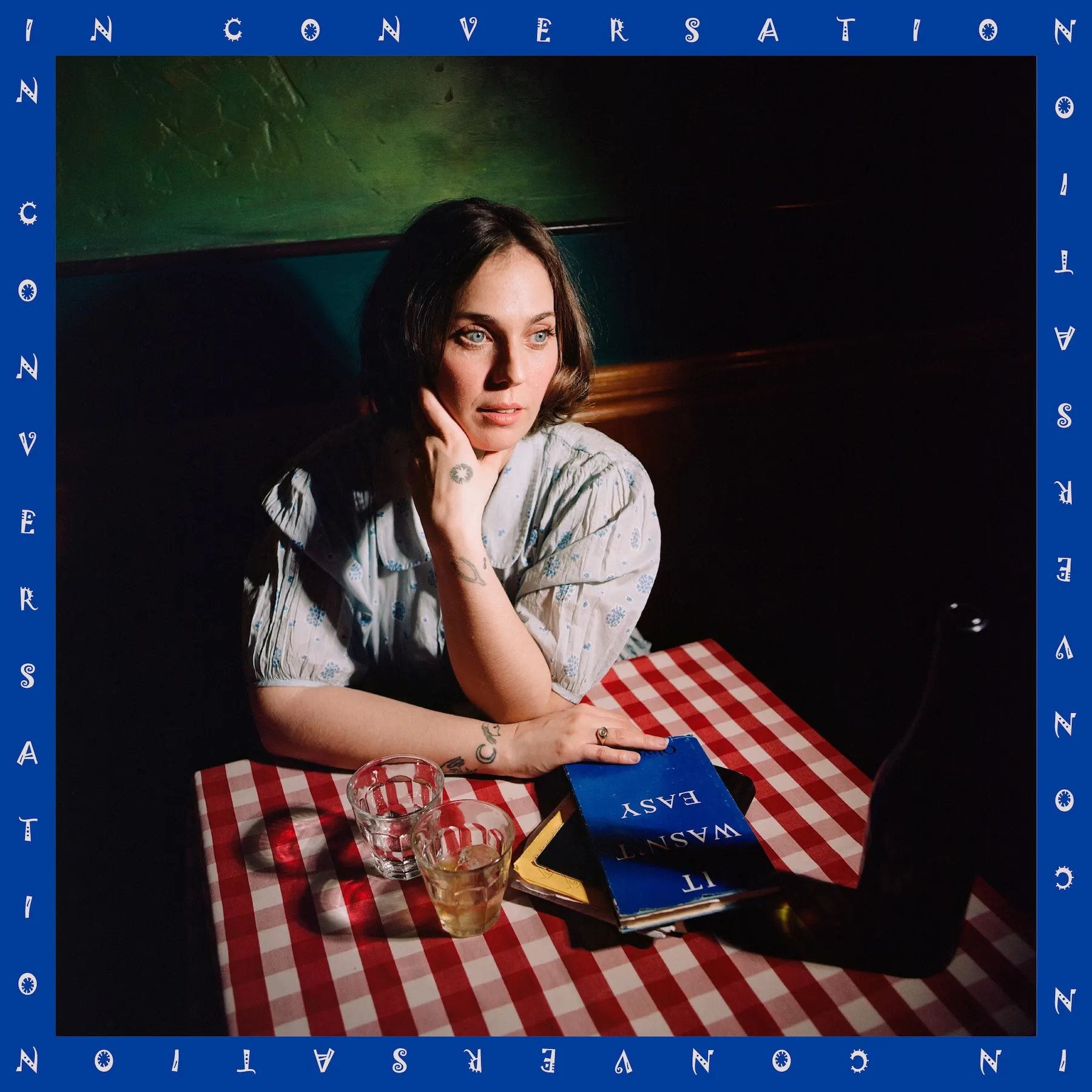
10 all right. Yeah, well, we're here, you know, to talk about this is a couple weeks before the record releases at this point. But scratch it, 2025 release on 4A.D. Great record. I want to start, I guess, talking about this in just like on the. With the surface of it. Because I've always admired like the art direction and kind of the. When I say packaging, you know, that sounds, you know, a little mercenary, but just like sort of the conception behind the way the record is titled, you know, the COVID art, the way it's kind of put across, you know, half free. It's obviously got a very stark, bracing image of yourself on the COVID in a poem. Unlimited. I love the look of that. The last couple records also, I think more focused, at least the COVID art explicitly focused on your experience as a mother. Scratch it now has got its own unique flavor. Can you just talk a little bit about, like, what this image is and why it's being put across as such?
- [12:00]
Meg Remy
Sure. The picture's me as an 11 year old.
- [12:03]
Ian
Wow.
- [12:05]
Meg Remy
Yeah. I begged my mom to take me to do glamour shots at the mall. I don't know if you remember glamour shots.
- [12:11]
Ian
Sure.
- [12:12]
Meg Remy
And I wore glasses. Like, I started wearing glasses when I was six years old. And of course, glasses are not glamorous. So at glamour shots they made me take them off and I was just like, I couldn't see. And also was just mortified because, you know, I was so used to seeing myself with glasses and I just felt uncomfortable. Anyway, the shots happened. They do the makeup and all the things and then, you know, it was film back then, so we had to go back two weeks later to the mall, pick up.
- [12:42]
Ian
Sure.
- [12:42]
Meg Remy
And I was, I just was more mortified by them. I, I just, I didn't want anyone to see them ever. I was so concerned. I had to have two older brothers. I just was like, did not want her to show them. And I, So I got rid of them. I. You know, children think they're doing things no one sees. And I, like, threw them out. And she, of course, knew I threw them out and saved them.
- [13:05]
Ian
Sure.
- [13:06]
Meg Remy
And then was at her house, you know, a year or two ago and found them. I was like, oh, these exist. Wow, look at this little person. And I took them and thought, I'll do something with them someday. You know, I knew they would be, they'd be useful. It's totally the type of thing that I would use for an album cover, you know. So took it and put it away. And then with this album, when I decided to call it Scratch, kind of started from the drummer that I'm playing with right now getting scratches at the gas station, you know, going. Getting some lottery tickets and bringing scratchers. Yeah, yeah, yeah. Okay. Yeah. And just thinking about scratch it's. And how, you know, I. I mean I don't know if you did them as a kid, but like they're for. They kind of like you start gambling.
- [13:58]
Ian
Pretty young doing those addictive part of modern life.
- [14:03]
Meg Remy
Yes. So initially we were working on a. The COVID being a scratch off lottery ticket.
- [14:11]
Ian
Oh. With like an actual thing you could literally scratch. That's. I mean that sounds expensive but very cool.
- [14:16]
Meg Remy
We were. We were working on. And it just wasn't getting anywhere. And then it's also, you know, you can't give people you want to. One wants to avoid being too explicit because then you're going to be nailed to a cross. And it was like I could just see it. I was like, okay, every interview is going to be about gambling.
- [14:39]
Ian
Sure.
- [14:40]
Meg Remy
Everything. All the, all the art, all the ads and all this stuff's going to lean. It's going to be like cherries and horseshoes all over everything. All of a sudden I just. I think I need to avoid this. And it. And it was the art just. It wasn't working. The designer and I, we weren't able to land on something. And I found like time and time again in any realm, whether it's kind of relation, a relationship or. Or art or anything. Like if you're having to push too hard for the outcome, it's not. You should abandon ship.
- [15:15]
Ian
Sure. Should happen pretty easily.
- [15:17]
Meg Remy
It should happen easily. So we abandoned that and I just started looking through stuff and found one of those glamour shots. And I thought okay, this. Let's. Let's mess with this picture. So I photocopied a few times and then scanned it in and started messing with it in Photoshop and I was able to kind of. It started taking on a silver quality similar to the silver latex that goes over the scratch. It.
- [15:45]
Ian
Sure. I see that similarity now looking at it.
- [15:47]
Meg Remy
So it also just started morphing my face in a way that started bringing this kind of wisdom out of my eyes that was kind of blowing my mind. It kind of looks like an adult trapped in this child's body or something. Was also looked like a bit AI to me. Like it could have been kind of just made by AI or malfunction.
- [16:11]
Ian
Malfunctioning AI almost.
- [16:13]
Meg Remy
Yeah. And also looked a bit like a. A saint card. Like a, you know, like a Catholic saint card. So it. A lot of things started coming up for me, which was nice. That means it's right because it's open for interpretation if I'm getting lots of reads off of it, then perhaps, you know, someone else who's viewing it is going to be able to get a read. Their own read on it, too. So that's kind of where that came from, is it's just a. It's an image that has a lot of meaning for me, but it's also an image that's kind of open.
- [16:48]
Ian
Sure, yeah. No, I just. I really admire the whole. Like I said, beyond the actual music that you make, the thought and kind of care that I think the whole. Again, I say a word like brand, and that sounds insulting in a sense, but, like, you know, the way that everything is thoughtfully put together from the title of a record, the COVID you know, right down to the music, obviously. Speaking of which, I gotta start here. I mean, the show Joker Men, and we began many years ago as a Bob. Just talking about old Bob Dylan records. So you might see where I'm going already. But Charlie McCoy shows up on this record, which I was just, like, shocked and amazed to read in the press package. But I'm sure he doesn't need any introduction for listeners out there. But of course, the guitar player on Desolation Row, Mastermind behind Blonde on Blonde, and signature bass player on John Wesley Harding, Just one of the greatest rhythm sections in rock history between him and Kenny Buttrey on that record. What? Just tell me. Tell me the whole story. Charlie McCoy.
- [17:55]
Meg Remy
Okay, Charlie McCoy. Well, I started working with these Nashville folks and then decided to make a record there. We're working on the record, writing it over email mostly. Me and the guitar player, Dylan. And I thought, I want harmonica on this record. Like, it fits the palette. I've never used a harmonica. I've used a lot of horns as a soloing instrument. But I felt like, man, I would love some harmonica solos on this. I'd love to hear someone, you know, give them the space of some bars and see what a harmonica player would do. So I wrote Dylan saying that, you know, I think I want harmonica player. And he's like, I know the guy. So. And Dylan and the drummer, Domo, they both work or have worked over the years at this independent movie theater in Nashville called the Belcourt. That's like a legendary independent film center. It's amazing.
- [18:50]
Ian
Sure.
- [18:51]
Meg Remy
So Dylan had been working there some years ago, and he's one of these guys that, like, he'd recognize Charlie McCoy walking through the door, you know, like, he knows the. He knows all the musicians, has researched them, knows what they look like. And so Charlie walked in and Dylan said, like, Mr. McCoy, I'm a fan or whatever. And he, I think the story goes like, he didn't really. He wasn't really computing what Dylan was saying. And his wife had to be like, he's a fan. You know, he's like, oh, thank you. And then gave Dylan his card.
- [19:24]
Ian
He's walking around Charlie McCoy business cards.
- [19:26]
Meg Remy
Yeah. And it's like a harmonica with. With wings. And one side. One side is for like March through October.
- [19:38]
Ian
Okay.
- [19:39]
Meg Remy
When he's in Nashville. And the other side is for the winter months when he's in Florida.
- [19:43]
Ian
Wow.
- [19:45]
Meg Remy
So it's like a two sided card. So Dylan had this card and had never capitalized on it. He never used it. And he was like, I'm gonna, I'm gonna lay the card down. Called him. He said, like the TV was up on third, you know, like blaring in the Blair in the background.
- [20:02]
Ian
Sure.
- [20:03]
Meg Remy
He called him and, you know, approached him on it and he was down, man. So we, we tracked all the beds and then had a day set aside for him because we're like, we just want him to come in and, and, you know, have a Charlie McCoy day. And I didn't know who he was. You know, when Dylan said, like, this guy, I'm like, he's like, just look him up. And then I'm like, oh, my God. Oh my God. Like, what the. Like, he played vibraphone on blue velvet. Like, it's insane.
- [20:35]
Ian
Like one of the wildest credits page that you'll ever find on Wikipedia.
- [20:38]
Meg Remy
So wild. So, yeah, he came into the studio. Everyone, everyone got dressed real nice that day. Everyone was very excited. Even the engineer, you know, like a crescent, dusty, sweet Nashville dude who's seen and done everything, was very excited. Had never worked with Charlie. And he came in, he's. He's a real tiny dude.
- [21:01]
Ian
Tiny. Interesting.
- [21:02]
Meg Remy
He had a. He had a. He always wears a Nashville Predators hat.
- [21:07]
Ian
Okay.
- [21:09]
Meg Remy
And he came in and yeah, we tracked. We tracked more than we needed of him just because we wanted to try him on stuff and just hear him. But it was a big learning experience on many levels. Like, not only, like all of us were bringing a lot to him, you know, because he's this like, icon. He's living music history. You're just like. And so like, we had, I think we had expectations of, like, when he got to the mic, of what was going to come out. And, and it wasn't a lot of the time. It was not what we were expecting. And being like, this is amazing, like having to kind of recalibrate and, and stop Putting. Letting it. Letting this dude just be a musician.
- [22:03]
Ian
And play, do his thing.
- [22:04]
Meg Remy
Do you know what I mean? Rather than being like, I need this from you because you're so and so and I've heard you do this before. So it was like some recalibration. And then for him, like he said to me, which I. I'll never. I mean, it's like the biggest compliment. He's like, you. You have. You make the weirdest music I've ever heard. I was like, damn. You know what I mean? Thank you, sir. Like, wow. You know, and it's. I think he's been playing mostly bluegrass the last little bit.
- [22:35]
Ian
Sure.
- [22:35]
Meg Remy
And you know, we're giving him direction. Like, can you play like a little bit more gross? You know, he's like, no, why would I want to do that? You know what I mean? Like, so there was a lot going on there. We, we tracked, we ended up using him on three songs and he's perfect on those tunes. You know, I think we thought maybe we'd want more. But it, I think it, you know, like some taste of harmonica is better than it being like this main color on the palette of the album.
- [23:10]
Ian
It's a strong flavor.
- [23:11]
Meg Remy
It is.
- [23:12]
Ian
It's like an anise. So like a little bit of fennel in the salad is nice, but you don't necessarily want that on each and every, you know, dish on the. On the table for sure.
- [23:22]
Meg Remy
So, yeah, it went well and big learning experience. And then also we just played the record live in full in Nashville and he joined us so we got to play live with him, which was amazing. Like, I've never played live with a harmonica and just to hear it coming through the monitors and, and hear it responding to the other instruments. And we did a whole end of a song that was improvised and he was just ripping. It was like. And. And to experience, we did it at a amazing kind of artist warehouse space called Soft Junk. And just like witnessing this 83 year old man who's just like hanging out at this shitty punk club, you know, and he's like there for, for the sound check, brought his own dinner, had his little subway sandwich in the corner. Days for the show, does his songs, bails. He's like, I gotta go. You know what I mean? But like, so inspiring to be. To. To see that like 83, still gigging, having new experiences. So it was a. Yeah, very, very special.
- [24:29]
Ian
That's the dream, man. We all should be so lucky to be that. Just, you know, active and dialed in and adventurous at that Age, man, That's so sick. I just, like, you know, you think of people that are gonna show up on one of your records, or you think of the type of records that Charlie McCoy is gonna show up on, and it just never in my wildest dreams would I have point, you know? But that's what I think. That's what makes that the. The collaboration so magic. And so all the. All the harp on the record is. Is him. Is that right?
- [25:03]
Meg Remy
It's all him. Yeah.
- [25:04]
Ian
That's amazing. Yeah. Like, when he comes in on Bookends, man, like, that is so just like.
- [25:10]
Unknown
It's amazing, Sam.
- [26:00]
Meg Remy
That's a big part where it was like, you know, we had these bars. I was expecting this crazy note moving around solo, you know what I mean? Just like, he's gonna come in because the organ solo right before it is so intense. There's so much movement in it. I. I just. And then he comes in and he's just holding these long notes, and it was so great to be reminded of that. I just. When you give someone the space to solo, it's best to give it as the gift. And then you don't, you know, you're.
- [26:41]
Ian
Not there stage directing what you want.
- [26:43]
Meg Remy
No, no, that would be. That you should solo then.
- [26:47]
Ian
Sure. Yeah.
- [26:48]
Meg Remy
You know, and just being like, this is not what I expected. This was not it. And having to. And then growing to really love it because it's what he obviously heard that should go there. And trusting. Trusting that. And. Yeah, there's. The harmonica is a sound that I think a lot of people see it as a joke sometimes. Like an accordion, you know, like, oh, Roseanne instruments. Got Roseanne theme song on your album now or something. And it's actually. It's such an amazing. An amazing instrument.
- [27:28]
Ian
Yeah. I find it very emotional. It is in a way that almost no other instrument can match. And, you know, part of this obviously comes from my history of having listened to million hours of Bob Dylan, perhaps, but just it's able to put across, you know, some. Some degree of emotional resonance. Whether that's positive, negative, somewhere in between, something other that, you know, even the greatest guitar solo, even the most incredible bass playing, you know, I just. It's its own unique kind of thing for me. So love to hear it here. Especially obviously played by Charlie McCoy. You mentioned this already, but this is a Nashville record, as so many great records are. Maybe the last great, just like music industry town, from what I understand. At least I've never visited. I do desperately want to go. Can you just tell me about that.
- [28:22]
Meg Remy
Yeah, I started playing with these guys, kind of not just guys, people on a fluke of had a show in Arkansas that I needed to fulfill, and I couldn't get the Canadian band I was working with down. So remembered this guitar, guitar player, Dylan, and reached out to him, asked him to put a band together. He did and, you know, flew in and did one rehearsal and was just amazed by how they were able to pull the set together. Obviously, just straight up professionals and people that have just played a ton. Kind of a cliche Nashville thing, but it is real. I mean, cliches are real. And then chatting with them about making records and how I'd never made a record on tape before, and that's mostly how they'd worked, and it sounded really appealing and they were so encouraging about it. We just kind of decided then and there, let's, okay, well, I'll book some studio time at whatever studio you tell me to do. You know, they're like, we know the place. We know the guy. He'll be nice to you. Like, it's not. It's not uptight, like, you know, work here. So I went home and I booked the studio time and then went down one other subsequent time before we tracked the record. Just to work in person a bit with people. But, you know, I was definitely intimidated to. To walk into that space, you know, of Nashville. It has obviously so much history, but there's also just, you know, a. A the main history is making records really fast, efficiently, and that was slightly intimidating, but also so great to walk into because I knew even if I went toe up and I really sucked, I was going to be leaving with a finished record no matter what, because we had it set. We had five days booked for tracking and or seven days for tracking and three for mixing. So it's like, I know something's going to come out of this no matter what, because we've said it and it and it came to be. And it's really an amazing place. I mean, the studio we worked out of, the Bomb Shelter, the Andrea Tokich, he's the owner and the kind of head engineer there. I've never seen anyone know their studio so well. They just know all the gear and how. How it works. And when we were actually tracking Charlie in the middle of it, the tape machine crapped out. And I. If I was in that setting, I would have been just like a chicken with no head. This dude was so calm. He's like, I'm gonna need a minute. Just calm. Open up the back of this big machine checking stuff out. He knew what to do and then we're back on track, just rolling again. And he just knew how all the outboard gear, how each piece of gear worked in relation to each other. He knew exactly what the settings were. I just had never seen that. Even though I've worked in studios with people who know what they're doing and stuff, this was a next level. And I think that there is something about tape that is. You have to know what you're doing.
- [31:37]
Ian
Sure.
- [31:38]
Meg Remy
And it's pretty specific and it is a certain skill set. So, yeah, that was really amazing to, to see and, and that everyone kind of had their role and everyone did their thing and did it well and then it made a hole, you know, it was. And each role is kind of equal. Everyone had to be on their game and, and doing it or else it wouldn't have. It wouldn't have worked.
- [32:05]
Ian
So.
- [32:06]
Meg Remy
No. So, you know, I'm sure this exists elsewhere, but Nashville, I think is the last of the kind of. It seems to be the last of the studios, you know, that operate in this way and the people that have that skill set and access to that information. I don't know. Yeah. I don't know anyone in Toronto that. That tracks the tape.
- [32:32]
Ian
Yeah, it seems like it's sort of just like a lost art, you know, in many ways. The way that, like, I don't know, developing film is or like, you know, tailoring in some cases, just like something that used to be sort of taken for granted as like the way things were done in whatever early 20th century and now is. Is just the province of just a few, like old, old heads or like, you know, just like the craziest specialists of, of the industry. It sounds like like you were working with there at the bomb shelter.
- [33:02]
Meg Remy
Yeah. And it is a lost art and I think it's affecting art, you know what I mean? Because if you working on a daw, it's like, yeah, you could put limitations on yourself on a daw, but you're not going to. Just like if you have a smartphone, you're going to use it. You know what I mean? Like try to self police. You could try on a daw to be like, no, we're only using 16 tracks. There's always going to come that time where because you have the ability to. You will. You'll be like, okay, I'll just, I'll.
- [33:32]
Ian
Just cheat this one copy and paste.
- [33:33]
Meg Remy
This, move this over because it's so easy. And that doesn't mean that great music can't come out of a daw. But I don't know if you can get that same performance based magic. I'm capturing the air in the room. Everyone's playing this. It's really interesting how the pr, you know, it's a process. Art is. Is kind of. That's what it is at the end of the day, is kind of a picture of a process.
- [34:06]
Ian
Sure.
- [34:08]
Meg Remy
And yeah, I think I'm gonna. It's gonna be too bad when that disappears. And it will, you know.
- [34:16]
Ian
Yeah. And I can't help but think that or imagine that, you know, the physical limitations, you know, the material reality of like tape, for instance. Like tape, that's a physical thing that you need to like spend money on, you know. And so like if you're just sitting at your computer, you know, with logic running or whatever, you know, you can be in a great studio and obviously be working with a bunch of incredible equipment and other people. But like, there's just a different, I imagine at least different mindset when like every second of recorded music that you're playing is there's like a physical reality, you know, bolted onto that versus just being able to hit delete and then start over again. That can't help but like impact the way the recording goes.
- [35:00]
Meg Remy
Totally. 100%. Yeah. I only had two reels of tape, you know, that was what my budget afford it.
- [35:08]
Ian
Sure.
- [35:09]
Meg Remy
You know, and it was like, okay, this is what we got to work with and we don't want to keep taping over things because this is a little degrading the tape and whatever. And like, so it was a really. People were focused. And I think when you're focused, you can really. Magic can really happen. And it also was just like not a not precious situation. Let's track two takes. Which one's better? Great. Everyone likes this one. Let's move on. You know what I mean? Like, it's not. I. I don't know if the song gets better and better the more you take it. You know, it's like Sun Ra used pretty much exclusively first takes.
- [35:48]
Ian
Totally.
- [35:49]
Meg Remy
Which is why a lot of people didn't want to work with him because they're like this. They want their perfection. And that he knew you get something with a first take that is beyond music, you know, it. It's. It's a really special thing. So it did bring into a light though, thinking about the Beatles of having access to endless tape, you know, like. And yeah. Oh yeah, you can do crazy. When you got all the money in the world and all the tape in the world and everything at your disposal and you have nothing else to do. You know, it's like I, I, the Beatles are interesting. Like in this I, I always feel like if I had been alive back then, I would have been like a Beatle hater, hater of the Beatles. Just like I think I would have like not, not of their music because I love their music, but what they.
- [36:47]
Ian
What they stand for, their, their, their, their personal politics, their ethos, they are.
- [36:54]
Meg Remy
Kind of like the ultimate in that setting. Like they became, I don't know, there is just, I'm skeptical of something, I'm skeptical of the, I think all the money and the freedom and the, you know.
- [37:11]
Ian
Yeah, no, I know what you mean. I mean there's like, there's a decadence, I think, to a lot of classic rock and the Beatles. I think, you know, late era Beatles certainly is a great example of that. Steely Dan is another prototypical example where it's just like, like do it again, do it again, do it again. Just like bringing in the most expensive session cats in the world and having them rip 50 solos and you know, driving everyone insane. Spending a million dollars recording a seven song record. There is a romance to that to me because that's so far away from where we are today. But at the time I can imagine that, you know, feeling much more grating than it does maybe in 2025.
- [37:50]
Meg Remy
Yeah, and I think there's also just like a, there's a lacking of transparency, you know, like it, it feels, I feel like I want, I wish, I don't know. That's what I thought was great about get back. I feel like is it showed you just the process, how much. Yes. You know, it is kind of shocking how much it took them to get what they got.
- [38:21]
Ian
Sure, yeah. I mean it's a different ball game or certainly it was back then. And especially when you only are listening to the finished product, and especially a finished product that is like let it be for instance, that goes on to take on these mythic proportions, you think, oh, this is just a, a brilliant work of art that came out of everyone so easily and was just destined to be created. But yeah, I mean, when you see Paul just sitting there like literally writing the songs in the studio and everyone else is gone and George has quit the band and stuff, it's like, I do love seeing the labor frankly, that goes into something like that for sure.
- [39:06]
Meg Remy
But it's interesting how now it's similar. I feel like there's just a lack of transparency around how music is made like it. I. I think people know it, but they take it for granted and don't actually know it. And think about it that, like, all vocals we hear are tuned, you know, like.
- [39:26]
Ian
Sure.
- [39:27]
Meg Remy
So then people are learning to sing to tuned voices. And it's kind of like with photo filters where it's like, you'll never be able to achieve the look or the sound without same filter or same tune or whatever. And, like, that discrepancy is really interesting. And I do wonder, like, how the human voice is gonna change.
- [39:55]
Ian
That's a great.
- [39:56]
Meg Remy
I mean, it already is.
- [39:57]
Ian
It certainly is. And I mean, you see that also, I think in. In live performance versus recorded music, where some acts do a great job of, you know, playing live and representing the songs, recontextualizing them on stage, live in front of an audience. And others, you know, maybe have a bit more of a difficult time, you know, kind of bringing the music to life in a way that makes it worth seeing the show in the first place as opposed to just, like, I don't know, hitting play on some backing tracks and then, like, going up there and, like, kind of reciting the verses. In a sense. I always get the sense when I go to a show like, you know, two, three songs in. Whether, like, the artist I'm seeing falls into the former camp or the latter camp.
- [40:46]
Meg Remy
Yes.
- [40:48]
Ian
Are you looking forward to the. Speaking of which, the next leg of tour?
- [40:53]
Meg Remy
I am, very much. Yeah. I love. I love to play. Yeah. It's, like, really one of the things I live for. So getting to do two weeks of shows in a row is really a blessing, and I'm super excited.
- [41:07]
Ian
Are you. I know you're doing, you know, an American leg here. I think in a couple months maybe. Are you. Do you have. Are you going to play with the band? With the band from the record?
- [41:19]
Meg Remy
Yeah. Band from the record. Not Charlie. Charlie's not coming.
- [41:22]
Ian
Sure.
- [41:23]
Meg Remy
Well, but yeah, the core band is going to be with me for the US States, and. And, yeah, it's like. It's a dream. It's a total dream.
- [41:34]
Ian
Are you. I mean, so this will be your first, like, tour tour with this band, is that right? I know you said you played the Arkansas show, so is it gonna involve. Obviously, you're gonna be playing plenty of material from the new record. Are you gonna be revisiting the now pretty, you know, deep US Girls catalog and, like, kind of re figuring out how to make those songs work with these players?
- [41:55]
Meg Remy
Yep, that's already been happening. We've done a Couple little one off shows and it's been fun to open it up. Like what, what songs do you want to do? Because they, you know, have been going through the catalog as well and they're kind of pulling stuff out that I wouldn't, which is great. And just re. Rearranging old tunes for this palette, you know, this very set, limited palette of guitar, bass, drums and kind of rhodes organ. You know, it's, it's nice to hear older tunes in this palette and yeah, just seeing that I've written songs that can be redone, you know, they weren't tied to that kind of album cycles Band or something or tied to that era or anything. Yeah, I'm, it's, and it's, it's so great to make a set, you know, it's. I love collaging and I always find making a set is similar to making a collage, you know, for the evening of kind of the journey you want to take people on, so.
- [43:05]
Ian
Sure. So I get the sense that you're comfortable and interested in kind of, you know, for lack of a better term, fucking with your older music and reconceiving of it to match whatever, you know, kind of mood and sound you're after at this particular moment, rather than being strictly focused on representing it the way that it sounded in 2015, let's say.
- [43:29]
Meg Remy
Yeah, no, I don't, I'm not interested in that. I never have been, really. And for Perf, you know, I want to enjoy myself and I want to enjoy performance. And a part of that is it has to be new to me, you know, and it has to be. I, I'm a little bit uncomfortable, you know, I, I, I always kind of don't like at the end of a lot of touring where you kind of get on autopilot with stuff, you know, that's when it's kind of like, okay, time to wrap it up, time to mix it up. Because, you know. But that's why I enjoy leaving some songs to be improvised, you know. Okay, we're not going to set what the end of this song is so that it's different every night. And encouraging soloists to switch it up every night. Please. I don't want to hear the same solo from the record. Don't, don't do it.
- [44:19]
Ian
Sure.
- [44:20]
Meg Remy
You know, so that I have something to react to and.
- [44:24]
Ian
Yeah, yeah, that, that, you know, aligns with a lot of the way that I like to listen to music and see shows, certainly. And I think makes sense to me as someone, you know, again to go back To Bob, you know, who has made a whole lifetime of just endlessly recreating and representing his songs sometimes, you know, to a fault when people in the audience don't even know what they're listening to. But at the same time, I was talking to Michelle Zauner from Japanese Breakfast a couple weeks ago and she was saying that she almost feels a sense of. I hope I'm remembering this quote correctly, but a sense of pressure or expectation from the audience where when she's going to play a song that everyone fell in love with eight years ago, she thinks they're expecting it to sound the way it sounded eight years ago. And so she's going to do the best she can to, you know, give them that. Give them that experience which is, you know, there's nothing wrong with that either. It's just, it's a different, you know, different kind of mindset towards live performance.
- [45:24]
Meg Remy
Yeah, I think it's just a lot of that can come from to what your relationship with your audience is. You know, I want to be in dialogue with my audience, but also I'm, I'm. I'm the head of this show, not, not you all. So like, you buy the ticket, take the ride. I don't like, basically. Yeah, yeah. And also like, you know, maybe interested in people maybe coming with expectations but giving them new ones, you know.
- [45:58]
Ian
Sure, sure. Yeah. No, I, I think that that's a great point. And I mean, to a degree, I think it probably like it's, it's sort of the audience self selects there like, you know, the type of person who's interested exactly in, you know, a very loyal or faithful interpretation might select for, you know, artists who give them that and obviously vice versa.
- [46:20]
Unknown
Maybe I should have gone up to you, but what would have been my prudence? The pyramid, such a steep shape to climb when you know your rank and you got your foul. So you just stay in line on.
- [46:54]
Ian
The note of, you know, kind of what we've been talking about or to an extent, your voice, just literally your singing voice, you know, I do. The project has moved in many different directions musically over the 15, you know, plus years that you've been working at this point, zillion different genres and sounds and just kind of recording styles. But I think, I mean your voice obviously is the sonic thumbprint for it all, which I think is just such a unique and, and I mean, I love it, you know, one of the strongest aspects of the music. I don't. I guess I'm not doing a great job of formulating this into a question, but I just. I wonder how you conceive of your practice as a vocalist beyond, you know, a songwriter and a music maker.
- [47:41]
Meg Remy
Yeah. Well, thank you for the compliment. Appreciate it. I started taking vocal, like, vocal lessons and working with a teacher in 2015. When I was. When I started working with 4 AD and then touring more, I was, you know, carrying on like I always had, smoking cigarettes, drinking a bunch, and staying up late, and rock and roll life started. Started losing my. I had experience where I lost my voice in New Orleans, and it was. It was very scary. I had never had that. I've had it where my voice was fucked up or I was sick, but this was the. You wake up and there's no sound coming out. You can't. You can't produce sound if you want to. And then knowing, okay, I need to. I need to change some things, and I need to, like, look into this and also, like, real. I was hitting a threshold with my ability that I knew I could move beyond, but I needed some assistance, and I needed some. Some tools and just to learn a few things. And so I started working with a singer here, a teacher. Her name's Kriti Uranowski. She's amazing. And I work with her. I've worked with her from. For every album, from in a poem up till now. So I work with her before I go into the studio with each song, sitting with her, discussing the character of the song, the emotions, what we're going for, references, breaking the song down, how to sing it. We do that up until going into track, and then we do it again. For singing it live, of how to prepare for. For singing it live, because it's different than singing it into a mic with headphones, and I'm dancing a lot. So how to incorporate movement. So, you know, I. I take singing very seriously. It's. You know, my voice is one of the main tools I use for my job and to make a living. And I've also realized that the voice has such potential. The voice and the body to convey song. And so I work really hard at. I've worked hard at always being the best singer that I can be. While also. And this is something I really appreciate about my teacher is preserving what makes me my voice mine and the idiosyncratic things about it and its strangeness and seen that as. As important as kind of the protective skills or the kind of academic music skills with it. So, yeah, I've. I've put a lot of. A lot of work into singing and being able to A big part of it is just being able to do it and not crumble in shame, you know, like when I am singing live at a show and I'm hitting a bum note and it's like, whatever, you.
- [50:38]
Ian
Know, like, there's always gonna be another note.
- [50:39]
Meg Remy
It's not wrong. It's just the note that came out and just carry forth and trust that that's what needed to come out at that time. And, yeah, a big part of singing, almost the main part is psychological, you know.
- [50:53]
Ian
Sure. And like, with sports. Well, I was. Yeah, I was just gonna say I think there's. There is like an athletic component to it also. I mean, I just. Not that there are some similar. But like, my wife and I just saw the Beyonce show recently and just like the literal, like, you know, physical fitness that you need to have to be able to run and jump and move and dance and then also be singing all these. It's just like, you know, it's mind blowing to me.
- [51:21]
Meg Remy
Yeah, it's a lot. It's a lot. And it does take. You know, I think that that's something I found. I always. I love reading music, you know, music biographies and autobiographies and I'll watch every music doc in the world. And it's like every singer, up to a point, starts working with someone and you have to. And you have to start taking it seriously, no matter if you're Johnny Rotten or whatever. It's like, it comes to this point where it's like you realize that you can't be a punk about it, really. There has to be some training in there. And it. It doesn't have to mean that you get square then or something. It's just, it's. It makes you better.
- [52:04]
Ian
Yeah. Take it seriously. Put.
- [52:06]
Meg Remy
Yeah.
- [52:06]
Ian
Put the effort in.
- [52:07]
Meg Remy
Yeah.
- [52:10]
Ian
Well, we've talked about some, you know, rock legends already, obviously. One more that figures, you know, very clearly into this record. And I'm sure you probably have already talked about this in any interviews you've done and will continue to talk about it in future ones, but Patti Smith, who shows up there on track two. Dear Patty, fantastic song about. I guess you were at a festival where she was playing and you just missed her set, right?
- [52:36]
Meg Remy
No, no, no. I was opening for Patti Smith and the national in Toronto.
- [52:41]
Ian
Oh, Jesus.
- [52:43]
Meg Remy
And was very excited, obviously, to be playing with her and sharing a stage with her and assumed we would meet. Meet.
- [52:54]
Ian
Did not.
- [52:55]
Meg Remy
We did. We did not. You know, partially because it's like sometimes you see someone and you're like, oh, I'M gonna. I'm not walking up to them. You know, it was like, she. I can't imagine what it's like being her agent, touring, you know, the energy it takes and just also the Groundhog Day nature of it of just like been here before. So I didn't go up to her. My manager was like, I can introduce you. I'm like, let's just. If it happens, it happens. You know what I mean? I'm not gonna push this thing. It did not happen. And then I wasn't able to see her because my kids were at the show and my in laws watched them during our set because I obviously couldn't watch them being on stage. But then I. So I took them from my in laws so that they could enjoy Patti Smith. And I thought, oh, we'll watch side stage. No, my kids were not having that. They're running all over, literally trying to jump into the lake by where the. There's an amphitheater right by Lake Ontario. So I didn't get to. I could see her from afar, but I couldn't hear anything. I. I missed the whole set. And it just was. There was a lot going on there. And that song just kind of came out that night in written form. I just kind of spat it out and left it in a book because it was so much like, you know, there was a feeling, the feeling of, like, why is Patti Smith opening for the National?
- [54:23]
Ian
Wait, she opened for the Net? It was the national opening for her.
- [54:26]
Meg Remy
No.
- [54:27]
Ian
Oh, my God. All right, well, that's.
- [54:28]
Meg Remy
You know what I mean, where you're like. You're like, huh? I would be so uncomfortable with that, you know, like, if I was the national. But. But then it's like, okay, there. There's these hierarchies of things. Like, there's more people buying national tickets or whatever. And then. And just the difference between the three acts. Like, my crew had rolled up in a minivan and even one person biked to the show. And the people who worked at the venue didn't want to let us in. They're like, oh, yeah, you guys are playing. You're on a bike. And then it's like the national have three semis of stuff.
- [55:08]
Ian
It's like an industrial operation.
- [55:10]
Meg Remy
Looking at that and being like, like. And then Patti Smith, who. It just was. There was so much to think about. And, you know, a lot of it was, again, assumptions. Similar with the Charlie McCoy thing. An assumption that I would meet her. An assumption that we should meet because we're both musicians and mothers. And published authors, and we have so much in common. And it's like, you know, and why didn't I just go up to her and say, hey, Patty, Like, I'm playing, too? And, you know, like, this embarrassment thing, almost not wanting to be in the way. It was a lot. So it seemed very bright for a tune. And it's all, you know, it's basically just reportage of the day.
- [56:06]
Ian
Yeah. I mean. Yeah, Right down to, you know, I forget the exact line, but, you know, Patty, I didn't get to hear you play. I was busy trying to make sure my kids didn't fall in the lake, which, you know, as you literally just said, it's. I mean, it's kind of funny. The song is a little. There's a little, you know, humorous element to it, but also like, you know, humor that comes out of kind of an actual sense of disappointment and irony.
- [56:32]
Meg Remy
Yeah. The first time we played it in New York, I kind of said a little bit about what the song was beforehand. And then we played it and the. And people were laughing, and I remember being like, it was really hard for me, you know, it was like, I know this is funny, and I wrote it to be a bit funny, but, like, it's hard when a weird. A room full of people are, like, laughing at your experience. You know, it was a kind of like. Like caught myself a little bit choked up and, you know, but it was funny, and it is funny, and icons are funny, you know, to hold people in this esteem where you. You kind of hold them above you because of some things that they made sure, you know, it's like, we don't hold the engineer of her albums. You know what I mean? Like, it's just hierarchies in general are fascinating and I think really important to look at and. Yeah, I'm proud of that, too.
- [57:39]
Ian
Yeah, it's a great song. And I think, for what it's worth, an experience that's not totally uncommon in the music industry, because I remember I interviewed Benjamin Booker earlier this year who put out a new record, and he opened for Neil Young. He did a whole run of Neil Young dates. Never met him once.
- [57:58]
Meg Remy
Yeah, I know. I know. I don't. It's hard to not feel. That's weird, though. Is that not weird?
- [58:05]
Ian
I mean, me looking from the outside? I think, yes, it is weird. Cause, like, you're touring, you're, like, going from place to place, and, like, you're in the same exact building with these few people every night. But, like, the more I talk to people you know, like yourself. I'm realizing that, like, there is. I guess people are just kind of operating in their own little bubble. I guess once you get to a certain point of stardom and financial success and financial risk, it's not like everyone's piled into the van together and stopping at the gas station in the middle of a highway. It's more like, we got money to make, we got a show to play, we got a place to be by such and such a time. So everyone's just got to, you know, play their part.
- [58:52]
Meg Remy
But unfortunately these artists, like a Neil Young, like or. Or whoever's the artist in the upper position higher up, they're training the people then below. So then this just continues. Do you know what I mean? And I just. It takes two seconds. The Patti Smith thing was different. This is a one off show. I think she was maybe sick that day. You could tell that she was tired, you know what I mean? Like, I don't think I could do a whole tour and not meet the person. I think I would have to go then and be like, I just want to meet you. Because we're touring together. It just takes two seconds. And also it's almost like the people have blotted out where they came from. Do you not remember being the opening band? I don't know. I think that's just bizarre. I don't think it's. You can justify anything, sure. And lay it down to coping or something. But I don't think it's. Neil Young should. Whatever Neil Young, he does. Neil Young. Next time I see Neil Young, I'm.
- [60:06]
Ian
Gonna be like, give him a piece of your mind.
- [60:08]
Meg Remy
Listen. Bench him in. No.
- [60:13]
Ian
Are you. Who do you have opening for you on tour?
- [60:17]
Meg Remy
Different people in every city.
- [60:19]
Ian
Oh, wow.
- [60:20]
Meg Remy
It's like the nature of. With touring right now, it's like the support fees are so low some places it's hard to ask someone to be like, do you want to go on the road for. So it seems like locals better and. But it's also helpful for getting people out. You know, local people can tell all their friends that live there to get out to the show. So I got. It's a lot of friends opening, which will be good. Well, yeah.
- [60:49]
Ian
Hope to make it out when you come through my neck of the wood here in.
- [60:52]
Meg Remy
Yeah, we're gonna be there in September, so please come out.
- [60:56]
Ian
Hopefully I'll see ya. Yeah, I wonder, you know, you. We were talking a little bit off mic before we started taping. You're in Toronto. Can you just give Me, we don't need to end this conversation on a super downer note, but I can't help but wonder, as someone who gets to observe all of everything that's happening from some degree of distance on the other side of a nation, state, border, what it's like to be witnessing all this and then obviously coming here in a couple months to live it for yourself.
- [61:33]
Meg Remy
Yeah, well, observing. I mean, I've lived here up here for 15 years now and it's been, you know, pretty clarifying. Viewing the US from afar within another country. That's not dissimilar.
- [61:52]
Ian
Not that much, but. Yeah, exactly.
- [61:54]
Meg Remy
It's just. There's just a lot less people. But, you know, but, but, but it's pretty much the same. It's the same up here and I don't know, I think it's kind of always been the same. And you know, my view of, of it is not. I don't think it's. What's been really shocking is actually viewing the kind of national that nationalism breeds. Nationalism. So there's this kind of obviously high octane nationalism coming from the US it and this, all this about making Canada state and the trade stuff and that is inducing equal nationalism up here. You know, the response is nationalism.
- [62:45]
Ian
Sure, sure.
- [62:46]
Meg Remy
You're not coming into my country and did I lock the, you know, like, I don't, I don't get that. I don't like that. I understand it, I get it. I understand why that's the response. But do we not agree that borders are kind of they things up?
- [63:07]
Ian
Sure.
- [63:08]
Meg Remy
Arbitrary private property things up.
- [63:11]
Ian
Yeah.
- [63:11]
Meg Remy
Saying you can come, you can't. You know, there's a lot of people, you know, a lot of people are scared to cross the border right now. And I get that too. I get it, you know, especially, you know, if I'm like trans and my passport isn't. I haven't gotten my passport sorted yet. Yeah, I'm gonna be scared crossing, but have we not. I don't know. The border's always been scary to me. It's this no man's land that they can do whatever they want to you there. And it's interesting where it seems like, I don't know. Have you ever been pulled in at the border?
- [63:55]
Ian
Me? No, I've. No. I've had pretty, you know, white guy like me. They typically say, hey, you know, head right on through, brother.
- [64:05]
Meg Remy
Yeah, I know. I mean, I've mostly been pulled in to go process paperwork. You know, I'm, you know, lucky enough to have the money to get the paperwork and you go in and it's always been you. When you go into the border, it's pretty much always brown and black people sitting in there that have been pulled in. I don't know. I don't really know. This. This could be a whole other. We could talk for like. Yeah, you know, like I said, 20 hours on this thing.
- [64:36]
Ian
Derail the whole conversation.
- [64:37]
Meg Remy
I have a. I'm again, you know, America is what I always thought it was. You know, I had an inkling as a child something was up, something was weird, something was off and. And it just is. And it's going to continue to be off and I don't know. So, yeah, I'm up in Canada and I'm feeling for everybody. I'm feeling for all of us. I hope we can all. We can all keep it together and keep focused.
- [65:14]
Ian
Well, I bet you're gonna have an actually pretty easy time getting through these days because you've got a very, you know, it's a patriotic band, US Girls. Who doesn't love a US Girl? Come right on in. Well, I think we can save the rest of that conversation for the next time you join me. Thank you so much much for chatting here. The record is Scratch it, available now or very soon, depending on when this episode comes out on. On 4 AD. Of course. Thanks so much.
- [65:53]
Meg Remy
Thank you so much. Hope to meet in person.
- [65:55]
Unknown
You better hope that's not the last thing you hope. Who will ever say to me what.
- [66:07]
Ian
You just said to me? Thanks again to Meg Remy. The band is US Girls. The record is Scratch it, available now on 4 AD. And keep your eyes peeled for US Girls dates later this year. She's doing her US run. August, September time, something like that. So not too long until you yourself can scratch it. Jokerman.
- [66:58]
Unknown
Cause you got no.
- [67:01]
Meg Remy
Truth.
- [67:04]
Unknown
Don't you know to live is to lose face like red heart in the rain when he stood so far away from home Nothing thought comes from a chain. No, you can't only do your own own thing. I hate to say it. I don't think you can change that. You got no room, you got no.