← Just A Moment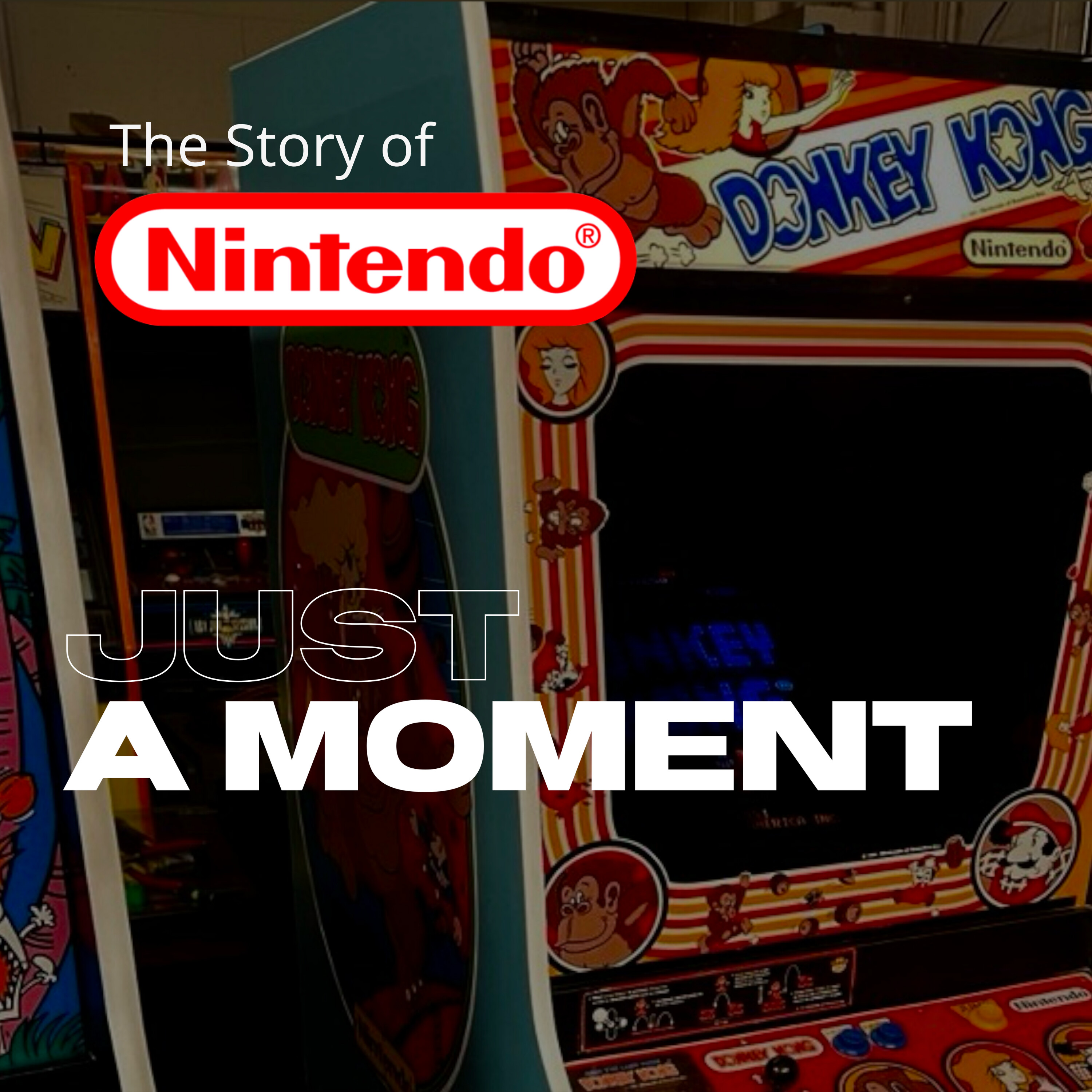
Loading summary
Transcript3 lines
- [00:01]
A
Hi, I'm Brant Menzwar and welcome to my show Just A Moment. As a former world touring musician turned keynote speaker and author, I've experienced my share of life altering moments that have both broken me and propelled me forward. How you leverage those moments or push through them will define your destiny. Each week on my show, I'll provide tools on how to maximize those moments as well as interview some of the most successful entrepreneurs, entertainers and athletes on how the power of a single moment changed their life. Join me to learn how to change what's possible for your life. It'll take just a moment.
- [00:40]
B
Feeling lost in the noise of social media, Inspo cuts through the clutter, connecting you directly with real insights from real experts and industry leaders. It's a new social network dedicated to knowledge sharing, industry insights and thought leadership. Get the latest from top minds in your field or build your own thought leadership portfolio on inspo, already trusted by thousands of professionals worldwide. Be part of the conversation and download Inspo Experts today on the App store or visit www.inspo.expert.
- [01:11]
A
Welcome to a special edition of Just a Moment, where the guest isn't a person, but a brand. It's 1981 and Nintendo of America is drowning. They're trying to break into a new market, but are finding their entrance more than a bit rocky. The company is weeks away from pulling the plug. This is the story of the moment Nintendo went from a struggling playing card maker with a string of flops to the most iconic name in video games. The arcade is noisy. The air smelled of popcorn, cigarette smoke. Teenagers crowded around cabinets chasing high scores. And in the corner of one Seattle bar, a brand new arcade machine appeared. It was colorful, quirky, different. The name Donkey Kong. On its surface, it was just another video game. But in reality, it was a desperate gamble from a Japanese toy company trying to break into the US market. A company that had failed over and over again. This one machine, this one game, this one weekend would change the fate of Nintendo forever. Nintendo was founded way back in 1889 in Kyoto, Japan, not as a game company, but as a maker of Hanafuda traditional playing cards. For decades, that's what they did. By the 1960s, they were experimenting with toys and novelty items. Some were hits, but many weren't. By the late 1970s, Nintendo saw the rising popularity of electronic entertainment and and wanted in. They opened Nintendo of America, led by Minoru Arakawa, and began importing arcade cabinets. But it wasn't going well. Their first big attempt was a game called Radar Scope. Nintendo shipped thousands of Units to the US and almost all of them sat unsold in warehouses. The gameplay was derivative, a poor imitation of Space Invaders in Galaxian. It was a disaster. Nintendo of America was drowning in unsold machines, and the company faced millions in potential losses. Executives in Japan were panicked. If something didn't turn around quickly, their US adventure might be over before it ever began. Arakawa pleaded with headquarters. They needed a new game, something fresh to put into those empty cabinets. Something that could rescue Nintendo's investment in America. That's when a young, relatively unknown designer was given a chance. His name was Shigeru Miyamoto. Miyamoto wasn't an engineer by training. He had studied industrial design and had a background in art. But he had a gift. He thought about games not as machines, but as experiences. He was tasked with taking the failed radar scope hardware and turning it into something, anything, that might actually sell. Miyamoto sketched out a story about a carpenter, his kidnapped girlfriend, and a giant ape throwing barrels. The carpenter had to climb a series of platforms to rescue her. It was simple, whimsical, and unlike anything in arcades at the time. The characters were primitive but charming. The damsel in distress was named Pauline. The ape was Donkey Kong, a mistranslation meant to suggest a stubborn gorilla. And the carpenter, he was called Jumpman. Later, he'd be renamed Mario. When the prototype was sent to America, the US Team was skeptical. An ape? A man climbing ladders, Barrels. This wasn't space battles or aliens. Would kids even play it? But they were out of options. They loaded Donkey Kong into the unsold radar scope cabinets, slapped on some new marquees, and shipped them to arcades. When Donkey Kong hit American arcades in the summer of 1981, something happened. Crowds gathered. The bright colors and quirky characters stood out from the sea of space shooters. The gameplay was addictive, simple to learn, hard to master. In its first year, Donkey Kong sold more than 60,000 arcade cabinets, generating hundreds of millions in quarters. Nintendo of America suddenly had a hit so big they couldn't produce machines fast enough. Donkey Kong mania spread cartoons, merchandise, knockoffs, and most importantly, the character Jumpman. Now Mario became Nintendo's unlikely mascot. The success gave Nintendo the financial security and confidence to expand. Within a few years, they launched the Nintendo Entertainment System, introducing Super Mario Bros. The Legend of Zelda, and an empire of franchises that would define gaming for decades. It all traced back to that one gamble. Repurposing unsold cabinets into a game about a stubborn gorilla and a little man. In overalls Today, Mario is one of the most recognizable characters in the world. Nintendo is a global brand worth tens of billions, with franchises that span generations. But none of it would have happened without Donkey Kong. That moment in 1981 didn't just save Nintendo's US expansion, it gave birth to modern game design as we know it. Storytelling, characters, charm. Miyamoto's vision transformed video games from simple reflex contests into immersive adventures. The leap from radar scope to Donkey Kong wasn't just a pivot, it was a rebirth. If you had walked into that Seattle bar in 1981 and saw the Donkey Kong machine, you probably wouldn't have thought much of it, just another arcade cabinet in a noisy room. But for Nintendo, it was everything. It was survival. One game, one quirky ape, one creative gamble that rescued a company from failure and set it on the path to becoming one of the most beloved brands in the world. It's proof that sometimes the moment that changes everything doesn't look like a billion dollar strategy. It looks like a kid feeding hoarders into a brand new arcade machine, grinning as Jumpman climbs a ladder. I'm Brant Menzwar and this was Just A Moment. Thank you for joining us on this episode of Just a Moment. Make sure to subscribe to our podcast and tell a friend or two about it to help spread the word so everyone can find a moment that inspires them. Don't forget to leave us a review and check us out on the web@justamomentpodcast.com Just a Moment is produced by Natalie Von Rose and Brandt Menzoar. For more inspiring shows like this, visit surroundpodcasts.com.