← Keeping It Real: Conversations with Jillian Michaels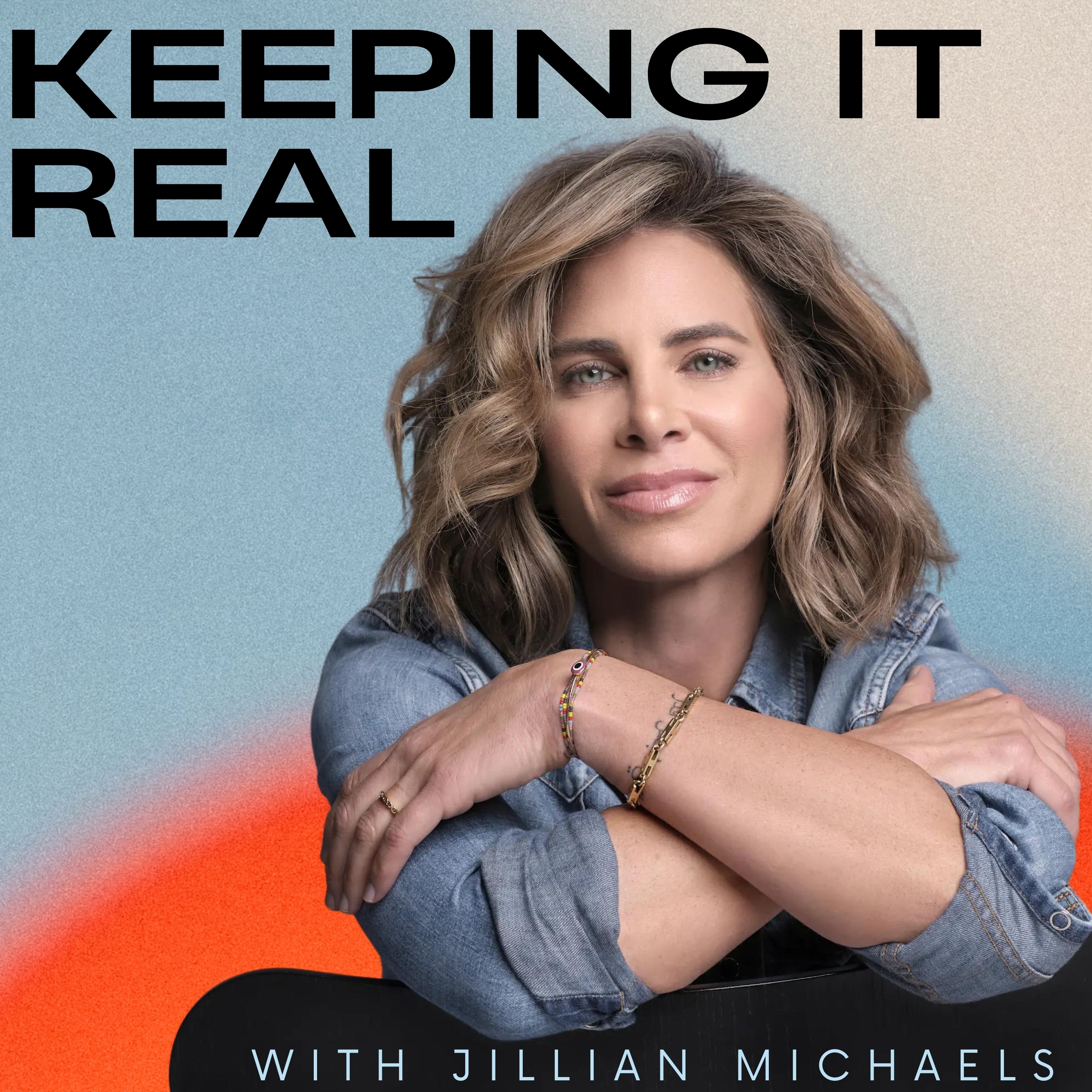
Keeping It Real: Conversations with Jillian Michaels
Auto Immune EXPERT: "We Can Reverse These Conditions”!!
01:05:07
Loading summary
Transcript93 lines
- [00:00]
Jillian Michaels
This episode is brought to you by Active Skin Repair. Because guys, let's be honest. We've all had skin issues from cuts and scrapes to rashes, burns and breakouts. I mean, I've used this stuff on everything from sunburns to post shaving irritation, even my kids scraped knees. And what makes it different is that it's natural, it's non toxic, and it's medical grade. And the key ingredient is something called hypochlorous acid, which your body actually produces naturally to fight infection and support healing. It works with your immune system to soothe irritation, reduce inflammation and speed recovery. It's gentle for babies and it's powerful enough for athletes. Acne, eczema, diaper rash, razor burn, you name it, this does the job. Without steroids, antibiotics or chemicals. Over half a million people swear by it. And now I'm one of them. So visit activeskinrepair.com to learn more about Active Skin Repair. And to get 20% off your order, just use the code. Jillian. Over 50 million Americans, that's one in five, are living with an autoimmune disease. Conditions like rheumatoid arthritis, lupus, Hashimoto's, Crohn's psoriasis, multiple sclerosis are so common they've practically become background noise in our healthcare system. But behind every diagnosis is a patient who's been told the we don't know what's wrong or we don't know why this is happening. This week we bring in someone who does know why. Dr. Ailey Cohen is a board certified rheumatologist, integrative medicine specialist, and the author of the Everyday Toxins Harming youg Immune System and How to Defend Against Them. She's made it her mission to uncover the root cause of autoimmune disease and to teach people how to hear. From environmental toxins to the role of food, stress and genetics. This is a conversation that flips the script on the standard autoimmune playbook. If you're sick of vague answers and symptom chasing, Dr. Cohen is here to give you clarity and hope. Let's get started. Keeping it Real with Jillian Michaels. Dr. Cohn, welcome to the show. How are you?
- [02:15]
Dr. Ailey Cohen
I'm good. Thanks for having me. Jillian.
- [02:17]
Jillian Michaels
I'm going to jump right in here, Doc. So many people I know are contending with autoimmune conditions. Oh my God. From stuff that seems mild eczema, psoriasis, to stuff that's life threatening Mississippi Crohn's disease. I mean, obviously the list is long Here, and I want to address it. But the first place I want to start is you're like, literally in a profession where you sit with people whose bodies are turning on themselves, turning against them. What in the world made you get into this line of work? Because it's pretty freaking heavy. Your body is literally killing itself.
- [02:59]
Dr. Ailey Cohen
Yeah, well, 25 years ago, when I chose this specialty off of internal medicine, which is how you kind of poke around and see what you want to do, maybe as a specialty off of basic internal medicine training, you know, I was just fascinated with the immune system. I mean, here I was young and spry and running around, but I just had mentors that were doing this work in training. And I just said, you know, I got to learn more about this. This is too interesting, this stuff. So that's how I got into the rheumatology. How I got into environmental health was a different story with, you know, as, you know, you probably know, with my dog getting sick. But I'll tell you.
- [03:34]
Jillian Michaels
No, no, tell people, of course. I. I actually cannot believe it. When you handed me this book, I was thinking to myself, like, okay, this page is a million pages long. Mind you, there are many different people in my life who struggle with one autoimmune condition or another. So, of course I picked it up to prepare for our interview. And the next thing I know, I had ripped through the entire book, and I got a copy from my mom and a copy from my wife and a copy from my business partner and reached out to you and said, okay, let's do the show and let's do it immediately, but pretend like I didn't read it. So tell people a little bit about the dog and what happened.
- [04:09]
Dr. Ailey Cohen
I'll start with the basics. So, you know, like anything in life, it has to hit you to make you move, change, do whatever, you know. I was a young resident. I had just finished my fellowship in rheumatology. I'd moved to the suburbs. I had two young kids. We lived in a farm in New Jersey. Lots of, you know, things in our environment. Didn't pay much attention to the farmers spraying, that kind of thing. Out of nowhere, my four and a half year old golden retriever, Truxton, got sick and. And I thought he just, you know, swallowed a sock and we'll see it come out the other end or something like Golden's do. But it turned out he had autoimmune hepatitis. So his diagnosis by his vet was that his immune system had basically turned against his body and it kind of attacked his liver, his Liver was about the size of a golf ball when we got him diagnosed. And I was so heartbroken. Not just because he was my firstborn, right, you know, he's my baby, my starter kid, but because I was a rheumatologist just out of training, and here I am seeing, you know, humans. But my own dog got affected by something and he was so young. I mean, it was just so bizarre and rare in dogs. So what I ended up doing was, you know, I was so sad, I funneled it into, well, let me question, what did he drink? What's he eating? What's his air quality? What is he sucking on in terms of toys? And I didn't realize at the time, which I now know now, is that I was doing an environmental health assessment, assessment, of course, on my dog, out of complete spear and sadness and worry and concern. So funnel that, you know, you know, fast forward, you know, 15 years from that experience and it took that long to figure out this big problem in, and really turn it into even this book. My third book, the first were textbooks into what we should all know. That took me 15 years to figure out. And how can I make that easier for other people?
- [05:58]
Jillian Michaels
Well, doc, you, you bring up the fact that it took you 15 years to figure out. But I think what's so exceptionally frustrating for people who suffer with an autoimmune condition is that they don't know what's wrong and they don't know what's causing it. So I want to back up here and explain very quickly just in case somebody doesn't know. And I try to think of myself on this. I should have called it the idiot's guide with me being the idiot. So what is the idiot's guide to rheumatology and subsequently, what is an aut autoimmune condition? Let's start with rheumatology, just in case.
- [06:32]
Dr. Ailey Cohen
Basics. Yeah, 101. So rheumatology is a field off of internal medicine. So you have cardiologists, people have heard of pulmonologists, you know, you have, you know, any, any subspecialty off of internal medicine. So gastroenterology, you have rheumatology, rheumatologists generally, or at least it was established early on, comes from the work, the word in Greek, ruma or Florida flow. So basically flowing through your joints. A lot of joint related illnesses. Now lots of things affect the joints and it's expanded over the years. We now have COVID 19, you know, affecting the joints. But anything that affects the joints was really how Rheumatology began, okay, turns out that infectious things cause joints, you know, all sorts of infections of a variety of issues. You know, turns out crystals, you know, gout is a rheumatologic condition that we manage. It turns out autoimmune diseases are a rheumatologic condition that we manage. And autoimmune diseases are actually when your body is triggered against yourself. Auto, meaning self, immune, meaning through the immune system. And it could focus on different parts of the body. So autoimmune liver disease or hepatitis is when the body focuses, like with my dog, on attacking its, the liver. It doesn't recognize the liver as itself. It thinks it's a foreign body. When you have lupus, for instance, you might have autoimmune kidney components. Where your kidney is being affected, your skin. When you have rheumatoid arthritis, which now affects upwards of 1% of the world population, believe it or not, that's when joints are particularly pinpointed and targeted from the immune system. It doesn't recognize joints as part of itself. So it's a really strange phenomenon to most of us. But in fact, there's a process by which the body doesn't see itself as self and it kind of goes after it. And that means the immune system is activated and our job, not just pharmaceutical job, to lower inflammation. But I will make the case. And the studies show that we can make lifestyle changes, product choice changes, any number of nutritional changes that actually do a lot of that work as well.
- [08:46]
Jillian Michaels
Oh, my God.
- [08:47]
Dr. Ailey Cohen
Yeah.
- [08:47]
Jillian Michaels
You have a 21 day plan in the book that will walk people through it step by step and, you know, we'll touch upon all of these things. But I am utterly fascinated by the fact that, number one, we don't know why the body is doing this, but yet you have spent 15 years trying to figure it out. So I, I'm trying to. Is it that? Hold on, let me back up because this is the idiot part. So it's always been my understanding that with an autoimmune condition, the immune system is just too robust. It's just like looking for something to do. And Sanjay Gupta once told me, oh, you know, we're protected, that our bodies don't have anything to fight. And we think that could be the reason that our immune system is going after ourselves. Our own, apparently. Liver, kidney and joints. Is that a part of it? And subsequently, what is the I don't recognize you piece, even though you're my liver or my elbow or my kidney? Am I right? In. In. In grasping there are two mechanisms here.
- [09:55]
Dr. Ailey Cohen
There's lots of mechanisms that are being studied, so. But the simplest, there's one called molecular mimicry. I don't want to be too fancy.
- [10:01]
Jillian Michaels
Termed because I just want to make it vaccine injuries.
- [10:04]
Dr. Ailey Cohen
Well, let's talk about when the body, the immune system. Let's step back.
- [10:10]
Jillian Michaels
Yeah, not to bring that up. I'm sorry, I'm just saying that's where I've heard of it but go, go on.
- [10:14]
Dr. Ailey Cohen
Yeah, and I'm happy to talk about that in the context of the body not recognizing certain components. But the idea is our immune system has been with us for millions of years and it has several different arms to it. There's, well, there's two main arms to it, but it's incredibly intricate, it's incredibly delicate. It has been designed over millions of years to be conserved. We don't want to use energy, we don't want to expend energy in the human body because we have to survive. It's kind of evolutionary 101. You want to keep things quite quiet so that you save energy and you can, you know, focus on running for food or hiding from a cyber tooth tiger or what have you. So what we have is the immune system has maintained its ability to be quiet until it's needed. The problem that we're seeing now in very, very simplistic terms is that we have now lots of, lots of things. But I will focus mostly on the environmental chemicals that are all around us. We have upwards of 95,000, you know, rough estimate in all of the products and cosmetics and personal that are around us, that are not regulated by the US market. There's no regulations, there's no required testing for safety or toxicity in most of these products, if not all. I mean certainly personal care, cosmetics and food. We can go on to that. But these chemicals have not been part of our human experience, our human exposure for 75 years. Really only in 75 years. After millions of years of our immune system doing its job and doing it well, what happens is all of these chemicals and we have plenty of science to support this. I didn't make this up. All of these chemicals are instigating the body in ways that we never would have expected that until we studied. We didn't understand. But now we understand. Even at the cellular level, many of these classes of chemicals are actually able to increase inflammation to instigate the immune system. And sometimes when it's instigated, the immune system doesn't get it right. It attacks tissue that are called self antigens because it thinks it's getting confused, it's getting triggered by the chemicals that look similar to antigens or tissue in the human body.
- [12:29]
Jillian Michaels
Hence the mimicry of that term you just mentioned. I got it. I understand. Correct. Okay.
- [12:36]
Dr. Ailey Cohen
Yeah. It's mimicking. And there's other components of how many of these chemicals work, because we now know individually how groups work, because they're being tested by academic centers, third party, not our government, not manufacturing. We're sort of chasing around the problem to come up with this data because we now know there's even other mechanisms of how inflammation is triggered through environmental exposures at low levels over, you know, over time.
- [13:02]
Jillian Michaels
Right.
- [13:03]
Dr. Ailey Cohen
Not just high exposures.
- [13:04]
Jillian Michaels
Let's. Let's actually address this inflammation piece real quick. I go to the gym. I. I do legs. The next day I'm super sore. I have delayed onset muscle soreness. Couple of days. Third day I'm feeling better. And I have an acute localized inflammatory response. Right. And if I get sick, I get the flu. I get this release of inflammatory proteins as part of my immune system. And this is acute and it's guided, but this what is. So it's when it's chronic and low grade inflammatory, that's when you're in real trouble. Right? And that's this dysregulation piece with the immune system.
- [13:45]
Dr. Ailey Cohen
For sure. For sure. You got it. You got it, Jillian. Because here's the thing. We have a normal response to trauma where whether it's workouts or whether it's a cold or flu, we want to be able to respond to those types of activities or invaders. What we don't want is the immune system constantly activated, even at a low level to every day, low level exposures, because when we actually need it, we don't want to waste that energy. So there's a low level exposure to these chemicals from a lot of products that we use and do and consume and put on our skin and spray in the air every day. That's really kind of instigating these immune, low level immune responses. The question is, when do you tip over to illness, to disease, to clinical stuff that you see, touch and feel that has a lot of factors involved, that has a lot to do with genetics, that has a lot to do with your lifestyle. Sleeping and washing out chemicals at night, which is so critical. Stress reduction, gut microbiome improvement, which I do.
- [14:48]
Jillian Michaels
I have questions about all this. Stop. Yeah, got it. Sorry, Doug.
- [14:52]
Dr. Ailey Cohen
I'm getting excited, Jilly. I'm getting so excited.
- [14:54]
Jillian Michaels
I have questions about all of it. Yeah, I want to Talk about the explosion in numbers. Can you elaborate a little bit on why everyone I know is struggling with some sort of condition, be it mild or severe. Literally, I'm telling you. In fact, a good friend of mine the other day just reached out and I'm back in town. Are you around? Yes. What's going on? How are you? Blah, blah, blah. I think I have an autoimmune condition. I was like, okay, hold on, dude, serious, not serious. I think lupus. And I. She's my age, doc. It's all day long. I. Somebody is being diagnosed with something and it's getting younger and younger. Am I imagining this or what are the statistics here? What's.
- [15:37]
Dr. Ailey Cohen
Yeah, so. So there are about 80 is the going number of conventional western diagnosed autoimmune disease by definition, like you said earlier, Ms. Crohn's disease, ulcerative colitis, rheumatoid arthritis, lupus, ankylosing spondylase. A lot of these go on a psoriatic arthritis. So there's about 80 that have been classically classified in western medical journals. Okay.
- [15:59]
Jillian Michaels
Yeah.
- [16:00]
Dr. Ailey Cohen
But what we're seeing now is an epidemic increase in the numbers of these new cases, and we're seeing them at younger ages, as you alluded to. And what I will tell you is with no family history, when that's asked. So in other words, we're seeing these de novo new cases of autoimmune and by the way, immune conditions, not just against our self autoimmune, but we're seeing like food allergies go up. We're seeing a lot of things. Dermatitis, eczema. We're seeing a lot of things that are immune related. But that's epidemic. In fact, in the US somewhere between 7 and 14% of US citizens have one or more autoimmune diseases, which is, by the way, about 24 to 30 million people. And it's expected to increase, actually. And it's not because we're getting better at diagnosing, which is a lot of doctors.
- [16:54]
Jillian Michaels
I knew I was going to ask you that because that's the going narrative now of, hey, I think the canary is starting to die in the coal mine. No, no, no, no. We're just good at diagnosing it. Like, well, cancer's quantifiable. You would have diagnosed that 50 years ago.
- [17:10]
Dr. Ailey Cohen
Right.
- [17:10]
Jillian Michaels
And obesity, like. But this one is a bit more difficult for obvious reasons, because I do remember when a family member got fibromyalgia and it was like, we don't know. We think it's psychosomatic, which I want to get to in a minute. But you're saying that's not, that's not the issue. We are in fact experiencing this now at an exponential pace, younger and younger. It's true.
- [17:30]
Dr. Ailey Cohen
Yeah. And listen, let me ask you, how long does a typical patient spend with their doctor on a visit, on a follow up? 15 minutes. What's it, What's a new patient visit? And I know this because I've been in the system a very long time. 30 minutes. In that time, you have just enough time to say, what are your drugs? Are you taking them? You know, any side effects, any change in other medications from other, you know, but it's very short. It does not, it's not allowing. And I don't blame doctors, I blame the system, to be clear. But it's not enough time, in my opinion, to get the real questions in. You know, are you sleeping? Are you eating clean, what kind of foods do you eat? What kind of diet do you follow? Do you think about things like air quality? Do you, where do you work? Do you get exposed to things in your job? You know, these are the types of things, you know, Even when you're talking about autoimmune disease evaluation, we do have blood work, great blood work to evaluate, but even that is in the hands of the interpreter, right?
- [18:29]
Jillian Michaels
Oh, for sure.
- [18:30]
Dr. Ailey Cohen
So everything is about the interpretive message. We are doing more of the blood tests that I think encompass autoimmune disease diagnosis. I will say that it's becoming much more comfortable for people to order the tests. My concern is once you have that blood work you do, you always have to reflexively jump to pharmaceutical options or can you use integrative medicine, diet, nutrition, chemical reduction, gut microbiome improvement, and add nutrition that we know offset some of the harm from these chemicals. Can we do those things first before we move into pharmaceutical options, which is, you know, unfortunately one of the only things we're taught in med school even now. And that's a system issue.
- [19:14]
Jillian Michaels
You know, it's funny you say that because a friend of mine who was diagnosed with a very rare skin autoimmune condition called a netaderma, where the body attacks the collagen in the skin and you end up looking like you have patches on your body that's 80 years old when you're 30 years old and it's in these like crazy patches. And at first when I had seen it, I was like, gosh, I think you might have a little fungal infection like wash was Selson blue. Not One doctor diagnosed could figure out what it was. Long story short. And she was tired all the time. And I was like, dude, I think you need to like go to a dermatologist or whatever. Anyway, they finally figured out what it was, but it took years for them to figure it out. And I wonder how many people do you think? And she was tired all the time. It's like, well, I'm just tired. I have kids, I'm just tired. I'm just run down. I'm just working a lot. And now it's like, actually you have this immune condition. And the first thing I wanted to do was smash her with two different antibiotics. And I was like, wait, wait, wait, wait, wait, wait, don't hold, hold on. And then I reached out to a gastroenterologist who I've had on the show numerous times named Dr. Sabine Hazen. And she was like, wait, wait, wait a minute. And her plan was to put more good microbes into the body and as you mentioned, see if she could balance out the gut instead of kill everything in there. But that was the go to doc. It was like, let's throw the, like the kitchen sink at this thing. From a pharmaceutical perspective and only doctors who are becoming more and more like yourself, trying to find the root cause, trying to work on stopping the problem at its root, preventing it, and removing whatever is instigating the issue. Most do what you're saying, and my friend was undiagnosed for a long time. How many people do you think have a condition that are in fact not diagnosed? And subsequently do you recommend they then get blood work? Is that, would that be the first step? Go to an internist or go to your rheumatologist? Because I just want to get to. I know you have the four A's and everything, but like, let's. For somebody listening, going, I think that's me. What should they do to figure this out?
- [21:27]
Dr. Ailey Cohen
Yeah, I mean, look, it's complex and full disclosure, I don't want anyone not to do, to do anything that's going to harm themselves against their current doctor's recommendations. Again, people do things on impulse and I think it's also scary. So you really want to be working with a practitioner that you like, you trust and you feel good about and hopefully people will find that. But you want people to think, in my opinion, you know, look, pharmaceutical drugs, I use them all the time. I'm a rheumatologist. If people don't take some of my drugs, they die. They have problems. You know, I'm a Realist. And I love the fact that there are many medications that have been developed over the 20 to 25 years since I graduated that are available for people. And we don't see some of these horrible things that we used to see. Now, that being said, we need to think about, number one, how do we teach prevention in these healthcare, in these education systems? Well, they're not really set up that way because the subsidiary, you know, the people who pay for these training programs are often pharmaceutically based and they have an agenda in many ways. And I say this not as a conspiracy theorist, but because I've offered 45 hours of free curriculum to three med schools and they didn't want it. And that's because we need to think about prevention before we get to maybe pharmaceutical as a tool. And when you have more tools in your toolbox, you have more to work with. Now you have to triage. You don't want people who are coming in with really severe autoimmune or organ related issues to just sit on it and work on their diet or work on this for a while. But your point is well taken. The tendency is to throw things pharmacologically at things without thinking, well, what, where is this coming from to begin with?
- [23:02]
Jillian Michaels
Right.
- [23:03]
Dr. Ailey Cohen
We know that there are some very reasonable places to start. Meaning what we eat and what we drink, where does it go? It dumps into the gut. Right. And it's 26ft of bowel. It's a gut microbiome we've been with for millions of years of bacteria, mold, yeast. We've lived with these suckers for a long, long time. And what we don't want to do is knock them off and create an imbalance. We don't want chlorinated drinking water. That's why one of the recommendations is to think about filt.
- [23:29]
Jillian Michaels
We're getting into the water thing, trust me.
- [23:31]
Dr. Ailey Cohen
We'll get into more food.
- [23:32]
Jillian Michaels
Questions about the water?
- [23:33]
Dr. Ailey Cohen
Yeah, I mean, so thinking about gut work, thinking about how to remove some of the things that actually trigger the immune system. And by the way, your comment about fatigue is so interesting because when people do have an autoimmune disease, they feel tired independently of things like sleep apnea or restless legs. Assuming all that's worked out, they feel tired because their immune system is doing what it shouldn't be doing. All day long, it's on. We want to quiet the immune system so we can only need to use it when we need to use it. And that's a really important concept in the immune system. Let's keep it quiet, let's keep it balanced before we even need it. Say we come across, you know, a cold or a flu or what have you.
- [24:16]
Jillian Michaels
Right. I want to sidestep for a moment because this has been mentioned quite a bit to me over the course of my career. And it's the concept of. It's a bit off piece, so bear with me. But it's the concept of psychological trauma. What do you think about the manifestation or the somatizing of old trauma? Can that be internalized and be playing a role and potentially, by the way, alter your biochemistry to make this happen? Is it possible? I know that's not really largely what the book is about, but I feel I'd be remiss if I didn't ask you if you thought there is an element that could play into it.
- [24:59]
Dr. Ailey Cohen
For sure, there's science to defend what you're saying.
- [25:02]
Jillian Michaels
Really, so.
- [25:03]
Dr. Ailey Cohen
Oh, absolutely. Especially with the immune system. So we've had, you know, many studies that are teasing out whether or not even childhood trauma, even the ACE study, which is, you know, a famous, famous study that, you know, they've teased out within that cohort even people who go on from childhood trauma, who go on to develop autoimmune diseases. And it is higher, it is statistically higher. Then there's even been the Nurses Health 2 study that actually teased out whether or not lupus, for instance, was actually at an increased rate of development post, you know, acute childhood exposure. So the idea that we now have this really great body of science, and I do talk about it in the book because it's so much environmental as well, right. It's not just chemicals, it's, it's our stress level, sleep, all that. But the idea that there is plenty of great science to show this. And not only that, we have science like the Dutch Hunger study, which was looking at World War II pregnant women in World War II. It compared the ones that were starving, these mothers that were starving and fully pregnant, versus the ones that didn't, that were not starving. And they followed out these two cohorts and found not only did the children, the in utero exposure to hunger manifest with chronic illness in that baby, but even in successive generations from that fetal exposure. So we now have, and that's a famous study. People can look it up, the Dutch Hunger studies, because they followed these generations and the person, the mothers that were not starving did not have those health issues like cardiovascular disease issues and mental health issues. So we know that in utero exposure can cause, you know, imprinting. We know that children and toddlers can cause imprinting. And so these are really important things to think about because we, we can do something about it if we try and we have the access and the tools. But there's no question that there is validation in, in trauma and exposures to stress that play out in human diseases.
- [27:04]
Jillian Michaels
Which is for sure. You, you talk about stress. I'm putting it together now. And you talk about very key ages in our lives where we need to be exceptionally cognizant of what the way we're living or putting on our body, what we're putting in our body, and so on. So let's begin there. So I of course have the forays and I want to get to that, but you really have pillars in the book of what we need to address. And I have my whole list. I want to start obviously with water, but let me know if I've missed anything here. Water, food, products, home, are all an integral part of the 21 day plan. Cleaning all of this up and getting it to work for you instead of working against you. Water is obviously very big. Just go, hit us with the tap water, bottled water. What's the deal? What's in the water? Let's go.
- [28:03]
Dr. Ailey Cohen
Yeah, so let's start with the fact that when we, you know, I believe that water. Let me give you my starting statement. Water. Drinking water in the United States, although it's better, obviously third world countries in terms of its regulations, is really dirty. And it is actually one of the most unrecognized contributors to human health conditions that I can think of because by volume, we just consume so much. And as human beings, we're made up of 85 to 90% water. Every tissue, every cell in our body is made up of water. So if we don't get this right, and that's why I want to help people understand why we should care about it and then what to do about it. The thing about the U.S. regulation on water is that it really is old. It's archaic regulation that still holds today. In 1974, we had the Safe Drinking Water act, which it was remedied a little bit, twice, but really didn't change much from 1974. We are now at all of our 160,000 wastewater treatment plants, which actually make our water for 85% of the US population. It follows all those places. There's 160,000. They are covered by the Safe Drinking Water act, which only says that there are 91, 91 chemicals that we have to test for regularly and routinely and remediate if they go above a certain level when they're testing it before it gets sent out to homes. Okay, so 91 from the 70s, right? We now have over 95,000 potential chemicals.
- [29:36]
Jillian Michaels
I was just remembering you say. I was like, wait a second, 95,000 minus 91.
- [29:43]
Dr. Ailey Cohen
Correct. Yeah. And so they go in one side, and that comes from lakes and streams and aquifers under the ground, from air quality issues, from farming industry, from manufacturing, dumping, from sewage, by the way, when you flush your toilet, all of that goes through one side, and it pretty much all comes out the other side. And then it travels, say, 30 miles in my case, from my. My wastewater treatment plant, which I visited and toured, and it. 30 miles through PVC piping, maybe lead piping, maybe breaks in the piping, who knows? And it gets to your home wells well water from our home or from your township or, you know, local town, if you're rural. Those make up about 50, 15% of, you know, coverage of the U.S. population. So really, it's mostly wastewater treatment plants that we need to think about. But guess what? We have such great opportunity to fix this problem now that we know there's a problem. We can fix this problem by understanding that when that water comes into your home, whether it's from a well or from wastewater treatment plant, you can filter it when it hits your home. It's called the point of use. And you get it before it hits your glass. And that is control. That is empowerment that I believe everyone should know about.
- [31:00]
Jillian Michaels
Okay, do we just care about what's going in our glass, or do we also care about what's coming out of the shower? And I ask you this because I have been battling orange hair. It's not funny. But if I was to literally call up Lauren, who colors my hair every six weeks, I'm like, my hair is orange again, Lauren. And she's like, it's the water. And where we're currently at. To make. Not to go on a tangent here, I can't put a filter on the shower. It's like, built into the. It is turning my hair bronze. And clearly health issues are more significant. But the point I'm trying to make is that it's changing the color of my hair. And our skin is. From what I have come to understand over the course of my career is transdermal. Things get from the skin into the body. So are we also worried about what we're bathing in, or is that less of a concern?
- [32:06]
Dr. Ailey Cohen
Great question. And look, as one person who colors their hair to another, and this goes into, you know, my forays. We'll talk about in terms of life and choices. You know, here's the thing. We want to, we want to balance out real, you know, perception, perspective and getting fearful and all that. When it comes to your home. And you, you mentioned it already. There are faucets actually, I'm sorry, shower heads that you can buy at all. The big Box, Home Depot, Lowe's, you can buy them, they exist, or even online that are a carbon block filter. It means the water kind of pushes through it very quickly. It's why it works in our pitchers. Very convenient why it works in our refrigerator door. And it goes through quickly. And that means it takes out less stuff. Right. When you have a more more aggressive filtration system, like a reverse osmosis, which we'll talk about, that takes longer, that's more surface area, it just takes out more and then kind of fills a tank for most of them, right. So you're making water while you sleep, so to speak. Right. Takes longer and you have to worry about it. But when it comes to shower heads, yeah, they can really help with what's called hard water, you know, minerals that can make your, your hair change, chemicals that can make your hair change. All of those things play into the water that comes into our tubs and our showers. But shower heads do now exist. And I encourage this for people who are really worried about costs when you're making these changes and I fill this up in the book, you got to be thinking about costs whether it's testing water or testing your body or buying this or buying that. Let's put money in part of this equation. So it's not just for the rich, right. We want to be thinking, I actually promote more often than not getting the shower head with the carbon block because you don't technically spend so much time in the shower and then putting that money, that could be a ten thousand or eight thousand, six thousand dollar whole house filtration investment. Take that money and put it into like a dozen other things that cost money, you know, so that's kind of how I rationalize it. Like a reverse osmosis. You know, it's $300. Plumber is 150. You can do that in an hour. And so those are the real.
- [34:11]
Jillian Michaels
And you should be cooking with this water, you should be drinking this water and then you can put a shower head on instead of investing in a whole home filtration system, which can be thousands of dollars. If you have the money, then by all means, great. Okay. And the top filter you recommend is reverse osmosis.
- [34:31]
Dr. Ailey Cohen
Yeah, the technology for reverse osmosis is so interesting because it's basically, and anyone can think of this, it's just a really small PO material, has tiny, tiny, tiny little pores. So it's catching the bad guys, right? So reverse osmosis, actually, fun fact, was developed in the 70s for people who are on dialysis, which are kidney machines in case their kidneys didn't work. And I know this because my dad is a nephrologist and he's still practicing. 85 years old, he manages kidneys and kidney disease. And he brought dialysis to New Jersey in the mid-70s when he, when it was developed. And here's the thing, they were federally all dialysis units were and still are mandated to have reverse osmosis water for these dialysis machines, which means these are the most immune compromised, the people with the weakest immune systems because they're chronic disease, they were mandated to have the cleanest water to keep them healthy from infection, you know, mold, yeast, bacteria, viruses. And every month, these dialysis units across the US get inspected and get water testing for these RO filters, which are huge tanks. What's so interesting IS since the 70s, we've had thousands of these synthetic compounds added into our lives which end up in our water. And believe it or not, now those RO filters, those tanks manage compounds that are bigger and larger and get caught in that RO filter pore size. You know, compounds like phthalates and bisphenols and heavy metals. So what they didn't realize is that it's going to protect things that are going to be developed later on in our history. We as mere mortals can get a hold of these RO filters for pretty inexpensive now. And I've waited a long time to shout on mountains about this.
- [36:16]
Jillian Michaels
That's awesome. Also bottled water, sorry, I didn't want to forget that one. Plastic is an obvious, like just this isn't good. So I feel like I can throw that one away because it belabors the point. However, watering glass bottles. If I'm out and I'm at a restaurant and I order water in a glass bottle, fine, if you can get it.
- [36:42]
Dr. Ailey Cohen
I mean, it's like a, it's literally an endangered species to get a bottle served at a restaurant. I mean, anywhere else but like the major cities, you might never see a glass bottle anywhere of water because it's, it's more expensive to produce and we're seeing less and less of it. Listen, I bring my bottled water to, you know, to places I. To dinners, to school, to trip. I have a huge stainless steel one similar to this one for my tea and coffee. You know, that is three gallons. So I take it to lacrosse games and all my kids sports events and when we travel short, you know, day or two trips. Fill up three gallons from water. I do, you know, I make my water at home. I've created this concept where, you know, you're creating a system where maybe 80% of the time, if you hope you do it right, you know, you fill up, you take it with you. But guess what? Life is not perfect. I'm not a purist, I'm a realist. And I understand that you may have to buy bottled water. Yes, you're going to get microplastics. But guess what? When you look at those bottled waters, as I do on Instagram, videos in the airport and stuff, and show a wall full of choices, you can look at the ingredients area. No one thinks that there's ingredients on a water bottle, but guess what? It'll tell you in ingredients. Take a look next time you guys pick up bottles, it'll say where that water or how that water was cleaned. It'll say distilled. It'll say municipal tap. You know, the gall of that, right? Because most bottled waters actually are tap water, believe it or not. Or it'll say, you know, cleaned by reverse osmosis. So you have choices. Even within places where you don't think you have access to choices, you can also fill up. By the way, I just got really more into taking my, my water bottle through security. Empty, by the way. If it's got water or anything in it, they will steal it and, or take it away actually. So make sure to empty it. But when you're on the other side, you can fill up at a lot of these water filters. They are carbon block, but they're excellent. And you definitely reduce the microplastics for sure.
- [38:41]
Jillian Michaels
Got it. Now we can't unfortunately tease out all of the details right in these other three pillars, but I do want to highlight them. Yeah, food. If you could just give me some top line stuff. Clearly this is the reason there's a book, but what kind of stuff in the food? Is it like the ultra processed food? Crap and fake sugar, fake fat? Is it the glyphosate sprayed on the crops? Is it the fact that so much of what we're eating is genetically engineered? Is it all of the above? And I know you have the four A's to determine this, but just hitting the pillars first Then we'll give them the system.
- [39:18]
Dr. Ailey Cohen
Yeah, no, for sure. And it could be any of the above, what you listed, and you listed a nice number of them, but it can be also another layer. So, for instance, we all think ultra processed and processed foods is kind of being bad for us, right? Filled with chemicals. It's a, it's a wild, wild West. I mean, 10,000 chemicals have been basically grandfathered in under generally recognized as safe. You know, Gras, that was in 1958 under the Food Additives Amendment. So it was basically a big loophole and didn't require testing of any of these additives at the time. We had vinegar and salt. So you can see that over the years we've gotten creative with synthetic additives, including sugars. But the idea with food is that once you take that concept, you know, you kind of get good at avoiding processed and ultra processed foods. Right. Then what I'd like to bring to light is that even with produce, even with things like macros that we think of as healthy, they too have a level of contamination that can be harmful to the immune system. And they too can be covered in pesticides. They can have, be genetically modified, certain fruits and vegetables. And the idea that the only regulation that we actually have in the first food system, the only regulation which was, you know, took 10 years to put into place, is USDA organic designation. It's that circle with the USDA. And I do encourage people, you know, you can wash produce and not have organic. If you don't have access to it, if you, you know, couldn't find it at the time, if you think it's too pricey, that's fine, you can wash. And there's lots of different recipes I have in the book do it yourself cleaners. But what I want people to think about is now USDA organic foods have gotten cheaper. Frozen are so much more nutritious than actually fresh supermarket USDA organic because the food system has changed on us. So getting USDA organic produce gets the double whammy, good stuff of being less pesticides, less genetically modified ingredients. These are all required under that designation. And higher nutritional value, which, as you know, in the book, I talk a lot about what we eat, add to our lives and our bodies to make it stronger, not just what we take away.
- [41:31]
Jillian Michaels
Using food as medicine, which it's no coincidence that we were introduced through our good friend Dr. William Lee, who talks all about utilizing food to beat disease. And you have very specific foods in the book that can help combat these conditions and restore your immune system to A healthy place. You also talk about supplements in the book as well. Just to give people throw out one just so they get an idea of what we're talking about. What, give me one food or one supplement that you like. And you mention in the book to help people and why you like it or why it works.
- [42:08]
Dr. Ailey Cohen
Yeah, I talk about four. Four supplements. I'm not gonna name all but four supplements that I call human fertilizer. And again, this comes from anthropologic, you know, anthropology training and evolution. I. I really put that into almost everything I do because I want people to know. Like, we didn't just plop here with, like, nice shoes and great cologne. Like, we actually came from a long existence of cellular activity and development. So, you know, one of the most important ones that I talk about out of those four human, you know, human fertilizer supplements is vitamin D3, for example. Vitamin D3 is something that anyone can get over the counter. It's not a big deal. But it is so critical to the human immune system. It's remarkable. It's also part of heart disease prevention. It's part of, you know, brain health. It's part of a lot of different aspects of human physiology. And what's so interesting is not only is it cheap and available, but what you want to know about it is that, you know, you can take a reasonable amount and again, talk to your doctor. I'm not, you know, giving anyone free carte blanche, but you want to aim for a blood level that is high, normal on blood testing. In other words, people need different amounts every day. Of course, you know, this idea that, you know, everyone should take 200 or 3,000 or 10,000 or 5,000. To me, you need the data of your starting point, and you want the data of maybe your end point or your sort of three months later to see that you're not overdoing it, which is a problem with supplements. And that's the kind of recommendations I talk through in the book is not only what to take, but really how to take it safely, how to choose the right brands. You know, what are the things we should be thinking about in terms of hacks? You know, for instance, vitamin D3 is a fatty vitamin, so we store it. So if you miss a day, you can take your. Your regular dose the next day or a week's worth at one time. These are the little hacks that we need to know about so that we can really help our bodies help itself.
- [44:00]
Jillian Michaels
And teaching people, as you mentioned, what brands are safe, this is a. I invested in a company called Alaya Naturals. And it's. There is so much crap in these supplements, it's almost counterintuitive. So we don't have any of it. None of it. No silicone dioxide, none of the flowy, none of that crap. But it's in so many of these products that are considered top quality. And it's all the stuff you're trying to avoid. So having that guide of, you know what to look out for. I remember my ex, when she was pregnant with our son, they gave her a pregnancy vitamin that literally had trans fats in it and red dye and all kinds of chemicals and garbage. Despite the fact that you talk about how important it is while you're pregnant to mitigate all of this stuff, the, the irony. Fortunately, at the time I was able to identify it, I knew enough to not utilize that vitamin. When it comes to products in home. I will, I'll combine these two for the sake of time, because I know you're very busy, but the concept of products and home. You're talking about all the crap that's on my face right now. Our beauty products, our deodorant, our toothpaste, our hairspray, the stuff we clean our home with, the detergents, the, the, the stuff you mop your floor with, all of that. Correct. I'm, I'm, I'm getting this.
- [45:26]
Dr. Ailey Cohen
Yeah. None of it has any, you know, you know, guardrails. There's no guardrails for these products. There's no required testing. There' no special body of government that's making sure that what we buy off the shelf is safe for us. There's absolutely none of that. And I think that was like, one of the most difficult thing to wrap my head around at the beginning of this process and spent so many years trying to figure out if this is real or not, you know, and why I didn't learn this in, in training. And so for sure, it's a big topic. And there's things that we buy that we've been marketed to, like, why do we need a carpet cleaner, a sink cleaner, a surface cleaner, a window cleaner, an oven cleaner, a drain cleaner? Like, why do we need all of those different cleaners? Well, we've been marketed to, to think we need those, when in fact there are probably three ingredients that can, you know, and I have, by the way, do it yourself ingredients to make these simple surface cleaners and simple oven. You don't need a lot of these synthetic compounds to get the job done. And I think once we start Step back and go. Less products, fewer products, safer products. Not only is it cheaper, but it's healthier for us because we absorb these chemicals, even cleaning products, off of surfaces, off of, you know, dust. In our home, our pets lick their paws. Our kids lick their fingers and toys. So again, if you don't bring it into your home in the first place, you save money, and you're not filling your house with these chemicals that often stay there.
- [46:53]
Jillian Michaels
So funny. You bring up the pets again, and you told the story about your golden retriever. Years ago, I had a veterinarian named Dr. Karen Becker on, who wrote a book called the Forever Dog.
- [47:03]
Dr. Ailey Cohen
Yeah.
- [47:04]
Jillian Michaels
And she talks all about the chemicals you're spraying in the lawn, the stuff you're putting on the floor, and the ways in which she draws the parallels between human health and animal health. She's like, this is processed food. What is this kibble? What are these chemicals? And it goes through their paws, and they're walking around on all the. And that was really, wow. So eye opening for me. Even when I feed the cat now and all of the food is in cans, I'm like, oh, my God, no. No way. All the plastic that I know you open. We've all seen that episode of Huberman where he talks about how if you eat canned soup or something for a week, some study showed that your microplastics skyrocketed by like a million thousand percent. And I looked at my cats, I was like, oh, shit. Everything. It's like, all lined in the bpa. So now we make him chicken. But that's. I appreciate that there are other ways forward. There are other brands. You don't have to do that. But the fact that you mention how vulnerable your kids, your animals, by touching these surfaces and going through their skin, breathing it in. Now, for people going, oh, my God, this is so overwhelming. You have the four A's. So let's just touch on what those mean, because you. You give it to people very simply and in a very straightforward, accessible way in the book. So what are the four A's that you've developed?
- [48:27]
Dr. Ailey Cohen
Yeah, this has come out of teaching seventh and eighth graders all the way through the doctors. And by the way, they're very much the same in terms of their knowledge base and in terms of their questions. Although I would say seventh and eighth graders, probably a better question. So, you know, here's the thing. You know, I had to come up with a paradigm that made sense to me and that would actually make people want to make changes that were realistic. Right? So here are the four A's. The first a is assess. You gotta know what the problem is before you can kind of take it on, before you can fix anything, Right. So I have a 50 question survey that anyone can take on. You know, do you dry clean your clothes? You know, do you, you know, filter your water? Do you use perfumes and, you know, spray fragrances? Do you. Very simple questions, not judgmental, but it's a way to put one point for this, zero for this. And you add up those 50 question answers and you get an assess. You know, you give yourself a chance to see where you're starting from. And that way you are assessing the problem so that you can make the changes. The second A is avoid or swap. But it's a void in the book, right?
- [49:34]
Jillian Michaels
Yep.
- [49:35]
Dr. Ailey Cohen
Because you can avoid all those household cleaners. You can maybe avoid some of these chemicals in our products, like cosmetics and personal care, like by looking them up on really great resources in the book, like simple stuff. My kids are doing it, you know, so you want to avoid things now that you know where they reside, or you can swap to things that you like and you don't want to lose and you can just make better choices. The third a is add. And that goes back to that question we were talking about. Nutrition that you talk about all the time. We can take as many chemicals away as we want, but we have to put in nutrition and things that help us at the cellular level to thrive that humans have needed from a nutritional level for millions of years. We're missing that. We're deficient in a lot of nutrients. And I think we don't know because we're sort of getting by, but we're not, you know, look, busy lives, not access to all the foods we always want. You know, there's lots of reasons. Food quality, soil quality. We need to add in nutrients. Things like cruciferous vegetables help turn up our detox processes. We want to add in exercise for sweat. We want to add in quality sleep to wash out, you know, all the chemicals around our brain and the glymphatic system. So this ADD piece, anyone can take on, and it's a piece that makes sense, including, you know, in terms of the whole picture. The last A, which I, unfortunately, I guess I have to tie to my own behaviors or bad behaviors, if you want to call it, is the allow. It's the colored hair, it's the travel, it's the lacrosse game. I'm going to go meet my kids on with all the turf. And yes, you know, it's the birthday cake. It's the things you don't always get to control, even if you wanted to. And I think that allow is. Is kind of like in health coaching, as you're aware of.
- [51:22]
Jillian Michaels
Oh, my God. I was going to say it's the 8020 rule with food.
- [51:24]
Dr. Ailey Cohen
Right.
- [51:25]
Jillian Michaels
Like, it's the glass of wine a couple times a week. It's allowing yourself to have the side of French fries, you know, with the burger, but not having the soda with it. Yeah, you gotta live a little bit. If you can mitigate this, that, that goes such a long way. Anyway, I, I completely was. Was appreciating the connection there between what I used to do in helping people lose weight, Right. Along with removing all of this craziness. But you just can't. And I also experience it personally. Like you go to a dinner and I'm thinking, well, I got the salad, but who knows what the heck is on these vegetables? So you try.
- [52:05]
Dr. Ailey Cohen
You can't live that way more than. Not exactly. And that's, that's this whole argument like, we get more done in a positive direction when we're not regretting our choices, when we're not shunning ourselves, when we're not feeling. Feeling bad. And I think that that psychological piece is such an important piece when it comes to sudden something like this topic, which is very big and very overwhelming. But we have to approach it in a way that makes us successful because the outcomes are good health. The outcomes are either preventing diseases, certainly autoimmune and rheumatologic, but also managing diseases that a lot of us have already. It's not just for the walking well, it's for everyone in between who's managing. Trying to maybe get on lower medication, maybe getting off medication, maybe, you know, they're putting these pieces in so that, you know, they're going into a remission of sorts. The idea is that you have more control than you think, and it's at every stage of, of health and life.
- [53:02]
Jillian Michaels
We've talked a little bit about what goes in you, right. Whether you're eating it or it's being absorbed through the lungs and through the skin and so on and so forth. Leaky gut. This is a real buzzword, and it's also something that seems mythical. The reason I bring this up is because in health, you're not even allowed to mention leaky gut on the Internet in some cases because it's like a pseudoscience claim. But it's not all pseudoscience unless I've lost my Mind. But my understanding of, quote, leaky gut is you talked about 26, however many feet of intestines and I'm under the impression that it's like one cell layer thick inside the intestines and it can get screwed up and scratched and messed up and permeable. And then a lot of the chemicals we talk about that are in the food can get through into the bloodstream and really create a problem. Am I right? And what role does this play in the autoimmune component in the immune system? Flipping out thoughts on that?
- [54:14]
Dr. Ailey Cohen
Great question, A great explanation and I totally agree. Leaky gut can be seen as woo woo, but it's not. I mean, there's science to this. I mean, ask Alessio Fasano, ask Dr. I mean, some of the world renowned leaders in research on this topic, they don't call it necessarily. I mean, I'm sure he has and they have, but the idea is that you described it beautifully. Let's simplify it. We have this gut that's 26ft of bowel and maybe 22ft in a baby. I mean, it's all smushed in there like an accordion. Think of it as just a tube. Just think of a tube on the inside layer of that tube, like smushed, you know, around the interior of that tube is your, your gut microbiome. It's the mold, the yeast, the bacteria, it's the viruses. They've been there millions of years and in a healthy human being they're balanced in a very reasonable way. We have disease that when you look back on those diseases through gut microbiome evaluations and biopsies and assessments that most of the diseases we're seeing in autoimmune and immune disorders track back to a dysbiosis, an imbalance of the good and bad, mostly bacteria, because that makes up most of the microbiome microbes, right? And the thing about the gut is that it also, you know, the microbiome has this kind of mucousy layer which is protective, but it's still so vulnerable. It's vulnerable to things like, oh, I don't know, pesticides and foods, right? You're going to have pesticides that knock off microbes in the fields. Why wouldn't they do the same thing in your gut microbes? If you're going to have chlorine that's used and added to food, to drinking water in wastewater treatment plants, which we need actually, why wouldn't you think it would affect your gut microbiome and knock off those microbes so when it comes to just thinking about simple additives that we can wrap our head around, they will wear down and affect the gut microbiome. So does stress. It changes out the pH of the gut. And the ph, the acidity, alkalinity. You know, certain microbes thrive in certain environments that are more acidic than more alkaline. So that varies things up. And then you can have direct, you know, effects from chemicals like BPA and bisphenols and food additives directly to the microbiome. So this net. Net of all this is that you're making that lining less strong and more permeable to things that could cross that tube into the bloodstream, which is on the other side of the tube. So we need nutrients that come from those microbes. They're the ones that take food and assimilate them.
- [56:43]
Jillian Michaels
Yes. Help you assimilate the vitamins and minerals that you eat. Of course. Yeah, yeah.
- [56:48]
Dr. Ailey Cohen
And it's a whole ecosystem in there. I mean, we feed them good prebiotic foods, not necessarily capsule, but food, like real whole foods, fiber. And we feed these guys, and then they in turn, believe it or not, make things kind of like, I want to say poop, but it's really what these microbes make. It's called small chain fatty acids, butyrate. That actually is good stuff, gets in the bloodstream, goes to the brain, goes to other parts of the body. That's how we have this brain gut connection. It's literally the. The offshoots of these microbes doing their job in a healthy environment, creating a substance that actually makes our brain works better, work better. So, again, it's like feeding a salamander in middle school. I always say to my patients, like, you have this whole ecosystem. If it had a glass window, we'd be psyched because we could kind of see things going on, but we can. So we have to know that that exists. And. And we all have leaky gut. I mean, I don't even think you need to test for it to know that it exists. Right. We just got to do the work and buy the right food and the fermented foods and the probiotic and the vinegar and the pickles and the. And manage stress and do all these cool things that we know contributes to gut health.
- [57:56]
Jillian Michaels
The approach is so common sense. It's something, you know, that we talk about for years of like, hey, stop. If you're trying to heal a problem, stop exacerbating it. And that's you removing all of this garbage from the water, from the food, or mitigating it in large part. You know, you have that allow part, of course, but, but removing. If I was to liken it to, as I mentioned, my line of work, 80% of it, maybe if you practice somewhat of an 80, 20 rule, you then are restoring the body to try to allow it to heal itself. At what point do you think you might throw in there? What are your thoughts on things? I'm going totally off the wagon here, so feel free to pull me back in. But things like body, body protective compound 157, I'm hearing anecdotally, people using peptides to heal the gut. Do you, do you have thoughts on this one or. Like I'm hearing oral usage of it can be helpful, of course, whilst doing all of the things you talk about. Do you think that's too fringe at the moment?
- [59:02]
Dr. Ailey Cohen
You know, so these peptides. Look, I'm a big fan of innovation, okay? But I, I also worry about the idea that we have maybe one probiotic strain that we're all taking to lose weight. And it's only one and I'm not going to go into the name.
- [59:17]
Jillian Michaels
I know, Akkermansii.
- [59:18]
Dr. Ailey Cohen
I know. You know, I'm not saying that there's not good science, but the idea that one microbe, when we have probably six or 700, I think maybe more species that have been discovered, but only one is going to save us from weight gain or, you know, I just have a hard time not saying I got you, Doug, but the, you know, the idea that something is going to save us is so interesting to me. And listen, I'll, I'll, I'll say also that when we take something away, like red dye number three, you know, that too is not going to save us. And what I think should save us is us. We should save us. We should save ourselves. And we should be empowered to do, you know, have agency over our body and empower ourselves at our own pace on our own journey. But I don't think we should wait to be saved. And so when it comes to innovation, I think it's really cool. Like for instance, in rheumatology we have vagal nerve stimulation studies. Vagal nerve. Well, what is that? It's a nerve that runs through our entire length of our body, certainly through the GI tract. But when it's stimulated and they started off with, you know, invasive under the skin type of surgeries to figure it out, now we have, now we have external machines. You know, this is new science that when you actually stimulate the vagal nerve, which is in Charge of a lot of the inflammatory processes that wouldn't, you know, it. Pain goes down, but actual visual swelling can go down. It's remarkable stuff. So we're in a world where really cool innovation, and I would hope non invasive is the goal.
- [60:47]
Jillian Michaels
Obviously there's a guy who hums. He like Jim Donovan. I've got even some of his. His like, humming stuff and my fitness app to help people manage stress and fall asleep. And he talks about vagus nerve stimulation. That's why there's just.
- [61:02]
Dr. Ailey Cohen
It's so cool because we're learning a lot more. And look, we didn't know about the gut microbiome 25 years ago.
- [61:09]
Jillian Michaels
Yeah.
- [61:09]
Dr. Ailey Cohen
And it's become a major area of places where, you know, where we can impact human health for sure. We didn't have long haul Covid. We didn't even know what that was. There's things that are coming around in our lives through, you know, experiences through better science. This is why I encourage NIH studies and science to continue. There are things that we need to discover, even about cancers. Even. Even if you've done everything right and you develop cancers, you need to know what are the best therapies that may not be just diet and exercise. What are those medications? We need all of it. Tools matter. And so I worry about innovation being invasive. I worry about hanging our hat on a savior of a thing. And I think more holistically, that there's lots of different complex components to human health, and we can work on a lot of them.
- [61:59]
Jillian Michaels
We can use them all collectively.
- [62:00]
Dr. Ailey Cohen
Yeah.
- [62:01]
Jillian Michaels
I could. I could literally talk to you for hours. I would like to close with a message from you to the viewers. Somebody who is out there suffering and there seems to be no hope. And they're exhausted, they're in pain. It is a debilitating condition or a disfiguring condition. What would you say to them right now?
- [62:26]
Dr. Ailey Cohen
I would say, as I say to so many patients that you just described. Right. I've been doing this a long time. There is absolutely things that we can do that can make us feel better. Absolutely. We just have to understand a little bit of what to do, why, and how it works. But we. We really can do better. I even describe four patients, I think in the book that are my typical patients. One with fatigue, one with rheumatoid. You know, people can have more control over their health by doing very basic, very practical things in the right direction. And for those suffering, listen, it breaks my heart a lot. I come home, you know, very heartbroken by what the system has even, you know, either provided or not provided what doctors tell patients about their dietary habits being insignificant or worthless or supplements being expensive, urine or, you know, just the. I've heard it all, I've heard it all same. You're going to die because you have an ANA that's really positive, but it may not be. Maybe it's because you have food allergies, maybe you have other reasons for an A and A to be positive, which is a common screening test for autoimmune disease. So I interpret those in the book. But I want people to think, you know, number one, try, try to really consider doing a lot of some of this work for yourself. You'd be amazed how symptoms can fall off when you just give your body what it needs to thrive and take away the things that piss it off. And if you start with that premise and then you find someone who might not over test you but work with you with a really nice background, scientific background, that's what I encourage, is to keep looking for the right practitioners to gel with but be very, you know, wary of extra testing. Too much testing makes me concern. So I understand. There's hope for you, I promise.
- [64:12]
Jillian Michaels
Okay doc, real quick, let's talk about where we get the book and then where we get more from. You detoxify the everyday toxins harming your immune system and how to defend against them. Where do we get it? Everywhere, right?
- [64:27]
Dr. Ailey Cohen
You get it everywhere, hopefully. And listen, it's out of my control. I gave birth to this and it's out there and hopefully, you know, my publisher will get it to where it needs to be. It's actually going to be in the uk. China just bought, you know, had, did a contract. So I think this is the right time. It's relevant. People are sick, people are hurting and people want solutions. And I think this is a really great way to start and really think about our health in modern day times. So it is out there and I hope people will check it out. It's also on Amazon, Barnes and Noble I think book now, I mean all the independent sellers, you can certainly go to my website website, the smarthuman.com which is my socials, is the smart human on Instagram, Tick Tock, Twitter, Ailey Cohen md A L Y Cohen MD is my practice website where you can get the book but also where you can connect with me if you need me. But yeah, I mean I, I really hope people and I have courses, I have very cute, small, reasonable courses on heavy metals and EMF and pesticides on the smarthuman.com website if you're interested in that as well.
- [65:33]
Jillian Michaels
Doc, you're fantastic and the book is fabulous. I encourage everyone to get your copy and if you know somebody who is suffering with an autoimmune condition, get them one. I bought Friggin four the other day. Until we speak again Doc, and thank you for everything.
- [65:50]
Dr. Ailey Cohen
Thank you for having me, Jillian. I appreciate it.
- [65:53]
Jillian Michaels
Thank you so much for watching. If you enjoyed the podcast, please like comment, subscribe and share. And make sure to let me know what guests you want to see on in the future.