← Killer In The Code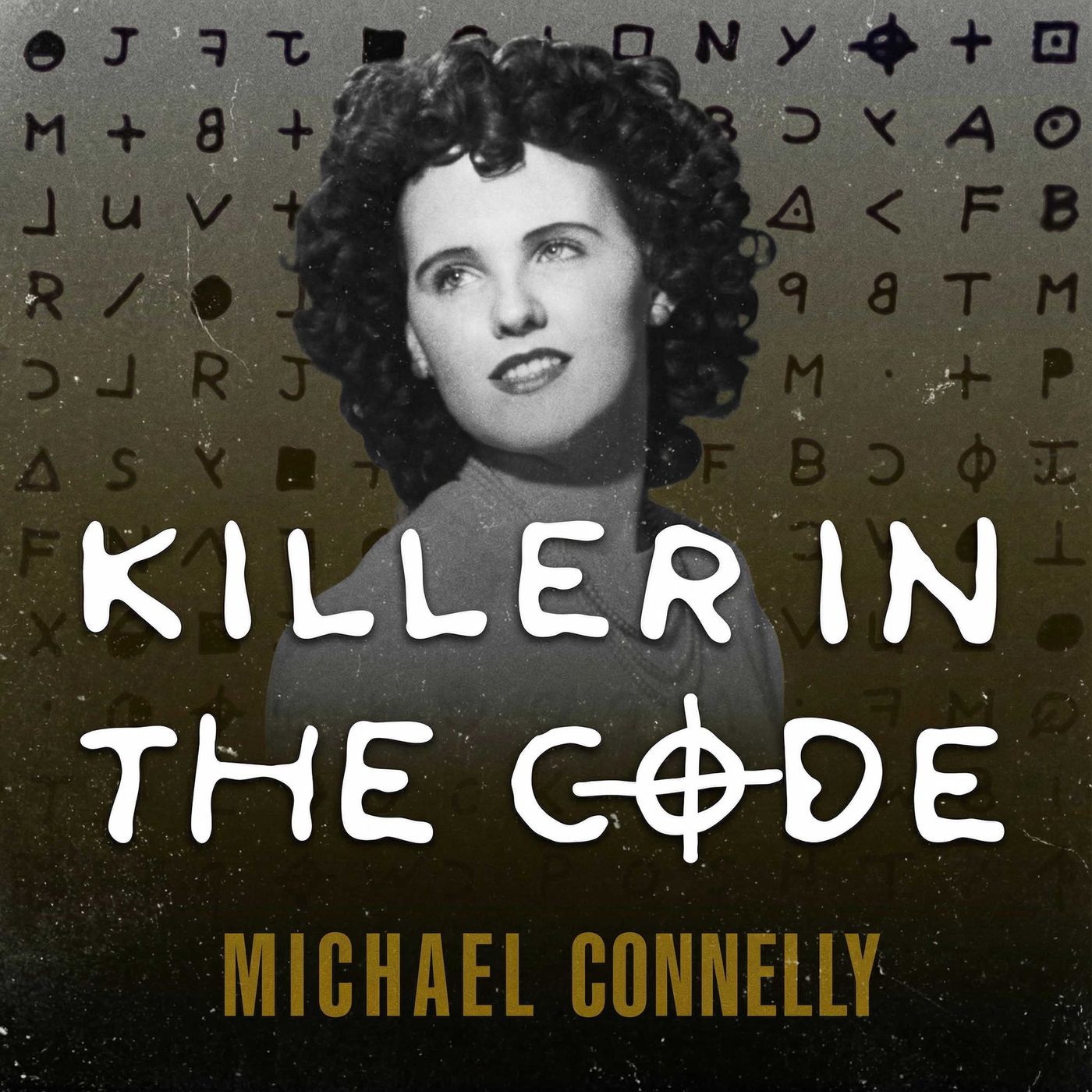
Killer In The Code
Chapter 6: A Mind For Murder
00:26:54
Who was Marvin Merrill? A deep dive into the suspect’s life reveals possible connections to unsolved cases from every place he ever lived. https://killerinthecode.com/
Loading summary
Transcript274 lines
- [00:01]
Grainger Purchasing Manager Advertiser
If you're the purchasing manager at a manufacturing plant, you know having a trusted partner makes all the difference. That's why, hands down, you count on Grainger for auto reordering. With on time Restocks, your team will have the cut resistant gloves they need at the start of their shift. And you can end your day knowing they've got safety well in hand. Call 1-800-GRAINGER Click grainger.com or just stop by Grainger for the ones who get it done.
- [00:31]
Grainger HVAC Technician Advertiser
If you're an H vac technician and a call comes in, Grainger knows that you need a partner that helps you find the right product fast and hassle free. And you know that when the first problem of the day is a clanking blower motor, there's no need to break a sweat. With Grainger's easy to use website and product details, you're confident you'll soon have everything humming right along. Call 1-800-GRAINGER clickranger.com or just stop by Grainger for the ones who get it done.
- [01:01]
Grainger Purchasing Manager Advertiser
If you're the purchasing manager at a manufacturing plant, you know having a trusted partner makes all the difference. That's why, hands down, you count on Grainger for auto reordering. With on time restocks, your team will have the cut resistant gloves they need at the start of their shift. And you can end your day knowing they've got safety well in hand. Call 1-800-granger. Click granger.com or just stop by Granger for the ones who get it done.
- [01:32]
Michael Connelly
You're listening to Killer and the Code Solving the Black Dahlia and Zodiac cases. I'm Michael Connolly and this is Chapter six. I want to begin today with a mini profile of the killer.
- [01:47]
Narrator / Interviewer
This podcast is focused on. This is taken from the official records of the investigation.
- [01:54]
Michael Connelly
The crime would indicate a person, to my estimation, who had a mania for publicity. They wanted to gloat over the fact.
- [02:02]
Narrator / Interviewer
That they had been successful in their crime and got a kick out of it.
- [02:07]
Michael Connelly
Okay, so I think I know what you were thinking.
- [02:10]
Narrator / Interviewer
That's got to come from the Zodiac case files, right?
- [02:13]
Michael Connelly
He's the one who wrote all the.
- [02:15]
Narrator / Interviewer
Letters to the newspapers and authored the tantalizing ciphers, et cetera, et cetera.
- [02:20]
Michael Connelly
Well, yes and no.
- [02:21]
Narrator / Interviewer
You could call it an early profile of the Zodiac, but it's actually from the sworn testimony of the lead detective on the Black Dahlia case, spoken to a grand jury in 1950, almost 20 years before the Zodiac killings took place and the self proclaimed Zodiac began using publicity to gloat and taunt the public and to hold it in the grip of fear.
- [02:47]
Michael Connelly
A mania for publicity. That detective certainly got that right. There are people who think these cases.
- [02:54]
Narrator / Interviewer
Are so dramatically different they could never be linked. But on a psychological level, they are much more the same than not.
- [03:02]
Michael Connelly
And today we are going to reveal.
- [03:04]
Narrator / Interviewer
As best we can, the man who is behind all these crimes. Marvin Margolis, AKA Marvin Merrill, among many other names. The man who wrote the letters and constructed the ciphers. The man who was a cipher himself.
- [03:22]
Michael Connelly
A quick recap here. Alex Baber, citizen sleuth. An amateur cryptologist broke the Z13 code. The 13 character cipher said to reveal.
- [03:31]
Narrator / Interviewer
The name of the Zodiac killer, but.
- [03:33]
Michael Connelly
Also thought to be unbreakable for more.
- [03:36]
Narrator / Interviewer
Than a half a century.
- [03:38]
Michael Connelly
The name hidden in the code was.
- [03:40]
Narrator / Interviewer
Marvin Merrill, the primary alias adopted by Marvin Margolis after he was identified more than 20 years earlier as a suspect in the murder of Elizabeth Short, better known as the Black Dahlia.
- [03:56]
Michael Connelly
Baber's methodology and solution to Z13 has been independently confirmed by some of the.
- [04:01]
Narrator / Interviewer
Top cryptanalysts in the world.
- [04:05]
Michael Connelly
Other evidence gathered by Baber and a team of veteran cold case detectives has.
- [04:09]
Narrator / Interviewer
Been documented in the previous episodes of this podcast.
- [04:14]
Michael Connelly
The bottom line is Margolis, who died.
- [04:16]
Narrator / Interviewer
In 1993, checked all the boxes.
- [04:19]
Michael Connelly
And now we want to attempt to.
- [04:21]
Narrator / Interviewer
Track his movement across time and geography.
- [04:24]
Michael Connelly
It's not an easy task.
- [04:26]
Narrator / Interviewer
Margolis, at times is a bit of a ghost.
- [04:29]
Michael Connelly
He changed names and moved about like.
- [04:31]
Narrator / Interviewer
A man looking over his shoulder to see who might be on his trail. This is Alex Baber.
- [04:37]
Family Member / Expert Commentator
His own family would call him Skippy because he would skip out for long periods of time, he'd be unaccounted for. The Skippy nickname was obviously a play on his middle name, Skip Dad.
- [04:48]
Michael Connelly
He also changed occupations and careers as.
- [04:50]
Narrator / Interviewer
Often as he moved geographically.
- [04:53]
Michael Connelly
At various times, he was an artist, an auto mechanic, an engineer, an insurance salesman, a car racing promoter, a computer.
- [05:01]
Narrator / Interviewer
Programmer, and an urban planner.
- [05:04]
Michael Connelly
His son called him a serial entrepreneur.
- [05:07]
Narrator / Interviewer
With most of his endeavors seeing very little success, it appears that he did.
- [05:11]
Family Member / Expert Commentator
Many things, but he wasn't good at any of them. Throughout the years and decades, he would often change his expertise or field of employment. Some of his family members told me that, you know, a lot of the stuff that he did, he taught himself and he wouldn't stay long within that field of expertise.
- [05:28]
Michael Connelly
This is veteran homicide detective Rick Jackson.
- [05:32]
Rick Jackson
My initial thoughts on his moving around a lot, as well as the changing of names. The first of all, the moving around a lot. There are People that do that, there are people that are lost, they can't find jobs, they go from one place to another. That's one thing. But when you couple that with constantly changing names, then it brings it to a higher level of concern about why that's being done. That's a quick, pat answer, but that's my reaction to what we see with Margolis Merrill.
- [06:02]
Michael Connelly
In addition to changing names as he moved, Margolis also appropriated the histories of.
- [06:08]
Narrator / Interviewer
Others while embellishing his own.
- [06:11]
Michael Connelly
The biggest task here was trying to.
- [06:13]
Narrator / Interviewer
Determine what was real about Marvin Margolis and what was not.
- [06:18]
Michael Connelly
One thing we know for sure is.
- [06:19]
Narrator / Interviewer
That he was born in Chicago to immigrant parents. In 1925.
- [06:26]
Michael Connelly
His own father changed his.
- [06:28]
Narrator / Interviewer
Name from Isaac Margolans to Isad Margolis.
- [06:32]
Michael Connelly
Something that many immigrants do.
- [06:33]
Narrator / Interviewer
But it early on exposed Marvin Margolis to the idea that identity was malleable.
- [06:41]
Michael Connelly
Before we go on here, let me say that the timeline and the biographic details we have put together here come from official records, newspaper articles, and interviews.
- [06:51]
Narrator / Interviewer
With members of Margolis's family.
- [06:54]
Michael Connelly
We have agreed not to name members.
- [06:55]
Narrator / Interviewer
Of the family in exchange for their cooperation.
- [07:01]
Michael Connelly
Margolis enrolled at the University of Illinois.
- [07:03]
Narrator / Interviewer
In 1942, but left after one semester with failing grades.
- [07:08]
Michael Connelly
At the time, the country was in.
- [07:10]
Narrator / Interviewer
The middle of a world war, and.
- [07:12]
Michael Connelly
In 1943, Margolis walked into a Navy.
- [07:15]
Narrator / Interviewer
Recruiting office in Chicago and joined up.
- [07:18]
Michael Connelly
He was trained as a corpsman and.
- [07:21]
Narrator / Interviewer
Sent overseas to the battle in the Pacific.
- [07:24]
Michael Connelly
He was attached as a medic to the Marine battalion that made the first.
- [07:28]
Narrator / Interviewer
Landing on the island of Okinawa.
- [07:30]
Michael Connelly
What ensued was one of the bloodiest.
- [07:32]
Narrator / Interviewer
And costliest battles of the war. Over 10,000American soldiers died on Okinawa.
- [07:39]
Michael Connelly
We documented Margolis's time there in chapter one of the podcast, but suffice it to say, his experiences there, including one.
- [07:47]
Narrator / Interviewer
Near death experience in particular, was harrowing.
- [07:51]
Michael Connelly
Upon returning from the war, he was.
- [07:53]
Narrator / Interviewer
Given a 50% disability from mental neurosis, but would now be diagnosed as Post Traumatic Stress disorder.
- [08:01]
Michael Connelly
Family members have told us he was.
- [08:03]
Narrator / Interviewer
Treated for this the rest of his.
- [08:05]
Family Member / Expert Commentator
Life, and he was put on medication. And we discovered through the family members that when he would disappear for these lengthy periods of time, they would reach out to his younger brother Milton, who lived in Chicago, who had a connection at the local va and what he would do, apparently, was contact this connection and. And he would look up where the last prescription was filled. And then Milton would hunt Marvin down and ask him, what are you doing? You have a family of allegations. You need to. Need to get back to where you belong.
- [08:34]
Michael Connelly
This is Mitzi Roberts, veteran homicide detective.
- [08:37]
Narrator / Interviewer
And former supervisor of the LAPD Cold Case Unit.
- [08:41]
Mitzi Roberts
All you have to really do is review the testimony at the grand jury as well as review, you know, any of his documents that came out of his time at the war. To know that, you know, what he saw over in Okinawa was the worst of the worst. And I think they've been mentioned mangled bodies and, you know, he was working in the medical field, so he saw them up. It wasn't just senior buddy, you know, here get, you know, severely injured. He's actually trying to save lives. And from everything I've read, he came back from that war just a damaged man for sure. Mentally just damaged.
- [09:27]
Michael Connelly
Margolis landed in Los Angeles after the.
- [09:30]
Narrator / Interviewer
War and in 1946, enrolled at the University of Southern California as a pre med student during a grand jury investigation.
- [09:39]
Michael Connelly
That would delve into the Black Dahlia case. Four years later, it was revealed by the deputy district attorney who led the.
- [09:46]
Narrator / Interviewer
Probe that Margolis had taken part in a body dissection just months before Elizabeth Short's bisected body was found.
- [09:55]
Michael Connelly
We could find no independent confirmation of this. While it was unlikely that a pre.
- [10:00]
Narrator / Interviewer
Med student would have a class in.
- [10:02]
Michael Connelly
Which cadavers were dissected, Margolis wartime experiences.
- [10:06]
Narrator / Interviewer
May have opened doors at USC for him to take part in what was likely something reserved for more advanced med students.
- [10:14]
Michael Connelly
As one of his Veterans Administration evaluators.
- [10:17]
Narrator / Interviewer
Reported in giving him the mental disability, he had dealt with many, quote, mangled bodies on Okinawa.
- [10:26]
Michael Connelly
Either way, Margolis was attending classes at the time.
- [10:30]
Narrator / Interviewer
He had a relationship with Elizabeth Short.
- [10:32]
Michael Connelly
And subsequently when she was found murdered.
- [10:35]
Narrator / Interviewer
On January 15, 1947.
- [10:38]
Michael Connelly
At some point, Margolis changed his focus.
- [10:41]
Narrator / Interviewer
And started pursuing a pharmacy degree.
- [10:44]
Michael Connelly
Records show that in 1948 he was.
- [10:46]
Narrator / Interviewer
Elected as an officer in the pharmacy School Service organization.
- [10:51]
Michael Connelly
A transcript of his grades from that year show him to have been a good student, getting mostly A's in pre.
- [10:58]
Narrator / Interviewer
Med and pharmacy classes and only one C in biochemistry.
- [11:03]
Michael Connelly
Curiously, he had registered at the school.
- [11:06]
Narrator / Interviewer
Under the name Marvin Henry Margolis. His actual middle name was Skipton, and.
- [11:12]
Michael Connelly
This is the earliest point where we.
- [11:14]
Narrator / Interviewer
See him engaged in identity deception.
- [11:19]
Michael Connelly
Margolis was in the class of 49.
- [11:22]
Narrator / Interviewer
But he apparently didn't finish at USC.
- [11:25]
Michael Connelly
Instead, he left town and picked up.
- [11:27]
Narrator / Interviewer
A degree in commerce from Roosevelt College in his hometown of Chicago.
- [11:33]
Michael Connelly
Why did he leave town and change schools? At the time, it had been two and a half years since the murder.
- [11:39]
Narrator / Interviewer
Of Elizabeth Short, and no arrest had been made in the case.
- [11:44]
Michael Connelly
Early on in that investigation, Margolis had been interviewed twice by the police, and though he initially lied about his relationship with Elizabeth Short, he offered an alibi.
- [11:54]
Narrator / Interviewer
That his new wife confirmed.
- [11:57]
Michael Connelly
Finis Brown, the lead detective on the case, would later testify that, quote, it.
- [12:03]
Narrator / Interviewer
Was impossible to throw him out as a suspect. It was impossible to tie him in.
- [12:10]
Michael Connelly
But 1949 was also when a new.
- [12:12]
Narrator / Interviewer
Police chief took the reins at the Los Angeles police department.
- [12:16]
Michael Connelly
William wharton was a hard charging former marine who declared in a widely publicized.
- [12:22]
Narrator / Interviewer
Media statement that the black dahlia investigation had been run poorly and been bungled by the original team on it.
- [12:30]
Michael Connelly
He called for a grand jury investigation.
- [12:32]
Narrator / Interviewer
Of the murder to refocus the case.
- [12:35]
Michael Connelly
But by the time that grand jury.
- [12:37]
Narrator / Interviewer
Was impaneled that year, Margolis was gone.
- [12:41]
Michael Connelly
Investigators with the grand jury tried to.
- [12:44]
Narrator / Interviewer
Find him and enlisted the help of the Chicago police department, but to no avail.
- [12:48]
Michael Connelly
Finis Brown was left to testify that.
- [12:51]
Narrator / Interviewer
Margolis was, quote, possibly a very good suspect.
- [12:58]
Michael Connelly
How diligently authorities searched for Margolis in.
- [13:01]
Narrator / Interviewer
Chicago is not clear.
- [13:03]
Michael Connelly
But they missed their chance three years.
- [13:05]
Narrator / Interviewer
Later when he was working in Chicago as a used car salesman and was charged with defrauding customers by tricking them into paying higher prices than agreed to for their car.
- [13:17]
Michael Connelly
Margolis avoided jail time and the apparent.
- [13:20]
Narrator / Interviewer
Notice of the lapd by paying a.
- [13:22]
Michael Connelly
Fine and restitution to several customers. But it was at this point that.
- [13:26]
Narrator / Interviewer
He left town once again, and when.
- [13:29]
Michael Connelly
He reemerged, he had a new profession.
- [13:31]
Narrator / Interviewer
And a new name. He was now in Atlanta, and he set up shop as Marvin Merrill, insurance salesman.
- [13:40]
Michael Connelly
Merrill spent at least three years in Atlanta and even started a side gig.
- [13:45]
Narrator / Interviewer
Which was an auto club for teenagers.
- [13:47]
Michael Connelly
He courted membership and publicity with the.
- [13:50]
Narrator / Interviewer
Inclusion of a nascar racing champion named Tim Flock as a partner.
- [13:55]
Michael Connelly
But eventually, Merrill moved on from Georgia.
- [13:58]
Narrator / Interviewer
And made even shorter stops in Ohio and Arizona before landing in Kansas.
- [14:04]
Michael Connelly
By this time, his first marriage was over, and he reinvented himself once again, this time as an artist and an art dealer in the small town of.
- [14:12]
Narrator / Interviewer
Wellington, 38 miles south of Wichita.
- [14:16]
Michael Connelly
He was now known as Skip Merrill, and a profile of the artist that.
- [14:20]
Narrator / Interviewer
Ran in the local newspaper offers some insight into how Merrill blended fact and into a new Persona.
- [14:30]
Michael Connelly
The newspaper reported that he had studied.
- [14:32]
Narrator / Interviewer
Under Salvador Dali, the master of surrealism, at usc.
- [14:37]
Michael Connelly
I learned a lot of realism from.
- [14:39]
Narrator / Interviewer
Dali, Murl was quoted as saying.
- [14:41]
Michael Connelly
He paints a clock. It may be distorted, but it looks like a clock. The baber team found no evidence that.
- [14:49]
Narrator / Interviewer
Dali ever taught painting or lectured at.
- [14:52]
Michael Connelly
Usc, though the record is clear that.
- [14:54]
Narrator / Interviewer
Dali was in Los Angeles at the time, Merrill, as Margolis, attended usc.
- [15:00]
Michael Connelly
Perhaps what is most intriguing about the.
- [15:02]
Narrator / Interviewer
Profile in the Wellington Daily News is Merrill's embellishment of his war record.
- [15:08]
Michael Connelly
Here was a man who could truthfully say he was with the Marines on.
- [15:12]
Narrator / Interviewer
Okinawa, one of the bloodiest and most important battles of World War II.
- [15:16]
Michael Connelly
He could talk about building a field.
- [15:18]
Narrator / Interviewer
Hospital in a cave on that island, but apparently that wasn't good enough for him.
- [15:25]
Michael Connelly
Instead, he told the newspaper that he.
- [15:27]
Narrator / Interviewer
Had been a member of the Flying Tigers, the legendary group of pilots who flew missions over China during the war. Why did he lie?
- [15:39]
Michael Connelly
It almost seems to me as though Merrill used the newspaper profile to leave.
- [15:43]
Narrator / Interviewer
Hints or clues about the Black Dahlia case.
- [15:46]
Michael Connelly
He told the newspaper that he had been a newspaper correspondent, but the truth was the only correspondence was his courting.
- [15:53]
Narrator / Interviewer
The media in Atlanta and his letters and phone calls to the Los Angeles newspapers as the Black Dahlia Avenger.
- [16:03]
Michael Connelly
Then the mentions of the Flying Tigers and Salvador Dali. The reference to the legendary air squadron.
- [16:10]
Narrator / Interviewer
Seemed to be a direct reference to Elizabeth Short and her lost fiance. During the war, she was engaged to pilot Matt Gordon. He flew missions over China and was credited with shooting down five Japanese planes in aerial dogfights.
- [16:27]
Michael Connelly
Those plans tragically changed when Gordon was.
- [16:30]
Narrator / Interviewer
Killed in a plane crash in 1945.
- [16:33]
Michael Connelly
Was it jealousy that made Merrill embellish his record, or was he intentionally dropping.
- [16:39]
Narrator / Interviewer
A clue into the story?
- [16:41]
Family Member / Expert Commentator
He was indeed a war hero in his own account. Right. He's on the front lines as a Naval corpsman. He. He's out there attempting to rescue people. You know, he's tending to the wounded, and he comes back. And then you have this 14 year gap between the time the murder of Elizabeth Schwartz took place and the time he did this interview in Wellington, Kansas, and instead of just saying, I was a Naval corpsman on the front lines that, you know, held a medical unit and took care of my comrades, you know, under fire, he. He injects this stolen valor, as we call it, where he's a Flying Tiger, which is a very unique unit during World War II. There's no reason for him to claim to be a Flying Tiger, as rare as that, you know, unit was. And for it to be directly connected to Elizabeth Short through her only fiance, Matt Gordon is a very unique and obvious connection that he's making to Elizabeth and himself. In my opinion, that's a dirty deed. That's something you know, that's him being jealous. That's him having some kind of envy towards Matt, you know, and his relationship with Elizabeth long before he knew her. That's obsession.
- [18:03]
Michael Connelly
And Dolly was a surrealistic painter, while.
- [18:06]
Narrator / Interviewer
Meryl said he was a realistic painter.
- [18:09]
Michael Connelly
His work was even described as being.
- [18:11]
Narrator / Interviewer
Closer to the impressionist master Vincent Van Gogh than Dali.
- [18:15]
Michael Connelly
But Dali created several paintings that depicted.
- [18:18]
Narrator / Interviewer
Women in ways similar to the Black Dahlia crime scene.
- [18:22]
Michael Connelly
Was Merrill hinting that he was influenced.
- [18:25]
Narrator / Interviewer
By Dali as a killer or a painter? These are questions that obviously can't be answered.
- [18:32]
Michael Connelly
You can take a look at some.
- [18:34]
Narrator / Interviewer
Of Dali's work on the Killer in the Code website.
- [18:39]
Michael Connelly
Though. In the newspaper profile, Merrill said he.
- [18:41]
Narrator / Interviewer
Was so inspired by Kansas that he could paint there forever. Things soured for him when a local art association he had created split into two factions and voted in new leadership. Murrell once again packed his bags. This time he headed west, back to California.
- [19:02]
Michael Connelly
Murrell landed in the town of Oceanside.
- [19:04]
Narrator / Interviewer
In San Diego county in early 1962.
- [19:08]
Michael Connelly
On an evening shortly after his arrival, a man called the police department anonymously and said he was about to commit.
- [19:15]
Narrator / Interviewer
A crime that would baffle the police and never be solved.
- [19:20]
Michael Connelly
The next night, a taxicab driver named Raymond Davis was shot to death in his cab and his body was dumped.
- [19:26]
Narrator / Interviewer
In an alley behind the mayor's house.
- [19:29]
Michael Connelly
The cab was later found abandoned 15 blocks away. The next night, the anonymous man called the police again. He took credit for the murder of Davis and said he was going to.
- [19:41]
Narrator / Interviewer
Shoot a bus driver next.
- [19:44]
Michael Connelly
This in turn gripped the community in fear, and Marines from a nearby military.
- [19:48]
Narrator / Interviewer
Base were used to ride in buses and taxis for added security.
- [19:54]
Michael Connelly
The murder of Davis, the dumping of his body behind the mayor's house, and the subsequent threat to kill a bus driver drew massive media attention, seemingly underlying.
- [20:04]
Narrator / Interviewer
The unknown killer's mania for publicity. To use a phrase from the Black Dahlia killer's profile.
- [20:13]
Michael Connelly
Eight years after the Davis murder, the killing of San Francisco cab driver Paul Stein by the Zodiac would draw comparisons. But like the Sherry Jo Bates case in Riverside, and that Davis killing was.
- [20:26]
Narrator / Interviewer
Never formally declared a Zodiac case.
- [20:29]
Michael Connelly
Perhaps it was because authorities did not.
- [20:31]
Narrator / Interviewer
Know what we can now reveal.
- [20:35]
Michael Connelly
On the night Davis was murdered in Oceanside, his killer abandoned his cab in.
- [20:40]
Narrator / Interviewer
The 400 block of Pacific street, which.
- [20:43]
Michael Connelly
Was an 800 foot walk to the.
- [20:44]
Narrator / Interviewer
House on Elm street where Marvin Merrill was living. Following his recent move from Kansas.
- [20:53]
Family Member / Expert Commentator
I do believe that Paul Stein was in all likelihood a piece of the puzzle to connect him back to his earlier murder. Of Ray Davis. It does make sense.
- [21:04]
Rick Jackson
Paul Stein was the first. It was such a brazen attack because it was done right in the middle of a major city in front of people. He walked away. It was a brazen attack. And I think that was done intentionally to shake things up a little bit. And why not shake things up a little bit by doing something that you've done before in 1962 with the cab driver in Oceanside? Why not do the same thing again? It could be part of the game, wondering, okay, are they gonna be able to put this all together, that it's me, the Zodiac, working before I became the Zodiac, and then seven years later, you do the Paul Stein case to bring it right back into your new hunting grounds, if you will.
- [21:46]
Mitzi Roberts
It just kind of proves that this guy evolves in his M.O. i mean, he doesn't. It doesn't fit quite exactly with, of course, the Black Dahlia and the Zodiac, but it's just an evolution, and it's. The two are the same.
- [22:04]
Michael Connelly
Baber notes that the investigation has established.
- [22:07]
Narrator / Interviewer
That Margolis Merrill was in either close or close enough proximity to the murders of Elizabeth Short, Ray Davis, Sherry Jo Bates, and the five Zodiac victims, all of which remain cases officially unsolved, all of which involve the perpetrator who showed a mania for publicity.
- [22:29]
Family Member / Expert Commentator
He's either the most unluckiest guy on the planet or he's the killer. He's the perpetrator of these crimes.
- [22:35]
Michael Connelly
Marvin Merrill's professional apex may have come.
- [22:38]
Narrator / Interviewer
Briefly in the middle 60s when he.
- [22:40]
Michael Connelly
Had left the art world for the business world and was president and chief.
- [22:44]
Narrator / Interviewer
Engineer of Pacific Projects Consultants, a company.
- [22:48]
Michael Connelly
Planning the construction of a 10 story.
- [22:50]
Narrator / Interviewer
Hotel on the beach in Oceanside.
- [22:53]
Michael Connelly
Merrill called a press conference to announce.
- [22:56]
Narrator / Interviewer
His plans and got a good run from it.
- [22:58]
Michael Connelly
But the project never came to fruition, and Merrill was eventually sued by his.
- [23:03]
Narrator / Interviewer
Investors who wanted their money back.
- [23:06]
Michael Connelly
According to members of Merrill's family, other real estate ventures and development plans followed.
- [23:12]
Narrator / Interviewer
But none led to success like the.
- [23:14]
Michael Connelly
Speculative purchase of land near a projected.
- [23:17]
Narrator / Interviewer
Freeway interchange that never came to be.
- [23:20]
Michael Connelly
Merrill's son described home life at this time as always being tense with the family living hand to mouth and his.
- [23:28]
Narrator / Interviewer
Father often moody and physically abusive.
- [23:33]
Michael Connelly
Even though money was short during these times, Merrill kept a second residence in.
- [23:38]
Narrator / Interviewer
San Jose, where he did work for intel, the microchip company.
- [23:42]
Michael Connelly
Efforts to confirm this through intel were unsuccessful. But in documents turned over to the.
- [23:48]
Narrator / Interviewer
Baber team by Merrill's son, there are.
- [23:51]
Michael Connelly
Intel business cards and W2 tax forms.
- [23:54]
Narrator / Interviewer
Issued by the company.
- [23:55]
Michael Connelly
To Merrill, it's unclear whether this was a side job or another career change. But by the early 70s, Merrill was.
- [24:05]
Narrator / Interviewer
Back in the car business, operating an auto repair and tire shop called Buck Savers. He was also back in trouble with the law.
- [24:14]
Michael Connelly
Four days before Christmas 1971, Merrill was.
- [24:17]
Narrator / Interviewer
Jailed on multiple charges of defrauding his customers at the shop.
- [24:22]
Michael Connelly
Two months later, he was found guilty.
- [24:24]
Narrator / Interviewer
In court and sentenced to 30 days in jail and three years probation. Those three years coincided with three years of silence from the Zodiac. A period of time when no letters and no ciphers were sent to the.
- [24:38]
Family Member / Expert Commentator
Media during this investigation. From the time it starts to the time he's arrested to the time he's given probation, to the time probation ends, the Zodiac doesn't appear again. There's no letters, no phone calls, no attacks. Soon as Marvin Merrill's probation ends early, all of a sudden, that same month, he reappears. And then we have this first letter in 34 months.
- [25:03]
Michael Connelly
Merrill's second marriage came to an end in 1978 after what family members told.
- [25:07]
Narrator / Interviewer
Us was a physical altercation with a teenage child.
- [25:12]
Michael Connelly
After that, the family began to lose track of Merrill. His son told us he had lost.
- [25:19]
Narrator / Interviewer
Touch with his father for nearly a decade after the divorce.
- [25:23]
Michael Connelly
Records show that Merrill eventually moved north.
- [25:26]
Narrator / Interviewer
Toward the middle of California with addresses in Atascadero and Creston, before finally landing in Santa Barbara.
- [25:35]
Michael Connelly
Copies of tax returns from these years.
- [25:38]
Narrator / Interviewer
Show him making very little money and alternately listing his occupation as engineer, ex engineer, and shopkeeper.
- [25:46]
Michael Connelly
During his last decade.
- [25:48]
Narrator / Interviewer
It appears, at least through banking records, that he used all variations of his aliases and kept separate checking accounts under each name.
- [25:59]
Michael Connelly
In 1992, while he was facing a terminal cancer diagnosis, Margolis rented an art.
- [26:05]
Narrator / Interviewer
Studio in Santa Barbara for $700 a month.
- [26:09]
Michael Connelly
He used the name Marty Merrill and.
- [26:11]
Narrator / Interviewer
Signed a five year lease commencing on April 1st. Perhaps that was an April Fool's joke from a man who had little more than a year to live.
- [26:21]
Michael Connelly
It was likely in that rented studio.
- [26:23]
Narrator / Interviewer
On Montecito street that Marty Merrill created a sketch titled Elizabeth and depicting the upper half of a nude woman with dark hair and the word Zodiac hidden in the shading.
- [26:36]
Michael Connelly
It would be the last of the.
- [26:38]
Narrator / Interviewer
Many clues left behind by a human cipher.
- [26:42]
Family Member / Expert Commentator
I believe that his final days, knowing that his life was coming to an end, and I have to say this for Marvin, having an understanding of him that I believe he may have had some. Some regret for what he did to Elizabeth. And the reason I say that is, is that that sketch in particular isn't one that I think is him bragging. I think it's his calling card so that someday someone would come along and discover it and put the pieces together. Maybe for his own reason. For his own reasons, meaning that he would get he finally have his name and face attached to these crimes officially. So he'd go down, you know, in history as being the Zodiac and the Black Guy Avenger. But I also believe that he wanted, he wanted the world to know that he hadn't forgotten. Elizabeth.
- [27:35]
Michael Connelly
I'm Michael Conley and you have been listening to Killer in the Code.
- [27:38]
Narrator / Interviewer
Solving the Black Dahlia and Zodiac Cases.
- [27:42]
Michael Connelly
This chapter was written and produced by Michael Connelly. It was edited by Terrell Lee Langford.
- [27:47]
Narrator / Interviewer
With sound design, music and post production services by Mark Henry Phillips.
- [27:54]
Michael Connelly
Go to our website killerinthecode.com for more.
- [27:57]
Narrator / Interviewer
Information on the investigation.
- [27:59]
Michael Connelly
Send us questions and we will try.
- [28:01]
Narrator / Interviewer
To answer them in an upcoming roundtable discussion.
- [28:04]
Michael Connelly
And be sure to subscribe to the.
- [28:06]
Narrator / Interviewer
Podcast so you will know when new chapters are available.
- [28:10]
Michael Connelly
We'll be back soon with chapter seven.
- [28:12]
Narrator / Interviewer
Thank you for listening.
- [28:25]
Grainger HVAC Technician Advertiser
If you're an H vac technician and a call comes in, Grainger knows that you need a partner that helps you find the right product fast and hassle free. And you know that when the first problem of the day is a clanking blower motor, there's no need to break a sweat. With Grainger's easy to use website and product details, you're confident you'll soon have extra everything humming right along. Call 1-800-GRAINGER Click grainger.com or just stop by Grainger for the ones who get it done.
- [28:55]
Grainger Purchasing Manager Advertiser
If you're the purchasing manager at a manufacturing plant, you know having a trusted partner makes all the difference. That's why hands down, you count on Grainger for auto reordering. With on time restocks, your team will have the cut resistant gloves they need at the the start of their shift and you can end your day knowing they've got safety well in hand. Call 1-800-granger. Click granger.com or just stop by Granger for the ones who get it done.