
Podcast
KPFA - Against the Grain
Hosted by KPFA · EN
Acclaimed program of ideas, in-depth analysis, and commentary on a variety of matters—political, economic, social, and cultural—important to progressive and radical thinking and activism. Against the Grain is produced and hosted by Sasha Lilley.
30episodes
Episodes
Newest firstAll episodes

Triumph of the Yuppie
Jun 300:48:29Tap to summarizeIn the 1980s, yuppies were celebrated in the media and reviled by many others. Working in finance or as management consultants or lawyers, they quickly put their stamp on cities around the country, displacing working class people in places like New York, and remaking the Democratic Party. Historian Dylan Gottleib examines whether they were drivers of financialization and growing social inequality — or crucial cogs in the machine. Dylan Gottlieb, Yuppies: The Bankers, Lawyers, Joggers, and Gourmands Who Conquered New York Harvard University Press, 2026 Photo: Charles Hutchins The post Triumph of the Yuppie appeared first on KPFA.
Transcribe →
Sex and Strength
Jun 200:59:58Tap to summarizeAre women as strong as men? According to science writer Starre Vartan, in some cases, they are stronger. She argues that scientific research over the last several decades shows that culture shapes strength as much as hormones — and that much of what we presume about sex differences, strength, and athleticism harms all of us. Starre Vartan, The Stronger Sex: What Science Tells Us about the Power of the Female Body Seal Press, 2025 Photo by Peter Zhan on Unsplash The post Sex and Strength appeared first on KPFA.
Transcribe →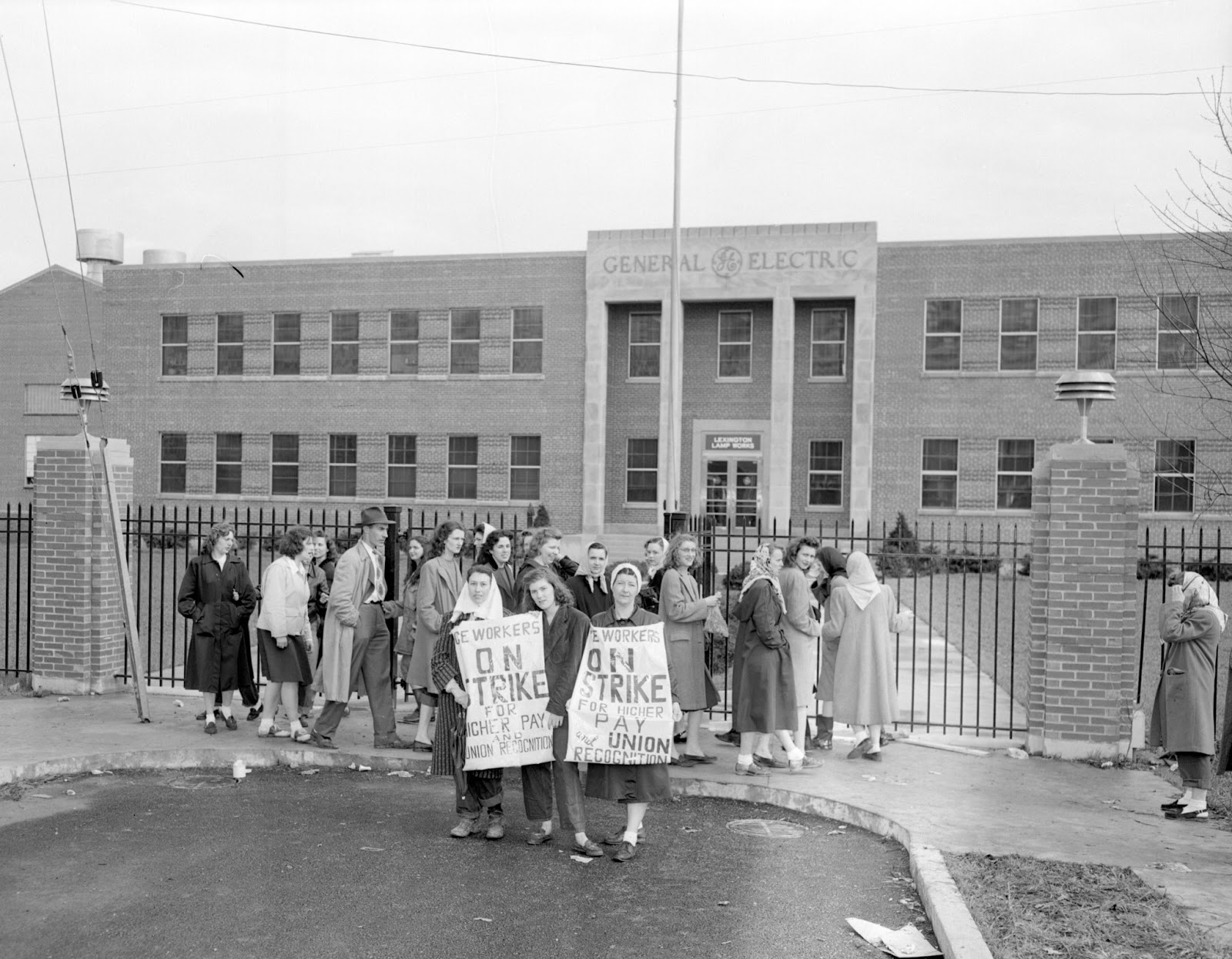
Controlling Workers
Jun 100:59:58Tap to summarizeOver the past four centuries, owners have sought to wrest control of the labor process away from the workers in plantations, factories, and warehouse. Ideas about labor management, dressed up as a science, have often failed on the shop floor, but they have served a broader purpose. Labor historian Henry Snow interrogates how theories of discipline and management — from the Bentham brothers’ panopticon to Frederick Winslow Taylor’s ideas of labor optimization to General Electric’s propaganda campaign featuring actor Ronald Reagan — have perennially reinforced the notion that there is no alternative to capitalism. Henry Snow, Control Science: How Management Made the Modern World Verso, 2026 The post Controlling Workers appeared first on KPFA.
Transcribe →
How the GOP Lurched Further to the Right
May 2700:59:59Tap to summarizeThe Republican Party has traditionally been the party of the business class. But since the era of Newt Gingrich in the 1990s, the GOP has been marked by internal strife and ideological chaos — and in the last presidential election, the business class overwhelmingly supported Harris over Trump. Historian Paul Heideman considers the makings of a far rightward shift by the GOP, which has not been matched by an equivalent leftward turn of the Democrat Party. Paul Heideman, Rogue Elephant: How Republicans Went from the Party of Business to the Party of Chaos Verso, 2025 Photo by Kelly Sikkema on Unsplash The post How the GOP Lurched Further to the Right appeared first on KPFA.
Transcribe →
Changing Sound
May 2600:59:58Tap to summarizeWe inhabit a world in which what we look at — what we see, read, scroll through — has often supplanted what we hear. The visual has replaced sound. But, of course, sounds are everywhere, both human-made and made by the rest of nature. Julian Treasure reflects on the importance of sound in our lives — between ourselves, other living things, and in the surroundings of our built environment. Julian Treasure, Sound Affects: How Sound Shapes Our Lives, Our Wellbeing, and Our Planet Grand Central Publishing, 2025 Photo by Pawel Czerwinski on Unsplash The post Changing Sound appeared first on KPFA.
Transcribe →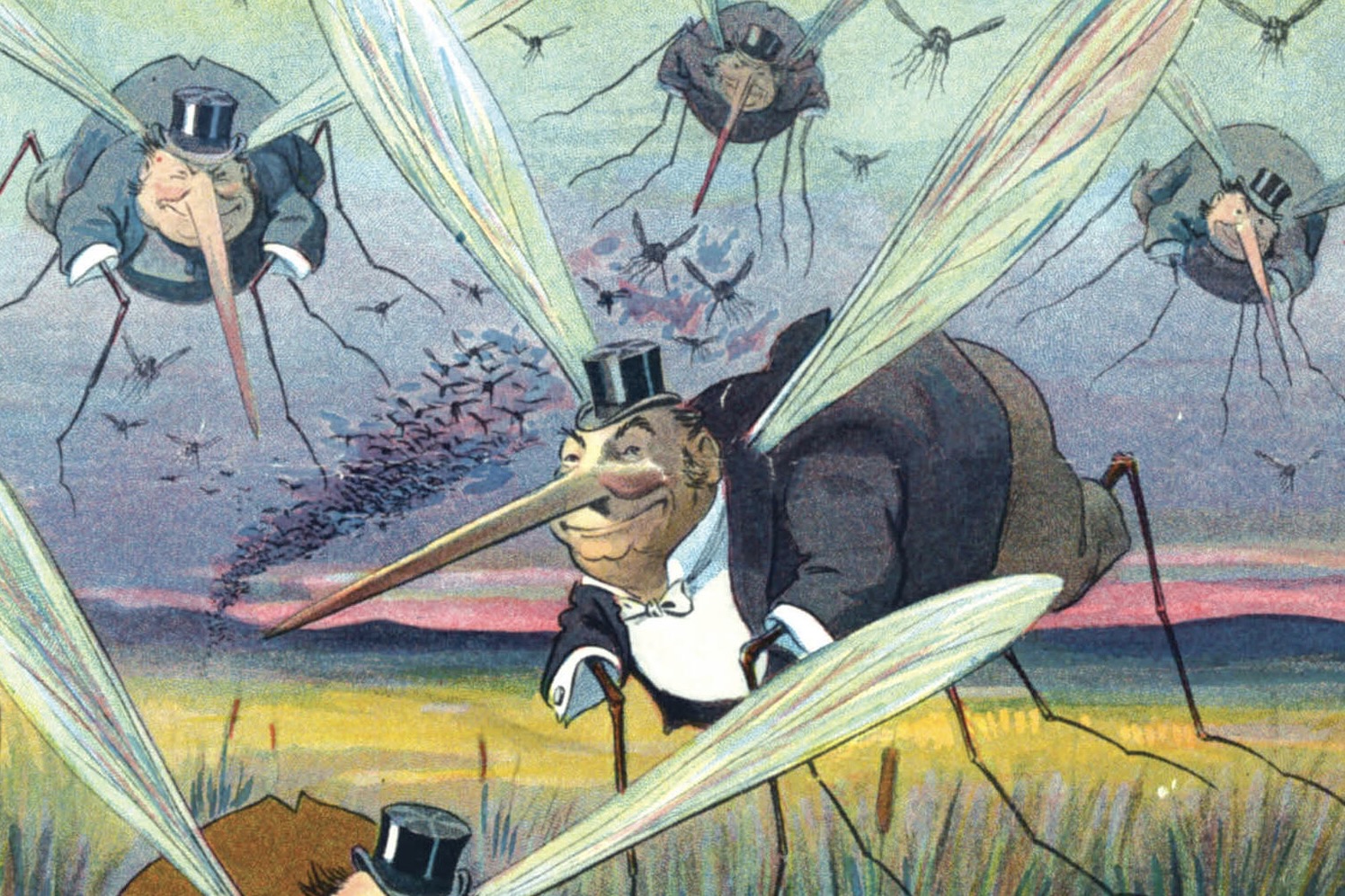
Capitalism and Insect-Borne Diseases
May 2500:59:58Tap to summarizeOver the last half century, diseases carried by insects — such as malaria and dengue, Zika and Lyme disease — have greatly increased. Sociologists Brent Kaup and Kelly Austin argue that the surge in vector-borne disease has been fueled by neoliberal capitalism, at times in unexpected ways, such as through loosened financial regulations governing mortgages and health insurance, as well as the gutting of health care. (Encore presentation.) Brent Z. Kaup and Kelly F. Austin, The Pathogens of Finance: How Capitalism Breeds Vector-Borne Disease UC Press, 2025 The post Capitalism and Insect-Borne Diseases appeared first on KPFA.
Transcribe →Fund Drive Special: Artificial Intelligence, the Media, and the Billionaire Class
May 2000:59:59Tap to summarizeIf it weren’t obvious before, the Trump administration has exposed the enormous power, as well as astounding wealth, of the billionaire class. And the power of that class partially emanates from their ownership of much of our media system, with significant political consequences. Economist Rob Larson discusses the 1%, AI and the massive build out of data centers, and the decline of press freedom in the U.S. Please donate in support of KPFA and Against the Grain. The post Fund Drive Special: Artificial Intelligence, the Media, and the Billionaire Class appeared first on KPFA.
Transcribe →Against the Grain – May 19, 2026
May 1900:59:58Tap to summarizeA radio and web media project whose aim is to provide in-depth analysis and commentary on a variety of matters — political, economic, social and cultural — important to progressive and radical thinking and activism. The post Against the Grain – May 19, 2026 appeared first on KPFA.
Transcribe →
Fund Drive Special: Against the Attention Economy
May 1800:59:59Tap to summarizeIt’s been called a new gold rush, but not of our external environment, which continues to be plundered, but of our internal environment — of our psyches. Historian of science D. Graham Burnett, one of the Friends of Attention, lays out what’s at stake — and how they’re organizing a movement to reclaim our attention. Please donate in support of KPFA and Against the Grain. The post Fund Drive Special: Against the Attention Economy appeared first on KPFA.
Transcribe →Fund Drive Special: Fossil Capitalism and Trees
May 1300:22:56Tap to summarizeFor as long as we’ve known, humans have revered ancient trees. We have also destroyed them, especially since the advent of colonialism and fossil fuel capitalism. Historian Jared Farmer reflects on what trees illuminate about our past and potential future. The post Fund Drive Special: Fossil Capitalism and Trees appeared first on KPFA.
Transcribe →