
Podcast
KPFA - Against the Grain
Hosted by KPFA · EN
Acclaimed program of ideas, in-depth analysis, and commentary on a variety of matters—political, economic, social, and cultural—important to progressive and radical thinking and activism. Against the Grain is produced and hosted by Sasha Lilley.
30episodes
Episodes
Newest firstAll episodes

Fuentes on Aggression; Graeber on Egalitarianism
Apr 1500:59:59Tap to summarizeWe often are told there is no other way to organize society — that by our very nature, we’re destined to try to dominate each other. But are such assumptions merited? Primatologist Agustín Fuentes pulls apart the supposedly evolutionary case that humans are hardwired for war. And the late anthropologist David Graeber discusses the active cultivation of pessimism about our ability to organize society in a more egalitarian way. To celebrate KPFA Radio’s 77th birthday, please donate to Against the Grain and KPFA! Photo by Egor Myznik on Unsplash The post Fuentes on Aggression; Graeber on Egalitarianism appeared first on KPFA.
Transcribe →
(Not) Taxing the Rich
Apr 1400:59:58Tap to summarizeIt’s widely recognized that vast amounts of wealth are now concentrated in the hands of the very few. But less well understood, scholar Ray Madoff argues, is how the U.S. tax code played a key role in that process. She delineates how progressive taxation and the estate tax — designed to tax the inherited wealth of the rich — have been eviscerated. And she also argues that philanthropy, perversely, has increased the wealth of the 1%. Ray D. Madoff, The Second Estate: How the Tax Code Made an American Aristocracy University of Chicago Press, 2025 Photo by Alexander Grey on Unsplash The post (Not) Taxing the Rich appeared first on KPFA.
Transcribe →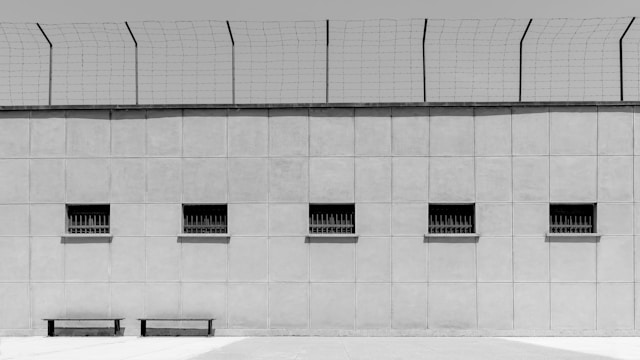
Infrastructures of War and Repression in Iran
Apr 1300:59:58Tap to summarizeTrump has not only threatened Iran’s civilian infrastructure, but the U.S. and Israel have systematically targeted it since the start of their attack. Historian Golnar Nikpour reflects on the human costs of the war. And she discusses the Iranian state and prison system since the early 20th century and places recent mass protests — the largest in Iranian history — in the context of cycles of protest and repression in modern Iran. Golnar Nikpour, The Incarcerated Modern: Prisons and Public Life in Iran Stanford University Press, 2024 Photo credit: Saeed Karimi The post Infrastructures of War and Repression in Iran appeared first on KPFA.
Transcribe →
Counting Care Work
Apr 800:59:58Tap to summarizeMany in our society are struggling to provide care for their families or communities. Often they don’t have time to do it and can’t afford to pay for it. The right realizes this and has tried to woo women with a glorified vision of domestic life. Economist Nancy Folbre discusses the early fight for the recognition of unpaid care work as real work, while the economics profession has mainly ignored it, despite its crucial importance for capitalism. Nancy Folbre, Making Care Work: Why Our Economy Should Put People First UC Press, 2026 Photo by Jill Brand on Unsplash The post Counting Care Work appeared first on KPFA.
Transcribe →
Consuming the Future
Apr 700:59:58Tap to summarizeCapitalism has generated vast amounts of wealth by spreading around the world. But as Timothy Mitchell argues, profits are made not just across space but also time, by stealing from future generations, including through military spending. The political theorist and historian of the Middle East reflects on the ways that capitalism consumes the future. Timothy Mitchell, The Alibi of Capital: How We Broke the Earth to Steal the Future on the Promise of a Better Tomorrow Verso, 2026 Photo by Curioso Photography on Unsplash The post Consuming the Future appeared first on KPFA.
Transcribe →
The Frankfurt School, Authoritarianism, and the U.S. Right
Apr 600:59:58Tap to summarizeWhat has the far right learned from the Frankfurt School? And what can we learn from Frankfurt School thinkers like Theodor Adorno and Herbert Marcuse to understand the appeal of the right? Paul Fleming sheds light on the fixation of conservatives like Christopher Rufo — who has set about remaking higher education — with cultural Marxism. He also discusses Adorno’s insights into the attraction of authoritarian leaders. Theodore Adorno, “Anti-Semitism and Fascist Propaganda” New German Critique The post The Frankfurt School, Authoritarianism, and the U.S. Right appeared first on KPFA.
Transcribe →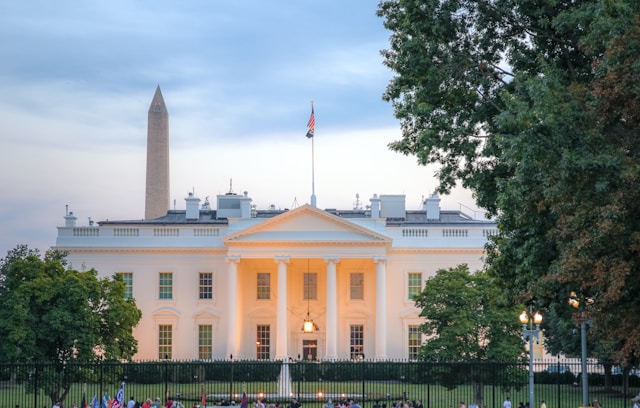
Trump and the Powers of the U.S. Presidency
Apr 100:59:58Tap to summarizeThe powers of the president of the United States have grown since the Cold War, expanding under both Republicans and Democrats. And many of these presidential powers – such as those laid out in the presidential emergency action documents — are unknown to the US public. Journalist Andrew Cockburn reflects on the imperial presidency, the domestic motivations of US foreign policy, and the US-Israeli war on Iran, as well as the role of money in the politics of the Democratic Party. Andrew Cockburn, Washington Is Burning: Corruption and Lies in the Age of Trump Verso, 2025 Photo by Ana Lanza on Unsplash The post Trump and the Powers of the U.S. Presidency appeared first on KPFA.
Transcribe →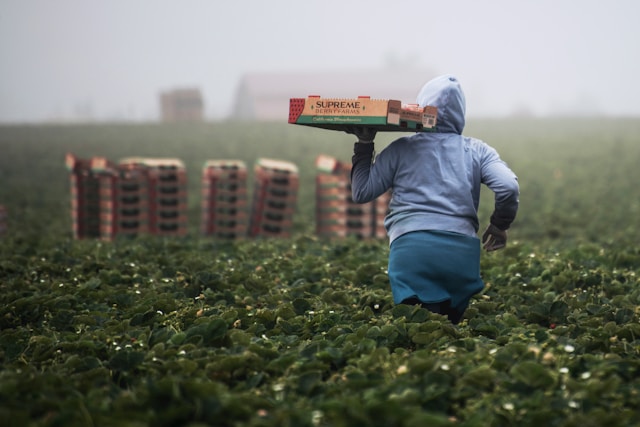
United Farm Worker Rank and File
Mar 3100:59:58Tap to summarizeRevelations that the much-lionized United Farm Workers leader Cesar Chavez raped women and young girls has rightly horrified many. But Chavez has long been a controversial figure and the union that he headed was deeply divided. Radical writer and former farm worker Frank Bardacke discusses the two souls of the UFW, between the union staff and the militant rank and file. Frank Bardacke, Trampling Out the Vintage: Cesar Chavez and the Two Souls of the United Farm Workers Verso, 2011 “The United Farm Workers Was More Than Cesar Chavez: Sasha Lilley Interviews Frank Bardacke,” Jacobin September 29, 2021 Photo by Tim Mossholder on Unsplash The post United Farm Worker Rank and File appeared first on KPFA.
Transcribe →
Oil and Global Capitalism
Mar 3000:59:58Tap to summarizeThe ramifications of the US attack on Iran have been a harsh reminder of the centrality of oil to the global economy – and not just for fuel and transport. Political economist Adam Hanieh reflects on the rise of crude oil in the 20th century. He argues that the blockage in the Gulf threatens to set off a more serious global crisis than seen in the 1970s. Adam Hanieh, Crude Capitalism: Oil, Corporate Power, and the Making of the World Market Verso, 2025 The post Oil and Global Capitalism appeared first on KPFA.
Transcribe →
Fighting for the Future
Mar 2500:59:58Tap to summarizeAs global warming accelerates, what would it take to reclaim our future? Malcolm Harris describes the obstacles to moving beyond fossil fuels — not just from elites, but also from below. He lays out three interlocking paths out of the climate crisis. Malcolm Harris, What’s Left: Three Paths Through the Planetary Crisis Little, Brown and Company, 2025 The post Fighting for the Future appeared first on KPFA.
Transcribe →