
Podcast
Land & Legacy - Habitat + Hunting
Hosted by Land & Legacy · EN
The Land & Legacy podcast brings expert advice each week on everything from habitat management, hunting, and recreational land investments. We unpack real world scenarios that we experience through consulting across the country to help you become a more productive landowner and hunter. If you own land, this is the podcast for you!
40episodes
Episodes
Newest firstAll episodes
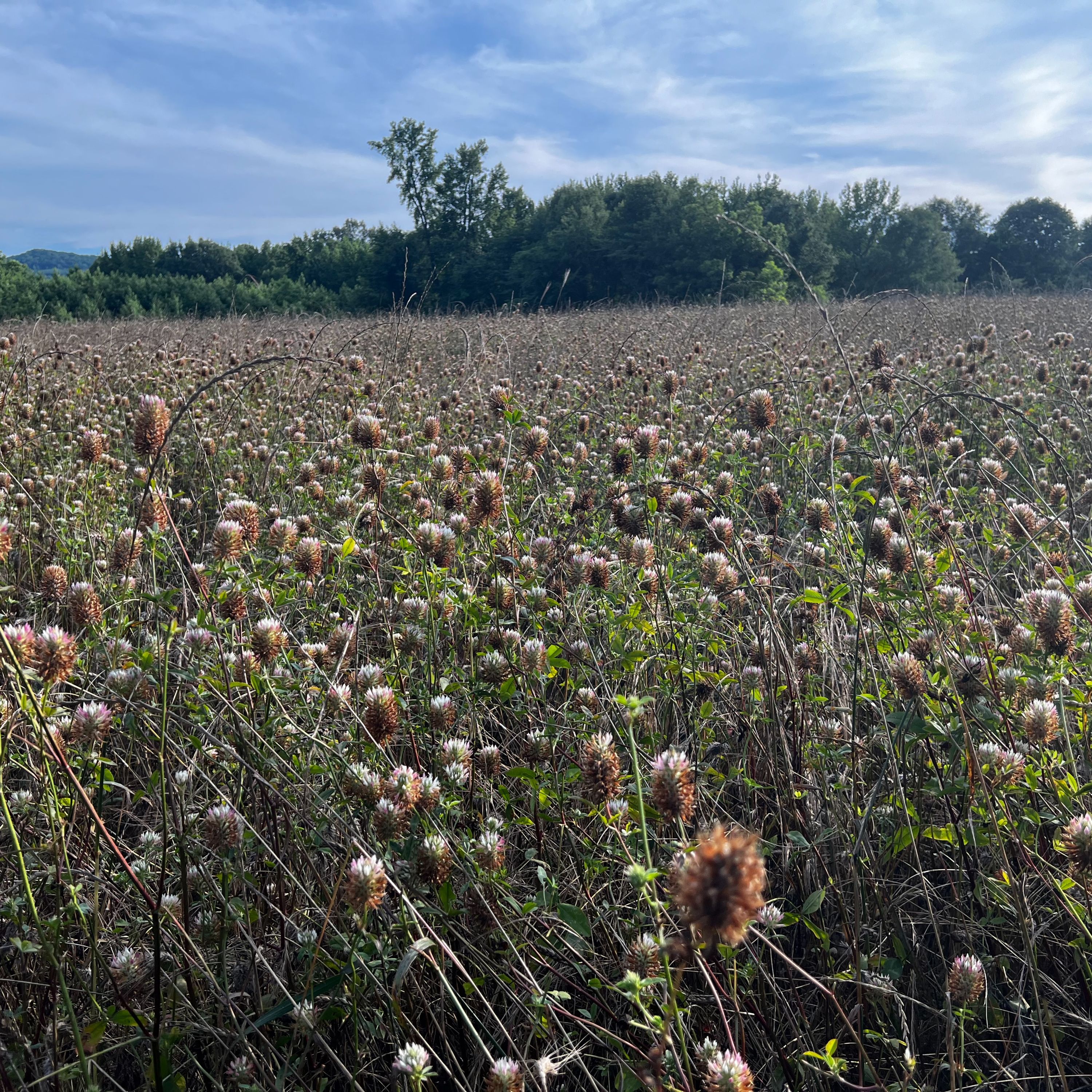
It's More Than a Fall Blend w/ these Annual Clovers
3d ago00:48:52Tap to summarizeWhen time is limited, make wise food plot decisions. Don't worry about what others are planting or chasing a trend. Plant a crop that gives you the best chance at high quality food over the course of many months. When you begin to allow in a diverse fall mixture for the annual clovers such a balansa, bereseem, and crimson clover to fully grow and cycle you realize that this food plot blend is more than a fall crop... its a 10 month+ crop. If you plant a blend with the right annual clovers added at the right density, you can achieve an extended life of food plot varieties, increased nitrogen fixation, and some quality weed suppression without needing to plant a summer crop. Just terminate the field and plant the same crop again. Food plotting is that easy.
Transcribe →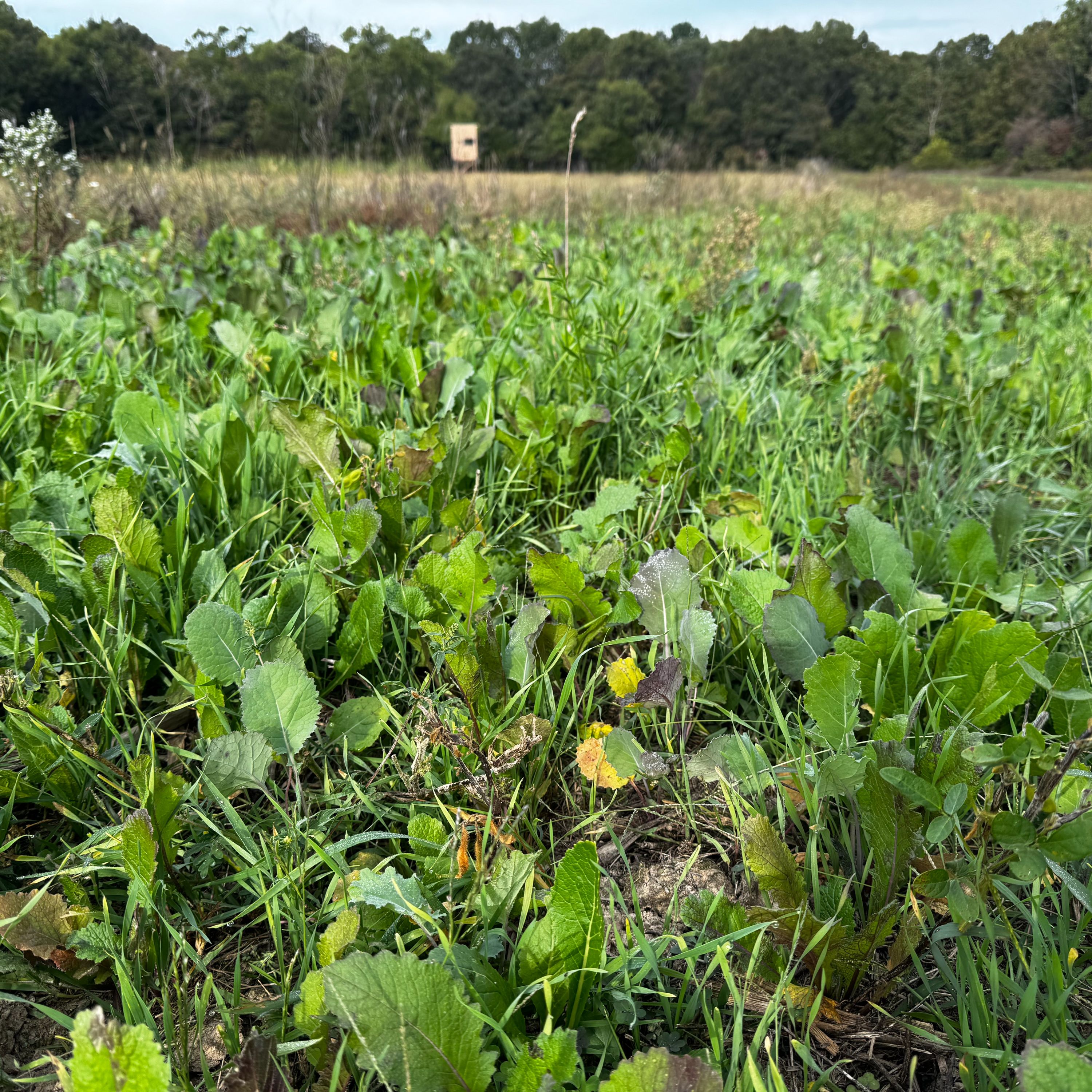
Food Plot Management- Minimizing Variables
1w ago00:47:14Tap to summarizeDuring this podcast we chat with Land & Legacy consultant Alan Summerford about the management of his properties. We discuss distinct management strategies that produce results, simplify maintenance, and ensure success despite unknown variables that any growing season can throw your way. Some of the topics we cover include pre-emergents, herbicides, mowing food plots, amending food plots, herbicide proficiency, and producing high quality forage during the hunting season. Additionally, we discuss common themes observed during recent consulting trips. Similar trends appear in successes. Its not uncommon to see some folks who excel in food plots, but struggle with native habitat as well as the inverse: those who do great with a chainsaw and a drip torch but struggle with food plots. Both are necessary skills to hone and really take your property to the next level.
Transcribe →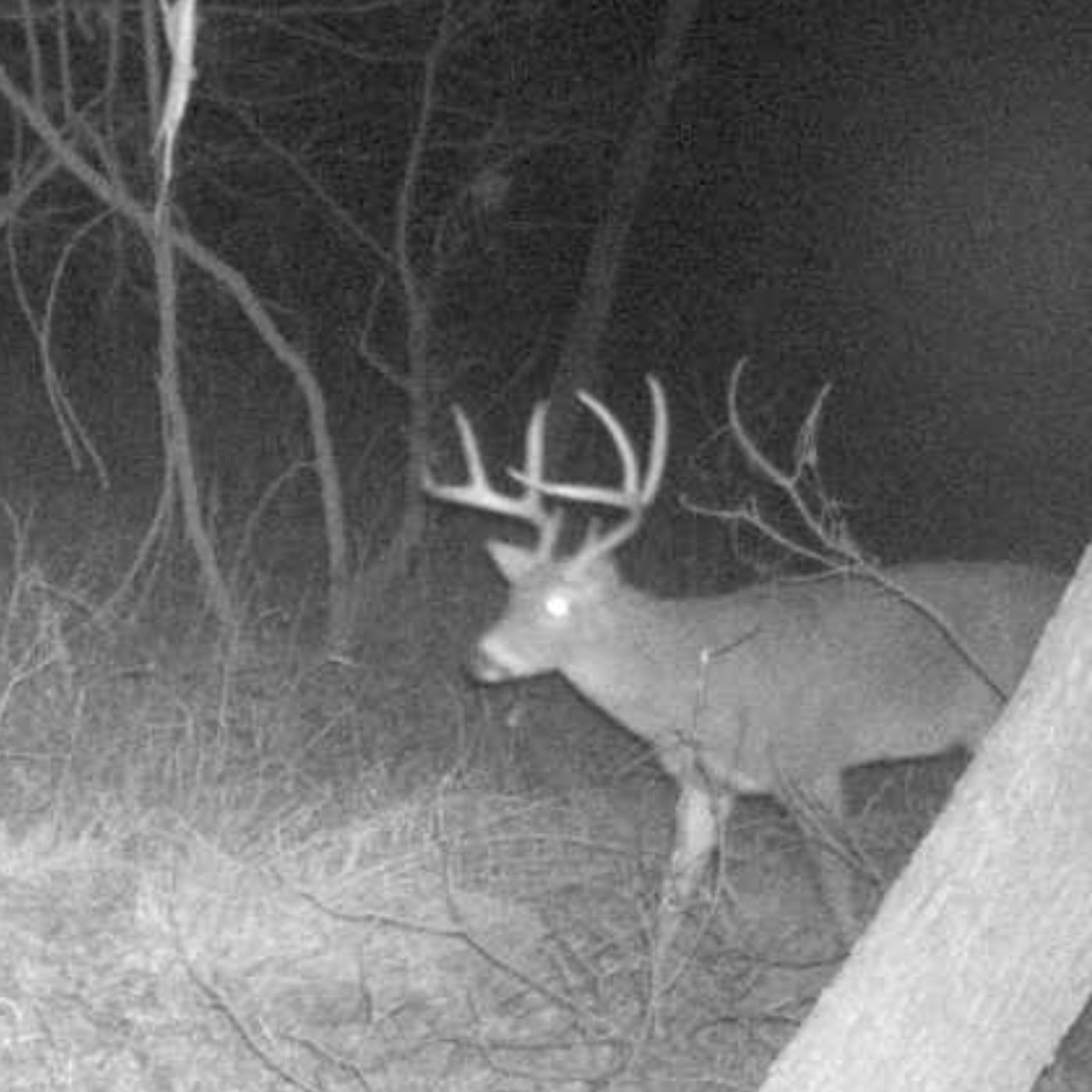
Nocturnal Bucks: No More with this Addition
2w ago00:43:37Tap to summarizeOn the Whitetail Properties Youtube page, weve dropped two recent videos discussing the age old problem of nocturnal bucks. We discuss in depth why this is the common thought and also solutions to fix it. There is some great interaction regarding these videos on Youtube. So, we decided to take it a step further and dive deep into the why and how of this common problem for whitetail hunters. Cover is key, not food. In these two videos, we discuss not only how to place bedding thickets on a property but also how to create them. It is key to identify the problem, diagnose it properly, and then provide the correct remedy. Bedding thickets in proper locations is key. This solution requires elbow grease, but it is long term and incredibly impactful when executed properly. Take the right steps before the season to make a long lasting impact.
Transcribe →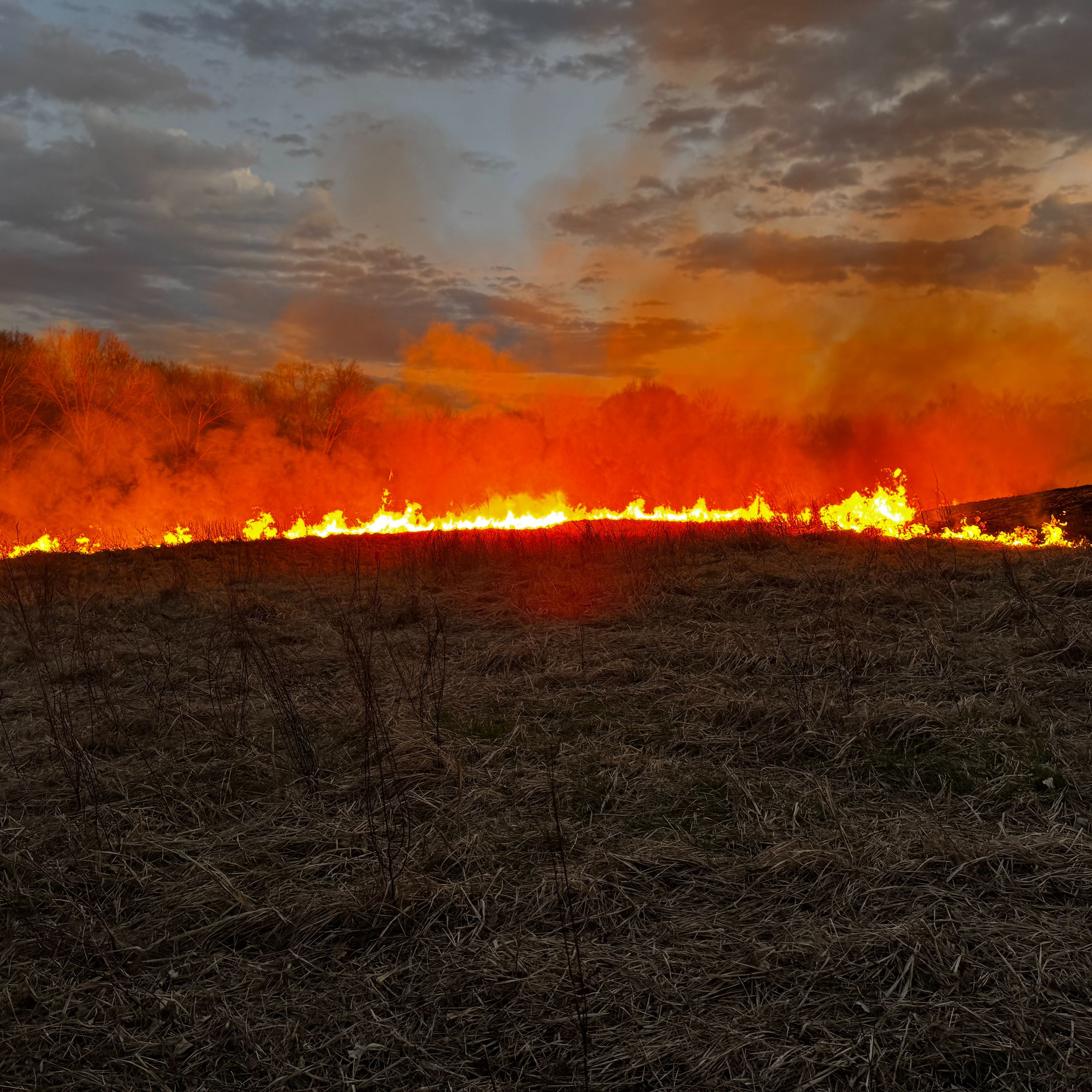
Fire, Refining, and Pruning with Brad Lotz
3w ago01:22:47Tap to summarizeDuring this podcast, you will hear the ins and outs of God's design in Creation and how it speaks to those who listen closely and observe carefully. Many of the parables from the Gospels reference common themes in nature or tools in a land manager's toolbox, such as fire, sowing seeds, pruning, etc.. We hope this podcast illuminates the deeper connection between the natural world and your spiritual connection with God, the Creator. Don't just perform the tasks associated with working the land, there is more to grasp and yield from it. Take time to really consider what draws you to the natural world, the lessons it holds, and God himself. If you have questions please reach out, we'd be happy to pray for you! Enjoy.Learn.Share!
Transcribe →
What Thermal Drone Surveys Reveal About Your Deer Herd | Featuring Jack Huston of Midwest Deer Surveys
Jul 901:14:15Tap to summarizeWhat if everything you thought you knew about your deer herd was wrong? This week on the Land & Legacy Podcast, Adam sits down with Jack Huston, founder of Midwest Deer Surveys, to discuss what thousands of thermal drone flights across hundreds of hunting properties have revealed about whitetail management. Jack has surveyed more than 500 farms covering hundreds of thousands of acres, using thermal drone technology to provide landowners with accurate deer density estimates, buck-to-doe ratios, property mapping, and herd health analysis. Together, Adam and Jack dive into why so many properties are carrying far more deer than they should, how excessive deer densities suppress habitat quality and antler potential, and why proper doe harvest remains one of the most overlooked tools in wildlife management. The conversation explores the relationship between habitat improvement and herd management, emphasizing that neither can reach its full potential without the other. The discussion also covers the advantages of thermal drone surveys over traditional trail camera inventories, common mistakes landowners make when estimating deer numbers, and how objective data can remove emotion from management decisions. Whether you're managing 40 acres or 4,000, understanding what's truly living on your property is the first step toward creating healthier habitat, producing older age-class bucks, and building a sustainable deer herd. If you're serious about improving your property and making informed management decisions instead of educated guesses, this episode is packed with practical insights backed by real-world observations from hundreds of farms across the Midwest.
Transcribe →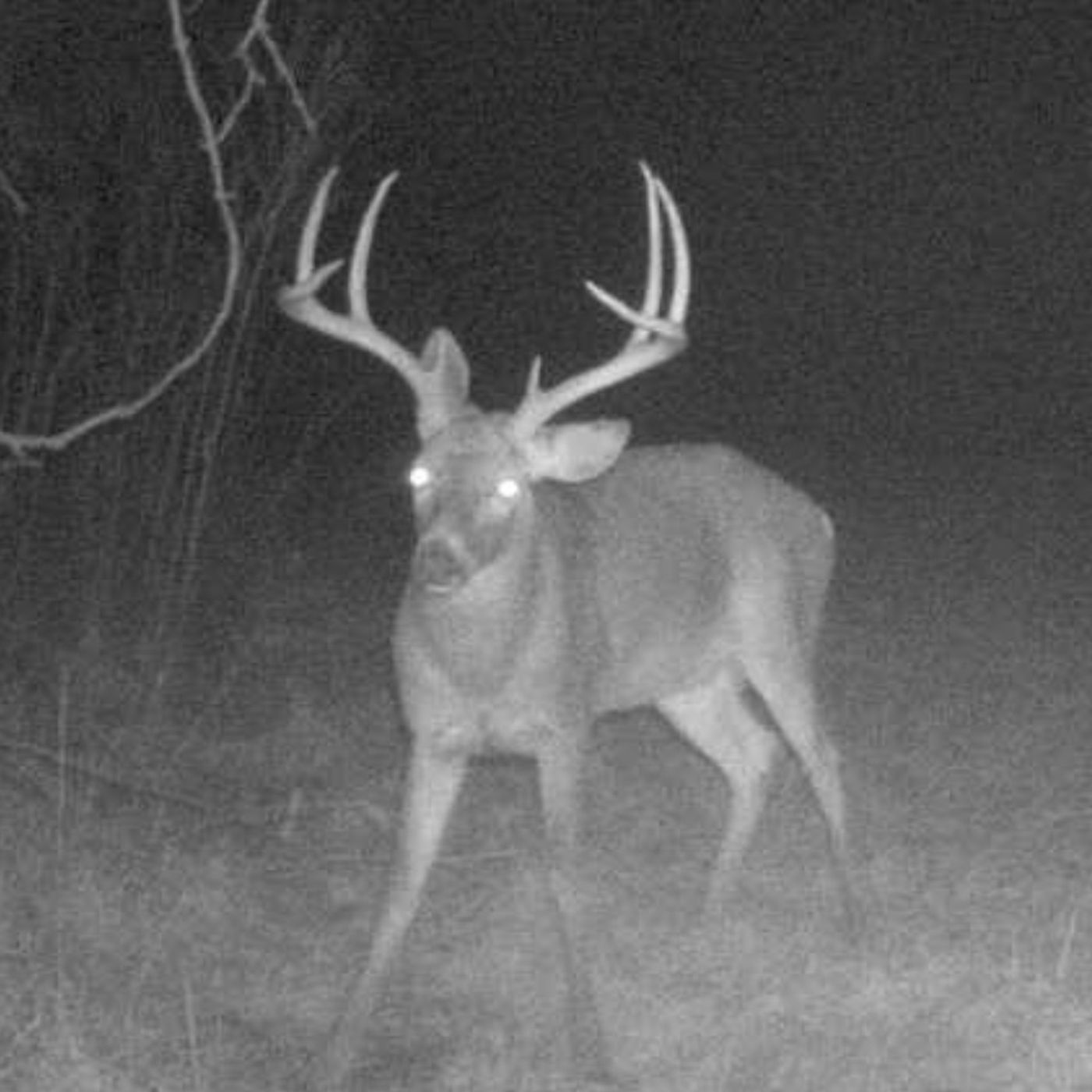
Which State Regs are the Best?
Jul 201:11:31Tap to summarizeOn this week's podcast we discuss many of the variations of state hunting regulations that hunters face across the country. Many hunters don't factor in the state regulations into decisions they make before buying land, however you need too! Topics covered include season open dates, CWD regulations, buck harvest limits, doe harvest opportunities, hunter density, and many more influential factors. Hunters need to evaluate these factors, as they will dramatically influence the average deer herd that you may be trying to grow mature bucks in. So plan accordingly! Enjoy.Share.Learn!
Transcribe →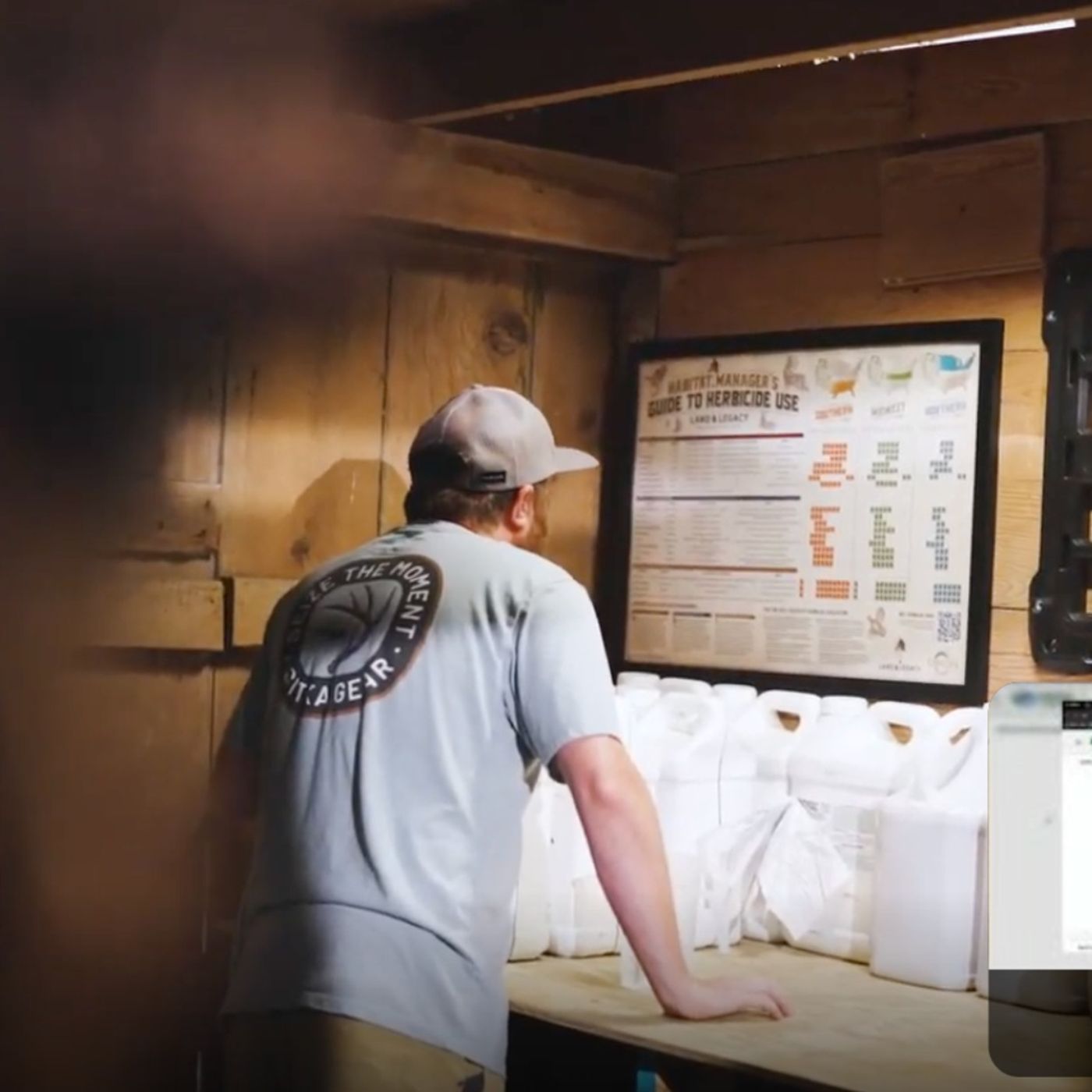
New Product Alert with Orion Solutions
Jun 2600:44:56Tap to summarizeHerbicides are one of the most powerful tools available to landowners, but they can also be one of the most confusing. In this episode, Adam and Matt sit down with Travis and Dan from Orion Solutions to discuss the launch of the new Land & Legacy Guide to Herbicide Use and why understanding herbicides is critical for anyone looking to improve wildlife habitat, increase native plant diversity, establish successful food plots, or control invasive species. Drawing from years of consulting experience across the country, they break down common herbicide mistakes, explain how to select the right products for specific management goals, and discuss the importance of application timing, rates, and techniques. Whether you're battling invasive brush, restoring native grasslands, managing timber stands, or simply trying to grow a cleaner food plot, this guide was created to simplify the process and give landowners a practical resource they can use in the field. If you've ever felt overwhelmed by herbicide labels or unsure about what product to use and when, this episode—and this guide—will help take the guesswork out of habitat management and put you on a path toward healthier landscapes and better wildlife populations.
Transcribe →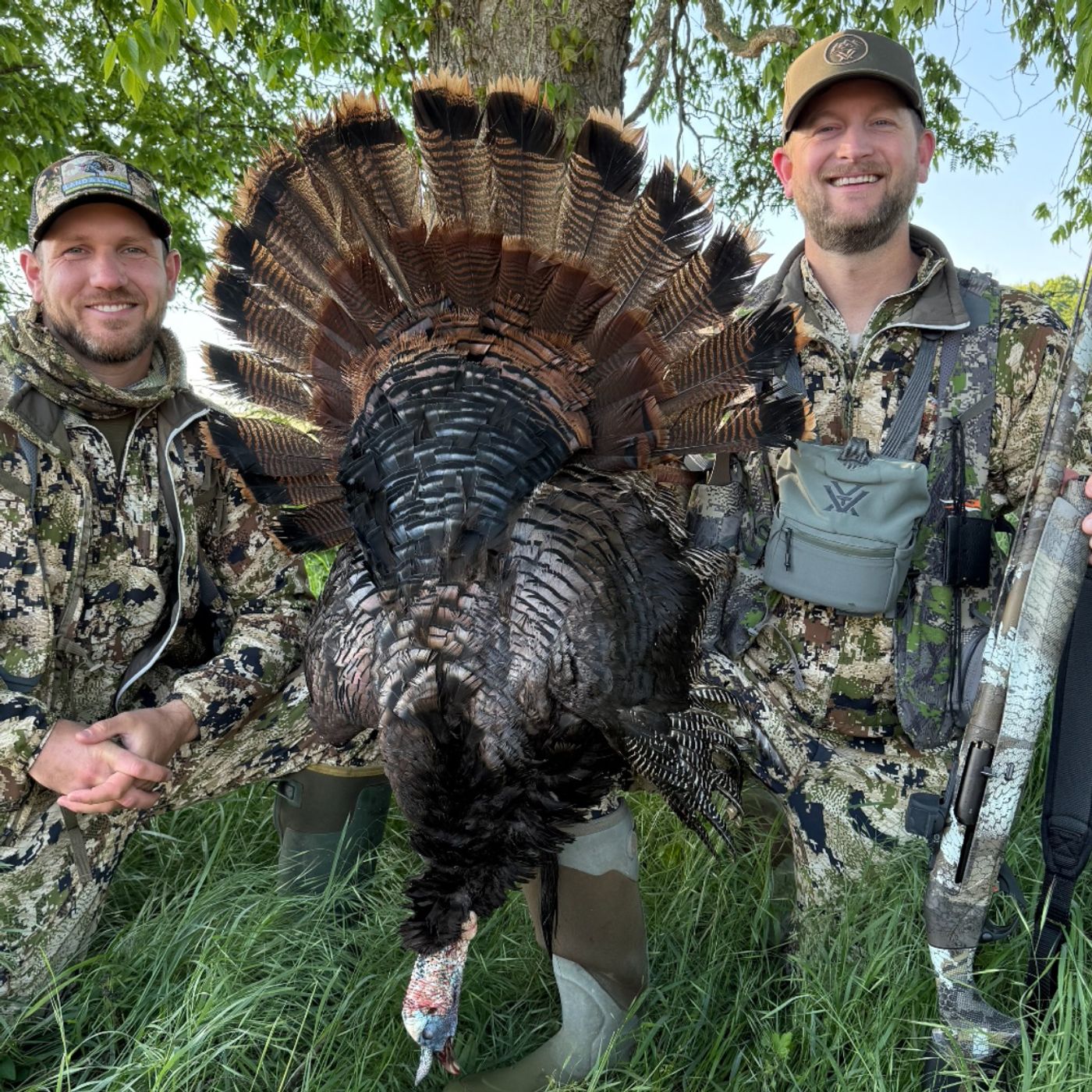
No Mow May, No Mow June, No MOW* Turkeys!
Jun 1900:38:40Tap to summarizeTurkey season may be behind us, but the real habitat work is just getting started. In this week's Land & Legacy podcast, Adam and Chad discuss what they've observed since the season closed and how those observations continue to reinforce the importance of active habitat management. One of the most noticeable changes has been the return of turkeys to the farm after neighboring properties stopped illegally baiting birds during the season. It's another reminder that turkey movements and behavior can be heavily influenced by concentrated food sources. Once those artificial attractants disappeared, birds quickly shifted back to utilizing quality habitat—areas providing natural forage, nesting cover, brood habitat, and security. The discussion also centers around the growing need for additional prescribed fire across the landscape. While many properties have seen improvements from previous burns, the reality is that much of the habitat has already begun to lose the open ground conditions, diverse plant communities, and insect-rich environments that turkeys depend on. Fire remains one of the most effective tools available for resetting succession, stimulating native plant growth, increasing bug production, and maintaining quality nesting and brood-rearing habitat. A major topic of conversation is the growing popularity of "No Mow May" and "No Mow June" campaigns. While well-intentioned, Adam and Chad explain why simply not mowing is often being promoted as a habitat solution when it does little to address the real limitations facing wild turkeys. Allowing cool-season grasses and weedy lawns to grow taller for a few weeks does not create quality nesting cover, brood habitat, or the diverse native plant communities needed for long-term turkey recovery. The focus should instead be on active habitat management practices such as prescribed fire, timber management, native vegetation establishment, grazing strategies, and invasive species control. Throughout the episode, Adam and Chad share field observations from their own farm, discuss current turkey use across the property, and outline practical habitat improvements landowners can implement right now to benefit turkeys throughout the year. If turkey populations are going to rebound across much of their range, the conversation must shift from passive management ideas to proven practices that create the habitat conditions wild turkeys truly need.
Transcribe →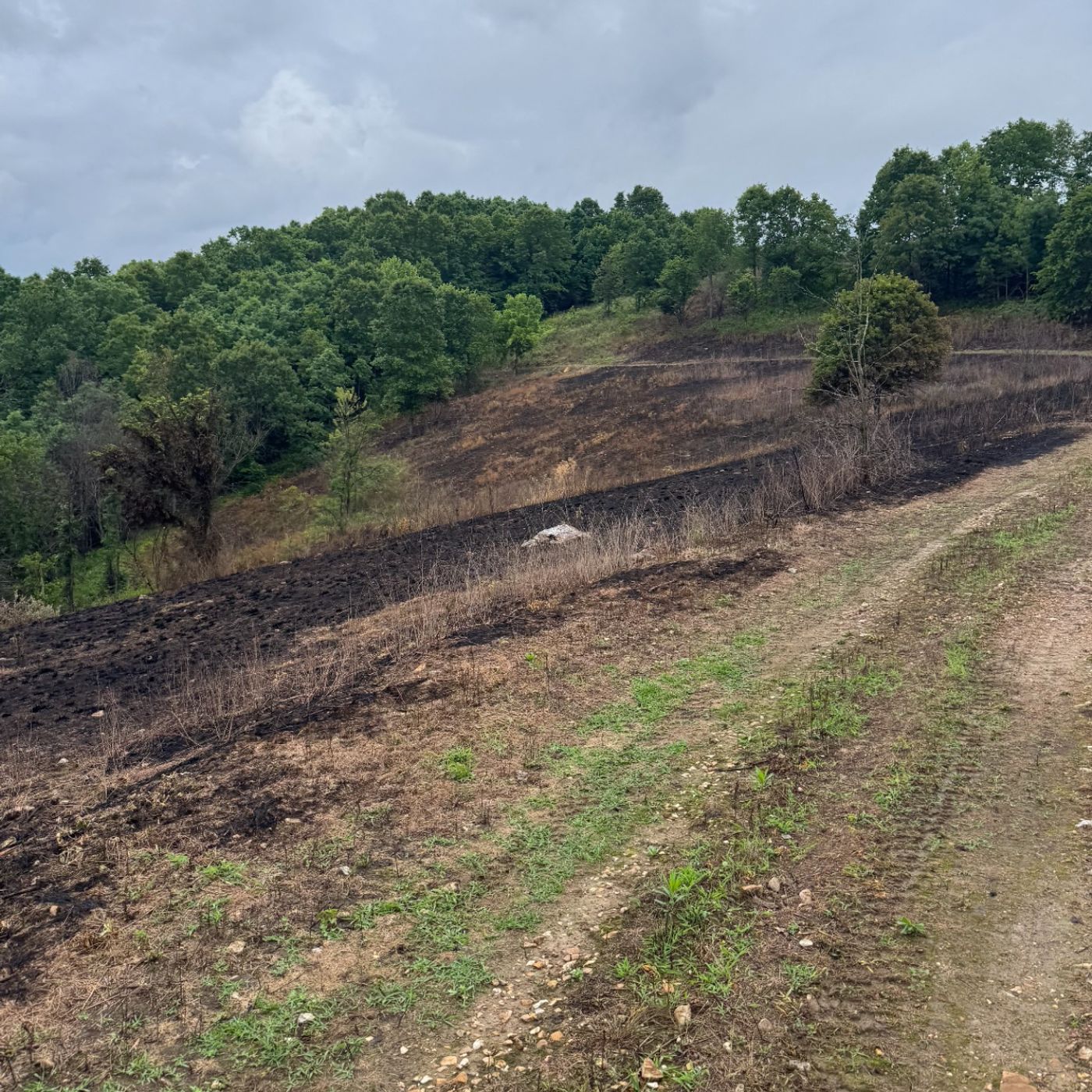
Whistling Woodlands: From Vision to Reality
Jun 1100:33:34Tap to summarizeEvery landowner has a vision for what their property can become, but turning that vision into reality takes planning, persistence, and a willingness to adapt. On this episode of Land & Legacy, Chad and Adam sit down to discuss some of the most successful habitat projects completed on their farm, Whistling Woodlands, and the lessons learned along the way. From establishing diverse native grass plantings that provide critical bedding, nesting cover, and year-round wildlife habitat to developing productive annual forage pastures that benefit both livestock and wildlife, this episode highlights how intentional land management can create multiple returns from the same acres. Chad and Adam break down the planning process, site preparation, species selection, and management techniques that have led to successful outcomes on their property. The conversation also explores how these projects have improved soil health, increased carrying capacity, enhanced wildlife use, and created a more resilient landscape. Whether you're managing a small hunting property or a large working farm, the principles discussed can help you maximize the potential of your land while balancing conservation and production goals.
Transcribe →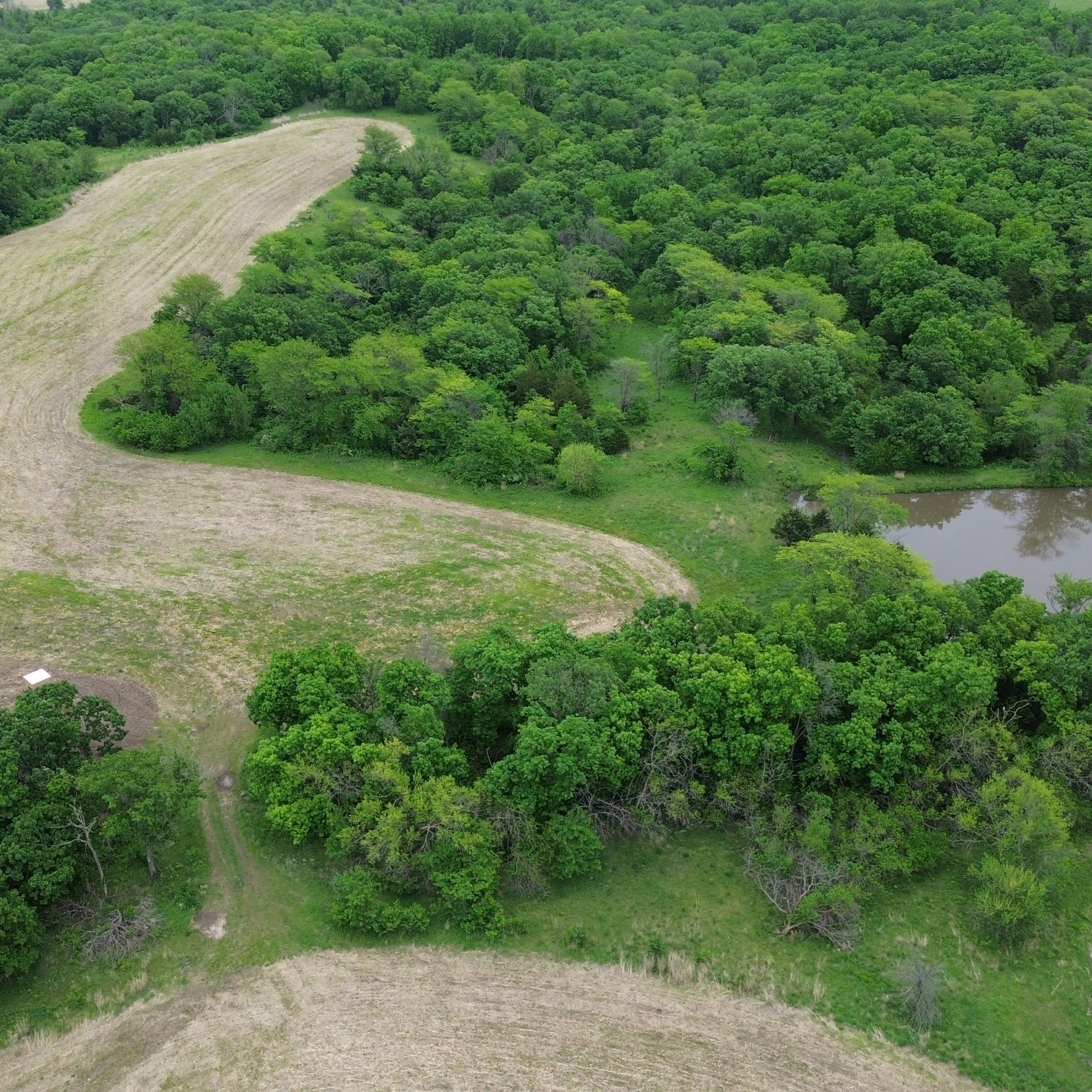
Honest Review - Wealth Strategy Service
May 2800:30:26Tap to summarizeDuring this episode, we review the Wealth Strategy service with Alan Summerford, who recently completed the program. This podcast aims to clarify the process and value this service brings to clients similar to Alan. This multi-step process offers clients substantial analysis, a financial eco-system review, and land evaluation. Our end goal and objective is to educate clients on the best way to structure their wealth revolving around land ownership. We hope this podcast reveals that a multi-facated team working together offers real benefits.
Transcribe →