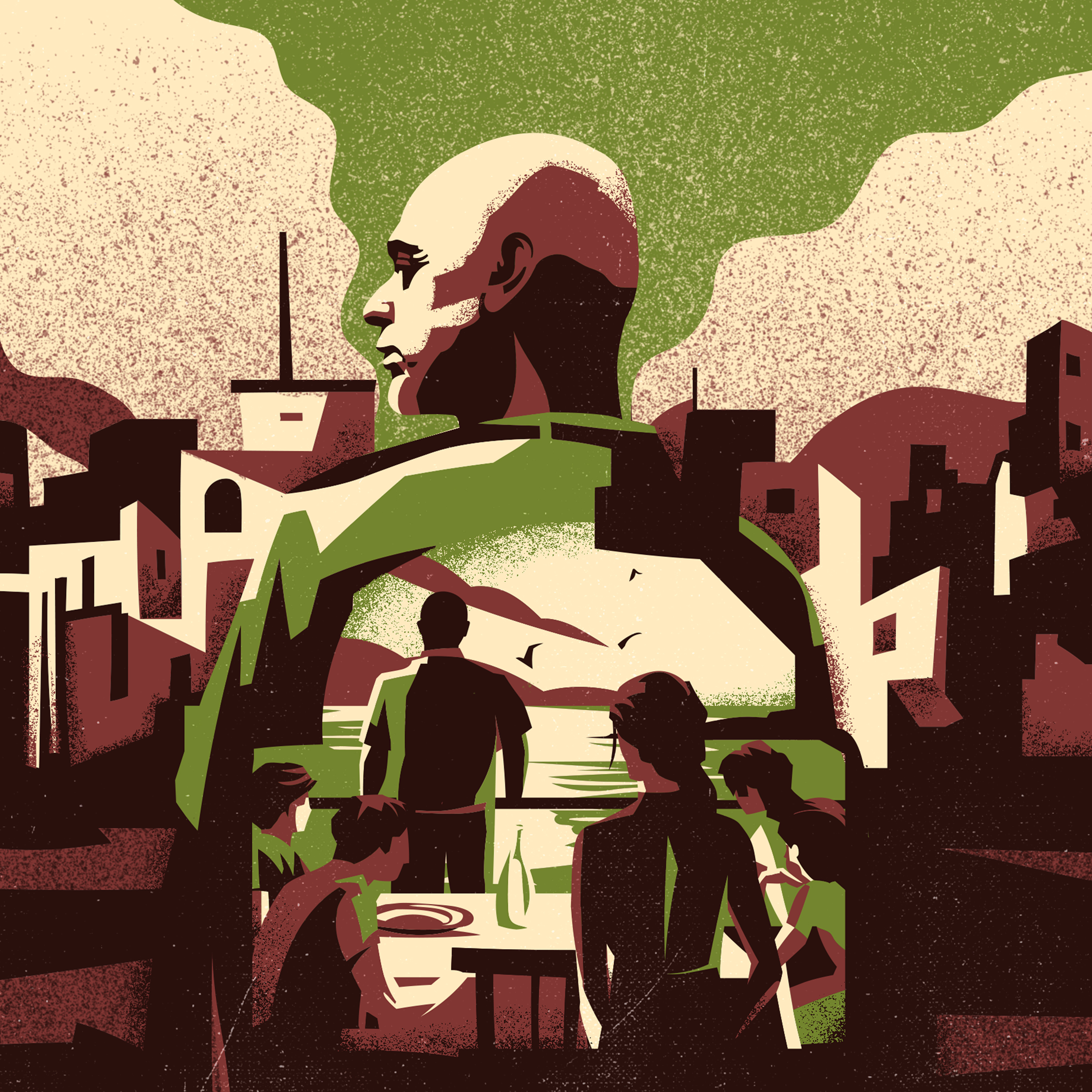
Loading summary
Transcript146 lines
- [00:01]
Narrator
Este episodio es una colaboración con nuestros amigos de Un Tema al Día. El Podcast Daily de eldiario es un medio independiente de referencia en España. Historias de libertad, sus protagonistas y paisajes sonoros. Esto es Las Raras Podcast. A inicios De octubre de 2023, contra todo pronóstico, el traductor y productor periodístico palestino Kayed Hamat está a días de cumplir 60 años y tal vez en el mejor momento de su vida.
- [00:40]
Kayed Callet
Yo estoy viviendo de sobra. Uno como yo debería haber muerto no sé hace mucho.
- [00:46]
Narrator
En ese momento, Kayet vive con su esposa Amal y sus cuatro hijos en Ciudad de Gaza, en un departamento en un piso 12 con vista al mar Mediterráneo por un lado y a la frontera con Israel por el otro, de
- [00:58]
Kayed Callet
178 metros cuadrados, con un salón grande donde podían jugar los patines los niños.
- [01:06]
Narrator
Lo compró gracias a su trabajo como traductor y productor en terreno para periodistas de habla hispana que van a reportear a la Franja de Gaza. Todos quieren trabajar con él. Además de hablar español, tiene fama de tener los mejores contactos y de entender el lugar como nadie.
- [01:21]
Kayed Callet
Yo era de los mejores que han trabajado en Gaza.
- [01:26]
Narrator
Su hijo mayor, Omar, terminó con honores la carrera de Ingeniería Electrónica en la Universidad Islámica de Gaza y está por empezar sus estudios de máster.
- [01:34]
Kayed Callet
Ellos han escogido los mejores cuatro alumnos que han sacado más notas, le han hecho trabajar de profesores un año y él ha trabajado un año.
- [01:45]
Narrator
Su hijo Monje estudia informática, su hija Dalia empezó biotecnología y su hijo Mohamed avanza en la secundaria. Son logros importantes para Kayed, un hombre que nació en un campamento de refugiados de la Franja de Gaza y ha resistido toda su vida la violencia, ocupación y bloqueo de Israel. Pero La madrugada del 7 de octubre, calle despierta con el ruido de explosiones
- [02:09]
Kayed Callet
con una manera de bombas y explosivos fuertes. Pero ¿Qué ha pasado?
- [02:17]
Narrator
Cinco días después, el mundo que él y su familia conocen ya no existe.
- [02:22]
Kayed Callet
Mi casa fue bombardeada la primera semana. El edificio, todo entero.
- [02:28]
Narrator
Desde entonces, la vida de Cayet se ha convertido en una lucha por sobrevivir, salvar a su familia y mostrarle al mundo de habla hispana el genocidio de Israel en Gaza. Sus colegas periodistas españoles y un proyecto para denunciar la hambruna han sido sus aliados y su vía de escape. Esto es Las raras historias de libertad. Callet dice que el ataque de Hamás contra Israel del 7 de octubre de 2023. No fue el inicio de nada.
- [03:01]
Kayed Callet
¿Por qué nosotros hemos nacido en este infierno?
- [03:05]
Narrator
Él tenía tres años cuando sufrió sus primeras heridas de guerra.
- [03:08]
Kayed Callet
Quemaduras de napalm. Eso no se apaga con agua. Hay que taparle con arena para que se apague.
- [03:18]
Narrator
Fue en 1967, en la Guerra de los Seis Días, cuando Israel atacó y ocupó la Franja de Gaza y otros territorios palestinos. Mató a 20.000 personas y marcó a Kayet para siempre.
- [03:29]
Kayed Callet
Yo me acuerdo como si estuviera ahora delante mío.
- [03:32]
Narrator
En ese momento, él y su familia vivían en el campo de refugiados de Javalia, en la Franja de Gaza. Sus padres se instalaron ahí después de otra guerra, la de 1948, cuando Israel destruyó cientos de pueblos palestinos para fundar su Estado.
- [03:47]
Kayed Callet
El padre de mi madre, mi abuelo, fue asesinado por los israelíes, respaldado por
- [03:54]
Narrator
una resolución de la ONU, después del genocidio nazi contra los judíos, pero excediéndola también, el ejército israelí echó de sus casas y sus pueblos a 700 mil personas, entre ellas los padres de Kayed.
- [04:06]
Kayed Callet
Mis padres fueron expulsados de nuestro pueblo, que se llama Hamama. Jamás. ¿Quieres decir Paloma?
- [04:15]
Narrator
Ese fue el inicio del trauma colectivo y de la crisis humanitaria de los refugiados en Palestina. Es lo que ellos llaman Nakba o catástrofe.
- [04:23]
Kayed Callet
Mis padres han dejado todo. Mis padres eran de familias que eran ricas y tenían mucho dinero, mucho ganado y mucho. En fin.
- [04:34]
Narrator
Desplazados a la fuerza por Israel. Los padres de Cayet se instalaron en el campo de refugiados más grande de la Franja de Gaza. Lo administraba la UNRRA, la Agencia de la ONU para los Refugiados de Palestina. Vivían pobres, hacinados, dependían de la ayuda humanitaria. Ganaban algo de dinero planchando ropa. Khit nació siendo un refugiado.
- [04:55]
Kayed Callet
Bueno, nosotros, la verdad, hemos pasado mucha hambre. No había muchas cosas. No había juguetes, zapatillas. Bueno, tenías que cuidar una zapatilla más que tu cuerpo mismo, porque es muy difícil conseguirlo.
- [05:15]
Narrator
Él no recuerda muchos momentos felices de su infancia. Dice que le gustaba jugar ping pong y ajedrez con sus seis hermanos y hermanas. Estudiaban en la escuela del campamento.
- [05:25]
Kayed Callet
Y había que ir a la escuela, mis padres. Y todo el mundo decía, nuestra esperanza salida de esto es estudiar.
- [05:37]
Narrator
Pero la vida era muy difícil. Así que cuando pudieron, sus hermanos y hermanas se fueron de Gaza partieron Egipto, Kuwait, Libia, los Emiratos Árabes y España. Solo Calle y un hermano se quedaron.
- [05:50]
Kayed Callet
Mi padre siempre me decí hijo, yo no sé si yo consigo haber Palestina libre, pero si yo no lo consigo, puede ser que tú lo consigas tus hijos. Y con esta ideología, vamos, no hay que rendirse.
- [06:09]
Narrator
Callet pasó toda su juventud siendo parte de la resistencia contra la ocupación de Israel en la Franja de Gaza. A fines de los años 70, cuando tenía 16 años, empezó a militar en Fatah, el movimiento nacionalista y laico fundado por Yasser Arafat, que quería liberar a Palestina.
- [06:25]
Kayed Callet
Sí, porque era Fatah entonces, digamos, la que llevaba la bandera de resistencia. Como hoy en día, por ejemplo, Hamas
- [06:34]
Narrator
y Djihad Islámica bajo la ocupación de Israel. En ese momento, en Gaza se vivía con toque de queda y vigilancia constante. Kayed dice que hacía granadas caseras y se las tiraba a las patrullas israelíes cerca del campamento.
- [06:48]
Kayed Callet
Conseguir una granada, un arma, no era tan fácil.
- [06:53]
Narrator
Pero una noche, cuando tenía 18 años, llegó el servicio de inteligencia y seguridad interior israelí a buscarlo a su casa,
- [07:00]
Kayed Callet
el que le llaman ellos, Shabak o Shinbet.
- [07:04]
Narrator
Lo acusaban de ser miembro de Fatah y de participar en actividades militares. Lo sometieron a un tribunal militar y lo condenaron a pasar dos años y medio en la cárcel central de Gaza. Called dice que resistió porque se dedicó a leer sin parar.
- [07:18]
Kayed Callet
Un ratón de biblioteca era en la cárcel.
- [07:22]
Narrator
Dejó Fatah y nunca volvió a militar.
- [07:26]
Kayed Callet
Nunca yo he aprendido estar a una facción. Eso quiere decir que tú tienes un límite. Quiere decir, no vas a salir de este techo que ellos te ponen. Yo, la verdad, soy una persona. Yo utilizo la cabeza y me dicen que tengo mucha cara. Y yo no tengo velo en la lengua.
- [07:49]
Narrator
Como independiente, siguió participando de la resistencia. A finales de los años 80, estalló la primera intifada, el primer levantamiento popular masivo de los palestinos contra la ocupación de Israel. El detonante fue un camión israelí que atropelló y mató a cuatro palestinos en el campamento de Jabalia, donde vivía Kayed.
- [08:06]
Kayed Callet
Ese era el símbolo de la resistencia en toda Palestina.
- [08:11]
Narrator
Él ya había salido de la cárcel y fue parte de los enfrentamientos y manifestaciones hasta que lo detuvieron de nuevo.
- [08:17]
Kayed Callet
Nos tiraban serpientes, arañas con los ojos tapados con un saco que huele a cerdo, a puerco y las manos así. ¿Yo estaba, sabes? Muerto, muerto, agotado. Ahora voy a empezar otra ronda de tortura. Entonces yo deseaba la muerte porque no podía. Yo te digo, yo me quedé. No sé, eran ocho, nueve, siete días. No puedo decirte porque uno ya está fuera de cobertura.
- [08:56]
Narrator
Cuando lo soltaron, recibió un mensaje de su hermano, que vivía en España y estaba preocupado por él.
- [09:01]
Kayed Callet
Y este mi hermano de España me dice de oye, ¿Por qué no vienes aquí a estudiar, descansas un poco y deja a Palestina que la libren otros? Tú tómate un descanso.
- [09:14]
Narrator
Por primera vez, Callet consideró la posibilidad de irse.
- [09:17]
Kayed Callet
Primero, por seguridad.
- [09:20]
Narrator
Él estaba en una lista negra que le prohibía salir de Gaza. Pero dice que logró negociar con un agente de seguridad Israel que conocía desde la primera vez que estuvo preso. Al final le permitieron viajar, pero le prohibieron volver antes de tres años.
- [09:34]
Kayed Callet
Segundo, ya tenía 26 años y no había estudiado nada. Yo no puedo, por ejemplo, trabajar estos trabajos duros de Obreman. Yo no estoy para esto. Entonces yo buscaba algo utilizar la cabeza.
- [09:51]
Narrator
Agotado después de una década de Resistencia, en 1990, Callet partió a España.
- [09:57]
Kayed Callet
Yo sabía decir sí y no en español.
- [10:03]
Narrator
En España, Cayet se instaló en la casa de su hermano en Málaga. Aprendió rápido a hablar español y estudió electrónica. Se enamoró de una malagueña también. Pero apenas pasaron tres años y pudo volver. Dejó todo y se fue a Gaza.
- [10:18]
Kayed Callet
Es mi causa y hay que luchar. Si yo me retiro y el otro entonces, ¿Qué le ofrecemos a un plato de oro? Nuestra tierra, nuestra libertad. Nosotros no vamos a rendir y tirar la toalla. No, no. La libertad vale mucho.
- [10:43]
Narrator
De vuelta en Gaza desde España, Cayet construyó su casa en el campamento de Javalia y también instaló un taller de electrónica. En Gaza se vivía un proceso de paz después de la primera Intifada. Los Acuerdos de Oslo fijaron un plazo de cinco años para negociar una solución de dos estados entre Palestina e Israel. Called no estaba de acuerdo.
- [11:03]
Kayed Callet
¿No es por motivos religiosos? No. En el Acuerdo de Oslo han renunciado a 78 de los territorios palestinos.
- [11:16]
Narrator
Los periodistas de habla hispana llegaban a la Franja para informar sobre el proceso. Y se corrió la voz de que había un hombre que hablaba español.
- [11:23]
Kayed Callet
Para ellos era, digamos, como hubiera caído del cielo.
- [11:27]
Narrator
Called empezó a ayudar a los periodistas como voluntario. También recibía agrupaciones humanitarias y de colaboración internacional. Esta se convirtió en su nueva forma de resistir.
- [11:37]
Kayed Callet
Trabajaba muy bien entonces. Lo hacía, digamos, como un deber. A mí me interesaba que la gente que venga. Y eso refleja la situación que estaba viviendo. ¿Mientras que tenía yo dinero para ganar la vida? No quería dinero.
- [11:59]
Narrator
Pero los años pasaron. La solución de dos estados quedó en nada. Israel siguió atacando y haciendo imposible la vida en Ghana. Y el año 2000 estalló otro levantamiento, la segunda intifada. El grupo islamista y nacionalista palestino Hamás había nacido en la primera Intifada. En la segunda lanzó atentados suicidas contra Israel. Israel siguió invadiendo y bombardeando ciudades en la Franja.
- [12:24]
Kayed Callet
Hasta el 2003 había muchas incursiones. En una incursión me han destruido, me han bombardeado el taller y mi casa también fue media destruida. Hemos quedado vivos seis horas. Hemos vivido bajo del fuego en seis horas. Yo había perdido todo.
- [12:50]
Narrator
En ese momento Kayer ya estaba casado con Amal, que es farmacéutica de profesión, y habían nacido sus dos hijos mayores.
- [12:58]
Kayed Callet
¿Qué voy a hacer yo?
- [13:00]
Narrator
Fue entonces cuando las personas que called había ayudado durante una década le devolvieron la mano.
- [13:06]
Kayed Callet
Los amigos españoles que yo conocía, la verdad, han sido muy fieles. Casi todos me han ofrecido dinero. Le he no, no quiero. Y uno de ellos me mira K, yo te conozco, cabezota, y no vas a aceptar dinero, pero yo te voy a buscar un trabajo qué te voy a hacer. Digo, ah, sí, es un trabajo.
- [13:30]
Narrator
Empezó a trabajar en la ONG Solidaridad Internacional. También empezó a cobrar por su trabajo y se convirtió oficialmente en traductor y productor periodístico en terreno.
- [13:41]
Kayed Callet
Porque bueno, yo tengo muchas relaciones, muy buenas relaciones sociales muy amplias. El mes que conseguía citas y entrevistas era yo. Todo el mundo lo sabe. Bueno, por la manera de ser y eso. Yo me acuerdo una vez del Sheikh Yasin, el fundador de Hamas, que estaba en silla de ruedas.
- [14:03]
Narrator
Uno de los temas que le tocó cubrir fue el ascenso de Hamas al poder. Hamás es un grupo islamista que busca establecer un estado palestino. Tiene una rama armada y otra política que ganó las elecciones legislativas en Gaza en 2006. Es considerado un grupo terrorista por la Unión Europea, Reino Unido y la Organización de Estados Americanos.
- [14:22]
Kayed Callet
Hamás misma fue sorprendida que hayan ganado no lo esperaban.
- [14:29]
Narrator
Después de eso hubo enfrentamientos internos entre Hamás y Fatah. Y al final Hamás se quedó con el control total de Gaza. Para evadir el bloqueo y los ataques de Israel, construyó una red de túneles por toda la Franja, con entradas camufladas en medio de las ciudades.
- [14:44]
Kayed Callet
Ahora, estos resultados no han gustado ni a Estados Unidos, ni a Israel, ni al mundo occidental. Entonces querían joder a Hamas y no dejarla controlar.
- [14:58]
Narrator
Israel bloqueó la Franja de Gaza por tierra, mar y aire. Dejó a sus más de dos millones de habitantes encerrados. Controlaba todo lo que entraba y salía. Se blindó con los mejores sistemas de seguridad y construyó un muro de separación supuestamente impenetrable. También lanzó varios ataques que causaron masacres.
- [15:16]
Kayed Callet
Cuando empezó eso, el 7 de octubre, llevábamos nosotros 17 años bajo el bloqueo.
- [15:25]
Narrator
Todo esto fue provocando una crisis humanitaria crónica en Gaza. Pobreza, desempleo, escasez de medicinas, comida, agua, colapso de la infraestructura y los servicios básicos. Es por esto que los palestinos decían que Gaza era una cárcel al aire libre.
- [15:40]
Kayed Callet
Entonces hay mucha gente que ¿Tú eres al favor de Hamas o al favor? No, la gente en general está a favor de la resistencia.
- [15:49]
Narrator
En este contexto, con su trabajo como traductor y productor periodístico, a Kayet le fue bien. Salió del campamento de refugiados, compró un departamento en Ciudad de Gaza, la capital de la Franja, y pagó los estudios de sus hijos. En octubre de 2023 iba a cumplir 60 años y estaba orgulloso. Pero no tranquilo.
- [16:09]
Kayed Callet
Nada seguro. En Gaza todo se cambia bruscamente. Entonces no se puede confiar en la vida.
- [16:29]
Narrator
Podría haber sido un sábado cualquiera, pero el 7 de octubre de 2023, calle despierta con el ruido de explosiones, con
- [16:36]
Kayed Callet
una manera de bomba, así. Explosivo. ¿Pero qué ha pasado?
- [16:44]
Narrator
Son dos mil misiles que jamás lanza contra Israel. A las seis y media de la mañana. Es el inicio de un atentado que sorprende a todo el mundo, incluido Kayed. Miles de combatientes atraviesan las supuestamente impenetrables barreras de seguridad de Israel. Atacan bases militares, pero también a familias en sus casas y a jóvenes en un festival de música. Abusan de mujeres. Raptan a 250 rehenes durante 48. Son asesinadas 1.200 personas. Algunos graban y transmiten la masacre. Israel, dirigido por el derechista y nacionalista Benjamín Netanyahu, se declara en estado de guerra. Bloquea la comida, electricidad, combustible y agua para las más de dos millones de personas que viven en Gaza. Un portavoz anuncia que van a tratar al enemigo como animales. Los principales líderes internacionales visitan Israel y apoyan su derecho a defenderse. Israel empieza a destruir barrios enteros en la Franja con ataques aéreos. Entre ellos, el edificio en el que vive Cayed.
- [17:53]
Kayed Callet
La han dejado todo una colina de escombro.
- [17:58]
Narrator
Al mismo tiempo, Israel ordena la evacuación forzosa del norte de Gaza y cientos de miles de personas empiezan a moverse hacia una supuesta zona segura en el sur.
- [18:07]
Kayed Callet
Called no, yo no voy a decir ni recibo órdenes de los israelíes.
- [18:14]
Narrator
Él y su familia parten al norte, al campo de refugiados de Jabalia, donde vive una hermana de Cayet que volvió a la Franja. Ahí, la misión de cada día es resistir a los bombardeos de Israel, que supuestamente ataca milicianos o infraestructura de hamas. El cumpleaños 60 de Callet pasa casi desapercibido.
- [18:34]
Kayed Callet
Aquí no hay hora de despertarse ni de dormir. Desde que empezó esta maldita guerra. No hay manera de dormir de tanto bombardeo.
- [18:44]
Narrator
CALLED reporta desde el primer minuto para medios españoles y latinoamericanos. Israel prohíbe la entrada de periodistas a Gaza. Así que la única forma de saber lo que pasa es gracias a los reporteros locales como él, que tienen que informar la guerra al mismo tiempo que sufren sus consecuencias. Called cuenta su experiencia en tiempo real en el podcast Un tema al díadeldiario. Es
- [19:08]
Kayed Callet
bueno, En fin, miro el cielo y veo las estrellas. Como si fueran estrellas fugaces. Pero son misiles. Y no sabes. Se te cae uno o no.
- [19:31]
Narrator
El nivel de estrés es indescriptible. Y un día, Kayet siente un dolor en el pecho. Ya le había pasado una vez y lo reconoce. Llevan casi tres meses resistiendo los ataques de Israel. Su hijo mayor, Omar, lo lleva al hospital Al Shifa como puede alguien nos
- [19:49]
Kayed Callet
dejó una silla de ruedas para un trozo del camino. Otro en un coche hecho Volvo, en un carro de burro. Hasta que llegado al hospital. Y una vez llega al hospital, el hospital estaba todo lleno en el suelo. Se operaban en el suelo y sin anestesia. Hay gente fue mutilada sin anestesia. Le fulanito, ¿Dónde están sus familiares? Tienen que venir 4 o 5 para agarrarle. Llego yo con ataque de corazón. Y me dice el mé ¿Estás un ataque de corazón? Leo sí. Me lo siento, yo no tengo nada para darte. He quedado, te digo, cuatro horas con un dolor mortal y luego ha empezado a bajar. Yo tengo estos conceptos que no hay que escaparse y si hay que morir, eso es lo que me duele. Es que no me gusta que me muera yo de un ataque de corazón. Qué maldad esto, Qué malísimo. Hay que morir como los árboles.
- [20:54]
Narrator
Mientras resiste a los ataques de Israel y sobrevive a un infarto, Cayed está siempre en contacto con Miquel Ayestarán, un corresponsal español en Medio Oriente y cofundador de la revista W. Miquel Llevo más
- [21:06]
Kayed Callet
de 20 años trabajando con él y la relación es de amistad y se preocupaba mucho también por nosotros.
- [21:16]
Narrator
Miquel siempre le pregunta a Callet por la comida. Sabe que en la franja hay una crisis alimentaria que se puede convertir en hambruna. Callet y su familia comen un solo plato al día.
- [21:26]
Kayed Callet
¿Habéis comido así? ¿Qué has comido? No sé, mi Celeste. Hemos comido, ¿No? Dime qué has comido. Y luego de tanto insistir, él me hazme una foto de lo que habéis comido. Le vale.
- [21:42]
Narrator
Mikel le propone un proyecto. Cayet tiene que mandarle todos los días una foto de su plato de comida y él la va a publicar en su cuenta de Instagram con un relato corto sobre cómo la consiguió. A Callet al principio no le gusta
- [21:55]
Kayed Callet
mucho la nunca me ha gustado que alguien publica que coma, porque no todo el mundo puede comer lo que tú comes.
- [22:01]
Narrator
Pero lo discute con su familia y llegan a la conclusión de que es una buena forma de mostrarle al mundo de habla hispana lo que están viviendo. También es una motivación para ellos porque les da algo en que ocuparse. Al final se convierte en un proyecto familiar.
- [22:15]
Kayed Callet
Eso porque nosotros. Una manera de resistencia. Lo que podemos.
- [22:23]
Narrator
Lo titulan Menú de gasa y publican la primera foto en la cuenta de Instagram de Mikel el 5 de febrero de 2024. Arroz con un poco de zanahoria sobre un plato blanco con flores rojas. Llevan cuatro meses de ataques de Israel. Todos los días Omar, Monjed y Mohamed tienen que conseguir leña y agua para cocinar.
- [22:44]
Kayed Callet
Desde el 7 de octubre se ha cortado la luz, el agua, todo sistema de desagüe también, de todo. Entonces hay que encender fuego con leña.
- [22:57]
Narrator
Es un trabajo peligroso porque nunca se sabe dónde y cuándo puede haber un
- [23:01]
Kayed Callet
bombardeo y una lucha de conseguir una garrafa de agua. Bueno, potable. No es potable, pero digamos, se puede beber.
- [23:10]
Narrator
Called es el encargado de conseguir la comida para el día que su esposa ama, cocina y sirve con cariño y cuidado a pesar de la escasez.
- [23:18]
Kayed Callet
La mayoría son latas, guisantes, jodillas blancas, habas, garbanzos, lentejas y una jornada de arroz.
- [23:31]
Narrator
Dalia es la encargada de sacar la foto y mandársela a Mikel. Juntos definen la estética del la comida ordenada al centro de un plato, sobre un fondo elegido especialmente y tomada desde arriba en plano cenital.
- [23:44]
Kayed Callet
No es fácil a la hora de hacer fotos. No tenemos luz o algunas veces conseguimos hacer la foto y no hay Internet. Bueno, es una lucha muy dura.
- [24:01]
Narrator
Para escapar de los bombardeos, Cayed y su familia se cambian de casa constantemente. Las mujeres duermen con el velo puesto por si tienen que salir corriendo en la mitad de la noche. Cayed lo sigue contando en un tema al día.
- [24:16]
Kayed Callet
Esta no se puede llamar una guerra, es un genocidio. Es una salvaje venganza tribal, porque la destrucción ha llegado a todo,
- [24:35]
Narrator
pase lo que pase, todos los días. Mikel recibe la foto para publicar menú de Gaza.
- [24:40]
Kayed Callet
Estamos pasando hambre, pero ha sido hace tres meses una hambruna muy, muy fuerte. Hasta que hemos llegado a comer la cebada y maíz de animales. Los animales han sufrido porque nosotros hemos comido su comida.
- [25:02]
Narrator
Pero el 27 de mayo de 2024, la foto no llega. Mikel no para de revisar su teléfono hasta que a las 8 y 42 de la tarde recibe un mensaje de Cayet. Mi hijo Omar ha muerto en un bombardeo. Y después una foto de un plato de espaguetis que Mikel publica en blanco y negro.
- [25:26]
Kayed Callet
La mitad del corazón se nos todo lo enterré en el sodario de mi hijo
- [25:34]
Narrator
Omar. El hijo mayor, el primero que terminó la universidad, el brazo derecho de Cayet, muere en un bombardeo cerca del hospital Kamala Duan cuando le lleva remedios a un amigo. Van casi ocho meses de ataques de Israel y en contra de todas las leyes del derecho internacional humanitario, los hospitales son un blanco y ya no queda ningún lugar seguro en Gaza.
- [25:57]
Kayed Callet
Él se murió un viernes. No hemos podido recuperar su cuerpo hasta el viernes 30, una semana, porque los drones bombardeaban quien se acercaba a esta zona y lo hemos ido a enterrar. Yo he buscado así en el cementerio, aquí, una tumba al extremo, donde hay edificios y eso. Y ha sido buena idea, porque luego este cementerio fue bombardeado, los tanques lo han arrancado. Yo he perdido la tumba de mi madre. He quedado tres días buscando. ¿Donde está? No la encontré. La de mi suegra tampoco. Hace muchos años. ¿Sabes? Me gustaría llorar. No puedo. No puedo. Ya está. Se me han secado las lágrimas. Algunas veces me siento. Sí, hay lágrimas. Pero no saltan. Fuera. Dentro. Me queman el corazón como un agua fuerte.
- [27:06]
Narrator
Kayed y su familia siguen resistiendo en el campamento de Jabalya hasta que los bombardeos lo hacen imposible. Se tienen que ir. Pero él se niega a partir al sur, como quiere Israel. Sabe que si se va, no va a poder volver, igual como le pasó a sus padres en 1948.
- [27:22]
Kayed Callet
Y bueno, aquí yo me muero. Y ya está en el norte evadiendo las bombas.
- [27:29]
Narrator
En julio de 2024 vuelven a Ciudad de Gaza, que también está en el norte de la Franja, y arriendan un departamento. Pero los ataques y el bloqueo de Israel no paran. Han matado a decenas de miles de personas, incluidas muchas mujeres y niños. Calle sigue.
- [27:48]
Kayed Callet
Los días, aunque parezca mentiras, son monótonos. A pesar del dolor que siento en mi corazón porque echo de menos a mi hijo Omar.
- [28:07]
Narrator
Cientos de miles de personas son forzadas por Israel a moverse hacia el sur de Gaza, cerca de la frontera con Egipto, que también está cerrada. Están atrapadas, agotadas y hambrientas. Soldados israelíes las matan cuando van a buscar comida y agua. Algunas mueren de hambre. Se empieza a hablar del primer genocidio transmitido en vivo y en directo.
- [28:29]
Kayed Callet
Cada día, cuando intento dormirme, ya de madrugada, pienso un día menos de guerra. Pero inmediatamente me invade un dolor interior que me no puedo más. Pero cuando amanece, veo a mis hijos y a mi mujer, Amal, poniéndose en pie y dispuestos a hacer sus tareas diarias. Pienso que no tengo derecho a hundirme. Hay que seguir adelante.
- [29:17]
Narrator
Israel se justifica diciendo que su objetivo es eliminar a Hamás y liberar a las personas que todavía tiene secuestradas en las peores condiciones en la red de túneles de la Franja. Pero sus propios ataques ponen en peligro a los rehenes y grupos de israelíes empiezan a protestar contra su gobierno.
- [29:34]
Kayed Callet
Nos extraña este silencio internacional.
- [29:38]
Narrator
Hamás ha perdido a casi todos sus líderes políticos y militares. Y aunque la desproporción de fuerzas con Israel es evidente en ese momento, se niegan a rendirse o a liberar a los rehenes.
- [29:49]
Kayed Callet
¿Cuántos muertos necesitan de nosotros para pensar seriamente parar todo lo que está pasando?
- [30:00]
Narrator
Cayev y su familia siguen resistiendo en Ciudad de Gaza. Los meses pasan y cada vez les cuesta más conseguir comida. Pero siguen publicando su único plato diario en Menú de Gaza. Falafel, Muyádra, Full, Manakish, Bulgur. Lo que encuentren, pero ordenado, impecable. Al centro de un plato floreado sobre un fondo de color.
- [30:22]
Narrator or Award Presenter
Cada día una fotografía. El menú diario y frugal de una familia en Gaza. Y con ella, un texto mínimo. Un testimonio de resistencia, de angustia, de dignidad. Un ejercicio de periodismo diario de largo aliento que transforma lo cotidiano en la memoria colectiva que enfrenta humanidad frente a barbarie.
- [30:40]
Narrator
Están agotados y sienten que ya no dan más. Pero en mayo de 2025 por fin tienen una buena noticia.
- [30:47]
Narrator or Award Presenter
De forma que el premio Ortega y Gasset a la mejor cobertura multimedia por su cobertura en Instagram de La guerra de Gaz es para Miquel Allá estarán
- [30:57]
Narrator
en España. Menú de Gaza recibe un prestigioso premio de periodismo. Es una sorpresa que les demuestra que su esfuerzo sostenido por 500 días en las condiciones más difíciles tuvo un impacto y valió la pena. Mikel recibe el premio en nombre del
- [31:12]
Kayed Callet
equipo
- [31:14]
Miquel Ayestarán
Esquerre Cascó Muchísimas gracias. Este menú que publico cada día desde febrero de 2024 y que quiero que se acabe lo antes posible, es un menú para denunciar lo que es el uso del hambre como arma de guerra. Una fórmula que al final he conseguido utilizar Instagram también para hacer periodismo de guerra. ¿Por qué no estamos acostumbrados a?
- [31:39]
Narrator
En la ceremonia se transmite un mensaje urgente de called Hola Miquel.
- [31:45]
Kayed Callet
Diles que Gaza será una vergüenza a la humanidad porque quien no se muere de bombas, se muere de hambre. En el 2025 nosotros hemos llegado a una conclusión que es mejor morir con un misil o una bomba. Lo que sea más rápido y más fácil que el hambre. Eso es todo.
- [32:16]
Narrator
Al mismo tiempo, en Madrid se empieza a coordinar una campaña para sacar a Cayet y a su familia de Gaza. La dirigen las periodistas Marcè Rivas y Guruzé Martínez, que conocen a Callet por su trabajo y también han estado en contacto con él. Se lo cuentan y él, que nunca ha querido irse, acepta la propuesta.
- [32:35]
Kayed Callet
Ya no quedó ahora lugar o posibilidades de resistir contra el tiempo.
- [32:43]
Narrator
Ellas mandan cartas al Ministerio de Asuntos Exteriores de España. Destacan la importancia del trabajo de Cayet para medios e instituciones españolas durante décadas. Que tenga un hermano en el país es clave. Involucran a Reporteros sin Fronteras y juntan más de 100 firmas de periodistas y personalidades.
- [33:00]
Kayed Callet
Yo me considero duro o bruto, o lo que se quiere decir. Pero eso no es lo mismo con los hijos, estos jovencitos. Entonces yo tenía que respetar esto, porque ahora no estoy hablando de mi vida. No estoy hablando de cinco vidas.
- [33:20]
Narrator
Pero Callet no tiene muchas esperanzas de que la campaña funcione.
- [33:23]
Kayed Callet
Resulta que me llama el cónsul y me miras cayendo. Ya tenemos tu coordinación. Tienes que moverte al centro de la Franja para coger el autobús de coordinación de la Cruz Roja Internacional para llegar a la frontera. Bueno, me he quedado yo sin palabras. ¿Pero eso qué es? Es un sueño.
- [33:50]
Narrator
Called y su familia se van de la Franja de Gaza el 25 de junio de 2025. Es el último día que publican un plato en Menú de Gaza. Arroz solo. Callette sigue reporteando hasta el final. Mientras sale de la Franja, graba un último video en su tierra. Va sonriente sobre un triciclo con motor que avanza con el mar de fondo.
- [34:13]
Kayed Callet
Estamos saliendo de casa a Derekala y camino a Jordania. Huevo a España. A ver si. ¿What are you cooking? Sardina. My mom cooks sardina. Not me.
- [34:47]
Narrator
De Boya.
- [34:48]
Kayed Callet
De Boya. No, Toña. De boya.
- [34:51]
Narrator
Después de sobrevivir al genocidio de Israel en Gaza, Akayeb y su familia les toca seguir viviendo en España. Arrendaron un departamento y están haciendo los trámites para pedir asilo. Kayet por fin pudo ir al cardiólogo. Amal sigue cocinando y cuidando de su familia. Monjit y Mohammed están aprendiendo español. Idalia, la fotógrafa de Menú de Gaza, dejó sus estudios de biotecnología y se va a convertir en periodista.
- [35:25]
Kayed Callet
Es un sueño. No nos cabe la cabeza. Y hasta hoy en día, muchas veces no me lo creo que hemos conseguido salir de este infierno. Me convenza la sonrisa de mis hijos, que ahora se sienten que están a salvo. Eso. Y yo le ya he hecho yo lo que he podido. Ellos están contentos y Amal se ha calmado, ¿Sabes? Bueno, Amal está bastante herida. Entonces ya le ha bueno, hemos perdido uno. Hemos salvado tres mejor que otros.
- [36:29]
Narrator
En los atentados de Hamas del 7 de octubre de 2023, murieron dos periodistas israelíes. Desde el inicio del genocidio en Gaza hace dos años, Israel ha matado al menos a 246 periodistas palestinos. 56 eran reporteros y reporteras que estaban trabajando y fueron objetivos directos cuando publicamos este episodio. Se discute un acuerdo para terminar con la masacre en Gaza. Kayed Hamad da charlas y entrevistas sobre Gaza. Si quieren contactarlo, pueden escribirnos a las raraspodcastmail. Com. Gracias a una exitosa campaña de micromecenazgo, Menú de Gaza se convirtió en un libro que se puede comprar en revista W. Una parte de los ingresos por las ventas será para Callet y su familia. Para hacer esta historia, consultamos el libro Historias de Gaza. La vida entre guerras de Miquela y Estarán y conversamos con Marcè Rivas, coordinadora de la campaña que sacó a Cayed y su familia de Gaza. Un tema al día es el podcast daily de eldiario. Es que ha hecho seguimiento durante dos años del genocidio en Gaza a través de la voz de Cayet. Lo dirige Juan Luz Sánchez, quien colaboró en la edición de este episodio. Las raras somos Martín Cruz y Catalina May. La música original es de Andrés Nusser y la ilustración de este episodio es de Tomás Ives. Síganos en Spotify, Instagram X y Facebook.