
Podcast
Lay Psychoanalysis
Hosted by Betshy P. Sanchez Marrugo · EN
A podcast where I explore deep thoughts and questions about life in a psychoanalytic way.
9episodes
Episodes
Newest firstAll episodes

Borderline Personality Disorder and Life Expectancy: Examining the Evidence Behind the Premature Death Claim
Jun 500:04:56Tap to summarizeBorderline Personality Disorder (BPD) is a stigmatised condition that imposes a significant burden on those affected, and the stress that patients endure in their day-to-day lives can sometimes accumulate, leading to an acceleration of the ageing process. Research studies have indicated that premature death is prevalent within sample groups suffering from BPD, demonstrating a heightened all-cause mortality risk that cannot be ignored. This article aims to showcase the profound impact of BPD as a life-limiting condition, highlighting the necessity for it to be taken seriously by statutory services and approached with compassion and tactfulness by practitioners in the mental health field. The evidence strongly suggests that these individuals are more likely to die as much as 20 years earlier than their peers, with instances of mortality occurring even earlier, underscoring the severity of their situation. This alarming statistic not only emphasises the need for timely and informed interventions but also signifies the importance of fostering a system that upholds the highest standards of ethical practice in the treatment of these patients. With a better understanding of the complexities surrounding BPD, the call for more caring and supportive interventions becomes increasingly urgent, as it can make a significant difference in the quality of life and longevity for those suffering from this disorder.You can read the full article here: https://betshy.com/2026/06/05/borderline-personality-disorder-and-life-expectancy-examining-the-evidence-behind-the-20-year-claim/
Transcribe →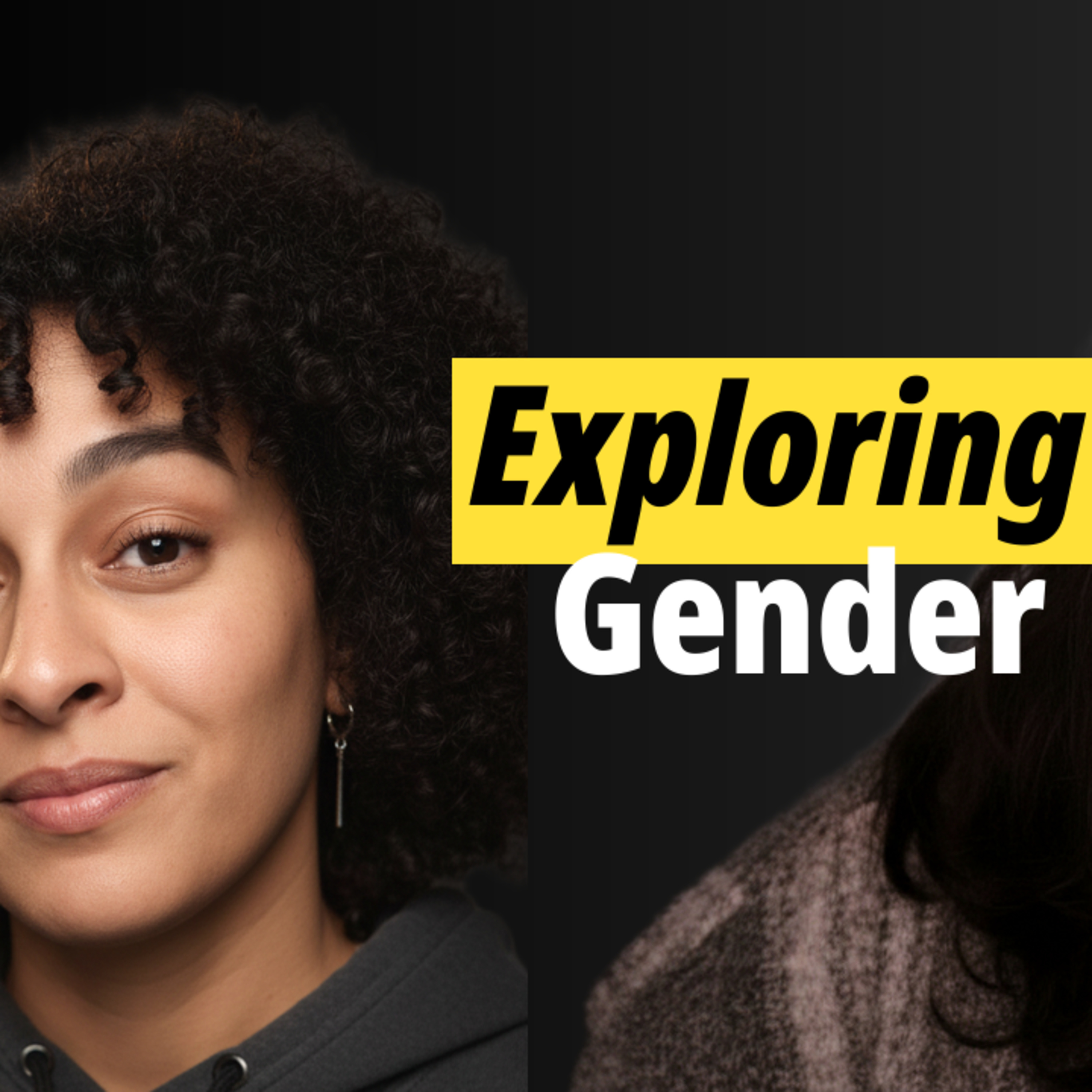
Teach Me About Gender! With Guest: Hels
Jan 2200:33:20Tap to summarizeIn this conversation, host Betshy and guest Hels delve into the complexities of gender identity, exploring the distinctions between gender and sex, personal journeys of self-discovery, and the societal norms that shape our understanding of gender. They discuss the challenges faced by individuals exploring their gender identity in today's world, including rising anti-trans sentiments and the impact of parental expectations. The conversation also touches on the controversial topic of transracialism and the broader implications of mental health in relation to gender identity. Ultimately, they emphasise the importance of acceptance and understanding in a diverse society.
Transcribe →A Happy Ending After Parental Alienation
Dec 2500:08:46Tap to summarizeHere I tell the story of how my son got back in touch after his father alienated him from me for years.
Transcribe →Say Goodbye to Toxic Friendships
Aug 22, 202400:04:52Tap to summarizeIn this episode I narrate how I freed myself from toxic friendships, and give context about the reasons.
Transcribe →
Living With Mental Health Problems
Feb 9, 202400:06:29Tap to summarizeIn this episode, I open up about my life with mental health problems.
Transcribe →The Dark Side of Religion
Dec 18, 202300:06:27Tap to summarizeReligion is a worldwide phenomenon. However, it has a dark side. Not only does it entail believing in dark forces, but it also triggers paranoia, the suppression of rights, and at worst, warfare.
Transcribe →The Atheist's Discontent
Nov 21, 202300:07:34Tap to summarizeHuman beings have a natural curiosity about the origins of existence, and many have indeed become believers of religious doctrines when trying to answer life’s biggest questions. Those who believe in God tend to lead more content lives because they satiate such a natural curiosity, whereas atheists tend to be more discontent because they do not believe there is a God overseeing them. Superstition can trigger all sorts of beliefs, and such beliefs can fulfil some of the human’s emotional needs. Atheists are left to suffer in their lack of superstition as a result.
Transcribe →Satan's Envy
Oct 28, 202300:06:59Tap to summarizeChristian philosophy tells the tale of the most beautiful angel- Satan- developing envy towards God. And that's it. Envy is the beginning of how this being becomes the most demonised personality in mythology and religion. This episode explores the envy that led to Satan's fall from heaven and contextualises it within a modern frame.
Transcribe →
Death anxiety
Oct 21, 202300:05:22Tap to summarizeThis episode introduces the concept of death anxiety.
Transcribe →