Podcast
Learn Persian with Chai and Conversation
Hosted by Chai & Conversation · EN
Learn Persian with Chai and Conversation teaches you conversational Persian in a fun and casual manner in weekly lessons of about 15-20 minutes each. Check out our website chaiandconversation.com for more information.
24episodes
Episodes
Newest firstAll episodes
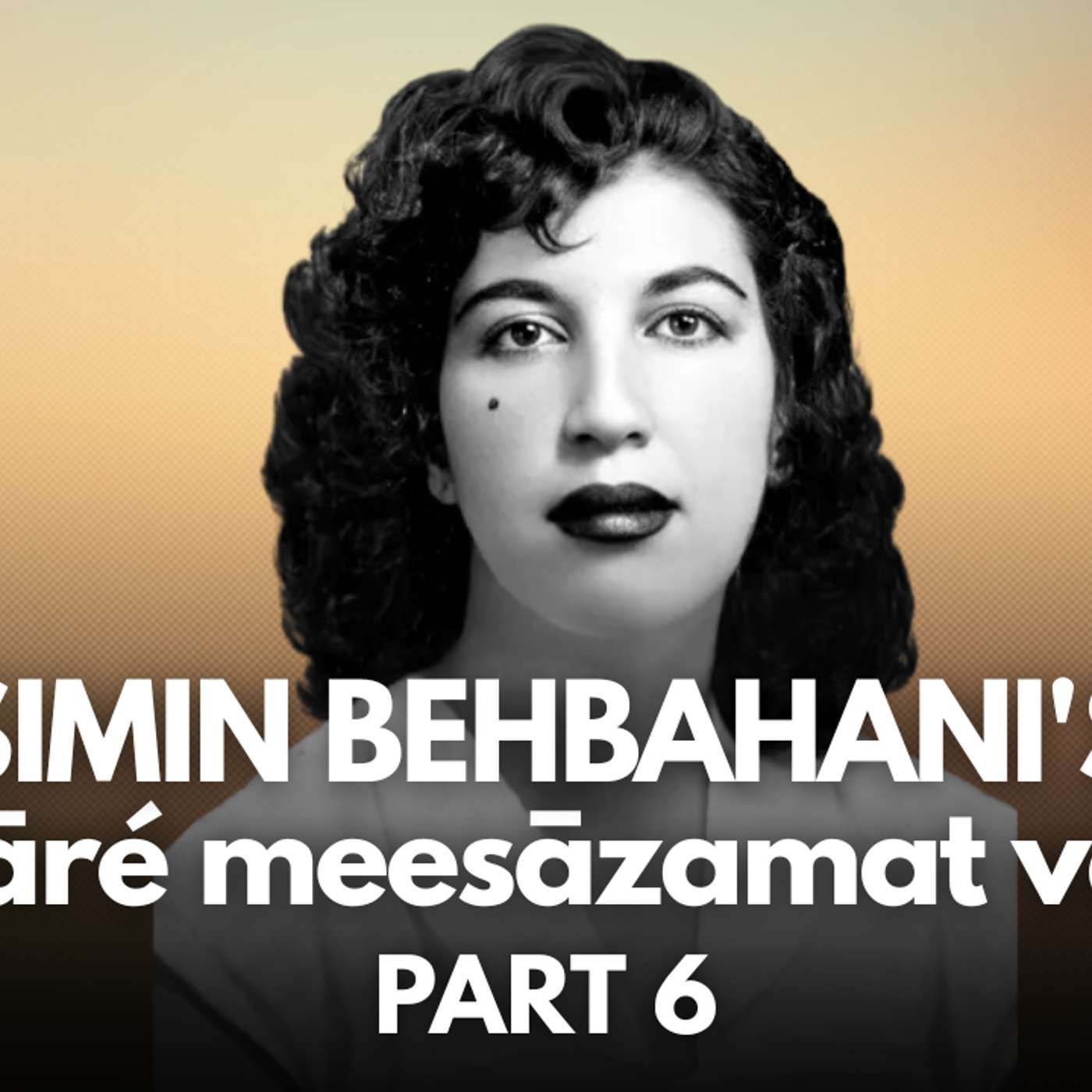
Poetry | Simin Behbahani's dobāré meesāzamet vatan, Part 6
2w ago00:21:09Tap to summarizeIn this final part of the discussion of Simin Behbahani's dobāré meesāzamat vatan, we go over the end of the poem in detail.
Transcribe →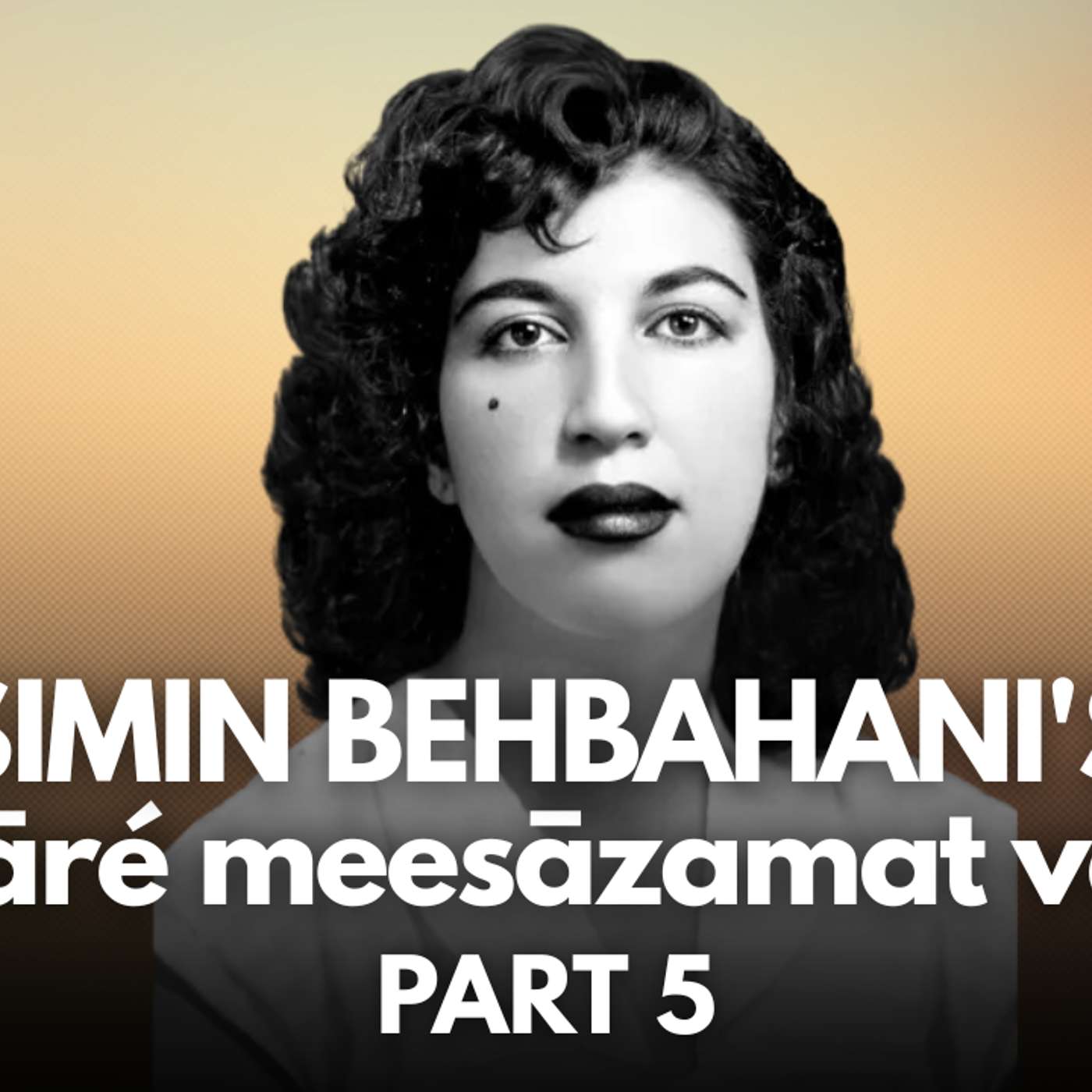
Poetry | Simin Behbahani's dobāré meesāzamet vatan, Part 5
3w ago00:17:11Tap to summarizeIn this fifth part of the discussion of Simin Behbahani's dobāré meesāzamat vatan, we go over the second-to-last part of the poem in detail.
Transcribe →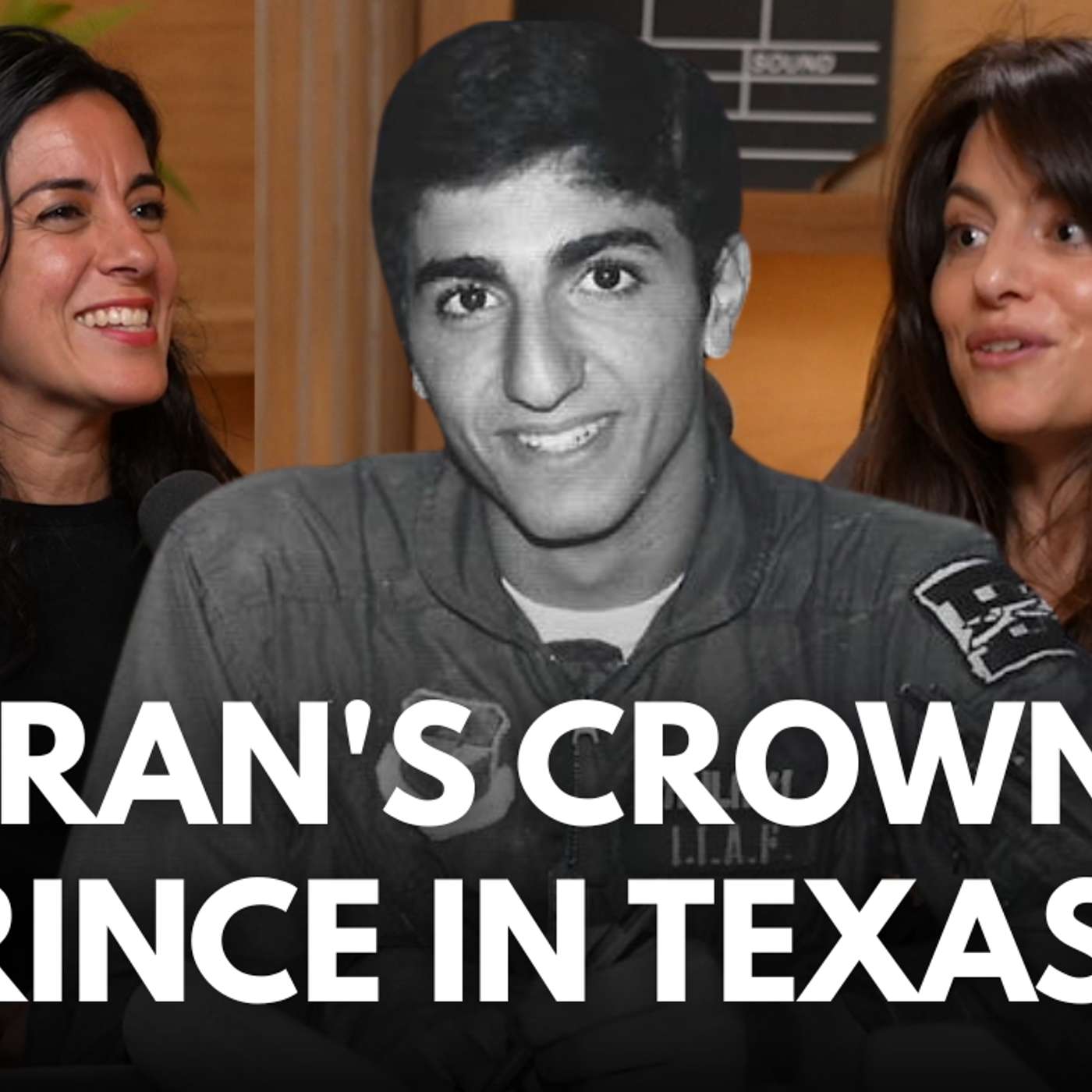
Growing Up Irooni: Sasha von Oldershausen on the Crown Prince of Lubbock, Texas
3w ago01:11:42Tap to summarizeIn this episode, Leyla sits down with Sasha von Oldershausen — an Iranian American journalist on the news and politics team at Texas Monthly, and soon to be the New York Times' first-ever Texas culture reporter.This conversation is a little different from most episodes of Growing Up Irooni: it centers on a single, remarkable story. In her Texas Monthly article "The West Texas Days of the Exiled Prince Who Wants to Lead Iran," Sasha uncovered a nearly forgotten chapter of history — the year that Reza Pahlavi, then seventeen and heir to the Iranian throne, lived in Lubbock, Texas, training as a jet pilot at Reese Air Force Base. It was 1978. Within months, the revolution would sweep away the monarchy, and he would never return to Iran.Sasha shares how she found the story (it started with typing "Texas Iran" into Google and landing on a Lubbock Facebook post), and the extraordinary details she uncovered from there: the 28-year-old flight instructor flown to Niavaran Palace to meet the teenage prince, the weekend house fitted with bulletproof glass, the flower shop where he bought bouquets for four different women at once, and the four hundred Iranian students at Texas Tech who gathered outside his home to protest — many afraid to show their faces for fear of what could happen to their families back home.Then Leyla and Sasha bring the story to the present: Pahlavi's return to Texas nearly fifty years later as the unlikely headliner of CPAC in Grapevine, where roughly a quarter of the audience was Iranian; the aftermath of the January crackdown in Iran, which left thousands dead by most estimates; and the harder questions the diaspora is wrestling with right now — about revisionist history, magical thinking, and how the events of 1978 rhyme with the events of today.Woven throughout is Sasha's own Growing Up Irooni story: raised in Queens by a German father and an Iranian mother from Tehran, no Farsi spoken at home, finding her way to the language through Persian classes in college and summer visits to family in Iran — a life she describes as "one foot in, one foot out," which turns out to be exactly the vantage point this story needed.Read Sasha's article: https://www.texasmonthly.com/news-politics/iranian-prince-reza-pahlavi-west-texas/ Follow Sasha on X: https://x.com/sashavono More of Sasha's work: https://www.texasmonthly.com/contributors/sasha-von-oldershausen/
Transcribe →
Poetry | Simin Behbahani's dobāré meesāzamet vatan, Part 4
4w ago00:19:18Tap to summarizeIn this fourth part of the discussion of Simin Behbahani's dobāré meesāzamat vatan, we go over the next six lines of the poem in detail.
Transcribe →
Interview | Growing Up Irooni: Yasmin Khan on Food, Culture & Compassion Across Borders
Jul 1300:59:08Tap to summarizeIn this episode, Leyla sits down with Yasmin Khan — the acclaimed British-Iranian-Pakistani food writer, activist, and author of *The Saffron Tales*, *Zaitoun*, *Ripe Figs*, and her newest cookbook, *Sabzi: The Beautiful World of Persian Vegetarian Cooking*.Yasmin takes us back to her childhood in Birmingham, where her mother — a Gilaki nutritionist from a small town near the Caspian Sea — organized an Iranian community association so her kids would grow up with Nowruz, Shab-e Yalda, and Farsi language school. She shares the story of her grandfather driving hours to find the perfect oranges, bringing a five-kilo bag of Gilani rice on the plane to England because he didn't trust the rice abroad, and how a family farm still tended by her uncles ended up shaping the way she writes about food today.She and Leyla trace her unlikely path from a decade of human rights campaigning in conflict zones — Iraq, Afghanistan, Palestine — to the burnout that pushed her toward her grandmother's kitchen in Gilan, where she recorded her first food-and-story interviews on an iPhone. That project became *The Saffron Tales*, launched on Kickstarter, and set the template for everything she's written since.The conversation turns honest and difficult as Yasmin speaks about the toll of being a public Iranian voice — the pile-on she received during Woman, Life, Freedom while she was quietly recovering from her fourth miscarriage in Thailand, the trademark lawsuit that nearly derailed the launch of *Sabzi* (yes, someone tried to trademark the word for "greens"), and the anti-Arab racism she says the Iranian community needs to be honest about. She and Leyla discuss the difference between the UK and US Iranian diasporas on Palestine, why she believes bombing your way to democracy has never worked, and what she's learning from an Iranian art therapy group in London that's teaching her to hold space for people she deeply disagrees with.Throughout, Yasmin returns to her core conviction: culture — food, language, literature, art — is not a luxury in polarized times. It's the way through.A warm, honest, and quietly radical conversation about heritage, empathy, and what it means to keep a culture alive.RELATED LINKS:• Yasmin Khan's website • Yasmin Khan's instagram• Sabzi: The Beautiful World of Persian Vegetarian Cooking — Yasmin's newest cookbook• The Saffron Tales — Yasmin's debut, a Kickstarter-funded travelogue and cookbook of Iran• Zaitoun — her book of Palestinian recipes and stories• Ripe Figs — recipes from the Eastern Mediterranean• Yasmin's Guardian article on the Sabzi trademark dispute — search "Yasmin Khan Sabzi Guardian"• Yasmin's essay on miscarriage and pregnancy loss — worth reading alongside this episode• Gilan province — the Caspian region Yasmin's family is from, known for rice, tea, and its progressive politics• Chai and Conversation Cookbook Club — where we'll be cooking from Sabzi this season
Transcribe →
Poetry | Simin Behbahani's dobāré meesāzamet vatan, Part 3
Jul 1200:12:32Tap to summarizeIn this third part of the discussion of Simin Behbahani's dobāré meesāzamat vatan, we go over the next six lines of the poem in detail.
Transcribe →
Poetry | Simin Behbahani's dobāré meesāzamet vatan, Part 2
Jul 500:17:47Tap to summarizeIn this second part of the discussion of Simin Behbahani's dobāré meesāzamat vatan, we go over the first six lines of the poem in detail.
Transcribe →
Poetry | Simin Behbahani's dobāré meesāzamet vatan, Introduction with Sahba Shayani
Jun 2800:53:41Tap to summarizeIn this introductory lesson to Simin Behbahani's beautiful, important, and timely poem, dobāré meesāzamet vatan, we're joined by Dr. Sahba Shayani to talk about the general theme and meaning behind this poem.
Transcribe →
Growing Up Irooni: Hamid Rahmanian on Building Persian Culture, One Story at a Time
May 1301:30:26Tap to summarizeIn this episode, Leyla sits down with Hamid Rahmanian — the Iranian-American artist, filmmaker, and visionary behind some of the most ambitious Shahnameh projects of our time, including the illustrated Shahnameh: The Epic of the Persian Kings, the touring live productions Feathers of Fire and Song of the North, and most recently Rostam: Tales from the Shahnameh, a beautifully illustrated edition for younger readers.Hamid takes us back to his childhood in Tehran, where he grew up in a traditional family with no exposure to the arts — not knowing that art school even existed until he was nineteen. He shares the moment Pink Floyd changed his life, the exam that nearly sent him to the front lines of the Iran-Iraq war, and the Saadi poem that pushed him to leave his successful Tehran design firm at the height of his career to start over in New York.The conversation traces his unlikely path through Pratt Institute, Disney Animation (which he begged to be laid off from), early documentary films exploring Iranian identity, and his eventual partnership with his wife Melissa — whose simple challenge, "Why don't you just do it?", sparked what would become nearly two decades of work bringing the Shahnameh to global audiences.Hamid speaks honestly about the economics of cultural work that doesn't fit easily into grants or markets, why he refuses to make art for elites or museums, and what he's learned about the Iranian diaspora's complicated relationship with its own culture. He shares why he believes culture, not politics, is what endures — and why building it requires us to show up, spend money, and participate, rather than scroll past.It's a generous, funny, and often pointed conversation with someone who has spent his life proving that Persian stories belong on every table, in every classroom, in every home — and that the people best positioned to make that happen are us.Related LinksHamid Rahmanian's official site — kingorama.com (note: I wasn't able to verify the exact URL spelling — Hamid mentions it in the interview as "Kingarama" but this should be confirmed before publishing)Hamid's instagram- https://www.instagram.com/hamidinperson/Rostam: Tales from the Shahnameh — the new illustrated edition, available at his site (this is the book Leyla is giving away in the episode)Shahnameh: The Epic of the Persian Kings — the complete illustrated edition referenced throughoutFeathers of Fire — the touring live production (full video viewable on his site)Song of the North — the second major live production, which toured over 100 timesTragedy of Siyāvash — his newest live production, just finishedThe Glass House — his 2008 documentary about a charity center for troubled teenage girls in TehranSir Alfred of Charles de Gaulle Airport — his documentary about Mehran Karimi Nasseri, the Iranian who lived in the Paris airportSaadi's Golestan — the source of the poem (tang-cheshmān nazar be meeve konand, mā tamāshā-konāne bostāni) that changed Hamid's lifeJa'far Mahjoob — the Shahnameh scholar whose recordings ignited Hamid's love for the epicZeffirelli's Don Giovanni at the Met — the production that convinced Hamid to stay in New York
Transcribe →
Growing Up Irooni: Danesh Nosirvan on Speaking Up When Our Parents Couldn't
May 701:18:22Tap to summarizeIn this episode, Leyla sits down with Danesh Nosirvan — the Iranian-American creator known online for identifying perpetrators of public harm and holding them accountable through the court of public opinion. What began as a comedy career took an unexpected turn in 2021, when a single video calling out a child abuser went viral and reshaped the trajectory of his work entirely.Danesh shares the story of his family's arrival in the U.S. after the revolution, growing up as one of the only Iranian kids in his Southern California school, and the quiet weight of watching his immigrant parents accept mistreatment in order to stay safe. That early sense of injustice, he reflects, is what now fuels his willingness to speak up on behalf of others.The conversation moves through some of the most difficult chapters of recent Iranian diaspora life: the unifying surge of the Mahsa Amini protests, the painful fracturing that followed October 7th, and the ongoing struggle to maintain moral clarity when communities are pulled in opposite directions. Danesh speaks candidly about the cost of using a large platform to advocate — the stalking, the loss of income, the loneliness of being misread by people on every side — and why he still believes in doing it anyway.Leyla and Danesh also discuss the cultural reluctance to hold powerful men accountable, the case of Jian Ghomeshi and his quiet rehabilitation in parts of the Iranian community, and what genuine accountability looks like in a media landscape that rewards outrage over reflection. Danesh closes with a meditation drawn from his anthropology studies — the contrast between chimpanzee and bonobo societies — as a lens for thinking about the kind of community we're choosing to build, both as Iranians and as humans.A warm, honest, and at times uncomfortable conversation about identity, responsibility, and what it means to use your voice with care.
Transcribe →