
Podcast
Left, Right & Center
Hosted by KCRW · EN
Left Right & Center is for listeners who feel like people on the other side of the political divide are on Mars. David Greene pieces together the big picture by inviting people from the left and the right to unpack their ideological differences, not to smooth them over, and look at what’s truly at stake. The show offers a rare kind of clarity. It doesn’t ask you to agree. It asks you to look more closely at what’s happening and to challenge your assumptions.
You might not always agree – you might even get angry – but you’ll know why you feel the way you do. No knee-jerk reactions or name calling. This show doesn’t promise easy answers or warm fuzzies; it promises more clarity for the chaotic political era we’re all living through.
25episodes
Episodes
Newest firstAll episodes

Texas Dems are stuck on identity politics with Senate race at stake
Feb 1300:50:15Tap to summarizeThe first votes of the 2026 midterm elections will soon be cast in Texas, and the Senate primary race is shaping up to be messy for both Democrats and Republicans. The two blue candidates, U.S. Representative Jasmine Crockett and state Representative James Talarico are each facing blowback for comments they made about race and identity. There’s also an intraparty fracture between the GOP’s establishment and insurgent wings exposing itself in the race between incumbent Senator John Cornyn and his challenger, Texas Attorney General and Trump ally Ken Paxton. We’ll unpack how unsettled party fault lines on both sides could impact the general election.This week, the U.S. House of Representatives passed a bipartisan package called the Housing for the 21st Century Act. Back in October, the Senate passed its own legislation called the ROAD to Housing Act. Both aim to boost housing supply and make buying more affordable for Americans. We’ll break down the policies and the politics.The Winter Olympics are underway in Italy and some American athletes are feeling complicated about representing the United States. After 27-year-old skier Hunter Hess expressed his “mixed emotions,” President Trump responded by calling him “a real loser.” That insult is common in Trump's playbook when talking to political foes. We’ll talk about whether that playbook is still effective, especially when Olympians are the target.Producer: Robin EstrinHost: David Greene Guests: Elizabeth Bruenig, staff writer, The Atlantic - @ebruenig Will Swaim, host of National Review’s “Radio Free California;” president at the California Policy Center - @willswaim
Transcribe →
Congress takes up ICE reforms, Trump calls to “nationalize” voting
Feb 600:50:15Tap to summarizeThis week, Congress ended a partial government shutdown, approving funding for several federal agencies through September. The Department of Homeland Security, which oversees I.C.E and U.S. Customs and Border Patrol, was not among those agencies. Democrats say they won’t fund the D.H.S without restrictions on federal immigration agents. In this shifting political landscape, how will congressional Republicans respond?We’ll discuss the Democrats’ demands. How might congress realistically check President Trump’s immigration enforcement policies, given the violent and seemingly indiscriminate tactics we’re seeing in Minneapolis and nationally? With the midterms looming, will it be possible for the two parties to come together and compromise?Speaking of elections, President Trump this week repeated a call to “nationalize” elections, saying Republicans should “take over” voting in 15 states. Are free and fair elections under threat? Here's the Carter-Baker Commission report. Producer: Robin EstrinHost: David Greene Guests: Mo Elleithee, executive director at Georgetown University's Institute of Politics and Public Service - @MoElleithee Sarah Isgur, senior editor at The Dispatch - @whignewtons
Transcribe →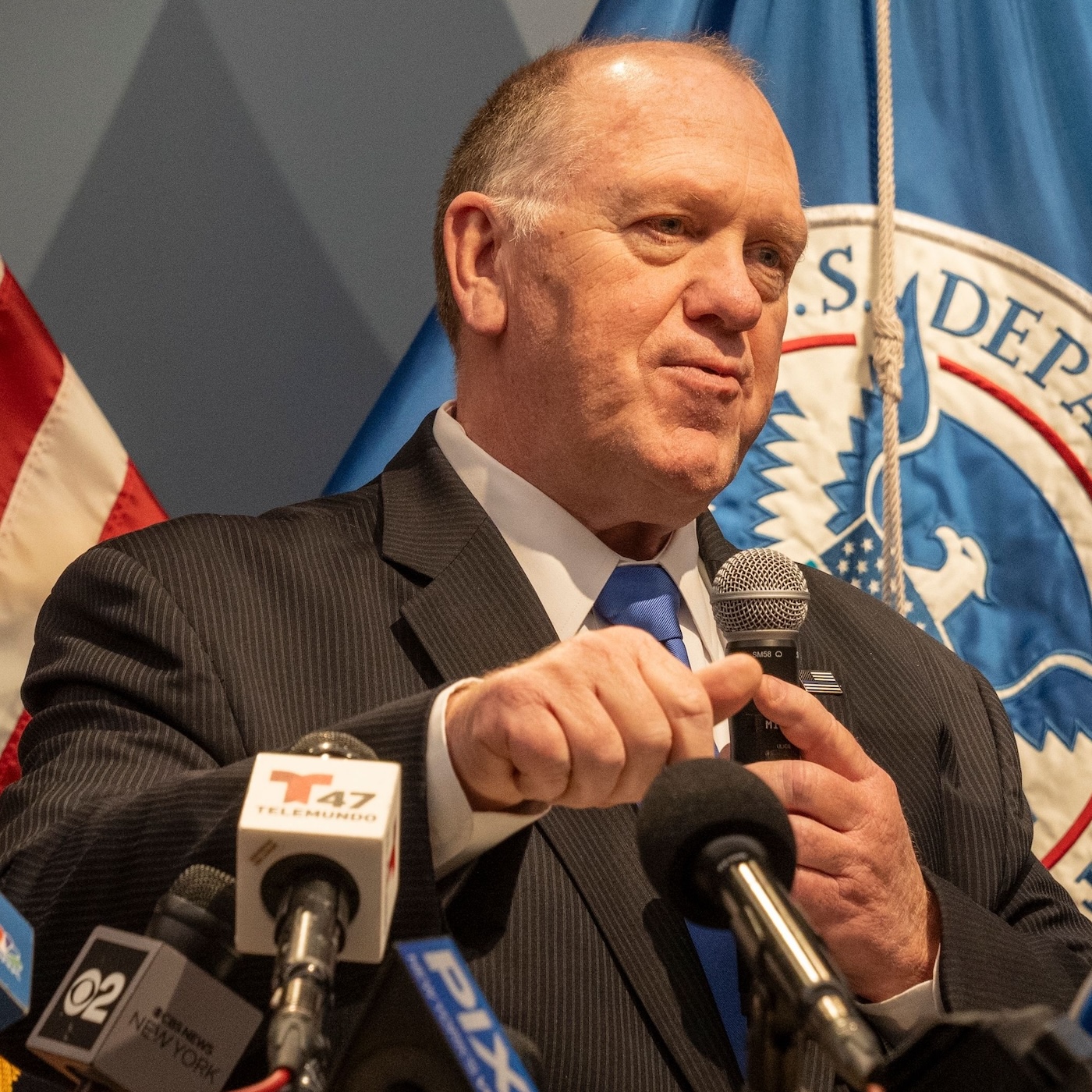
Will changes to ICE operations in Minneapolis be enough?
Jan 3000:50:15Tap to summarizeProtests and skirmishes between Minnesota residents and federal agents are still ongoing after the second shooting of a US citizen in Minneapolis this month. Thirty-seven year old ICU nurse Alex Pretti was killed by Border Patrol agents while filming immigration operations in the city. Following a weekend of inflammatory comments by DHS secretary Kristy Noem and other members of the Trump administration, the president has looked to turn the temperature down. He deployed ‘Border Czar’ Tom Homan to take command of operations in Minneapolis. The experienced immigration official acknowledged that “certain improvements could and should be made” to immigration enforcement in the area. But Homan insisted that more cooperation from state and local officials would be necessary before a reduction in federal presence. It remains to be seen whether the tonal shift or any changes in operations will be effective in the Twin Cities region. The situation has raised concerns among Congress that legislative action may be necessary. Senate Democrats worked toward a deal with the White House to avoid a government shutdown over DHS funding. While some initial framework has been drawn up, the two sides will continue negotiating new guardrails for ICE and Border Patrol. Will Congress step up for a rare check of the Oval Office?Plus, we’ll answer listener questions about where executive power and America’s position as a world leader stand after a tumultuous start to 2026.
Transcribe →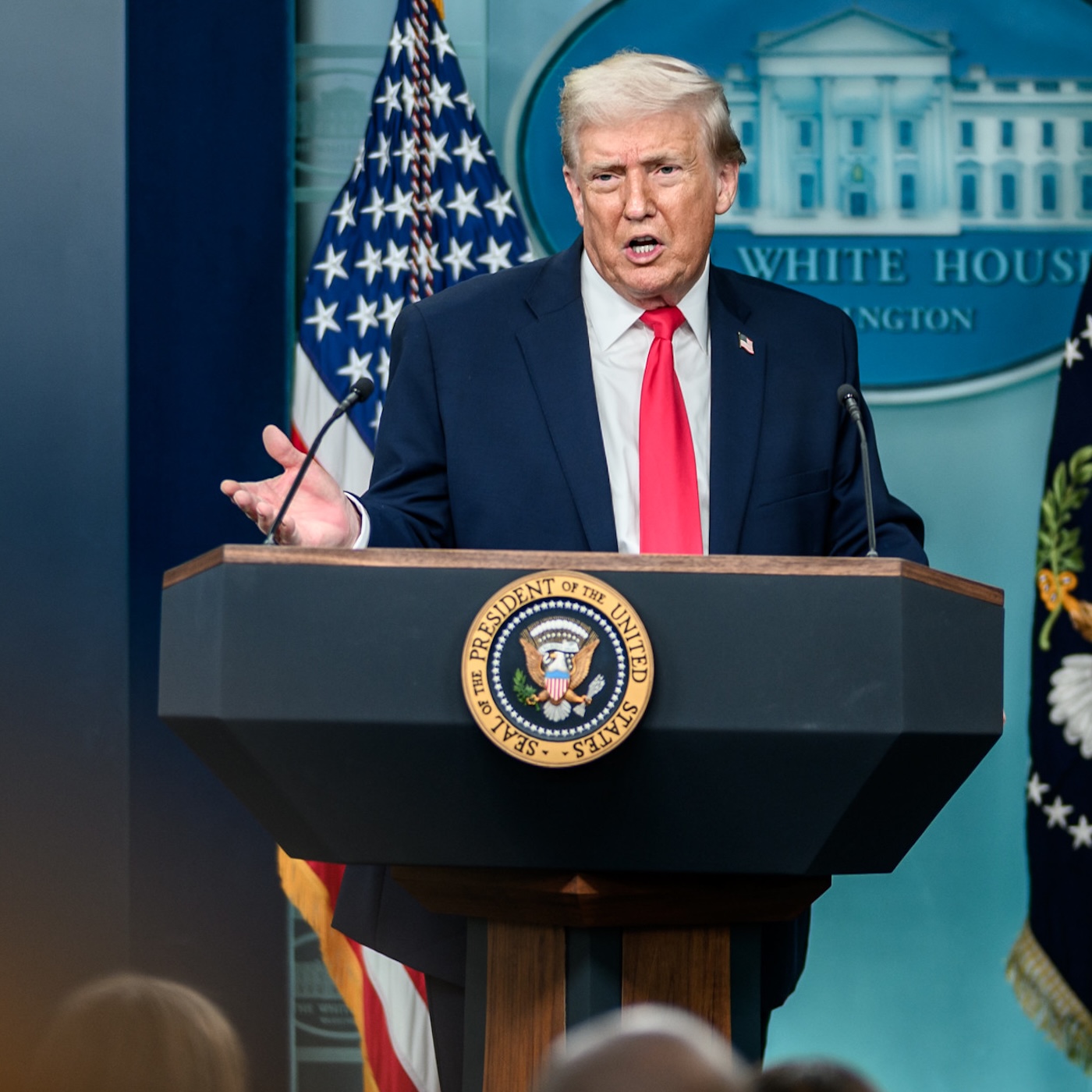
Trump threatens Greenland… then pulls back
Jan 2300:50:15Tap to summarizePresident Trump’s contentious relationship with NATO seemed set to reach its peak at the World Economic Forum in Switzerland. European leaders formed a united front against his belligerence over American control of Greenland in recent weeks. The floating of a military attack or new tariffs on NATO members who opposed the move appeared to doom the longstanding alliance. However, upon his arrival, the president walked back any threats of military force and announced that there would be no new tariffs after working out a new agreement with NATO secretary general Mark Rutte. But does that mean the partnership between NATO and the US is back on steady ground?This week marked the first year of the president’s second term in the oval office. It was an eventful year full of legal challenges, deployments, deals and concepts of deals. The focus in the White House was on the execution of President Trump’s policies on border security and the economy. We’ll look back at how those policies have played out, and discussed what stood out about his first 12 months back in power.Recent social media posts from the White House have come into the spotlight for their controversial language. Critics say the posts are a show of support for far right nationalist ideology. What’s driving the official government accounts to sounding so much more Trump-like than in his first term?
Transcribe →Trump threatens to enact Insurrection Act in Minnesota
Jan 1600:50:30Tap to summarizePresident Trump is threatening to enact the Insurrection Act and deploy National Guard troops in Minneapolis. The threat comes on the heels of continued protests over the January 7th killing of Renee Nicole Good by an ICE agent. The Trump administration claims Good was a “domestic terrorist,” while protestors call for accountability over the shooting. Our panel discusses the motivation for protestors and whether the accountability they’re looking for is possible.The president’s desire to show force isn’t limited to the nation’s borders. Vice President JD Vance met with Danish officials to discuss control of Greenland this week. After the meeting, President Trump insisted that all options remain on the table for the US to take control of the arctic nation - including military action. He is also considering US involvement in Iran to support civilians who are calling for the removal of the country’s government. Both moves threaten to upend the existing world order. Is that what Trump wants?
Transcribe →
Trump bargains between power, safety, freedom
Aug 2900:50:34Tap to summarizeNational Guard troops have been on the streets of Washington D.C. for about two weeks, and in June, they were deployed to Los Angeles during anti-ICE protests. Now, President Trump is threatening to send them to Chicago, which he calls a “killing field.” Some Americans are embracing Trump’s expanded use of the National Guard, while others call him a dictator. According to the Chicago Police Department, homicides have dropped by 31% and shootings by 36% compared to last year, but do lower crime rates actually make Americans feel safer? Will militarized streets bring more security or just the semblance of it? People in Eagle Pass, Texas, say they feel safer after state and federal officials worked to limit illegal crossings in the border community. But in places like Los Angeles, ICE raids have left some Americans anxious and worried for local immigrants. As President Trump brings his promises on immigration to fruition, will the idea of safety be different in communities like these? Transgender athletes competing in amateur sports became a lightning rod for debates on LGBTQ+ rights and inclusivity. President Trump captured the fervor of those debates during the election and with several executive orders upon his return to the White House. His administration has sought to sort competitors by their biological sex rather than how they identify. Those who support the ban see it as a way to protect children, but does one group’s sense of safety have to be at the expense of another?
Transcribe →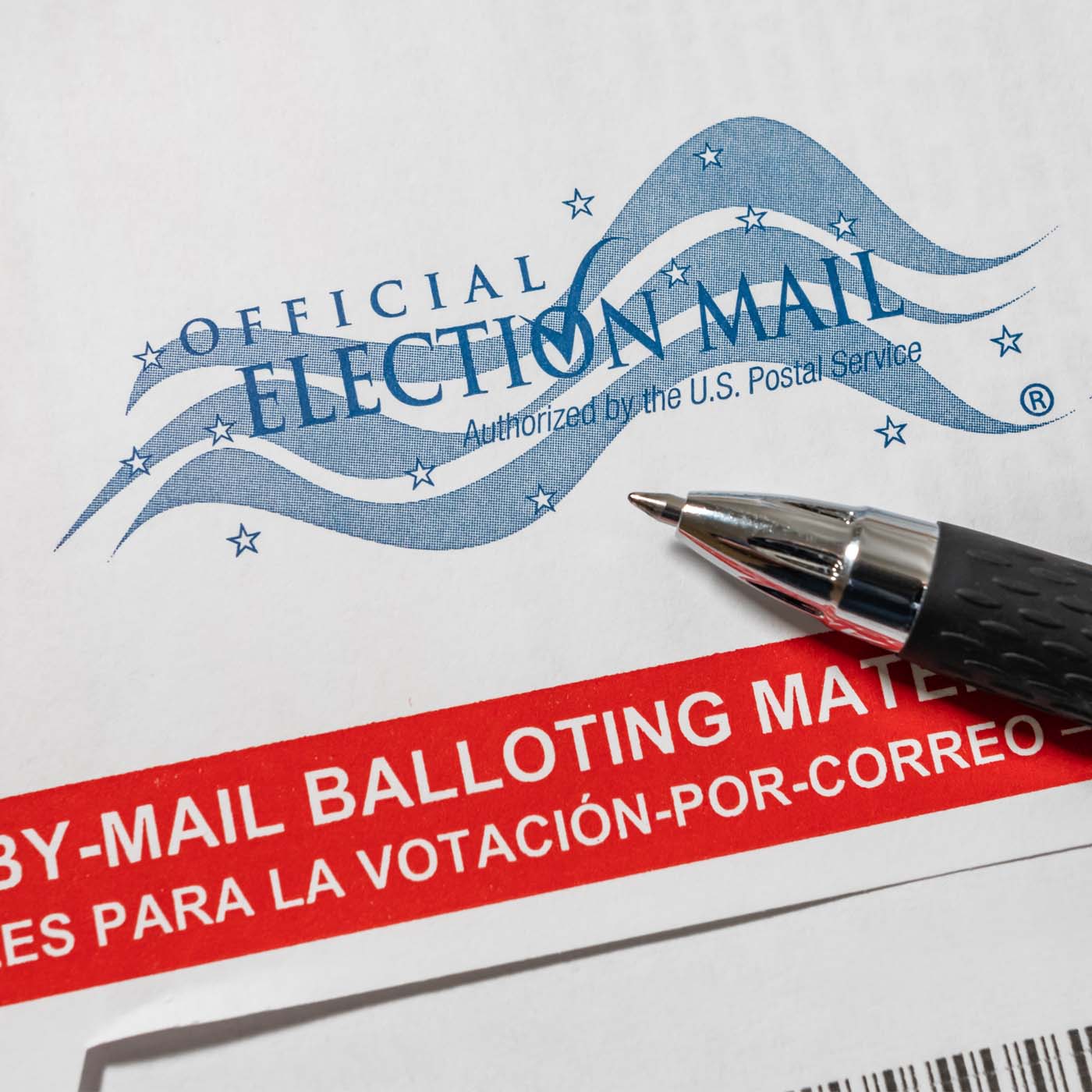
Trump pursues control of voting, teases a third term
Aug 2200:50:34Tap to summarizePresident Trump says he wants to end mail-in voting and voting machines. The Constitution outlines that state governments manage their elections, but in a post on Truth Social, Trump said that the states simply serve as agents for the federal government. "They must do what the Federal Government, as represented by the President of the United States, tells them, FOR THE GOOD OF OUR COUNTRY, to do," he wrote. Any change to the way Americans vote would need congressional approval. The president has already pushed to solidify a Republican majority in Congress by supporting the redrawing of congressional maps in Texas. That new map could add another five seats for the GOP in the House.Could the president use that majority to end voting by mail? What are the implications of this for American democracy and states’ rights over elections?National Guard troops are still patrolling the streets of Washington D.C. When Vice President JD Vance, Defense Secretary Pete Hegseth, and White House Deputy Chief of Staff Stephen Miller visited National Guard troops at D.C.’s Union Station, they faced protestors shouting, “Free D.C.” Miller heckled the activists and said they would compel the administration to ramp up their efforts. Is Trump's use of National Guard troops simply a temporary demonstration of power, or should Americans be concerned that militarized cities will become the norm?In a room full of merchandise near the Oval Office, shelves are lined with “Trump 2028” hats. President Trump gifted some of them to world leaders. The possibility of running for a third term is something Trump has teased since the early days of his second term. Is he just trolling, or should Americans take it seriously?
Transcribe →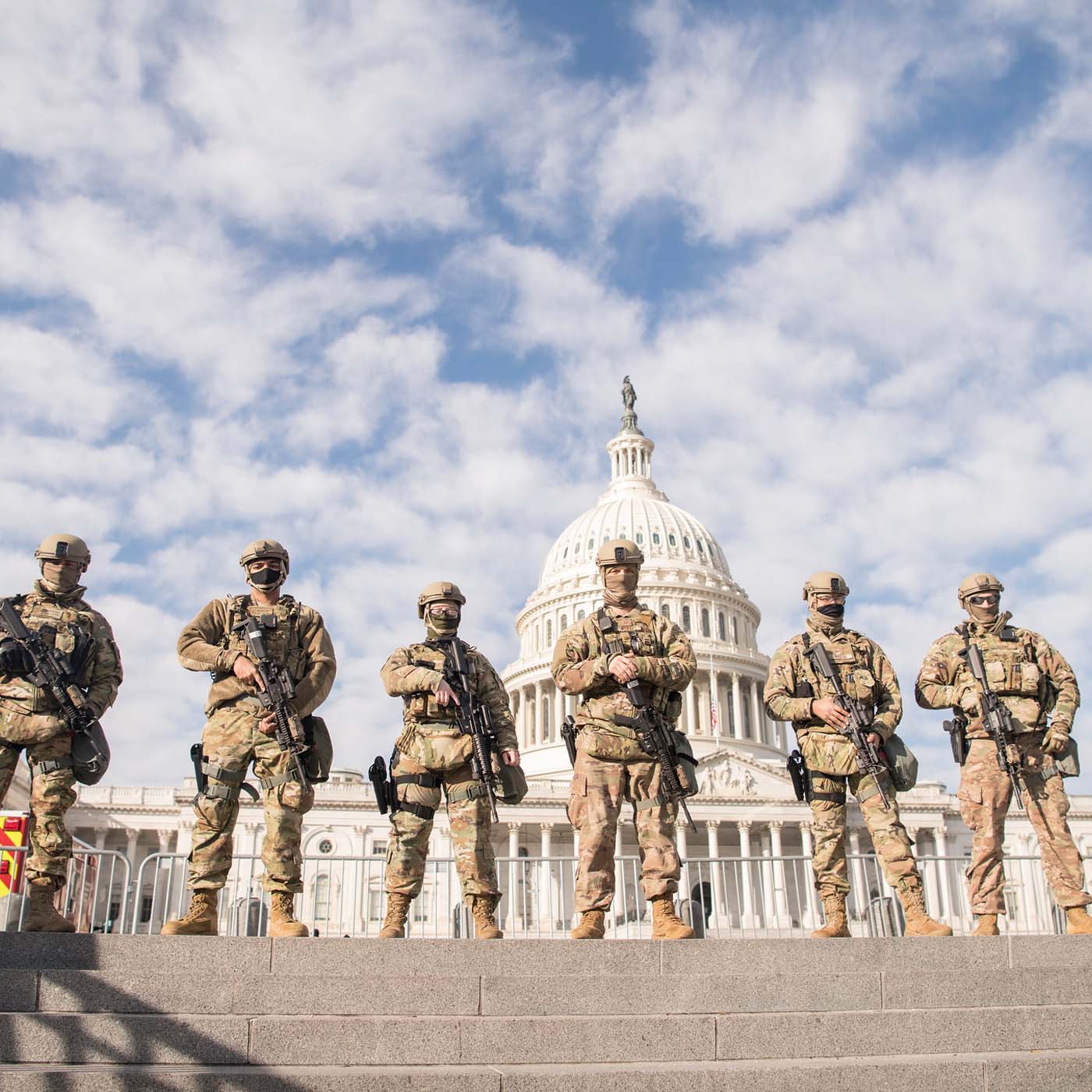
Trump calls on National Guard to patrol D.C.
Aug 15, 202500:50:34Tap to summarizePresident Trump promised to address crime in Washington, D.C. following an attack on a former DOGE employee. This week, the president put his plan into action. He ordered the deployment of 800 National Guardsmen to patrol the District. The guardsmen will be joined by members of a number of federal agencies. Is there more to the president’s decision than enforcing law and order?The president will shift his focus from D.C. to Anchorage, Alaska and a meeting with Russian leader Vladimir Putin. The two leaders are scheduled to discuss possible next steps towards an end to the war in Ukraine. Can president Trump negotiate peace without conceding to Russian demands?The Trump administration has worked to push America’s cultural institutions further to the right. But can that shift expand past the halls of power? Is American society really growing more conservative?
Transcribe →
Was there any good reason to fire BLS chief?
Aug 8, 202500:50:34Tap to summarizePresident Trump fired the commissioner of the Bureau of Labor Statistics (BLS), Erika McEntarfer, after the organization released its July jobs report. Trump claimed that several reports under McEntarfer had been manufactured to hurt him and his economic agenda. But will the firestorm around the jobs report hurt the credibility of the next commissioner?A pair of House members have called out their respective parties in the last week. Republican Marjorie Taylor Greene and Democrat Sarah McBride shared their critiques on how the parties were spurning voters. Will anyone else in Congress listen?It may be hard to believe, but journalists mess up too. KCRW responds to a listener's comment calling out a critical mistake as we continue to discuss ways to restore journalistic credibility.
Transcribe →
Will MAGA fractures push Trump to pressure Israel?
Aug 1, 202500:50:34Tap to summarizeLeaders in France, Canada, and the U.K. have stated they would recognize and call for Palestinian statehood at the next General Assembly of the United Nations. The calls from world leaders come on the heels of troubling images of starvation and famine in Gaza. President Trump has long been an ally of Israeli Prime Minister Benjamin Netanyahu, but Trump also pushed back against Netanyahu’s claims that there was no starvation in the region. It’s a rare pressure campaign on the Israeli government to improve conditions for Palestinians as the conflict between Israel and Hamas wages on. But will it result in meaningful change? Are other factors playing into Trump’s callout?Republican legislators in Texas will discuss redrawing the state’s congressional map during a special summer session. The plan, first floated by the Trump administration, could create five new seats in the House of Representatives if approved. Democratic officials in and out of the Lone Star State are trying to figure out how to fight back. Do they have any choice? And who does the move benefit?The newest frontline of the culture war? The movie Superman and blue jeans. KCRW discusses the latest “woke” controversies.
Transcribe →