← Les Clés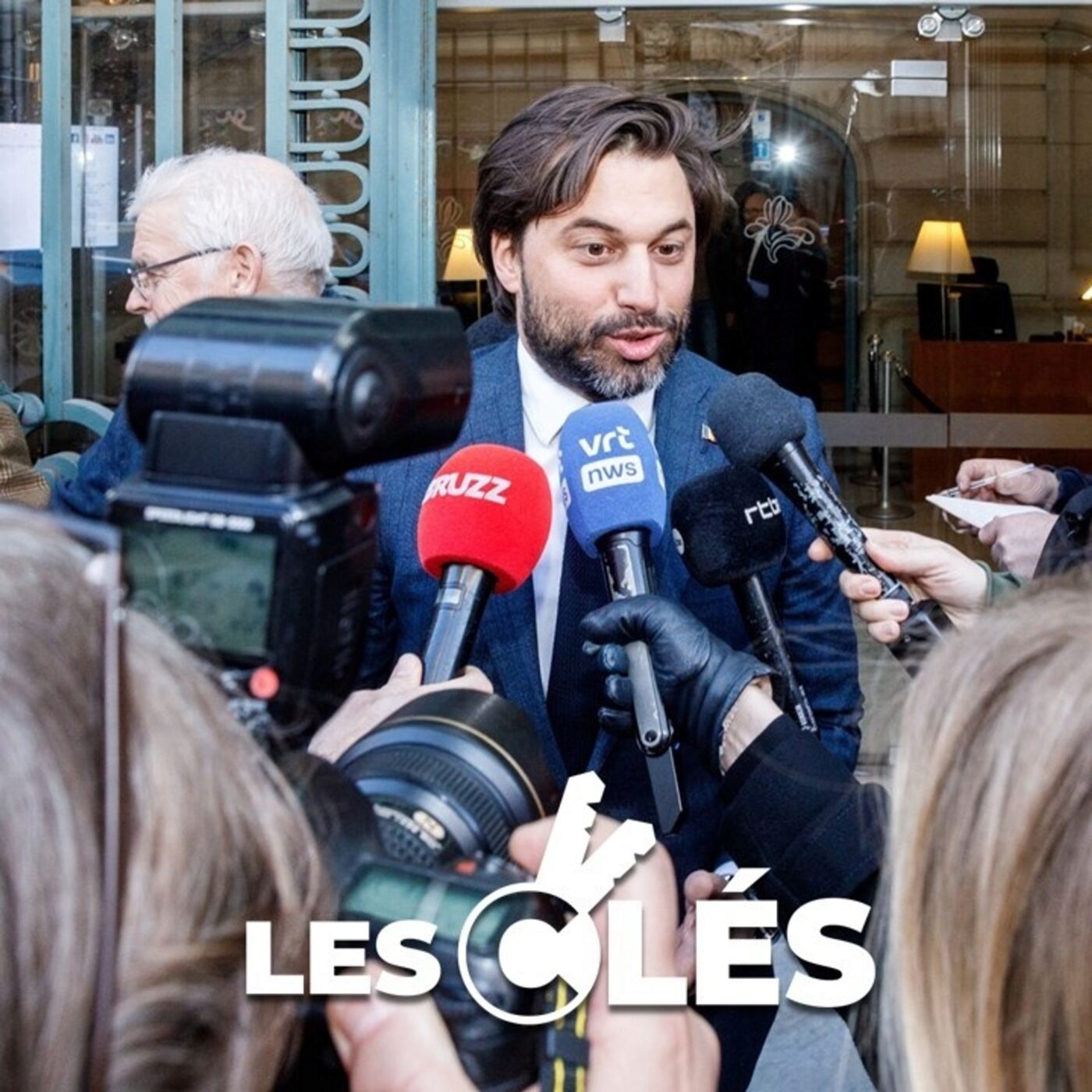
Les Clés
#medias : Journalistes et politiques, liaisons dangereuses ?
00:28:03
Quelles relations les journalistes entretiennent-ils avec le monde politique ? C'est une zone grise qui interpelle les citoyens. Entre confiance, échange d'informations mais aussi pressions et colère, Martine Dubuisson, cheffe adjointe du service politique du journ...
Loading summary
Transcript54 lines
- [00:00]
A
... Bonjour à toutes et tous et bienvenue dans Les Clés Médias. Aujourd'hui, on va explorer ensemble une zone grise avec ses frictions, ses moments plus fluides, ses lieux de proximité aussi. On va parler des relations entre les journalistes et les politiques. Comment les journalistes qui suivent les hommes et les femmes politiques gèrent-ils ces relations ? Il faut de la confiance, il faut des informations, mais peut-on faire copain-copain ? Comment place-t-on les limites ? Y a-t-il des formes de pression d'un côté ou de l'autre ? C'est le menu de ce nouvel épisode et on commence avec un petit retour sonore sur quelques moments marquants. Ça, c'est un extrait de l'enregistrement qui a agité la planète Belgique cet été. Le président du MR s'énerve au téléphone sur une journaliste de la RTBF à la suite de la publication d'un article. On ne revient pas sur le fond de l'affaire, mais la fuite de cet enregistrement provoque de sacrés remous. Remous côté journaliste, remous côté politique et côté public aussi. Comment ces menaces sont-elles possibles ? Mais aussi pourquoi se tutoient-ils ? Ce n'est pas la première fois que l'on peut observer des tensions manifestes entre les deux camps. Remontons en 2015. Tristan Goddard est alors journaliste pour l'émission 7 à la 1. Il couvre la visite du président turc à Bruxelles. Ce dernier est reçu par Charles Michel. A la sortie d'une conférence de presse où aucun journaliste ne peut poser de questions, il filme avec son équipe. Une journaliste pose une question, de loin, à Erdogan sur le sort d'un prisonnier politique. C'est assez peu apprécié par l'attaché de presse d'Erdogan qui manifeste son mécontentement à l'équipe de Charles Michel. Une des collaboratrices de ce dernier menace Tristan Goddard de prévenir la direction de l'RTBF.
- [02:28]
B
Quand on n'est pas content, on menace donc de prévenir la direction de l'information de la RTBF. Peu après, elle s'en va prévenir Frédéric Coderlier, porte-parole de Charles Michel, qui lui aussi vient vers nous pour nous menacer. Le truc n'a pas intérêt à être passé sur antenne, c'est clair ? S'il est dans le sujet, c'est une erreur grave et ça ne restera pas sans suite. Tu veux faire chier dans les coulisses en permanence, c'est bien, c'est amusant, tu veux jouer au petit journal, c'est bien, fais-le, c'est chouette, mais pas en permanence. Tu as envie de travailler comme ça ? Continue à travailler comme ça, mais ça ne durera pas longtemps avec nous, je te le dis franchement.
- [03:00]
A
À la suite de la polémique qui suivra cette histoire, Charles Michel réaffirmera publiquement le droit à la presse de faire librement son travail. Mais nous étions en 2015 et il semble que l'ambiance se raidisse ces derniers temps. Aux Etats-Unis, avec Donald Trump, on en a déjà parlé dans notre émission. Tout près de chez nous, en France aussi. Exemple, avec Eléfie, la France insoumise, qui a tout récemment interdit l'accès de son université d'été à un journaliste du Monde, Olivier Perrault. Ce dernier avait écrit un livre sur les insoumis. Mathilde Panot est la chef des députés insoumis.
- [03:38]
B
Il n'y avait aucun problème à ce que le Monde puisse couvrir notre événement.
- [03:41]
C
Mais lorsque vous avez un journaliste qui.
- [03:43]
B
Nous compare à une secte, c'est non. C'est contraire au code de déontologie et je l'assume complètement.
- [03:51]
A
Ici, des tensions. Là, des rapprochements.
- [03:57]
B
Ce.
- [04:03]
A
Que vous venez d'entendre dans le brouhaha d'une salle de restaurant se passe en France cet été. Les journalistes Patrick Cohen du service public et Thomas Legrand de Libération sont établis avec deux cadres du Parti Socialiste. On l'entend à peine, mais Thomas Legrand dit notamment que lui et Cohen font, je cite, « ce qu'il faut pour Dati ». Entendez, Rachida Dati, candidate Les Républicains à la mairie de Paris pour les municipales de mars prochain. La vidéo est publiée par un média d'extrême droite et de nombreuses voix à droite vont d'ailleurs rebondir sur l'affaire.
- [04:36]
B
Cette affaire qui est une affaire politique, une affaire médiatique, c'est un séisme. C'est les prêcheurs de bonnes paroles qui sont pris la main dans le pot de confiture. La droite devrait dire je ne vais plus sur le service public. Boycott du service public quand t'es un homme de droite.
- [04:54]
A
Les deux journalistes dénoncent un montage fallacieux au service des intérêts de l'extrême droite. Mais dans le public, malgré tout, la proximité des cadres socialistes et des journalistes pose question. Et ces questions, vues du public en tout cas, elles ont toujours existé. Les deux mondes se côtoient, se frottent, se parlent. Il faut suffisamment de proximité pour communiquer. Il faut en même temps maintenir la distance pour éviter d'éventuels conflits d'intérêts. Un équilibre délicat que l'on va explorer avec nos invités dans cet épisode des clés médias. Bonjour Thomas Guédisseux.
- [05:34]
B
Bonjour à toutes et tous.
- [05:35]
A
Vous êtes le responsable de la cellule politique ici à la RTBF, pas pour un invité. Aujourd'hui, on va parler de votre groupe. Bonjour Martine Dubuisson.
- [05:43]
C
Bonjour.
- [05:43]
A
Merci d'être avec nous également. Vous êtes chef adjointe du service politique au journal Le Soir. On va donc explorer vos méthodes, vos pratiques journalistiques dans cette émission. On va peut-être commencer par la base. C'est quoi l'info politique ? Parce qu'on comprend bien qu'il y a plusieurs niveaux. Il y a ce qui est communiqué par les politiques, qui relève peut-être juste de la com', il y a les faits, il y a aussi ce qui est dit en off. Bref, est-ce qu'on peut dire, on va peut-être commencer avec vous Thomas, que l'info politique c'est un peu de tout ça ?
- [06:09]
B
Exactement, c'est tout simplement ce qu'on voit, ce qu'on entend et ce qu'on observe. C'est un peu comme si on va à un spectacle, à un moment donné il y a une pièce qui se joue avec des personnages, on entend des choses, on n'entend pas certaines choses, on voit, on a des dynamiques, on a des mimiques aussi, tout ça c'est de l'info politique. Et donc notre job c'est tout simplement d'aller au contact de ce qu'on peut appeler des fauves politiques parfois, dans cette arène politique, et d'observer, d'écouter, d'entendre, et après d'essayer de transcrire ça, de décoder ça. Mais c'est tout simplement de l'observation.
- [06:40]
A
Martine Dubuisson, comment on trie là-dedans, dans tous ces types d'infos, qu'est-ce qu'on va zapper, qu'est-ce qu'on garde ?
- [06:45]
C
Mais donc ce qui fait l'agenda d'un journaliste finalement, c'est l'actualité et la pertinence d'une information. Donc pour compléter ce que Thomas disait, on assiste à quelque chose mais ils veulent aussi nous communiquer quelque chose et on doit aller au-delà de la simple communication parce qu'on n'est pas des journaux ou des chaînes d'information. qui donnent juste les communiqués des politiques, sinon on serait la pravda. Donc on doit aller aussi au-delà, aller dans les coulisses, voir comment s'est conclu par exemple un accord, comment une décision a été prise, comment arrive un conflit au sein d'un parti ou une crise gouvernementale par exemple. Donc oui, on va chercher toutes sortes d'informations, on garde celles qui sont pertinentes, qui sont liées à l'actualité aussi. On fait effectivement des choix et qui est basé sur la vérité d'une information, la pertinence d'une information.
- [07:35]
A
J'ai envie de rebondir sur un mot que vous avez utilisé, vous avez parlé d'agenda. L'agenda, mettre à l'agenda, c'est un peu ce qui va être au devant de l'actualité. C'est une co-construction, ça avec d'un côté des politiques qui poussent leur sujet et puis de l'autre des journalistes qui vont aussi aller sortir certains dossiers, fouiller certaines thématiques en lien avec l'actu ?
- [07:53]
C
Oui tout à fait, donc il y a des informations qu'on a nous et qu'après on vérifie, on fait commenter par le politique, on décode et puis parfois effectivement ils viennent vers nous en proposant soit une interview ou en disant voilà j'ai tel projet qui va aboutir ou je refonde mon parti et qu'ils veulent présenter ça et donc à ce moment-là on accepte ou on n'accepte pas. C'est pas parce qu'un homme politique va nous proposer une interview qu'on va dire oui on en refuse régulièrement parce qu'elles ne sont pas prioritaires. Donc voilà, c'est clair qu'ils nous appellent aussi pour proposer des sujets ou des interviews, mais on est loin d'accepter tout et de leur servir juste de canal de communication.
- [08:33]
A
Thomas, les deux camps, disons, jouent à la fois la proximité et la distance dans ce grand jeu théâtral dont vous parliez, parce qu'ils n'ont pas les mêmes intérêts.
- [08:42]
B
Exactement. Et parfois, je crois qu'il faut pouvoir juste se redire quel est mon rôle, quel est mon statut et qu'est-ce que j'ai en face de moi, tout simplement. Et ça permet de clarifier. Forcément, on doit parler. Forcément, on doit dialoguer. Forcément, on va parfois manger avec eux, on parle, on passe des heures au téléphone pour essayer de comprendre comme un journaliste de terrain va sur le terrain et observe. Donc oui, il y a une proximité, mais c'est normal. Ça fait partie de notre job d'aller au contact des publics, de contact de cette actualité. Donc on ne doit surtout pas nier et prendre de la distance par rapport à ça, c'est aussi perdre une partie d'info. Maintenant il faut juste se rappeler quel est le rôle de chacun avec les règles qui enrichissent à la fois notre profession de journaliste mais aussi les responsabilités, les devoirs du monde politique face à nous et quels sont les liens de dépendance qu'on a. On est ici à l'RTBF, on a un service public, le monde politique a certains leviers d'action, peut agir y compris sur la mission que doit faire ou pas la RTBF, Donc si le monde politique peut faire bouger des lignes, il peut le faire dans des instances qui sont régiées avec ça. Il y a des codes de déontologie, il y a des instances pour à la fois réclamer certaines choses si à un moment donné on estime que les règles n'ont pas été respectées. Et donc il faut pouvoir juste se rappeler, je crois, dans ces moments de tension, et il y en a beaucoup dans beaucoup de secteurs en ce moment, quelles sont les règles, qui j'ai en face de moi et en fait quel est mon levier d'action sur cette personne et quel est le levier d'action de cette personne vis-à-vis de moi.
- [09:54]
A
Pour revenir un peu sur cette question de la proximité, Martine, comment elle se matérialise ? Est-ce que vous, par exemple, vous tutoyez certains politiques ?
- [10:01]
C
C'est quelque chose qui intrigue beaucoup le public. Oui, les gens en demandent souvent. Donc moi j'ai pour principe de vous voyer, parce que je veux maintenir une distance professionnelle, une distance critique. avec le monde politique. Il y a une poignée de personnalités politiques que je tutoie. Par exemple, d'anciens porte-parole ou d'anciens journalistes qui sont devenus ministres ou députés, je les tutoyais avant, je continue à les tutoyer. Ou il se fait que dans le monde politique wallon, par exemple, il y en a qui tutoient tout le monde. Et bon, il y en a un ou deux avec qui vous ne savez presque pas faire autrement. Mais sinon, c'est vrai que moi, je suis peut-être de la vieille école, je ne sais pas, mais je garde cette distance-là. Je trouve que c'est C'est mieux parce qu'on doit écrire sur eux après. Et dans l'introduction, vous parliez de relations copains-copains. Non, ce ne sont pas nos copains, ce sont des relations professionnelles. Alors ce qui me semble important de dire, c'est que ce sont des relations malgré tout d'êtres humains. On reste des êtres humains, on n'est pas des machines. Donc oui, c'est une relation humaine et une relation qui est basée sur la confiance. Et cette confiance, elle se construit au fur et à mesure des années. C'est un équilibre qui n'est pas nécessairement facile à trouver, mais qu'on peut trouver, bien entendu. Moi, il y a des hommes politiques ou des femmes politiques que je connais depuis 20 ans. Donc, évidemment, ce n'est pas la même chose que si je vais discuter avec un nouveau venu ou une nouvelle venue en politique. Donc, ce sont, oui, des relations humaines. Comme moi, je partage ce que disait Thomas. Forcément, on a des relations parfois régulières, voire très régulières avec eux dans certains moments, des moments de crise gouvernementale, de formation gouvernementale. On appelle un peu les mêmes personnes continuellement pendant plusieurs semaines, ça fait partie du travail, ça ne nous empêche pas de garder cette distance critique dont je parlais et parfois nous sommes amenés à faire des portraits par exemple de ces gens. Si vous êtes vraiment trop proches, c'est compliqué d'aller faire un portrait critique.
- [11:41]
A
Vous passez alors le portrait à un de vos collègues ?
- [11:42]
C
Mais moi j'ai pas des relations trop proches, donc voilà, c'est pour ça que je pense que c'est important de garder cette distance.
- [11:48]
A
Et vous Thomas, vous tutoyez des politiques ?
- [11:50]
B
Moi j'en tutoie, oui, comme disait Martine, et en fait je crois que c'est surtout la question de distance qu'il faut questionner. Ça veut dire quoi ? Moi c'est pas parce que je tutoie quelqu'un, c'est peut-être aussi des questions de génération, que je suis proche ou pas de cette personne. Par contre, avoir le vouvoiement total et absolu et être dans la fascination pour le monde politique, c'est perdre complètement cette distance-là. Donc parfois il y a un côté révérencieux comme ça vis-à-vis du monde politique. Ce que j'ai dit, je vais quand même le souligner. Pour moi, c'est plutôt ça. J'ai un respect profond pour la chose publique, pour la manière dont ils organisent aussi leur vie en fonction des autres. C'est pour ça que je suis impliqué dans ces débats politiques. Mais je n'ai pas de fascination pour ce monde-là. Et c'est ça qui, moi, est ma jauge. À un moment donné, quand on a une fascination, on espérerait être de l'autre côté du miroir. Là, on perd cette distance. Qu'on ait, vous voyez ou pas, le monde politique avant. Et donc c'est plus ça en fait, un peu personnellement, chaque journaliste politique doit se dire, où est-ce que je me situe ? Quel est en fait mon rôle et ma distance par rapport à ce monde-là ? Est-ce que je suis émerveillé, fasciné ? Est-ce que je voudrais y être ? C'est là où je crois qu'on perd pédale. Après, les formes, ça reste un peu l'évaluation de chacun. Mais c'est vrai que ça peut choquer, mais objectivement, on fait le test dans nos entourages. Qui sont les personnes qu'on vous voit encore régulièrement ? Voilà, c'est ça aussi. Je crois qu'il y a ce tutoiement et un peu parfois une espèce de petit chiffon.
- [13:06]
C
C'est vrai qu'on peut tutoyer tout en restant extrêmement professionnel.
- [13:10]
A
Il y a autre chose qui intrigue aussi le grand public, c'est le fait que des journalistes puissent aller manger un bout avec un ou une politique. Peut-être parler, dire un mot, de ces dîners plus informels. C'est quoi Martine ? C'est le moment où on va aller chercher des infos particulières, où on installe justement cette relation de confiance ? A quoi ça sert ? Qu'est-ce qui se cache en fait derrière ces moments ?
- [13:32]
C
Oui c'est ça, donc il y a la communication officielle des partis, ils vont faire une conférence de presse pour les médias en général, ils vont faire un communiqué, ils vont expliquer une décision, tout ça est assez formel. Mais alors si on veut plus d'inside, de coulisses dont je parlais tout à l'heure, c'est clair qu'il faut prendre le temps et ça peut se faire autour d'un déjeuner par exemple où on va apprendre déjà à mieux connaître la personne, on va avoir plus de temps pour discuter avec elle, connaître plus facilement les dessous d'une décision, d'une situation politique particulière. Oui, ça nous apporte beaucoup de ce qu'on appelle le « off the record » en politique, c'est-à-dire tout ce qui nous permet de comprendre un contexte général. pour pouvoir, à un moment donné, écrire quelque chose de pertinent sur une situation qui ne soit pas simplement un communiqué de presse ou une parole officielle. On doit pouvoir décoder.
- [14:22]
A
Ça enrichit votre matière. Tout à fait. Thomas, imaginons que vous vous entendiez bien avec un politique. Imaginons aussi que vous partagiez dans votre fort intérieur ces idées. Parce que bon, les journalistes sont quand même aussi des citoyens avec des opinions. Comment on place la limite à ce moment-là pour bien faire son travail ?
- [14:39]
B
Comme tout journaliste, par rapport à tous les faits dans la société, on vote tous, on a tous des liens familiaux, des situations de contexte personnel qui font qu'il y a des choses qui nous attirent ou pas. C'est la même chose pour les personnages politiques. Donc la même distance qu'on met par rapport aux faits quand on est journaliste d'investigation de terrain, de société, de culture, on l'a en tant que politique. C'est plus intellectuellement intéressant, si je dois être totalement transparent, d'aller se projeter dans la tête de gens qui sont complètement à l'opposé de votre spectre de pensée. De se dire comment se fait-il que cette personne en arrive à penser ça de cette manière et pourquoi elle articule comment. C'est même plus intéressant et plus fascinant parfois d'aller dans le spectre complètement opposé de ce qui sont des convictions personnelles qui restent personnelles. C'est juste une dynamique intellectuelle à avoir, de se dire ok, moi j'ai ça comme prisme, j'en suis conscient, elle vient avec ça comme discours, mais pour le grand public, quels sont les leviers, pourquoi elle décide de ça, dans quel contexte elle l'a fait, quel est l'impact de cette décision, ça c'est notre rôle à faire. Mais la même rigueur qu'on doit avoir en tant que journaliste politique, on doit l'avoir. en tant que journaliste sportif, en tant que journaliste judiciaire. Les pouvoirs, ils sont multiples. Parfois, on a une espèce de fascination et de concentration sur le pouvoir politique. Mais ce qui ressort, et je crois que Martide ne le contribuera pas, c'est qu'en fait, ce monde politique se retrouve souvent démuni face aux autres pouvoirs. Et il y a une espèce de dépendance vis-à-vis du pouvoir économique, vis-à-vis du pouvoir judiciaire. Regardez ce qui se passe en ce moment sur la question de la sécurité, du suivi de l'appareil judiciaire. Et donc, autant on les met sur un piédestal comme si c'était les seuls maîtres du monde, autant eux-mêmes, en fait ont une dépendance complète des autres pouvoirs et passent leur temps à essayer d'imprimer leurs pouvoirs vis-à-vis des autres. Donc on sous-estime les autres pouvoirs dans notre métier, souvent. C'est ça, pour l'instant, moi, parfois, qui me préoccupe, se dire. Les coups de com', ils viennent aussi du monde économique, ils viennent aussi du monde judiciaire, ils viennent aussi...
- [16:26]
A
On les voit peut-être moins, parce qu'on en parle peut-être moins aussi. On vote pas pour ces gens.
- [16:30]
B
Il n'y a pas de relations personnelles et dépendantes parce qu'on ne les a pas élus, ces gens-là. Et donc c'est ça qui est la particularité de ce pouvoir politique.
- [16:37]
A
On a vu aussi des journalistes qui changeaient de bord, Martine, qui décident de s'engager en politique. Est-ce que ça, ça ne vient pas aussi alimenter une forme de méfiance dans le public ?
- [16:45]
C
Je crois que n'importe qui qui a envie de s'engager en politique peut le faire. Alors c'est vrai que des journalistes sont plus au fait et quotidiennement à fréquenter ce monde-là, donc peut-être qu'ils franchissent plus facilement le pas, peut-être que ça alimente. Je pense que ça reste quand même une minorité et moi je respecte qu'ils le font parce que chacun le droit de faire ses choix. Et si à un moment donné, plutôt que d'être spectateur, commentateur, analyste de la situation politique, ils ont envie d'être acteurs, c'est mieux qu'ils franchissent le pas et qu'ils y aillent plutôt que de jouer les acteurs en restant journalistes militants.
- [17:20]
A
J'ai envie de vous poser une question aussi à vous en tant que journaliste femme. En 2015, je ne sais pas si vous vous souvenez de ça, plusieurs dizaines de journalistes femmes en France ont sorti une carte blanche dans Libération des femmes journalistes politiques et elles dénonçaient le sexisme des hommes politiques vis-à-vis des femmes journalistes. Bon alors depuis, MeToo est passé par là, mais est-ce que vous, vous constatez, vous ressentez parfois des traitements différenciés par rapport à vos collègues masculins ?
- [17:43]
C
En tout début de carrière j'ai pu à l'une ou l'autre petite occasion rien de grave le ressentir un peu mais sinon honnêtement moi j'ai jamais eu de difficultés dans mon métier parce que j'étais une femme que ce soit à la rédaction du soir ou dans mes contacts politiques. Maintenant ceux qui disent derrière notre dos ça je ne sais pas mais honnêtement j'ai jamais ressenti une difficulté à cet égard là.
- [18:03]
A
Bon on a parlé de la proximité il y a aussi les politiques mécontents, les pressions, les tensions. Thomas Gadisseul est-ce que vous avez déjà vécu cela ?
- [18:11]
B
Bien évidemment. Et en fait, moi, je pars du principe où quand tout le monde râle, c'est que ça va plus ou moins. C'est plutôt l'inverse. Moi, je suis plutôt d'avis de dire bon, à un moment donné, si on irrite certains poils ou si ça irrite certains, c'est qu'en fait, on va peut-être gratter là où on devait gratter ou on questionne ce qui doit être questionné. Il faut assumer qu'il y a un rapport de tension permanent entre médias et politiques, vu la proximité qu'on a évoquée. C'est un peu comme des pôles et des aimants. Donc il faut assumer cette tension. Après, il faut pouvoir la jauger. Et c'est sûr que quand ça devient conflictuel, la presse n'est pas un opposant politique de la classe politique. Et ça, c'est quelque chose qui est neuf pour l'instant dans la dynamique politique. On le voit à l'étranger, on le voit aussi chez nous, où les médias sont considérés comme, dans le jeu politique, un adversaire parmi d'autres. C'est le game changer, comme on dit. C'est ça qui vient à la fois nous perturber dans notre attitude vis-à-vis du monde politique en tant que médias et dans la relation qu'on a au public. Parce qu'à partir du moment où le monde politique nous désigne comme un adversaire, dans l'opinion publique, on devient nous-mêmes des personnages dans le jeu politique. Et c'est ça qui nous perturbe pour l'instant. On fait tous des introspections et on est tous en questionnement là-dessus. Parce que ça change les règles et les rôles de chacun. Et c'est ça qui est perturbant.
- [19:20]
A
On se questionne aussi au journal Le Soir sur ces questions-là ?
- [19:23]
C
Oui, je crois que tout le monde réfléchit à la pratique de son métier. Maintenant, je voudrais quand même dire que des politiques mécontents, ça a toujours existé. Quand un politique n'est pas content d'un article, il le fait savoir directement ou par son porte-parole ou quand il nous rencontre. Voilà, ça a toujours existé. Ce qui est différent aujourd'hui, c'est la rapidité avec laquelle tout va, l'information sur Internet, sur les réseaux sociaux. Donc, ils sont sous pression constamment parce qu'ils se font interpeller constamment sur les réseaux sociaux et ils doivent réagir tout de suite. et donc ils ont tendance à réagir aussi de plus en plus vite à ce qu'on écrit. Maintenant, c'est vrai que certains nous prennent ou prennent certains médias pour des adversaires directs, comme si on était des opposants politiques, mais je n'en ferais quand même pas une généralité. On sait que ça fait partie du métier, qu'il faut résister à cette pression-là, mais ça fait un peu partie des choses.
- [20:09]
B
Pour nommer les choses, forcément, il y a la question des pressions autour du MR. On va parler vrai, comme disent les jeunes. Mais pendant les affaires qui visaient le Parti Socialiste, il y a eu des tensions majeures avec des personnalités qui ne voulaient plus venir sur antenne. Je me souviens du Samu social, je démarrais à l'époque la matinale, c'était extrêmement tendu et il y a eu des mois entiers où en fait certains personnages ne voulaient plus venir sur antenne tout simplement. Donc c'est cyclique, c'est pour ça que ce rapport de tension, parfois même de violence entre les médias et la presse, il a existé. C'est plutôt dans le rôle et surtout la perception dans l'opinion publique que ça donne qui, pour moi, est en train d'évoluer et de changer et ça s'imprègne. Et ça questionne un peu, en fait, du coup, quel est notre rôle de média ? Est-ce que oui, on est acteur de la démocratie, qu'on arrête d'être le rôle d'observateur un peu en dehors de la mêlée ? Il faut assumer notre rôle. On a parlé d'être marqueur sur des grands thèmes, l'agenda politique. Peut-être que c'est ça aussi qu'on doit renforcer, s'assumer en tant que média, comme acteur de cette démocratie. Et peut-être qu'on prendra des coups, mais en même temps on fera avancer aussi le débat.
- [21:14]
C
S'Il y a une erreur factuelle, on corrige et puis on passe à autre chose. Ce qui ne va pas, c'est un peu ce que Thomas évoquait, c'est quand il commence à boycotter soit un média, soit un journaliste. Parce que quand on est ministre, par exemple, on est au service de la population, on n'a pas à boycotter un canal d'information ou un autre. On peut exprimer son mécontentement, si ça se répète, on peut essayer de régler le problème. Si on estime avoir un problème avec un journaliste ou un média, on en parle, mais on ne boycotte pas.
- [21:40]
A
Alors, ce mot du boycott, il est évidemment assez intéressant. J'ai envie de vous relancer, parce qu'il nous reste quelques minutes, sur la manière dont vous travaillez en rédaction. Parce qu'on va évidemment, en tant que journaliste, aller chercher certains politiques qu'on a envie d'avoir pour l'invité de la matinale, Thomas, pour un grand entretien dans le soir. Mais il y a des gens qui sont très difficiles parfois à avoir. Thomas Agadisso, vous pensez par exemple à des personnalités qu'on n'arrive jamais à avoir dans nos médias. Et ça, ça peut poser aussi des questions Et on va les citer.
- [22:12]
B
Le ministre des Finances, le ministre des Pensions, Yann Le Bon, a fait une apparition chez nous. C'est impossible de l'avoir. Là, la programmation, c'est quasiment à mi-novembre. Or, il est au cœur de plein de réformes qui ont un impact majeur. Et en fait, c'est là où il y a le boycott dans les deux sens, où à un moment donné, simplement le fait de ne pas accepter des invitations nous coince. C'est pour ça que c'est un dialogue et une relation presse et média. On a besoin, moi j'ai besoin de pouvoir avoir accès à des personnalités politiques pour pouvoir les questionner, essayer d'éclairer le public sur l'impact de leurs décisions. Si à un moment donné elles ne désirent tout simplement pas venir, on a la question du Premier ministre quand même qui doit aussi être dit. Donc il a décidé qu'il avait certains moments dans son agenda où il octroyait des interviews à tout le monde et encore, pas forcément la presse écrite au même moment d'ailleurs, on peut le souligner parce que les télés ont été servies mais pas les autres. Ce qui est quand même assez hallucinant. On n'a plus accès à aucune conférence de presse parce que ça n'existe pas. Il y a parfois un peu d'off qui est distillé à la sortie de la chambre. C'est une manière d'imprimer l'agenda politique lui-même et de réinstaurer un pouvoir sur les médias. Chacun a son rôle.
- [23:14]
A
Martine Dubuisson, vous constatez ça aussi ? dans le chef de l'Arizona manifestement aussi de tenir un peu les rênes, choisir un peu comment on fait l'agenda politique.
- [23:24]
C
Il y a deux choses, je pense que sur le Premier ministre c'est assez manifeste, il a fait une conférence de presse depuis février qu'il est en place en pleine nuit donc déjà pour le contact c'est pas évident et il donne quasi pas d'interviews à part il a donné quelques interviews télé effectivement mais en presse écrite une vraie interview il prend le temps une heure une heure et demie etc je pense qu'il n'en a pas encore donné vraiment c'est plus des choses qu'on arrache un peu à gauche ou à droite en marge d'un événement. Donc ça, c'est quand même problématique. Et alors, il y a aussi l'aspect, je pense, quand on citait Yann et Ambonne, ben voilà, on est un pays avec deux communautés linguistiques. Ils ne sont redevables que devant leur électorat. Et donc, allez, entre guillemets, je mets plein de guillemets, perdre du temps dans l'autre communauté linguistique pour aller bien s'expliquer, etc. C'est moins prioritaire pour eux. Donc, c'est clair qu'on a plus de difficultés à avoir en interview ou en théo franken, par exemple, du côté francophone qu'on ne peut l'avoir du côté néerlandophone. Et peut-être que l'inverse est vrai.
- [24:13]
B
Mais vous savez, pour faire l'introspection totale, si on veut être à un moment donné cinglant sur des règles à respecter en deux parties et d'autres, il faut pouvoir faire notre introspection. Il y a des choses qui ne vont pas non plus dans la presse. On va révéler quelque chose des petites coulisses de la campagne électorale de l'année dernière. DPG, un groupe média flamand qui détient EUTLAD, CNIVS et VTM, a imposé son concept de EUTCONCLAV et a été voir les différentes parties en faisant pression sur eux. Si vous ne venez pas dans mon show télévisé, vous n'aurez pas votre interview dans EUTLAD, CNIVS, qui est quand même le tirage le plus gros du pays, un million de lecteurs. Donc la presse aussi utilise les techniques de chantage et de boycott pour imposer certains choix éditoriaux. Ça ne va pas. Si nous, médias, on ne dénonce pas ça, on ne sera pas assez robuste pour dénoncer les attaques dont on fait l'objet aussi. Donc il y a des choses dans la concentration des médias et les pouvoirs derrière certains médias qui ne vont pas non plus et qui instaurent des relations très malsaines justement entre le monde politique et la presse.
- [25:05]
A
Bon, donc là il y a peut-être aussi un petit travail à faire. J'ai envie de vous poser une dernière question pour clôturer cette émission. Est-ce que le contexte numérique et le fait que chaque politique puisse en quelque sorte devenir son propre média, obtenir sa propre visibilité sans passer par les questions parfois dérangeantes des journalistes, est-ce que ça, ça a changé la donne ? Est-ce que ça joue dans tout ce dont on vient de parler maintenant, Martine ?
- [25:25]
C
Ce qui change c'est que parfois effectivement ils aiment passer par les réseaux sociaux parce qu'ils ont un contact direct et il n'y a plus le prisme du journaliste qui va se faire l'avocat du diable et qui va les embêter. Et ça va jusqu'à des annonces parfois très importantes directement sur les réseaux sociaux. À un moment donné quand le gouvernement tombe, c'est déjà arrivé que ce soit annoncé sur un réseau social ou quand un accord est enfin fait pour la formation d'un gouvernement. Donc voilà, il y a parfois de l'information importante qui est directement donnée sur les réseaux sociaux sans passer par les médias dits traditionnels comme ça se faisait autrefois. Donc oui, les temps changent.
- [26:00]
B
Les temps changent et en même temps il y a certaines donnes aussi qui sont en train de bouger. Donc vous savez que la publicité sur les réseaux sociaux politiques va être supprimée prochainement. Et donc il y a des questionnements en interne dans certains partis pour créer leurs propres médias, avoir leurs propres vecteurs de communication vis-à-vis de leur public parce qu'ils ne savent plus être sponsorisés via les plateformes comme Meta notamment. Et donc, est-ce qu'il y aura des médias politiques qui vont faire leur apparition, qui viendront faire concurrence dans cette communication politique et officielle ? Avant, ça passait via les plateformes tierces, via ces réseaux sociaux. Est-ce qu'à un moment donné, on va avoir des médias qui seront juste des espèces de communications officielles via leurs plateformes et leurs télés ? En tout cas, ça sera intéressant d'observer, ça va se passer dans les prochaines semaines, parce que c'est en cours de réflexion dans les différentes formations politiques.
- [26:43]
A
Un monde politique qui change, un monde médiatique qui évolue lui aussi. Les deux camps sont depuis toujours dépendants l'un de l'autre, mais la relation est parfois tumultueuse. Je retiendrai que ces tensions, elles sont saines, elles témoignent certainement de cette juste distance à maintenir. On parlait toutefois d'un contexte plus tendu ces derniers temps, pas qu'en Belgique, un peu partout. et de cette volonté de certains élus de désigner les médias comme un adversaire à combattre. C'est sans doute là que tout se joue aujourd'hui. Un peu, voire beaucoup de frottements, d'accord, mais des attaques permanentes sur le rôle même des médias, c'est risqué si l'on veut conserver la juste place de chacun dans une démocratie. Merci à nos invités d'avoir joué le jeu de la grande séance d'introspection. Martine Dubuisson, chef adjointe au service politique du journal Le Soir, Thomas Gadisseux, chef de la cellule politique à la RTBF, à la réalisation de cet épisode Laurent Nellysen, à la préparation Sarah Pousset et Marie Van Kutsem. Merci pour votre écoute, merci pour vos relais. Les Clés Média sont aussi votre espace, alors si vous avez des commentaires, des idées à nous transmettre, n'hésitez pas à nous écrire à l'adresse lesclés.rtbf.be. Et à très bientôt pour un nouvel épisode.