← Les Clés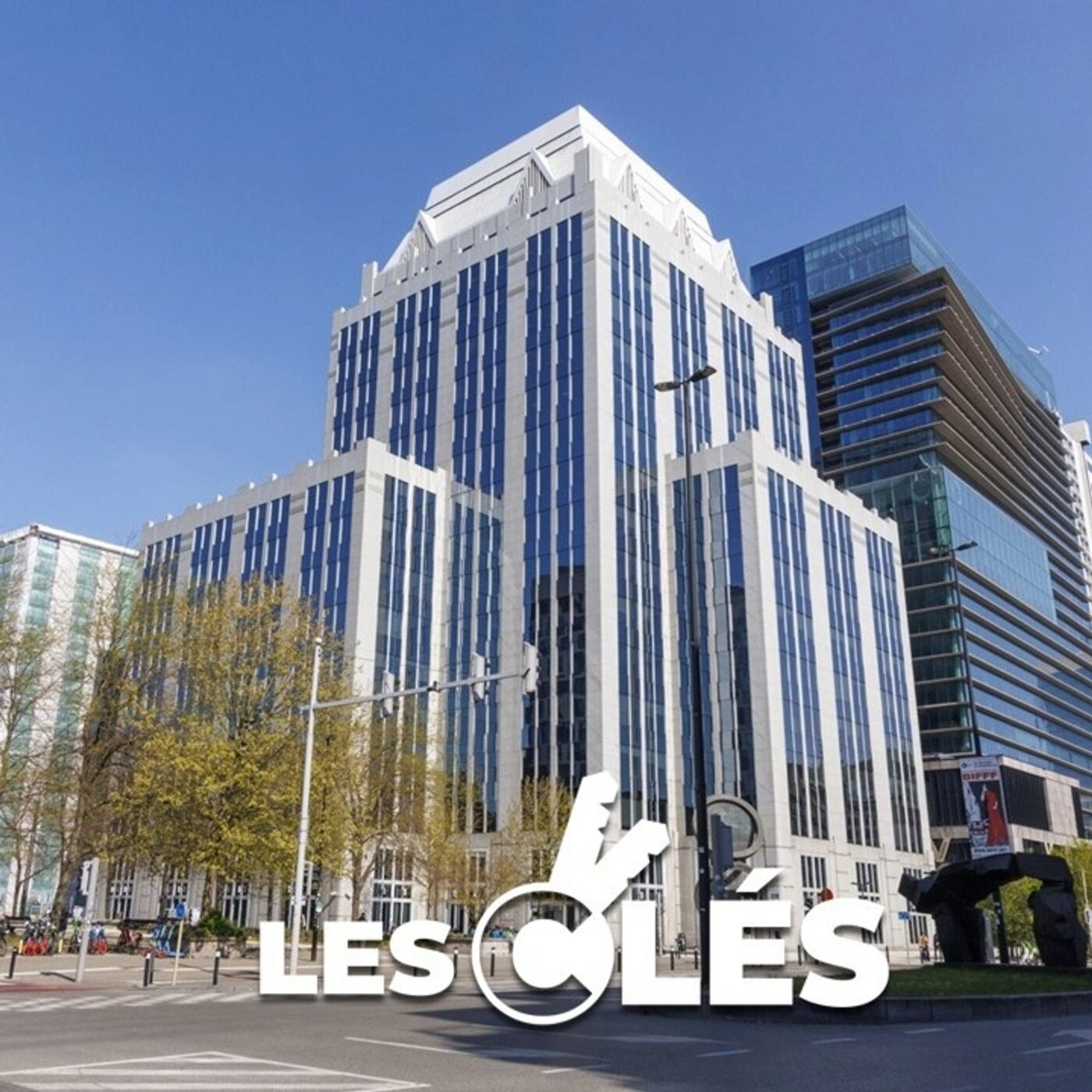
Les Clés
Pourquoi la Belgique s’oppose à l’utilisation des fonds russes gelés ?
00:27:21
Près de 200 milliards de fonds russes sont gelés en Belgique, chez Euroclean. Mais un grand débat divise la Commission européenne sur cet argent : faut-il ou non en faire profiter l’Ukraine ? Nous expliquons pourquoi cet argent est stocké en Belgique, ce que la Com...
Loading summary
Transcript60 lines
- [00:00]
Bart De Wever
Qui dans cette salle croit vraiment que la Russie va perdre cette guerre ? La première. Deuxième solution, utiliser les avoirs russes.
- [00:09]
Arnaud Ruyssen
Gelés. Il se trouve chez Euroclear, une banque à.
- [00:11]
Sarah Poussey
Bruxelles. Les.
- [00:12]
Bruno Coleman
Clés. Pratfaire inédit entre la Commission européenne et la.
- [00:16]
Sarah Poussey
Belgique. Arnaud.
- [00:17]
Arnaud Ruyssen
Ruyssen. Bonjour à tous, bonjour à toutes et bienvenue dans les clés pour un épisode où l'on va essayer de comprendre ce qui se joue autour des quelques 190 milliards d'euros d'avoirs russes qui sont gelés en Belgique. Un grand débat s'est ouvert pour savoir si l'Europe pouvait mobiliser ses capitaux pour prêter de l'argent à l'Ukraine afin de soutenir Kiev face à l'invasion russe. Alors dans ce numéro on va essayer de comprendre déjà pourquoi. Cet argent est en Europe et en Belgique en particulier. Comprendre aussi le mécanisme envisagé par la commission et pourquoi les autorités belges sont si réticentes à toucher à cet argent localisé pour l'essentiel dans une société qui s'appelle Euroclear. Et on va essayer de clarifier tout ça de la manière la plus pédagogique.
- [01:01]
Sarah Poussey
Possible. La première.
- [01:04]
Les.
- [01:05]
Arnaud Ruyssen
Clés.
- [01:11]
Partons d'abord au cœur de Bruxelles, à quelques pas de la gare du Nord, devant un bâtiment massif de style post-moderne avec de grands bandeaux vitrés verticaux, une toiture surmontée de quelques triangles en pyramide qui lui donne un vague air de bâtiments new-yorkais. Nous sommes chez Euroclear, une société basée à Bruxelles donc, mais qui est l'un des piliers de la finance internationale.
- [01:41]
Euroclear compte 6 000 employés et, pour utiliser des métaphores, on la présente souvent comme le notaire du monde financier, voire comme l'un des coffres forts de la finance internationale. Puisqu'elle assure le dépôt de 42 500 milliards de titres et qu'elle réalise près de 100 000 transactions par jour.
- [02:05]
Des transactions entre des banques, des états, des fonds de pension, tout ça de manière dématérialisée via des centres de données répartis un peu partout à travers le monde. Et au milieu de toutes ces transactions, de tous ces comptes où sont stockés de l'argent et des titres venus des quatre coins de la planète, il y a pour près de 190 milliards d'avoirs russes.
- [02:29]
Dont 180 milliards d'euros appartiennent à la banque nationale russe et sont l'objet aujourd'hui d'un intense bras de fer entre les Européens.
- [02:42]
Bonjour Bruno.
- [02:43]
Bruno Coleman
Coleman.
- [02:43]
Arnaud Ruyssen
Bonjour. On va essayer de comprendre d'abord avec vous ce que fait une société comme Euroclear, pourquoi il y a autant d'argent qui transite par cette institution et pourquoi il y a cet argent russe qui a pu être immobilisé au début de la guerre. D'abord quand on dit notaire de la finance internationale ou coffre-fort, est-ce qu'on peut expliquer en termes simples à quoi ça sert dans la finance mondiale aujourd'hui une société comme Euroclear ? D'abord, c'est.
- [03:09]
Bruno Coleman
Une société qui est très importante parce que le montant d'actifs qui est géré ou déposé chez Reclear, c'est à peu près 40% du PIB mondial. Donc c'est stupéfiant. Il y a plusieurs entités, mais son rôle principal est double. C'est d'abord ce qu'on appelle une chambre de compensation, c'est-à-dire c'est une institution qui s'assure que quand on vend ou on achète des titres, on reçoit bien des titres ou bien on reçoit bien l'argent. Donc pour parler simplement, si avec votre smartphone vous achetez une action KBC, il faut s'assurer que vous recevez l'action au KBC, que le prix est bien payé aux vendeurs et c'est Euroclear qui est derrière la bourse qui s'occupe de gérer ces transactions. Donc en fait, quand vous parliez tout à l'heure de notaire de la finance, c'est exactement de ça dont on parle. C'est-à-dire que c'est quelqu'un qui vérifie le caractère licite et correct des transactions. D'autre part, Euroclear est aussi un dépositaire d'actifs. C'est-à-dire qu'il y a des actifs qui sont déposés chez Euroclear, un peu comme on le ferait auprès d'une banque, et c'est de ces actifs-là dont on parle quand on parle de la Russie. Donc c'est un monstre financier, mais qui assure en fait finalement la finalité de la plupart des transactions financières du.
- [04:16]
Arnaud Ruyssen
Monde occidental. Donc, chez Euroclear, il y a à la fois de l'argent, des titres qui sont stockés, il y a ce côté notaire, et c'est vrai que quand on dit notaire, on pense au fait que quand on va chez le notaire pour acheter une maison, le notaire va s'assurer qu'au moment où le transfert de propriété se fait, il y a bien l'argent qui arrive chez celui qui vend la propriété. Tout ça, Euroclear le fait, mais des centaines de milliers de fois par jour, 350 millions de transactions par an, c'est énorme. Et puis il y a ce côté un peu aussi grand registre, grand carnet, où à tout instant on note ce qui appartient à qui, qui a été vendu à qui d'autre. C'est vraiment un des maillons essentiels, on pourrait dire presque une des clés de voûte du système de.
- [04:58]
Bruno Coleman
Transactions internationales. Oui tout à fait parce que bien sûr on n'a pas un particulier par exemple, on n'a pas de compte directement chez Euroclear mais la banque qui travaille pour le client a un compte chez Euroclear et donc chaque transaction est pistée de manière anonyme mais s'assure bien qu'elle est tracée à manière telle qu'elle suit son bon chemin et donc c'est pour ça que Euroclear est très importante parce que Euroclear a ce qu'on appelle une obligation fiduciaire, une obligation de confiance et c'est donc Euroclear qui donne la confiance au système financier d'échanges de titres, de dépôts de titres par sa propre stature et par le caractère opérationnel parfait de ses opérations. Donc c'est vraiment nécessaire. Quand on parle d'un notaire, c'est effectivement ce que vous disiez. Si j'achète une maison et que je ne suis pas certain que cette maison soit possédée par le vendeur, j'ai un problème. Aux Etats-Unis c'est le cas par exemple. Il n'y a pas de notaire à proprement parler dans certains états. Il faut donc s'assurer contre le fait que le vendeur possède ou ne possèderait pas vraiment la maison qu'on veut acheter. Donc c'est un rôle qui est essentiel et qui doit être opéré, on va dire, au millimètre près. parce qu'on ne peut pas perdre le moindre centime dans l'opération, donc ce sont des machines qui sont opérationnelles et informatiques.
- [06:02]
Arnaud Ruyssen
Extrêmement développées. Au millimètre et on a envie de dire sans doute aussi à la milliseconde, tant on sait que ces mouvements sont devenus de plus en.
- [06:08]
Bruno Coleman
Plus rapides. À la naine.
- [06:09]
Arnaud Ruyssen
De secondes. Voilà, et que quelques secondes de perdue, ça peut déjà faire perdre de l'argent à l'un ou à l'autre. La question c'est pourquoi est-ce que la Russie et notamment la banque nationale russe a recours à une société comme Euroclear au point d'y avoir logé au moment où s'est déclenchée la guerre presque 180 milliards d'euros qui se retrouvent aujourd'hui bloqués. Pourquoi est-ce que la Russie a recours à une société comme celle-là.
- [06:34]
Bruno Coleman
Parce que Euroclear est en fait une entreprise qui reçoit des dépôts de banque centrale. C'est-à-dire que c'est la banque centrale russe qui a déposé des titres auprès d'Euroclear, ? comme elle aurait pu le faire auprès d'autres banques centrales, ce qu'elle a d'ailleurs certainement fait. Mais il se fait que dans le monde occidental, pour un ensemble de transactions, Euroclear est quasiment inévitable, en tout cas est incontournable pour la Russie. Et donc, ces avoirs russes, ce sont des avoirs partiellement, je crois, en transit. D'ailleurs, la plupart des obligations qui étaient déposées par la banque centrale russe sont arrivées maintenant à échéance, sont devenues maintenant du cash. et c'est des titres probablement qui auraient eu la vocation de bouger d'un acteur auprès d'un autre. Ils ont été gelés, non pas confisqués, et donc la Russie n'a plus accès à la propriété de ces titres, en tout cas n'a plus accès direct à la propriété.
- [07:16]
Arnaud Ruyssen
De ces titres. Ce que je lisais aussi, c'est que le fait de localiser ces titres dans une société comme Euroclear a un effet un peu de standardisation qui fait qu'on peut alors utiliser ces sommes dans d'autres transactions financières, ce qui serait beaucoup plus compliqué si elles étaient simplement en rouble à Moscou, à.
- [07:33]
Bruno Coleman
La banque nationale. Voilà, sans rentrer dans une complexité non nécessaire, les titres qui sont déposés chez Euroclear peuvent servir de garantie à certaines opérations. On appelle ça dans le domaine financier des collatérales. Et donc ces titres garantissent éventuellement d'autres opérations. Il se fait d'ailleurs que Euroclear est important dans le monde occidental, mais que la Chine maintenant est en train de créer un Euroclearbis, un nouvel écosystème auquel bien sûr la Russie est affiliée, eu égard au fait que ses avoirs ont été.
- [08:01]
Arnaud Ruyssen
Gelés en Belgique. Donc ça c'est pour bien comprendre à quoi sert une institution comme Euroclear. Comprendre aussi comment on se retrouve dans une situation où on a à peu près 190 milliards d'euros d'avoirs russes qui se retrouvent aujourd'hui immobilisés, gelés chez Euroclear. Alors, on sait que cet argent-là, il génère des intérêts, des intérêts qui, ces derniers mois, ont été aussi saisis par la Commission européenne pour pouvoir déjà financer des prêts à l'Ukraine, en tout cas garantir des prêts qu'elle veut octroyer à l'Ukraine. On sait aussi que la Belgique prélève des impôts là-dessus et que ça finance aussi une partie de son soutien à l'Ukraine. Sauf qu'ici, l'Europe veut aller un cran plus loin et c'est tout l'enjeu de la polémique. On va peut-être prendre d'abord le temps d'expliquer ce que l'Europe veut faire avec ces fonds localisés.
- [08:50]
Pierre Klein
Notamment.
- [08:50]
Arnaud Ruyssen
Chez Euroclear. Le.
- [09:01]
Contexte, c'est d'abord et avant tout la guerre en Ukraine et le fait que Kiev est à court d'argent pour la financer et pour financer en parallèle les missions de base de l'État ukrainien. Alors, l'Europe s'apprête à consentir un nouveau prêt à l'Ukraine, un prêt de 90 milliards d'euros en deux ans. Et pour ce faire, elle met deux options sur la table.
- [09:26]
Première option, aller chercher de l'argent sur les marchés financiers garantis par tous les États membres et prêter cet argent à l'Ukraine. Mais voilà pour ça il faut l'unanimité des États membres de l'Union et la Hongrie et la Slovaquie ont déjà dit leur opposition à cette proposition. D'où la deuxième option qui fait frémir Euroclear et la Belgique. à savoir utiliser les avoirs russes immobilisés chez Euroclear et dans quelques autres institutions financières, pour pouvoir consentir ce prêt à l'Ukraine. Avec l'idée que ce prêt, présenté comme un prêt de réparation, ne sera remboursé par l'Ukraine que quand celle-ci obtiendra, après la guerre, de la part de la Russie, des dommages et réparations pour sa reconstruction. Et malgré l'opposition de la Belgique, c'est cette proposition-là que privilégie aujourd'hui la Commission et sa présidente Ursula von der Leyen, avec l'objectif d'au moins rééquilibrer le rapport de force sur le champ.
- [10:30]
Sarah Poussey
De bataille ukrainien. Nous pouvons fournir à l'Ukraine les moyens de se défendre elle-même et de mener des négociations en position de force. Nous devons augmenter aussi ce que cette guerre coûte à la Russie et notre proposition est un moyen.
- [10:48]
Arnaud Ruyssen
De le faire.
- [10:53]
Voilà, Bruno Coleman, on entend l'intention de la commission, c'est pouvoir utiliser cet argent pour garantir un prêt à l'Ukraine, donc il y a un enjeu de pouvoir lui donner assez rapidement de l'argent pour soutenir l'effort de guerre et puis les missions de base de l'état ukrainien, mais aussi en même temps de faire mal à la Russie en lui prenant cet argent et d'ainsi changer le rapport de force dans les négociations, notamment de paix. Qu'est-ce que vous pensez, vous, avec votre regard de financier, de cette proposition de la Commission qui, on le sait, indispose très fortement la Belgique.
- [11:25]
Bruno Coleman
? Elle est très dangereuse pour la Belgique. Mais d'abord, il faut, je pense, garder à l'esprit que le prêt qui va être octroyé éventuellement à l'Ukraine ne sera jamais remboursé. Jamais. Donc ça veut dire que c'est de l'argent perdu. C'est de l'argent qui est censé.
- [11:36]
Arnaud Ruyssen
Alimenter l'effort de guerre. C'est pas ce que dit la Commission. Elle dit qu'à un moment donné, quand la guerre sera finie, l'Ukraine pourra aller chercher des dédommagements et que c'est à ce moment-là qu'elle pourra rembourser le prêt. Vous n'y croyez.
- [11:45]
Bruno Coleman
Pas ? Je n'ai pas l'impression que la Russie va dédommager l'Ukraine de quoi que ce soit. Deuxièmement, il y a un scepticisme qui reflète d'ailleurs ce non-remboursement. C'est que la Banque Centrale Européenne a refusé de garantir un prêt à l'Ukraine. Ce qui veut dire que le créateur de monnaie européen et contre l'idée. Alors, c'est aussi un échec d'Ursula von der Leyen, parce que, en fait, effectivement, la Commission européenne aurait dû fédérer tous les pays pour octroyer un prêt garanti par tous les pays à l'Ukraine, et n'y est pas arrivé, parce qu'il faut une unanimité, et deux pays sont contre. Donc, en fait, la position de repli, c'est d'utiliser, mais qui est vraiment une position de repli, on va dire, dégradante pour la Commission, c'est d'utiliser les avoirs de reclure, russes auprès de reclure, avec deux modalités, ou bien on confie ce que c'est avoir, mais c'est contre le droit international. Et Eurocleer a déjà dit qu'il entrait en action de justice contre la Commission européenne, si c'était le cas. L'idée un tout petit peu modifiée, c'est de dire que cet argent ne serait pas pris chez Eurocleer, mais garantirait un prêt, mais comme ce prêt ne sera jamais remboursé, il est évident qu'à un certain moment, Eurocleer va demander le remboursement de cet argent, et cet argent devrait revenir alors des autres pays européens. Mais on sait que certains pays européens ne voudront pas indemniser la Belgique, Eurocleer en particulier. Donc ça veut dire que, quelle que soit la situation, En fait, c'est la Belgique qui est en ligne de mire, avec de l'argent qui ne sera jamais remboursé. Une perte pour la Belgique, une perte pour Euroclear, une perte éventuellement pour d'autres pays. Et donc c'est très dangereux. Et le danger, évidemment, pour la Belgique, c'est que nous avons non seulement Euroclear, nous avons aussi Swift, qui est en fait la messagerie bancaire internationale dont la Russie a été exclue dès le lancement de la guerre. Et ça veut dire que nous sommes en fragilité quasiment systémique. Et quand la Russie menace la Belgique, et même apparemment, puisqu'il l'a dit, Bardo Weaver en particulier, Moi, je crois que c'est vrai. Je crois que ça veut dire qu'effectivement, nous sommes en danger. Et que ce n'est pas un acte de guerre, mais nous serions un peu moins en paix avec la Russie qu'on l'est aujourd'hui. Donc c'est très dangereux. Mais je répète, c'est d'abord un échec de la Commission européenne qui aurait dû fédérer les pays et convaincre la Hongrie et la Slovaquie. C'est parce que ces deux pays ne sont pas convaincus.
- [13:39]
Arnaud Ruyssen
Qu'On se rabat sur Eurocleer. C'est une stratégie de repli, mais une stratégie de repli qui pourrait mettre la Belgique en grande difficulté, c'est ce que vous nous dites. C'est un peu l'avis aussi du gouvernement belge et de Bart de Wever. On va peut-être prendre le temps d'écouter ce que dit Bart de Wever. Il s'est exprimé sur le sujet lors des grandes conférences catholiques cette semaine devant un public francophone qui était rassemblé pour l'écouter. Et Sarah Poussey est allée écouter précisément ce qu'il a dit sur cette question.
- [14:07]
Sarah Poussey
En particulier des avoirs russes.
- [14:12]
Saisir l'argent de l'agresseur pour permettre aux pays attaqués de se défendre et de se reconstruire. Pour Bart De Wever, la solution est belle, mais elle relève d'un film hollywoodien, pas de la réalité. Le Premier ministre s'inquiète en fait des conséquences que ce geste aurait à.
- [14:29]
Bart De Wever
La fin de la guerre. Qui dans cette salle croit vraiment que la Russie va perverser cette guerre ? À un moment donné, cette guerre va s'arrêter. Mais la Russie ne va jamais perdre cette guerre. C'est une illusion qu'à un moment donné, on va récupérer les avoir immobilisés. Parce que la Russie va perdre la guerre et sera obligée de.
- [14:54]
Sarah Poussey
Les abandonner. C'est une illusion totale. Bart de Wever pointe donc que la guerre s'arrêtera sûrement grâce à un accord de paix et pas par une défaite. La Russie sera donc en droit de récupérer son argent. Et à ce moment-là, qu'est-ce que la Belgique pourra faire ? Elle sera incapable de sortir 210 milliards en liquidités. Le risque doit donc être assumé par l'ensemble des pays.
- [15:18]
Bart De Wever
Européens et non seulement par la Belgique. Je veux, avant qu'on lâche les milliards de M. Poutine, je veux voir de tous les États membres un contrat qui dit, si ça tourne mal, moi je suis responsable pour X% de l'opération et je vais immédiatement verser à la Belgique la liquidité nécessaire. Jusqu'à présent, il n'y a qu'un État qui a dit, pas encore fait, qui a dit d'être prêt à l'affaire, c'est l'Allemagne. C'est.
- [15:44]
Sarah Poussey
Un grand pays, mais c'est le seul. Durant cette conférence, Bart De Wever a aussi rappelé les pressions auxquelles il est soumis de part et d'autre. Si la Belgique saisit cet argent, elle pourrait subir des.
- [15:56]
Bart De Wever
Contre-Confiscations de la part de la Russie. « Euroclear a 16 milliards d'avoirs immobilisés en Russie, ils vont les prendre. Toutes les usines des Belges en Russie, ils vont les prendre. Après, tous les pays européens qui ont marqué leur accord sur cette décision, ils pourraient être susceptibles à des contre-confiscations. Les cours en Russie vont commencer à nous condamner. Peut-être que la Russie peut convaincre des autres États comme le Belarus, la Chine, peut-être, d'appliquer des arrêts, des cours russes, pour confisquer des avoirs.
- [16:29]
Sarah Poussey
Occidentaux. Est-ce qu'on a réfléchi à tout ça ? Dernier élément que rappelle le Premier ministre, si la Russie est actuellement un pays hostile, elle n'est pas pour autant.
- [16:39]
Arnaud Ruyssen
Un pays avec lequel nous sommes officiellement en guerre.
- [16:45]
Bruno Coleman, je vous ai vu acquiescer quand le Premier ministre pointe les risques économiques pour des intérêts belges ailleurs dans le monde. Pour vous, il y a un vrai risque aussi à ce niveau-là, pas seulement pour les intérêts d'ailleurs en Russie, mais sur ce que ça pourrait.
- [16:58]
Bruno Coleman
Faire peser pour l'économie belge ? Écoutez, je pense que Bardo Weaver est très bien construit intellectuellement, il est solide dans son raisonnement et son raisonnement est absolument irréfutable. Si la Belgique fait ça, ça veut dire que non seulement les biens belges quels qu'ils soient seront confisqués, mais c'est un très dangereux précédent parce que ça veut dire que des avoirs européens belges dans d'autres pays qui pourraient être un jour en état de délicatesse avec la Belgique pourraient être aussi confisqués. Moi je pense vraiment que si on voulait être cohérent, il faudrait fédérer ce fameux pré-européen. Et l'autre chose, c'est que l'idée de garantir la Belgique d'un non remboursement par l'Ukraine du prêt qu'on leur ferait, c'est très bien une garantie, mais la garantie n'engage que ceux qui y croient. Si cette garantie expire dans 3-5 ans, il y a peut-être d'autres gouvernements en Europe qui reviendront sur leur parole. Il faudrait donc que la Belgique reçoive déjà maintenant ses 185 milliards pour pouvoir les prêter, ce qu'aucun pays européen ne veut faire. Donc il faut, à mon avis, faire un prêt sans la Hongrie, sans la Slovaquie.
- [17:58]
Arnaud Ruyssen
Et surtout laisser Eurocleer hors du champ de cette opération. Oui puisque j'ai pu consulter certains spécialistes du droit international qui sont un peu divisés d'ailleurs sur cette question. Certains me disaient qu'effectivement il y a un grand risque pour la Belgique qui pourrait se retrouver si jamais la Russie vient réclamer cet argent devant des instances d'arbitrage qui pourraient donner raison à l'Europe et à la Belgique, mais qui pourrait très bien aussi donner raison à la Russie et donc obliger alors à rembourser cet argent. Et qu'en fait, la Belgique est directement exposée parce que cet argent se trouve dans des institutions comme Euroclear, notamment en vertu d'accords qui ont été passés en direct par rapport à l'État belge et pas impliquant l'ensemble des Européens. Donc il n'y a pas de mécanique de solidarité absolument garantie par des traités qui devraient s'appliquer, sauf à conclure quelque chose de nouveau, mais qui serait absolument engageant. Et vous dites, il y a des inquiétudes à nourrir sur les garanties qu'on pourrait aujourd'hui donner à la Belgique et qui pourraient peut-être ne plus valoir de main. Ceci dit, Bruno Coleman, il y a aussi des experts en droit international qui estiment qu'il y a de vrais motifs en droit international pour agir comme veut le faire la commission européenne. Et j'en ai appelé un ce matin qui s'appelle Pierre Klein qui est professeur de droit international à l'ULB. Pour lui, oui, il y a des motifs à trouver dans le droit international.
- [19:18]
Pierre Klein
Pour agir de la sorte. Je vous propose de l'écouter. Du point de vue du droit international, c'est sûr que cette question-là, comme toute une série d'autres, elle est controversée, elle peut appeler des réponses en sens divers, mais avec un nombre significatif de collègues d'une série de pays, on s'est déjà exprimé sur ce sujet il y a plusieurs mois, en défendant l'idée selon laquelle des mesures de ce type-là pouvaient pleinement être justifiées au titre de ce qu'on appelle des contre-mesures, c'est-à-dire des ripostes à un acte illicite initial, qui sont développés à ce moment-là par des États qui peuvent être soit directement affectés, comme c'est le cas de l'Ukraine à la suite de l'invasion russe, mais aussi par des États tiers lorsqu'il s'agit de violations de normes fondamentales du droit international, comme celle qui interdit l'agression, et en réalité, La justification juridique, elle est du même ordre qu'il s'agisse déjà simplement du gel des avoirs. Le gel des avoirs, c'est déjà évidemment une atteinte à la souveraineté de l'État qui est le propriétaire de ces avoirs. Et cette atteinte, elle se justifie déjà à ce moment-là par la théorie des contre-mesures. Et donc c'est une application, disons, supplémentaire et plus étendue de la.
- [20:35]
Arnaud Ruyssen
Même théorie dans la situation dont nous parlons pour l'instant. Donc le fait d'avoir déjà pris la décision au départ, qui avait déjà été un peu controversée, il faut le rappeler, de geler ses avoirs, permet d'aller un pas plus loin. Finalement, ce n'est jamais qu'étendre le périmètre du même principe que.
- [20:54]
Pierre Klein
Celui qu'on a déjà fait prévaloir pour geler les capitaux. Alors à mon sens oui, il s'agit de réagir effectivement à une violation grave du droit international par un état, par la Russie ici en l'occurrence, et dans ce contexte-là effectivement les états peuvent prendre des mesures de l'ordre de celles dont on parle, ici en particulier en vue d'assurer au moins partiellement la réparation des dommages.
- [21:22]
Arnaud Ruyssen
Extrêmement significatifs qui ont déjà été causés par cette invasion. Et vous disiez aussi un autre élément important, ce n'est pas parce que l'Europe n'est pas directement en guerre avec la Russie, alors on sait qu'elle soutient l'Ukraine qui est elle-même en guerre avec la Russie, mais même en n'étant pas en guerre, dans l'idée d'une forme de protection du droit international, de l'ordre international.
- [21:44]
Pierre Klein
Elle est fondée légitimement à prendre des mesures comme celle-là. Alors, c'est de nouveau l'idée qui a pris idée au gel des avoirs initialement. C'est le fait que des États, même s'ils sont tiers, s'ils ne sont pas directement affectés, estiment néanmoins que la violation du droit international est d'une telle importance, d'une telle ampleur, qu'on parle des normes les plus fondamentales du droit international, l'interdiction du recours à la force, la protection de la souveraineté de l'État, que, effectivement, des États tiers sont en mesure.
- [22:13]
Arnaud Ruyssen
Dans des situations comme celles-là, de recourir à des contre-mesures. Ça, c'est pour les principes. On entend que pour vous, ça peut se justifier au regard du droit international. La Belgique, elle, elle s'inquiète, on l'a entendu, de mesures de rétorsion possibles de la part de Moscou. Elle s'inquiète de se retrouver seule à devoir rembourser si jamais, à un moment donné, elle y est condamnée. Et puis, il y a la question aussi réputationnelle qui est mise en avant. L'idée qu'on aurait plus confiance dans une société comme Euroclear, plus confiance.
- [22:42]
Pierre Klein
Dans la Belgique sur le plan de la finance internationale. Alors, je dois dire que là aussi, je suis quand même un peu dubitatif parce que de dire le fait de prendre des mesures de contrainte à l'égard d'avoir d'états étrangers qui sont présents sur le territoire belge, ça va avoir un effet dissuasif pour les autres états. Je crois qu'il faut quand même bien voir de quel type de situation on parle. On ne parle pas de comportement habituel des états, on parle d'une violation, de nouveau, extrêmement grave du droit international. de l'invasion, de l'occupation, depuis des années, d'une partie du territoire souverain d'un État. Donc ce sont des faits qui sont extrêmement significatifs, extrêmement importants, et aussi, heureusement, malgré tout, extrêmement rares sur la scène internationale. Donc il y a très peu d'États qui seraient concernés par une situation de ce type-là. Et finalement, de dire qu'il y a un risque réputationnel à cet égard-là, Pour moi c'est un peu comme de dire finalement il ne faudrait pas saisir les avoirs des trafiquants de drogue ou les sommes qui sont par exemple obtenues par la voie de la corruption qui se trouve sur des comptes bancaires parce que ça minerait la confiance des clients dans le système bancaire. On est un peu dans le même genre de logique à cet égard-là, et ça me paraît quand même extrêmement difficile à défendre. Peut-être en conclusion, malgré tout, noter que, évidemment, ces risques, ils sont malgré tout réels sur le plan économique, en particulier des mesures de riposte qui pourraient être adoptées, et on peut comprendre parfaitement la position de la Belgique en disant, ne nous laissez pas seuls face à cette situation-là. Il y a évidemment un rapport de force qui, à ce moment-là, serait totalement disproportionné au préjudice de la Belgique et il est évident qu'elle doit pouvoir compter sur un engagement ferme et clair de la part de l'Union.
- [24:26]
Arnaud Ruyssen
Européenne pour faire face à des situations de ce type-là. Pierre Klein, donc professeur de droit international à l'ULB, qui ne nie donc pas qu'il y a un vrai risque aujourd'hui pour la Belgique dans la façon dont le dossier est construit jusqu'ici, le risque de mesures de rétorsion, mais aussi le risque de se retrouver à un moment donné à devoir rembourser seul. Une dernière question pour vous, alors Bruno Coleman, question presque plus morale aux citoyens. Certes, il y a tous ces risques qu'on a pointés là, en particulier pour la Belgique. De l'autre côté, il y a aussi l'Ukraine exsangue aujourd'hui qui dit qu'elle ne peut plus soutenir l'effort de guerre, qui, si elle ne reçoit pas de financement, ne pourra plus payer ses fonctionnaires, ses soins de santé, tout le soutien à la population ukrainienne dans un pays en guerre. Est-ce qu'aujourd'hui, ça ne doit pas pousser les Belges, les Européens peut-être à prendre aussi des risques s'ils.
- [25:14]
Bruno Coleman
Veulent vraiment aller au bout de leur soutien à l'Ukraine face à la Russie Si, bien sûr que si. Mais d'abord, je pense que la Russie ne s'embarrasse pas trop du droit international lorsqu'elle lance des missiles sur Kiev. ? Donc on n'est pas dans un cadre qui est purement juridique. Alors moralement, bien sûr, il faut aider l'Ukraine, raison pour laquelle c'est l'Europe qui doit le faire dans sa globalité. Je répète, l'idée de prendre les armoires d'Eurocleer, c'est une solution résiduelle, faute d'obtenir une majorité ou une unanimité au niveau européen. Il faut regarder les choses en face. Si à un moment, devant quelconque cours d'arbitrage, la Russie nous demandait de rembourser ces fameux 185 milliards d'euros, et Maxime Prévost l'a d'ailleurs dit, ça représente à peu près 40% de la richesse nationale créée chaque année. Ce qui veut dire que finalement, c'est dans une situation de banqueroute complète, c'est le mot qu'a utilisé Maxime Prévost, et à juste titre. Donc la morale, oui, mais la morale européenne c'est mieux. La Belgique est un petit pays avec des finances publiques déjà extrêmement fragiles. Donc je crois qu'on arriverait à une situation où on se mettrait en risque d'émultiplier parce que la Commission n'arrive pas à fédérer ces pays. Ce serait la plus grande erreur qu'on puisse faire et moi j'espère de tout cœur que Bardo-Weaver aura le cran, le courage, l'ancrage personnel.
- [26:17]
Arnaud Ruyssen
Pour s'opposer même s'il est seul contre tous au niveau européen.
- [26:23]
La question, maintenant, c'est de savoir jusqu'à quel point la Belgique aura ou non le choix. Puisque la décision européenne d'utiliser cet argent russe pour octroyer un prêt à l'Ukraine n'a pas besoin de l'unanimité des États membres, notre pays pourrait donc être contourné. Ce qui est évidemment particulier quand on sait à quel point une telle décision exposerait la Belgique beaucoup plus que tout autre pays de l'Union, mettant potentiellement en difficulté ses finances et l'exposant à des mesures de rétorsion russe. La décision doit être prise, si tout va bien, au sommet du 18 et 19 décembre prochain. Voilà, c'était Les Clés, avec, à la réalisation sonore de cet épisode, Adrien Schoekert, à la préparation Sarah Poussey, Eline Lejeune et Arnaud Reussen. Et comme toujours, si ce contenu vous a intéressé, n'hésitez pas à le partager autour de vous.