← Let's Get Dressed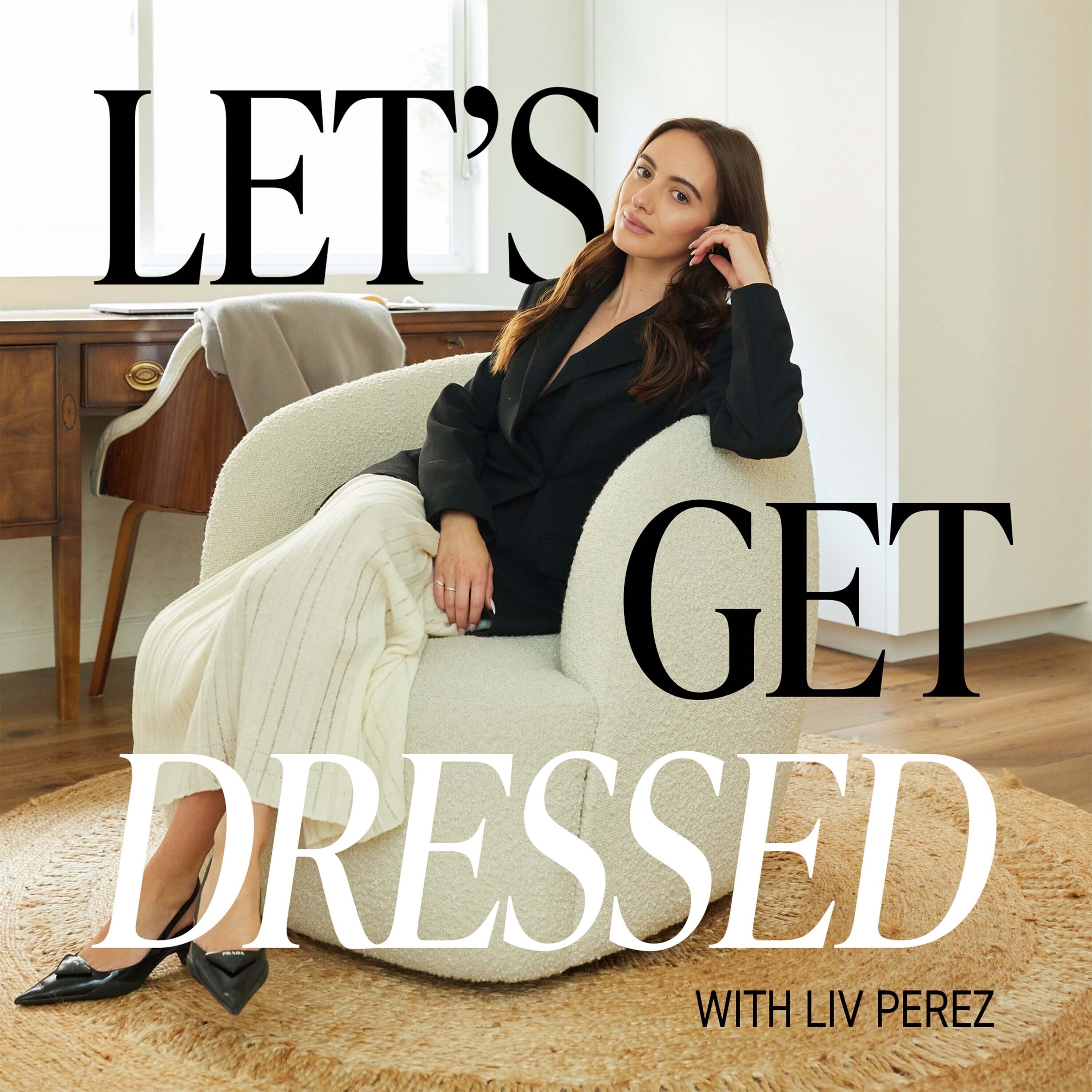
Let's Get Dressed
How Brands Go From New to Everywhere, with Shana Honeyman of The Honeyman Agency
00:35:03
Loading summary
Transcript72 lines
- [00:02]
A
Hello, everyone. Welcome back to another episode of let's get Dressed. It's your host, Liv Perez. Today we are diving into the world of fashion PR and specifically how it is that every time I feel like I open up my Instagram, there's a photo of a celebrity wearing a brand I've never seen before. And then within a week, that brand is suddenly everywhere. So today we're going to decode how that actually happens. I'm sitting down with fashion PR and showroom powerhouse Shayna Honeyman. She is the founder of the Honeyman Agency and works of the most exciting brands in fashion today. Brands we all love, like Totem, Magda Butram, Jude Norhamore, and Christopher Esber and has helped place them strategically on everybody from Hailey Bieber to Taylor Swift, Jane Fonda, and more. But today's conversation is not just about celebrity dressing. It's actually about how fashion visibility has really changed over the last decade, how the industry has changed, especially since the days of COVID Farneys and Fred Siegel, to how why, in today's world, showrooms are quietly some of the most powerful players behind the scenes. It's such a fun conversation. And Shayna has built an incredible business that actually was acquired by the A list last year, another amazing PR firm here in Los Angeles, and I cannot wait to see what they do together this year. One quick housekeeping thing before we dive into today's episode. Next week's episode is going to come out on Tuesday, not on Monday, so don't freak out if you don't see a new episode in your inbox. That is because we will be recording a full fresh episode for the super bowl right after it for you guys. So excited to be able to do this and bring it to you right away. We'll be bringing on an expert to talk about fashion and sports. We'll be talking about the Bad Bunny halftime show, the Abercrombie fashion show, Thom Browne commercials, and so much more. So excited. So don't forget, it'll be out on Tuesday. I hope you guys love this episode. Let's go get dressed with Shaina Honeyman. Welcome to the show.
- [01:56]
B
Thank you so much. I'm so honored to be here with you.
- [01:59]
A
So I want to go back a little bit to your early days because I feel, you know, you've built such an incredible business now, and I want to know what it takes to get to that point. I think fashion PR is very interesting. There's a lot of different lanes, and I think yours is very specific. So I'd love to know a little bit about the building blocks that got you to that point. So take me through your early days a little bit. Have you always loved fashion? Was it in your world?
- [02:22]
B
Sure, sure. Well, you know, I grew up as a teenager in the 90s, and my first job was at Fred Siegel. And, you know, I worked at Fred Siegel before the days of celebrities having stylists. You know, I was at Fred Siegel as a teenager, you know, servicing these, like, huge actresses that were buying the, like, dress that they were gonna wear to the premiere that night from me. And, you know, it was just such a. It was a time. And Fred Siegel was also such a special place. You know, there will never be anything like it. And so, you know, I started there and always had loved fashion and moved to New York. And so when I moved to New York, actually my first job was at Barney's on 17th street, the OG Barneys, and again, you know, that job. And then I worked at Miu Miu on Prince street when that was the only place in the US that you could find. Mew mew. So, you know, my clients were everybody from, like, legends like Paulie Allen Mellon calling me, you know, for a white shirt to, again, you know, like, these very big actresses coming in and, you know, buying clothes from me that they were gonna wear that night to a premiere. And it was the age of, like, your. Like, your salesgirl was your friend. Like, we were trusted. We were friends. We were confidants. I had an actress take me to a premiere of her movie after I.
- [03:50]
A
Sold her the dress.
- [03:52]
B
And, you know, and it was. It really was a different time. It was in that world of personal shoppers where, like, people were so it was such an intimate time. And also New York in the 90s, you know, Barney's, it was an institution. And I was, you know, that was my first taste and Fred Siegel, too, of, like, seeing these cool, you know, underground brands. I mean, I sold everything from Issey Miyake and Miu Miu to, you know, Kathryn Hamnet and, you know, all of these iconic brands that I still love so much today. And so that is where, like, that was my foundation. And then I came back to LA and I started working at a store called Diavolina. And Diavolina was another iconic store. And my friend Evelyn Nguari, she had created Diavolina. It was a shoe store and designers from all over the world that nobody had ever heard of. And so she started bringing in LA designers. And so, you know, I really started to meet a lot of these LA designers. There was another friend of mine who worked there at the time, and she also wanted to get into the business. She was more interested in fashion show production. And so she started doing fashion shows for all of these, like, cool LA designers. And it was kind of just a given. She's like, shayna, you should be. You should be the one seating the show. You know, you should. You know, you should handle the front of house. And none of us had any idea what we were doing, but we all realized we were really good at it. And so that friend had started a PR company, and I came on with her, and it was just the two of us, and. And we had no experience. We were killing it. And we were getting clients on the COVID of lucky magazine and InStyle. And in those days, that's what mattered. Celebrity, of course, you know, there were the Lindsay Lohans, there were the Paris Hiltons. You know, we worked in that capacity. But really, it made a brand when they were on the pages of Lucky. And so that's where I started. I started in traditional pr, and I really loved it. And we were going to New York every season and meeting editors, and we had become so tight with so many New York editors. And that lasted for a few years. And then I went in house with a brand called Corey Lynn Coulter, who's also a very dear friend. And Corey, you know, her line was very prolific at the time. And I worked with her for six months, and she looked at me and she's like, shaina, I love you. You need to start your own business. And she said to me, I have a space. I will give it to you for free for three months. Come to New York. Go find some clients. I believe in you. And I did go to New York, and I did pick up three clients during that trip.
- [06:45]
A
How?
- [06:46]
B
You know, it's funny, I think I never thought I couldn't, but I just knew that I knew what I was doing. And I also knew that. That I had an eye for emerging talent. I always did. My taste level was always, always kind of in line with what was going to be the next big thing. And I think that's where, like, I've always had that drive in this, and that's what I've always had, that love. Because finding somebody who's so talented, whom I believe in, who I know their life can be changed through what we do. It's still for me, when my brands, or even brands, prospective brands that I'm talking to, to sign, say, I love your roster, I love your eye, I love you know, we would be so happy to sit next to these other brands. It fills me with so much pride and joy because that's really what was the crux of me doing this, was working with people who I believed in.
- [07:49]
A
What's so interesting to me about everything you just said is you are someone who has been at the epicenter of one of the biggest shifts in fashion over the last 25 years, and that is kind of the downfall of traditional pr.
- [08:05]
B
Yes.
- [08:06]
A
It's interesting to hear you say you have this very specific eye and to hear, you know, Barney's Fred Siegel, trained by the best you were in those arenas that allowed you to see how these giants became successful. But I also wonder from your perspective, what you think was really the reason for all of their downfall. I mean, Fred Siegel barely exists. Barney doesn't exist. Exists in Tokyo. But, you know, what do you think that. What do you think that really was attributed to?
- [08:34]
B
I think the world has just changed so, so much. And really online, that is that shot, those experiences, I don't think that people need those to fulfill them for shopping any longer. And it's very sad to me because I don't think. I think about, like, the women who would come in, who were kind of my regulars and like, I think I might have been the only interaction they had, you know, certain customers, you know, back in my retail days, the Barneys, the Miu Miu, and like, I don't know where those women go anymore. I guess they're still the Bergdorfs. There are still, you know, those stores. I don't. I think the Internet really changed everything. And from the perspective of traditional pr, it was Instagram.
- [09:29]
A
That personal shopper category doesn't really exist anymore. I mean, I remember growing up, Kathryn Bloom at Neiman's. Was it if you were shopping with Catherine, you meant business. Yes, I know Elise Walker has personal shoppers and they're all wonderful, but that relationship, that one on one recommendation based, really getting to know someone and build a relationship with them, I don't feel exists as much as it did back then.
- [09:54]
B
Very few and far between. And I do think it's interesting that you mention Elise because I think she's honed in on that. Yes, very well. That's. And I think that's why her success is so vast.
- [10:06]
A
She's been able to expand, but still feel like a mom and pop shop. You know, you know, all the stylists there, they know, you know, they know your families. And I think that that to me is she's done that Brilliantly.
- [10:16]
B
Yes, absolutely. And I think what you said is really kind of the importance of feeling like a mom and pop. Still feeling like a mom and pop. And even in my business, you know, when stylists walk in, they feel comfortable. They feel like they know my team, they feel like they know me. We will sit and talk for two hours. It's not just about the clothes. And I think that is so important also in business. Building is really building those relationships because that's everything I really, really do.
- [10:50]
A
You really have to know everyone that comes in and out.
- [10:51]
B
Absolutely. And my business has changed so much. And, you know, my business was acquired in June by the A list. And so this is, you know, our next chapter. But, you know, my partners, Ashley Margolis and Janine Leigh Pollard, they're. They're my new partners. And, you know, they really loved the way that I ran the business. They understood because they. That's the way they run their business. And it's so wonderful for me now to have thought partners and to have support. I built this business on my own, not being a business person, but it did get to a point where I felt like this is beyond me. It wasn't about the things I loved about it anymore. And we were fortunately signing all of these amazing brands and still doing amazing work, but it was overwhelming. And, you know, this may be sharing too much, but I think this is, you know, I think that life brings you exactly what you need. In August of 2024, I had a mole on my back, and it ended up being stage one melanoma and very scary of very serious skin cancer. And for five years, I had been saying to my friends, to my husband, even to stylists, I'm so stressed out. I'm so stressed out, I'm gonna make myself sick. I'm gonna make myself sick. And do I think that the use of tanning beds in the 90s attributed to that? Of course I do. But I also think your body listens. And it was so interesting because when that happened, I thought to myself, something has to change. Like, this business has to look different. I have to run this in a different way. Three months later, Ashley called me.
- [12:43]
A
Wow.
- [12:44]
B
And when I picked up the phone, when Ashley called me and we share a best friend, my friend Nagar Ali Klein, who I mentioned earlier and Negar had called me, and she said, ashley's gonna call you. And when she did, I knew it was gonna happen. And I think, you know, I went in for that first meeting with Ashley and her partner Jeanine, and I think When I walked out of there, we all knew that something really, really special was going to happen. And it's been wonderful.
- [13:12]
A
I'm so sorry that that happened.
- [13:14]
B
Thank you. You know, I'm so lucky I caught it so early, but I do really look at it as a weird blessing, because I think that you need things in life that wake you up to say, okay, this is not working.
- [13:29]
A
Right?
- [13:29]
B
This is not working for me, and this I have to change. This is working. This is not working. And you can't live in stress. And it is, I think, also in fashion, stress is so promoted. You know, we. I talk about this with stylists and with other agency owners that if you don't feel like you're running around like a chicken with its head cut off or in total stress, that you don't feel like anything's getting done or you don't feel like, you know, you're really making a dent, and it just doesn't have to be that way.
- [14:08]
A
I want to get into, you know, you're talking about kind of old school pr, right? The Barneys of the world, Fred Siegels of the world. What was the moment that it really clicked for you that celebrity pr, specifically, which is what your expertise in today, was really it for you?
- [14:25]
B
I started the business officially in 2014, and that is right at the moment that Instagram launched, and I was still offering traditional PR and nobody wanted it. Everybody was asking about celebrity photos and seeing that in an instant that, you know, somebody could be wearing their piece and it could be on Instagram, and that they were getting more traction and sales off of that really quickly.
- [14:58]
A
When you say you were offering traditional pr, what did that look like?
- [15:02]
B
It still looked like pitching editors, getting product into magazines and pitching stories about the founders. So really, all of those traditional communications in which I was brought up in, and I'd say within a year after celebrities were wearing the designer's pieces, these brands pieces, and they were seeing so much traction on that. Nobody wanted traditional PR anymore. And a lot of my editor friends from New York, that's when they started going in house with brands. And it really, really was just this huge seismic shift in this industry that I worked in in the only way I knew. And I do find that a lot of people that I worked with pre Instagram, you know, pre. Pre me starting my business that did continue to focus on traditional pr, they didn't make it. Wow. And, you know, there's a few of us who were very, very good friends who all kind of knew each other. Coming up in our own businesses. And we all, we all pivoted to celebrity, and that was great. We were very lucky that we jumped into kind of this. This new territory. And I do see the huge, huge impact that a celebrity wearing a brand can make.
- [16:34]
A
Can change a brand's life.
- [16:35]
B
Can change a brand's life.
- [16:37]
A
It's funny, there are so many traditional things about old school PR that I'll still see every now and again. And I'll be like, I got an email the other day of someone being like, hey, we want you to come and do a desk side. When was the last time you got a desk side email?
- [16:51]
B
That makes me so happy. That makes my heart so happy. I miss a desk side.
- [16:56]
A
I honestly, a desk side is basically like, editors would invite people to come and literally sit deskside and, like, go through a brand or go through, you know, whatever it is they were representing. But I think I went to, like, a few. When I was living in New York, I went to a few Harper's Bazaar desksides and I would see kind of all the things they were working on. But I haven't gotten an email like that in 10 years.
- [17:18]
B
I can imagine. I can't believe you did. And you're bringing me back to the days of, like, schlepping a suitcase, like, down Fifth Avenue, you know, going to Harper's and going to Vogue and, you know, setting up in this little hallway.
- [17:33]
A
What do we think is the modern deskside? A showroom?
- [17:36]
B
Visit Instagram.
- [17:38]
A
Instagram.
- [17:39]
B
A lot of editors I speak to say they find brands on Instagram.
- [17:43]
A
Yeah, that makes sense.
- [17:44]
B
And yes. So I think it really continues to be this new way where somebody can find a brand at three in the morning when they're scrolling, instead of setting up 20 appointments during the day.
- [18:01]
A
So you launched in 2014 and already had a great amount of clients based on your experience in fashion. For those people who are listening right now, who are like, what is a showroom? Like, explain to me where we're at right now. Give us a little top line. Didn't read on what the Honeyman agency really presents to people who come in the door.
- [18:22]
B
Absolutely. I am so happy to, because even my family is confused about what I do. It's very niche, and not many people do what we do. So we are the liaison between the brand and the stylist or the celebrity. Really, for the most part, with the Honeyman Agency, we have different brands that I've spent many, many years curating and have this amazing roster of brands from all over the world. And Stylists come to us for their celebrities if they're fitting somebody for the Met, if they're fitting. Fitting somebody for a dinner on a Tuesday night, you know, and that client will get paparazzi, you know, so it really, really runs the gamut. So we are at the forefront of making sure the stylists are aware about cool new brands, are aware of the new collections, of what they need to see. And with my stylist relationships, I feel very lucky that stylists trust me because they trust my taste, because they love my brands. I don't think there's one stylist that you would find, say, oh, God, she called me and, like, made me pull something, you know, like, she pushed something on me that I didn't want. You know, that is never how I wanted to build my business. And every brand in my showroom I feel very proud of. And for the most part, every stylist feels very excited about. So I think there's that trust in knowing that somebody has a huge fitting for Paris Fashion Week. They're coming to me, and they're pulling a multitude of my brands, Then they take them to their fitting, then the celebrity will try those clothes. And it's obviously not just us. They're pulling clothes from all over the world and many other showrooms. So we're really that liaison, and we're the. We're the person the stylist calls when they say so and so needs a dress for the Grammys tomorrow. What do you have? Can you come in on Saturday morning? Because they just confirmed they're going to the Oscars or the Grammys or the Golden Globes. So we're really there at a moment's notice. And for brands, having product, one, with somebody that they trust is so, so imperative. And. And two, on the ground in LA is so important because, you know, I talk to so many brands, so many young brands who say, because I don't have my product in la, I missed a huge fitting because it couldn't get from A to Z, it couldn't get to LA from Australia, it couldn't get to LA from Paris. So really, having having those brands here with an agency whom they trust implicitly to get their pieces in the right hands, it's everything.
- [21:21]
A
I'm sure a lot of what you do is brand strategy as well, helping a brand on the back end figure out where to be and where not to be. What does that look like from the brand's end of knowing who the right person to be on, not to be on, and where they really should show up in the world. I'm sure they rely on you a lot for that strategy.
- [21:41]
B
They do. And I think that's where the trust comes in. I've never believed that 100 placements a month for a brand will bring the value and the equity. It is dressing people who really make sense for the brand, who would realistically buy that brand, who feel very, very symbiotic with the designer. And it's amazing to see over the years, these girls who have really, really become such huge fans of these brands that we've introduced them to, and now they're friends with the designer. Now they're, you know, sitting front row at their shows, and they have, you know, very, very deep relationships because they really feel so, so connected to this designer, to this brand. And that's. That's the magic of what we do. I don't believe it's a race. I believe it's a very nice jog. You know, I believe that it is building. Again, at the end of the day, it's relationships. You can see when a celebrity is wearing a brand and it's not a fit. You can see when a celebrity is wearing a brand and it feels like they love it and they feel, like, so amazing in it. And that, to me, is everything, is really getting it on. The people that feel like they fit.
- [23:07]
A
Do you think that celebrity dressing in fashion today is king? Like, do you think that that's the thing that's really making the world of a difference for a brand right now in terms of success? I feel like in 2016, we could say, okay, street style, right? I think of Hailey Bieber stepping out in anything that would immediately convert to sales for a brand.
- [23:27]
B
I still think that when it feels like the person wearing it really loves it, I still think that's everything. You look at those iconic moments of somebody like Hailey Bieber. You take Hailey Bieber, for example, with Magda Butram, you know, that is such a seamless, seamless relationship. Hailey organically loves that brand. You know, she was introduced to Magda by us, but after that, it was just very, very organic that Haley loved Magda. And, you know, I think those placements were so exceptional because you could tell Hailey really loved it. She. And she was wearing it because she loved the brand. And so it is. I still think those bring amazing value when you look at somebody who. Where the brand fits. Like, you know, for me, Tracee Ellis Ross, I want to buy everything that Tracy wears because I feel like our styles align and because she clearly, she Loves clothes and she's wearing them and, you know, and Carla is doing such an incredible job. I always say to Carla, like, oh, my God, if there was anybody's closet, I would want it Tracy's. But that goes. That goes to show, like, when somebody is owning it and feeling it and wearing it like you want it, and it does make you feel that. Like that need that I want to look like that.
- [25:07]
A
Is there something that you've noticed that's helped you land that placement? You know, I'm sure on your end, there's nothing that you can really guarantee. Your job is very up in there. We're going to do our best, but I can't guarantee that she's going to wear it. Is there something that you feel like has historically worked where you're like, I know that this is going to happen.
- [25:28]
B
There definitely have been those moments where I have said to myself, there's no way this isn't happening. And it does. It happens. But once it's out the door, I have no control over that. It can be that it's the perfect dress and somebody's just not feeling like wearing a short dress that day. And so there's so many moving parts that go into it. Why I'm so lucky is that I feel like stylists, celebrities, they really connect to the brands that I work with, and they connect to them the way that I connect with with them. And so, you know, we've gotten these iconic placements, and I feel so grateful for them. But I also know. I know the feeling behind the brands that I work with, and I know the feeling that the stylists have for these brands and even in coming to us and how the pieces are taken and, you know, the joy they feel when they come and see us or. Or knowing, like, oh, Shayna just discovered this really cool new brand from Paris. I gotta get it. Like, this has to be. This is the new thing, you know, so it's, I think, again, it just is a chain reaction. But I feel really strongly with whom I work with and. And how their product really, really resonates.
- [26:59]
A
You have quite an eye. Like, you have been able to find brands, I think, right before they're about to take off. And I'm sure that a lot of that takeoff has to do with you, but some of your clients include Norhamore, Jude, which I've seen literally everywhere, kind of out of nowhere this year. What is, like, the red and green flag for you? Like, what makes a brand really resonate with you and be a brand that you want in your showroom?
- [27:24]
B
Sure. I think that I don't know if it's tangible or if I can put it into words. What I see when I see that first lookbook and say to myself, okay, there's something there. And I think, of course, with, even with the newest brand, you know, if somebody has a great eye, you know that if their assets look amazing, even if they've. It's not even launched yet, but, you know, the assets are there and they understand how it works. Like that, to me is everything is like knowing that they know how important it is that the assets that they put out into the world basically show who they are and will define the brand. And because I have seen brands that I'm really, I love the product in person, but I see the assets and I. And I say to them, like, you're not ready. That's, you know, you have to hone in on who you are and then come back to me. Because I can only push a brand when they know who they are. And we have, we've, you know, we've been integral in, you know, helping to build so many brands through celebrity, but they also have amazing teams internally and they're working so hard and they, you know, just as they know who they want to and trust to get their pieces into the hands of stylists, they also know the stores they want to be in. They know the. They know what they want their brand to look like on Instagram. And so it is amazing seeing these younger brands who really, really understand all the pieces of the puzzle.
- [29:14]
A
It's almost like a showroom can be a really big seal of approval for brands.
- [29:18]
B
Absolutely.
- [29:19]
A
You co signing this brand puts them in front of a whole new world of opportunity.
- [29:25]
B
Absolutely.
- [29:26]
A
And puts them alongside so many other great brands. I mean, Totem is a brand in your showroom. I'm sure so many brands would kill to be alongside them.
- [29:33]
B
Absolutely.
- [29:34]
A
Is there a brand that's on your radar right now that you would want to add?
- [29:38]
B
Yes. There's actually an amazing shoe brand who I think we are adding.
- [29:42]
A
Oh.
- [29:43]
B
It's called Hagglestam.
- [29:45]
A
Okay.
- [29:46]
B
And I feel like you are going to see it everywhere. I really, really believe in this brand. I think she's definitely one to watch. And she's also super, super smart. And when I talk to her, you know, she understands. Understands. She's a very small brand, but understanding what it takes to build the business. So I am very, very excited about that brand. Yes. But I. And I'm also so excited about seeing all of the brands that we work with and what they're doing. I look at Jude and what they have accomplished in a year is incredible. And, yes, the celebrity part of it is amazing. But they're also, you know, they're getting into all of the right stores. They're so, you know, they have such an incredible internal strategy about who they are. And I am so, so excited to see what's next for them.
- [30:44]
A
It's so interesting. Cause as I was prepping for this episode, anytime I prep for an episode, I first pose a question to myself, like, what's the question I want to answer with this episode? And for you, it was really about what moves the needle today. It was what makes a difference for a brand. Is it celebrity? Is it social? And I've loved hearing you say that. It's a moment that has to make sense. So many things have to go right, right? Like, yes, the product has to be great. The stylist has to pull it, the person has to wear it. But at the end of the day, it has to be right for them. And you can't predict that. You can't predict that that person is going to radiate in that piece that day. It's interesting. I feel like back in the day, you know, we used to be able to say one thing, but I appreciate that today it's more about that authentic feeling that as a consumer, we come across a placement and are like, oh, that just works. And I want that. I want to feel that way.
- [31:39]
B
Absolutely. And I think it differs for brands. You know, I think Jennifer Lopez can wear a brand and it goes viral, you know, and because that brand really fits her, I think Hailey Bieber can wear a brand and it goes viral because it fits her. Or it's somebody that is. That's lesser known that wears something that looks amazing and it hits the needle, you know. So I really do think it's just dependent upon the place and time. And. And I do. I. I think that there's so much to look at in the world now. I think that the Instagram feed is so, so quick. And it is very. That's why when it looks like it feels right, you feel it. You feel it in your gut. You feel it when you look at it and say, oh, I want that. Because I know that girl loves that she's not wearing it because she was paid to wear it.
- [32:41]
A
If you had a piece of advice to give anybody listening right now who wants to have a career in pr, what would it be?
- [32:49]
B
No ego. I think that is the Most important thing is not thinking that you don't, you know, everything. Not thinking that anything is beneath you. You know, I have been in this business for many, many years. I still chase a UPS truck down the street when I need to.
- [33:09]
A
Don't we all? Don't we all when I need to.
- [33:12]
B
Get, you know, that box on the truck. But no, I think going into it and really understanding that the relationships are everything, not thinking that you're better than anybody, not, you know, really understanding that this is a relationship based business and it doesn't matter who you work with or who you work for. If somebody wants to pick up the phone because they like you, that's everything. Everything. And it will be so beneficial for your business, for your brands, for every part of it. And so I really think that for younger people going into this industry thinking it's glamorous, it's exciting, it is all of those things. It's also not any of those things. And it really is about the hard work. But again, you know, the relationships I've made over the years, they're everything to me because these, these people are people I genuinely care about and that care about me and care about my business and I care about their business and, and I think that really just at the end of the day is everything. Why would we do it otherwise?
- [34:28]
A
Well, I'm so excited to see all the amazing things you do in 2026. The new brands, the placements, especially now that you've been acquired. It's all very exciting. So congratulations.
- [34:37]
B
Thank you.
- [34:37]
A
Thank you for being on the show. This was so fun. I loved hearing all the ins and outs. It was really great.
- [34:41]
B
Thank you for having me. I'm so happy to be here with you. I love, I love everything you're doing.