← Let's Get Dressed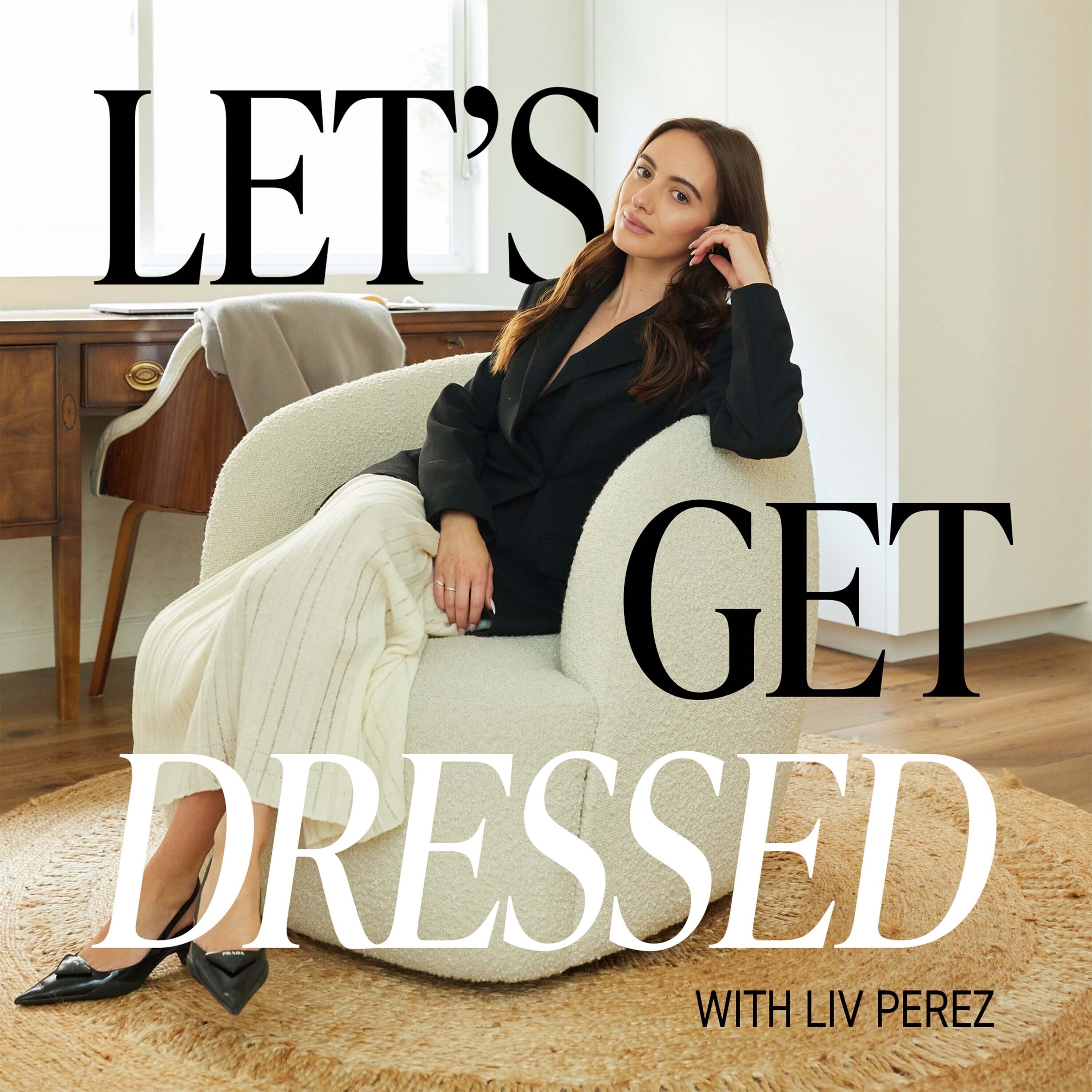
Let's Get Dressed
Navigating A New Era of Virality, Rage Bait, and Gen Z Content with Cosmopolitan's Editor-in-Chief
00:46:05
Loading summary
Transcript142 lines
- [00:02]
A
Hey, everyone, it's Liv Perez. And welcome back to another episode of let's get Dressed. Today's guest is actually someone who I have known since we were teenagers growing up in Los Angeles. But she is also one of the most powerful people shaping modern media today. And that's because before she was even 30 years old, Willa Bennett took over not one, but two of the most iconic magazines in media, Cosmopolitan and Seventeen. She stepped into that role at a moment when legacy media is definitely in flux and basically being declared dead. Attention spans are shrinking, and culture is moving at the speed of light on the Internet. So I wanted to ask her, what does it actually look like to run a publication in 2026? We sat down to talk about viral content, celebrity culture, analytics, and what it really means to build trust with an audience. Today, we also talk about controversial covers like the Timothee Chalamet Vaux cover and AI Dating, whether rage bait in media is real and why a story versus just star power is really what's driving culture right now. I love this conversation, and if you guys loved it too, make sure you go leave us a review on Apple podcasts and Spotify as well. Let's go get dressed with Willa Bennett. Welcome to the pod.
- [01:15]
B
Thank you. I'm so excited. I have known you literally since middle school.
- [01:19]
A
Yes. Okay. You're right.
- [01:20]
B
Is that true? It's mid. It's like seventh grade. You were ninth. I was eighth, maybe.
- [01:24]
A
Oh, I forgot where you're apart. I met you in ninth grade.
- [01:27]
B
I was in middle school.
- [01:28]
A
Yes. Where were you in middle school again?
- [01:29]
B
Oakwood.
- [01:30]
A
Oh, I forgot. Oakwood was middle school. I was at Buckley my whole life.
- [01:33]
B
That's amazing. So, yeah, you were around, but, like, that is so.
- [01:36]
A
So I've known you for a long time.
- [01:38]
B
I know. And it's been so cool to watch you. Really. And I feel like you were really early to the podcasting, which is so cool.
- [01:45]
A
Thanks. Yeah. We've had the pod for, like, five years now.
- [01:47]
B
That's amazing.
- [01:48]
A
I'm so happy, and I'm so happy to finally have you here.
- [01:50]
B
This is the perfect time. Yeah.
- [01:52]
A
I'm so glad. How has your fashion Week been? What are you looking forward to in fashion Month?
- [01:55]
B
Ooh, that's a good question. I really loved Proenza yesterday. I really love Tori, always. You were there, obviously, Coach, I actually. It was. It was a really good collection, I thought. And, like, I felt like this season, the clothes, I really will be wearing some of it in a really real way. I think last season, I really appreciated it, but it wasn't, like, something I would necessarily wear. And then this season, I was like, okay, there are, like, these shorts I really like that were, like, suit pants. Really good colors. It actually reminded me of, like, the. The season of Prada that, like, had the. The collared shirts. Like, I. I don't know. There was a lot going for it.
- [02:28]
A
Are you going to Europe?
- [02:30]
B
I'm not going to Europe, unfortunately. We have, like, so many shoots that this season I will not be there. But I am looking forward to a lot of the shoots we're having. And I don't know, I'm in this, like, phase right now where I really, really, really love to be on set. We were just shooting a.
- [02:44]
A
A.
- [02:44]
B
A digital cover in Puerto Rico, and. And I wrote the story, but I also was in the weeds talking to the manager, getting different shots. I think that is important as a leader to really be able to do different parts of people's jobs and be seen as part of it with them and not against them or better than them. I really learned that from Will Walsh. Honestly, I think I remember working under him, and he would come and sit. Sit down next to me at my desk at GQ and talk to me about different captions, and it just meant so much to me. And 20 minutes with him would have made me think so differently about social. So I really try as much as I can to be in the weeds.
- [03:26]
A
I think you have to do all the roles before you get to the one that you're at so you can understand them better. That is something that I feel is so important. I'm a big advocate for not going in the straight line.
- [03:36]
B
Yeah. And I think more and more, like, young people are redefining the workforce in such a cool, interesting way. And, like, in a way that is genuinely inspiring to me. And I want people to feel like, even within their role, they can try things and make mistakes. And, like, you know. So I think it's helpful if, like, you see a leader being, like, I'll, you know, it's the Grammys. I'll jump in and write some captions. Or I'll jump in and write this piece, or I'll run to set and, like, get water. Like, know it's all part of it. And I think you could tell in the work. Like, I think you can really tell in my iteration of Cosmo, like, we're having fun.
- [04:12]
A
Yes. Deeply.
- [04:14]
B
And, like, that is sick to me.
- [04:17]
A
I'm really curious just even going off of that. You are in your early 30s.
- [04:22]
B
Yeah.
- [04:23]
A
You run two magazines, Cosmopolitan and Seventeen. And I would love to hear from you how you've been able to hone in on your editorial voice, like, what makes it fun for you, like, what spins the wheels every day. But also, you're in an industry where this is, like, legacy media. Like, there are people who have been steering the ship for a long time before you. So how have you figured out what your voice is in both of those ways to make sure that you're heard and all of that is validated? Yeah.
- [04:55]
B
I think what is so cool about both of those brands is. Is, like, I was legitimately a fan growing up, so it's not like they were these unattainable magazines that maybe spoke to an audience or a specific subset of fashion that was aspirational. It was something that I relied on to understand who I was. Both of them, in very different ways. I try not to group them together. 17 is really. I say it all starts at 17. It's really documenting what it's like to be a teenager right now. And then Cosmo really is about love and relationships. And I think what's so cool about both of them is, like, I was legitimately a fan. I'm still legitimately a fan. And, like, I am the demographic. So there's a lot of moments where I'm, like, going through something, and I'm like, what is the content that would actually be helpful? And I think that is where the wheels kind of spin. But I also feel very grateful in this time of, you know, so much change in media to, like, have two incredible brands that have such a legacy. I think it's really fun to play in that. I mean, I think of our 60th anniversary issue with Margaret Qualy, and, like, it was so important to us that we were, like, honoring what Helen had built at Cosmo. And even in the most recent issue, which I'm sure we'll get into, like, it really was about honing in on these, like, moments of Cosmo and these. This. This narrative that we've had and this legacy we've built and, like, you know, not shying away from mistakes or controversy, but really, like, honoring what Cosmo was. And so I think having a legacy is really, really, really special and, like, not something to shy away from. And I don't think it's always been true. Like, I think sometimes, you know, there have been a media where, like, tons of startups are emerging and just things quicker than corporations. But right now, I think there is something that I really trust about legacy media. And, like, really, you know, I. There's so much information that it's like, if I'm going through something in my life, like, I want to hear from a trusted source. And I think having that history is an asset.
- [06:54]
A
I would love to know what the moment that you got the job felt like. Like, what was the enormity of that moment?
- [07:01]
B
No one's ever asked me that. It's interesting. I. So I had to give this presentation to a bunch of people in a room and I gave like my pitch of what I would do with the brand and. And I left Hearst Tower and I was like walking to my apartment in the West Village and I started sobbing. And I, like, couldn't really understand why. Like, it was one of those things that I was just like, started. I like burst out into tears because I was like, wow, this is. Feels so right, but like, I don't even know what's gonna happen. Like, I hadn't even gotten the job yet, but I just was like, it felt like so, so, so right in a way I don't think I've ever felt in my career. And. And there's a lot of things I'm proud of. And there are a lot of moments of like, pieces I wrote or, you know, meetings I had taken, or advertisers I brought in in my previous roles that like, maybe from the outside were like, wow, like, that's so impressive. But that moment, like the actual work of thinking about how I was someone that had had the ideas to bring back and the like, editorial perspective to like, bring something back to a generation that like, is so needed, that is what overwhelmed me. And I have chills thinking about it again. And that was kind of the moment where I was like, wow, this would be amazing. And it was so big that I almost didn't have a moment to have self doubt. It was like this big feeling was kind of all encompassing. And then eventually when I started, obviously the actual feeling of like, okay, what the heck now how are we gonna do this? How are we gonna build this? And you kind of get in the weeds and you start to see things that you can change, you can't change. And the reason that things are the way they are, that was like a whole different feeling. But the big feeling that has always been through this era of my life has been like, I really deeply believe that people need a magazine like Cosmo or a brand like Cosmo in the world. And so what can we do to make it last forever and be there and you can trust us.
- [08:54]
A
The reason I asked that question is because as the viewer, when the news dropped, it felt like an enormous moment as a consumer of content. Like, even I think a thing in fashion now is, like, do I think that a lot of the people that run a lot of fashion corporations and big brands are the actual demographic of the people they're talking to? And so are those decisions being made in not so much in their best interest, but, like, are we all on the same page? And for the first time, I think when you were announced, I was like, oh, that's the same page. Like, that makes sense. Like, she is. She is living the experience of the people she's creating content for.
- [09:32]
B
And, like, I think I love what Alex Cooper has done, and I think that she. Especially in love and relationships, I think fashion. Wait a sec. But, like, what she's done in love and relationships is, like, actually so inspiring and so admirable. But, like, I do think there's a subset of younger audience that, like, they are seeing stuff on the Internet, and, like, it is not safe to just be listening to everything out there. I mean, I get served wild stuff sometimes, and I'm like, I was, like, 11 or 12. Even, like, 14, 15. If I was the age we met, like, I would have. Like, my life would be very different. Like, I would think so differently about the world. I think so differently about myself. So there is that responsibility, and I think there. There is that. That always hangs over me. Like, this is a responsibility to, like, really serve this audience. And no one, I think, is really doing it in this way. Especially coming from a platform like Cosmo, the fashion thing is really interesting you say that, because I've been thinking about this a lot. Like, I think we just saw all these new debuts, and now it's, like, hitting the stores, and we're seeing actually how it's being crystallized. And it reminds me, it just is such a specific time. We've never seen such unprecedented change at once. And there's part of me that's so excited about it, and then the other part of me is, like, who. Who has the answers right? And who's.
- [10:49]
A
Who's steering that ship?
- [10:51]
B
And I. There's no one. Which I really try to look at as, like, an opportunity. Everyone's trying to figure it out. Everyone's trying to figure out what this means, where we're gonna be getting content, where we're not gonna be getting content, which platforms, which billionaires are gonna own, what. Like, there's a lot going on, and I. I think, again, to have a brand that's like, so clear on what it is and what it stands for in a market where there's such a clear, clear brand proposition is just so lucky. And I feel lucky every day.
- [11:17]
A
I would love to know what your actual day to day is like now as a, as an editor in chief. We both grew up on the Devil Wears Prada and the Hills and Teen Vogue. And I think the idea of what we think of an editor in chief, our perception of it is probably nowhere near what it's like today in 2026. So what is it like for you today?
- [11:34]
B
Yeah, it's a lot of meetings, a lot of back and forth, a lot of meeting with talent, photographers, writers, finding stories. I would say it's a lot like. It's a lot of like, early morning coffees and like, drinks, dinner type. And then during the day, I really am in the office. I like to be with my team. Like, even when I'm traveling for a while, like, I. I feel like I should be back in the office. Like, I do have this, like, draw to being with the team. Cause I think so much comes from that. My favorite meeting, though, is Wednesdays. We have office hours, which a leadership style I've actually inherited from Will also where he would gather the team every single Wednesday. It was like 4pm it still burned into my brain, like years ago. And we do it at Cosmo, and I also did it high snobiety where I used to run. And it's basically like we come together and there's, you know, some weeks we tell ideas, other weeks we have guest speakers, different things. But I just, I really, like, do make the case for, like, carving out regular time to be together as a staff. And like, look, it's hard, like, especially when you're running, you know, a news team or, you know, people who are so reactive to the news, a social team. Like, it's hard to be like, okay, let's just all gather, but it is always worth it. And I think it's important to have time where everyone can just be on the same page. Even if it's like something as simple as we're going to talk about Valentine's Day next year, you know, like, sometimes it's like super far in advance. Sometimes it's walking through an issue or going through a video series. But I just think it's important to all be in the same room and be like, we work for the same brand and we all want the same thing.
- [13:12]
A
Today's episode is presented by depop. If you know me, you know, I am big on a closet reset. I genuinely think that when your closet feels organized, your brain and life does too. So how many things are in your closet right now that you have loved when you bought them? Maybe you wore them once or twice, but now they are just sitting there. Here's something that I have realized. That random vintage blazer address that you bought for that birthday or dinner, someone is searching for that exact vibe right now. And that's why I love Depop. It's a resale app where you can buy and sell fashion. But what makes it feel different is how easy it is to actually list something. You literally snap a photo and their AI powered listing fills in the details. It gives you smart pricing suggestions you can accept, offers, boost listings and it takes what feels feels overwhelming and makes it feel like a very low lift. Also, no seller fees. So if you're clearing out one bag, five pairs of jeans, or doing a full closet edit, what you earn is actually yours. So download the Depop app and list one thing that you're not wearing today. You might be surprised at how fast it finds a new home. I can't help but think of all these rooms that you've just mentioned that you've been in where you are. You're probably one of the younger people in the room in these 4pm Wednesday meetings.
- [14:26]
B
I think for me I was just very, I was more like, it was more like I was the online one to be honest. Right Where I was like hey, what about the song driver's license, like height of it popping off and people being like what are you talking about? And I'm like guys, this is the number one song in the world.
- [14:44]
A
That is such a weird. You know, I saw, I saw a TikTok the other day that deeply resonated with me and it was like if you are someone born in the 90s and your role in your in this lifetime is to be the bridge and translator between the offline and online world. Like you grew up in a time where you did not have phones and now you do have phones and you've adapted and you figured it out but you are tasked with this responsibility of explaining that to people, like explaining how to be offline and be online. I had a job in my early 20s and I was like brought in as like the young 22 year old girl who was to like advocate for like the digital influencers, new agey stuff. And I was for 100% the youngest person in the company and no one listened to me.
- [15:32]
B
That's like how it goes though, like Right.
- [15:33]
A
Like, how do you overcome that? How do you do it?
- [15:37]
B
I just, like, I always lived on the Internet. Like, I just did. Like, I was on livejournal. I was obsessed with fan fiction. Like, I loved magazines because I loved the discourse on Tumblr. So it was like, so it is so weird to me.
- [15:52]
A
You were the Tumblr girl growing up. Just everybody who needs to know, like, the LA lore. You were the Tumblr girl.
- [15:58]
B
I did randomly have a following on LiveJournal, which is so funny because it wasn't my name, but then somebody at school figured out it was me, and I was so scared. But the reason that I was scared is cause it was all fan fiction between Edward Cullen and Jacob making out. And I was like, oh, my God.
- [16:16]
A
Yes. You were obsessed with Twilight.
- [16:18]
B
No, I, like, literally was like, I remember and I talk about this. I'm still so close to my high school friends, but it was. I wouldn't say traumatic, but it was, like, pretty rough for me. And I was like, oh, my God, it's gonna be horrible. And then I was like, what's the worst? Yeah, it was. It's.
- [16:30]
A
So, did you fangirl when you put the Taylors on the COVID of this month's Cosmopolitan? Taylor and his wife, Taylor Lautner.
- [16:37]
B
I honestly didn't.
- [16:38]
A
Okay. The time has passed.
- [16:39]
B
Team Edward.
- [16:40]
A
Yeah, Duh.
- [16:42]
B
No. Okay, here's what I'll say. Hello. Here's what I'll say. And this is what I said to his face. Taylor Lanner, very sweet about this. I was like, you know what's used to it. I was like, you know, what's cool about Taylor versus Edward is, like, as a young person, and I think a lot of. A lot of young people feel this way about Summer I Turn Pretty. But when you're watching Edward and Jacob, you actually fall in love with parts of both of them. You're like, I love the, like, moody boy. That's Edward. But then you also, like, you do want to date your best friend, and that's Jacob. And I feel like there was a lot that Jenny took in the Summer I Turned Pretty, where it was like, Jeremiah and Conrad. It's the exact same model.
- [17:17]
A
Exact same model. Yes.
- [17:19]
B
And so, yeah, I think we can all relate to that. There's parts of people that I think we pick up on, and we wrote a lot about that. And I think what was cool about the Taylor's piece is I kept being like, to the writer, I was like, it is connected to summer. I turn pretty, and there's Such a model of, like, we look for these types of two tropes, and it's kind of like Mary Kate and Ashley when we were growing up. It's like you're both Mary Kay and Ashley, and that's why it works. So I don't know. It's very interesting to think about.
- [17:43]
A
While we're talking all things fashion, a quick pause because we need to talk about spring and what's on my radar right now. As the weather is really starting to shift, I always feel that instinct to lighten everything up. The fabrics I'm wearing, how I'm layering things, and even how structured I'm dressing. And this season, I have been so drawn to linen. It's my favorite spring fabric. And I have actually found some of my new favorite pieces at Banana Republic that I feel are exactly aligned with how I want to get dressed right now. I have said it before, but Banana Republic does linen the best. They are so good at it. And at this time of year, it becomes such a staple for me because it's breathable, polished, and incredibly versatile for anything. I need to get dressed for one piece I'm really loving right now that I can't wait to style is their linen oversized shirt. It's the perfect layering piece and also great for transitional dressing between winter and spring. It's that slightly relaxed button down that you can wear. Maybe open over a tank top, you can tuck it into trousers or even just a light layer over a dress. I'm also really into the linen. Pull on pants on pants might seem a little bit casual, but let me tell you, these are my favorite pants in my closet. They look so nice and structured, but feel so soft and feel like the kind of pant that you can just wear relaxed with a sandal, but then also dress up at night for travel, especially if you are someone who has a big trip coming up. I cannot recommend these pants enough. They are so perfect for by the beach, but also are that pant that you can wear traveling. These are the dream travel day pant. Again, they look put together, but feel so comfortable. And then lastly, let's talk about my dream piece for spring dressing. It's the linen maxi dress. This is about to be my hero dressing piece for spring. I can't wait to wear this literally everywhere. I want to wear it with flats and like a sweater over my shoulders for a daytime event, but then with a heel and maybe like a beautiful necklace or an earring for dinner at night. It's also the dream vacation piece. Like I Want to wear this on the beach somewhere and just feel so relaxed and so beautiful and so effortless. I think what's best about this piece is that it's one of those pieces that transforms. It's perfect for anything you have. And that's always what I'm looking for. I think during transitional seasons, right, it's pieces that can go anywhere with me and look really good. But beyond linen, I really rely on so many of their other fabrics, like heritage suede pieces, like this amazing blazer that I'm wearing right now. I've paired it with my high rise 90s jeans in a dark wash, and I love these two pieces together. They're the kind of pieces that have just earned that permanent place in my wardrobe. Amazing staples for every day. We're about to head into event season as well, so spring weddings, dinners, trips, and I'm thinking a lot about packable pieces that don't lose shape and ones that can move from day to night without overthinking it. I love packing linen pieces for that reason because I can easily take them from, like, daytime by the pool to nighttime and not overpack. That's really what my string wardrobe is all about. Right now, I'm thinking ease, versatility, flexibility, and peace that go with me everywhere. So if you are thinking about refreshing your closet right now, maybe you're packing for a spring trip. You can shop new arrivals right now at Banana Republic. On this note, I would love to hear a little bit about how you decide what and who to cover. I mean, the Taylors were so specific. Like, to a certain person, they'd be like, oh, the guy from, like, 15 years ago. But to someone who, like us, is chronically online, you know that that cover is super warranted. So how much of your. How much of what you cover is based on instinct versus analytics?
- [21:08]
B
Honestly, it's both. I have a really, really, really great team, and a lot of the like, that I. That specific idea came from a Wednesday office hours. So, like, all the time, people are pitching ideas. I love a good pitch. I'm big email girl. Like, I love, like, a really strong email pitch. People on my staff, all different levels, know they can just, like, email me at any time with a pitch. And, like, that was one that came out of an office hour. And then someone followed up via email, and we pursued it, and we figured out that Taylor Lautner had a ton coming out. We figured out the podcast, we timed it with the schedule. So a lot of it's like, timing, relevancy, what do they have in the works. And then other times, there's a good story. It was like a Valentine's Day story about a couple that he met a fan, Taylor, and they have started this beautiful life together, and they've had to navigate so many things. And now she's entering the spotlight and he's coming back into the spotlight. So there were layers to it where I think just journalistically it's interesting. But yeah, I come from social like you, so I am very analytics focused. I think, you know, we're kind of getting out of this, like, traffic era into more real engagement. And I feel like we've been there for the past, like, year and a half, ish. Two years, three years. But I really think in the coming year, we're gonna see more and more like, old school editorials and people really investing in that type of storytelling. So I'm excited about that. Personally, as an editor, I feel like I get to be a real editor and less of, like, audience engagement in the coming years, hopefully. But yeah, I look at analytics obsessively, and I think time spent is like my favorite metric, especially on articles. Cause I'm like, I think it's. You read. A person reads so many articles in a day. It's like, to stay on one, though, that's the test. Like, how many articles have you, like, read all the way to the bottom and then maybe scroll back up and then all the way. You know, it's like, to me, that is like, we're doing something right. And that's the metric I'm most obsessed with right now. But it changes.
- [23:05]
A
Is there a story that's been like, a home run for you?
- [23:08]
B
Ooh, that's a good question. Been writing a lot about AI and dating, and I've really been noticing our audience really curious about it and really reading a lot. So that's like, something I'm personally interested in. Cause I am yet to be in a romantic relationship or dynamic where somebody's like, my ex is an AI bot. And I'm trying to imagine what that would be like. And I would hope that I would be accepting and curious, but that's something that I'm seeing a lot of our audience fascinated by. So they're reading a ton about it. What do you think of that?
- [23:42]
A
I'm trying to find my way in here. I need a little clarity, I feel. So when your audience is coming to you asking if you know about AI and dating, are they asking because they're like, oh, I can tell. This person's dating profile is written by AI or they're quite literally dating the voice version of their AI.
- [24:00]
B
All of the above. Like, there was a trend that we were covering pretty all encompassing about, like, men putting dogs in their profiles on dating apps because they get more matches.
- [24:13]
A
Slam dunk.
- [24:15]
B
Oh, really?
- [24:16]
A
I mean, if you're a dog person,
- [24:17]
B
I feel like I wouldn't care, but whatever. But then they'd have to tell the girl a couple dates in, like, hey, it's not mine.
- [24:24]
A
Okay, then that's an immediate. You left the most important hook of the story out. That's called fraud.
- [24:29]
B
Well, that was. That was a big question. We were like, is this catfishing? Is it not?
- [24:33]
A
Absolutely.
- [24:34]
B
But we. We try to lead with curiosity.
- [24:36]
A
It's personality catfishing.
- [24:38]
B
Okay, that's a take. So we. We did a lot of stories on that. Right now we're in this. We're in this era of being, like, people are now starting to date and finding out that, like, oh, my ex was an AI bot or so like, their person they're currently seeing casually or more seriously, eventually was in a relationship with an AI bot. And, like, how do you talk about that? Do you talk about it as a real relationship? Do you not? So that's been really interesting. So we've been covering, like, AI dating.
- [25:05]
A
So what angle did you take?
- [25:07]
B
We always lead with curiosity and we ask questions. And we're not, like, good or bad. We're just like, this is happening. And our culture writer just did a brilliant piece where it's basically like, the AI bot can't have feelings, but your partner actually can have feelings.
- [25:20]
A
Right?
- [25:20]
B
So, like, let's talk about how we can support your partner and, like, figure out why your partner had those feelings and what this thing represented without maybe judging them and, like, starting there. But it's gonna unfold in real time. We don't know where this is all going.
- [25:35]
A
I'm excited to see that story unfold. And I also really like that your POV on most things is that you lead with curiosity. I think that's really cool.
- [25:43]
B
You got to, like, you can't be telling young people that, like, the way that they're dating is bad or good. It's, like, more nuanced than that. And I feel similarly with personal style. I feel like you talk a lot about personal style on this pod. And, like, I think it was Brenda Hashtag was like, she went on this rant about being anti personal style iconic.
- [26:02]
A
That is that audio lives in my brain daily. I go to sleep in it. And she knows it. It was one of the most iconic moments on this podcast ever. Yeah, she basically. Guys, if you haven't listened to this episode, you got to. But she basically was like, personal style is not just about what you wear. It's how you treat the waiters. It's how you talk to your mom. It's how you hang out with your best friends.
- [26:18]
B
So good.
- [26:18]
A
It is. Has everything to do with every aspect of your life and not just physically what you wear. And I was like, yes.
- [26:23]
B
And I very much champion that at Cosmo, where I tell my team, I'm like, it's not about just how you dress. It's also, like, who you love, what you love, what brands you support, what brands like, you gift to people. It's all of it. So I've really. I loved that snippet, and I love the work she does. And I completely agree.
- [26:40]
A
Okay, quick pause from today's episode because I have to tell you guys about a few of my favorite pieces that have been on my mind this spring from one of my favorite brands, Banana Republic. Lately, I have been so intentional about what I'm adding to my wardrobe. I'm really in this phase where I care a lot more about quality pieces that just feel worth investing in, that I will actually reach for over and over again. And Banana Republic has always been my tried and true. They have always been known for their workwear, especially those iconic 90s and early 2000s campaigns, which I feel like is really trending right now. For me, getting dressed for work doesn't really look the same every day. Some days it's a 9am meeting, and other days it's recordings, fittings, events. So I really need pieces that just feel put together and super easy. The archive inspired suede jackets like this one feel very classic. Banana Republic, and it's structured, but still really relaxed. And of course, the tailoring has such a great polished look, but it's genuinely comfortable for your everyday life. It's that balance of structure and ease that I'm always looking for in my wardrobe. So for all of your spring shopping needs, shop new arrivals at Banana Republic. While we're talking about talent and the show, I want to get into, like, how you think about talent in general, because it's really fun to see you specifically in who you choose for covers and features and editorials. I think about covers of Vogue, ones that have fallen completely flat with megastars.
- [28:01]
B
Right.
- [28:01]
A
But I feel like I'll see your covers sometimes on my feed way more than that. Like Macaulay Culkin and Brenda Song's cover was literally everywhere. I saw it everywhere. And it's interesting to me how that star power dynamic has really shifted. How do you think about it and how does it impact your choice on who you're featuring?
- [28:21]
B
I think it's the same with ideas on the editorial side. Like, it really, to me, is about the story. I think Macaulay, Culka, and Brenda's Song, which was my first cover as editor at Cosmo, was really about their love and, like, putting a relationship on the COVID Because I felt like, to me, Cosmo was this, like, historic, amazing, iconic brand that really stood for love and relationships. And I felt like it had maybe kind of, like, shied away from that with different priorities and traffic and social and, you know, at the end of the day, it's like, wait, what is Cosmo? And to me, it was so clear that she was about love and relationships. And so we really wanted to put a relationship in that way on the COVID And, I mean, they're just the most amazing couple. I really, really, really, like, loved working with them. Macaulay on set, I'll never forget this. I was like, so why did you say yes to this? Like, all respect to myself. And he was like. He looked at me and he said, I'm doing this for my kids so that they'll have this magazine forever. He's like, I want them to know that mom and dad really love each other, and that is everything to me. Cause they actually speak about press. Neither of them are promoting anything. They really did it. Cause they were like. I think they were just like, cosmo's amazing. And they spoke to. We had a couple calls, and they were sold in on my vision. But, yeah, they're so special, and every time I see them, Brenda Song, by the way, is, like, so amazing and so articulate and so smart. And I assigned the story to Hunter Harris, and she went to dinner with them, and I remember she texted me right after being like, willa, they're really in love. Like, they're the real deal.
- [29:59]
A
Aww.
- [29:59]
B
And they have such an interesting story. Like, they really do. I would encourage you all to read it. So I don't want to give away the ending, but their love story is really, really, really special. And so I think similarly, after that, I did Dochi on the COVID and after that, we did Margaret Quealy. So I feel like, for me, it's really about the story. But Margaret's mom had been on the COVID It was our anniversary issue. I had a very specific vision. Dochi. I wanted to really honor this legacy that Cosmos had of, like, really, really looking at emerging talent. And when we booked her, it was before Tiny Desk, so it was, like, way before. And then I remember I'm sitting at the Grammys and she won and gave that incredible speech in Thom Browne. And I was like, holy shit. She is it. So, yeah, it's like timing, it's instincts, but for me, I'm really always looking at the real story.
- [30:47]
A
Over star power.
- [30:49]
B
Yeah.
- [30:50]
A
Yeah. I don't think it lands like it used to, in my opinion.
- [30:54]
B
Yeah, I just think it's different. And, like, I think there's also people who, like, are such incredible actors or musicians or artists, and, like, maybe they don't go viral, but sometimes I'm like, who cares? Around every cover, there's always conversations of, like, there's the biggest person you could get who's promoting this, who's this? They're doing this many covers. You could also go the route of somebody that maybe no one knows, which is very powerful in its own way. But I'm always like, what's the story? What are we gonna write about? What are we gonna see them in? What clothes do we want them to? It's really about all of it, all the details around it. And I think more and more the Internet can tell. They can really just see what is the intention behind it. And my vision just needs to be so clear. So if a talent does wanna do Cosmo, they know what they're getting, and that's always my goal.
- [31:41]
A
Sydney Sweeney is on your most recent cover. Someone who I feel has a lot of controversy. She's very polarizing right now. And Cosmo, to me, has always been. Especially your. Cosmo has been a platform that covers everything. Politics, women's issues, love, dating, all these things. It's a very outspoken platform. So I would love to hear from you a little bit about that choice and how that landed. Yeah.
- [32:06]
B
So Sydney Sweeney has Euphoria, Season three. She had two movies she was promoting. There's some Oscar buzz around her. And we actually booked it, I think, a couple months before July when her controversy blew up. And, you know, there were a lot of conversations like, okay, the discourse around her, by the time we booked it, from the time we shot it to even to the time we printed, it was, like, changing so quickly every single day. New controversy, new discussion, new conversation. And again, like, the context just completely continued to change. And I spoke for a long time with the writer up until, like, literally the final five seconds of shipping it, up until like, even shipping it to the digital iteration. And I Think where I netted out was really, like, empowering her to write about the moment. I was like, this is a moment, and this is actually like, quite Cosmo to cover this of, like, what is happening. Like, how has this woman become this lightning rod so quickly, so drastically, and how has her body become such like, a mirror for so many things going on in the world right now and really, like, kind of become this, like, documentation of the Internet? And so that's what she did. She wrote a great piece. It was a hard piece. I think it's really hard to look a celebrity in the eyes and ask really hard questions over and over and over again and not necessarily get an answer and keep going. And I think that's something you learn in journalism school. But I think she really did it. She really challenged her. And so the piece kind of honored that part of Cosmo's legacy where we would document. You know, we had Pamela Anderson in the height of Baywatch. You know, we've had these moments where they are more contentious and fast changing. And we did our best to cover the moment, but it really was more about the moment than maybe just her celebrity on the COVID And that kind of goes back to what we were talking about with it's just the story.
- [34:04]
A
I'm curious what the process was of editing that. Was there anything in that that felt. I know you told me you worked really closely to it.
- [34:14]
B
Yeah. I feel like, for me, I really do think about every detail. And I don't know if that is coming from social or, you know, coming from my digital background, but, like, I really think every detail matters. And I feel like me, the writer, our creative director, our visuals director, talent director, really were going back and forth about all the different details of, like, how we were gonna push her, how she was gonna look, how she wasn't gonna look, where we were gonna hear her out, where we weren't. And it was just very intentional. It was very contentious. And I think the phase we're in right now with celebrity, like, I think it's really easy to just cave to celebrities. We were in it to capture the moment and really be like, this is the moment we're in. And even watching the discourse that happened when it was released, it really is a reflection of, like, where we are right now. And I think a lot of the comments were, like, talking about how, like, this is the moment we're in, and, like, what does this mean? And I think it wouldn't be wise for Cosmo to be one note all the time anyway. And so, like, we do need to surprise and challenge and really, like, sit with the fact that, like, she. She is a really incredibly influential celebrity to our audience. Euphoria is huge. Her two movies were huge. At least one of them was very huge. The other one, Christy, we're. We're still waiting on results, but, you know, like, we need to talk about, like, what influence is. And I. And I thought, Alexandra, the writer did a really excellent job taking this, like, contentious booking that, again, like, was changing rapidly in front of all of our eyes and really reflect back, what does this mean? And I think a lot of magazine covers, I mean, I think back to, you know, I have Megan Fox on the COVID of GQ in my living room. I have, you know, Timmy Vogue, which I know we've talked about. The space in the back, I have some. And Frank Ocean for gq, which was Will's first. I really do think a lot about magazine covers that stop time and make me think about the moment we're in. And I would hope that, if nothing else, people at least engaged with it. You don't necessarily have to agree with every single cover, but I just hope that we can continue to engage with content that often makes us uncomfortable or just ask questions of ourselves.
- [36:36]
A
Does it frustrate you when people see that cover and automatically go in for, like, maybe a negative comment before they read the story? Because it was funny. Even when we were chatting, you were like, read my editor's note. Read the story.
- [36:49]
B
Yeah.
- [36:49]
A
What do you want that to signal to a reader?
- [36:51]
B
Is that.
- [36:51]
A
Is it an examination? Is it an endorsement? Where does that lie for you?
- [36:54]
B
I think for me, I really do, like, make an effort to let people in. Like, whether that be emailing people back all the time or, like, taking informationals. Like, I'm very like, tell me what you think. Tell me what you think. So I was not at all, like, read the piece. Stop commenting on Instagram. I'm not really like that. I'm like, I feel very grateful that we have cultivated an audience at Cosmo that will tell us what they do and don't like. So that part doesn't really bother me. But I do think a cover isn't necessarily an endorsement, and I think that is something that has changed in media, and I think that's something we're going to continue to see. And I think a cover, for me at least, is a moment in time and what it captures. And I think all magazine covers or even magazine journalism, that, again, I go back to that feeling of seeing something and it stops time because you're so curious about it. That's never necessarily an endorsement. It's never been that way. And I think as the Internet has progressed and the platforms have progressed, obviously things will continue to change. I think that's maybe one thing that is interesting about this moment. It's like, people just see a cover, and then they scroll through and, like, have an opinion instead of seeing the whole thing. Yeah. It's like, read the piece. And I also think I come from a school of journalism where we always put tricky people on the COVID and we always explore controversy. And, you know, I think the worst thing we could be in this divisive time is just like echo chambers on either side. It's like, let's engage with each other and really cover it. And I really like the pieces I've seen in journalism recently that have done that. And I try to engage with them because I'm like, this can't be easy, but we are in unprecedented, divisive times, and I think the worst thing we can do is just stay in our corners and not engage with each other.
- [38:42]
A
There's a really big conversation right now about editorial rage bait, and I'm curious to hear your thoughts on that. Obviously, I think that there's one pool of, you know, we're talking about controversial stories, examining them, good journalism, that's one thing. But do you think that this conversation about rage bait in the editorial world is real? Like, do you think that that actually could be something that is being factored into the back end?
- [39:04]
B
No, I don't know. I have gotten asked that question, I think, just given my background. And I don't know. I don't think so. Like, I don't know, maybe I'm, like, so online that, like, it does not fool me. I see something reach me and I'm like, onto the next time spent.
- [39:21]
A
But so you do think that there are certain things out there that exist.
- [39:25]
B
Publications. Okay. I think that, like, our resources are so strapped and we have to prioritize so much. It's like, I would be really surprised if there was any editor that was, like, out here doing stuff for clicks right now. Like, right. We have to prioritize, like, to the 10th degree, which I actually think sometimes can be good for creativity. And so I think, if anything, it's like, no one's doing stuff for rage bait.
- [39:48]
A
A lot of people, not myself.
- [39:51]
B
Okay.
- [39:51]
A
Thought that the Timothee Chalamet Vogue cover was rage bait.
- [39:54]
B
Yeah, I didn't at all. I told you this when we were catching up. But, like, I Love that cover. Same way in my living room.
- [40:00]
A
It's just different. What did you love about it?
- [40:02]
B
It's in my living room. I just love when an editorial, like, becomes, like, an item like that. I don't know. Like, it is in my living room. It's, like, out on display. But I also, like, love magazines, truly. And I love, like, the collect. I think it's like, a moment in time, and then you, like, have it. I don't know. So I don't know. People were really critical about that, and I was not agreeing.
- [40:24]
A
You know what's interesting? I've actually really liked that you've said this idea that magazine covers are a snapshot in time. I don't know what they used to create that cover, but a lot of people thought it was, like, a great snapshot of where we were at in, like, an editorial creative landscape right now with, like, AI and like, new imagery and things like that. And so to me, those two things kind of add up.
- [40:47]
B
Did you see the, like, a 24 video that went viral with Timmy where he's, like, the Marty supreme one on the Zoom? Well, there was, like, the Zoom with the A24 team, and he was like, Christmas Day Marty Supreme. Okay, so once you watch that, don't you understand the Vogue cover?
- [40:59]
A
Yes, but they did come out at the same time.
- [41:02]
B
Yeah, of course.
- [41:03]
A
If they came out the same time, I'd be like, I get it.
- [41:05]
B
Bye. To me, I was like, timmy has made this into a promotional moment for his project, which is kind of genius to me. It's like, he told his story right, and I would have loved to be in the room between him and Andy Liebowitz.
- [41:20]
A
Editorial's in an interesting place.
- [41:21]
B
I'm excited about it. I think. I just. I don't know. I feel like this real moment in time where I'm like, editorial does matter, and it really can change people, and it can change legislation and law and, like, the way people think about the world. And I think we're gonna see that more and more. And I think to run a brand like Cosmo and that has such a rich legacy is, like, such a privilege. And it's, like, the only thing, like, keeping me going these days. I think we live in very divisive times, but to have a publication that's, like, mass and bringing people together is. Is the answer. And again, I mean, it comes down to leading with curiosity. I feel like I'm so tired of magazines telling me what to wear and think. I guess I've just, like, always been dressing the way I want. And so I. I like that mold has never worked on me. So I think that we're in this moment that exciting where it's like, people are. People are coming to us because there's so much out there and we have a platform that you can trust. And so I'm excited and thank you for reading. So honored that you read the Sydney piece and my ED letter. And you're so sweet. You, like, texted me about it. It really does, like, mean the world.
- [42:25]
A
Actually, what you just said really resonated with me where you were like, I'm so sick and tired of having magazines tell me what to be and how to wear and how to dress, all these things. I don't think it's dawned on me that, like, that really is the shift. Like, growing up, I think we were so defined by magazines. We were so defined by, like, Teen Vogue was a bible. I had, you know, like, Cosmo was a Bible. 17 was a Bible. These magazines that, like, shaped us and kind of made us who we are. And I think we have iterations of that today. But to kind of flip that on its head gives a really cool angle.
- [42:58]
B
Yeah. Even men's magazines growing up, like, I love them more than life itself, but it would always be like, this is how you do this. This is how you do this is
- [43:05]
A
how you wear a T. It was always like, how to.
- [43:07]
B
And I was like, wait, I don't like T shirts, overdress shirts and ties. But it was like, that's what GQ or Esquire said was cool at the time. And then later I was like, wait, that is my taste. Like, my taste is that. I don't like that. So I don't know. Like, I think that developmentally is so important to rectify. And I tell readers all the time who want to come into magazines, I'm like, just notice, like, your taste and, like, really cultivate that. That is so important. And to go back to Brenda's amazing viral quote, like, it is. It's all connected and it's how you treat someone and how you look at the world, and your taste is everything. And I think increasingly, as we see AI, taste is gonna become more and more important.
- [43:45]
A
I wanna look forward a little bit. Yeah, obviously you are working on content daily that has focused on Gen Z. I feel like in the last five years, everything is Gen Z. We're marketing to Gen Z. We're, you know, like, that is the goal consumer for you. Are you thinking about what's next after that? Is that still the Goal, like, how do you bridge that gap? And also if you are marketing towards next generation, like, what does that look like? I'm sure people are really curious to hear about, like, what is after the big wave of Gen Z. I feel
- [44:17]
B
like we're still in the Gen Z era as a culture. I mean, even watching the Olympics, like, I keep saying to my team, like, this is the Gen Z Olympics. The edm, the haircuts, like the outfits, the outfit time. Yes, totally. So that is that answer for Cosmo. I mean, I'm going with the readers. Like, to be honest, we have a lot of really young readers on TikTok who are discovering us through TikTok and then coming to subscribe to the magazine and then coming to our events. We definitely have a Gen Alpha audience on some of our social platforms, but then on site we have, you know, we have people who have been subscribing and coming to our website for like 40, 50 years. And that's exciting to me too. So I, I'm really like, I'm with the audience. I want us to be there because we all come together because, you know, we care about pop culture, love, personal style, all the things that bring us together. But I will say from like an advertiser perspective or just like being out in the world, I feel like everyone's pretty focused on Gen Z still.
- [45:12]
A
Yeah, for sure.
- [45:13]
B
I don't think it's faded and I think Gen Alpha is like tiny bit too young. But we're. I think we'll start to see that in the next couple years.
- [45:20]
A
When does Gen Alpha start?
- [45:21]
B
I think it's 2010. So interesting. So born in 2010. Ish. So I'll start seeing more and more, but I feel like, even, even just like what I see from like TV movies, like all the marketing I feel like is still pretty Gen Z focused.
- [45:36]
A
I'm sure a lot of your readers want to know this from you, but I also want to know this from you. In just kind of the new age of journalism and media that you're building, what do you think the next generation of journalists and editors need to focus on from a skill perspective? Like, what does that next era look like?
- [45:53]
B
Taste, perspective, really cultivating your voice. I think voice is everything. I mean, again, even, just like being able to like look at a photo and really articulate what you're seeing, I think is so important. And again, like will become increasingly everything. Taste though, I think taste is like the most important skill that someone can have as an editor.
- [46:17]
A
How do you cultivate your taste?
- [46:18]
B
It's a really good question. I mean, I should ask you, like, where did you get your taste? I. I can pinpoint, like, certain people, certain jobs that have, like, come in and out, certain things about my upbringing that have influenced it, but curiosity, honestly, like, I really think, like, I. I was always obsessed with magazines growing up and that was just because I was like, genuinely curious about fashion. But yeah, books, movies. I had a very literary family. So, like, I give that a lot of credit. I was always reading so many books and anytime something happened to me, I would, like, go and seek out the answer. And also the Internet, I think the Internet changes your, like, continues to shift your tastes so drastically. And I think even like the Internet circles we were in in middle school, like, that really changed how I wrote, like, for sure. So I think it's a combination of all of it. I do worry a bit about TikTok sometimes about taste, because I feel like the trends are just like, so quick. And even with my younger siblings, I'm like, wait, why do you like that? Wait, why are you wearing that? So I think the pace at which what I'm noticing will continue to get quicker and quicker and quicker, which isn't good or bad, it just is different. But I. I really would say to a young editor or someone trying to figure out their voice is just like, stay true to like yourself and comment on trends, but don't jump into all of them.
- [47:34]
A
This was so fun and what a weird, full circle, amazing thing for both of us. Anytime you brought up middle school, I was like, wow, I could visually close my eyes and go back to that.
- [47:42]
B
Aww. And I have to find a fun picture of us. I will when this comes out.
- [47:47]
A
You still have the archive?
- [47:48]
B
Probably.
- [47:49]
A
I don't probably.
- [47:51]
B
I could find something.
- [47:52]
A
I hope you do well.
- [47:53]
B
Thank you for having me. And yeah, it's so, so good to see you always, Sam.