Loading summary
Transcript121 lines
- [00:00]
A
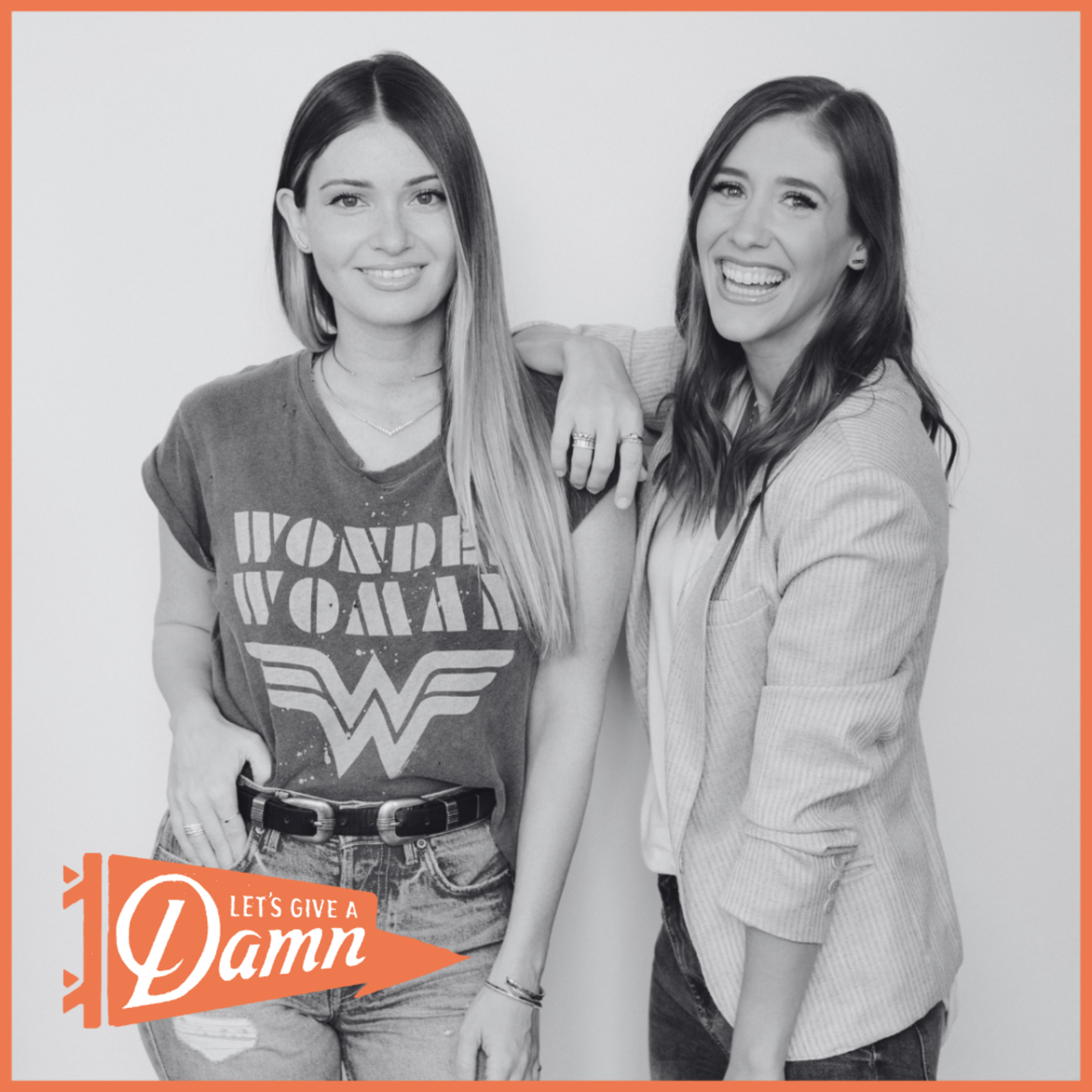
Hello dear friends and damn givers. Welcome to the let's Give a Damn Podcast, a show where I get to have conversations with incredible people who aim to leave the planet much better than they found it. And then I get to share those conversations and my brilliant guests with you. I'm your host, Nick lapara, and I'm so delighted you're here. This episode is brought to you by you, the listeners and viewers of this podcast. Well, some of you anyway. In case you didn't know, let's Give a Damn is on Patreon. For just a few dollars a month you can help us continue to make the podcast week after week after week. Making a podcast, especially as a self employed entrepreneur, is not easy and it's definitely not cheap. Plus, if I'm being very honest and transparent, I've lost many sponsors and partnerships this past year because I've spoken up so loudly for the people of Palestine and against the genocide happening there. I don't regret speaking up for one minute, but it's just the fact that most of the work that I typically would have had this year disappeared in 2024. So if you enjoy the show, if you learn from the show, if you love this show, consider joining us on Patreon. Visit patreon.com let's give a Damn to learn more. Or you can just google Patreon and Let's Give a Damn and our page will pop right up. Hit me up@helloetsgiveadam.com if you have any questions at all. Another way you can support this work is by purchasing some of our merch. The most popular item by far, the one I get stopped every single day on the street about, is our trucker hat. If you follow me on the socials, I'm wearing it in basically every post. And I'm not kidding. People stop me every day to tell me how much they love it and remember that all of our items in the store have shipping and tax included in the price already. Visit let's giveadam.com store, see our products and purchase something today. Okay friends, my guests this week are two absolutely stunning humans. Three weeks ago and one week after wrapping up their Autumn February Founders Tour, Lauren Paul and Molly Thompson join me on the podcast to talk about how and why Kind campaign started over 15 years ago, the thousands and thousands of lives that have been changed over the years because of their work, and so much more. Kind Campaign is an internationally recognized nonprofit organization that brings awareness and healing to the negative and lasting effects of Girl against girl bullying through through their global movement, documentary film in school assemblies, and educational curriculums. I loved this conversation for so many reasons, but as a papa to two young girls, I was helped very, very deeply. I really appreciate the work these two friends are doing and I just know you're going to love this conversation. Before we begin, a quick reminder, as always, that that you can email me anytime and for any reason at. Hello, let's give a damn.com youm can ask questions, recommend future guests tell me how much you love or hate the show. Anything goes. I just love hearing from you. And don't forget, if you prefer to watch your podcasts instead of listen to them, we're on YouTube as well. And now, without further ado, let's get right into my conversation with my new friends and fellow DAM givers, Lauren Paul and Molly Thompson. Let's go.
- [03:37]
B
Go.
- [03:43]
A
Lauren Paul and Molly Thompson, welcome to the let's Give a Damn podcast.
- [03:48]
C
Thank you. So happy to be here.
- [03:51]
A
This. I say this. I feel like I've been saying this a lot more on the podcast that I've been doing in person and virtual. I feel like I'm saying a lot. This has been a long time coming, but it truly has been. I think I initially reached out maybe a couple of years ago.
- [04:05]
C
Yeah, it's been a while.
- [04:06]
A
Yeah, we're all super busy. It was either you're on tour or things are busy with the family, with the kids, we're away on vacation and so. But I believe everything happens typically. I believe everything happens when it's supposed to happen. And so we are here in November of 2024 and there's so much to discuss. Again, thank you for being here. We have a limited amount of time. We'll do all the hangout stuff at a different time in a different place. But we have a lot, lot to cover here today. But I do want to ask here at the beginning to both of you, how are you doing? We just had an insane election. There are multiple wars and genocides happening around the world. We had actual Nazis marching through the streets in Columbus, Ohio this past weekend. So everything feels a bit crazier than normal. And I guess every time in history we could, you know, point out different things, but it does feel particularly crazy right now. So how am I finding you both today? Molly, why don't you go ahead first?
- [05:11]
B
Oh, what a. What a big question with so much going on. You're right. There is so much going on. And you know, when I think about it all at once, it feels incredibly overwhelming. So that would be my Answer is overwhelmed. But when I, like break it down to the micro, like, what can I focus on? What can bring me joy? I just got back from an assembly at my son's school where he got the award for the heart of an eagle. And so it's like those little micro moments of just having a perspective shift, focusing on what can I, what can I do right now in this moment to, to make a difference. And often I find that in my kids or obviously in the work that we do with Kind campaign. So that those moments are what is. My answer is I'm doing great, I'm doing okay. When I think about it on, you know, just everything, it's, it's a lot. There's a lot going on.
- [06:02]
A
Fair, fair, fair. Very appropriate answer. Lauren, how about you? How do I find you today?
- [06:09]
C
I would mirror a lot of what Molly said, definitely. Like, I don't know, I just feel like it's been a wild few years, right? Like it's, there have been like some big social, global, just like universe shifts that have happened and I feel like things are just different in general. And so it's interesting to be like navigating this time as a young new mom with little kids for a lot of reasons because the things that feel scary and big to me feel, I think, even more scary and big because I have little kids and I'm. I automatically think about their future and what is this world and what is it turning into and where are we going? And then to kind of mirror what Molly said. Because I do have little kids, I am able to kind of, I don't know, almost detach from it sometimes and just be where I am with them. Because as you know, you have kids, it's like it is a constant, all day, 24 hour thing that requires your attention, requires your presence. And so I'm so thankful for that because I find so much joy in those moments with them and just being in this chapter of life with them. Something that I did actually on Wednesday, the day after the election, I deleted. Well, I really only use Instagram. I'm not on any other form of social media, but I just deleted the app off my phone. And I actually have not been on Instagram, have not looked at it other than approving a collab post for Kind campaign. But then I immediately deleted it because the second I was on I was like, my stomach hurts, I'm anxious, I'm getting rid of this. So I have been off social media completely since whatever, the day after the election. And it's not to be not informed. I think, like, you have. It's important to be informed and know what's going on, but I'm just, like, not going to take my news and my information from that place for a while. So I'm like, reading in the mornings and listening to podcasts and, like, very aware of everything that's going on. But that has been really helpful. I feel like it's helped me not be just so caught up in everyone screaming about everything and just allowed me to have a little more brain and heart space for the things that are most important in my life, which is my family and the people that I love. So. And my community. So that's been. That's been a good coping mechanism, I guess, for the. For the time being.
- [08:45]
A
Yeah, you are wiser than most and wiser than me to get off social media. I mean, I keep telling myself that because of my work and the advocacy and the things that I do that I have to be on. And it. That is partly true. I've built this community. And there's a. But, boy, is it absolutely fucking toxic. Like, there's no There. There are very few. Like, on one hand, I can count the amount of the, The. The pluses and the, The. The. The minuses. The negatives are just, you know, all of our fingers, you know, put together. Like, it just is. It's pre. Pretty. It's pretty. Just destructive. I mean, it just. There's a few positive lights and things and hope, obviously, there's a lot of hope being spread on there as well, but the negative stuff seems to be much, much louder than the positive stuff.
- [09:31]
C
You know, I'm just like, for now, I'm not saying I'm not going to be on social media ever again. I definitely will be. I just need to clear my head and just take a breath and, you know, again, I was on for like, five minutes to approve a thing for Kind campaign. And I love that because I feel like Kind campaign is one of those spaces that is bringing positivity and hope and light to a place that can be very dark and intense and overwhelming. But I just, I feel pretty committed to changing my relationship with it and not being as much of a consumer and more of just, like, putting out things that I feel like could be helpful or, you know, if there is a moment where I'm like, I have to say this thing, okay, I'll download it and say it, but I, for now, just don't want to consume it at all. And it's actually. It's been like, incredible it's been really, really nice. So again, you know, it's important to stay informed and I'm doing that through other avenues. And I actually am reading more than I was before because the time I would spend just like doom scrolling I'm now just like reading an article on the BBC or listening to a, to a podcast about something. And yeah, it's been, it's been nice.
- [10:41]
A
I'll say this, I love all of that. And I'll say this one more thing before we move on into the conversation. One of the things that I've been thinking about that might resonate with you all is, you know, you pointed out that the last. I think we could, we can kind of put a marker on 2015, 2016, things starting to sort of dramatically shift for all the obvious reasons, not just in the US but around the world.
- [11:01]
C
Yeah.
- [11:02]
A
And although there have been countless horrific things that have happened, both things out of side of our control, like a pandemic, and also the many things in our control, although there have been countless horrific things that have happened, what I take hope in about this season for those of us that give a damn and those of us that want to make real and lasting impact in the world in all of the ways that we do it, is that I feel like before 2015, obviously there were. There was tension politically and societally and culturally. I'm not saying that that was. That everything was peachy before then, but we were all politically and societally. There was a lot of fakeness going on. There was a lot of people that might have wanted to express themselves or behave themselves in certain ways out in society and beliefs that they had. And they were kind of holding that back because it's not polite to say those things or do those things. And a certain someone sort of gave lots of people permission to be their worst kind of self. Right. And so what I love about this moment, even though it's horrific and we've got to face all these things and navigate, is that I feel like we're on. We're being. Everybody's being a little more truthful. And that's not all great, but we are. We. We get to now be really. We get to be a lot more truthful about where we are as a country. The kinds of systems that are deeply, deeply broken. And I feel like we've. We've got a better chance of make sort of writing a more accurate playbook about how to move forward, because sort of the worst, you know, parts of certain people on the left and right and in the Middle and everywhere totally sort of been like, again, for bet, for better or for worse, a lot more things have been exposed that I think they were just like sort of a politeness about how we did things before and now things are out again. It's. We shouldn't be letting our worst selves just on display for the whole world to see. But I am not, not enjoying any of this. But I. What I am enjoying is sort of the, The. The places my mind and heart are going in terms of, okay, what are we going to do now? This is who we are as a country. We just saw in the past, this past election, the millions and millions of people that voted for X, Y and Z policies. And so now it's like, okay, that's. Those are real. Those are real numbers. Those are real people. These are real. So like, okay, now. Now where do we go now? What do we do now? How do we interact in our daily lives with our communities? Like, we. We both live in these coastal elite cities that everybody accused, you know, being part of the coastal elite.
- [13:24]
C
Yeah, but.
- [13:25]
A
But there's all like, wherever we live, there are lots of people that believe lots of different things, and we're trying to figure out how to navigate those things into our work. So anyway, I just want like, as we're sort of wrestling with this heaviness. Yes. Tons of heaviness. Yes. Go see your therapist. Maybe up it to twice a week.
- [13:41]
C
Yeah.
- [13:42]
A
Go hit the weed pen. Take that extra. Whatever you need to do to like to stay in the now with our families and communities and stuff. But. But yeah, I'm just. I'm ready for. I feel like there's a shift happening in the damn giving world and I'm. I'm ready to take it head on. I don't know if you all feel that way as well.
- [14:01]
B
Yeah, for sure. I think something that you were saying actually made me think about actually back when we started Kang campaign, and this was before bullying was addressed or talked about in any serious manner at all. If anything, it was swept under the rug and just accepted as this rite of passage and something that you were saying of like, you know, back in 2015, 2016, we all were like, things came to light and it made me think about like the beginnings even of Kangbane of like bringing this thing to light. And then we've obviously had a front row seat to the shift that has happened since we did that. And so that's where my mind went. As you're talking is like thinking about this coming to light and like, okay, now We're. Everyone's very aware of what's going on. So now how are we all going to. To kind of use that information and to create this shift? And from our experience with K Campaign, bringing it to light obviously was so important. And it was, you know, important to address this thing that was going on and then to figure out, okay, where do we go from here? Which is kind of what you were saying. So I love that.
- [15:05]
A
Yeah, bring. Bring it all into the light and then we can actually, like, deal with this stuff. Right. Whether it's bullying or societal, you know, the shit show that we're in the middle of right now. Okay. As we get closer, we're one step closer to talking about your incredible work and the founders tour that you just finished. But what I always love to do toward the beginning of our conversations is I want to get to know you all a little bit more deeply, intimately, because I think when I ask questions about your backgrounds and where you came from and who sort of shaped you and what shaped you, a lot of times there's some, like, themes that are that run throughout that lead us to the work that you're doing now. So what I love to do is begin with just a few minutes each. Well, take as long as you want, but a few minutes each is talking about the who, when, where and why of your lives and sort of bring it sort of stop when we get to Pepperdine University when you and when you both met and kind campaign came to life. But yeah, go back as far as you want to. I have the same coffee mug that I carry around everywhere. The. The pink. The pink one. I love it.
- [16:06]
C
Oh, I love that.
- [16:08]
A
So, yeah, go back as far as you want. Lauren, we'll start with you and just. Yeah. What are some of the. Yeah. Where did you grow up and how did you grow up and what were some of the things that kind of shaped you and pushed you to this point where kind campaign came to life.
- [16:22]
C
Yeah. So I. I grew up. I was born in Ridgewood, New Jersey, but moved to Orange county just south of la when I was like five, five and a half, and really grew up there. I guess, first and foremost, I would say that I feel incredibly, incredibly lucky. And I just know how lucky I am because this is not the case for so many people that I have both a mother and a father who I'm incredibly close with, who both were so present in my life, who were just such a strong support system for me growing up through the highs and the lows. I love my mom so much. So like, you know, my whole relationship with her, from little girl up until now, she's always been my champion, one of my best friends and my dad. I was just telling Molly the other day, like, he's basically my baseline, like how I, like if he's, if he's panicked, I'm panicked. If he's okay, I'm okay. Like he's just, he's the person I call about everything. Like this morning I read a news headline that freaked me out and he was, I immediately texted him, I'm like, are we okay? Because like he just, he's the most sound like level headed, intelligent, intelligent, reasonable. I've always said, I'm like, I wish you would run for president. You are like the most amazing person. Anyway, so I feel so lucky that my foundation in my life has just is so strong and comes from these two incredible people and that, you know, I grew up in their house. My parents are, you know, they live 10 minutes from me, very involved in my family and my kids lives and so feel very lucky for that. Let's see. I think for me, my, you know, my friendships have always been a huge part of my life in and in different ways. Like, you know, when I was younger, you know, having friends was, you know, always a big part of my life. Having we always had people in the home and block parties and always had a lot of friends around. Middle school was kind of this really big altering chapter for me. It was the first time in my life where I feel like I experienced severe trauma. And that was as a result of bullying that I was experiencing with a group of girls that I thought were my best friends. And a lot happened. I don't need to get into all the details right now, but the more important part of that is, you know, as a result of this experience that I had in middle school with a group of friends, I ended up kind of spiraling in middle school into a deep, deep depression. Um, just like such severe anxiety and eating disorder. I just completely spun out during that time. Um, and during that time, still my parents were a really important part of me getting through that time. I had one friend, this girl, Lacy, who I would say has been a constant throughout my entire life. Uh, she was a girl in middle school who decided that she wasn't going to, you know, be a part of that. And she had the bravery and the heart to say, I'm gonna stand by your side, even though it's gonna make me a target as well. And she was basically my only friend throughout seventh and eighth grade. And she still to this day is one of my best friends. She was one of the maid. I had a couple maids of honor in my wedding. She was one of them. So just kind of goes to show you what a huge, incredible part of my life she was and was kind of like this pillar and just, I don't know, such an important relationship for me during really a probably one of the most traumatic chapters of my life, which is also part of what inspired Kind campaign, which we'll get to in a bit. But kind of moving into high school, I was just really involved with a lot of things. I was a tennis player, I wrote music, I played guitar, I loved writing poetry. That was kind of like how I expressed myself. I had this woman, Michelle Clark, who was a really big mentor for me. She was also someone who. I was the oldest in my family. I have a younger brother and younger sister. So navigating that chapter where I was being targeted in middle school, I felt so alone and kind of like I didn't have any older siblings or people to kind of come to my defense. And so this woman, Michelle, she was a youth group leader. And I got like, got involved with young life for a while, which is a youth grew up down in Orange county. And she kind of became this older sister figure to me that I felt really protected by. She was a big part of that chapter of my life. But yeah, high school was great. I had a great high school experience. A lot of different friends. I was kind of just friends with everyone. I was really involved with this program that like mentored teens and young adults with special needs. That was a really big part of my life. I always kind of gravitated towards two things. Like, I loved film, I loved art and media. And then I loved social work. You know, giving back, working with people which kind of like perfectly married each other in kind campaign. But yeah, so going into college, meeting at Pepperdine, I was just excited to kind of dive into the world, see what life had to offer. I felt really supported going into that chapter of my life again, I think because of the relationship I have with my parents. And yeah, I feel I've had a really, you know, I've gone through a lot of things as well, but I feel overall I feel really lucky and feel like I've had a. A really blessed life.
- [22:25]
A
The name of your friend in seventh, eighth grade. Lacy. Was it Lacy Lacey.
- [22:28]
C
Lacey White. Yep.
- [22:29]
A
Thank God for the Lacey's and the Michelle's and obviously it's a, you know, this, it's because you, you Hear all the stories all the time. It's a blessing to be able to say. And my parents as well, because that.
- [22:39]
C
Is not a. Oh, yeah. It's something that I constantly think about and talk about, especially in the work that we do as we encounter young girls and, you know, kids and teens and young adults all over this country, all over the world. How common it is for people to just have, you know, so many different. There's so many different types of scenarios, but we do encounter a lot of really sad, traumatic kind of relationships that are happening in the home. And, you know, when you go through that, it just makes you less equipped to kind of deal with a lot of these hard things that inevitably come up, you know, as a kid, as a teen. So. Yeah.
- [23:21]
A
Yeah. Love that. Thank you for sharing. Molly, you do not begin in New Jersey or California. You're in Texas, right when you begin, right?
- [23:29]
B
Yes, you're right.
- [23:30]
A
Tell me your story.
- [23:32]
B
Yeah. So I grew up in Dallas, Texas, and lived there my whole life until I came out to California to go to Pepperdine. And similar to Lauren, just feel so thankful and recognize the privilege that it is to have grown up in a home with both of my parents and have, you know, had a great relationship with both of them. I had three brothers, so I have an older brother and then two younger brothers. And actually, my older brother will even say that he. I'm. I act as the oldest. And, you know, I think growing up was always kind of caretaking for all of them, as well as kind of looking for any situation where, you know, someone might need a little bit of help, whether that be the bus driver who's getting made fun of, that. I would, like, write a note to.
- [24:21]
C
Like, you're going to be okay.
- [24:22]
B
I'm sorry that they were, you know, saying this mean thing to you, which, actually, I think, Lauren, I think you also. I feel like we talked about that one time where we realized, like, we both are, we stood up for the bus driver. But, yeah, so growing up, I think back on the neighborhood that I grew up in, and I am just so thankful for it. It was. I feel, like, so nostalgic thinking about it because it was, you know, the go out and play, just the kids were everywhere in our neighborhood. We walked to elementary school. We had, like, a community pool that that was where our summers were spent. And, you know, now being a parent and really recognizing how unique and special that is, I look back and I'm just so incredibly thankful because those moments shaped me and I felt safe and I felt, you know, a part of this little community and had friends that were kind of built in because, you know, we all lived within a few streets of each other, a few blocks of each other. And so that was kind of my elementary, middle school years. Somehow I made it through middle school and. And had had a great experience, actually, which oftentimes isn't the case. You know, we speak in middle schools, and that oftentimes is someone's hardest chapter of their life. And for me, I think I just. I'm so thankful that I had a group of friends that I still have to this day. I do a trip every year with friends, some that I've known since I was born, some from kindergarten and then some from middle school. And we still get together once a year. We live all over. And I also recognize how rare that is. And I think, you know, the beauty in those friendships really comes from the history that we have of, like, seeing each other through these years. You know, in middle school, I was, like, deemed myself the president of this, like, Pink Flamingo fan club. So that's, like, where I was at. I was, like, in an awkward place, but just, like, living there, loving it, you know, like, couldn't care less that that's the stage that I was in because I was just so in it and thought, like, this is the greatest thing. So when you have friends who've, like, seen you through, you know, being the president of the Pink Flamingo Fan Club, like, they are your people. They will be there, you know, to support you. But flash forward to high school is actually when I. My junior year of high school is when I really, really struggled with a bullying experience that really lasted the entire year with a group of friends and. And thankful to be able to say now that, you know, at the end of that year, there was an apology and the person and I, you know, kind of talked through everything, and we never, you know, went on to become, like, best friends again. But even now, it's someone that I, you know, see on social media or, you know, if I'm ever at home and, like, would run into them. Like, I'm thankful that we kind of moved through that experience. But at that time during my junior year, you know, that was at the. That was my whole world. That was what I knew. And so I didn't see that my future self would go on to have all of these beautiful, wonderful, amazing experiences. And so it's really because of what I went through junior year. That's why I'm so passionate about kind campaign. And now I'm So thankful for what I went through, you know, so that we're able to stand in schools and share our experiences and, you know, be able to say to these young, young people, I know, I know what it feels like. I know what you're going through. I've been there and that it will be okay and you will get through this. But yeah, so I went on to have a great senior year experience. A lot of the reason that I did and was able to was because of that apology that I received and then went to Pepperdine, made the, made the trek from Texas to California and, and yeah. And then never left. I've been out here obviously ever since, which kind of, you know, gets into kind campaign and, and everything that has kept me out here. But yeah, it's kind of the journey to get there.
- [28:41]
A
We share a few things from your story. We share. One is. Well, I, I have a few more siblings than you do. I have 11 siblings.
- [28:49]
B
Wow. No way. I didn't realize that.
- [28:52]
A
Yeah. I think, I think it's amazing. It, it was, it, it has been amazing. It's also been terrible. As you can imagine, with that many. No two parents can take care of. I mean, I'll raise my hand and say I'm. It's hard with three. Right. 12 is insane. And so, you know, a lot of the childhood was spent taking care of siblings instead of being a kid, you know.
- [29:16]
C
Yeah, yeah, yeah. Becoming a parent yourself.
- [29:18]
A
Yeah.
- [29:19]
C
Where were you in the line?
- [29:20]
A
Second oldest and so.
- [29:21]
C
Oh, wow.
- [29:22]
A
So I was second oldest and my older brother, he was, he was not an older brother. He was always getting into trouble, sadly, still getting into trouble today, all these years later. And so I was the oldest, oldest child as well. Taking care, you know, trying to be a good. And I grew up. My dad's a Guatemalan immigrant and when I was younger we moved back to Guatemala, so I grew up there. So growing up in a place that wasn't my birthplace, 11 siblings. It was the last three, four years of a civil war, a 36 year civil war that took place there. So I grew up in a, in a war zone. And so it was, it was.
- [29:59]
C
A.
- [29:59]
A
Little bit different than Dallas, Texas, but also like very different. But I, but I, but I do resonate with the. Yeah. Sort of being thrown into the position of whether you like just because of. Not just. It was also our personalities. Right. I was always the helper as well. Like it wasn't like I begrudgingly sometimes, but most of the time I wanted to be that sibling that took care of Everybody. Yeah. So thanks for. Thanks for sharing that. Okay. Pepperdine. The beginning. The beginning of kind campaign. Actually, one more thing before we move on to this. I want to geek out for a second about. This has nothing to do with what we've been talking about, but about Mountain Film Festival. I know, Lauren, this is.
- [30:42]
C
I love that you just said that.
- [30:44]
A
Molly, is. Have you been to Mountain Film?
- [30:46]
B
Yes. Yes.
- [30:47]
A
Okay, so now we can all geek out about it. I'm good friends with Orion and friends with Jed as well. We have a lot of. We have a lot of mutual friends.
- [30:55]
C
I didn't realize that.
- [30:56]
A
And Mountain Film Festival, speaking of living on the shit show of a planet like Mountain Film is, is if there is a heaven, I think it's Telluride, Colorado, during mountain film festival.
- [31:08]
C
100% correct. Yeah.
- [31:11]
A
I've been to dozens of countries. I've been to every state in this country. I've been all over the place. And I can count on one hand the amount of places that make me feel instantly the way that I feel when I get to Mountain Film Festival. It sounds like you all feel the same way. What a wonderful, wonderful experience. Lauren, you've been there dating back quite a while. Molly, you too.
- [31:33]
C
I've been to 10 mountain film festivals and it is. And I haven't, so. And then I tried to bring. When we started having kids, we have a six and a half year old and a two and a half year old. Our daughter, when she was born, I was like, I am not letting this prevent me from going to the one place that makes my entire. It's like my yearly drop in and it makes the world make sense and feel good. And she had severe altitude sickness. We had to like turn around and go home. The day after we got there, we tried again. The next year, same thing happened. And so we're like, oh gosh. Like it's so. You know, it's so hard to get out there. We're like, we just. We can't bring them for now. I have a two year old, so. But so funny you brought that up in the midst of this last week and a half and feeling all the things I'm feeling, thinking all the things I said to my husband. Because actually our anniversary, our wedding anniversary falls on Mountain film. And that was actually an accident. I had an. I realized like after that the save the dates went out. I was like, oh my God, our wedding is on Mountain Film. We have to. We had. No, no. I was like, we have to change our wedding date back then. But anyway, I was like, okay, we're just gonna spend our anniversary there. But this year, I told my husband, I was like, I absolutely have to go to Mountain film this year. Like, it is important for my soul, no matter what. Even if I have to go alone, I'm going to like that I'm going this year no matter what. And it'll be the first year I've been in, like, three, three or four years. So I cannot wait. It's like, it is a place that completely changed my life. I, at Pepperdine, was interning for Tom Shadiak. I don't know if you probably know Tom Shadiak, then. Yeah. On his documentary I am. And I was in this first group of students that he ever brought to Mountain Film. It was my junior year, going into my senior year at Pepperdine, and it was. I don't even think Jed had been there yet. I think his first year was the following year. And it was at that festival that I just kind of had this moment. We were sitting in the valley floor. You know that. That valley as you drive in.
- [33:45]
A
Yep.
- [33:46]
C
And he was working with his cinematographer, Roko, who I still know and love dearly. He was, like, filming all of us, and we were just kind of talking and processing all the films we had watched. And for anyone listening, if you don't know anything about it, it's this place in Telluride, Colorado. It's a documentary film festival that combines people from all over, all over the world that are just tackling every environmental social issue you can imagine. And then rock climbers and, like, just. Just incredible, exciting people who are doing good and out in the world, just challenging themselves in such interesting ways. And they're all together in this little mountain town with this, like, huge waterfall down a mountain in the backdrop of this town. And there's. You're watching films, there's talks happening. It's just incredible. And during that experience, I kind of had this moment where I was like. I was sitting there with this group of students, and I was like, you know that. That experience with bullying that I had mentioned earlier, as a result of it, my whole life I had thought, like, whatever I do, I would love maybe. I didn't know for sure it would happen, but I was like, I'd love to figure out a way to talk about bullying in a real way. It had never really been addressed ever, up until that point. It was kind of just swept under the rug and specifically bullying between girls and kind of like the relationships between girls and women and. And then I had had this found this new passion in specifically documentary filmmaking. And at that point, I was, like, so obsessed with documentaries. I was like, I'm just going to make docs my whole life. Like, that's my journey. And then sitting there, you know, in Telluride, I was like, oh, this is the perfect way to tackle that. That story, like, bullying is to make. I'm going to make a documentary film. And basically from that moment on was like, that's it. That's what's happening. And was like, so laser focused. Came back from that festival, Molly and I sat down, had lunch. We were, like, catching up about our summer, kind of talked about this experience and idea. And we had worked in film, different film classes together. We were in film school together at Pepperdine at that point. We. We were friends. We weren't, like, nearly as close, obviously, as we are now, but we just, like, worked really well together. And I actually think it was just a meant to be cosmic moment that, like, that. Because we weren't, like, best friends, I don't think it would have been, like, the obvious thing to be like, we're gonna do this together. But it just felt right. I was like, molly, right? Like, this. Like, this is, like, the idea of doing it with a friend felt really good. And we were in film class together, and anyway, we talked about it, and she was like, I am so into this. I have an experience. Like, let's do it. And literally from that lunch on, we just, like, ran for it. And we're like, okay, we're gonna make this film. What does that look like? We're gonna gather equipment, we're gonna raise money. We're gonna get a van, we're gonna drive around the country. We were just, like, went nuts. We were 21 years old with this idea and actually sat down with Tom Shadiak and kind of told him about that idea, and he's like, okay, figure out your budget for the documentary. I'm gonna write you a check. And we're like, okay.
- [37:06]
A
And yes, Tom, yes.
- [37:08]
C
Yeah, yeah. And we were like, I think maybe. Maybe we could do it for, like, 50,000. And that was, like, building out the movement and, like, so much. And I said that without knowing he was gonna write a check. I was like, okay, he's gonna, like, you know, maybe help us a little bit and then give us advice. And then he just wrote a check for the whole thing, and he's like, go do it. And then. And that was kind of the birthplace of it all.
- [37:31]
A
I love that Mountain film.
- [37:32]
C
Mountain film is mountain film.
- [37:35]
A
So it was it was destiny that we needed to talk about mountain film and let's all have a reunion there in 2025. I'm talking with the sort of lead. The leadership team asked me to do something there this year with like a live podcast or something. And so we're trying to figure out who's. Who has a book or a film coming out to see who we can get there right now. But I'm so, so excited to get back. But speaking of documentaries and traveling around the country, you all recently, aka last week, finished your 26th kind campaign founders tour. Molly. 20 schools, thousands of students, two months plus of traveling ending on World Kindness Day. So that's a, that's a kindness in and of itself that the universe sort of like gave, you know, like that's. I love those sorts of. When those sorts of things come together. Molly, what, what are you feeling right now? Tell me about the tour and then we're gonna dive into some of the particulars of Kind campaign. But yeah, tell me about this last tour, the 26th. That's some dedication.
- [38:38]
B
Yes, I know the 26th is actually because it was so non stop. We started, we started this tour, I think it was like September 5th, which for anyone who is a parent knows, like back to school season.
- [38:53]
A
Yep.
- [38:54]
B
So really great timing for us to just, you know, get our kids all situated and back to school and then just start touring. But yeah, so we've been on and off the road since September. Like you said, we wrapped intentionally on World Kindness Day because we like. Yeah, like you love, loved that. Just serendipitous moment. And it was, it was a really awesome tour. We've been doing this for 15 years and these tours are what continues to drive us to do what we do. Because there's so much that happens during these assemblies and just so much change that happens that witnessing that, it's like, okay, we gotta, like, that's why we do what we do is, you know, watching a girl, you know, write out an apology note and walk across the room and hand it to another student and apologize, you know, for something that's been going on. And so the tour as a whole was amazing. And yeah, 20 schools, over 3,000 students, and we wrapped, we wrapped last week, but then actually two weeks ago we were in Atlanta and we had, I think we did like eight assemblies there. We did four in one day, which is the most we've ever done. And it was a lot. I mean, that's a lot. Two is like our normal. We do two in a day sometimes we're like, okay, no, we're going to make this. We're going to do three. But there was so much interest in Atlanta. We, like. We were like, okay, how can we just really max out our time? And we went straight from our last assembly to the airport to, you know, get on a plane and almost missed the flight and all of that, but we left that day, and we were just, like, looking at each other. We're like, oh, my goodness. That just. They were such powerful assemblies, and that was the week of the election. So there was just so much feel. Everyone was feeling everything. No matter what they were feeling, it was just heightened. Everything was heightened. And so to have those moments of being in schools and just having these really beautiful, powerful assemblies and watching these young girls find their voices, use their voices and feel empowered to. To kind of take care of themselves and, you know, recognize that, like, they are in control of their experience at school. And, yeah, we just left, like, really buzzing. So, all in all, the. The 26th founders tour was so powerful, so moving again. It's what drives us to continue. Um, we'll be on our 27th in the spring, and we're really excited because we're headed back to England, so we haven't been there. Actually, the last time we were there, I was pregnant with my first. With my daughter. And so that was like, eight years ago, which is crazy.
- [41:44]
A
Did you all do it? This was. This is year 15, right?
- [41:46]
C
Correct, yes.
- [41:47]
A
Did you do, like, a. Was there, like, a big 15 year sort of thing? Or did you just, like, plow through and, like, get the work done?
- [41:53]
C
You know, we had a nice dinner together, me and Molly, but we didn't. You know, we're just. Molly and I, we have basically worn every hat within our organization for 15 years. Like, we cover so much ground, and the organization has become so massive. But internally, it's very small. Like, we contract different people for different things. We have a couple people internally that we're working with every day, but we still kind of do everything.
- [42:18]
A
Yeah.
- [42:19]
C
And we've been kind of intentional about that, and I think it's why it's been as successful as it's been, because we. Nobody cares about it more than the two of us. And so although it is a ton of work. Yeah, we just. We're just in it all day, every day. So all that say, yeah, I. I have friends who run other organizations and are, like, throwing parties for the. Or, you know, doing these things all the time to, like, celebrate things. I'm like, man, we don't we, we just don't ever do anything like that because we just don't have time or the manpower, I guess. But I think it's because we're just, we're like, mostly we're just focused on the work. That's all that matters, I guess.
- [42:55]
A
Yeah, I get it. Okay. I want to give you, before we head into this next sort of section of our conversation, I want to give you a little bit of context about this is our first time meeting and I want to give you a little context about why there's. There's multiple things going on here. One of the reasons that I wanted to have this conversation was, well, the main reason, besides meeting you lovely people is that I have three kids and they have all experienced bullying in one way or another.
- [43:25]
C
Yeah.
- [43:26]
A
One that is currently experiencing it. And parenting. Thank you. Parenting is. I joke. Sometimes I joke slash not joke. Like, holy shit. Like, this is the absolute hardest thing. Like my partner and I have been together for 17 years. Easy as cake. Like, compared to this, like all the stuff, all the fights, all the growing, all this, the stressing that she and I have gone through, all of that is like peanuts compared to bringing three children into this world and knowing that it is not ultimately, ultimately, ultimately on me, but it's a lot on me and us to try to like, we are the ones that are going to give them the best chance at being good humans in the world and not shitty humans. Right. Like again, there's all, there's mental health and there's all sorts of out, you know, outside things that are also going to shape them, but they're with us the most. And we have had them since, you know, day one. And so a lot of the responsibility is on me and us.
- [44:28]
C
Yeah.
- [44:29]
A
And we moved to New York four years ago and we moved. So we have, we have three ages, 10, 11 and 12. Yes, I said 10, 11 and 12.
- [44:40]
B
YesS, you did that.
- [44:42]
A
But don't think that's like a 12 kids in the making thing. That is not what's happening here. We are done. I am incapable of having children anymore. But so we have one boy, the boy is 10, the 12 year old is a girl, and the 11 year old has gone through gender fluidity journey of her own. I can say her now because for the last year and a half she is back to identifying. Is she her? But there's just a lot going on there. We moved to Harlem, which we absolutely love. It's one of my favorite neighborhoods on the planet and we moved here and I love it. But what that meant was for the first two years it was my Hispanic kids, but they're very fair skinned because their mother is very, very, very white. And so they're just very fair skinned kids. The middle one, who has had a sort of a gender fluid journey at the time we moved here, had shaved her head all on her own. She's like, I don't want hair. So she shaved her head. My kids are vegan. We've been vegan for a long, long time. So like my son has never had, you know, meat. We were vegan before he was even born. And so like they're just, if you, if you, if you, if you pick out a few things and then going to an all black school here in Harlem, this is a predominantly black neighborhood. So if you, if you just put all these things on a board, it's like, oh yeah, this is a recipe for like, for some shit to go down with these kids who have zero clue how to navigate their, their feelings yet. And so, you know, and, and as a result of that, we put that they're in a different school now. Much better, much better environment. Way, way, way better. The 12 year old is still going through it with not feeling very lonely and all of her friends talk behind her back and we're dealing with that on a daily basis, talking through that and stuff. But they started going to therapy and that helped a ton. All that to say is, I'm living this right now. There have been some alarming at times, I won't get into detail for to respect her, but with one of our kids, like just very alarming conversations about what they were going through and how it made them feel and what it made them want to do. Right. And that's like something that a parent never wants to like even entertain, let alone have to talk through with the kids.
- [46:52]
C
Yeah.
- [46:53]
A
And so yeah, this is a very, on top of just loving your organization and knowing that it's just wildly important, it's like, oh yeah, and we're living it right now. I, I saw a statistic that last year more teens died by suicide than ever in the history of this country. The CDC reported last year that one out of every three high school girls has considered taking their life. And Harvard published a study that I read 50% of high schoolers report self report being anxious, depressed, or would rather not be alive. Like, that's, that's a lot. Like I, whenever I go do the school pickup, like what, half the kids here now they're in middle school, but a lot of the kids Here have thought about just leaving or they're, they're self harming or. And there's just so much going on beneath the surface. There's a lot of trying to impress each other and get the right shoes and do my hair in the right way, because if not that person's going to talk to that person. And it's just a lot like having these three humans come home every day and like, you know, a lot of days they're all doing great, or two of them are doing great, or two of them are doing horrible. And it's like, okay, how, how do we, how does the rest of the night go? Because this affects homework time, this affects meal time, this affects bedtime, this affects whether they get on screens today or not. All that stuff. So, yeah, all that to say there's some context to say, I'm so grateful for what you all do. Now tell me more, tell me more about it. Like, tell me about some of the numbers, some of the context. How pervasive is this? You guys obviously travel to different parts of the country and you even mentioned, you know, going overseas. So like, are, is it the same experiences in all the places or are there certain parts of the country where it's like, oh yeah, that's way more prevalent here than here. Like, give me some context for the import. I already know it is. But tell us about why what you're doing is wildly important.
- [48:42]
C
Well, first of all, I'm, I'm so sorry to hear about what you've been going through and, and you know that your kids have been suffering in different ways. And as someone who has personally gone through it and then has been in this world for 15 years, I know not only how just devastating it is for the child, but for the parent as well. I think back on my own parents and you know, my mom, I don't know if she must have heard this somewhere, but she was saying, she said that a parent is only as happy as their least happy child, which is so true.
- [49:15]
B
Wow.
- [49:17]
C
And now having kids myself and you know, they're, they're much younger, but I'm already seeing some things happen like within my, like last year we did a kind campaign assembly in my daughter's kind campaign or sorry, in my daughter's kindergarten class because her teacher pulled me aside and was like, there are some really difficult social dynamics and things happening with these kindergarteners. I don't know if you do this that young, which at that point we, I think we had only done one other kindergarten. It was actually in England when We were out there several years ago, but yeah, just standing there with the, like that young of a group and realizing like, wow, they are, they're going through a lot already. They're five. You know, it's, it's just crazy. But yeah, you know, there's a lot to cover. I mean, we've been doing this for 15 years. We've been all over the world with this. And I guess I would say first and foremost, this is something that impacts people. No matter where you live, no matter what your story is, if you're in a big city, in a small town, these social dynamics are everything when you're a kid. Like, I think back on my own experience, experience in middle school, and I actually tried to commit suicide when I was in middle school. And I. Not to get into all the details of that, but thinking about kind of coming out the other end of that, or actually, no, to process kind of like where I was in that moment. I felt like those experiences in my middle school hallways were my entire world, you know, because it is when you're in middle school, when you're in high school, when you're, when you're in school, it's like tho that is your world, that is your bubble. Those people you see every day, you're forced to come to school, you're forced to walk those hallways, go to class, pass those people in the halls every day. And that is for the most part where you are spending most of your time. That is most of your take on the world. And so if it's, if it's devastating, if it is traumatic, as a 12 year old whose brain is not fully developed, is going through so many hormonal fluctuations, you're just like, oh, I guess this is what life is. And it's so hard to see outside of that and to understand that this is actually just one chapter of your story. It's actually for me, I think, you know, when we're in our assemblies, we're standing on stage talking to, you know, two, 300 students. And one of my favorite moments in the assembly is when I talk about that point in my life and I tell them that first and foremost, suicide is never the solution to anything. And that someone who is in that place, I am so happy that I am alive, that I am standing here today, that I am meeting you guys this morning, that, you know, I didn't, you know, end up going through with that and that, you know, how important it would have been to talk to someone about what I was going through. You know, I think when you're in that space, it's kind of hard to unders. It can almost feel impossible to know that, you know, a school counselor or maybe your parent has also had traumatic experiences. So, like, I'll stand there and let them know. Every single person you meet, whether they're 25 or 65, every single person on this planet, every person you see has experienced trauma. So you need to find that adult in your life, whether that's someone at school. Maybe you don't have that safety in your home. So find it. You know, there are school counselors, there are teachers who want to be there for you, or maybe it is someone at home and just talk to them about what you're going through. Something we always tell parents is to talk to your kids about your most vulnerable, saddest, darkest time. Like, let them know you've been there too, so they don't feel so isolated because you're. You're the only example of, like, what lies on the other end of school. So if you can tell them, like, yeah, I went through that too. I had, you know, a really hard time in, in six, sixth grade.
- [53:16]
B
And.
- [53:16]
C
And they're able to look at you and be like, wow. And like, you're older now and you have. I see you with your friends and you, you know, I see you having fun and working and, you know, raising us and. And it gives them some sort of light at the end of the tunnel. But yeah, to be able to. Just to tell kids like, this is one chapter of your story. There's so much ahead of you. There's people you're going to meet, there's relationships you're going to have, there's places you're going to go. There are people that are in the world right now that you don't even know yet that you're going to meet one day and become friends with. You don't even know they exist right now, but they're out there waiting for you. It's kind of this like, light bulb moment. But this happens everywhere. It happens, you know, in so many different ways. I'd say, if anything, We've learned over 15 years that it's not black and white there. Like, I couldn't sit here and tell you, like, this is why this happens. Like, every story is so different. You know, we'll encounter someone who's torturing kids at school is like the quote unquote mean kid at school, and then we find they're being abused at home or, you know, it's like there's always something at the. Not to say that gives that person an excuse to treat someone horribly, but more often than not, there is a trauma on the other end of their story as well. And so really, I think these kind campaign assemblies are so impactful because we're getting everyone together in a room to acknowledge that we have all been on both sides of this, we are all hurting, we have all experienced trauma, and what can we do together to. To rewrite that story and to create safer, kinder, and more inclusive school hallways? I think that apology card that Molly mentioned earlier is my favorite part of the assembly. We have every single person in the room write an apology to someone. And I think because they're all doing it together and they're not feeling called out and they're realizing, oh, we all have something we need to own up to. It is like insane, the things that we see happen. We tell them to pass it out after the assembly, but most of the time they can't even wait. They'll just get up and walk to the other side of the room and hand someone apology and hug and start crying. One of my favorite moments is when we watch someone walk out of the room with a stack of 12 apology cards. And you know that that person, for whatever reason, was targeted and that you just hope that that story has been changed for them. Anyway, I'm going in all sorts of directions with my answer, but just kind of like trying to kind of touch on different things. But it's something that we're incredibly proud of. We love this work. And I think right now it feels even more relevant in some ways than ever before because, like you mentioned, kids and teens and young adults, mental health is in a state of decline that is actually worse than we've ever seen. It's being measured and is, you know, statistically worse than it's ever been. And that's not just related to bullying. That is just kids feeling the impact of our planet and what they are seeing happen. And. And I. You could go on and on about what that means and where that's coming from, but they are just mirrors and they are just taking in the energy that all the adults on this planet are putting out. And that is scary. You know, it's like. And so. And I actually, I just have such a heart for this generation too, obviously, like, with the work we do. But, you know, it might seem kind of cliche, but I, I first and foremost go to, like, our devices, obviously, like, this is a generation growing up with social media, and that is all they know. We're like in this unique generation that had, it had both sides of it. And we're the last generation to, to experience that, to know what it was like before and then to, to have it. And it's completely. I really do think that social media, smartphones has completely like upended childhood in such a negative way. It's created anxiety, depression, stressors that kids just didn't have to deal with before. Like, everything follows them everywhere and it's not their fault. Like a lot of people like to point to this younger generation and be like, oh, they're so like whatever you want to say, but they're just a victim to the devices and spaces we, our generation, millennial generation, for the most part created and then has like thrust upon them. Like adults don't even know how to appropriately act within these spaces. Like, what do you expect from a 10 year old? And so I just. It's such a unique time that we're living in and kind campaign feels more relevant than ever. Even just to create a space in these assemblies where kids don't have their phones for two hours and are just looking at each other in the eyes and talking about how they feel. Like that is a pretty unique experience for kids these days.
- [58:07]
A
100%. Yeah.
- [58:08]
C
And so, yeah, I'll stop. I know I've been talking for a while.
- [58:12]
A
No, I love that. Thank you so much for sharing. Yeah, yeah, you did cover a lot there, Molly. I'll circle back to a couple things you said, Lauren, after this. But Molly, besides the. So you've talked about the school assemblies and we talked briefly about the documentary. What are. And I was gonna also ask about these apology which I saw online. I didn't know you did that in the assemblies as well, but I saw online this you could share like a story, a truth, an apology, and then a public sort of like statement. Right. What are the different ways that you all show up for these young people and the different ways the young people can get involved in the kind campaign sort of universe.
- [58:51]
B
Yeah. So yeah, obviously we've touched on, well, we've touched on the founders assemblies. That's where, you know, that's what we've been talking about when Lauren and I are there in school leading the assembly. We also have our kind of flagship kind campaign assemblies where schools can host the assembly on their own and it's super easy for schools to do. So for anyone listening, like thinking like, oh, I'd love for this to come to, you know, my child's school, or I'd love to like bring this to My community or my neighborhood. It is all free of charge. Everything. Our Founders assemblies, our Kind campaign assemblies, our Kind club curriculum, which I'll share about in a minute. All of our programming is free of charge, which we're so thankful to be able to provide that to schools because obviously, you know, they're prior to us being able to provide the programming free of charge. That's such a big thing to have to meet, and there's so many schools who aren't able to do that, so. But our assembly program is. We have. It's. We have a script for the facilitator, who is often like a teacher or counselor, just like, you know, someone at school, and it just runs them through. It basically replicates what we do in the founders assembly in those kind campaign assembly. There's also an intro and closing video from, you know, Lauren and I. So it's still us kind of sharing our story and our testimonies and sharing the closing messages. Because there is something unique about it being the two of us, you know, not only the two people who founded the organization, but when we, you know, go into schools, the. These young people thankfully don't realize how old we are. We're like in, you know, in our kind campaign shirts and our jeans, y'.
- [60:31]
A
All look so cool and young.
- [60:32]
C
And they. They.
- [60:34]
B
We, like, are holding on to that for dear life. And we're. They're always like, how old are you? Like, how old do you think we are? And thankfully, they. They. They kind of see us instead of, you know, a counselor or teacher. They, like, see us almost as this, like, big sister role. And so they just hear the message a little bit differently because of that. You know, it's likely their teachers and counselors have been saying similar things to what we're saying, but they just. It's just like hearing it from someone else and hearing it from a different perspective kind of makes a light bulb go off for them in a different way. So that's a part of the Kind campaign assembly, the film Finding Kind that we've talked about that is really still at the heart of all of our assemb. Um, it's gone through a few edits over the years just for a couple of reasons. One, like we said when we started this, it was like we were introducing the topic. You know, it was before this was addressed in a serious manner. And so there was a lot of the film that was, like, making the case for why we should be taking this seriously, which thankfully. And we feel, you know, proud of the work that we've done to kind of help move the needle on that. We were able to take some of those bits out of the film because we don't need to make the case anymore. People now recognize, you know, the serious impacts of bullying and that it is something that needs to be addressed. And then we also edit it just because of attention spans for young people, for all the reasons that we've been talking about. They are just. They're just so much shorter than they've ever been. They like, just, it's. It's harder for them to sit and watch anything of length. And so we, like, really, really. We just did an ed over the summer. We were like, let's just make it as compact as possible.
- [62:17]
A
Sure.
- [62:18]
B
But anyways, that film is, you know, it still lives at the heart of all of our assemblies. And then in the assembly, we do the kind pledge, where we give the students the chance to use their voice to take an action step to create change. And so they're like, physically. Lauren kind of mentioned this and how unique it is, but like, they're physically just like writing that down on. On this sheet of paper. But then we take that a step further and we invite them to the front of the room to then share their kind pledges, which really creates this inspiring moment where, you know, they're standing up in front of their peers and saying what it is that they are going to do, what are they committing to do? What are they, you know, saying that they'll action step that they're going to take to create change. And then the kind apology, like we've talked about a couple times, that is an activity that we do in every assembly. And then we end up kind of those interactive activities with something called the kind card, which is, again, I mean, these are all just very simple action steps for them to take. But it's just simply saying something kind to someone in their life. And oftentimes, you know, they're writing it to a good friend. Sometimes they write it to a teacher, to a family member. Some of our favorite moments are when they take that, you know, card and they write it to someone who they're not like, really great friends with, you know, but for whatever reason, whether it be that that person says hi to them or they're in art class with that, and they all, you know, they've wanted to tell them that they think they're very talented, but they've never had the courage, you know, to say that to them. It's pretty special because they get up on, you know, stage and they Share their kind cards. And so there's times where, you know, they'll start reading this kind card and kind of a timid voice of like, dear, you know, Sophia. And then you kind of will look out in the audience and you see Sophia sitting in the audience being like, wait, I didn't know that this, this person even knew I existed. And so it just really creates a beautiful space for them to, like I said, just use their voice and feel empowered to not only create change, but then also to see the impact of their words. You know, just something simple like saying something kind to someone and just the difference that that makes. So that's the assembly program that again, happens all the time without the two of us through that kind of seamless process. And then we have our kind club curriculum, which was really created after we started doing these assemblies and witnessing how much change is created and, and really recognizing that it almost created this like, camp, like, feeling. You know, you're in the room and everyone's like, we're gonna create change. Like, we don't have to be like this anymore. Like, we're, you know, gonna unite together and, and realizing, like, okay, we want to bottle that up and make sure that that, that energy and that momentum can be, you know, called upon and recognized throughout the rest of the school year. And so that's where the kind of club curriculum kind of came about. So it's a 19 week curriculum and it really strives to create that safe space for the students to continue to come together and have those honest conversations and kind of break down the, the clicks and the insecurities that are oftentimes fueling, you know, the conversations happening in the hallways. And so that also is free of charge. It's super adaptable for schools. There's some schools, you know, kind of use it and they meet every other week and they just go through the agendas. And then there's some schools who, you know, obviously they don't, they're not able to, to meet that way. And so they'll kind of take it and they'll put it in their advisory classes or they'll, you know, do some sort of after school program. So we're proud that it's able to be utilized in whatever format works best for the school. And it's a really beautiful program. And then one other thing I'll mention, for anyone who might be interested in, you know, getting involved, whether you have kids or not or, you know, what, whatever is fueling your passion to get involved, we also have a kind ambassador program, volunteer Program and that allows people all over the world to bring Kind Campaign into their communities. And sometimes that looks like them being the one to facilitate the assembly. You know, they'll bring it to assembly.
- [66:26]
C
School, they'll lead it for that school.
- [66:28]
B
Sometimes it's, you know, we have some ambassadors who just, they just go out and they just let everyone in their, you know, community's district know about the Kind Campaign assembly. And, you know, then the school kind of takes it and runs with it. But our, we love our kind ambassadors and it's really beautiful to we, we get on these zoom calls with them, kind of check in and see what's going on. And it's always so amazing to, you know, kind of share that space with them and to be able to tell them, like, it's because of you that these students are having this experience. And it's because of you that, you know, this girl received all these apologies and now the rest of her school year is going to look completely different. And so it's really awesome to be able to kind of have that community of people who are looking to, to bring Kind Campaign into their spaces.
- [67:17]
A
So, so, so, so good. I love everything that you all are doing. I want to get involved. Please. We got to get the founders or something or a founders assembly or a school assembly here to my kids school because they hear the stories.
- [67:29]
B
Yeah, that would be awesome.
- [67:31]
A
They need it. I want to sort of wrap up our conversation here. We're a little over time, but I want to say that, you know, one of the things that I've been thinking about as I've been working through this with our children and even this conversation is, yes, like bullying, abuse, suicide ideation and suicide and all of these things. They're ubiquitous. They're ubiquitous. They're everywhere. They're no matter the dem. Like you said, cities, rural, like blue states, red. It doesn't matter.
- [68:01]
C
Yeah, no, it doesn't.
- [68:02]
A
But so is like kindness is also ubiquitous.
- [68:06]
C
Yes.
- [68:08]
A
Hope these being able to influence these kids to be, you know, sort of hope dealers to each other and kindness dealers to each other. That's also there. So like, yes, it's, it's. This is such a hard time to be a kid growing up. Now that I look back at my childhood, I grew up literally in a war zone. Cake compared to this. I didn't have cell phone. I didn't have. We had a few channels on the tv and every, every single day I would go out and play a football. The real football, not American football. I go hang out with friends And I wasn't worried. Like, I had my three friends that I hung out with. I wasn't worried about what, what the other hundred people that on my social media, because we didn't have that were saying about me or thinking or what, like, oh, they didn't. They didn't like this. They didn't share it. Like. Like, it's so hard to be a kid nowadays. So what you all are doing is so, so, so important and incredible, and I'm so grateful. One last quick, quick, quick, quick question. We need you here for a long time doing this work. So what are you doing to take care. Wait, let me rephrase that. Are you taking care of yourselves? And give me one way how you're taking care of yourself. Molly, go first.
- [69:15]
B
Yes. I think we recognized early on there was actually a moment when we were shooting the film where we were just kind of, like, bawling our eyes out. Because during that time, you know, we were hearing stories every single day that were just so incredibly heartbreaking. And so we recognized early on that if we were going to continue to do this, which, you know, we recognize the importance of, we needed to take care of ourselves, and we needed to figure out what that looked like and how we were going to do that, because otherwise, you know, it would be so easy to just be so wrapped up in these heartbreaking stories. And like you said, like, no, there is hope. Like, we are. Like, there can be change that is created, and so how do we take care of ourselves? And obviously that has evolved over the years. When we started this, we were so much younger, so it looked very different than it does now. But now taking care of myself kind of goes back to what I mentioned at the beginning. Just really being intentional about being present with my own kids and, and, and kind of just shifting my perspective of. Of different, you know, whatever it might be that might be feeling overwhelming, but really being intentional and just pouring into my kids. And sometimes that looks like, you know, getting down on the floor and just like, having a tickle fest and, like, letting everything else just, you know, fade away, because then that, like, brings me that, like, one. That's one of the things that just, like, brings me so in the present moment, whether it be, you know, something challenging going on in the world or, like, some, like you said, like, something challenging with parenting. Because it's a lot. It's a lot. It can be so hard, you know, to be a parent of tiny humans. So, yeah, having a tickle fest on the floor, that's. That's my Current medicine, care of myself.
- [71:08]
A
That's medicine. Lauren, how about you?
- [71:12]
C
I first wanted to say something and then I'll answer the question back to like parenting and you know, if you are a parent listening and you have a kid going through this, I just, I always like to share one piece of advice for parents and something that like over all these years we've seen help and thinking back on my own experience is one of the only things that helped. It's not only like I said earlier, talking to your kids about your own experience, trying to get on their level and like have a real conversation about it, not be, just be their friend for a minute, but also to really listen and observe like what they're interested in outside of school. For a lot of kids, like, like, you know, you're forced to come to school. It's like this thing that I said earlier where you like feel like you can't escape it. When I think back on my experience, like I was a tennis player. I was really involved with this thing called young life. I, I played guitar and like music was a huge part of my life. Singing, like expressing myself through writing and poetry and songwriting. And like my parents were so in tune with that and were really committed to like helping me immerse in those spaces. And it gave me an escape outside of school. It also gave me friends outside of school. I was able to meet people that were kind of into the same things. Like I had all these tennis friends that didn't go to school with me that didn't know what I was going through, that I didn't have to like be that bullied girl walking onto the court. It was like I was a team member and I was like in that zone. And, and it's just, I think if you can like really figure out what, what sort of things your kids are interested in and really commit yourself to finding time to, to allow them to enter those spaces. It will not only create confidence outside of school, but it can create a community outside of school. So I just wanted to say that and then yeah, for me, honestly not to repeat this again, but like taking myself off of social media I think was like actually the most best form of self care I could give myself over this last week and a half. One thing I just like, I keep thinking about is for the last time that I was on it like last Tuesday night, just doom scrolling and freaking out. Like I actually couldn't tell you one thing that I saw. I don't remember. Yeah, anything. And that like realization, I'm like, but I Could tell you so much about a conversation I had with a friend last week or something that my kids said to me or like how I felt taking a walk around my street the other day. Like but I do not remember a single thing. And it just. It's just a reminder that it is not important that space that we can put it can be a positive space. It's something that it's like been so important to how we've built and spread kind campaign. It can be a great way to connect for sure. But I think just. I don't know that's been a really good form of self care that I. I had this thought and I was like actually committed to it and I'm proud of myself for like actually because we're all addicted. It's a full addiction, you know. And so I. I've happy that I've done that again. Not saying I'm never going to be on it again but this is where I am right now.
- [74:28]
A
Yeah.
- [74:29]
C
And then I have always found myself outside of like my kids is like my obvious answer that they are like my light and my. And is definitely the place like that I find the most happiness in my life. Absolutely. But then thinking in about like me outside of my kids. I like like a couple nights ago me and my. My two girlfriends who both just had their first babies. They both have tiny little babies so they are in it. We had a three hour dinner and like I don't remember the last time I've done that. Just like like with a couple girlfriends and spent that much time and it was just. It felt so good also because it feels good like as a parent to just not be a parent for a minute. You know it's like important to invest in those spaces for yourself and to give yourself a break. And then I've been as I do when I'm distressed. I've been reading a lot of Mary Oliver.
- [75:27]
A
Always a good decision.
- [75:29]
C
So I've been deep in her stuff. I just finished one of her books a couple days ago and just always a reminder that like nature is the truth when it comes down to it. Like get outside, take a walk like look at the trees, look at the stars.
- [75:46]
B
Yeah.
- [75:47]
A
Love it all good advice. When we all hang out at Mountain Film this next year.
- [75:52]
C
I can't wait.
- [75:52]
A
We're gonna be there. We got to talk about young life because I think we have a whole other conversation.
- [75:57]
C
Okay. That was a huge part of my life.
- [75:59]
A
Well, okay. Yeah, we'll get into that more.
- [76:02]
C
Love it.
- [76:03]
A
Lauren. Thank you. For you Molly. Thank you for you, thank you for kind campaign and thank you for joining me today. This was wonderful. It was a true treat.
- [76:11]
C
Oh thank you so much for what you do. We appreciate it.
- [76:14]
B
It was so nice chatting. It really, really was. It was a long time coming but.
- [76:18]
C
It was worth the wait.
- [76:22]
A
Friends, thank you so much for showing up and for spending some time with Lauren and Molly and me today. To find links for everything mentioned in today's conversation and to keep up with all things let's Give a damn, visit letsgivadam.com Please share this episode with a friend. Please leave us a five star rating and review on Apple Podcasts or Spotify and please show up next week. We have many more incredible conversations coming your way. Chad Snavely, Jess Collins, Hawkins Arn and the incredible team at Soundon Studios made this episode. The music is by our friend Propaganda. You can reach out anytime and for any reason at hello at let's giveadam.com keep giving a damn. I love you all. Bye for now.