
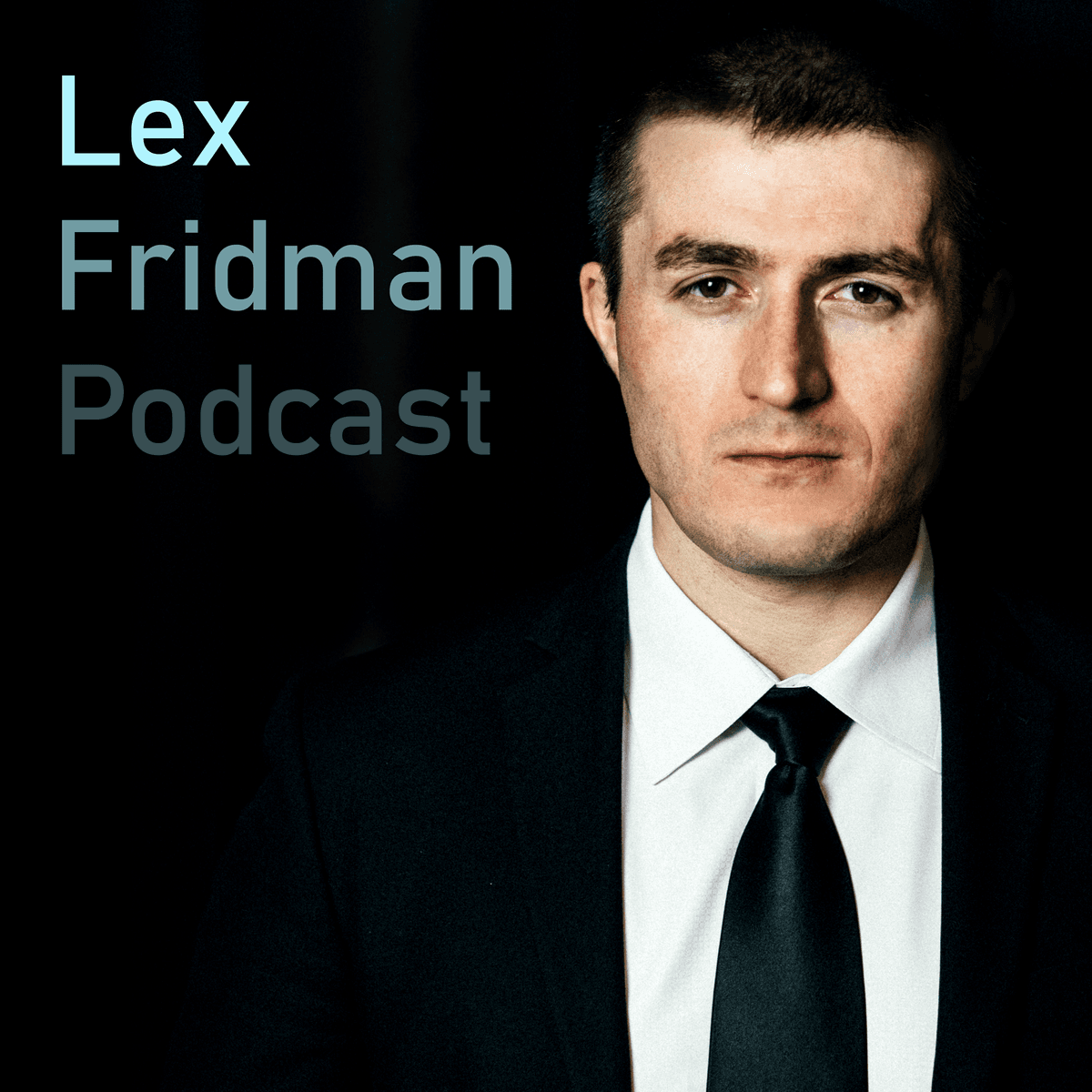

Lex Fridman Podcast #481 — Norman Ohler: Hitler, Nazis, Drugs, WW2, Blitzkrieg, LSD, MKUltra & CIA
Date: September 19, 2025
Guest: Norman Ohler
Host: Lex Fridman
Overview
In this episode, Lex Fridman welcomes Norman Ohler, acclaimed German author of Blitzed: Drugs in the Third Reich, The Bohemians, and the forthcoming Stoned Sapiens. They discuss Ohler’s groundbreaking research into the role of psychoactive substances—especially methamphetamine and opioids—within Nazi Germany, the Wehrmacht, and among top Nazi leadership. The conversation also covers Ohler's broader investigations into drug history, LSD's journey from Nazi experiments to CIA mind control projects, and the broader lens of substances in human civilization.
Key Discussion Points & Insights
1. Drugs and the Origins/Contradictions of the Nazi Movement
[09:11–24:39]
-
Early Drugs of Choice:
- The Nazi movement started in beer halls of Munich; alcohol fueled group aggression, camaraderie, and right-wing populism.
- Berlin in the 1920s was a hub of diverse drug use: morphine, cocaine, mescaline, ether, especially in the wake of Germany’s WW1 defeat.
-
Cultural Rift:
- Munich: “alcohol people,” conservative, group-focused, right-wing
- Berlin: liberated, experimental, LGBTQ+, bohemian
-
Nazi Power and Drug Policy:
- Nazis saw drugs as degenerate and associated with 'asphalt reality' of cosmopolitan Berlin.
- Early Nazi regime harshly prosecuted recreational drug use, pushing ideological intoxication instead.
- “The only intoxication they allow from now on in Germany is the Nazi intoxication.” (Ohler, 46:31)
Quote:
"Alcohol and National Socialism are very closely connected. The only guy that didn't drink was Hitler." — Norman Ohler [09:51]
2. How Methamphetamine (Pervitin) Entered the Reich
[46:08–56:19]
-
Roots of Methamphetamine as a 'German Wonder Drug':
- Sparked by 1936 Olympics—Jesse Owens’ victories led German pharma (Temmler) to seek a superior stimulant.
- Chemist Fritz Hauschild recreated methamphetamine in Berlin, debuted as Pervitin—over-the-counter, little-known side effects.
-
Public and Military Reception:
- Seen as a legal “performance enhancer,” akin to coffee.
- “A child could go and buy ten packs of pure methamphetamine.” (Ohler, 49:16)
-
Initial Ignorance of Side Effects:
- Early excitement: increased energy, suppressed appetite, erased fear.
- Only in 1940 did concerns arise: risk of addiction, ideological contradiction.
Quote:
"They went to the patent bureaucracy and got the patent for methamphetamine. And then it quite quickly came onto the market... Pervitin was available in any pharmacy." — Norman Ohler [51:18]
3. Nazi Military Campaigns Fueled by Drugs: Blitzkrieg and Beyond
[56:19–79:49]
-
Adoption in the Wehrmacht:
- Professor Otto Ranke (Army physiology) championed meth for soldiers—field tests showed clear performance enhancement.
- Army distributed Pervitin—35 million pills—for the 1940 Western campaign (France).
-
Blitzkrieg Execution:
- Success of surprise attacks credited, in part, to meth-induced wakefulness, aggression, and group euphoria.
- "They were really getting into it... it's a rush." (Ohler, 67:01)
-
Dunkirk Turning Point:
- German advance halted—Hitler (sober), influenced by Goering (on morphine), halts tanks outside Dunkirk: a critical strategic blunder.
- Meth-fueled tank generals wanted to push through, but Hitler resisted.
- Failure to capture BEF in Dunkirk seen as a "lost victory," marking Hitler's decline as a military leader.
Quotes:
"Pervitin was the strongest. It gives you the most energy, lets you work for the longest time. So Ranke was convinced." — Norman Ohler [58:04]
"On meth, you usually don't run away. You kind of think it's really cool...you like to be with your pals, you like to be in a tank." — Norman Ohler [67:47]
4. Hitler’s Evolving Drug Use: The Role of Dr. Theo Morell
[96:50–125:23]
-
From Abstinence to Addiction:
- Hitler began as an ascetic: no alcohol, vegetarian, no caffeine or nicotine.
- Dr. Morell, a celebrity “Dr. Feelgood,” introduced Hitler first to probiotics and vitamins, then a gamut of injections.
- Under wartime stress—especially from 1941 onward—Morell ramped up to potent opioids (e.g., oxycodone), hormonal concoctions, and experimental treatments.
-
Notable Events:
- August 1941: During a flu, Morell administers Dolantin (opioid) intravenously—Hitler’s health, mood, and confidence surge.
- Hitler increasingly reliant on injections; regular opioid use began in 1943.
- The “speedball” era (post-1944 bomb attempt): Hitler received both cocaine and opioids.
-
Morell’s Power and Downfall:
- Controlled Hitler’s health to the point of near exclusive access—Only Morell had a bedroom next to Hitler in the Berlin bunker.
- Goebbels ultimately exposes Morell, and Hitler, in opiate withdrawal, expels Morell as the Third Reich collapses.
Quotes:
“He gave lectures in front of officers and wrote a stimulant decree where a whole army is prescribed a drug.” — Norman Ohler [62:02]
“Hitler was really an opioid guy, while the army was really messed up. That’s how you could sum it up.” — Norman Ohler [127:54]
5. Debate and Criticism of Ohler’s Thesis
[30:16–33:06], [75:08–78:19]
-
Historians React:
- Evans called Ohler’s work “crass... dangerously inaccurate,” arguing it risked excusing Nazi atrocities.
- Ohler (and his mentor Hans Mommsen) vehemently reject monocausal (“just drugs caused everything”) explanations.
-
Acknowledged Complexity:
- Ohler maintains drugs were a neglected lens, not the sole cause—Nazism’s self-destructive ideology and criminal responsibility remain central.
- Reception split between admiration (Kershaw, Beevor) and skepticism.
Quote:
“Don’t argue in a monocausal way. That always stayed with me." — Norman Ohler [31:18]
6. Method and the Thrill of Historical Discovery
[34:11–43:03]
- Archival Research:
- Describes “Kafkaesque” archives, serendipitous discoveries, and help from unlikely sources (e.g., a DJ friend and a Berlin antique dealer).
- Difficulties in tracking references to drugs; found evidence through personal diaries, war diaries, distribution ledgers, and file signatures.
Quote:
“There’s history kind of lying there, somehow organized, somehow stored.” — Norman Ohler [38:24]
7. Drugs, Resistance, and Alternative German Stories: The Bohemians
[156:49–175:04]
-
Nazi Resistance from Within:
- Harro Schulze-Boysen & Libertas’ resistance group in Berlin—“march through the institutions.”
- Used parties, love, and artistic communities as cover for resistance; recruited selectively.
-
Resistance Was Rare:
- Risk of death or concentration camp discouraged open opposition; most people simply wanted to survive.
- Their group was eventually betrayed by a Soviet intelligence blunder and Gestapo surveillance, leading to executions.
Quote:
“It is admirable to be brave and not do things that you cannot really justify in front of your own conscience.” — Norman Ohler [179:13]
8. Psychoactive Drugs and Human Evolution: ‘Stoned Sapiens’
[184:08–204:31]
- Psychedelics & Cognition:
- Ohler’s next book examines how substances shaped civilization, from iboga in Homo erectus to opium/olive oil bloomed in Minoan Crete.
- Drugs potentially instrumental in human consciousness, social evolution, religious experience (e.g., Moses' DMT-laden burning bush).
- Societal attitudes to drugs (e.g., Sumerian beer, psychedelic rituals, Christian prohibitions) linked to the emergence of hierarchy and social order.
9. LSD’s Strange Journey: Nazis, CIA, and the Culture Wars
[210:07–246:30]
-
LSD’s Invention and Early Testing:
- Originated in neutral Switzerland (Albert Hofmann, Sandoz, 1943).
- Both Nazis and US sought a “truth drug”; Ohler claims evidence for Nazi-led LSD experimentation in Dachau.
- LSD/mescaline experiments transferred to US/captured scientists post-war.
-
MKUltra and the CIA:
- CIA director Dulles sees brain warfare as crucial; attempts to control global LSD supply (Sidney Gottlieb, MKUltra).
- Illegality not about danger but about control.
-
Cultural Ripple Effects:
- Despite being a mind control tool, LSD “escaped” into popular use—Ken Kesey etc., shaping the counterculture.
Quotes:
“The CIA makes it Dulles. The first director, he says the brain warfare is going on… we have to be prepared, you know, for the brain warfare.” — Norman Ohler [231:46]
“LSD’s tendency is more to increase empathy.” — Norman Ohler [235:39]
10. Personal Experiences: LSD, Writing, and the Creative Brain
[210:38–263:49]
-
Ohler’s Own Drug Use:
- Describes first (bad) LSD trip in NYC, intense visual and emotional experiences, subsequent appreciation for its depth and risk.
- LSD/mushrooms microdosed to treat familial Alzheimer’s.
-
Writing & Drugs:
- Most literary greats used drugs—Kerouac wrote On The Road fueled by amphetamines, PK Dick also.
- For Ohler, LSD is not a writing tool, but expands his worldview and intellectual depth.
- Discusses difference between amphetamines (mechanical productivity, confidence) and psychotropics (creativity, depth, empathy).
- Advocates utmost caution and personal responsibility in drug use.
Quote:
“Writing has two important parts, and one of them is the actual writing part. And that's the painful part... But what you need, of course, is the inspirational part. And LSD helped me ...to realize that it’s not all black and white. The world’s quite colorful.” — Norman Ohler [239:11]
11. On Meaning, Integrity, and the "Big Story"
[266:22–269:51]
-
Philosophy of Life:
- The meaning of life: consciousness as a lens for the “bigger story” of the universe; the openness and receptivity experienced on psychedelics is a metaphor for all creative or intellectual achievement.
-
The Role of Art and Writing:
- Literature, art, and resistance all serve to “free the brainwaves” and connect us to the greater mysteries and narrative of existence.
Quote:
“The consciousness of the whole of the universe, the big, the huge story is something that is probably the meaning of life... I wouldn’t put that meaning on life in words. It is an experience.” — Norman Ohler [266:22]
Notable Quotes & Memorable Moments
On Hitler and Drugs:
- “Hitler was really an opioid guy, while the army was really messed up.” — Norman Ohler [127:54]
- “Meth creates the so called fight or flight motors... on meth, you usually don’t run away.” — Norman Ohler [67:47]
On History and Research:
- “We historians, we never do drugs. We don't understand drugs. We missed this, you know, so... this is actually the missing link.” — Quoting Hans Mommsen, via Norman Ohler [24:39]
On LSD’s Strange Path:
- "They miserably failed because LSD is not the truth drug. LSD maybe leads you closer to your own truth." — Norman Ohler [230:15]
- “It’s the dosage that makes the poison.” — Norman Ohler [218:43]
On Resistance:
- “It is admirable to be brave and not do things that you cannot really justify in front of your own conscience.” — Norman Ohler [179:13]
Suggested Timestamps for Deep Dives
- Meth, Berlin, Munich, and Nazi Culture: 09:11–24:39
- Pervitin and Early Meth Use in Wehrmacht: 46:08–56:19
- French Campaign and Blitzkrieg: 56:28–79:22
- Hitler and Dr. Morell: From Vitamins to Opioids: 96:50–125:23
- Historians’ Criticism of "Blitzed": 30:16–33:06
- Archival Finds and Research Journey: 34:11–43:03
- LSD: Nazis to CIA MKUltra: 210:07–246:30
- The Bohemians: Resistance Group: 156:49–175:27
- Meaning of Life, Resistance, and Art: 266:22–269:51
Tone & Style
Norman Ohler brings a mix of dry German wit, intellectual rigor, and firsthand storytelling. Lex Fridman’s characteristic curiosity, warmth, and philosophical bent make for a wide-ranging, authentic, and occasionally irreverent conversation. Both are highly engaged, shifting comfortably between humor, darkness, empathy, and grand “big history” speculation.
Conclusion
This episode offers a sweeping, revisionist, and personal examination of the underestimated impact of drugs—from methamphetamine in Nazi tanks to LSD in CIA mind control—all the way to the broader role of substances in the story of humanity. Ohler and Fridman challenge monocausal narratives in history, celebrate archival discoveries, and insist on the need to examine the layers—personal, chemical, ideological—animating individuals and societies in their greatest moments, for better or worse.
For more resources and information, explore Norman Ohler’s books (“Blitzed,” “The Bohemians,” and soon “Stoned Sapiens”) and subscribe to his Substack. Lex’s podcast catalog can be found at lexfridman.com.