
Podcast
Life Kit: Money
Hosted by NPR · EN
Being in control of your money leads to great things. From dealing with debt or student loans, to how to buy a house, NPR wants to help. Updated every time Life Kit posts an episode on personal finance or money.
Want another life hack? Try Life Kit+. Your subscription supports the show and unlocks an exclusive sponsor-free feed. Learn more at plus.npr.org/lifekit
Want another life hack? Try Life Kit+. Your subscription supports the show and unlocks an exclusive sponsor-free feed. Learn more at plus.npr.org/lifekit
20episodes
Episodes
Newest firstAll episodes

Savings strategies that actually work
2w ago00:22:09Tap to summarizeYou know you want to save for that vacation, those new tires and more generally, the future. But what savings approach actually works? Certified financial planner Tania P. Brown recommends trying savings buckets. By creating separate categories — or buckets — for your savings, you can prioritize your goals, plan ahead and set rules for when you'll tap into each fund. In this episode, Brown shares tips on building sinking funds and emergency funds, as well as other types of savings accounts, so you can stay motivated and on track with your financial goals.Follow us on Instagram: @nprlifekitSign up for our newsletter here.Have an episode idea or feedback you want to share? Email us at lifekit@npr.orgSupport the show and listen to it sponsor-free by signing up for Life Kit+ at plus.npr.org/lifekitSee pcm.adswizz.com for information about our collection and use of personal data for sponsorship and to manage your podcast sponsorship preferences.NPR Privacy Policy
Transcribe →
Summer fun that doesn't break the budget
3w ago00:12:19Tap to summarizeWondering how to have fun this summer without spending a fortune? All you need is a little creativity. Go on a "penny date." Throw a movie marathon party. Swap houses with a friend. With a little imagination, you can bring delight and joy — at a low cost — to your sunny days ahead. This episode originally aired Aug. 1, 2023.Follow us on Instagram: @nprlifekitSign up for our newsletter here.Have an episode idea or feedback you want to share? Email us at lifekit@npr.orgSupport the show and listen to it sponsor-free by signing up for Life Kit+ at plus.npr.org/lifekitSee pcm.adswizz.com for information about our collection and use of personal data for sponsorship and to manage your podcast sponsorship preferences.NPR Privacy Policy
Transcribe →
A financial planner's advice for spending without guilt
4w ago00:23:08Tap to summarizeWhether you're feeling guilty about overspending or guilty about not spending enough, shame around money can get in the way of your goals. In this episode, Marielle Segarra talks with certified financial planner Lauryn Williams about how to address financial guilt and align your spending with your values.Follow us on Instagram: @nprlifekitSign up for our newsletter here.Have an episode idea or feedback you want to share? Email us at lifekit@npr.orgSupport the show and listen to it sponsor-free by signing up for Life Kit+ at plus.npr.org/lifekitSee pcm.adswizz.com for information about our collection and use of personal data for sponsorship and to manage your podcast sponsorship preferences.NPR Privacy Policy
Transcribe →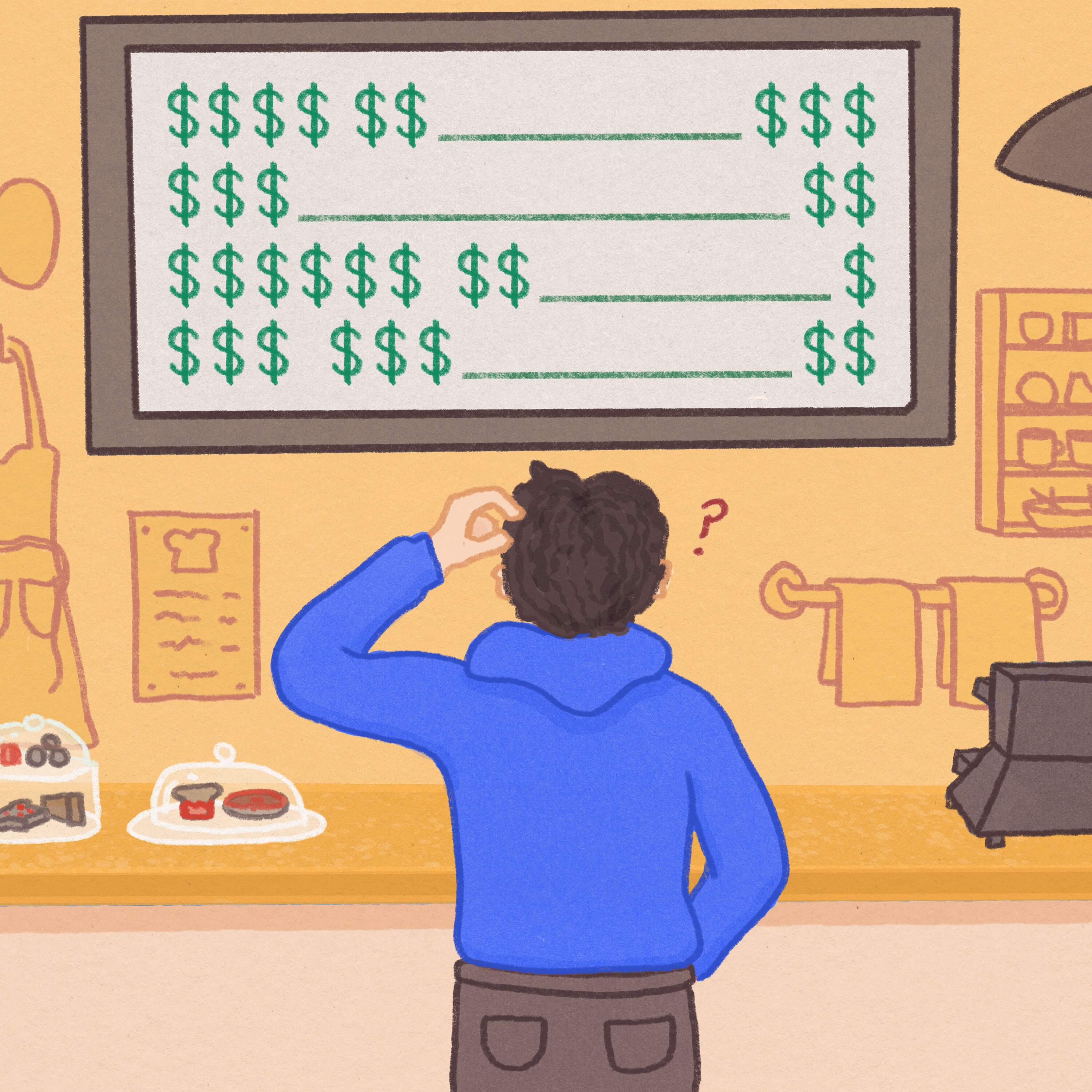
How to save at restaurants if you're burnt out on cooking
Jun 3000:17:39Tap to summarizeDo you blow $20 on slop bowls because you keep forgetting to pack lunch? Or can't help but overspend every time you eat out with friends? Dining out can be expensive — but there are ways to minimize the financial punch. This episode, reporter Joe Hernandez shares tips on how to dine out on a budget. Sign up for his one-month newsletter, How to Cut Your Food Bill, for more tips.Follow us on Instagram: @nprlifekitSign up for our newsletter here.Have an episode idea or feedback you want to share? Email us at lifekit@npr.orgSupport the show and listen to it sponsor-free by signing up for Life Kit+ at plus.npr.org/lifekitSee pcm.adswizz.com for information about our collection and use of personal data for sponsorship and to manage your podcast sponsorship preferences.NPR Privacy Policy
Transcribe →
Gold is having a moment. Is now the time to invest?
May 2800:14:54Tap to summarizeIn the world of investing, gold is having a moment. Last year, the price of gold crossed $4,000 an ounce for the first time ever. But does that mean it's time to rebalance your portfolio and get in on the precious metal action? This episode, NPR finance correspondent Maria Aspan explains why the world has been so obsessed with gold lately, how you can invest and whether doing so makes sense in the long-term.Follow us on Instagram: @nprlifekitSign up for our newsletter here.Have an episode idea or feedback you want to share? Email us at lifekit@npr.orgSupport the show and listen to it sponsor-free by signing up for Life Kit+ at plus.npr.org/lifekitSee pcm.adswizz.com for information about our collection and use of personal data for sponsorship and to manage your podcast sponsorship preferences.NPR Privacy Policy
Transcribe →
Unsure which retirement account to choose? We have some tips
May 700:11:09Tap to summarizeRetirement accounts are not just a vehicle to let your money grow over time for when you're ready to stop working. They're also a tax shelter. In this episode, we talk about how much you can expect to save in taxes, the difference between pre-tax and post-tax accounts, and how to decide which to prioritize. Spoiler: when in doubt, just pick one and get started. Follow us on Instagram: @nprlifekitSign up for our newsletter here.Have an episode idea or feedback you want to share? Email us at lifekit@npr.orgSupport the show and listen to it sponsor-free by signing up for Life Kit+ at plus.npr.org/lifekitSee pcm.adswizz.com for information about our collection and use of personal data for sponsorship and to manage your podcast sponsorship preferences.NPR Privacy Policy
Transcribe →
Shop less and save more with a 'no-buy challenge'
Apr 3000:20:36Tap to summarizeIf you're struggling to save for long-term goals, find yourself lost in a sea of clutter or are concerned about consumerism and climate change, there are ways to curb your shopping habits. This episode, journalist Stacey Vanek Smith talks to writers, influencers and activists in the sustainable fashion industry about how to reign in overconsumption, rethink our power as consumers and challenge ourselves to buy less. This episode originally published Aug. 20, 2024.Follow us on Instagram: @nprlifekitSign up for our newsletter here.Have an episode idea or feedback you want to share? Email us at lifekit@npr.orgSupport the show and listen to it sponsor-free by signing up for Life Kit+ at plus.npr.org/lifekitSee pcm.adswizz.com for information about our collection and use of personal data for sponsorship and to manage your podcast sponsorship preferences.NPR Privacy Policy
Transcribe →
Do you have a financial self-care routine?
Apr 2300:15:57Tap to summarizeThere are things we're supposed to do routinely for our health: brush our teeth, shower and exercise. There's a version of that for financial health too. We'll talk about those tasks — and go beyond the number-crunching to explore how our mental health affects our finances. This episode originally published Aug. 15, 2023.Follow us on Instagram: @nprlifekitSign up for our newsletter here.Have an episode idea or feedback you want to share? Email us at lifekit@npr.orgSupport the show and listen to it sponsor-free by signing up for Life Kit+ at plus.npr.org/lifekitSee pcm.adswizz.com for information about our collection and use of personal data for sponsorship and to manage your podcast sponsorship preferences.NPR Privacy Policy
Transcribe →
How to get 'financially naked' with your partner
Mar 3100:21:41Tap to summarizeHow much money do you make? What assets and debts do you have? What are your spending habits? These are all questions you should ask your partner, says Vivian Tu, founder of Your Rich BFF, a financial education company. In this episode, host Marielle Segarra talks with Tu about how to get “financially naked” with your partner, whether you just started dating or have been together for years.Follow us on Instagram: @nprlifekitSign up for our newsletter here.Have an episode idea or feedback you want to share? Email us at lifekit@npr.orgSupport the show and listen to it sponsor-free by signing up for Life Kit+ at plus.npr.org/lifekitSee pcm.adswizz.com for information about our collection and use of personal data for sponsorship and to manage your podcast sponsorship preferences.NPR Privacy Policy
Transcribe →
Don't get taken for a ride by your car insurer
Mar 1900:18:07Tap to summarizeBetween the start of 2022 and the start of 2025, car insurance rates jumped by more than 50%, according to the Bureau of Labor Statistics. Luckily, there are tried-and-true tactics for finding the cheapest deal you can -- from comparing rates from multiple insurance companies to not letting your teen get their license just yet. NPR's cars and energy correspondent, Camila Domonoske, breaks down the surprising factors that contribute to high rates and how to make sure you don't get taken for a ride by your car insurer.Find comparisons in your ZIP code: https://www.npr.org/2025/11/05/nx-s1-5397184/auto-insurance-credit-history-cost Follow us on Instagram: @nprlifekitSign up for our newsletter here.Have an episode idea or feedback you want to share? Email us at lifekit@npr.orgSupport the show and listen to it sponsor-free by signing up for Life Kit+ at plus.npr.org/lifekitSee pcm.adswizz.com for information about our collection and use of personal data for sponsorship and to manage your podcast sponsorship preferences.NPR Privacy Policy
Transcribe →