
Podcast
LIVE with The Famous Unshakeable Dr. AL
Hosted by Dr. Allen Steven Lycka · EN
Broadcast on syndicated radio and available as a podcast, LIVE with The Famous Unshakeable™ Dr. AL is where resilience, mindset, and personal transformation take center stage. Hosted by Dr. Allen Lycka — internationally acclaimed cosmetic dermatologist, bestselling author, and global keynote speaker — the show inspires listeners to thrive in health, business, and life.
Dr. Lycka is celebrated as a pioneer in modern cosmetic surgery, but his life took a dramatic turn in 2003 when he was misdiagnosed with ALS and given just six months to live. Choosing courage over fear, he embraced an Unshakeable™ mindset and not only survived but built a powerful second act as an author, mentor, and media personality. His journey inspired the bestselling book The Secrets to Living a Fantastic Life with a foreword by Jack Canfield of Chicken Soup for the Soul.
Now, with over 500 episodes of his original show behind him, Dr. Lycka brings his signature energy to a new stage. Each episode delivers high-impact conversations with thought leaders, entrepreneurs, bestselling authors, innovators, and celebrities — offering strategies for resilience, success, and reinvention.
Listeners can expect:
- Proven mindset tools for overcoming adversity
- Health, wellness, and lifestyle insights
- Business and leadership strategies
- Inspirational stories of transformation and triumph
If you’re ready to unlock your potential, rise stronger, and build an Unshakeable™ future, this show delivers the wisdom and motivation you need.
49episodes
Episodes
Newest firstAll episodes

How to Find Hope During Life's Hardest Waiting Seasons
4d ago00:31:41Tap to summarizeGuest: Karen Kay Smith Episode Overview Life doesn't always unfold as planned. After spending more than 15 years caring for her husband through primary progressive multiple sclerosis, Karen K. Smith discovered that hope isn't something we stumble upon—it's something we intentionally choose. In this inspiring conversation, she shares practical strategies for navigating grief, caregiving, uncertainty, and life's unexpected "waiting rooms." Whether you're facing loss, chronic illness, career transitions, infertility, or caring for aging parents, this episode offers encouragement and actionable steps to build resilience and rediscover purpose. Key Takeaways Hope is built through connection—with yourself, others, and your faith.Healing begins when you feel, reveal, and receive care.You don't have to face caregiving, grief, or uncertainty alone.Grief and joy can coexist; healing doesn't mean forgetting.Waiting seasons often become the foundation for future purpose. Listener Q&A Q: What is a "waiting room" in life? A: It's any season filled with uncertainty—caregiving, illness, infertility, job loss, grief, divorce, or caring for aging parents. Q: How can I maintain hope during difficult times? A: Prioritize self-care, connect with supportive people, and develop a steady spiritual foundation that remains constant despite changing circumstances. Q: Why is asking for help so difficult? A: Many people struggle with vulnerability, but accepting support is essential for emotional and mental well-being. Q: Can I still experience happiness while grieving? A: Yes. Healthy grief allows gratitude and joy to exist alongside sadness without diminishing either emotion. What You'll Learn From This Episode How to build resilience during life's unexpected challenges.Practical ways to receive support without guilt.The difference between optimism and lasting hope.Healthy habits that strengthen emotional healing.How painful experiences can become a meaningful purpose. Connect with Karen Kay Smith: Website: https://karenkaysmith.com/Instagram: https://www.instagram.com/karen_kay_smith/Linktree: https://linktr.ee/karenkaysmith Click here to claim your free gift: The Waiting Room Survival Guide
Transcribe →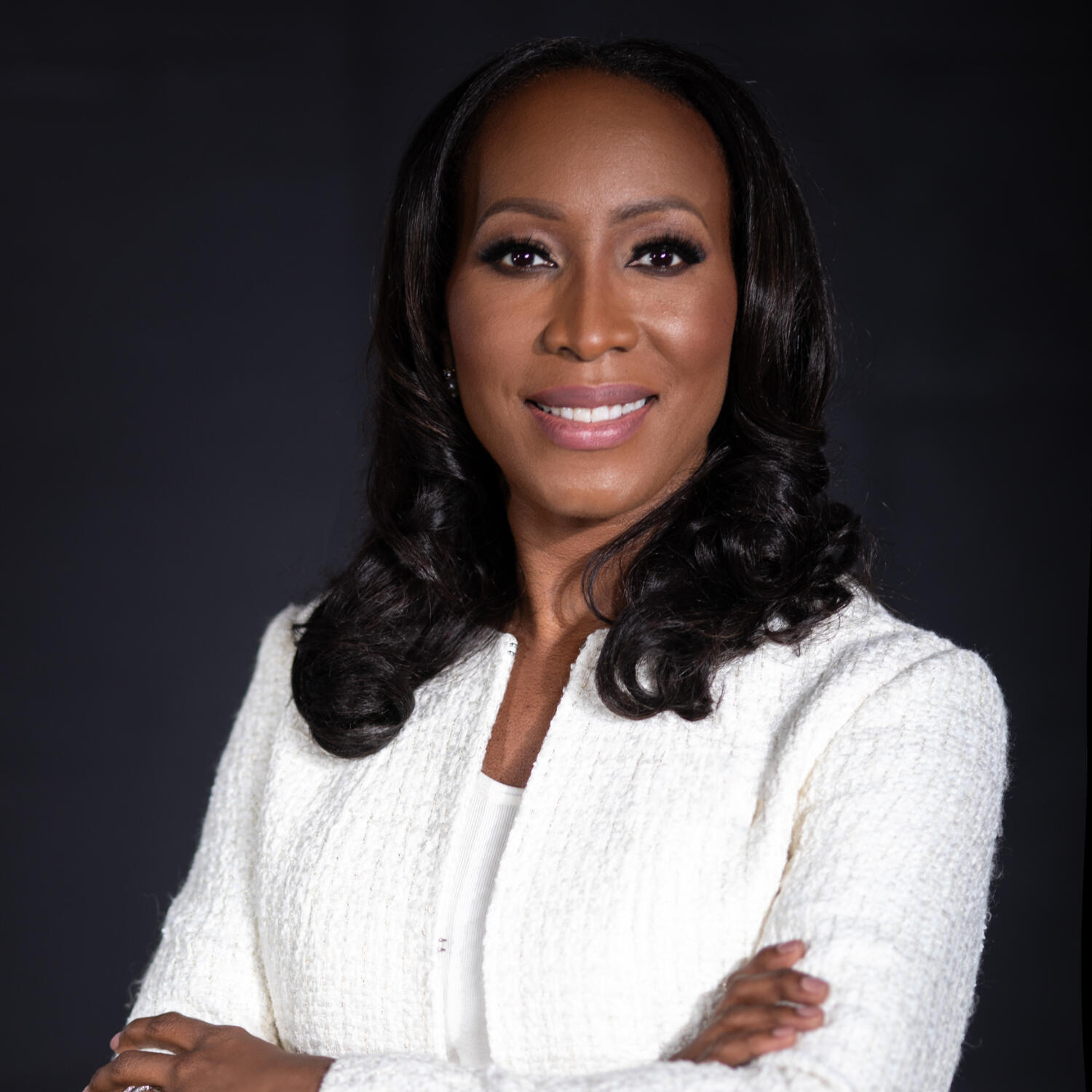
How Servant Leadership Builds Trust, Purpose, and Lasting Impact
3w ago00:23:01Tap to summarizeGuest: Detria Austin Everson Episode Overview What if one of the greatest leadership superpowers is something everyone already possesses? In this episode, nationally recognized servant leader, business strategist, and bestselling author Deitra Austin Everson explores how servant leadership can build trust, strengthen relationships, create healthier workplace cultures, and help people discover greater purpose. Deitra explains why service is not weakness or self-sacrifice. Instead, authentic service means using your unique gifts to improve the lives of others while honoring your own purpose. From boardrooms and classrooms to families and communities, this conversation reveals how leading with compassion, intention, and humanity can create lasting impact. Key Takeaways Service builds influence: People often remember how you made them feel and how genuinely you showed up.Servant leadership is not self-erasure: Healthy service does not mean saying yes to everything or abandoning your own goals.Purpose often emerges through action: Serving where you are can reveal opportunities and direction for your next chapter.Authentic leadership requires practice: Great leadership means living your values, not simply talking about them.Small acts can create lasting change: Everyday choices to listen, encourage, help, and create opportunities for others can transform relationships and communities. Listener Q&A What is servant leadership? Servant leadership is an approach that focuses on helping others grow, succeed, and feel valued. It emphasizes listening, compassion, trust, and creating space for others to thrive. Does serving others mean putting yourself last? No. Healthy service is not about making yourself smaller, saying yes to everything, or sacrificing your purpose. It is about using your gifts to help others while maintaining healthy boundaries and honoring your own calling. How can serving help someone discover their purpose? Purpose does not always arrive as one dramatic revelation. It can emerge through action—one conversation, act of kindness, volunteer opportunity, or person you encourage may open the door to your next chapter. Why is service so important in leadership today? People are looking for authentic leadership, genuine connection, kindness, and humanity. Service shifts leadership away from simply gaining visibility or authority and toward creating meaningful impact. What You’ll Learn From This Episode How servant leadership creates trust and stronger relationships.Why service can open doors that credentials alone cannot.How to serve others without losing yourself or your purpose.Why taking small actions can help you move through uncertainty.How to turn everyday acts of service into meaningful leadership and impact. Connect with Detria Austin Everson: Instagram- https://www.instagram.com/detriaaustineverson/Facebook - https://www.facebook.com/detria.everson/LinkedIn - https://www.linkedin.com/in/detriaaustineverson/ Website - https://servingisasuperpower.com/ Click here to claim your free gift: The Servant Leadership Action Guide
Transcribe →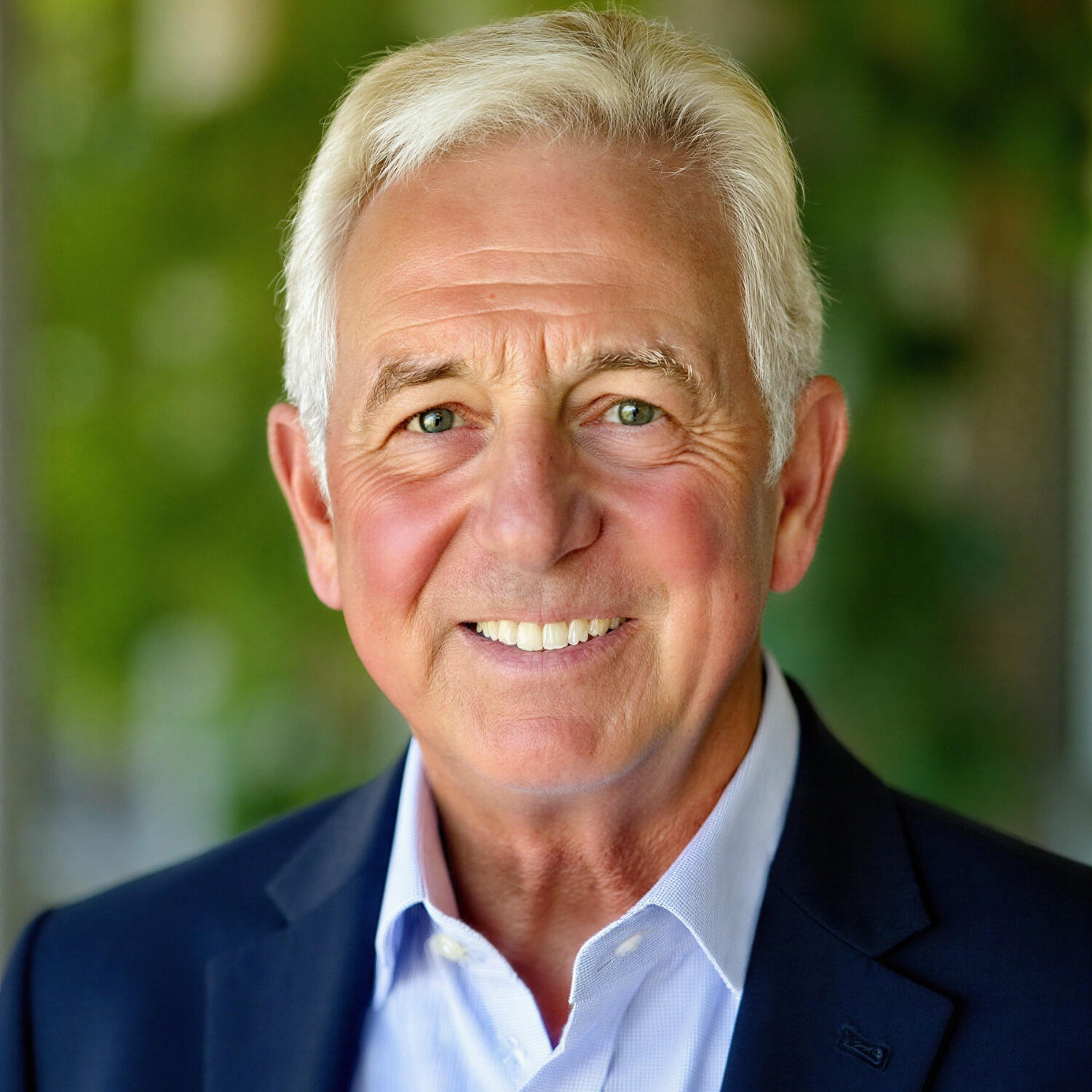
How to Build Lasting Success Through Trust, Goals, and Relationship-Based Selling
Jul 800:31:42Tap to summarizeGuest: Neil Wood Episode Overview What does it really take to achieve extraordinary success without becoming a pushy salesperson? In this episode, Neil Wood shares how he overcame a difficult childhood, built more than $1 billion in sales, trained over 30,000 sales professionals, and discovered that the greatest sales strategy isn't selling—it's serving. Learn how goal setting, mindset, listening skills, and trusted relationships create sustainable business growth and personal fulfillment. Key Takeaways Success begins with serving others instead of trying to sell.Goal setting transforms your future by creating clarity and daily action.Listening is the most powerful sales skill—people buy when they feel understood.Positive daily habits shape long-term success more than talent alone.Mentors, coaches, and consistent learning accelerate personal and financial growth. Listener Q&A Q: What's the biggest mistake most salespeople make? A: Talking too much instead of asking thoughtful questions and listening carefully to understand the client's real needs. Q: Can goal setting really change your life? A: Neil credits learning goal setting through Zig Ziglar's teachings with transforming his health, career, and financial future. Q: What's the secret behind generating over $1 billion in sales? A: Building trust, becoming a trusted advisor, and focusing on solving problems instead of closing deals. Q: What's one daily habit everyone should adopt? A: Begin each morning with positive input and end each day by reflecting on the best part of your day to reinforce an optimistic mindset. What You'll Learn From This Episode How relationship-based selling outperforms traditional sales tactics.Why listening is more valuable than pitching.How goal setting creates measurable personal transformation.The impact mentors have on long-term success.Daily mindset habits that improve both business and life. Connect with Neil Wood: Website: https://www.neilwoodconsulting.com/ LinkedIn: https://www.linkedin.com/in/neilwoodsales/ Click here to claim your free gift: The Trusted Advisor Success Blueprint
Transcribe →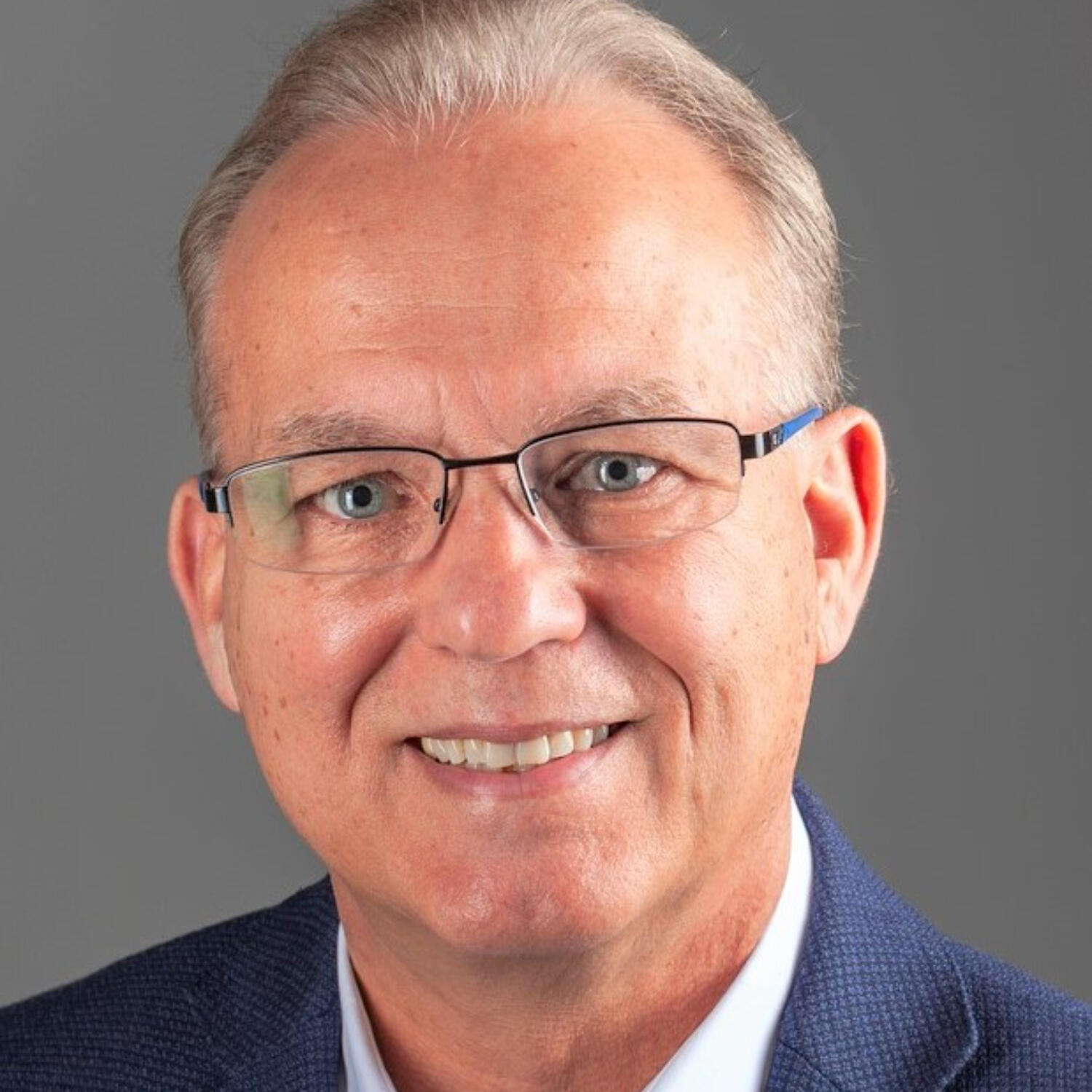
How Business Owners Can Build Freedom with Smarter Systems and Better Leadership
Jul 700:29:06Tap to summarizeGuest: Don Vierboom Episode Overview What does it really take to build a business that thrives without depending on you every day? In this episode, business coach Don Vierboom shares practical strategies for helping entrepreneurs escape the daily grind by improving leadership, delegation, financial awareness, and strategic planning. Drawing on 35 years of sales and marketing experience, Don explains why coaching, systems, and the right mindset are essential for sustainable business growth and owner freedom. Key Takeaways Stop trying to do everything yourself—delegation is essential for growth.Track sales, profitability, and CRM metrics consistently to make better decisions.Build a business that can operate successfully while you're away.Hire high performers who create significantly more value than average employees.Price based on market value instead of limiting yourself with personal assumptions. Listener Q&A Q: How do I know if my business truly gives me freedom? If you can't take two to four weeks away without constantly checking in, your business still depends too heavily on you. Q: What should I delegate first? Bookkeeping, accounting, and strategic planning are excellent starting points because they free your time for leadership. Q: What metrics should every business owner monitor? Lead generation, sales pipeline, profitability, gross margin, EBITDA, and overall net profit. Q: Why do so many business owners underprice themselves? Many rely on instinct instead of market research. Understanding your market allows you to confidently charge what your value deserves. What You'll Learn From This Episode How to overcome the mindset that keeps founders trapped as the bottleneck.Why coaching accelerates business growth.The importance of diagnostics before implementing change.How company culture can scale alongside growth.Why premium positioning often creates healthier businesses than competing on price. Connect with Don Vierboom Website: fourtreecoaching.comPersonal Website: mitchcammidge.comLinkedIn (Don Vierboom): https://www.linkedin.com/in/donvierboom/LinkedIn (Four Tree Coaching): https://www.linkedin.com/company/four-tree-coaching/Instagram: https://www.instagram.com/fourtreecoaching/X (Twitter): https://x.com/DonVierboomYouTube: https://www.youtube.com/@donvierboom11 Click here to claim your free gift: Business Freedom Checklist - Build a Business That Doesn't Depend on You
Transcribe →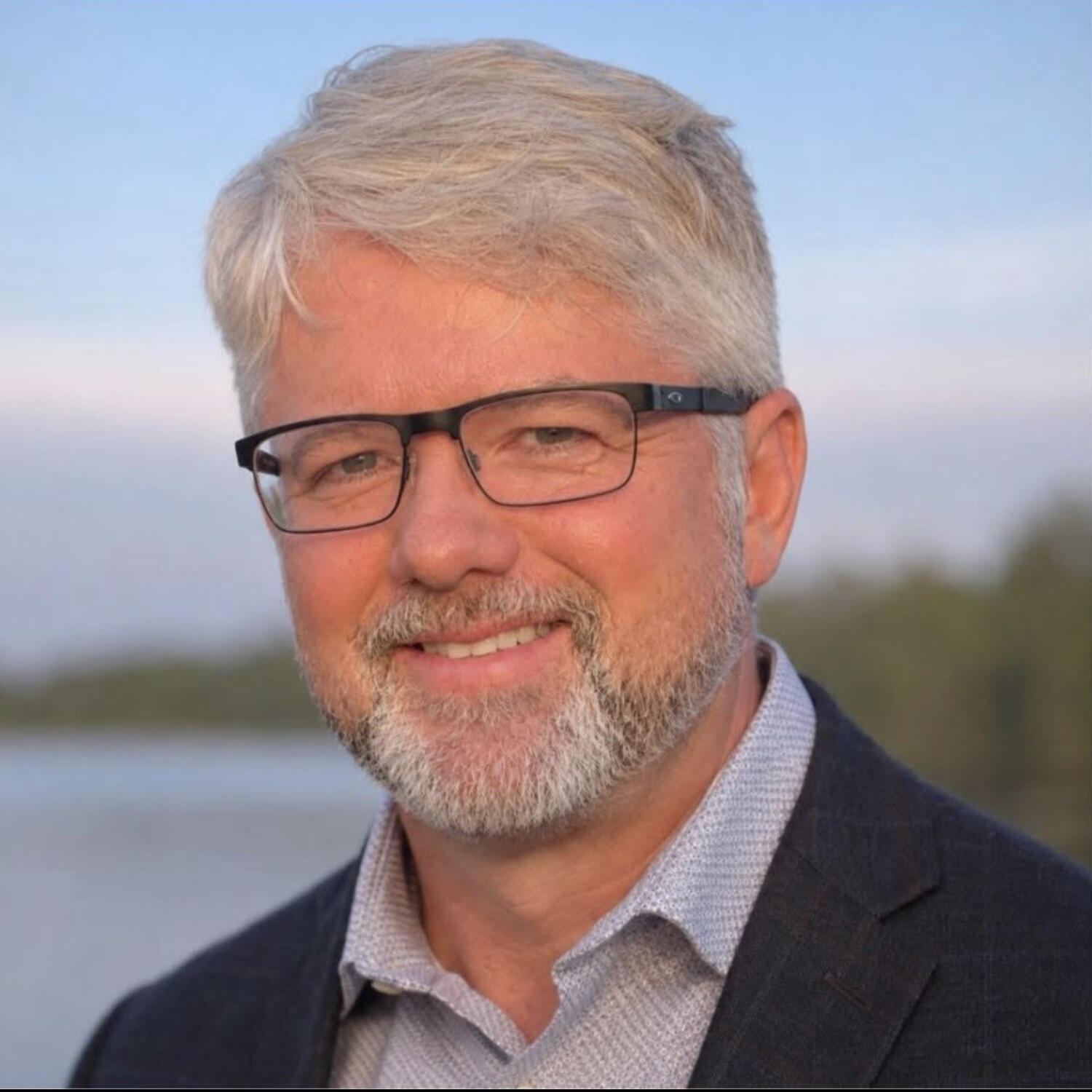
How to Stay Positive in a Negative World and Build a Life of Purpose
Jul 600:24:25Tap to summarizeGuest: Michael Woods Episode Overview What does it take to overcome poverty, addiction, failure, and self-doubt to build a meaningful life? In this inspiring conversation, Michael Woods shares how a single Zig Ziglar cassette changed the course of his future. From high school dropout to successful business leader, author, and motivational speaker, Michael explains why attitude, faith, leadership, and intentional thinking matter more than circumstances. Learn practical strategies for overcoming negativity, leading with purpose, and creating lasting personal growth. Key Takeaways Your past does not determine your future—your choices do.The information you consume shapes your mindset and your life.Great leaders listen first, serve others, and build trust.Daily habits of faith, gratitude, and personal development create long-term success.Positive thinking is a discipline developed through consistent action. Listener Q&A Q: What changed Michael's life the most? A: Hearing Zig Ziglar's Born to Win inspired him to believe he could become more than his circumstances. Q: How can I stay positive in today's negative world? A: Reduce negative inputs, feed your mind with uplifting content, focus on your health, and intentionally practice gratitude. Q: What's the biggest leadership lesson Michael learned? A: Listen deeply to understand what your team is experiencing before trying to lead or solve problems. Q: What role does faith play in success? A: Michael believes spending daily quiet time with God provides direction, peace, and purpose. What You'll Learn From This Episode How mindset determines the direction of your life.Why personal growth starts with what you allow into your mind.Leadership habits that build stronger teams.Practical ways to overcome negativity and adversity.How faith and service create lasting fulfillment. Connect with Michael Woods: Website: https://michaelwoodsonline.com Facebook: https://www.facebook.com/motivationwithmichaelwoods/ LinkedIn: https://www.linkedin.com/in/michael-woods-34b13586/ Click here to claim your free gift: The Positive Mindset Blueprint
Transcribe →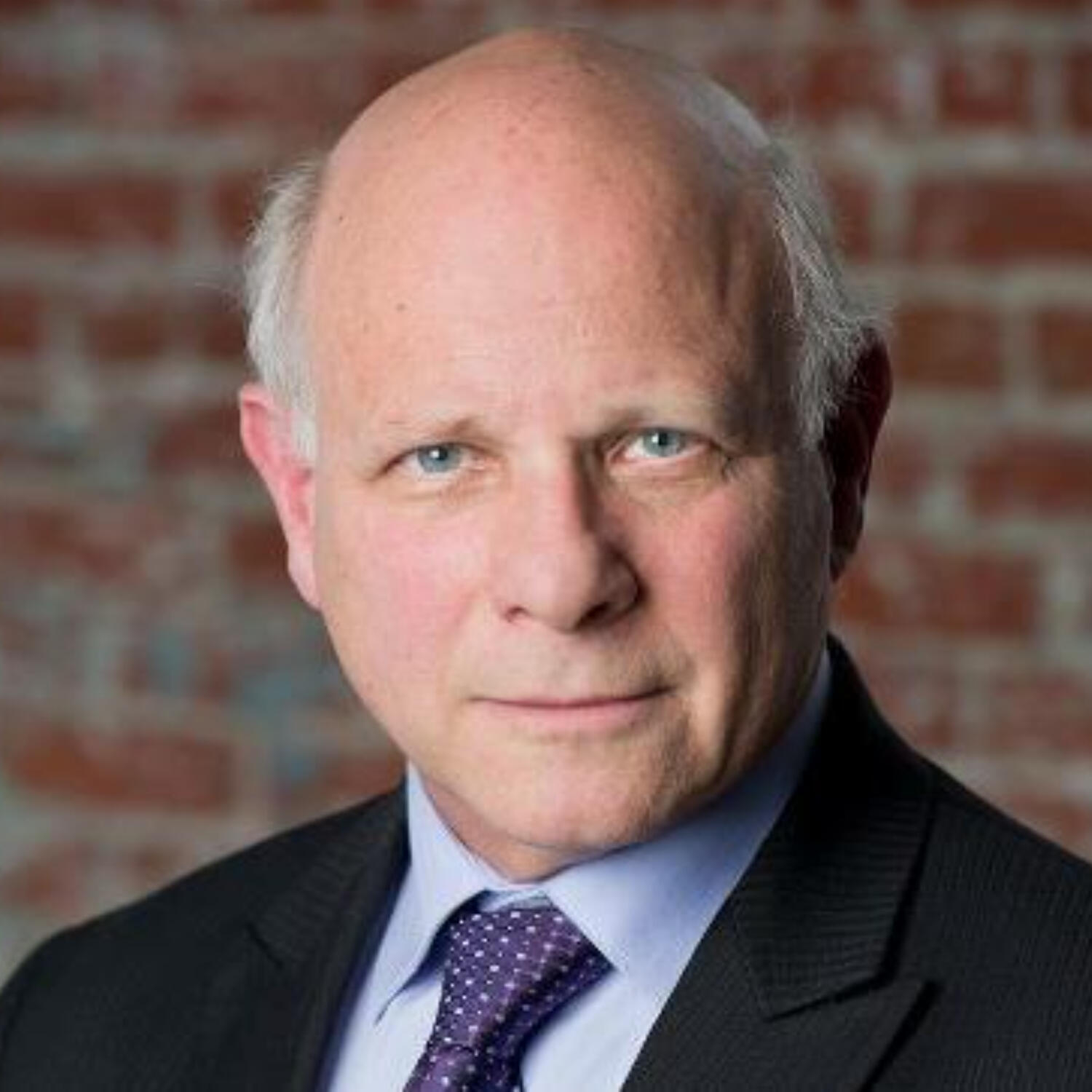
How to Find Hope After Suicide Loss: Healing, Resilience & Why Every Life Matters
Jul 300:30:19Tap to summarizeGuest: Carl David Episode Overview When Carl David lost his brother to suicide, his family was forever changed. Instead of allowing grief to define his future, he dedicated his life to suicide prevention through writing, filmmaking, and advocacy. In this powerful conversation, Carl shares the realities of surviving suicide loss, the importance of mental health support, and why military personnel, first responders, and families must break the silence around emotional pain. This episode offers hope, practical insights, and a reminder that every life matters. Key Takeaways Healing after suicide is possible, but it requires support and time.Asking for professional help is a sign of strength—not weakness.Military members and first responders face unique mental health challenges that deserve greater awareness.Families should create safe spaces for honest conversations about emotional struggles.Suicide prevention begins with education, compassion, and removing stigma. Listener Q&A Q: Can someone hide suicidal thoughts even if they seem happy? Yes. Carl explains that his brother appeared outgoing and well-liked, showing how emotional pain can remain hidden. Q: Does grief after suicide ever completely disappear? Carl shares that you don't "get over it"—you learn how to live with it through healing and support. Q: Why do first responders often avoid asking for help? Many fear being viewed as weak or losing their careers, making peer support and mental health resources especially important. Q: What should someone do if they're experiencing dark thoughts? Reach out immediately to a trusted person or mental health professional. Seeking help is a courageous first step. What You'll Learn How suicide loss impacts an entire family.Why mental health conversations save lives.The unique emotional burdens carried by veterans and first responders.Healthy approaches to processing grief and trauma.Practical ways communities can support those who are struggling. Connect with Carl David Website: Carl-david.com LinkedIn: https://www.linkedin.com/in/carledavidX: https://x.com/97yankeeSubstack: https://forcemultiplier1.substack.comTruth Social: https://truthsocial.com/@ForcemultiplierFacebook: https://www.facebook.com/carledavid1415Instagram: https://www.instagram.com/carledavid1415 Click here to claim your free gift: The Hope & Healing Action Guide
Transcribe →
How to Build Unstoppable Resilience and Thrive Through Life’s Toughest Challenges
Jul 200:28:57Tap to summarizeGuest: Amberly Lago Episode Overview Resilience isn't something you're born with—it's something you build. In this inspiring conversation, Amberly Lago shares how surviving a devastating motorcycle accident, enduring more than 34 surgeries, and living with chronic pain transformed her perspective on grit, gratitude, faith, and purpose. She also explains how writing a book can open doors to new opportunities while creating lasting impact. Key Takeaways Resilience is built long before you need it through daily habits and discipline.Gratitude is one of the fastest ways to shift your mindset during difficult seasons.Your greatest struggles can become your greatest purpose when you choose to share your story.Success comes from consistent training, preparation, and taking action despite fear.Relationships and proximity to experienced mentors accelerate personal and professional growth. Listener Q&A Q: How do you stay positive during chronic pain or adversity? A: Amberly relies on faith, gratitude, prayer, and intentionally focusing on what she still has instead of what she's lost. Q: Can difficult experiences actually make you stronger? A: Yes. Every challenge develops resilience and grit that prepares you for future obstacles. Q: Why should someone write a book? A: A book creates credibility, opens media opportunities, expands your network, and allows your story to help others. Q: What's the best way to overcome fear? A: Take action anyway. Fear often exaggerates what could happen, while action creates confidence. What You'll Learn From This Episode How to develop resilience before life tests you.Practical ways to build a daily gratitude habit.Why mindset shapes your ability to recover from setbacks.How discipline creates long-term success.How sharing your story can create impact while growing your personal brand. Connect with Amberly Lago: LinkedIn: https://www.linkedin.com/in/amberlylago/Instagram: https://www.instagram.com/amberlylagomotivation/Instagram (Podcast): https://www.instagram.com/theamberlylagoshow/Instagram (Mastermind): https://www.instagram.com/unstoppablelifemastermind/Facebook: https://www.facebook.com/amberlybrownlagoYouTube: https://www.youtube.com/c/AmberlyLagoMotivationTikTok: https://www.tiktok.com/@amberlylago Click here to claim your free gift: The Unstoppable Resilience Blueprint
Transcribe →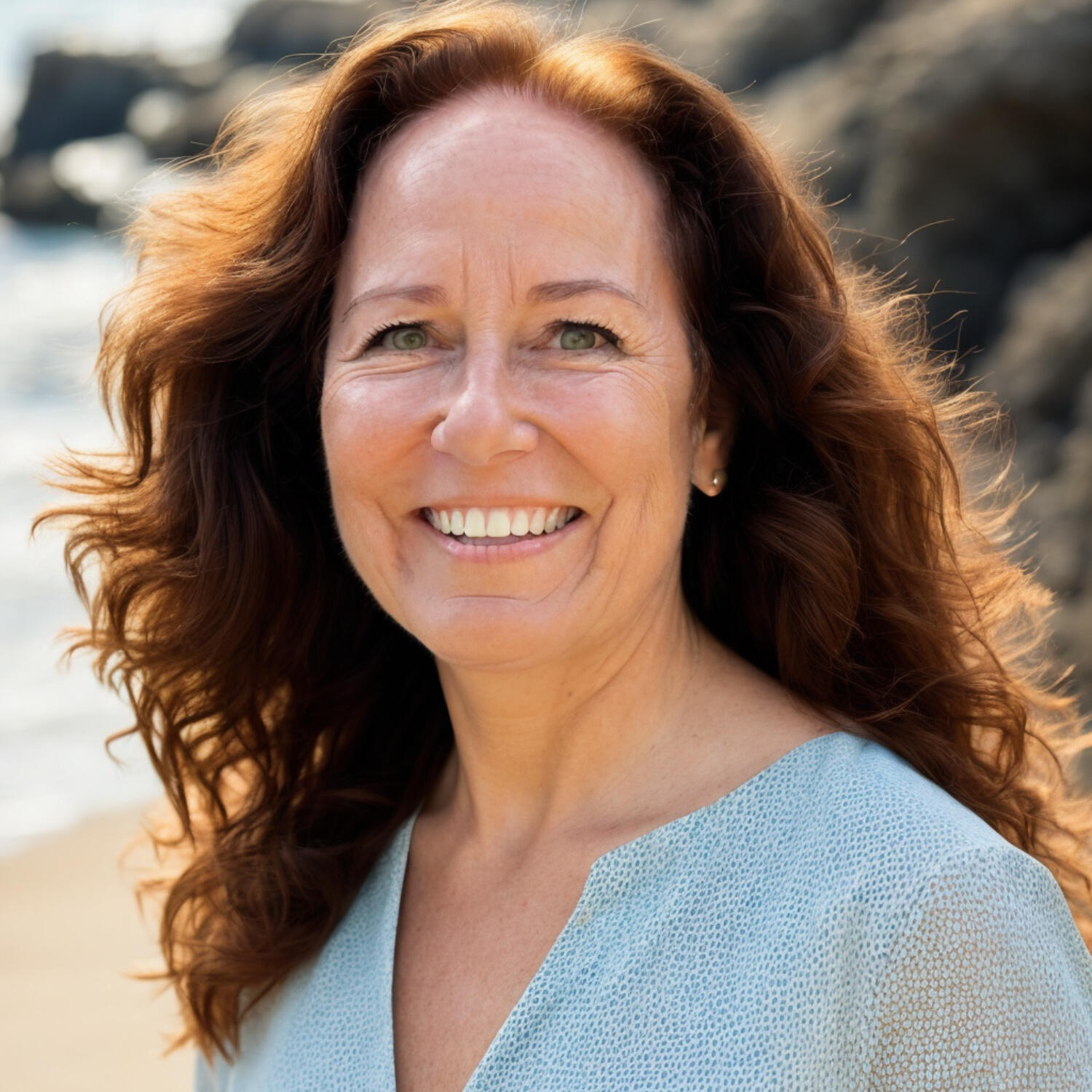
Why Being Too Strong Is Secretly Holding You Back From a Healthier, Happier Life
Jul 100:28:43Tap to summarizeGuest: Anette DeMattio Episode Overview What if the strength you've relied on your entire life is actually keeping you stuck? In this powerful conversation, Annette DeMattio shares how surviving six cancer diagnoses, childhood trauma, and years of pushing through led her to discover the hidden dangers of living in constant survival mode. Learn how to recognize burnout, reconnect with your body, ask for help without guilt, and build lasting resilience that supports both your health and relationships. Key Takeaways Being "the strong one" often comes from survival—not true well-being.Chronic stress and ignoring your body's signals can contribute to burnout and declining health.Small daily acts of self-care create long-term transformation.Success without balance can damage your health and relationships.Healing begins by learning to receive support instead of carrying everything alone. Listener Q&A Q: Why is asking for help so difficult? Because many people equate needing help with weakness, making their identity dependent on always being the one who gives. Q: What are signs I've been carrying too much for too long? Persistent headaches, muscle tension, digestive issues, fatigue, chronic pain, and feeling emotionally drained are common warning signs. Q: Can someone be successful but still be in survival mode? Yes. High achievement can mask emotional exhaustion, damaged relationships, and neglected health. Q: What's one simple habit to start healing today? Pause for a few minutes each day to breathe deeply, check in with your body, and ask yourself, "What do I need right now?" What You'll Learn From This Episode How survival mode quietly shapes your decisions.The connection between emotional patterns and physical well-being.Why resilience includes receiving help—not just giving it.Practical ways to reduce stress through simple daily rituals.How to become "soul strong" without sacrificing yourself for everyone else. Connect with Anette DeMattio: Official WebsiteLinkedInInstagramYouTube Click here to claim your free gift: The "Too Strong" Reset Guide
Transcribe →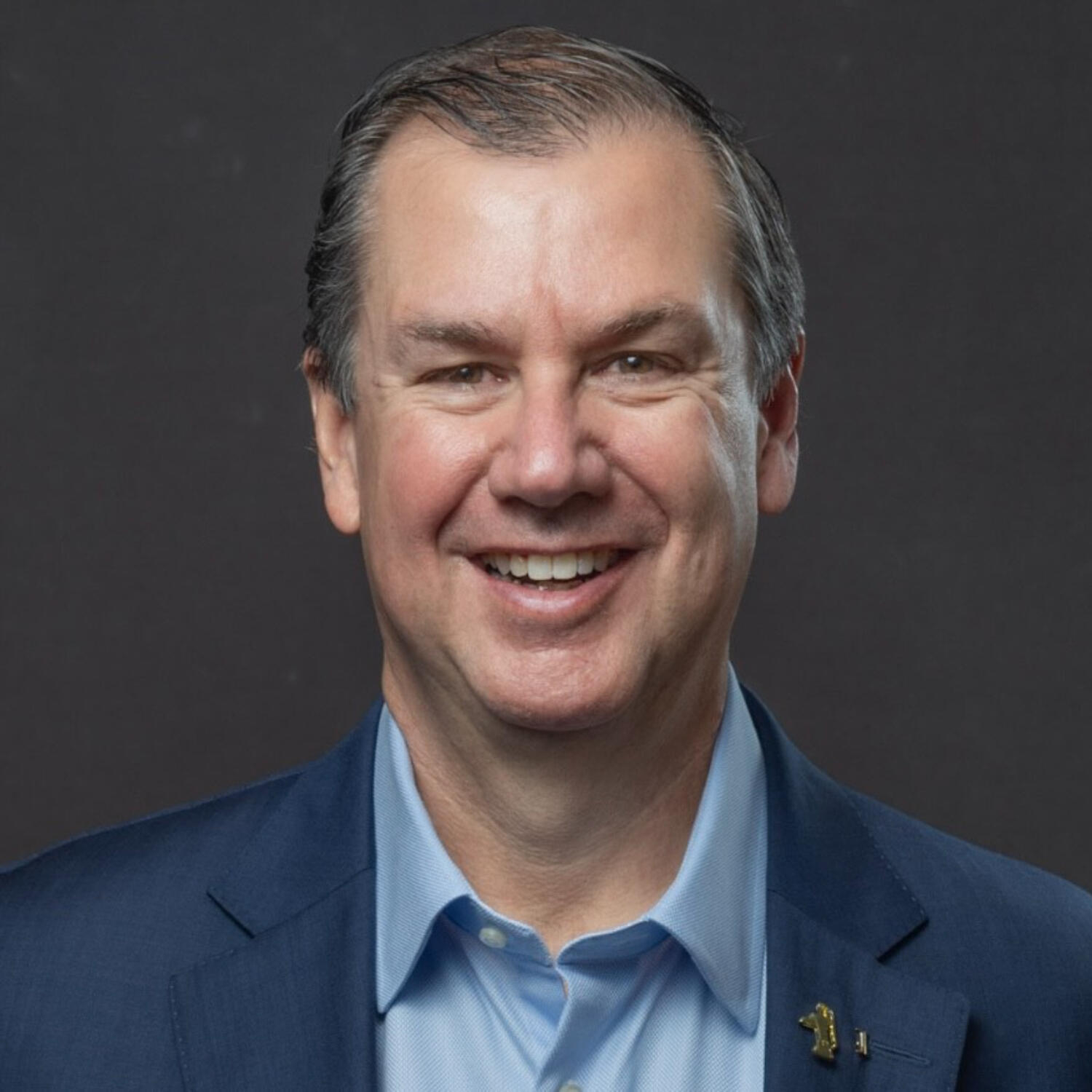
How to Transform Your Life and Become a Light for Others
Jun 3000:13:37Tap to summarizeWhat does it take to create a lasting legacy that transforms lives? In this episode, Tom Ziglar shares the vision behind the Zig Ziglar 100th Birthday Celebration, highlighting the principles of personal growth, leadership, communication, business success, and influence. Learn how world-class leaders have applied Zig Ziglar's timeless philosophy to achieve extraordinary results while helping others succeed. Key Takeaways Lasting success comes from transforming yourself before you can positively influence others.Effective communication starts with understanding different personality styles through the DISC profile.Strong relationships and trust are the foundation of leadership and business growth.Systems and processes allow entrepreneurs to build businesses that serve them instead of controlling them.Legacy is built by helping others grow and "being the light" in your community. Listener Q&A Q: What is the main purpose of the Ziglar 100 event? A: To inspire personal transformation that empowers attendees to positively impact their families, businesses, and communities. Q: What is the DISC personality profile? A: DISC identifies four primary personality styles—Dominance, Influence, Steadiness, and Conscientiousness—to help people communicate more effectively with others. Q: Why is communication style so important? A: People respond best when information is presented in the way they naturally receive it, making relationships and leadership more effective. Q: What lesson can entrepreneurs take from this conversation? A: Build repeatable systems so your business can grow without making you a prisoner of your own company. What You'll Learn From This Episode How personal transformation leads to greater influence.The fundamentals of the DISC personality framework.Ways to improve communication with different personality types.Why trust and relationships drive long-term success.Practical business lessons from leaders influenced by Zig Ziglar. Connect with Tom Ziglar: Official Website: https://ziglar.comZiglar 100 Event: https://ziglar100.com/Life Changing Programs: https://ziglar.com/life-changing-programsOnline Store: https://ziglar.com/online-storeFacebook: https://facebook.com/zigziglarX (Twitter): https://twitter.com/TheZigZiglarTikTok: https://tiktok.com/@zigziglarofficialYouTube: https://www.youtube.com/@ZiglarLife Click here to claim your free gift: The Be the Light Success Blueprint
Transcribe →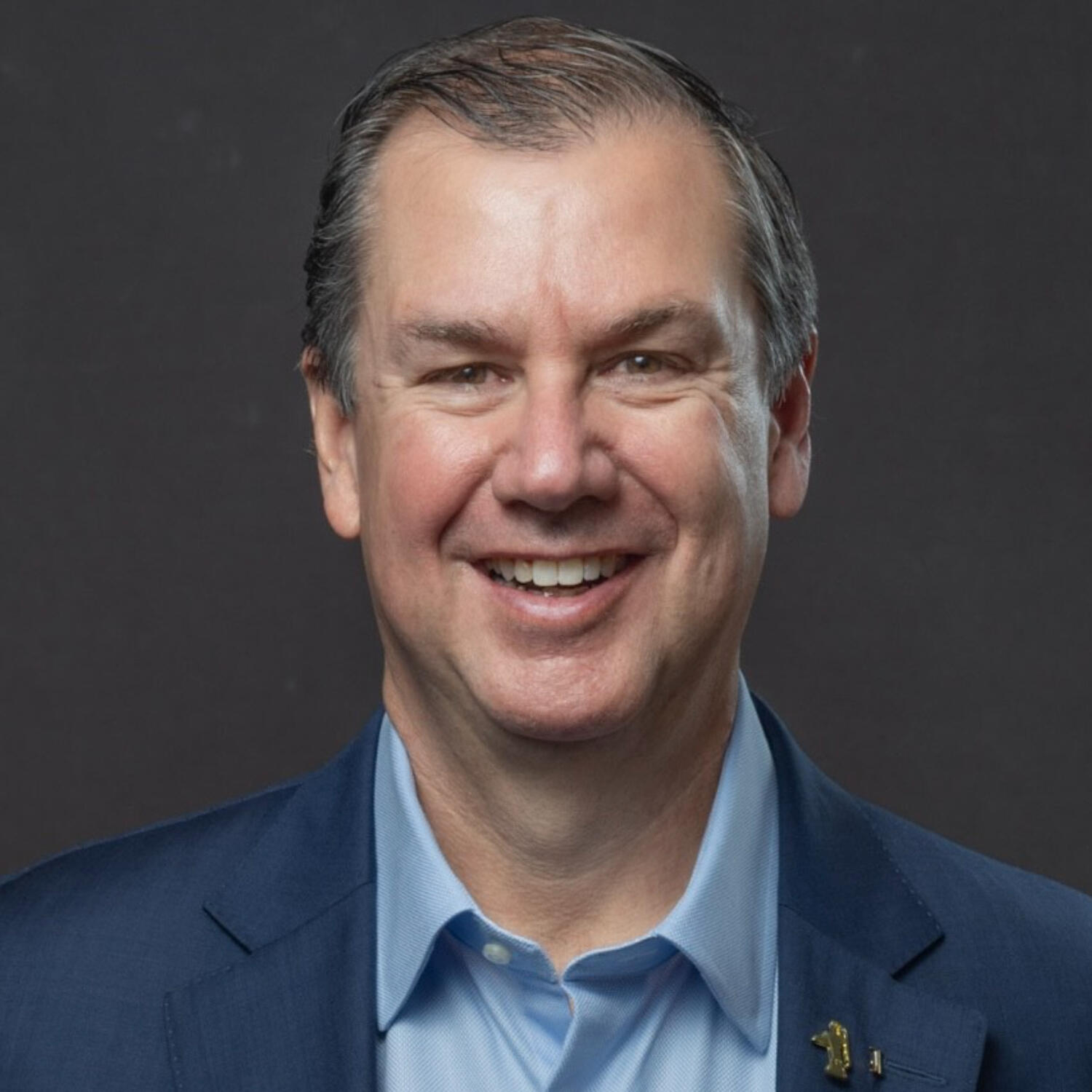
How to Transform Your Life and Multiply Your Impact Through Purpose, Leadership & Service
Jun 2900:27:46Tap to summarizeGuest: Tom Ziglar Episode Overview In this inspiring conversation, Tom Ziglar shares the vision behind the once-in-a-lifetime celebration of Zig Ziglar's 100th birthday and explains how Zig's timeless principles continue to shape leaders, entrepreneurs, sales professionals, and families worldwide. From servant leadership and ethical selling to discovering truth, personal transformation, and creating lasting impact, this episode offers practical wisdom anyone can apply to their own life and career. Key Takeaways Success begins by helping others solve their problems before focusing on making a sale.Personal transformation comes first; lasting influence comes through amplifying what you've learned.Great leadership is rooted in truth, service, integrity, and purpose.Every product or service that genuinely solves a problem carries a moral responsibility to be shared.Your identity should be built on truth—not limiting stories or past failures. Listener Q&A Q: What is the purpose of the Ziglar 100 event? A: To celebrate Zig Ziglar's legacy while equipping attendees with practical strategies for leadership, business, sales, faith, and personal growth from world-class speakers influenced by Zig. Q: What does "selling is serving" really mean? A: Great sales begin by understanding someone's challenges. When your product genuinely solves a problem, offering it becomes an act of service rather than persuasion. Q: What is "Transformation to Amplification"? A: First, improve yourself by changing your thinking and actions. Then use your growth to positively impact others in your family, business, and community. Q: How can someone overcome limiting beliefs? A: By identifying false stories they've believed about themselves and replacing them with truthful beliefs that unlock their potential and purpose. What You'll Learn From This Episode How servant leadership creates long-term influence.Why ethical selling starts with solving problems.The connection between purpose, truth, and personal growth.How successful leaders multiply their impact by helping others succeed.Practical mindset shifts that lead to greater confidence and fulfillment. Connect with Tom Ziglar: Official Website: https://ziglar.comZiglar 100 Event: https://ziglar100.com/Life Changing Programs: https://ziglar.com/life-changing-programsOnline Store: https://ziglar.com/online-storeFacebook: https://facebook.com/zigziglarX (Twitter): https://twitter.com/TheZigZiglarTikTok: https://tiktok.com/@zigziglarofficialYouTube: https://www.youtube.com/@ZiglarLife Click here to claim your free gift: The Transformation to Amplification Action Guide
Transcribe →