
Podcast
Looks Like New
Hosted by MEDLab · EN
Looks Like New is the podcast that asks old questions about new technology. Each month, we speak with someone who works with technology in ways that challenge conventional narratives and dominant power structures. The name comes from the phrase “a philosophy so old that it looks like new,” repeated throughout the works of Peter Maurin, the French-American agrarian poet.
Looks Like New is a production of the Media Enterprise Design Lab at the University of Colorado Boulder. It airs on the fourth Thursday of every month on KGNU radio at 6 p.m., or online as a podcast at lookslikenew.net.
15episodes
Episodes
Newest firstAll episodes
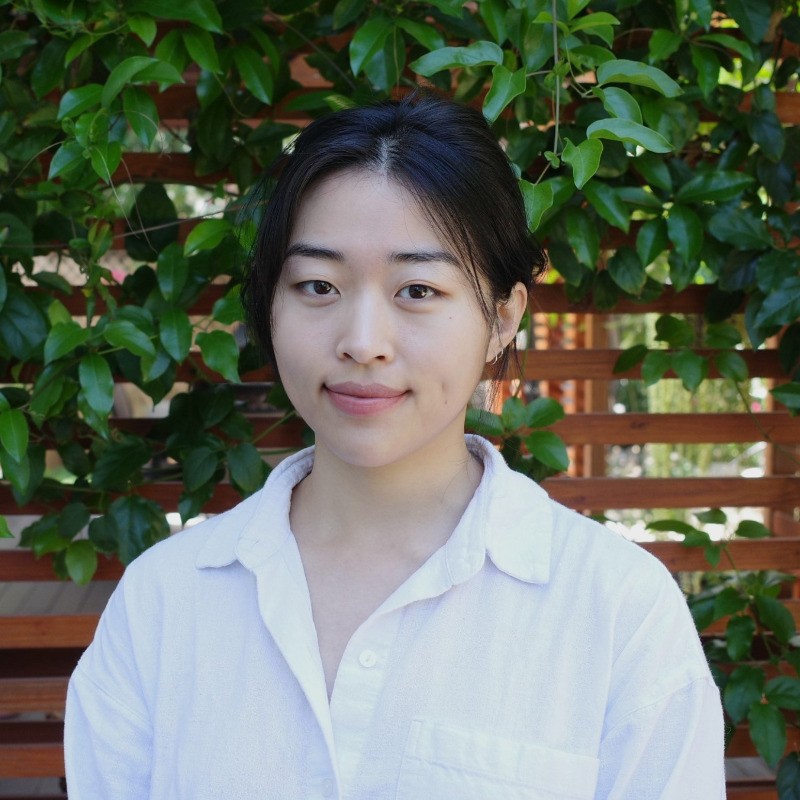
Who gets to make the rules online?
6d ago00:46:44Tap to summarizeFrom subreddit rule pages to Mastodon server blocklists, the internet is full of quiet governance decisions most of us never see. On this episode of Looks Like New, Júlia Martins Rodrigues talks with Sohyeon Hwang about who's making them and what it would take to share this power. Sohyeon is a postdoctoral research associate at Princeton's Center for Information Technology Policy, about how everyday people build real power over the technologies shaping their lives. Hwang studies the "governance laboratories" of subreddits, fandom wikis, and Mastodon servers places where volunteer moderators write rules, borrow them from other communities, and improvise systems of collective self-governance in real time. Their conversation moves from where online community rules actually come from, to a framework for comparing decentralized protocols like ActivityPub, AT Protocol, Nostr, and Farcaster, to why Hwang believes governance is best understood not as an end state but as an ongoing, adaptable process built on trust.
Transcribe →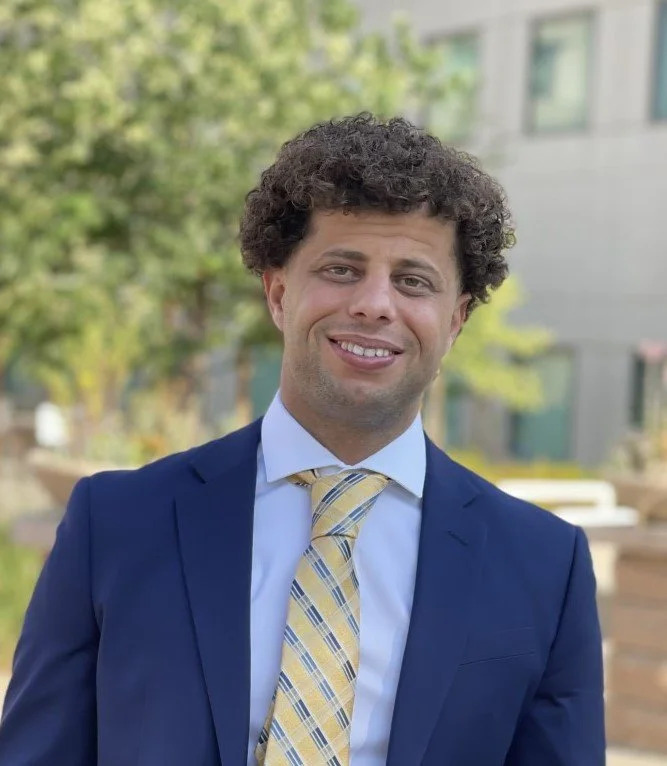
How can VR tell the story of genocide?
Jun 2500:54:42Tap to summarizeOn this episode of Looks Like New, MEDLab's Stephanie Abdalla speaks with Dr. Naim Aburaddi, artist, journalist, and PhD graduate whose work explores how immersive tech can document destruction. Aburaddi is the co-founder and co-director of the Phoenix of Gaza XR Project, an interactive virtual reality experience that documents life in Gaza through its culture, history and decades of subjugation by outside powers. It has been exhibited at institutions including MIT, Harvard, Princeton, Brown, and Yale, as well as internationally. Naim is A Data Justice Fellow at Princeton's Ida B. Wells Just Data Lab and recipient of the 2024 Mellon ACLS Dissertation Innovation Fellowship. His work has been featured by the BBC, WGBH, Colorado Public Radio, and the Washington Report on Middle East Affairs. Their conversation moves from the personal to the political, following Aburaddi's life growing up in Gaza and pursuing journalism abroad, to how storytelling became both a survival tool and a form of resistance.
Transcribe →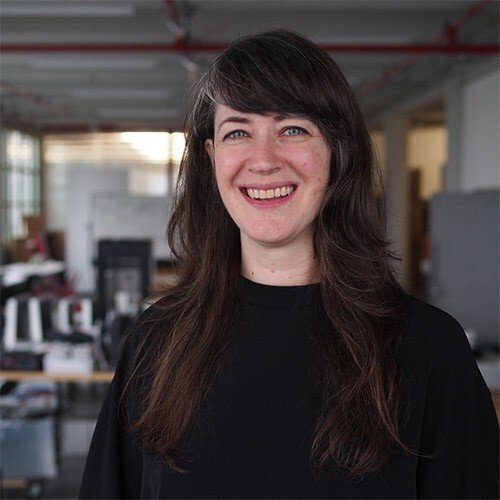
Who owns the commons?
Apr 2301:11:47Tap to summarizeMEDLab research fellow Kadallah Burrowes speaks with Lauren Gardner, Executive Director of Open Source Collective, about what it means to build infrastructure for the commons and why the lessons of grassroots arts spaces might hold the key to the future of collective digital life. Gardner stewards a network of over 2,500 open-source and community-driven projects, providing fiscal sponsorship and shared infrastructure to thousands of maintainers and contributors worldwide. Her path to the global open-source movement runs through some of the most generative DIY spaces in recent memory: Babycastles, the New York arcade-turned-social-gallery that reimagined game culture, and the School for Poetic Computation, where code, critical theory, art, and collaborative practice converge. Their conversation asks what artists, technologists, and anyone interested in working collectively might learn from decades of building environments where creativity and the commons come first.
Transcribe →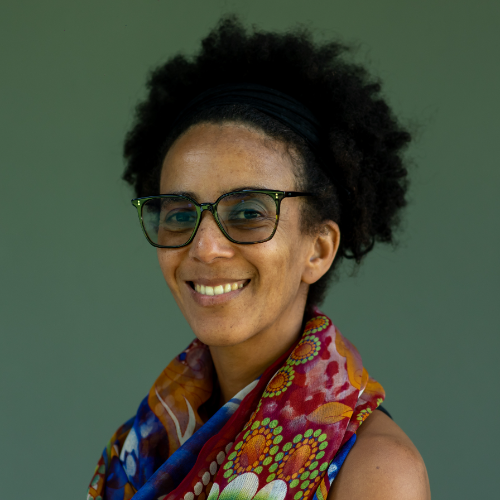
Can AI be rebuilt to serve communities?
Mar 2600:55:30Tap to summarizeIn this month's episode, in conversation with MEDLab fellow Stephanie Abdalla, Dr. Gebru discusses AI ethics research, the history of the AGI movement, and movements of resistance that can lead us to alternative AI futures. Dr. Timnit Gebru is the founder and executive director of the Distributed AI Research Institute (DAIR for short), an independent organization of academics, activists, and engineers who believe in technology that benefits everyone. Dr. Gebru is also the co-founder of Black in AI, a nonprofit that works to increase the presence, inclusion, visibility, and health of Black people in the field of AI, and is on the board of AddisCoder, a nonprofit dedicated to teaching algorithms and computer programming to Ethiopian and Jamaican high school students. She has received a number of accolades, including being named one of Nature’s Ten people who helped shape science and one of TIME 100’s most influential people.
Transcribe →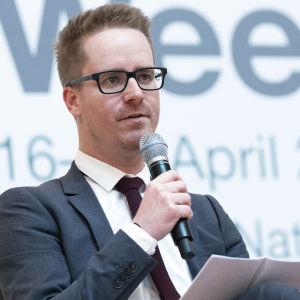
What is the future of digital capitalism?
Feb 2600:59:35Tap to summarizeIn this episode of Looks Like New, MEDLab's Kadallah Burrowes sits down with political economist Nick Srnicek to examine the rise of platform capitalism and the forces shaping today’s digital economy. The conversation moves beyond technological hype to focus on labor, automation, and political possibility. Rather than framing automation as a simple story of job replacement, Srnicek argues that digital systems reorganize work through surveillance, algorithmic management, and precarious employment structures. As platforms increasingly function as social infrastructure, questions of governance, ownership, and democratic accountability become unavoidable. This episode challenges listeners to see the digital economy not as inevitable, but as a political construction one whose future remains open to collective imagination and action.
Transcribe →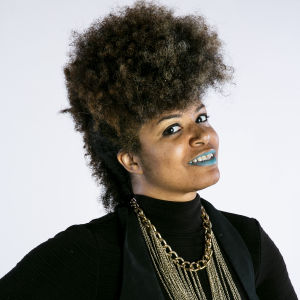
What can ancient cosmologies teach the future?
Jan 2201:06:19Tap to summarizeRecently on Looks Like New, host Kadallah Burrowes is joined by Ytasha Womack, an author, filmmaker, and independent scholar whose work has been foundational to how we understand Afrofuturism as both a cultural movement and a philosophical practice. Best known for Afrofuturism: The World of Black Sci-Fi and Fantasy Culture, Womack has spent decades exploring the intersections of Black culture, technology, imagination, and liberation across writing, film, music, and embodied practices like dance. In reference to her book, The Afrofuturist Evolution, this conversation explores Afrofuturism as an active world-building practice rather than a distant or purely speculative future. Womack reflects on living inside futures once imagined by thinkers like Octavia Butler, the role of imagination in shaping present realities, and how ancient cosmologies, rhythm, and storytelling can inform more humane technological systems.
Transcribe →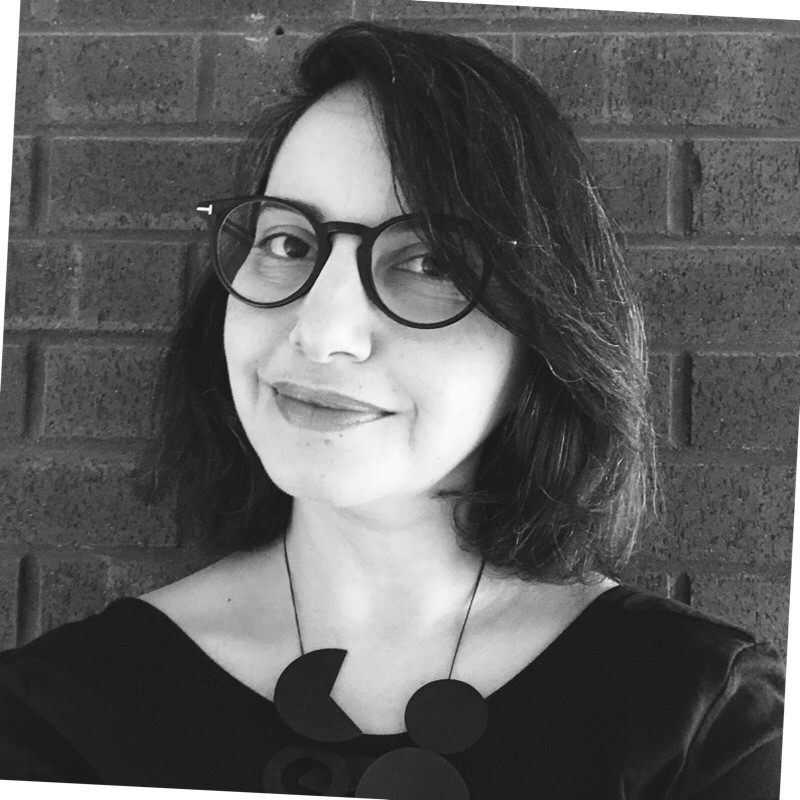
What is the future of the sacred space in a digital world?
Dec 2500:59:39Tap to summarizeOn this month's episode of Looks Like New, MEDLab’s Stephanie Abdalla speaks with Dr. Nesrine Mansour about rethinking architecture in the age of digital media and artificial intelligence. Their conversation explores how sacred spaces are being reimagined amid rapid technological change, alongside broader questions of authorship, agency, and bias in architectural imagination. They also discuss AI literacy and pedagogy, and the transformative potential of artificial intelligence within architectural practice and education. Dr. Mansour is an Assistant Professor of Architecture at CU Boulder whose work sits at the intersection of architecture, spirituality, digital media, and AI. A former research fellow at the Princeton Center for Theological Inquiry, she has published widely across disciplines and is currently editing Religion and AI: Theoretical and Empirical Approaches, forthcoming with Bloomsbury.
Transcribe →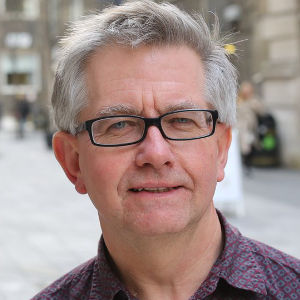
How has colonialism evolved under big tech?
Nov 2700:56:46Tap to summarizeIn this month’s episode, MEDLab’s Stephanie Abdalla interviews Dr. Nick Couldry about the intricate relationship between media, power, and societal structures. Their conversation touches on data colonialism, the importance of building solidarities within and beyond academia, and the need to analyze emerging technologies through a critical lens. Dr. Couldry is Professor Emeritus of Media, Communications and Social Theory and a Professorial Research Fellow at the London School of Economics and Political Science. A leading sociologist of media and culture, his work has been central to understanding how media and communications concentrate symbolic power and what that means for human solidarity. His recent research focuses on the ethics, politics, and social implications of Big Data and everyday data practices. He is the author or editor of 17 books, including Data Grab: The New Colonialism of Big Tech and How to Fight Back (with Dr. Ulises Mejias) and The Space of the World: Can Human Solidarity Survive Social Media and What if It Can’t?
Transcribe →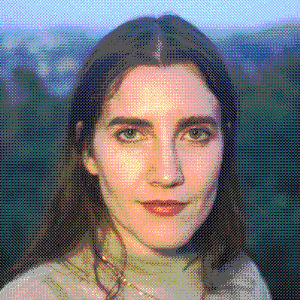
What stories do our machines tell and what do they remember?
Oct 2300:55:39Tap to summarizeIn this month’s episode of Looks Like New, hosted by MEDLab’s associate director Júlia Martins Rodrigues, we speak with Camila Galaz, an interdisciplinary artist, editor, and researcher whose work explores the intersections of technology, memory, and historical storytelling. Galaz is the founder of Structured Knowledge, a nonfiction narrative consultancy helping creatives and thinkers translate complex ideas into meaningful public-facing work. She is also co-creator of Our Friend the Computer, a globally ranked podcast uncovering underrepresented histories of computing; an editor at the Millennium Film Journal; and co-founder of Superkilogirls, a creative research lab examining the material infrastructures of computing and their entanglement with women’s labor. Her projects have been supported by the New Museum, the Nieuwe Instituut, Creative Australia, the National Gallery of Victoria, and the Media Archaeology Lab at the University of Colorado Boulder. In this episode, Galaz reflects on how storytelling, archives, and experimental media can reveal the hidden human histories behind our digital world.
Transcribe →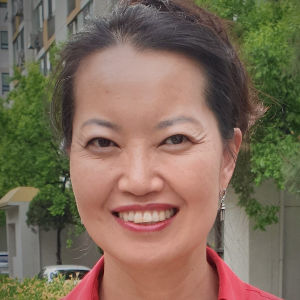
Who will own the future of gig work?
Sep 2500:53:42Tap to summarizeWho will own the future of gig work? In this month's episode of Looks Like New, MEDlab Associate Director Júlia Martins speaks with Minsun Ji, Executive Director of the Rocky Mountain Employee Ownership Center, about empowering workers to reclaim control over their economic futures. Minsun and her team are pioneering efforts to democratize work ownership, including the launch of Colorado's first driver-owned ride-share cooperative. Together, they examine the unique challenges of competing in the ride-share market, the innovative strategies behind worker cooperatives, and why these models are essential for building resilient local economies.
Transcribe →