Lost Patients: Coming Up on the Final Episode
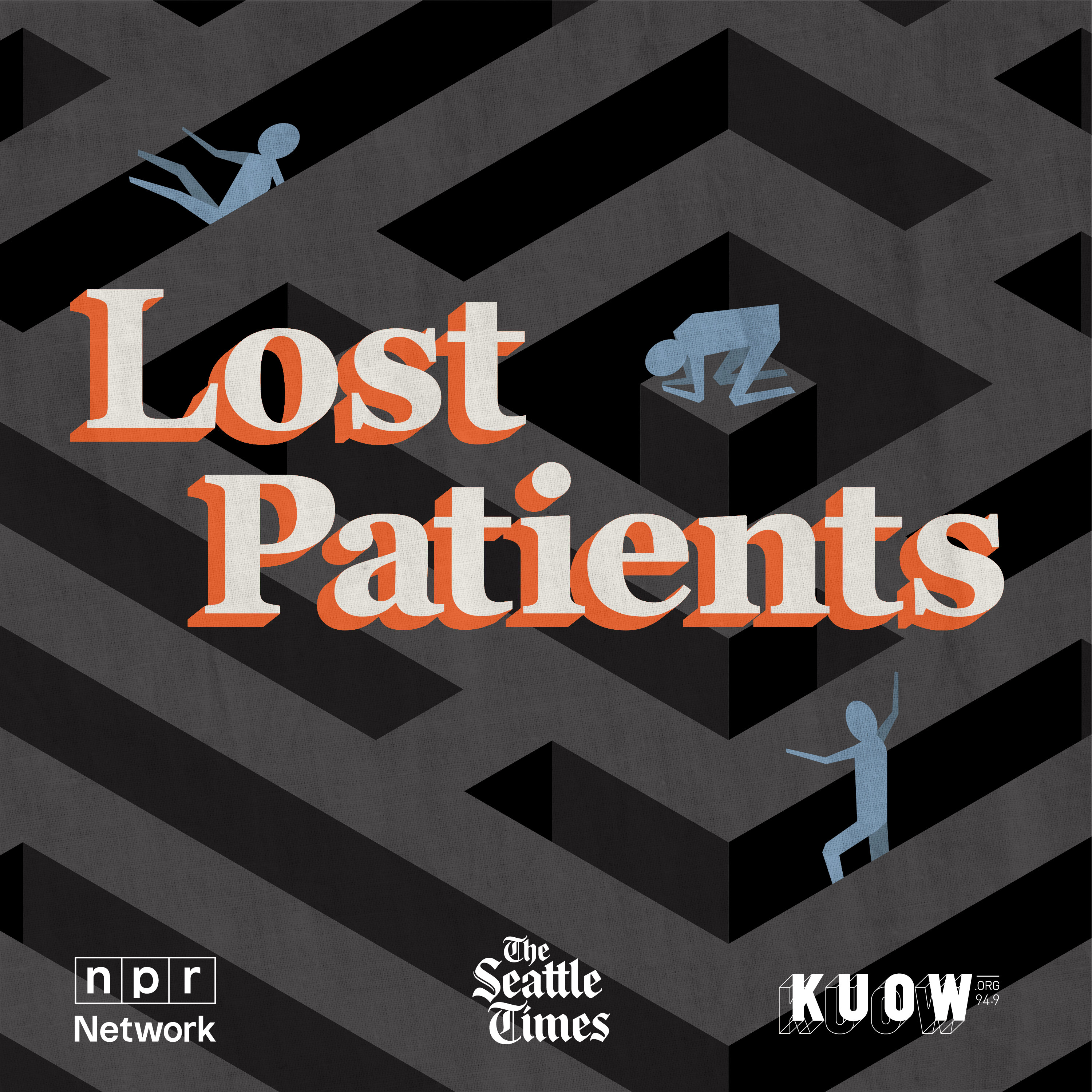
Lost Patients is a compelling six-part docuseries produced by KUOW and the Seattle Times, delving deep into the intricate and often broken mental healthcare system in America. Through real-life testimonials from patients, families, and frontline professionals, the series paints a vivid picture of how individuals with severe mental illness, particularly psychosis, navigate a labyrinthine system that frequently leads them into a relentless cycle between streets, jails, clinics, courts, and the dwindling availability of hospital beds. As the series approaches its conclusion, the final episode promises to shed light on pathways to stability and systemic reform.
Personal Journeys Through Psychosis
The final episode centers on the personal experiences of individuals who have faced severe mental illness and have found their own routes to stability.
John shares a harrowing account of a psychotic episode:
"I came into our bedroom one night and he was sleeping and he to me looked like he had died. And I thought I was the one that had killed him." (00:00)
This moment of acute psychosis left John grappling with fear and confusion. He reflects on his journey post-recovery:
"When I came out of the episode, I realized, oh my God, I'm married." (00:49)
John’s narrative underscores the disorienting nature of psychosis and the profound personal realizations that can follow recovery.
Sarah recounts her terrifying experiences during a psychotic break:
"I was just terrified at what was going on. And then this spiritual thing happened where suddenly I see God and Jesus in the clouds." (00:11)
Her encounter with divine visions highlights the intense and often surreal experiences faced during psychosis. Sarah further discusses her ongoing relationship with auditory hallucinations:
"Sometimes they're talking, but most of the time they're kind of subdued. They're quiet." (01:13)
Sarah's story illustrates the persistent challenges of living with mental illness and the varying intensities of symptoms.
The Unseen Struggles with Treatment
Both John and Sarah emphasize the complexities of managing their conditions within the existing healthcare framework. John admits:
"I didn't see anything at all wrong with it. I just figured as long as I had my drugs, I was okay. I had no idea I was psychotic. So it didn't hit me the gravity of what had happened." (00:29)
This revelation points to a critical gap in patient awareness and education about their own mental health, often leaving individuals unprepared to recognize and address the severity of their condition.
Similarly, Sarah reflects on the confusion and self-doubt that accompanies mental illness:
"I thought, wow, you know something? There's something to what's going on here. How much is it? Is it me?" (00:52)
Her questioning highlights the internal struggles patients face in understanding and accepting their mental health challenges.
Systemic Failures in Mental Healthcare
The episode delves into the broader systemic issues that exacerbate the struggles of those with serious mental illness. Sarah articulates a fundamental flaw in the current system:
"The system fails because you and I can go to our doctor's appointment, manage our life around whatever we're doing, but somebody who's disorganized because of psychosis isn't going to do it." (01:39)
This statement underscores the lack of tailored support for individuals whose conditions impair their ability to navigate traditional healthcare structures.
John further critiques the national approach to mental health support:
"We seem to have no model in our country of long term support for people who may actually want it and may actually benefit from it in the long term." (01:51)
His observation points to a significant omission in mental healthcare: the absence of sustainable, long-term support models that cater to the evolving needs of patients.
Envisioning a Reformed Psychiatric Care System
Hosted by Michael, the episode explores potential pathways to overhaul the psychiatric care system. Michael poses critical questions aimed at fostering better care solutions:
"Are you hearing voices now as we sit together in this room, or are they quiet right now?" (01:02)
This inquiry serves as a metaphor for understanding the variable nature of mental health symptoms and the necessity for adaptable treatment approaches.
Furthermore, Michael emphasizes the importance of learning from firsthand experiences:
"And we ask, what can we learn from these experiences that might help us build a system of psychiatric care that works better for people? After months of talking with patients, their families, healthcare providers, researchers, we glimpse what a different approach to these illnesses might look like and what that would take." (01:19)
This collaborative approach highlights the series' commitment to uncovering actionable insights that could inform policy and practice reforms.
Pathways to Stability and Hope
As the series culminates, the final episode shines a light on individuals who have successfully navigated their way out of the tumultuous experiences of psychosis towards stability. These stories serve as beacons of hope and demonstrate the potential for recovery with the right support systems in place.
The episode not only recounts personal triumphs but also calls for systemic change, urging stakeholders to develop more cohesive and enduring support mechanisms tailored to the needs of those with severe mental illness.
Conclusion: A Call to Action
Lost Patients concludes its journey by inviting listeners to engage further with the conversation surrounding mental healthcare. In addition to sharing their stories, the series organizers encourage audience participation and community involvement through events and direct communication channels, fostering a collective effort towards meaningful reform.
As the final episode airs on April 23rd, Lost Patients leaves its audience with a profound understanding of the mental health crisis and a hopeful outlook towards building a more compassionate and effective psychiatric care system.
Notable Quotes:
- John on initial psychotic episode: "I came into our bedroom one night and he was sleeping and he to me looked like he had died. And I thought I was the one that had killed him." (00:00)
- Sarah on spiritual visions during psychosis: "I was just terrified at what was going on. And then this spiritual thing happened where suddenly I see God and Jesus in the clouds." (00:11)
- Michael on the nature of psychosis: "We've already heard on lost patients how psychosis can fit, feel like a nightmare or a dream." (00:23)
- Sarah on the system's failure: "The system fails because you and I can go to our doctor's appointment, manage our life around whatever we're doing, but somebody who's disorganized because of psychosis isn't going to do it." (01:39)
Lost Patients offers an unflinching look at the challenges within mental healthcare, balanced by narratives of resilience and the pursuit of systemic improvement. It serves as a crucial resource for understanding the multifaceted nature of mental illness and the imperative for a more integrated and supportive care framework.