
Podcast
LSE Middle East Centre Podcasts
Hosted by LSE Middle East Centre · EN
Welcome to the LSE Middle East Centre's podcast feed.
The MEC builds on LSE's long engagement with the Middle East and North Africa and provides a central hub for the wide range of research on the region carried out at LSE.
Follow us and keep up to date with our latest event podcasts and interviews!
31episodes
Episodes
Newest firstAll episodes
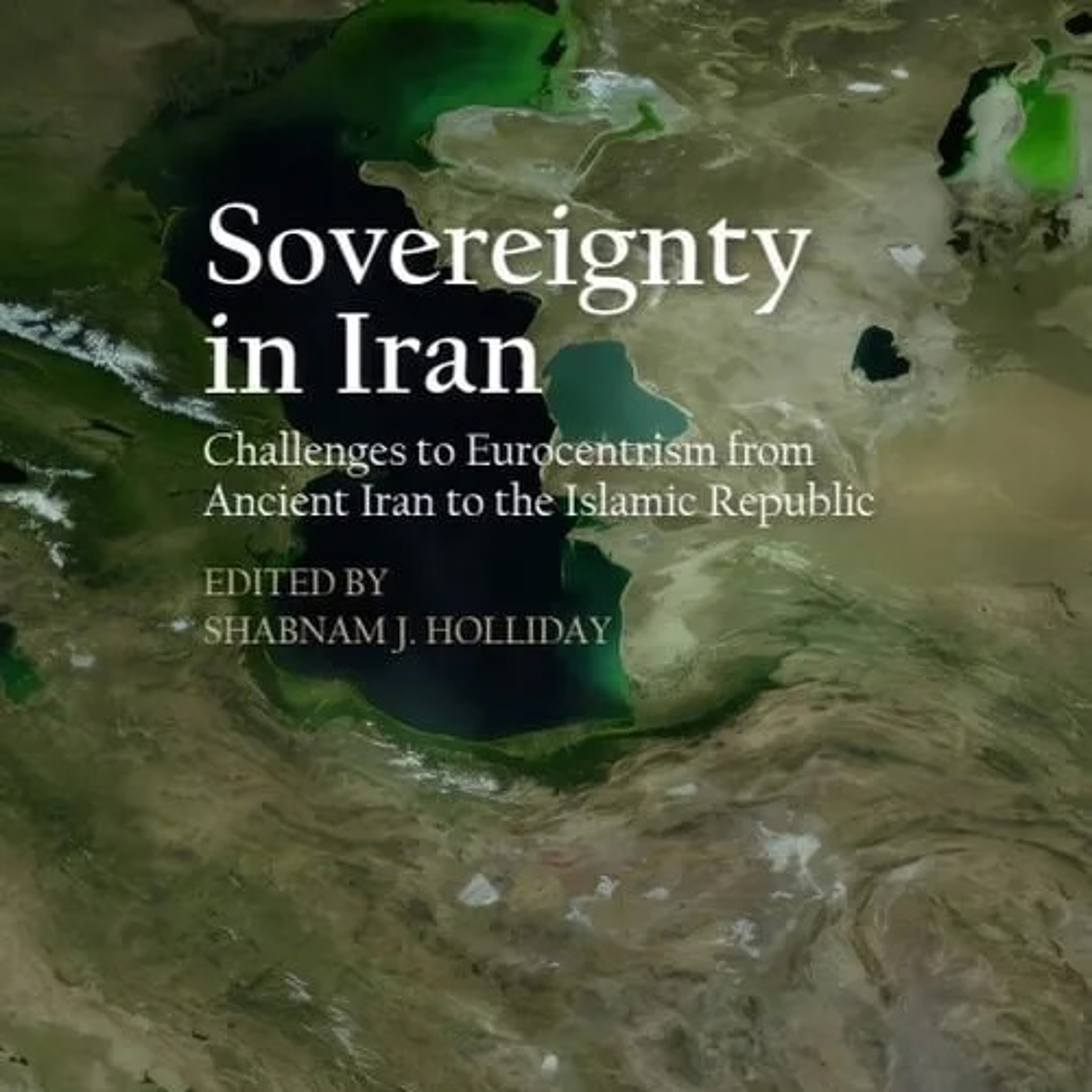
Sovereignty in Iran: Challenges to Eurocentrism from Ancient Iran to the Islamic Republic
Jul 701:03:37Tap to summarizeThe LSE Middle East Centre hosted the launch of Shabnam Holliday's new book, Sovereignty in Iran: Challenges to Eurocentrism from Ancient Iran to the Islamic Republic. This multidisciplinary and interdisciplinary collaborative project examines sovereignty as a plural concept through the case of Iran, challenging Eurocentric assumptions in the Humanities and Social Sciences. The discussion explored the book's examination of sovereignty from ancient Iran to the Islamic Republic, including the Woman, Life, Freedom protests.
Transcribe →
Policy and the Future of Education in Kuwait
Jun 2900:59:17Tap to summarizeThe LSE Middle East Centre hosted a Kuwait Programme panel discussion highlighting recent education policy issues and trajectories in Kuwait and globally, with a focus on the role of policy in shaping current and future priorities of education. The panel discussed Kuwait’s policy challenges and changes in the broader context of global education policies and the neoliberal order. The panel also focused on the recent geopolitical crisis in the Gulf and the response of Kuwait’s education system. Meet our speakers Dr. Fatimah Alhashem is an assistant professor at the Gulf University for Science and Technology (GUST). and chair for the Center of Teaching, Learning, and Research (CTLR) from 2018 till 2021. She received a doctoral degree in curriculum and instruction in science education from Arizona State University. She worked as general manager for the teacher development department at the National Center for Education Development (NCED) from 2015 until 2018. She is a strong advocate for supporting teachers in general and supporting women in science education in specific. She is involved in different projects that serve the education system mainly clustered around teachers’ development. She led many educational projects as a consultant in (UNDP, UNESCO & KFAS). Ibrahim Alhouti (PhD) is an Assistant Professor of the comparative politics of education at Kuwait University and a non-resident fellow at Gulf International Forum in Washington, DC. He obtained his PhD from University College London's Institute of Education, where his thesis explored the politics of reforming the education system in the Arab Gulf region, and holds two master’s degrees on Leadership and Comparative Education, both from University College London's Institute of Education. He also serves as a consultant for a number of educational institutions in the Gulf. Alhouti has published several research studies about education and education reforms in the region. His research interest encompasses the politics of education, education reforms, comparative education, and education policies. Dr. Sonia Exley is an Associate Professor in the LSE Department of Social Policy. She is Programme Director for the MSc in International Social and Public Policy, and teaches on a range of postgraduate and undergraduate courses. Sonia’s specialist area of research is education policy. She has a particular interest in the marketisation and privatisation of education systems across the world. Sonia has published in a wide range of education and social policy journals. She holds a DPhil in Social Policy from Oxford University (Nuffield College). Prior to joining LSE, she was a British Academy postdoctoral fellow at the (now UCL) Institute of Education in London. Meet our chair Dr Nidal Al Haj Sleiman is the Kuwait Research Officer at the LSE Middle East Centre. She is a sociologist of education policy, leadership and international education. Her work generally draws on theories of policy sociology, social and cultural justice, critical pedagogy and transformative learning, particularly in West Asia: Iraq, Kuwait, Qatar, Lebanon and Palestine. Her publications broadly address interconnection of policy, leadership and society, the sociology of international education, the political economy of education, post-colonial and settler-colonial theory in education. Nidal is also a co-founder of the SWANA Forum for Social Justice, a UCL alumni- and student-led community. Prior to her research career, Nidal worked as teacher and a school leader in Lebanon and Qatar, in public and international education settings.
Transcribe →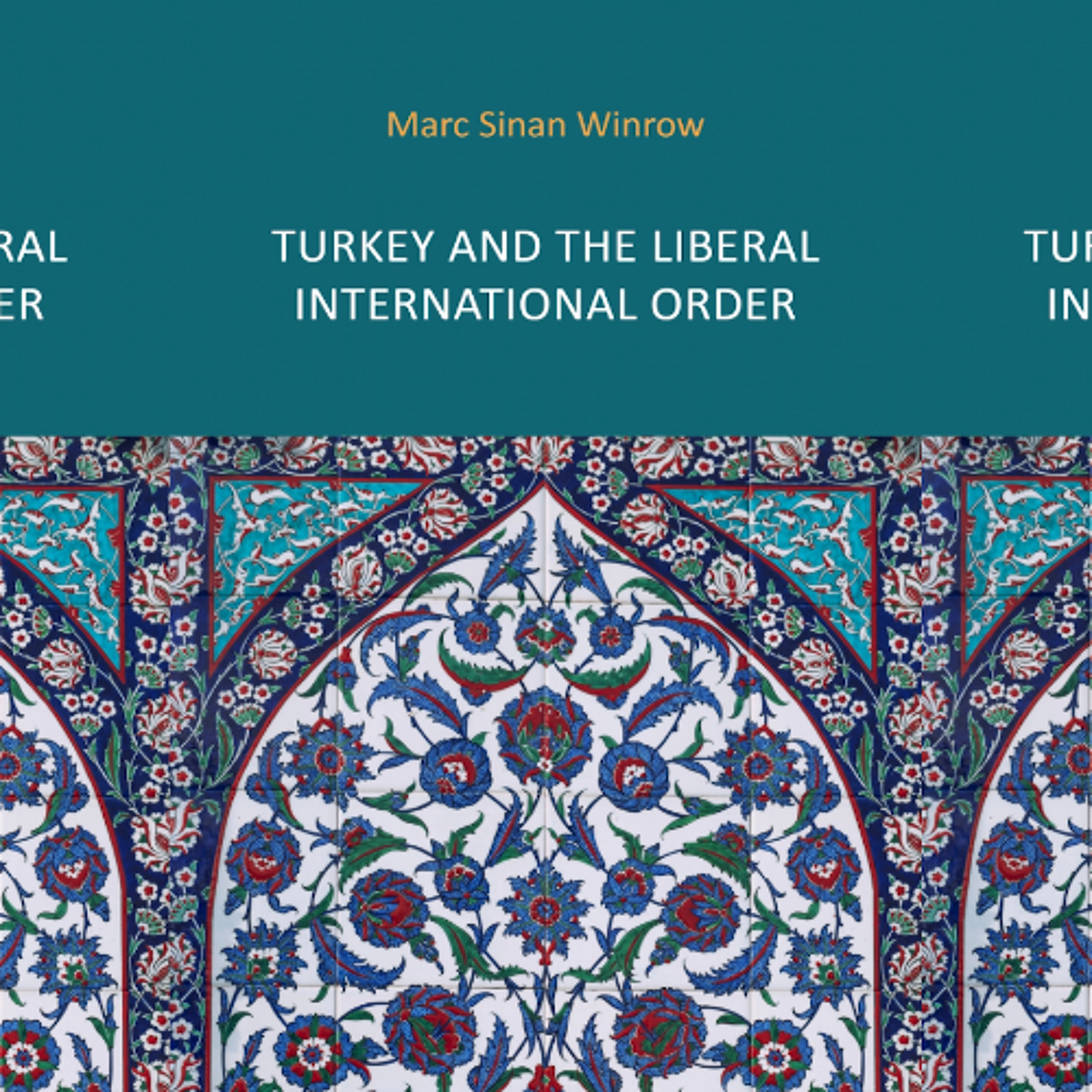
Turkey and the Liberal International Order: Hegemony, Contestation and the Politics of Articulation since 1919
Jun 2900:58:19Tap to summarizeThe LSE Middle East Centre hosted the launch of 'Turkey and the Liberal International Order', a new book examining Turkey’s complex and evolving relationship with the liberal international order from the end of the First World War to the present day. The book explores how Turkey, as a middle power, responded to major global transformations following the First World War, the Second World War and the Cold War by appealing to the dominant principles of liberal internationalism. At the same time, it shows how Turkish political movements and foreign policy actors reinterpreted and challenged these principles, shaping how the liberal international order was understood and implemented in the Turkish context. Drawing on parliamentary records and the writings of key political figures, the book offers a rich historical account of how successive generations of policymakers understood Turkey’s national interest, its place in the international order and its role on the global stage. Meet our speakers Marc Sinan Winrow is a Teaching Fellow at SOAS, teaching the International Relations of the Middle East and Risk and Policy Analysis, and he is also a Research Assistant at LSE. He completed his PhD in the Department of International Relations of the LSE. The topic of this talk is based on his first published book, Turkey and the Liberal International Order, published by Agenda in 2025. His research continues to be concentrated on different (post-) liberal conceptions of international order, geopolitics and the history and theory of sovereignty in International Relations, with a focus on Turkey and the southeast European, Eastern Mediterranean and the MENA region. Ayla Göl is Course Lead in Politics and International Relations, and a Senior Lecturer in International Relations at the School of Humanities, York St John University, UK. She holds a PhD from the London School of Economics and Political Science (LSE), where she had an early career position at the Department of International Relations. She is the author of Turkey Facing East: Islam, Modernity and Foreign Policy (Manchester University Press) and numerous articles in journals such as Nations and Nationalism, Third World Quarterly, Information and Education Technologies, the Global Discourse and International Affairs, as well as book chapters on Turkey, the Middle East and international relations. Senem Aydın-Düzgit is a Professor of International Relations at the Faculty of Arts and Social Sciences at Sabancı University and the Director of the Istanbul Policy Center. She is also a non-resident fellow at the Institute for European Policymaking at Bocconi University. In 2024-2025, she was based at the Harvard Kennedy School as the Pierre Keller Visiting Professor of Public Policy, and in 2023-2024, she was a Richard von Weizsacker Fellow at the Robert Bosch Academy in Berlin. Her main research interests include identity, history, and discourse in the study of international politics, with an empirical focus on European and Turkish foreign policies; and more recently, the nexus between domestic and foreign policies of middle powers in the changing international order. Meet our Chair Katerina Dalacoura is Associate Professor in International Relations at the London School of Economics and Political Science, and Director of the LSE Middle East Centre. She held a Major Research Fellowship by the Leverhulme Trust between 2021 and 2024. The project findings will shortly be published as a book monograph by Cambridge University Press, under the title Islamic International Thought in Turkey: History, Civilisation and Nation.
Transcribe →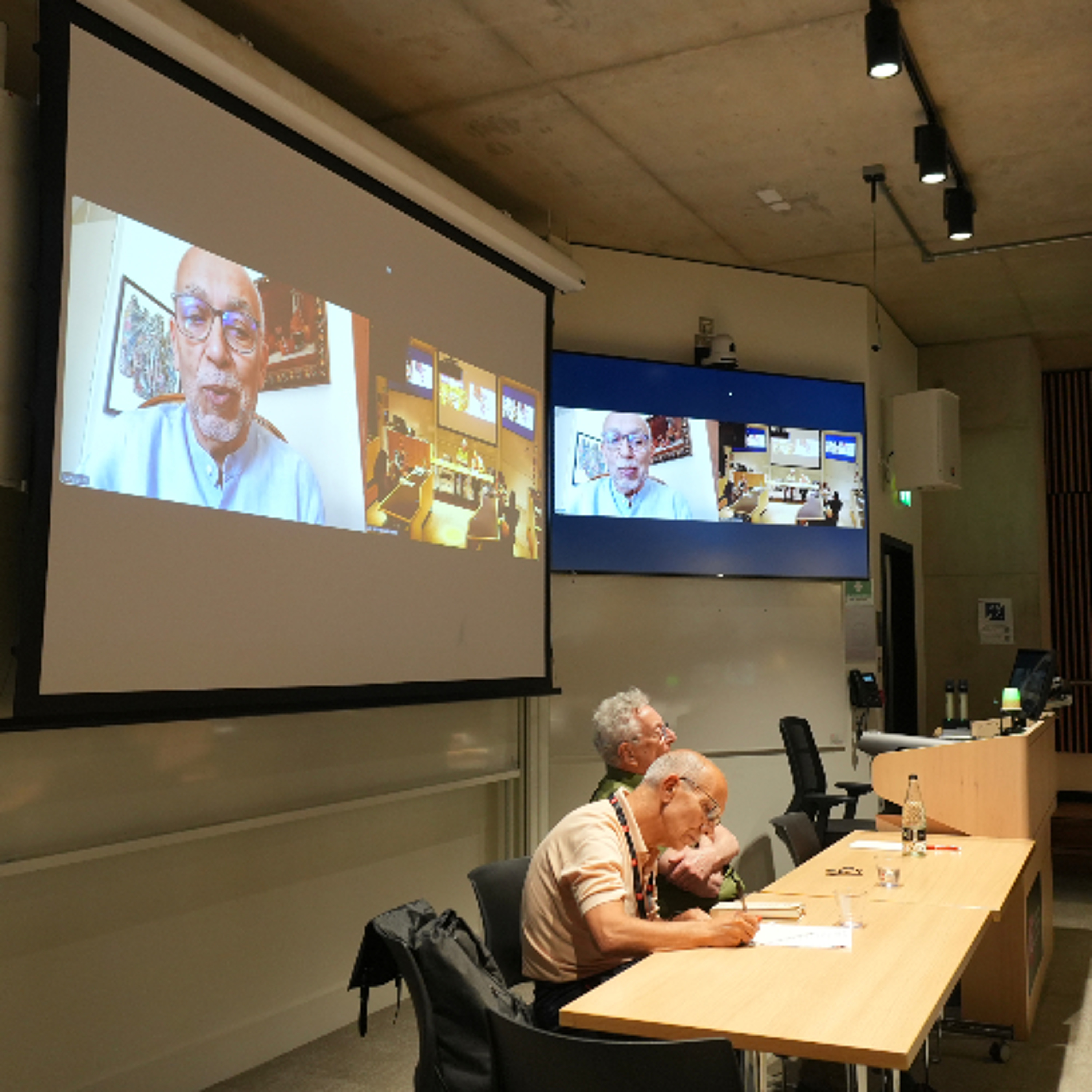
In Conversation with Abderrahmane Hadj Nacer and Francis Ghiles
Jun 1801:16:12Tap to summarizeAs part of the British Academy Conference 'Algeria: Historical Struggles and Imagined Utopias' organised by the LSE Middle East Centre and the Centre for Peace and Security, Coventry University. A fascinating conversation between Abderrahmane Hadj Nacer, former Governor of the Bank of Algeria, and Francis Ghiles, former journalist with the Financial Times and BBC World Service, on the historical challenges and reforms from the 1980s to contemporary Algeria. Une riche conversation entre Abderrahmane Hadj Nacer, ancien gouverneur de la Banque d'Algérie, et Francis Ghiles, ancien journaliste du Financial Times et de la BBC World Service, sur les défis historiques et les réformes de l'Algérie des années 1980 à nos jours.
Transcribe →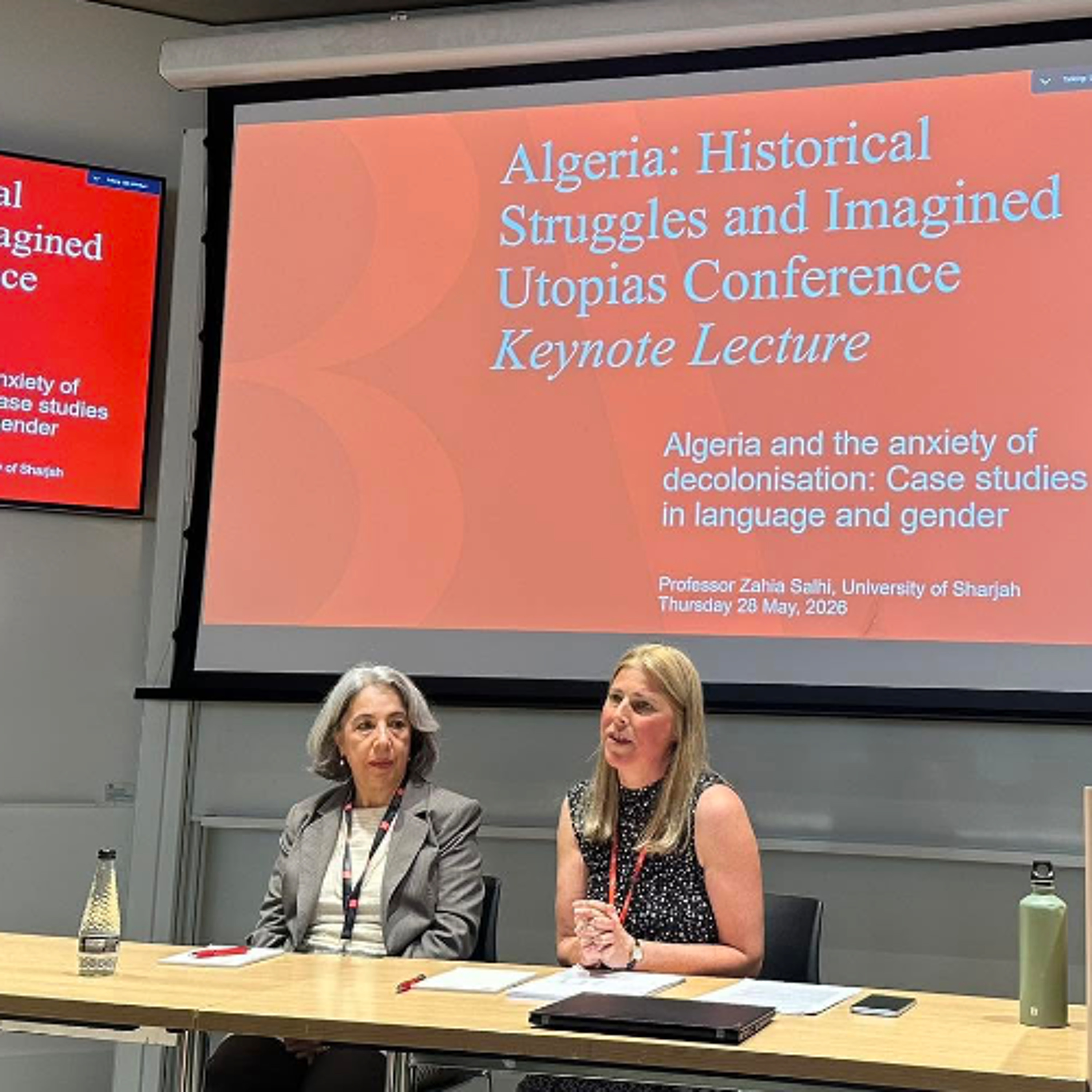
Algeria and the Anxiety of Decolonisation: Case Studies in Language and Gender
Jun 1601:24:48Tap to summarizeProfessor Zahia Smail Salhi is Chair of Modern Arabic Studies at the University of Manchester since 2013 and Dean of the College of Arts, Humanities and Social Science at Sharjah University for the last three years. She specialises in Arabic literature, culture as well as women and gender in the Middle East and North Africa. Her Keynote talk “Algeria and the Anxiety of Decolonisation: Case Studies in Language and Gender” takes us from the traumas of colonialism and the War of Independence to the challenges of decolonisation of both colonised and colonizer. She focuses in on questions of language and culture in newly independent Algeria, before moving on to her recent research into the role of women. Drawing on their historical legacy as resistance fighters, and Fanon’s work on the malleability of the veil, Zahia explores contemporary roles where women contest and affirm their place in the constantly shifting social environment of Algeria, via processes of ‘a quiet’ and ‘soft altering’ of social reality that subverts patriarchal power.
Transcribe →
Kurdish Studies Conference: Developing Kurdish Studies as a scholarly field
Jun 1501:25:21Tap to summarizeThis plenary session, delivered as part of the 2026 Kurdish Studies Conference by Marlene Schäfers, University of Utrecht and Kurdish Studies Journal and Welat Zeydanlıoğlu, Kurdish Studies Network, was a conversation about the state of Kurdish Studies as a scholarly field. The session was moderated by Veli Yadirgi. Marlene Schäfers is associate professor at the Department of Cultural Anthropology at Utrecht University in the Netherlands. Her research focuses on the impact of state violence on intimate and gendered lives, voice and memory, and the politics of death and the afterlife. She specializes in the anthropology of the Kurdish regions and modern Turkey. Her first monograph, Voices that Matter: Kurdish Women at the Limits of Representation in Contemporary Turkey (University of Chicago Press, 2022), is based on long-term ethnographic research with Kurdish female singers and poets and sets out to theorise the voice as an object of aspiration, resistance, and cooptation. It was awarded the annual Book Prize of the Ottoman and Turkish Studies Association in 2024. Welat Zeydanlıoğlu is the founder and coordinator of the Kurdish Studies Network(KSN), a global academic research network. He is also the founder of Kurdish Studies, an international, peer-reviewed academic journal. He was the managing editor of the journal between 2013-2022. He is known for his work in the field of Kurdish studies, particularly regarding the Kurdish question in Turkey. For more information about the Kurdish Studies Conference, follow this link: https://www.lse.ac.uk/middleeastcentre/news/kurdish-studies-conference-2026
Transcribe →
Sudan’s Current War: A Longer View on Peacemaking and Prospects
May 2701:13:24Tap to summarizeThe LSE Middle East Centre hosted the launch of Richard Barltrop’s paper, 'Sudan’s Current War: A Longer View on Peacemaking and Prospects'. This hybrid event launched a new paper examining the ongoing war in Sudan, which broke out in 2023. Drawing on lessons from the history of peacemaking in Sudan and comparative insights from other civil wars, the paper reflects on pathways toward ending the conflict, including the urgency of de-escalation, the need for sustained, long-term peacebuilding efforts, and the importance of Sudanese leadership and ownership in shaping a durable peace process. Richard will be joined by discussants Raga Makawi and Abdel Salam Sidahmad, and the event will be chaired by LSE's Laura Mann. Meet our speakers Richard Barltrop is a Visiting Senior Fellow at the LSE Middle East Centre researching contemporary approaches to peacemaking and peace processes. He has worked for the UN in the Middle East, North Africa and the Horn of Africa and is the author of Darfur and the International Community: The Challenges of Conflict Resolution in Sudan (IB Tauris, 2011). Abdel Salam Sidahmed is Chairperson of the Sudanese HR Monitor (SHRM) and an academic and human rights specialist with a PhD in Political Science. He previously served as Senior Human Rights Advisor to the Sudanese Prime Minister and Minister of Justice during the transitional government (2020–2021). Dr. Sidahmed brings over two decades of international human rights experience, including nine years with the Office of the United Nations High Commissioner for Human Rights, where he served as Regional Representative for the Middle East (2013–2021). Prior to that, he spent ten years at Amnesty International (1995–2005) as a Researcher and later Program Director for the Middle East and North Africa. In academia, he served as Associate Professor of International Relations at the University of Windsor in Ontario, Canada (2005–2011). Raga Makawi is a Sudanese British researcher on Sudan's civic politics and social movements at the London School of Economics. She is the ex Editor at African Arguments curating topical themes on the Sudan's, the larger Horn and the general political and social affairs of the continent at large. She is co-author of the book Sudan's Unfinished Democracy: The Promise and Betrayal of a People's Revolution and is currently working on a number of publications in edited volumes including; the sudanese revolution and authoritarianism, the sudanese social movement contribution to security sector reform and new civic formations and the future of peace politics and political settlements in Sudan. Meet our chair Laura Mann is a sociologist whose research focuses on the political economy of development, knowledge and technology. Her regional focus is East Africa (Sudan, Kenya and Rwanda) but she has also worked on collaborative research on ICTs and BPO in Asia and has conducted fieldwork in North America as part of a project on digitisation within global agriculture.
Transcribe →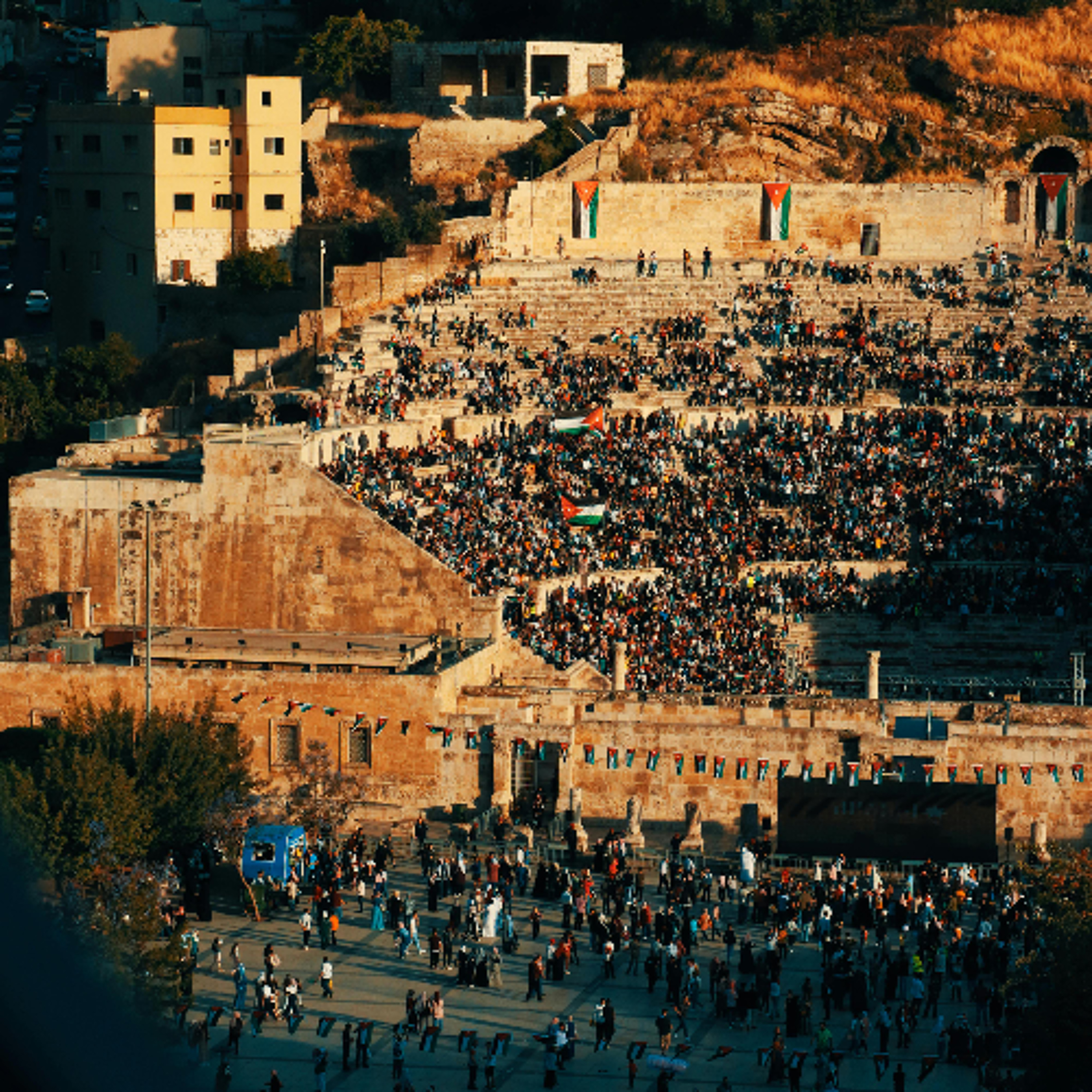
Social Protection and Conflict Prevention in Lebanon and Jordan
May 800:57:11Tap to summarizeThis webinar examines perceptions of social protection and conflict prevention in Lebanon and Jordan among policymakers and household recipients of state-provided cash transfers. Drawing on extensive qualitative fieldwork conducted between October 2022 and March 2024, Rana Jawad explores how global policy frameworks such as the Grand Bargain and the Humanitarian-Development-Peace (Triple Nexus) intersect with domestic social policy systems in conflict-affected low- and middle-income countries in the Middle East. The talk will highlight two key arguments: first, the narrowing of social policy towards targeted cash transfers and employment-based social insurance in contexts marked by high unemployment, informality, and reliance on foreign aid; and second, a mismatch between the preventive ambitions of the Triple Nexus framework and the actual scope of social policy in Lebanon and Jordan. The discussion will reflect on what meaningful ‘prevention’ might look like when social policy addresses the structural drivers of poverty, inequality, and limited employment opportunities. Meet our speaker and chair Rana Jawad is a Professor of Global Social Policy in the Department of Social Policy, Sociology and Criminology at the University of Birmingham. She specialises in the social policies and welfare systems of the Middle East and North Africa region, focusing on broad questions about institutional and political change, programme design and the impact of these on poverty and inequality. She is especially interested in the policy and political dynamics (including policy transfer issues) among international actors and the donor community, government officials and civil society organisations. Reza Omidi is a Visting Fellow at the LSE Middle East Centre. His research focuses on social inequalities, welfare regime, political economy, and social policy developments. He is currently focused on the politics of social policy reforms, their institutional dynamics of advance and retrenchment, and their interrelationship with broader social and political transformations.
Transcribe →
Social Media Consumption and Food-Consumption in Contemporary Kuwait
Apr 2100:53:50Tap to summarizeThe LSE Middle East Centre hosted a Kuwait Programme workshop, presenting research on the influence of social media on food-consumption behaviours in Kuwait. Kuwait is experiencing public health challenges driven by rising rates of non-communicable nutrition-related diseases such as diabetes and obesity. According to the World Bank, the prevalence of diabetes in Kuwait increased tenfold between 2000 and 2021, with approximately 25% of Kuwaiti adults now affected. Adding to this issue is the widespread social media culture in Kuwait surrounding food photography. There is a significant trend among individuals, as well as social media influencers, to share food-related content on platforms. The extensive use of digital platforms, combined with Kuwait's unique social media culture, offer new and unique avenues for studying how online content and interactions might shape food-consumption behaviours. This research addresses the influence of social media on food-consumption behaviours in Kuwait. Meet our speakers Fabrício M. Fialho is Assistant Professor of Sociology at HSE University and Research Fellow at the LSE International Inequalities Institute. His current work has focused on public opinion research and quantitative research methods. Abrar Al Hasan is an Associate Professor of Information Systems and Operations Management at the College of Business Administration, Kuwait University. Her research interests include Social Media and Social Networks, Health IT, Online Markets, Digital Innovations, Crowdsourcing, and the Economics of Information Systems. Meet our chair Dr Aygen Kurt-Dickson is Senior Innovation Development Manager in the LSE Innovation & Impact team focuses on enhancing LSE’s I&I ecosystem through improved connections between LSE research and innovation and by building internal and external relationships to facilitate innovation.
Transcribe →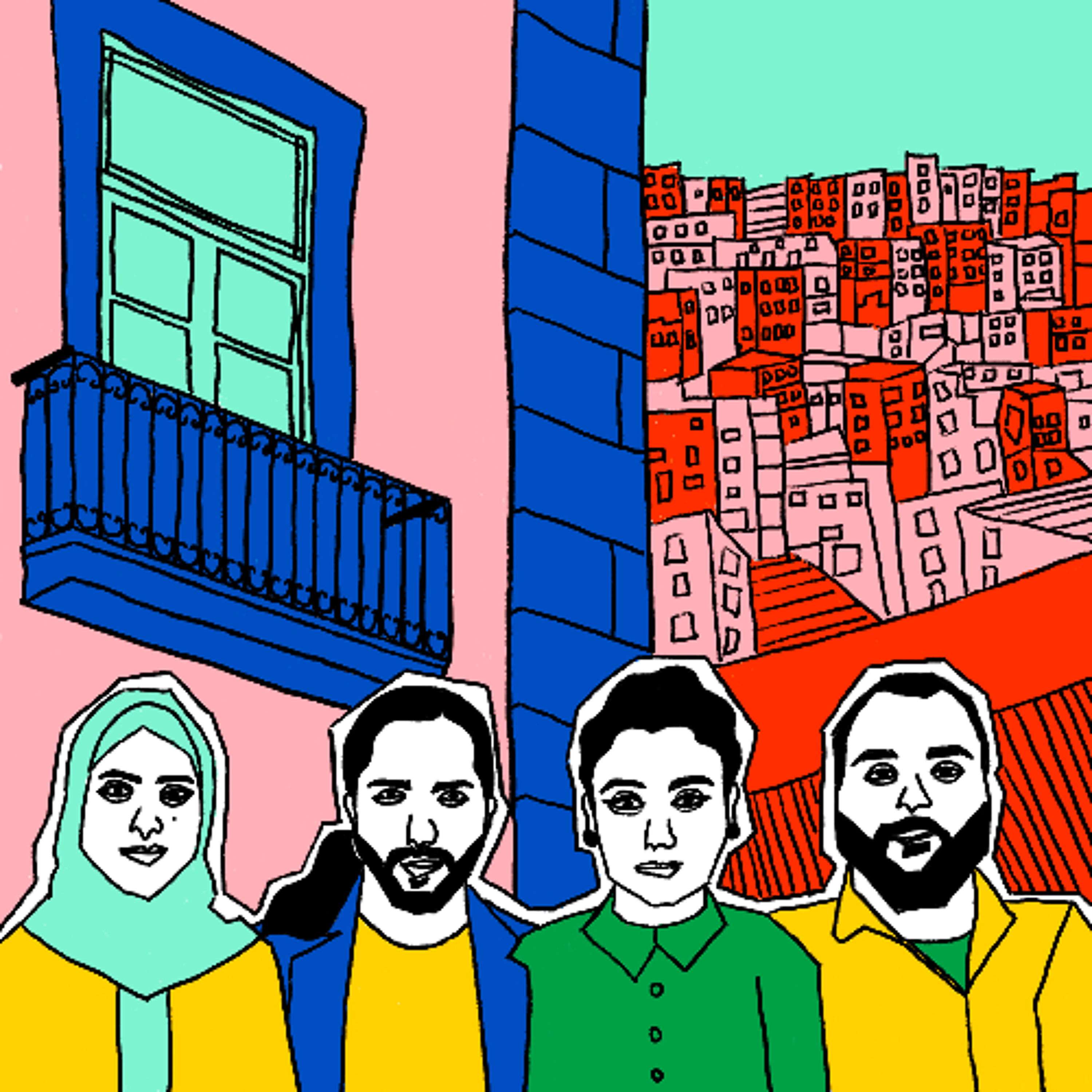
Urban Exclusion in the City
Apr 1400:34:28Tap to summarizeIn the final episode of this season, Ahmad Abu Hussien, an urban sociologist from Jordan, brings together academics and practitioners to explore theories of urban planning and design through case studies of Jordan and Dubai. This episode explores the concept of infrastructural citizenship, a framework that helps us understand infrastructure not simply as roads, public spaces, water or sewage networks, but as a political and social system that shapes belonging in the city. In this way, Ahmad and his guests look at how certain communities are excluded from the city, and how theory can inform practice in building apps, policies and physical spaces for the better. Ahmad Abu Hussien is an Atlantic Fellow for Social and Economic Equity and a sociologist specialising in urban inequalities. He is also the co-founder of AZHJ, a research consultancy focused on reducing disparities in cities and between cities, which works at the intersection of urban policy, governance, and research, with a focus on the Global South. Deyala Tarawneh is Assistant Professor of Urban and Regional Planning at the University of Jordan, and Deputy Dean of Training and Alumni Affairs. She is deeply engaged in professional and institutional planning practice, including in roles with the Jordanian Engineering Institution, as well as supporting women in engineering and urban development. Harun Jweinat is Co-Founder and Director of Design and Logistics at AZHJ. His work bridges art and spatial justice with a strong focus on translating complex urban ideas through practice and community facing work. Huda Shaka is a chartered urban planner and a chartered environmentalist. Her work involves advising on city and regional plans, master plans and mega infrastructure projects as well as strategic policy frameworks for future-ready cities. https://afsee.atlanticfellows.lse.ac.uk/en-gb/fellows/2023/ahmad-zeyad-abu-hussien
Transcribe →