
Podcast
Make Me Smart
Hosted by Marketplace · EN
Each weekday, Marketplace’s Kimberly Adams makes today make sense along with her Marketplace colleagues, breaking down happenings in tech, the economy, and culture. Because none of us is as smart as all of us.
71episodes
Episodes
Newest firstAll episodes
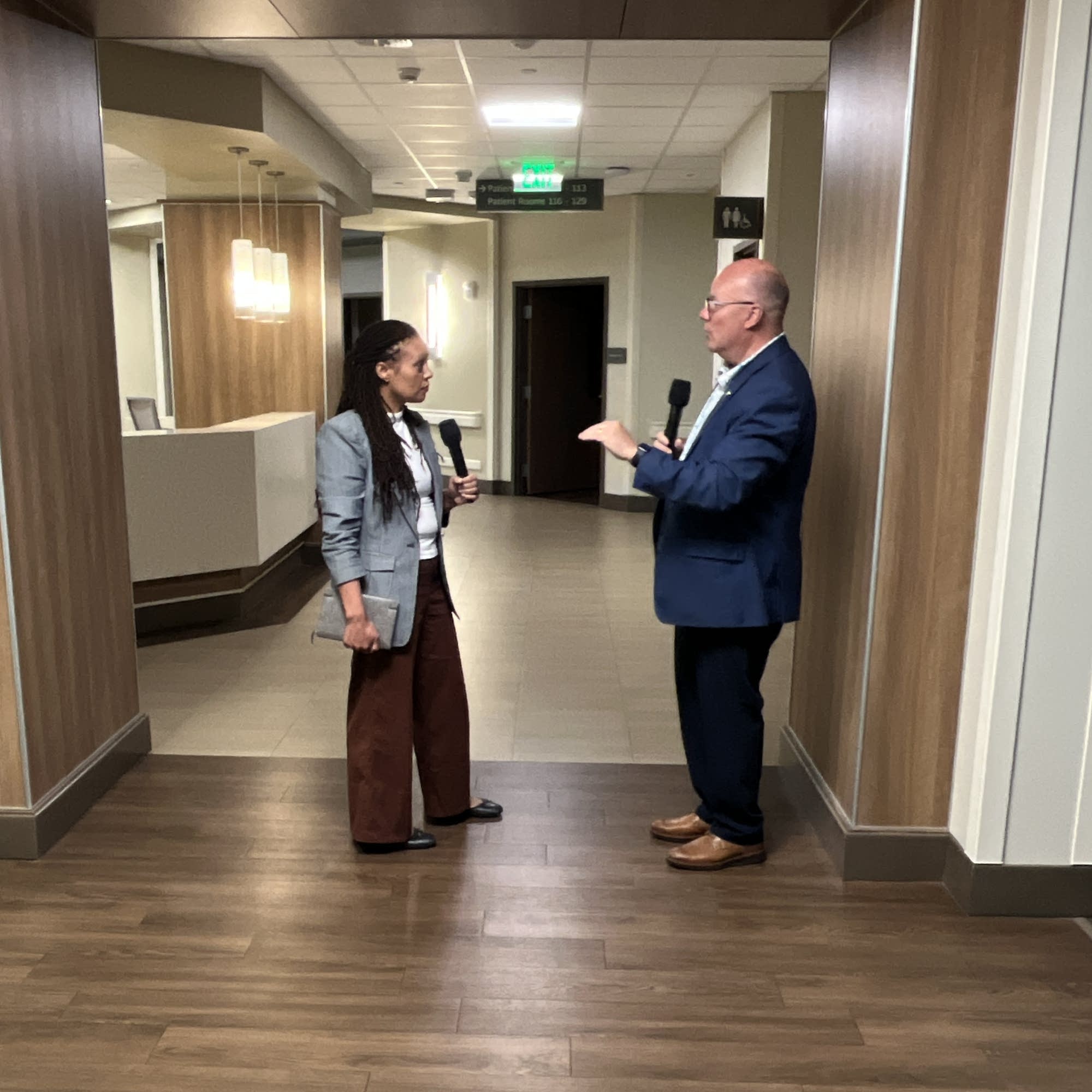
From "Marketplace Morning Report": The Rural Healthcare Crisis
Jun 2100:24:33Tap to summarize“Marketplace Morning Report” host Kimberly Adams is back in the “Make Me Smart” podcast feed to share some reporting from a trip to southwest Alabama. It’s a deep dive on rural health care access — about 700 rural hospitals nationwide are at risk of closure, according to the Center for Healthcare Quality and Payment Reform.Many of the headwinds are longstanding, but recent federal policy changes from the big Republican tax and spending law signed last year threaten to make the challenges more intense.As those changes kick in, the “Marketplace Morning Report” wanted to better understand what that will mean for communities all around the country.In this episode, we share the lessons learned from Alabama, starting with how hard a hospital closure can hit a community.
Transcribe →
From "How We Survive": How to Dim the Sun
May 2900:36:21Tap to summarizeCould dimming the sun be the key to cooling things down before the climate crisis worsens? Some scientists say yes, that we can cool the earth by launching tons of sulfur dioxide into the stratosphere. It’s a type of solar geoengineering that was once seen as preposterous, meant to exist only in the pages of a sci-fi novel. But now, it’s a reality.To find out for ourselves, we travel to Northern California where two entrepreneurs are launching sulfur-filled balloons from the top of stacked shipping containers. Later, we talk with scientists on both sides of this issue to find out if solar geoengineering could help prevent catastrophic tipping points or introduce a whole new slew of cascading consequences.
Transcribe →
The TikTok-ification of music marketing
May 1400:18:02Tap to summarizeRecent controversy surrounding the rock band Geese and a digital marketing firm Chaotic Good Projects has sparked debate over the tactics firms use to drum up hype for artists online. How can we tell if online hype is real or fake? And does it really matter? Trapital founder Dan Runcie joins Kimberly to break it down. Plus, a final thank you from Kimberly.Here’s everything we talked about today:"Geese psyop debate: Rock band raises questions about music marketing" from Fast Company"Fake Fans" from Eliza McLamb"The Fanfare Around the Band Geese Actually Was a Psyop" from Wired"If Geese are a psy-op, so is everything else" from Dazed "Are Chaotic Good’s marketing practices bad for listeners?" From CBC Arts“Make Me Smart” is a public media program. Show your support with a donation today and keep economic news available to everyone. Donate now: https://bit.ly/mkp_mms_pod
Transcribe →
The highs and lows of the global art market
May 1200:15:39Tap to summarizeAfter a pandemic-era boom, the fine art market is going through something of a bust. Many galleries have closed due to climbing overhead costs and sales just aren’t what they used to be. Author and freelance journalist Julie Belcove joins Kimberly to demystify the inner workings of the global art market and what a slump could mean for the those who work in the arts.
Transcribe →
Kimberly's final cheers on "Economics on Tap"
May 800:36:25Tap to summarizeAs Kimberly gets ready to step into her new role as the host of “Marketplace Morning Report,” her predecessor David Brancaccio joins her to talk about his years on the morning shift and what he’s looking forward to on his new beat covering future effects for Marketplace. Plus, the two swap summer reading recommendations and play a round of Half Full/Half Empty!Here’s everything we talked about today:"Liar's Poker" by Michael Lewis"Number Go Up" by Zeke Faux"Pattern Recognition" by William Gibson "The Sum of Us" by Heather McGhee"Public pools used to be everywhere in America. Then racism shut them down." From Marketplace"Open to Work: How to Get Ahead in the Age of AI" by Ryan Rolansky and Aneesh Raman"Want to make new friends? There's an app for that" from Marketplace"Why online courses sold by influencers have become so popular" from Marketplace"The Roomba Guy’s Second Act: A Robot You’ll Want to Snuggle" from The Wall Street Journal "The Spirit Airlines Comeback Story No One Saw Coming" from Inc.“Make Me Smart” is a public media program. Support “Make Me Smart” with your donation today and keep economic news available to everyone. Donate now: https://bit.ly/mkp_mms_pod
Transcribe →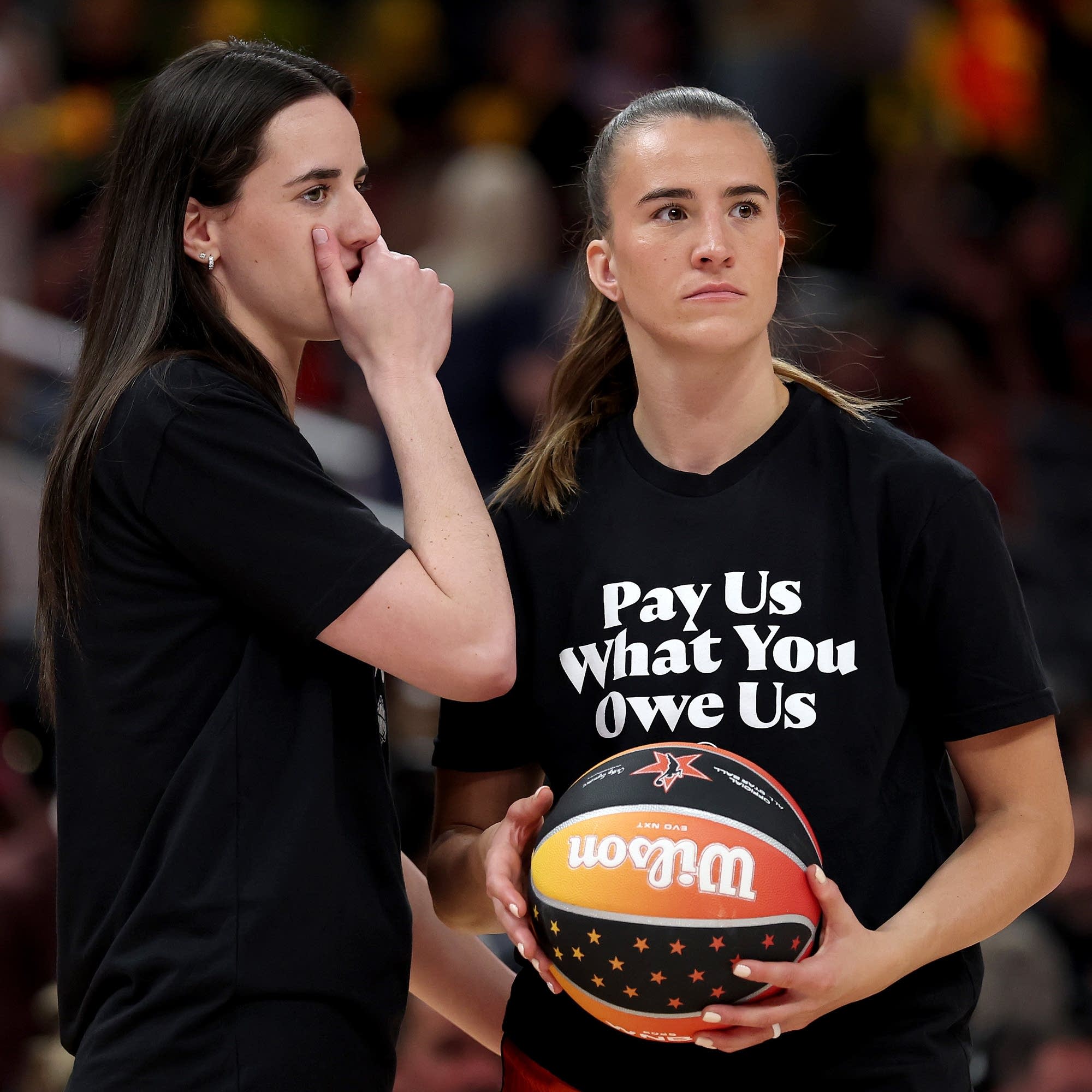
How the new WNBA CBA transforms player pay
May 700:19:07Tap to summarizeThe WNBA’s 30th season tips off tomorrow. This year, things look a lot different for players after the league and players union recently signed a landmark collective bargaining agreement (CBA). On today’s show, The Athletic’s Annie Costabile joins Kimberly to break down how the deal has transformed the way players are paid. Plus, has women’s basketball ever really been given the chance to maximize its earning potential?
Transcribe →
The new fight for states' rights under Trump
May 500:14:10Tap to summarizeThe power struggle between the states and federal government is as old as the U.S. itself. But under the second Trump administration, that struggle has become particularly fraught. Stateline reporter Kevin Hardy joins Kimberly to explain how the president is wielding federal funding as a tool to expand his authority, and how states are fighting back.
Transcribe →
From "This Is Uncomfortable": Wait...where did my retirement money go?
May 100:36:59Tap to summarizeHey Smarties! There won’t be a livestream for “Economics on Tap” today. But don’t worry! We’ll be back next week. For now, we’re sharing an episode from our friends over at “This Is Uncomfortable.” Enjoy!What happens to your retirement savings when you leave a job? And if you’ve forgotten about an old 401(k) account, how do you track that money down? That’s the mystery Reema is trying to solve this week, as she confronts her own financial anxiety and goes searching for retirement accounts left behind at previous jobs.Along the way, she talks with retirement expert Geoffrey Sanzenbacher about just how common this is -- only about 15% of people roll their retirement savings over to a new employer's plan! And she asks behavioral economist Katy Milkman why this kind of chore feels so hard. Plus, brain hacks that will help you get through that daunting financial to-do list.Here at Marketplace, we’re celebrating Public Media Giving Days on May 1 and 2. Help us keep the conversations going. Donate now: https://support.marketplace.org/smart-sn
Transcribe →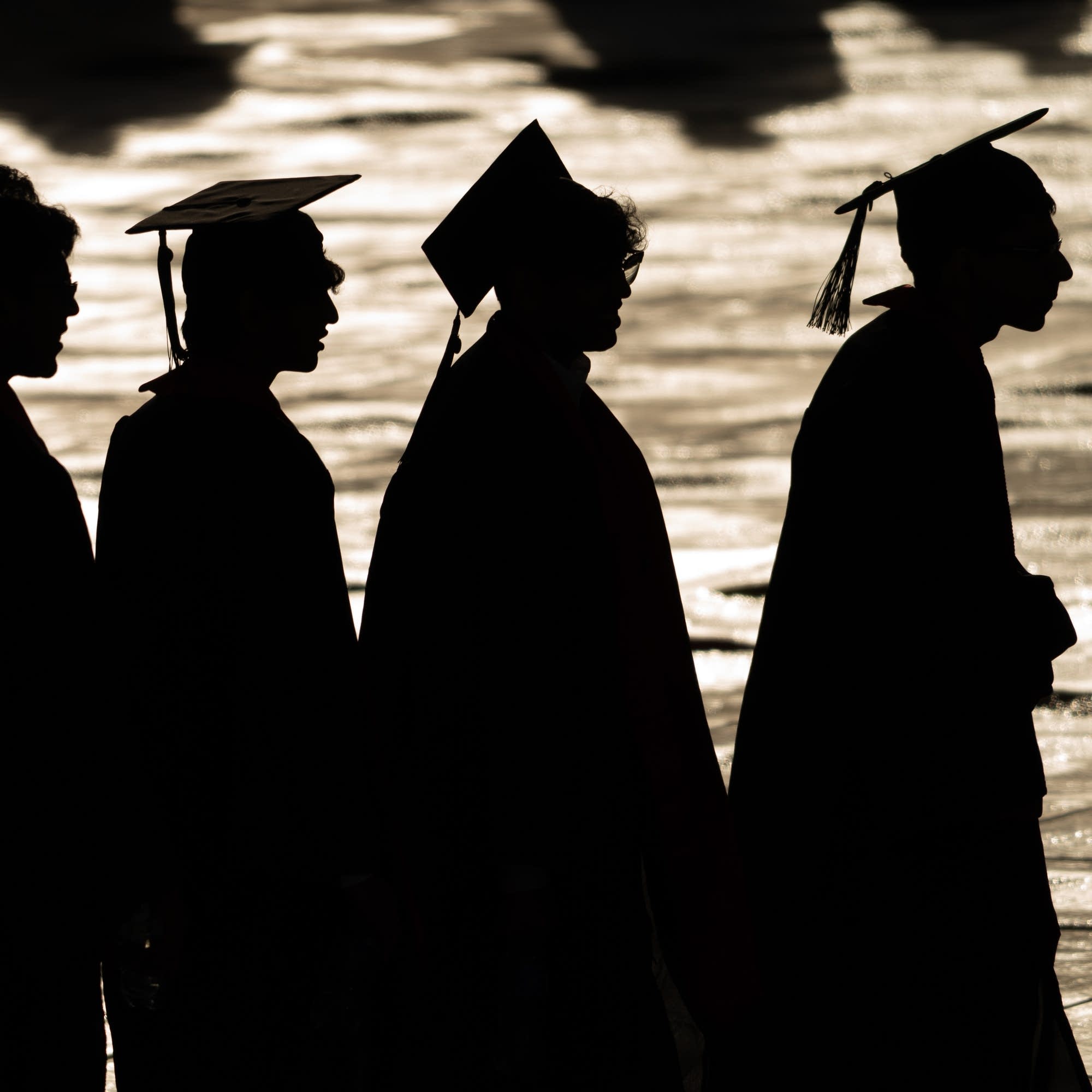
It's tough out there for new college grads
Apr 3000:19:17Tap to summarizeWe’re approaching graduation season for this year’s crop of college seniors. But along with all the celebrations, there’s an extra dose of uncertainty hanging in the air around new grads, as they face an extra-tough job market and the rise of AI. On today’s show, Kimberly talks to New York Times labor and workforce reporter Noam Scheiber, whose new book “Mutiny: The Rise and Revolt of the College-Educated Working Class” digs into the historical context for the environment today’s seniors are graduating into. Here’s everything we talked about today:”Mutiny: The Rise and Revolt of the College-Educated Working Class” by Noam Scheiber”Young Graduates Face the Grimmest Job Market in Years” from The New York Times”The Labor Market for Recent College Graduates” from The Federal Reserve Bank of New York ”College Graduates Are Struggling to Find Jobs. AI is Partly to Blame.” from CNBC”U.S. Worker Thriving Declines as Job Market Pessimism Grows” from GallupWe love hearing from you. Leave us a voicemail at 508-U-B-SMART or email makemesmart@marketplace.org.
Transcribe →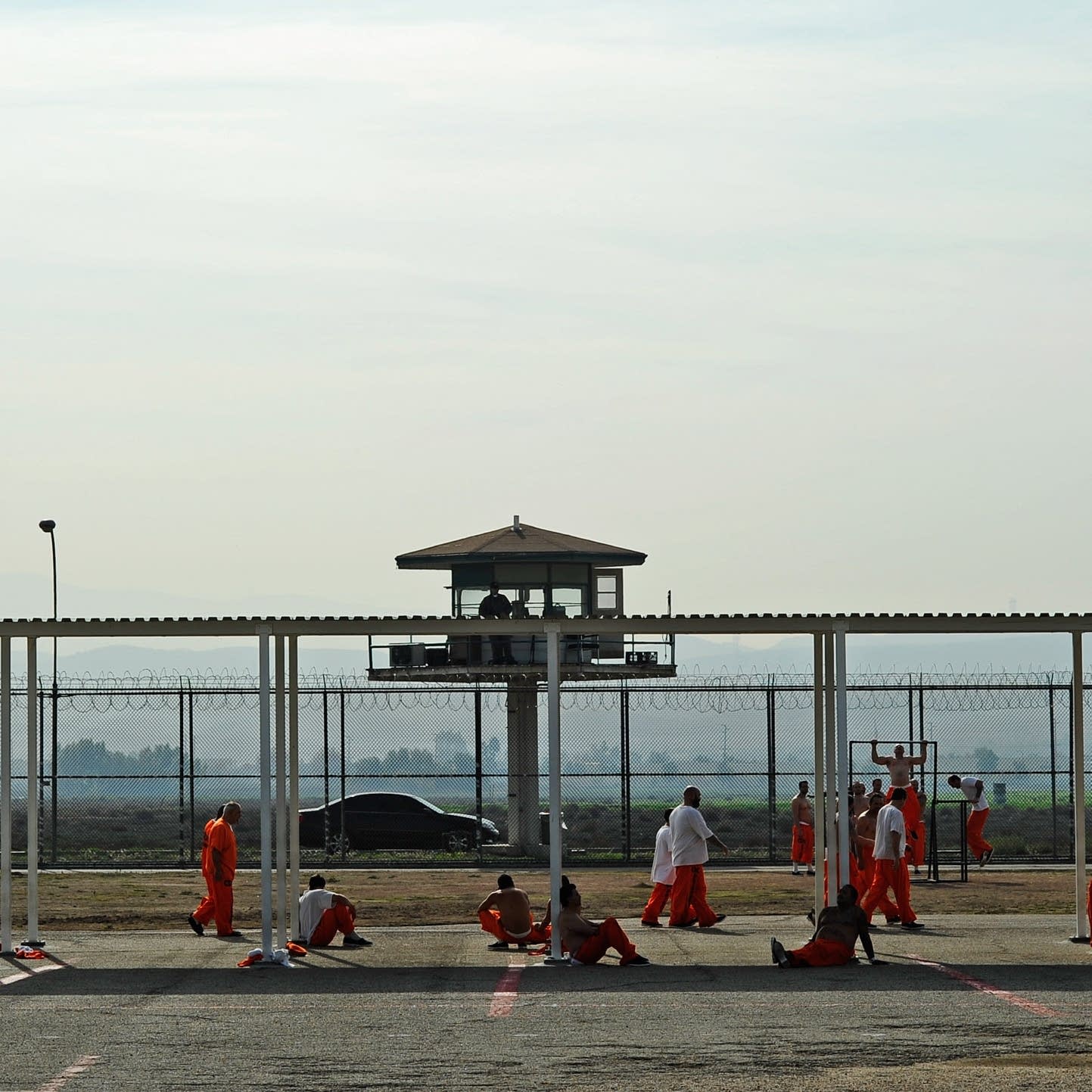
How second chance employment is lowering recidivism in the U.S.
Apr 2800:17:58Tap to summarizeIn the United States, recidivism rate, or the likelihood that a criminal re-enters the prison system after being released, is among the highest in the world. The state with the highest reincarceration rate (within 3 years) is Delaware at 55.9 percent. While the lowest is Virginia at 17.9 percent. Earlier this month, Kimberly moderated the 2026 Second Chance Forum at Georgetown University on the importance of second-chance employment programs to lowering recidivism rates in the United States. She sat down with two top law enforcement officials from across the aisle: Delaware Attorney General and Democrat, Kathy Jennings and Pennsylvania Attorney General and Republican, Dave Sunday.Today’s podcast is an edited version of their conversation. To listen to the full panel discussion, click the link below:2026 Second Chance Forum: Barriers to Breakthroughs — How Second Chances Are Driving SuccessWe love hearing from you. Leave us a voicemail at 508-U-B-SMART or email makemesmart@marketplace.org.
Transcribe →