Podcast
Making It
Hosted by EnterpriseAM · EN
A show about building a great business in the region. Each episode is a one-on-one sit-down with a CEO or founder at the top of their game, leaders across industries going through different stages of growth. We talk to them about the issues they face, the challenges they have to overcome, and what it takes to make it.
Making It is a production of EnterpriseAM.
10episodes
Episodes
Newest firstAll episodes
A note from Patrick
Nov 400:10:19Tap to summarizeIn this special feed drop, Patrick shares an episode of EnterpriseAM’s new show, Morning Drive. It's a 10-minute rundown of the biggest business stories that will shape your day. To get new episodes straight in your feed every morning, follow EnterpriseAM | Egypt wherever you're listening right now. We’ll be back with a new season of Making It soon, so stay tuned.See omnystudio.com/listener for privacy information.
Transcribe →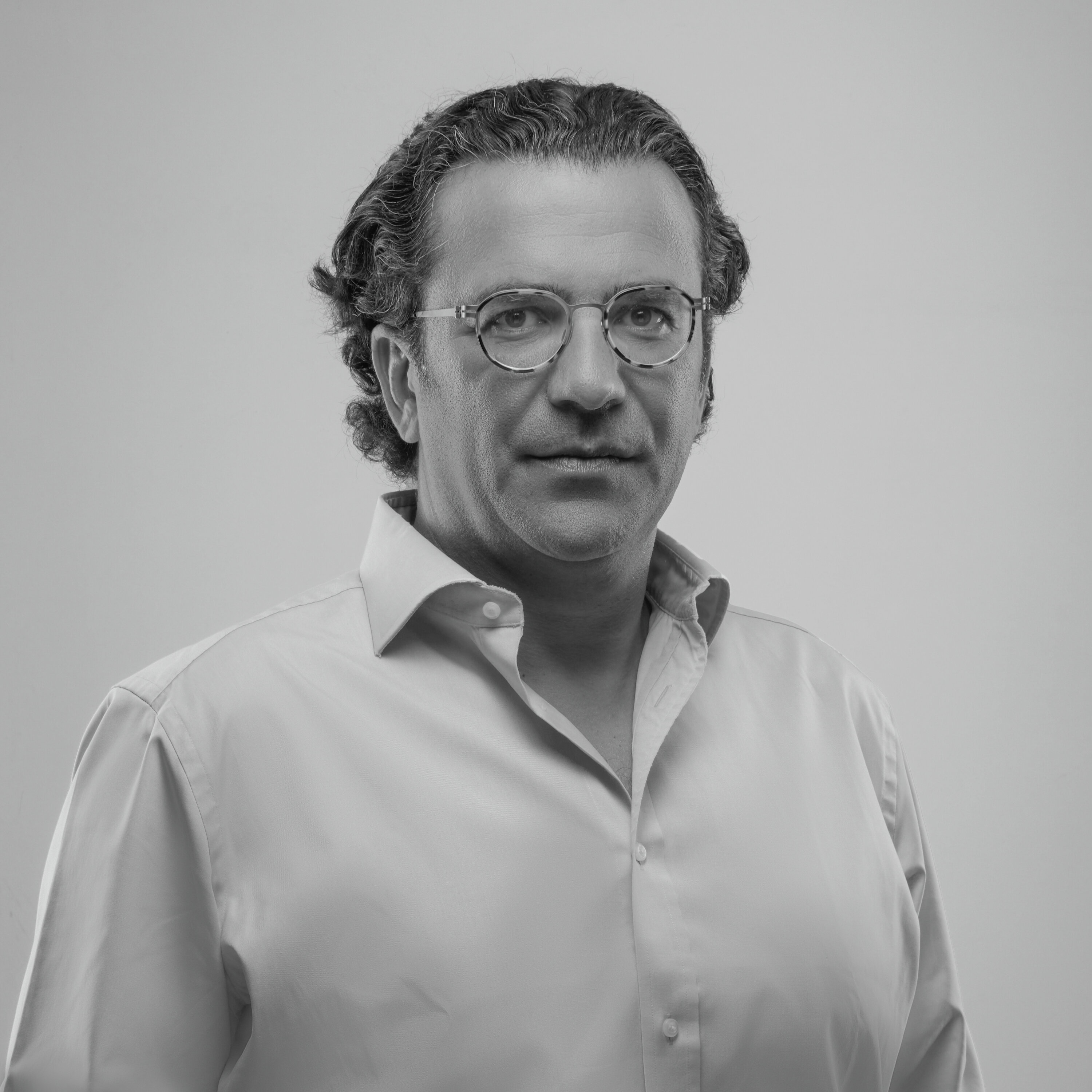
Special: Doing it differently | Marakez Exec Vice Chairman Dasha Badrawi
Jul 14, 202501:04:10Tap to summarizeFor the last few decades, Sahel has cemented its place as a go-to summer destination for many. Clear waters. Crisp weather. Buzzing nightlife. Last year, the Ras El-Hekma deal swung the spotlight on the potential of Sahel as a regional investment hub. But what exactly are we building up there? In this special episode of Making It, we speak to Marakez Executive Vice Chairman Dasha Badrawi. Dasha stumbled onto the real estate industry in the mid-2000s, and he has been at its forefront ever since. Having been brought up in the UK, his ties to Egypt remained unwavering, and so did his penchant for creation. For the last decade, he has been at the helm of Marakez. Ushering in iconic projects like Mall of Arabia and District 5, Dasha has pushed forward a philosophy that centers innovation, team effort and homegrown partnerships. In conversation with Patrick, Dasha opens up about his early years as a lawyer and entrepreneur, the challenges posed by Egypt’s unique real estate financing model, the way buyers should assess developers, and how favoring recurring revenue through retail and commercial properties was key to Marakez’s success. They speak at length about the changes taking place along Egypt's North Coast, the ethos and architecture of Marakez’s Ramla, and what his team has in store this summer. This episode was produced as a part of our four-part special Destination Sahel. In case you missed it, check out these two episodes from our archive: How Gourmet Egypt survived the float of the EGP How Karim Awad has grown EFG Hermes from a regional giant into a global player Learn more about how you can advertise with EnterpriseAM by emailing Moustafa Taalab mtaalab@enterprisemea.comSee omnystudio.com/listener for privacy information.
Transcribe →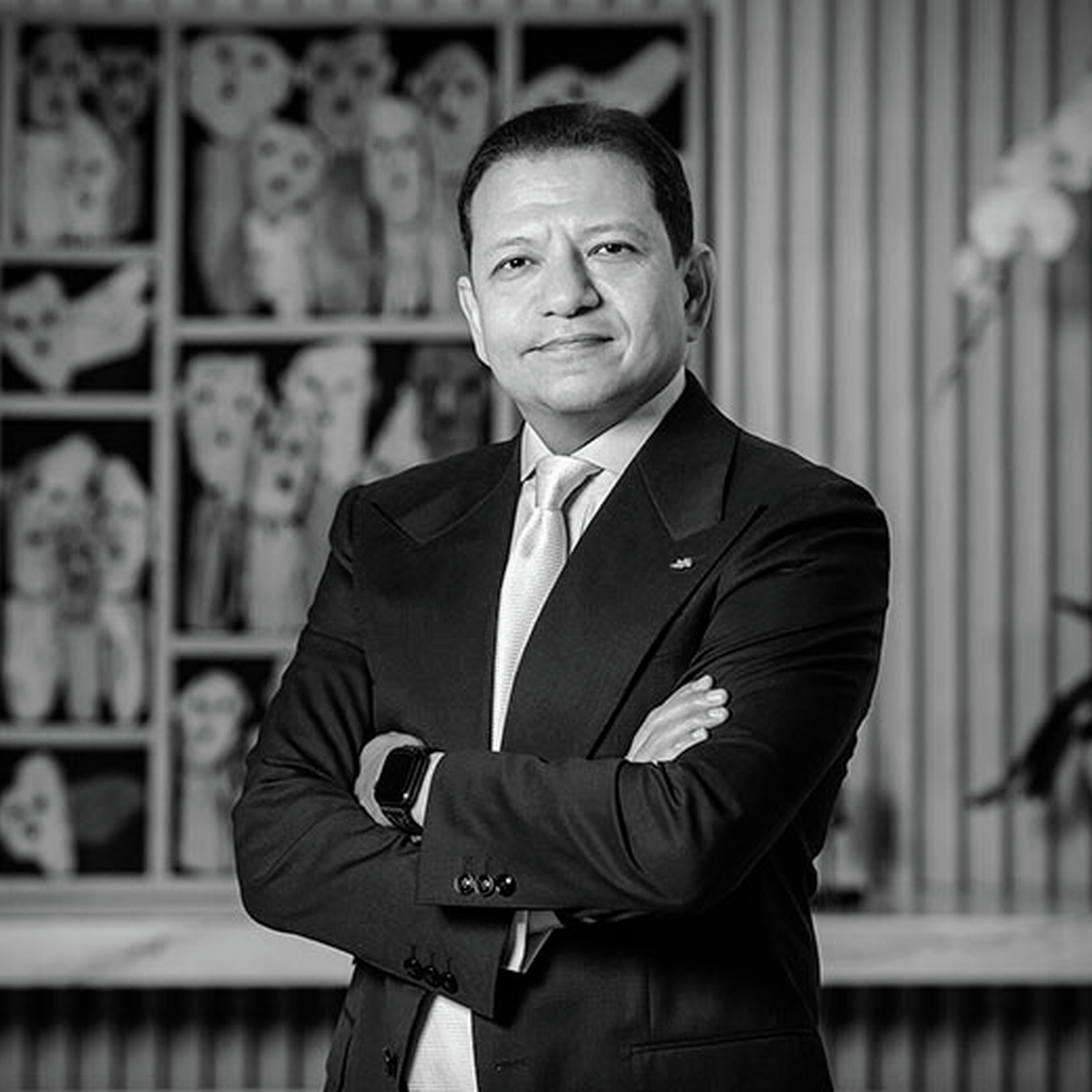
Special: Building an innovative bank — and how to lead it — with Mashreq Group CEO Ahmed Abdelaal
Mar 2, 202500:42:52Tap to summarizeAfter more than five years at Mashreq’s helm, Group CEO Ahmed Abdelaal is a well-known face in the regional banking industry and beyond. Ahmed has led the bank through an ambitious expansion strategy that has seen it recently open Mashreq Oman, in addition to Mashreq Neo in Egypt, as well as its digital banking platform for corporate clients in Bahrain, Kuwait, and Qatar. We recently sat down in Dubai with Ahmed to speak at length about how he and his team see the road ahead. Resilience and adaptability, he thinks, will be key in a year that’s filled with uncertainty about everything from interest rates to what the new US administration means for trade, finance, and the world order. We get into whether Arab business leaders pay enough attention to India, banking as a service, innovation in financial services, and a lot more. As with every episode of Making It, this isn’t just a show for industry nerds: It’s part of our masterclass on leadership. We go deep into why Ahmed invites the entire bank to “scru my strategy,” how he gets his leadership team on the same page (while avoiding groupthink), as well as how he makes decisions, decides what to work on himself, and structures his org chart. What does the year ahead look like? In a nutshell, Ahmed tells us that 2025 is “the year where we will be delivering on some of Mashreq’s key strategic objectives.” That includes “continuous innovation, regional expansion, and building state-of-the-art client experiences.” Already a major player in the corridors linking MENA to Asia, the United States, and Europe, Ahmed aims to make the bank the dominant digital player in our region, talking openly about “banking as a service” as concepts including open finance and embedded finance move toward center stage in the so-called platform economy. However it plays out, you can be sure that client experience is at the heart of everything Mashreq has planned. “Focusing on driving client experience — and client excellence — is key,” Ahmed told us. And that goal requires Mashreq to ensure that it has the right kind of people running the show, which means that the bank’s org chart was “built for collaboration, speed of decision making, and — most importantly — innovation and efficiency.” Being a nimble organization that’s able to execute on its key objectives also makes Mashreq well-positioned to jump on opportunities, including those that have long been underplayed, such as India. Today, the UAE has freetrade agreements with India, while “the influx of capital in and out has tremendously increased over the past few years,” Ahmed says. India is one of the many trade corridors that Mashreq is heavily interested in, and has created a “state-of-the-art solution with the biggest seven banks in India” to allow Mashreq clients to digitally open bank accounts in India, eliminating the need for physical presence in India. Closer to home, Ahmed sees plenty of potential in sustainability and ESG, whether you’re looking at the UAE, Saudi Arabia, or Egypt. Across these three key geographies — which Ahmed maintains will continue to work together, rather than compete, for economic strength — sustainable agriculture, ESG investments, and renewable energy continue to be areas of interest. “The amount of commitments and spend, whether it's here in UAE, Saudi and Egypt, is tremendous,” Ahmed says. In this episode of Making It, we dug into all these topics and more, including where Mashreq wants to be in 10 years’ time and other major corridors where Ahmed sees opportunity.See omnystudio.com/listener for privacy information.
Transcribe →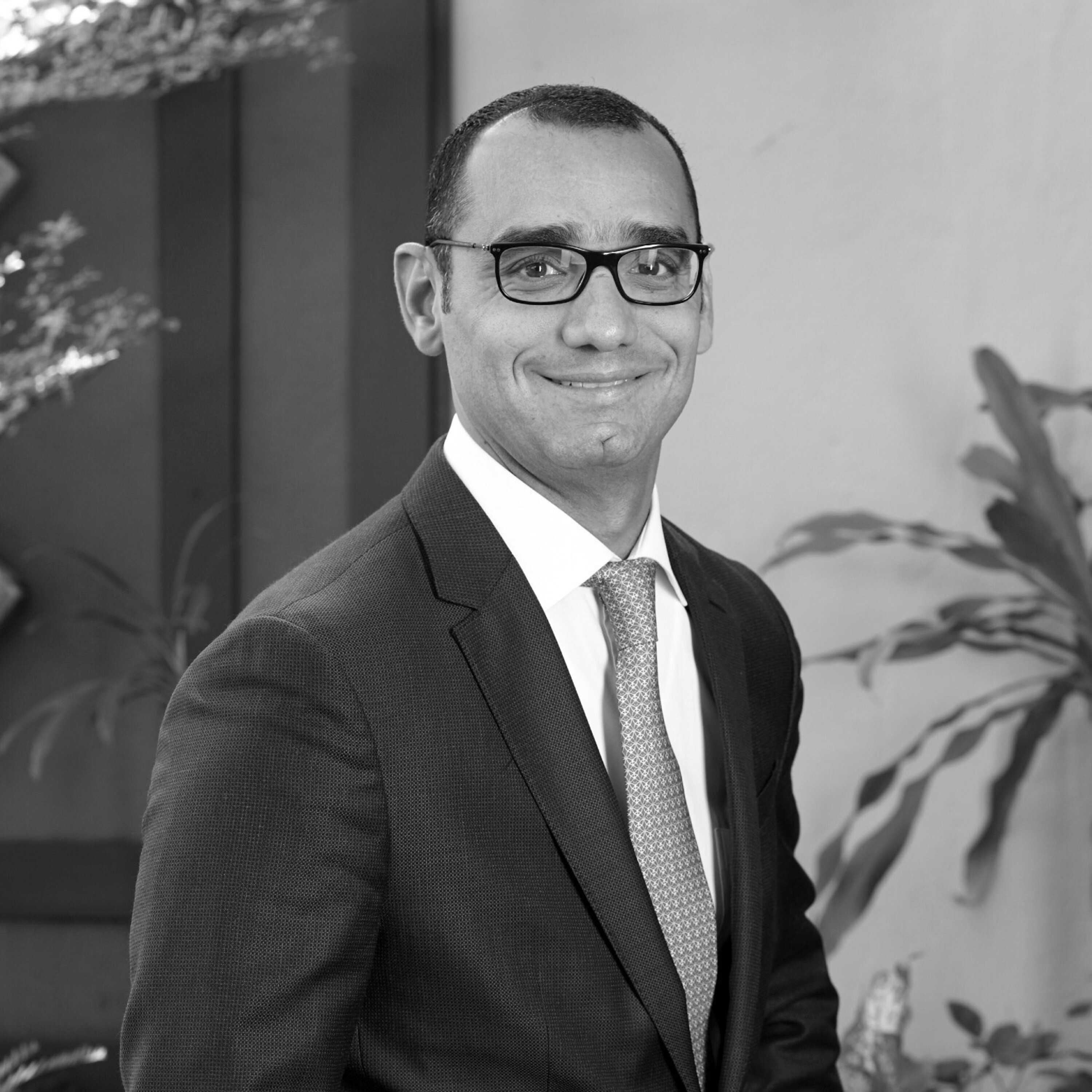
How to fundraise with Actis Partner Hossam Abou Moussa
Dec 2, 202000:40:04Tap to summarizeIn 20 years of working in private equity, Hossam Abou Moussa has seen the makings of great businesses across industries in Egypt and other emerging markets. At Actis, he is a partner in the private equity business, as well as chief operating officer of the unit. Actis is one of the leading investors in emerging markets, and currently operates roughly USD 10 bn under management. In Egypt, they have invested in some of Egypt’s biggest companies, including CIB, Edita, International Diagnostics Holding, and Fawry. In our last episode of the season and the year, Abou Moussa outlines the three fundamental aspects investors look for in a business and how to leverage them for fundraising, as well as how to choose a business partner or investor, and when to choose private equity as an option. ** Subscribe to Enterprise, our 6am briefing on business, finance and economics in Egypt (also free) at www.enterprise.news. Making It is grateful for the generous support of: CIB, Egypt’s number-one private-sector bank and the partner of choice for CEOs and leaders of businesses at all stages of their growth stories. The United States Agency for International Development, which has a 40 year history of inspiring Egyptian success in partnership with the Government and people of Egypt.You can learn about Actis here: https://www.act.is/See omnystudio.com/listener for privacy information.
Transcribe →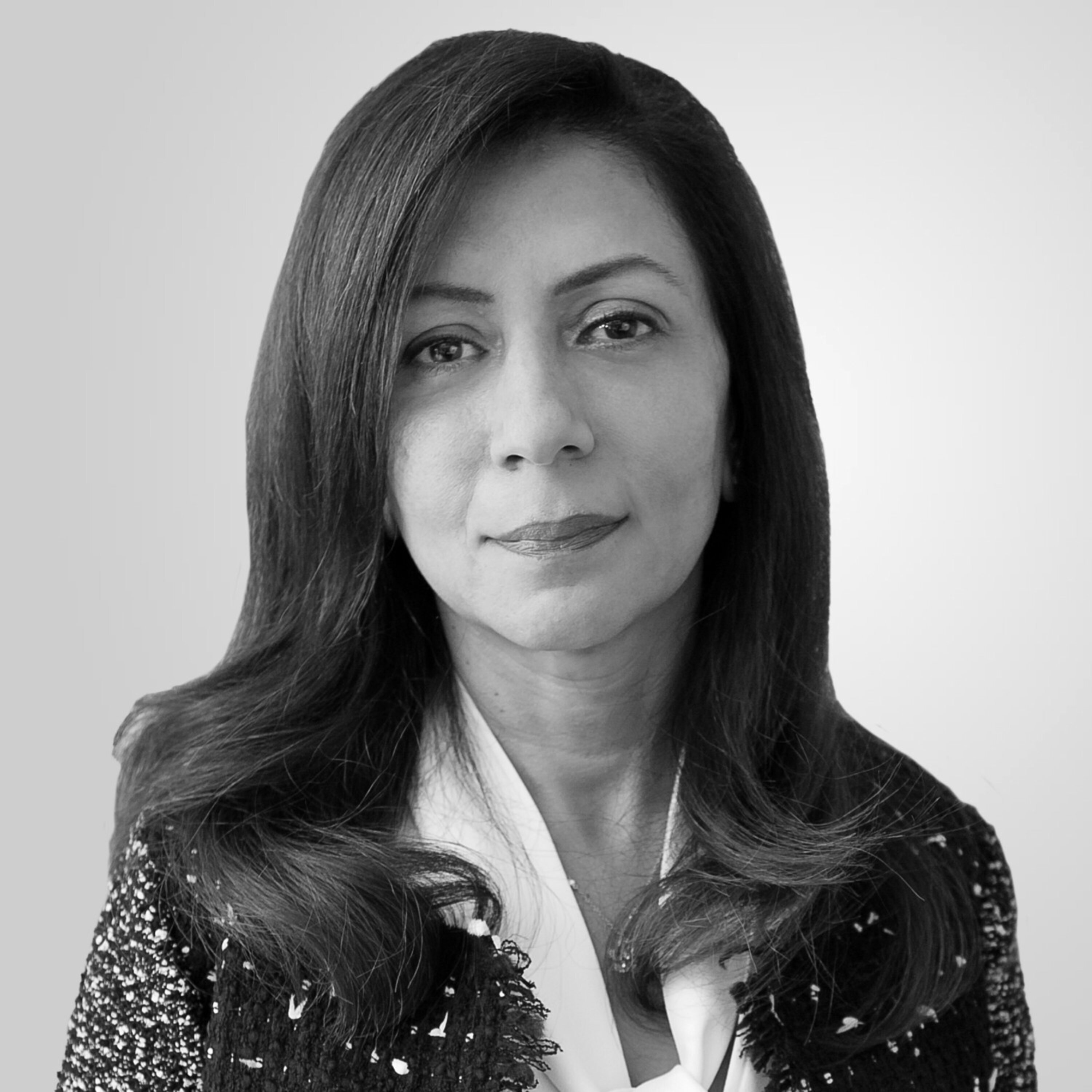
Growing a diagnostics powerhouse with Integrated Diagnostics Holding CEO Hend El Sherbini
Nov 18, 202000:42:59Tap to summarizeHend El Sherbini took over her mother’s testing facility MK Lab in Egypt and rebranded it to Al Mokhtabar in 2004, with the intention of providing affordable and quality testing beyond Cairo. 16 years later, El Sherbini sits atop Integrated Diagnostics Holding, a merger of Al Mokhtabar and Al Borg. IDH is the first Egyptian company to list on the London Stock Exchange, and has since become a regional player with over 450 facilities across Egypt, Sudan, Nigeria and Jordan. El Sherbini speaks to the merits of institutionalizing her family business and highlights the role consolidation plays in enabling affordable healthcare. ** Subscribe to Enterprise, our 6am briefing on business, finance and economics in Egypt (also free) at www.enterprise.news. Making It is grateful for the generous support of: CIB, Egypt’s number-one private-sector bank and the partner of choice for CEOs and leaders of businesses at all stages of their growth stories. The United States Agency for International Development, which has a 40 year history of inspiring Egyptian success in partnership with the Government and people of Egypt. You can check out IDH here: idhcorp.comSee omnystudio.com/listener for privacy information.
Transcribe →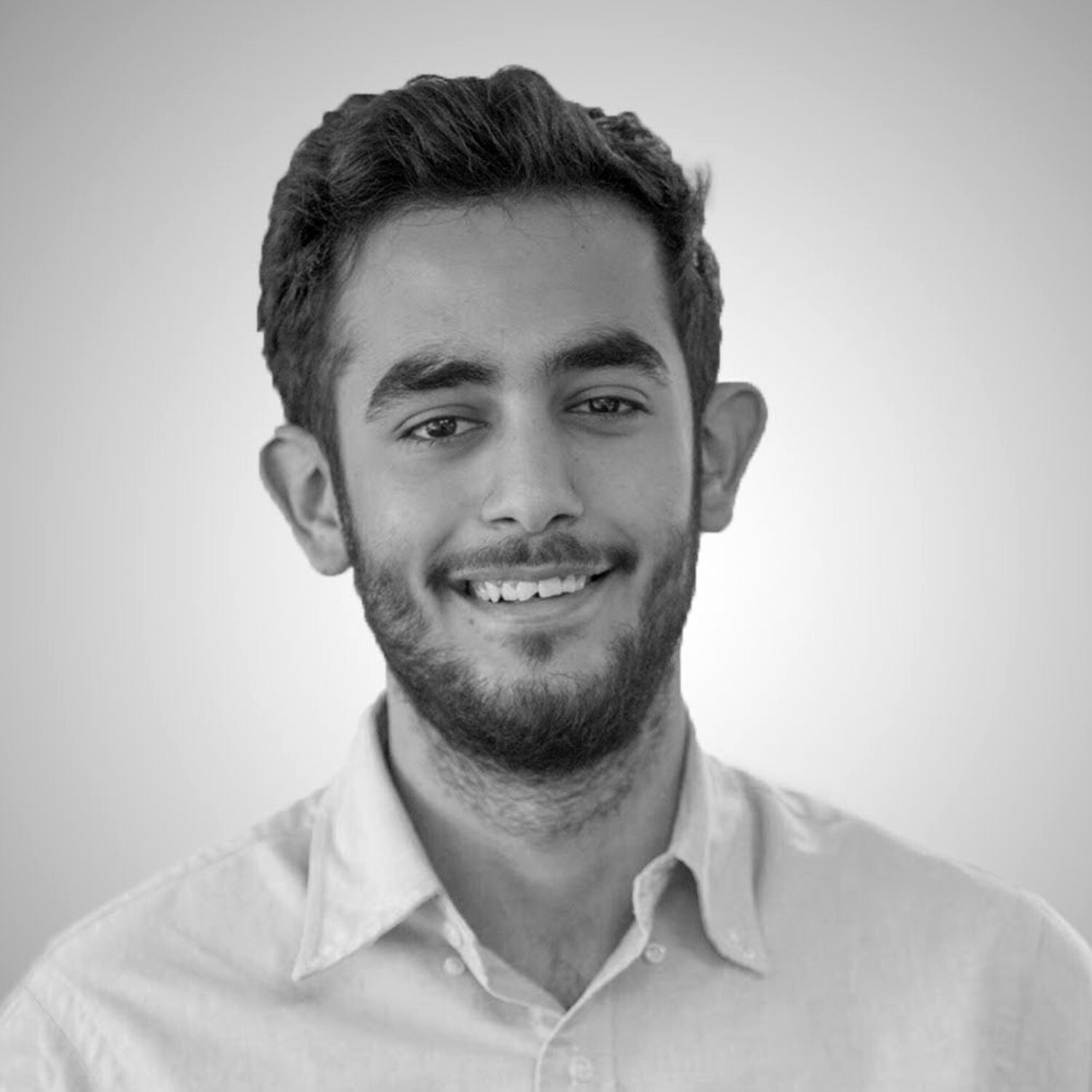
Playing moneyball with Arqam FC CEO Ali ElFakharany
Nov 11, 202000:41:04Tap to summarizeAli ElFakharany got hooked on sports data as a university student, and the blog he started to analyze the Egyptian Premier League blossomed into a company in 2017. But the local market was not ready for Arqam’s services, and so Ali turned to Europe. In 2019, Arqam was acquired by UK-based Statsbomb in a share swap agreement that retained Arqam’s team and Ali leading the data product. Today, Arqam’s data collection center in Egypt has become an essential service to 42 European and US clubs, including teams from the English Premier League, Germany’s Bundesliga, and the MLS, providing data analytics services to every level of a sports franchise. We discuss the ups and downs of going from a local luxury to a global essential service and how owning the value chain of data collection and analysis made Arqam FC a viable investment for Statsbomb. ** Subscribe to Enterprise, our 6am briefing on business, finance and economics in Egypt (also free) at www.enterprise.news. Making It is grateful for the generous support of: CIB, Egypt’s number-one private-sector bank and the partner of choice for CEOs and leaders of businesses at all stages of their growth stories. The United States Agency for International Development, which has a 40 year history of inspiring Egyptian success in partnership with the Government and people of Egypt. You can check out Arqam FC here: arqamfc.comSee omnystudio.com/listener for privacy information.
Transcribe →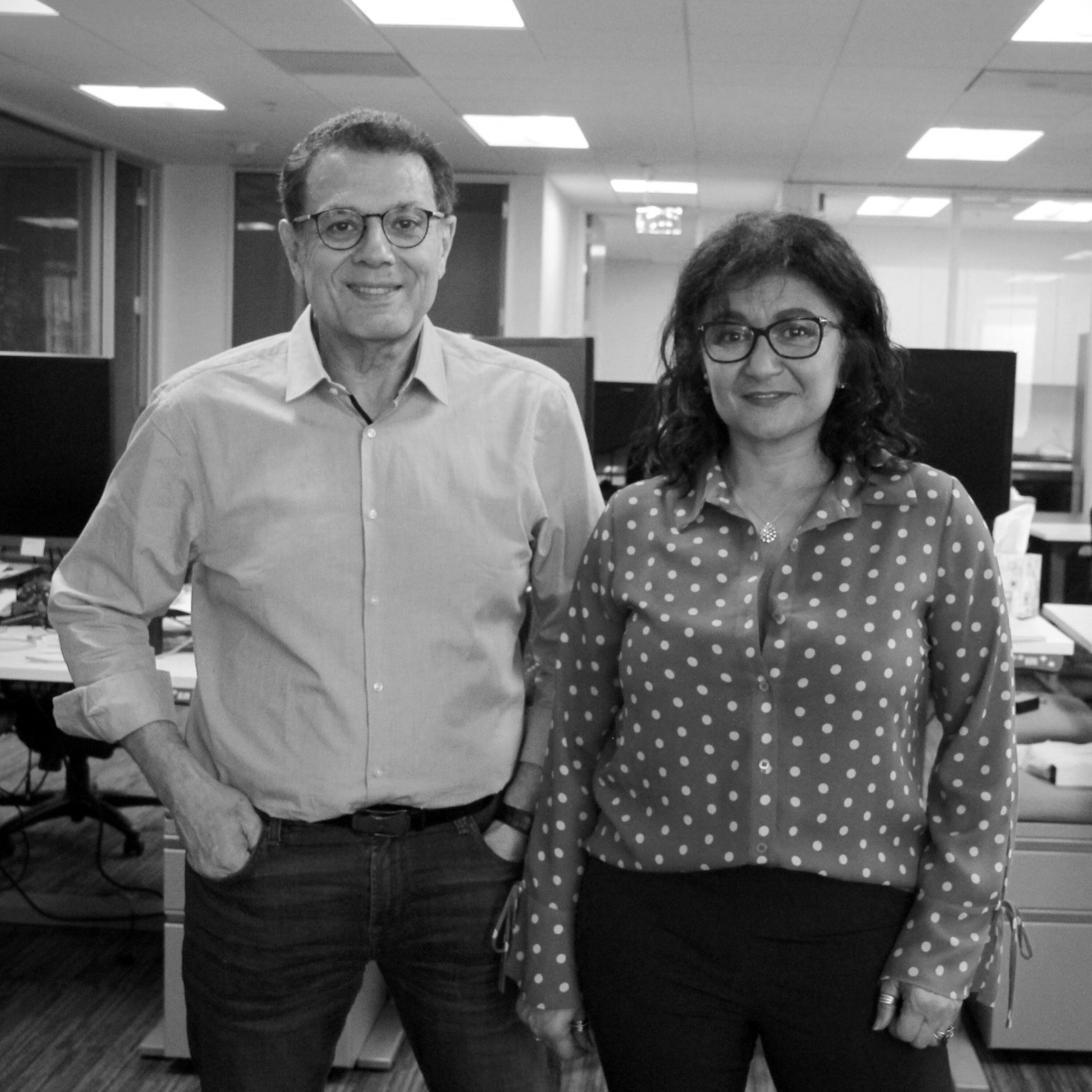
Transforming security with MagicCube co-founders Hisham Shawki and Nancy Zayed
Nov 4, 202000:42:18Tap to summarizeHisham Shawki and Nancy Zayed launched MagicCube in 2014 with the intention of eliminating the redundancy of hardware-based security currently used in mobile and IoT devices. The primary target of their technology is the USD 48 bn POS hardware market, a strategy that attracted investments from Visa and CIB’s VC arm CVentures. Beyond financial services, the security platform has major applications in industrial machinery, medical devices, and autonomous vehicles. The implications on emerging markets looking to improve financial inclusion are undeniable. By removing costly barriers to entry caused by manufacturing and deployment of hardware components, the technology can help bring a greater portion of the informal economy into the system. Hisham and Nancy take us back to how they went from building software in Egypt to working at tech companies that arguably changed the world, and share with us their favorite stories about meeting Steve Jobs. ** Subscribe to Enterprise, our 6am briefing on business, finance and economics in Egypt (also free) at www.enterprise.news. Making It is grateful for the generous support of: CIB, Egypt’s number-one private-sector bank and the partner of choice for CEOs and leaders of businesses at all stages of their growth stories. The United States Agency for International Development, which has a 40 year history of inspiring Egyptian success in partnership with the Government and people of Egypt. You can check out MagicCube here: magiccube.coSee omnystudio.com/listener for privacy information.
Transcribe →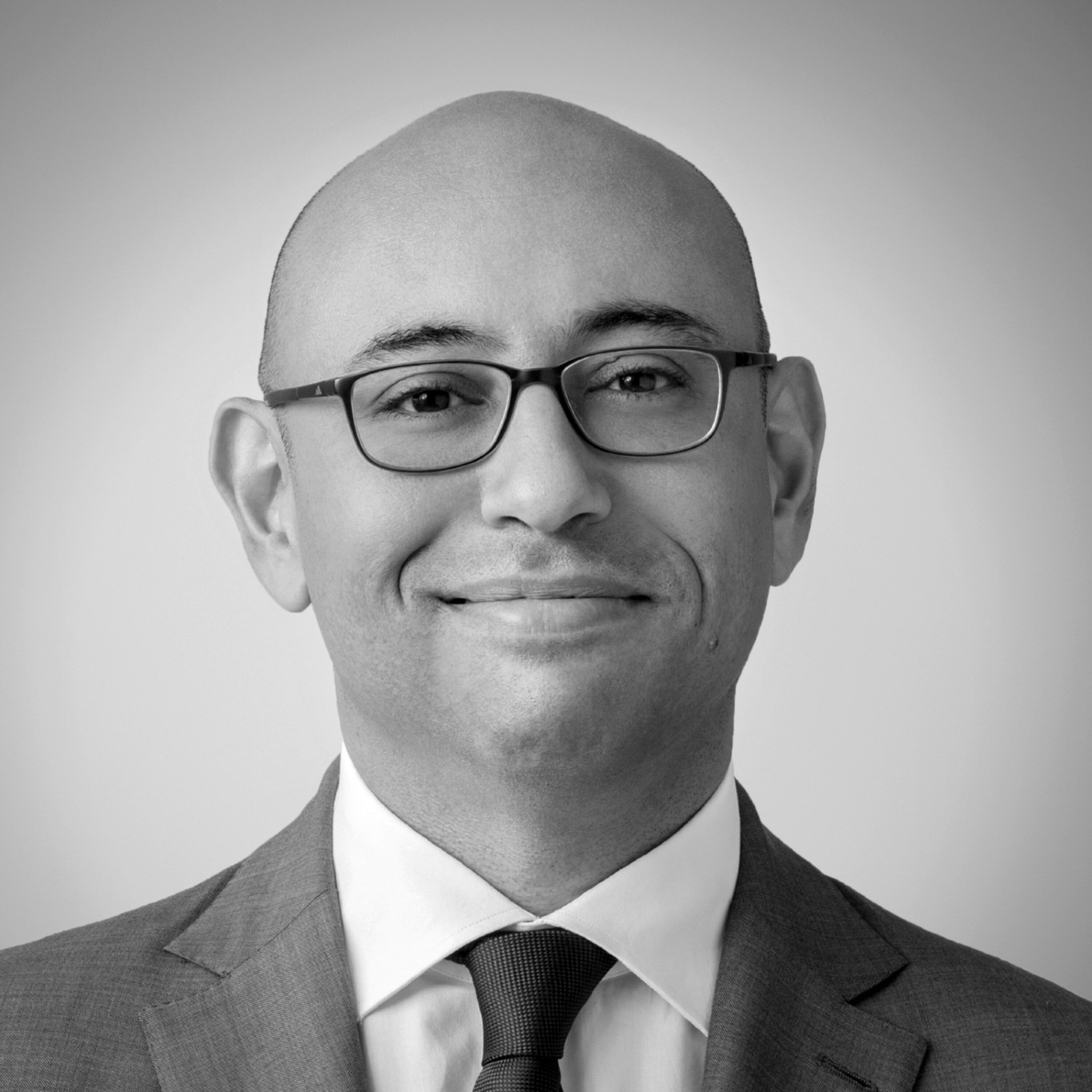
Debating bricks or clicks with Majid Al Futtaim Properties CEO Ahmed Galal Ismail
Oct 28, 202000:42:45Tap to summarizeWith brick and mortar retail seeing declining growth in developed markets fueled by competition from e-commerce, Majid Al Futtaim tells a story that might look a little different in emerging markets. Malls here still see growing popularity and Majid Al Futtaim’s retail brands are household names in Egypt and the region. Ahmed Galal Ismail led Majid Al Futtaim Ventures for 10 years prior to his current role. Today, Ismail leads Majid Al Futtaim Properties, the arm responsible for malls, hotels, communities and project management within the conglomerate. His tenure managing the fashion, cinema and entertainment arms of the business equipped him with a critical ethos - solving for experience and not function. ** Subscribe to Enterprise, our 6am briefing on business, finance and economics in Egypt (also free) at www.enterprise.news. Making It is grateful for the generous support of: CIB, Egypt’s number-one private-sector bank and the partner of choice for CEOs and leaders of businesses at all stages of their growth stories. The United States Agency for International Development, which has a 40 year history of inspiring Egyptian success in partnership with the Government and people of Egypt. You can check out Majid Al Futtaim here: majidalfuttaim.comSee omnystudio.com/listener for privacy information.
Transcribe →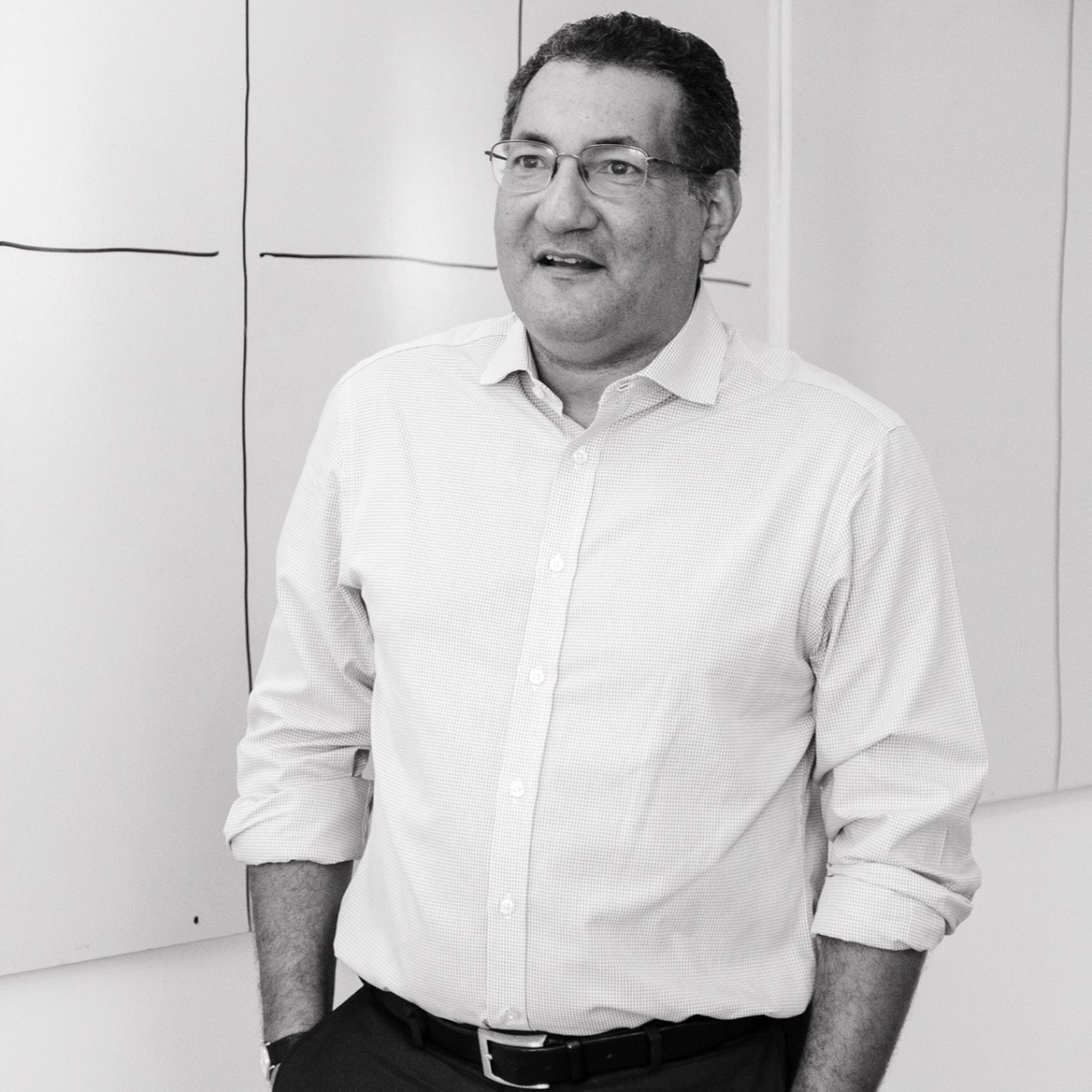
Building a “people” business with Dr. Bahaa Alieldean, of the Alieldean Weshahi & Partners law firm
Oct 21, 202000:43:15Tap to summarizeIf your business sells time — yours or your team’s or both — then this week’s episode is for you. Lawyering is perhaps the world’s second-oldest profession — and the source of endless jokes, the vast majority of them (pleasantly?) tasteless. Today’s episode features a lawyer — and an awfully nice one, at that — but think of him as a stand-in for every business in the service industry, from ad agencies to engineering consultants, PR types and accountants. From attracting and retaining talent, to creating culture and monetization, Bahaa Alieldean discusses the similarities and universal challenges facing law firms as well as other service providers. We explore creating corporate structure and how micromanagement prevents founders from transitioning away from day-to-day operations into traditionally accepted CEO responsibilities. Bahaa is a law professor and practising corporate lawyer specializing in capital markets, banking transactions and dispute resolution. He established his law firm ALC Alieldean, Weshahi & Partners in 2003 favoring a model of collective practice with specialization groups over the traditional office of a solo practitioner. ** Subscribe to Enterprise, our 6am briefing on business, finance and economics in Egypt (also free) at www.enterprise.news. Making It is grateful for the generous support of: CIB, Egypt’s number-one private-sector bank and the partner of choice for CEOs and leaders of businesses at all stages of their growth stories The United States Agency for International Development, which has a 40 year history of inspiring Egyptian success in partnership with the Government and people of Egypt.You can check out Alieldean, Weshahi & Partners here: http://www.alc.law/See omnystudio.com/listener for privacy information.
Transcribe →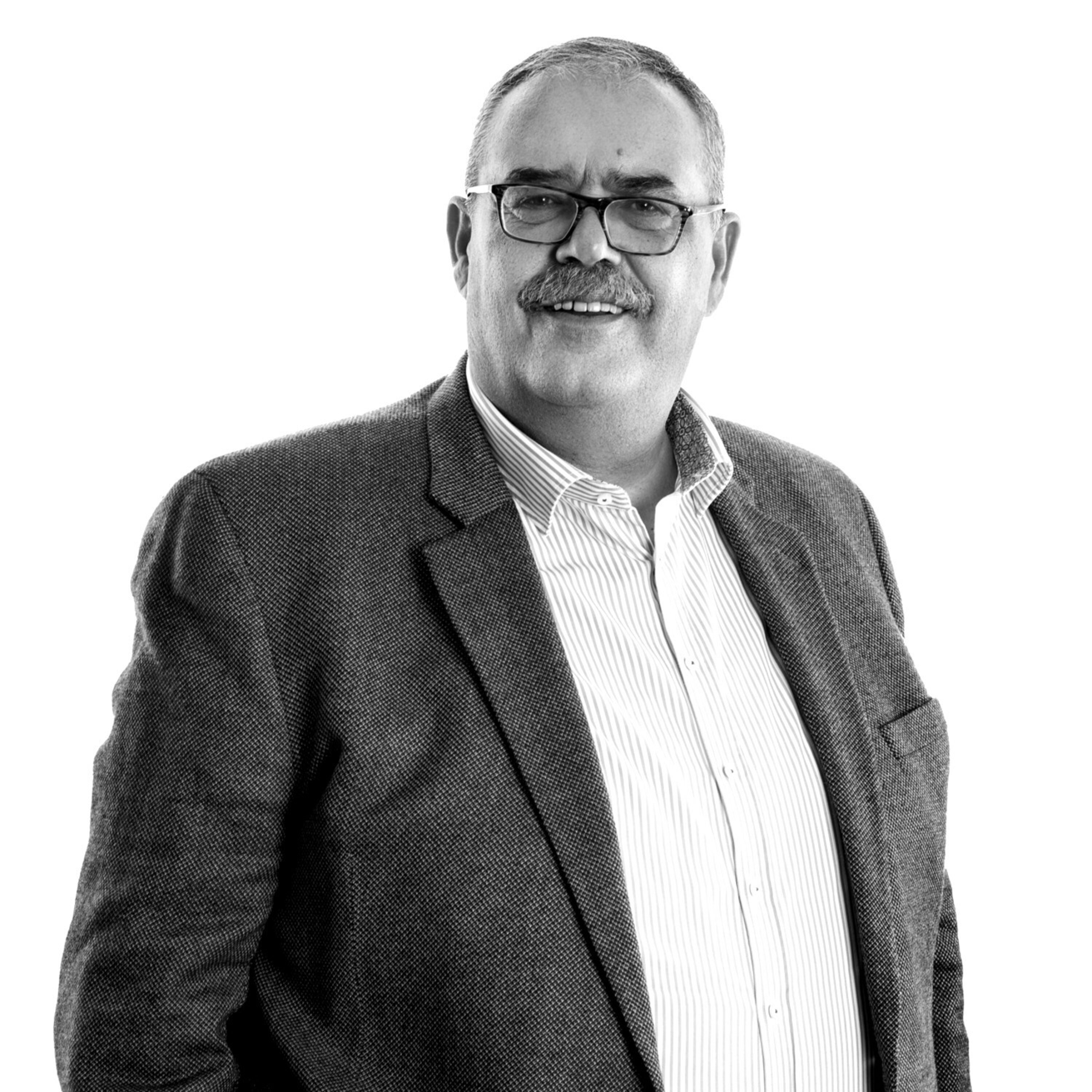
Kickstarting an industry with Fawry CEO Ashraf Sabry
Oct 14, 202000:42:16Tap to summarizeThe majority of Egypt’s population are unbanked and have no access to financial services. Thanks to fintech players like Fawry, this is changing quickly — and for the better. When Ashraf Sabry founded Fawry in 2008, he knew he wanted to leverage his experience and technology in a business that had recurring revenue. Flash forward and, a decade later, Fawry is now a payments platform that connects over 29 mn customers through 166K service points across the country, and can be used for over 850 services ranging from utility bills and school tuition, to traffic fines and insurance. Ashraf talked to us about building the platform from the idea stage to becoming a major listed company on the EGX with international shareholders. He told us how the company was built with local talent, the company’s early stage challenges, and what’s next for Fawry. ** Subscribe to Enterprise, our 6am briefing on business, finance and economics in Egypt (also free) at www.enterprise.news. Making It is grateful for the generous support of: CIB, Egypt’s number-one private-sector bank and the partner of choice for CEOs and leaders of businesses at all stages of their growth stories. The United States Agency for International Development, which has a 40 year history of inspiring Egyptian success in partnership with the Government and people of Egypt. You can check out Fawry here: www.fawry.comSee omnystudio.com/listener for privacy information.
Transcribe →