← Making Space with Hoda Kotb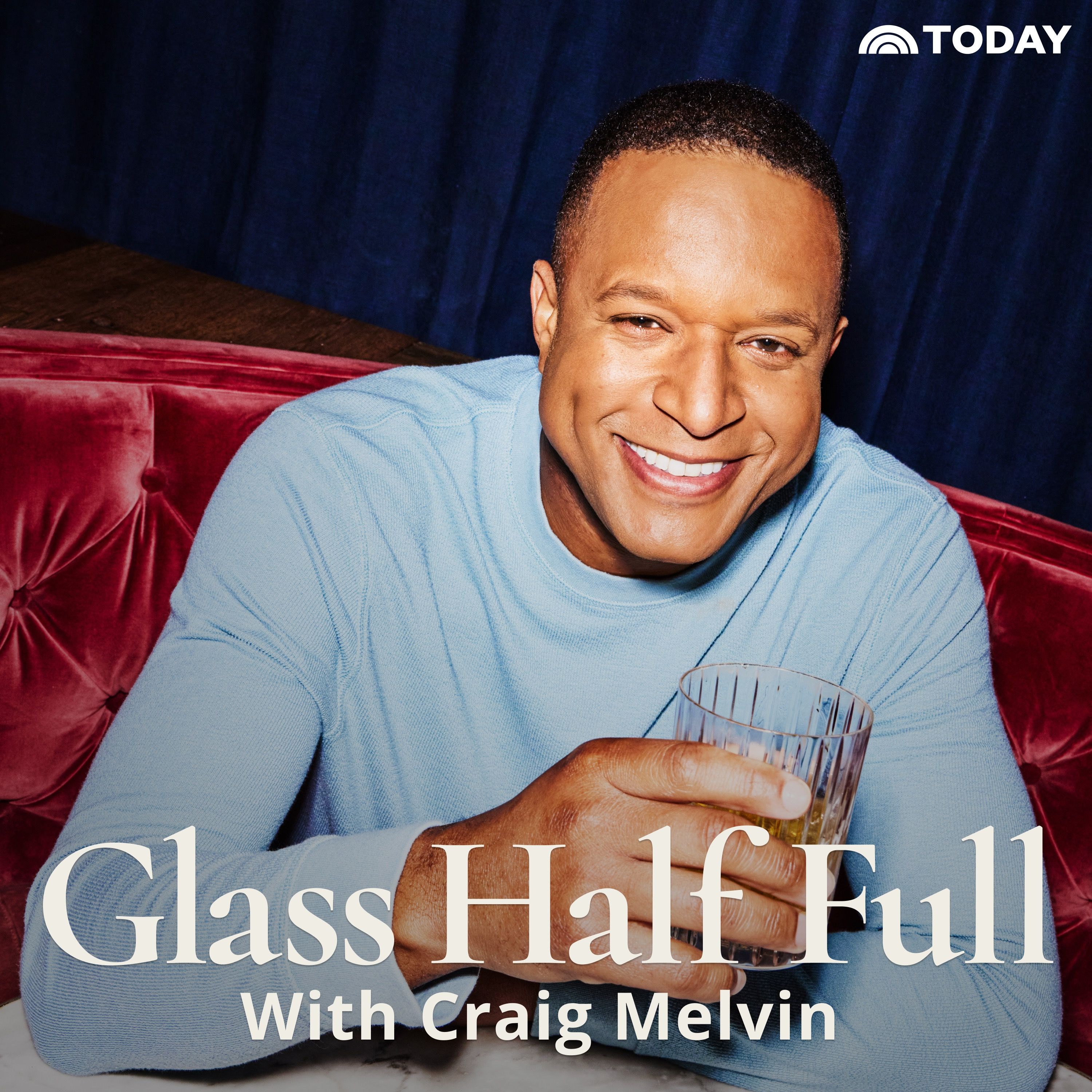
Making Space with Hoda Kotb
Introducing: Glass Half Full with Craig Melvin
00:01:06
Hey Making Space fans! As a bonus, we’re sharing the trailer of Craig Melvin’s new podcast, 'Glass Half Full.' Each week, Craig sits down with a celebrity, athlete, comedian, or just plain fascinating person for intimate conversations that feel like catching up with an old friend. With warmth, humor, and curiosity, he explores how setbacks become breakthroughs — and how you never really know when that moment can become the moment that changes everything. Join us. Because who knows? You might just leave with a fresh perspective…and your glass half full. Follow now to hear new episodes every Tuesday: swap.fm/l/gdC024GHmmiP8tWcmwkz Watch episodes on the TODAY YouTube Channel. Follow host Craig Melvin on Instagram.
Loading summary
Transcript20 lines
- [00:01]
Roy Wood Jr.
Jim.
- [00:01]
Shonda Rhimes
Gaffigan. Shonda.
- [00:02]
Malcolm Gladwell
Rhimes. Malcolm.
- [00:03]
Roy Wood Jr.
Gladwell. Roy Wood Jr.
- [00:04]
Shonda Rhimes
Regina Hall.
- [00:05]
Malcolm Gladwell
I got my glass.
- [00:06]
Shonda Rhimes
Shaquille O'. Neal. What are we toasting to? Me making you look bad on your own podcast. That's how we gonna start this. Cheers. I've always been fascinated by what shapes people.
- [00:15]
Craig Melvin
You're suddenly in charge. You know, I got a television show that was a horrific shock to my system when it happened.
- [00:21]
Shonda Rhimes
The setbacks, the breakthroughs, the moments that really change everything.
- [00:25]
Craig Melvin
When life is difficult, it presents an opportunity.
- [00:29]
Shonda Rhimes
I'm Craig Melvin, and this is my new podcast, Glass Half Full. Each week, I start with a very simple question. Would.
- [00:37]
Roy Wood Jr.
You consider.
- [00:37]
Shonda Rhimes
Yourself.
- [00:38]
Roy Wood Jr.
A glass half full or a glass half empty kind of guy? Half empty. Because there's always work to do, we decided to keep a culture that did not exist in the athlete representation space. You can't run from failure.
- [00:50]
Shonda Rhimes
Learn.
- [00:50]
Roy Wood Jr.
From it. Bathe yourself in it. Embrace it.
- [00:53]
Shonda Rhimes
So pour a glass on Scotch today, Craig Mellon, and join me for conversations that just might change how you see your own story. Let's go, baby. Glass Half Full.
- [01:06]
Amazon One Medical Announcer
Amazon One Medical presents Painful Thoughts.
- [01:10]
Malcolm Gladwell
I've been on hold to make a doctor's appointment for 23 minutes now. The automated voice has told me 47 times that my call is very important to them. Hmm, I'm starting to think that they don't think my call is important at all.
- [01:26]
Amazon One Medical Announcer
With Amazon One Medical 24. 7 Virtual Care, you'll get help fast without having to remain on the line to make an appointment. Amazon One Medical Healthcare just got less painful.