← Marketing Vanguard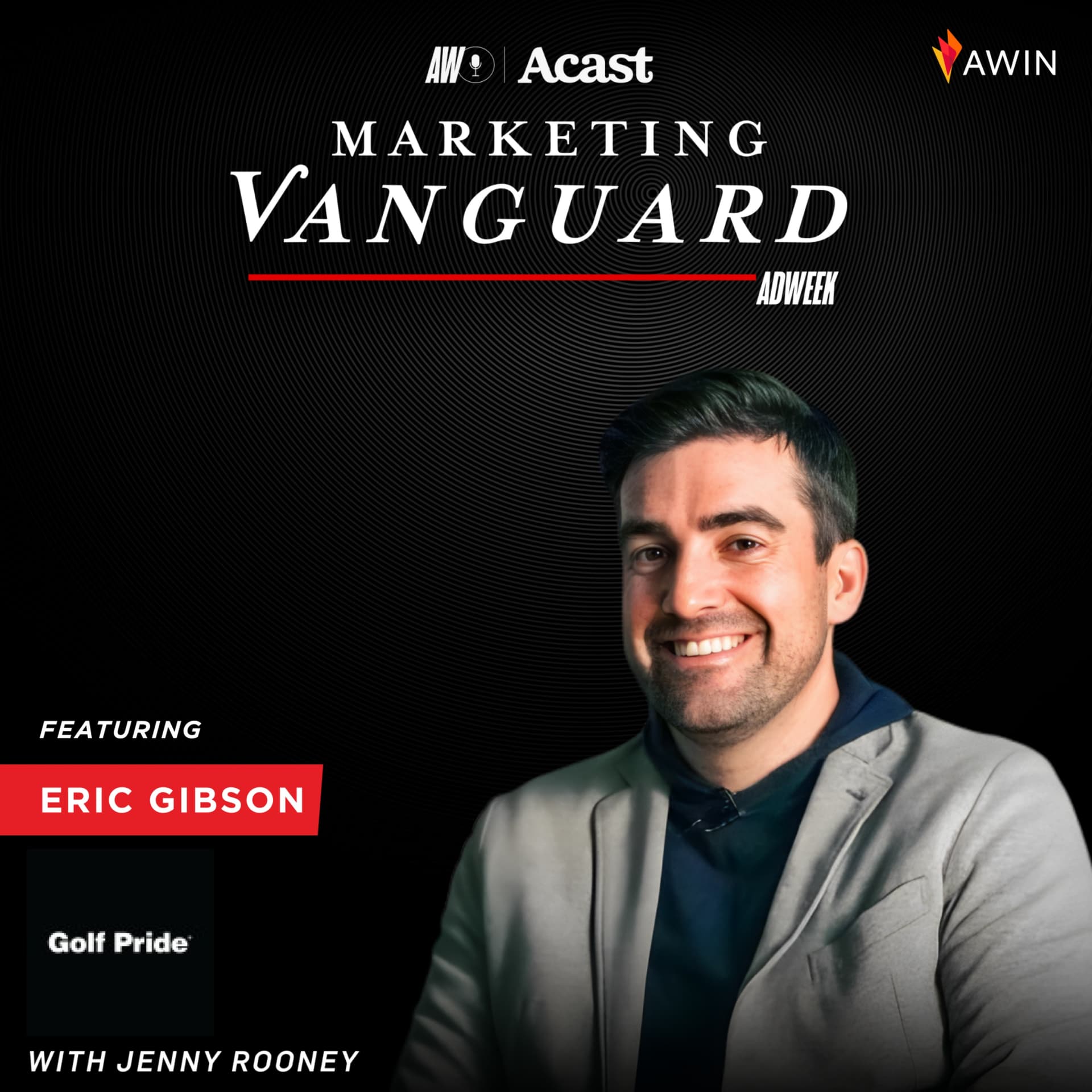
Marketing Vanguard
The Undervalued Billion-Dollar Secret in Every Golf Club—Golf Pride's Hidden Edge with Eric Gibson
00:36:15
Loading summary
Transcript49 lines
- [00:01]
Advertiser
Gaming has become one of the most influential forces in entertainment, capturing the attention of billions around the world. For brands, that means one this is a space you can't afford to ignore. Activision Blizzard Media helps brands connect with players in meaningful ways, reaching them the right way at the right time on the right platform. Head to ActivisionBlizzardMedia.com to read their latest research on cross platform play and discover new opportunities to reach players across mobile, PC and and console.
- [00:31]
Eric Gibson
We can't come to you and talk to you about all of this jargon and technical terms you said in the beginning is we've got to understand and meet our consumers where they are and then devise a journey for them to build confidence in the choices that they're making about their equipment.
- [00:50]
Jenny Rooney
Hi everyone and welcome to the Marketing Vanguard podcast. I'm Jenny Rooney with Adweek and I am thrilled today to be joined by Eric Gibson. Eric is the CMO of Golf Pride. Eric, welcome.
- [01:02]
Eric Gibson
Thank you. Thank you for having me.
- [01:04]
Jenny Rooney
It's great to have you here. I would love for you to start by just telling me a little bit about you. So let's start with your journey, your backstory and then we can get into having you tell me a little bit more about Golf Pride.
- [01:16]
Eric Gibson
Yeah, absolutely. So a little bit of an odd education. So I was headed down the path being orthodontist. So I walked out of undergrad with a biology degree and it's so interesting to reflect on that. I've heard from past guests you have point of views on the education system today, but looking back it was a really interesting journey. And so I found myself after an internship deciding that I didn't want to take that route anymore. And so I spent the last three semesters at school just sitting in on business school lectures, just absorbing as as much as I could. And so I found my way into the business side post school. So Sears Holdings Corporation may ring a bell for a name of a company that has certainly come and gone. And I joined the Kmart side of the business and really looking at kind of the in store experience. From there I made my way into cpg. At the time it was from Sara Lee as they transitioned to Hillshire Brands. Sure. And I was working more on the product innovation side as I was getting my MBA in some emerging categories. And then I finally made my way over to the brand side which is where I've been ever since. First spending about seven years in food for Smithfield Foods, the largest producer of pork products in the world. And now I've moved into the wonderful world of golf and sports, which is an interesting change if you think about the cocktail that comes with food. In the categories that we are in, bacon is the best one that people always resonate with. And so you've got this kind of emotional responsibility of helping families put food on their table, but also the functional reality of selling a product that has a shelf life.
- [03:05]
Jenny Rooney
Yeah.
- [03:06]
Eric Gibson
And then you move into a sport that's a discretionary income sport that people from all walks of life can play for the rest of their life. And so it's been a really interesting journey, but I love what I have the opportunity to do today.
- [03:19]
Jenny Rooney
I can see you connecting the dots already, right between what you had done and what you're doing now. How long have you been in the current role at Golf Prime?
- [03:26]
Eric Gibson
So I got here a little over four years ago is when I started the journey at Golf Pride.
- [03:31]
Jenny Rooney
So you've already bucked the trend of CMO tenure. Is it because you love it so much? Is it because you're an avid golfer yourself? What's the secret to your staying power there?
- [03:40]
Eric Gibson
Yeah. So I think it helps when you have a genuine passion for the business and the challenge in which kind of you find yourself in. But also, I think I have always been raised on adaptability and kind of the art of the pivot. Food in particular, talked to me about pivoting quite a bit. And so I have always found that in this level of leadership position, the most in which you're able to take and harness what others are trying to achieve and pivot the way in which you open those doors for them, it creates staying power, but also indirectly, it removes any sort of ego that you may have had walking in the door. When you learn that lesson at this level that you're not really here for yourself, you're here for the success of the others around you, it certainly does make it a more enjoyable and rewarding experience. Yeah.
- [04:39]
Jenny Rooney
And I think in both the case of food and obviously golf, now for you, these are things that people have passion for. Right. So it's not like you're creating that passion. For the most part, people are opting for especially the specialized foods that you dealt with previously. To me, that's a brand that people seek out. Right. Because they have passion for it. They know the quality. There's almost like a. The flip is that you have to uphold the expectation as opposed to have to sell somebody on something. Likewise with golf, obviously, there's new entrants into the game all the time, and there is that opportunity. But for the most part, the community at its core is very passionate, very ravenous for the game, loves the game, a big part of their lives. So talk a little bit about that as a marketer needing to basically meet people where they are and uphold expectations and then frankly, maybe go above and beyond expectations, as opposed to being a CMO at a company where maybe you're selling something for the first time or you're trying to solicit trial.
- [05:34]
Eric Gibson
Yeah, that's a good question. When I was in food, especially in these categories, as you mentioned, we were in the kind of the packaged meats, so that's bacon, hot dog, smoked sausage, et cetera. What I found was it was often difficult to move yourself up, up the benefits ladder because someone putting food on their family's plates at night, in the morning, it was about reliability, and it was about a fair kind of price value in those categories. It was very elastic. And so your mindfulness changed in how you tried to speak to those mothers, to those fathers about how they can count on you. But the way in which they're counting on you is different when it's nutrition that they're putting in their body versus a piece of equipment that they're swinging in their hands on Sundays. When you get into sports, there is a more rabid fan base, if you will. My sports consumers, especially in golf, there is a large portion of them that are deathly loyal to what they're doing. There's almost a superstition in the game of golf for your listeners who know the game. Bobby Jones is one of kind of the famous, kind of Mount Rushmore figures in the game of golf. And he often said that the game is played in reality in the five and a half inches between your ears. And so that superstition kind of mental side of it also creates a higher hurdle for you to overcome to build that trust. And that's particularly interesting for where we sit. And so for everybody listening that may not be familiar with Golf Pride, Golf Pride is in the golf grip category. And so every golf club in the world comes with a golf grip. And so I like to talk about. I know it's probably biased to some extent, but, you know, we are arguably the most recognized and used yet undervalued brands in all of golf. And so what I mean by that is there's a staggering contrast between the awareness of the brand and the perceived value of the brand, both when the industry looks at us, but also the consumers themselves. They don't often realize that regardless if you're swinging the club or putting on the green. There's actually only one part of the club in which you touch every single time, and that is the grip itself. And so we believe that it is amongst the most fundamental aspects of the game of golf itself. But that's the exciting part of the journey that we're on that I think will probably talk a little bit more about.
- [08:32]
Jenny Rooney
I understand there's different components, right? The equipment. It's not just the club. Right. It's all the different pieces that comprise that club. And back to your point about people being superstitious, every little detail must line up and be sort of something that somebody's choosing very intentionally to meet their expectations. How are you thinking about that concept of elevating the brand? Right, so let's talk about that. Because you. Do you want it? You said it's one of the most underrated brands in golf. And to your point, it's probably arguably one of the most important components of the club and certainly of golf equipment. Let's talk about tactics. What are you doing to make sure that you start to get this into literally the hands of every.
- [09:14]
Eric Gibson
Yeah. So I'll start internally first. There's a culture journey. We're 76 years old this year, and we've spent 50 or more of those years in the number one market share position. So I think there's a fundamental appreciation, appreciation for a few things. A, we're not supposed to be here at 76 years old and spending 50 of those. But the second thing, culturally, that we try to help people understand is that we have the responsibility of being a steward for this chapter of the brand. And so we have to leave it better than how we found it. And so how we're choosing to do that right now is we've begun a process probably five years ago or so, of repositioning the brand itself, first and foremost. And so culturally, we had to get really clear with ourselves of what in the world are we selling. And so we've arrived at a place where, if you believe that it is one of the most fundamental aspects of golf, and then you believe that golf in a lot of ways is played in between your ears, then I'd like to think that we sell confidence. That shift in and of itself leads you to a few statements of, well, if you sell confidence through the lens of equipment, that must mean that we're transforming our business from selling a handle for golf clubs to a piece of performance equipment for your hands and stringing those through together around our vision of inspiring confidence to our mission being designing Products for the hands of our golfers. Getting back to your point on elevating the brand, rallying ourselves internally around a few of those key points is what starts to build the groundswell of how that creatively and tactically comes to life outside of our four walls. And so, as we think about what we're holding on to is we do want to be one of the most beloved brands in golf. We do want to be one of the most admired businesses in golf. And that starts with culturally, what we are building inside. How that shows up externally is everybody can probably describe the atypical golf type creative. There's a lovely music bed, there's dew on the grass, there's sunlight shining through in the mornings. And then you have this individual that is their swing was just made out of a lab and it's picture perfect. And this is just utopia of golf. The reality is golfers are barely breaking 90. And so there's an approachability of yes, we do believe that we are the performance authority for the category, but we also recognize that golf in and of itself is having a moment. And so we need to be on the forefront of a few things. A leading the approachability and that our brand has to be approachable. We can't come to you and talk to you about all of this jargon and technical terms you said in the beginning is we've got to understand and meet our consumers where they are and then devise a journey for them to build confidence in the choices that they're making about their equipment. We just want one of those choices, an intentional choice, to be the golf grip itself, the same choice that they would make on the head of the driver on the shaft. We believe it should be an equal choice. So approachability is one. I think there's a level of disruptiveness just off of how golf creative and marketing comes to life. There are a few trends out there that I think are pointing us in this direction. I mean, yes, Covid had a tremendous experience for golf itself in terms of participation. And we should all be extremely proud of this moment that we have the ability to play within. But there's also some fragmentation that's going on that's actually quite positive. First and foremost, the diversification of play. More people are playing 18 holes, nine holes, putt driving range on a simulator, off drive shack. And so how do we as a brand show up and be accepting of where those consumers choose to play their golf? Also the growth and participation. I hate to say this, but, you know, it's table stakes for us it's not so as golf is. Everybody, when they think about the atypical golfer, I'm sure that they are all, and we have to be transparent in this conversation, they are all thinking about a middle aged white man. Plug off Golf. And the growth of participation is being driven by females, it's being driven by people of color, it's being driven by people that are between the ages of 6 and 17. And if our brand is going to be here for the next six generations internally we have to not only look more like the future of the game in terms of the talent in which we hire, but the way in we show up in creative and messaging and tone and adaptability of that has to be in lockstep with how the game is changing in and of itself.
- [15:03]
Jenny Rooney
Well, so on that point, let's talk about that. You've had some recent collaborations. One being with a name that I'm sure a lot of people might recognize.
- [15:13]
Eric Gibson
Yes, both of them. Yeah, collaborations are interesting.
- [15:17]
Jenny Rooney
Talk about them, talk about the who and talk about the why.
- [15:20]
Eric Gibson
Yeah, no, I'd love to. Collaborations in the game of golf. It's been an interesting post Covid Journey and I recognize people's not to assume for the rest of the sport itself, but I really feel like it's a reach play for a lot of brands. They see other cohorts in the game that they want to go after and so they're looking for brands who have that and they're trying to piece together what is the best possible answer. I feel really strongly in that Golf Pride has a very clear purpose of collaborations and here's how I explain it to our teams is for Golf Pride we prioritize relationships over revenue when it comes to collaborations. And so I'll explain that a little bit. But it's a pretty powerful scope because our metrics are. Wow, that was cool. Oh, I need that. Oh, that was unexpected. People driving conversation about the category is what I'm after. I feel very lucky to say that I don't need to chase the treadmill of short term transactions for collaborations. And so I think by having this scope that allows us to create Tivoli Flourish if we can hold our accountability to that. So there are two in particular that I'll reference. Yes, the first one is Steph Curry and Steph is an amazing friend of the brand and we could not be more thankful for his passion of the game. But I get back to the purpose of this chapter that I have the fortunate privilege to be a part of is we have a responsibility to Set up this business for the future generations of golfers. And that's Steph's mission as well, through underrated. And so he set up this group that's responsible for driving kind of equity access, an opportunity for young athletes that would not normally have the means to put their skill sets on display, to take their kind of journey to that next level, whether it be to the collegiate level or future. Do they want to try it professionally? So that for us was a very purpose driven moment and making an investment in the future of the game.
- [17:46]
Jenny Rooney
When did you strike that clamp with him?
- [17:48]
Eric Gibson
Gosh, it was probably about 18 months ago. And we launched the product this last summer and continuing to make it available. What I'm very proud about that moment is it allows us to give back. And so, yes, it is a short term transaction, but we're very proud of the fact that proceeds from that transaction are helping reinvest in greater accessibility for more kind of underprivileged student athletes in the game of golf. The second one is James Bond. And that is certainly one that is on everybody's, everybody's radar. And so I've got two answers for you. I'll give you the official answer. This is the official head of marketing answer of why we did this. What the two brands really share in common is this aspect of performance under pressure. First and foremost. The second part of the official answer is you and I could have a really long supplemental conversation on this collision course that's happening between culture and the game of golf right now. That's already happened. You see years ago how that started in the game of basketball. And you're seeing it really collide with golf right now between this kind of sport, culture. That's the official answer. The unofficial answer is we had a hell of a lot of fun doing this. It was an opportunity that stumbled upon us and we challenged ourselves to can we actually hold ourselves accountable to do something fun? If fun was the number one design criteria and communication criteria, what is it that we could do?
- [19:33]
Jenny Rooney
You're going to have to explain what it is.
- [19:35]
Eric Gibson
Yeah, so unfortunately it sold out quite quickly. But what it was is it took this opportunity to celebrate the 60th anniversary of the Goldfinger movie. And that is the first moment in which golf and sport really collided with this huge cinematic Persona, if you will. And so it was their 60th anniversary and we thought, what better way than to create a living, breathing tuxedo?
- [20:12]
Advertiser
If you're looking to connect with younger, highly engaged audiences on the biggest screen in the house. Philo Ads has you covered. From flexible buying options to powerful targeting and transparent results, Philo Ads makes premium CTV accessible to brands of every size. Visit Ads Philo TV and start building your next campaign today.
- [20:37]
Eric Gibson
In a grip itself. And so our designers had an amazing time taking that history and heritage of the Connery era, the Brosnan era, and bringing that to life in a real tuxedo grip. And so you go out and you Google that and, like, it literally looks for your listeners. It is literally a tuxedo in a grip in and of itself. But then we paired it with what was a really unique experience for the consumer when they received that unboxing. And that's really important for this category is it's just not a sexy presentation category, right? You go into a local retail store, it's going to look at best like, you know, the nuts and bolts aisle at your local hardware store. And so we've done some things here in our global innovation center in our retail lab. And this is another one where we want to elevate that experience for the category. And so it took a lot of collaboration with the Bond team. It has a gold bar, much like the famous scene at Stoke park where there was a gold bar thrown onto the ground in the famous golf scene. And we recreated the gold bar and then had this movie poster from Goldfinger. And it was an awesome experience because it taught us that while there is a lot of pressure and we feel a lot of responsibility on being on the forefront of performance and approachability and accessibility and just a lot of meaty dialogue that is happening in the game of golf. And so for us to, like, let our hair down, if you will, and really have fun in that moment, it showed a different side of the brand where a lot of my interviews were met with, how in the world did you come up with that idea?
- [22:33]
Jenny Rooney
And so how much of that came internally and did you work with outstate agencies for that?
- [22:38]
Eric Gibson
Yeah, good question. So a lot of the work to identify the idea itself was done internally. We have some partners that are in the space that played a big role in terms of bringing it to life. We have an excellent set of creative partners, both here and abroad that really brought the expertise needed that we just don't have internally at the moment. And so it was an excellent opportunity to really bring this brand to life globally. I would just say I'll give everybody a peek behind the curtain. You may see Golf Pride on the outside as this global brand, and it is. But inside, what you would find is you would find a brand that is still defining its path on how it wants to show up globally. And so I say that transparently because I know a lot of other brands have to be in that same in that same place. And it's okay to humbly figure out how you walk down that global journey. But this was just a really good test for our team. And so there may be some questions out there of are there going to be more? I would say yes, there are going to be more collaborations. We are very picky in how we do it because we've set a very high bar on the type of impact that it's looking to have and the signal that it's looking to give on where the brand is headed.
- [24:06]
Jenny Rooney
So I'll ask the question that I'm sure your CEO would ask, did it drive sales?
- [24:11]
Eric Gibson
They did. I think there are a few learnings first and foremost by I'll start with the James Bond. It drove exactly what we wanted it to. And that's because we were very intentional on what we knew it was and what we knew it wasn't. And that's get back to really the core purpose of relationships versus revenue. I think what we have found with the Steph Curry collaboration is it's been a slower burn. And there's a couple hidden meanings in that. For me, if I'm honest is number one, it was our first time ever working with an athlete of Steph's caliber. And so truly understanding how much to lean in to that name and likeness versus letting actually our brand and the purpose shine through is really a learning for us. And then secondly, I don't know how much the game of golf truly has been tested in more purpose driven commercial ventures. And so knowing that this was more of an opportunity to reinvest, I think it is slowly gaining more and more traction. And so that's what we are starting to see. And so that'll mean a lot for us as we figure out what this next chapter of our relationship with Steph is. He's doing amazing things in the game of golf. And so I think it was a really good first chance for us to find that moment. The hidden parallel to that, which is why that was a monumental moment is, and this is for the nerds out there, is when you look at the professional game or those that have a very large kind of presence and figure in the game, we have an overwhelming market share. So some 80 to 85% of the world's professionals that do this on a daily basis choose golf pride. And so what's powerful about the message choose is we have a lot of pride in that. None of them have ever been paid to endorse our product. And so it's a powerful statement for the brand to know that the players that are playing with the most pressure because it is their livelihood, they're choosing to build their confidence with us. And so when it came to Steph, it was really an inflection point of how much are we really willing to lean into almost having revenue geared towards someone that would be directly or indirectly endorsing the product. And so was important for us to build it more cause first. And so it's just a little peek behind the curtain of this 76 year old brand and some of the things that we hold sacred to us.
- [27:16]
Jenny Rooney
I love that and I think that's so interesting and to hear your candor around that is, it's really valuable. Right? Because anybody listening, I mean anybody's, anybody who's a marketer is trying to figure out like how to do these best and what to learn from them. And honestly, like, if you can't learn something from them and then transfer that into the next activation, deployment, et cetera, et cetera, then you've lost something. So super, super interesting. As we sit here now and there's still much of 2025 ahead of us, what can we expect to see from you all? What's new on the horizon?
- [27:45]
Eric Gibson
We have some really good product in the market right now, so we just launched a brand new product that is extending pretty much an existing technology. And so I'll break it down in a more elementary way and then I'll move into the technical side. But if we believe, as we discussed, that one of the most fundamental things you can do is know and better appreciate the grip that you're holding on to first and foremost. The second thing that you probably ladder up to is that the game of golf is built on consistency and confidence. And so this product in and of itself is geared directly towards consistency.
- [28:25]
Jenny Rooney
By the way, that's a lot of storytelling, that's a lot of it's education, telling a narrative. And you have to get people to get their heads around that concept.
- [28:33]
Eric Gibson
It is, and it's amazing how you would think it would be an easier hurdle.
- [28:39]
Jenny Rooney
Intuitive. Yeah, yeah.
- [28:42]
Eric Gibson
But that's where you get back to the traditional sense of golf. Advertising has been like, oh, you are going to hit it so much farther or you're going to hit so much straighter. And what people don't necessarily instinctively go to is, well, I've got to hold on to something. To realize that. And so this idea of consistency. So the technical name of the product is called Align Max. The most simplest way to think about it, it is a piece of technology that is on the underside of the grip itself and it is a pronounced exterior rib. What does that mean for a golfer? Well, any golfer you shoot 100 or you shoot 65, this grip is going to help you ensure that your hands are placed consistently on the grip every single time.
- [29:44]
Jenny Rooney
So the consistency promise is actually literally built into the project itself. Right. So the promise of consistency through the physical structure of it. Yeah.
- [29:54]
Eric Gibson
Any golfer that's out there, whether they know it or not, they want to remove variables because golf is played between your ears. So the more variables that you can remove, the less that you're thinking about in the moment and you can focus on the task right in front of you. And so what we're trying to do is go onto an education journey that for this product itself, it's about removing the variable of consistent hand placement. And it's pretty, pretty powerful to do that. But to your point, you would think it would be more intuitive than it actually is. And so that journey is we're trying to show them that even the best players in the world, Xander Schoffley, for your golf fans out there, won two major championships last year, the largest tournaments in the world, playing align technology. So if the second ranked player in the world is removing that variable of consistent hand placement, it doesn't matter who you are, including myself, I play it. You can do it too. But you know, aside from that, there's always news coming from golf pride and how we're trying to just elevate a consumer's understanding of the role that it can play in their overall performance goals on and off the course.
- [31:20]
Jenny Rooney
Look, I mean, you've talked about so many trends. Just the fact that the sport of golf is being democratized out of COVID actually sort of a. It ended up being a silver lining to that because, I mean, you had so many people going out to play golf in droves. Obviously. It's only intensifying, frankly, the accessibility of watching live golf. Right. The streaming services, the ability to create opportunities, not just like to play it, but actually to watch it, to consume it, to be fans, like all of that too, is a groundswell that I have to think that your biggest challenge is harnessing that in a way that's going to be most advantageous to the brand.
- [31:56]
Eric Gibson
It is. And what I would tell the listeners, and not to be cliche in the statement, but what I'M using in golf is this trend that more people last year consumed non traditional golf content on YouTube than traditional golf content on all professional golf tours combined around the world. And so the reason why I say that, and this goes for whether you're in golf or not, is your consumer. And if you believe that, you need to meet them where they are. I am finding more and more from a content perspective that our golfers are not where we thought they were. And so it is changing the way in which we navigate ourselves through insights, the way that we navigate ourselves through content strategy and also then kind of placement techniques. And it's becoming more and more diversified, certainly for us in the game of golf than it hasn't been before.
- [33:06]
Jenny Rooney
It's your media buy. Right. Where you show up and everything else. So I'm sure you're spending a lot of time on that.
- [33:11]
Eric Gibson
It does, absolutely.
- [33:13]
Jenny Rooney
Yep. Last couple quick questions for you. Unfortunately, we're running out of time, but I wanted to ask you, and I always use the analogy of soccer when I ask marketers like what kind of a player are you on the field? But because this is instead I'm going to ask you, are you better at the long game or the short game?
- [33:29]
Eric Gibson
Great question. So I would say the feedback that I've gotten is where I excel is more in the long term logic and helping us point in the direction that's going to achieve our long term goals. I'm smart enough to know that I need to have really smart people around me on how to translate that into to actionable direction for the teams to activate against. I love to mix it up. It's a cool thing about, I like to say, golf pride. We got a whiteboard culture. We love to jam on things. And so I like jamming on people, but it really gives me the opportunity to step back and get out of the way. But that has been a, has been a transition for me because I would tell you that as I moved up, I've had to learn this skill more and more. And so it's been a cool journey for me as well.
- [34:30]
Jenny Rooney
I love that. I love that. And the last quick question is, who's next? Who's somebody that you admire? It can be a peer cmo. It can be somebody who you admire from afar and you've never met, but you think that they're doing extraordinary things with their brand right now that I should have on the show.
- [34:45]
Eric Gibson
I'll give you two. But I will stay in the game of golf. First and foremost, I think the guys at east side golf. If you want to have a conversation on how somebody is really taking on the collision course that golf is having with culture, that is a brand. That said, we are going to plant our flag right where we know this puck is going to end up. We're going to disrupt the conversations because we know that this is where it's heading. The second one is, I'll give you a specific industry within golf, but I've had a few conversations and interactions with Stephen Malbon, who founded Malbon Golf, and what I like about what he's doing. And we've had some conversations here and there about whether we should explore a collaboration. But if you go back to what everybody thinks the typical golf player is, Stephen is saying, well, the apparel industry's historical approach to golf has been quite static. And so Malbon is intentionally disrupting the apparel industry and taking head on how golf needs to be more approachable with what people wear to be confident when they play and wherever they play. And so those two in particular I like watching because we and ourself are going on our own sort of disruptive journey and transformational journey in our category. And so I like to give credit where credit is due for others that on a similar path.
- [36:23]
Jenny Rooney
Love that, Eric. Very helpful to hear. Super fascinating. Thank you for giving us a glimpse into your world, into your leadership and into your category and all the ways that it's transforming and frankly, the challenges that you're meeting through different strategies. And I've really appreciated having a conversation with you today. So thank you.
- [36:43]
Eric Gibson
It was my pleasure. Thanks for the time. Thank you for listening to Marketing Vanguard, part of the Adweek Podcast Network and Acast Creator Network. You can listen and subscribe to all of Ad Week's podcasts by visiting AdWeek.com podcasts. Stay updated on all things Adweek Podcast Network by following us on Twitter at Adweek Podcast. And if you have a question or subscribe suggestion for the show, send us an email at podcast at adweek. Com.
- [37:09]
Jenny Rooney
Thanks for listening.