
Podcast
Marketplace
Hosted by Marketplace · EN
Every weekday, host Kai Ryssdal helps you make sense of the day's business and economic news — no econ degree or finance background required. "Marketplace" takes you beyond the numbers, bringing you context. Our team of reporters all over the world speak with CEOs, policymakers and regular people just trying to get by.
101episodes
Episodes
Newest firstAll episodes
Despite stellar earnings, Samsung's stock slumps
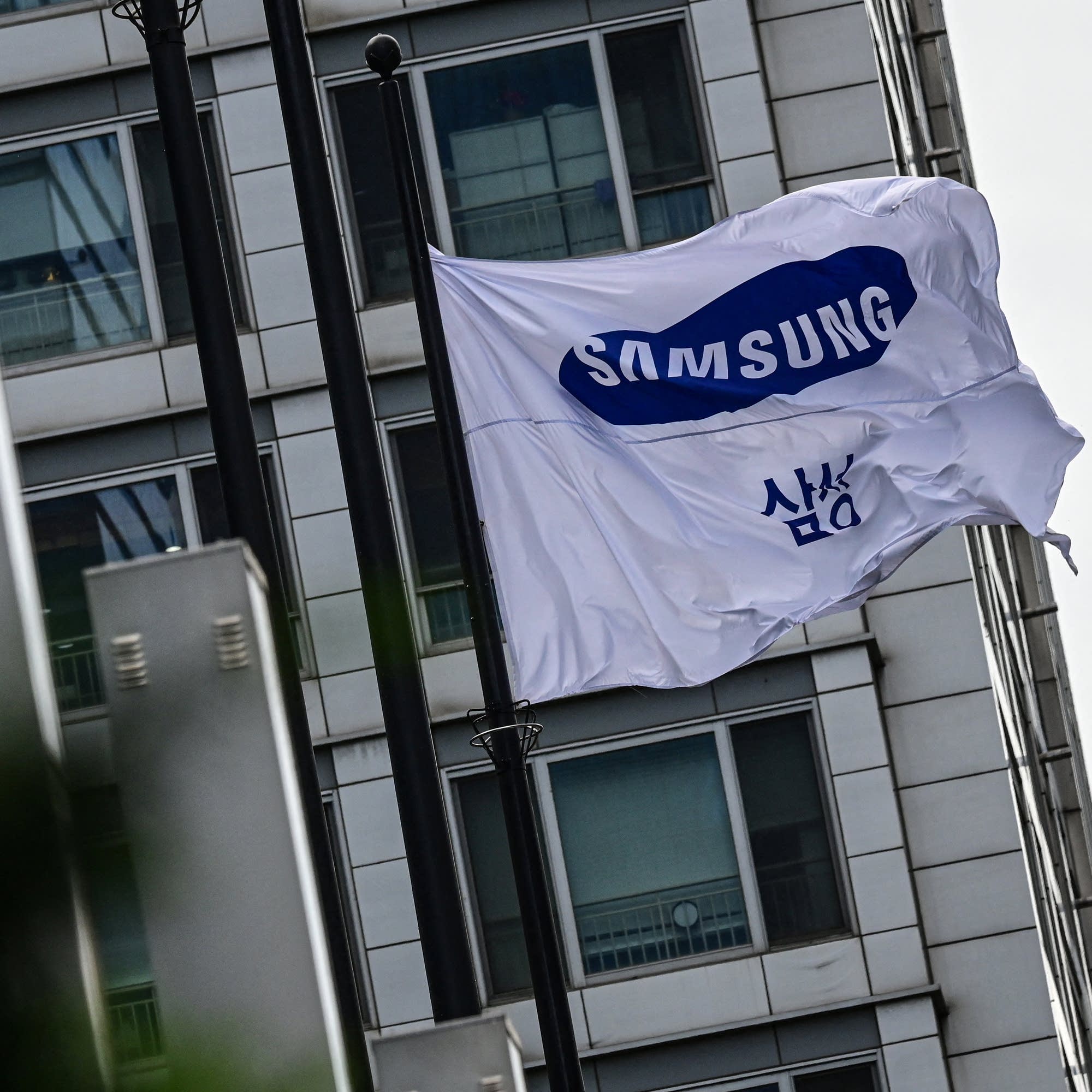
Jul 700:26:03Tap to summarizeSamsung just reported a whopping 1,800% profit increase for the second quarter of this year. But its stock price fell nearly 7% in response to the news. What gives? In short, high expectations got in the way of actual growth. Also in this episode: Baby boomers begin to transfer family businesses to the next generation, buy now, pay later giant Klarna applies for a U.S. banking license, and the telehealth boom is more than super-fast prescriptions from your couch.Every story has an economic angle. Want some in your inbox? Subscribe to our daily or weekly newsletter.Marketplace is more than a radio show. Check out our original reporting and financial literacy content at marketplace.org — and consider making an investment in our future.Read the stories in today’s episode:Why analysts predict a robust second quarter earnings seasonSamsung posted 1800% profit growth. Its stock fell anyway.The baby boomer business transfer is comingThe era of drive-thru healthcare is hereFintechs harbor banking dreams
Transcribe →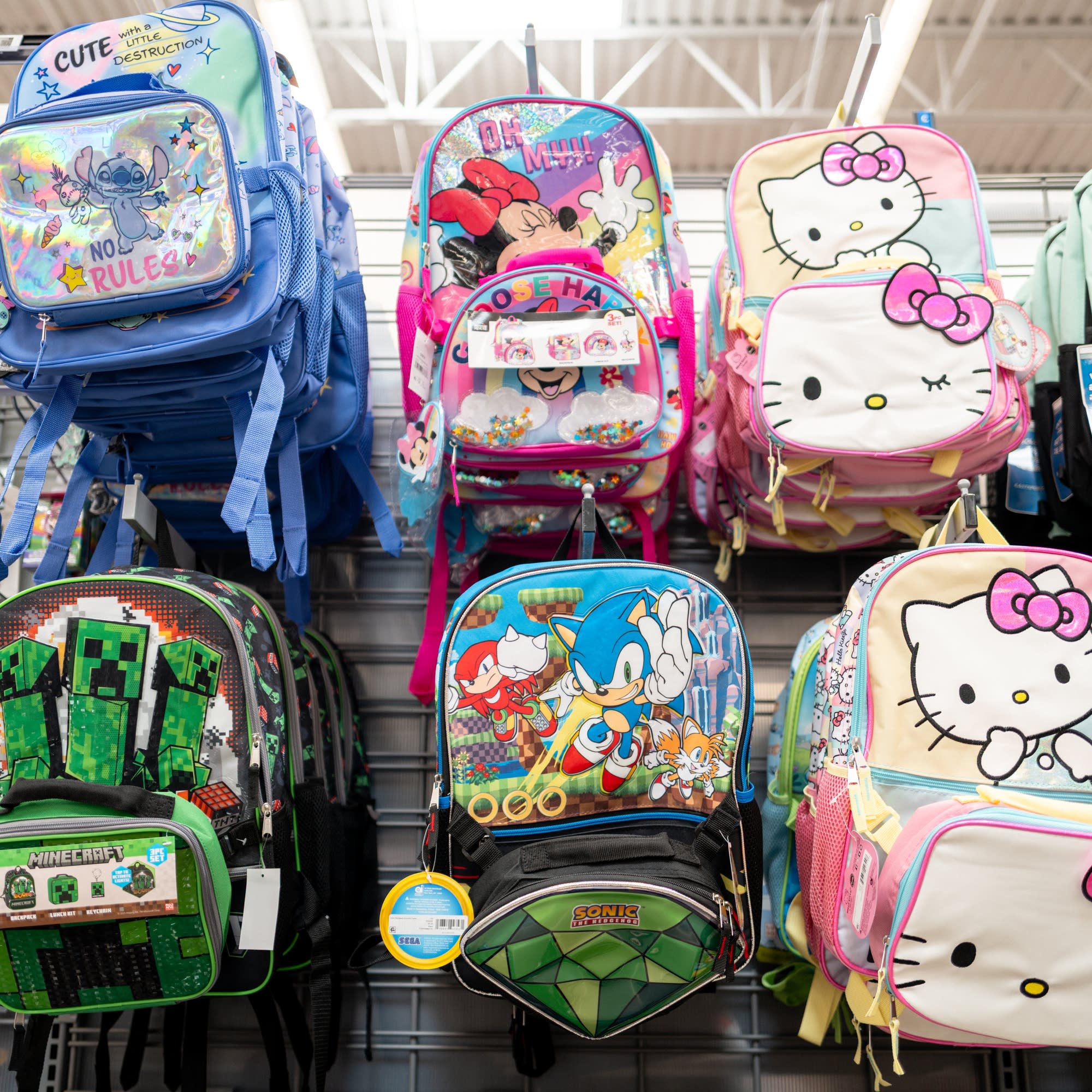
Back-to-school shopping? Already?
Jul 600:26:09Tap to summarizeU.S. families expect to spend more than $900 on back-to-school shopping this year, according to one PwC survey. Big box retailers have taken advantage of anxiety about higher costs by pushing school supplies earlier than ever. In this episode, how consumer mood correlates to consumer spending. Plus: Holiday weekend heat strains electric grids, Boeing and Airbus aircraft demand persists, and algae can make or break Great Lakes summer tourism.Every story has an economic angle. Want some in your inbox? Subscribe to our daily or weekly newsletter.Marketplace is more than a radio show. Check out our original reporting and financial literacy content at marketplace.org — and consider making an investment in our future.Read the stories in today’s episode: Anxiety is driving some of our early back-to-school shoppingChicago Fed launches a new consumer sentiment composite indexWeekend heat wave tests the country's power gridWhat's behind the massive appetite for new Boeing and Airbus planesHow the algae in Lake Erie can make or break the Great Lakes economyHow homeownership turned an HR professional into a plant entrepreneur
Transcribe →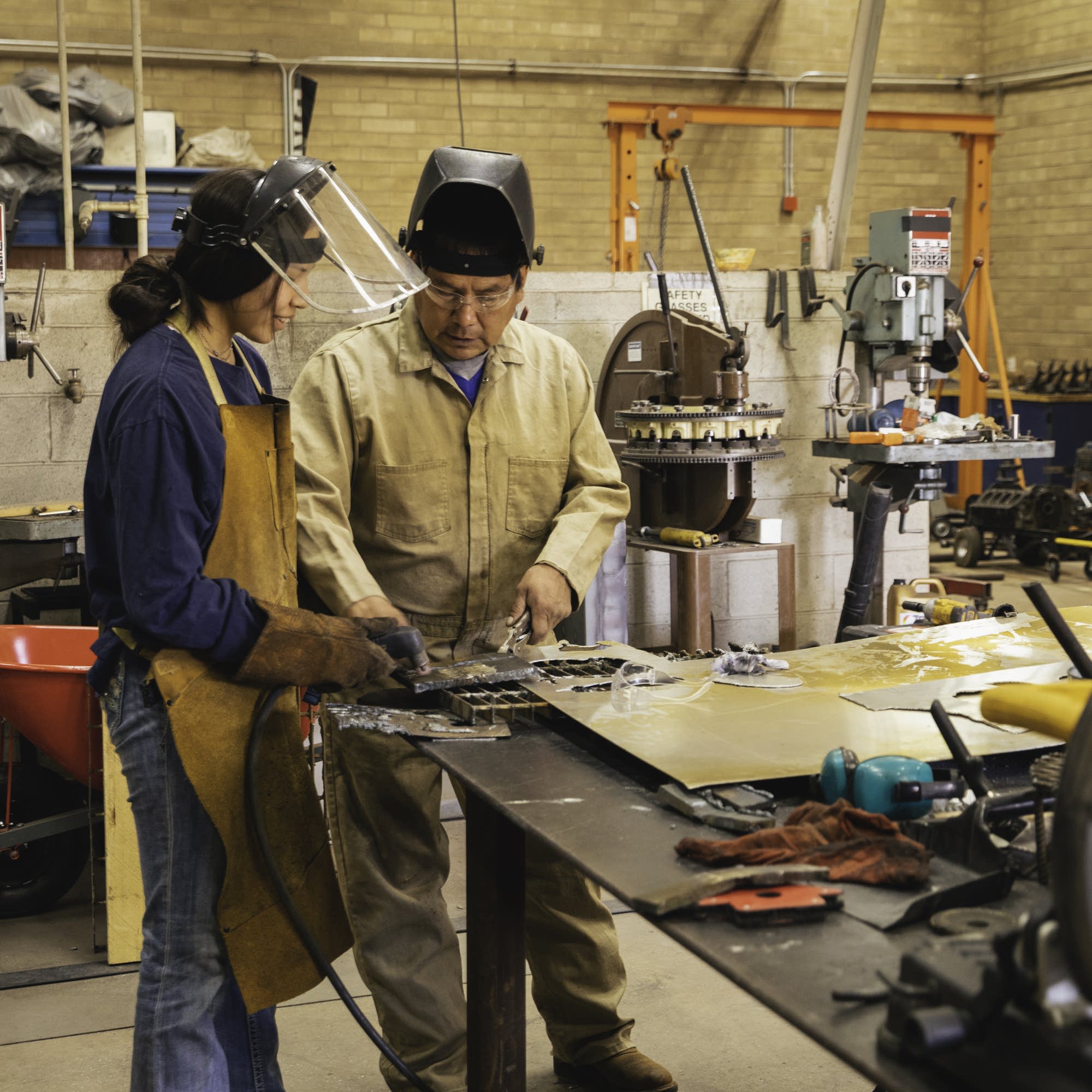
Trading up to an AI-proof career
Jul 300:25:03Tap to summarizeCareers in the trades — a path that’s largely more AI-proof, less expensive, and more dependable — are attracting more attention. We visit Hope Renovations, a program in North Carolina focused on getting more women and non-binary people into the trades. Also, we look at a decline in the labor force participation rate, country stores in New England, and a tailoring business in Utah.Every story has an economic angle. Want some in your inbox? Subscribe to our daily or weekly newsletter.Marketplace is more than a radio show. Check out our original reporting and financial literacy content at marketplace.org — and consider making an investment in our future.
Transcribe →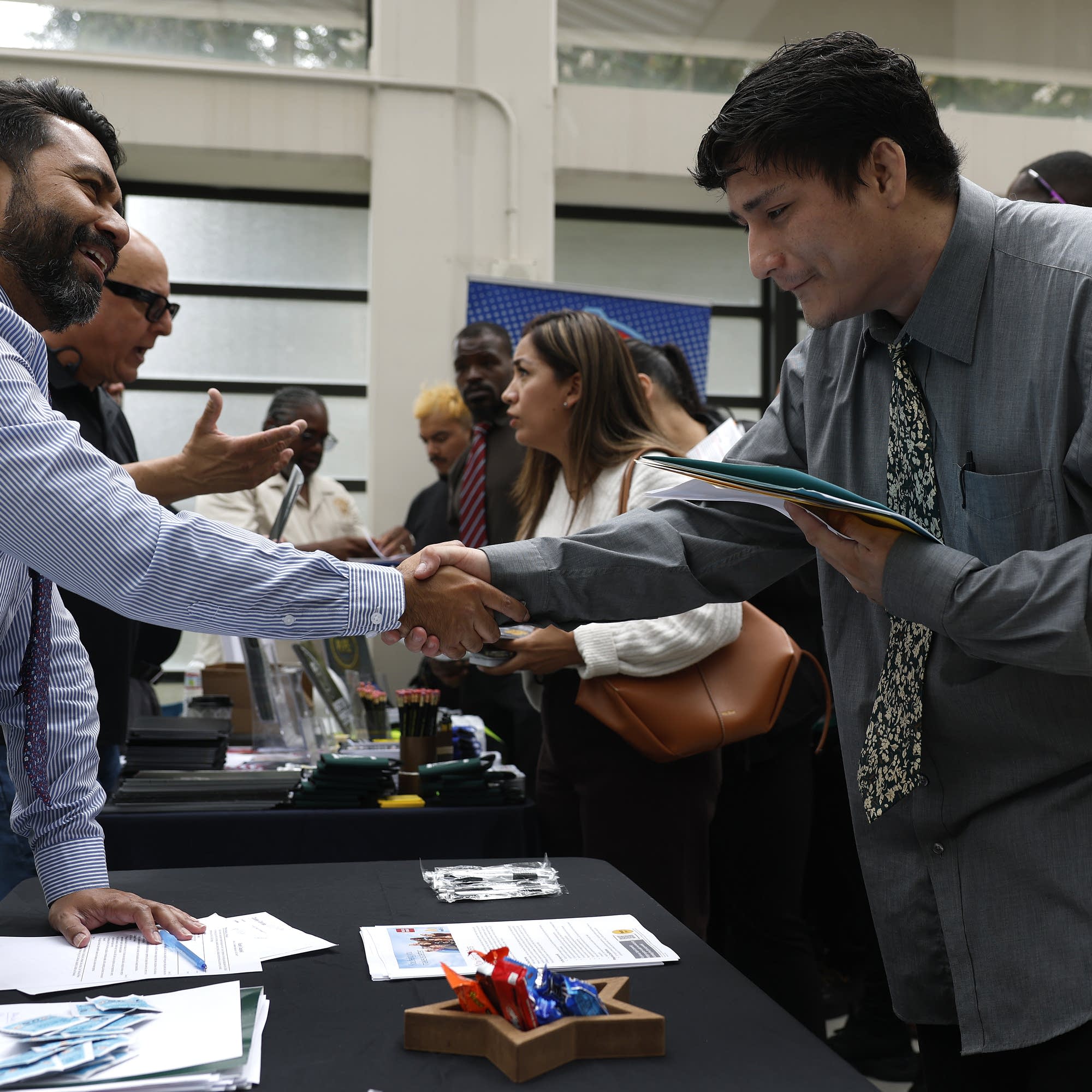
An underwhelming June jobs report
Jul 200:25:28Tap to summarizeThe Labor Department’s June jobs report came in with just 57,000 new jobs added. Economists expected double that, and while the unemployment rate ticked down, we consider why job growth may be middling. Also in this episode, we look at stagnant wage growth, a start-up that’s looking to de-extinct the woolly mammoth, the “lump of labor” fallacy, Saudi Aramco’s World Cup sponsorship, and a social worker who leads tours to supplement retirement.Every story has an economic angle. Want some in your inbox? Subscribe to our daily or weekly newsletter.Marketplace is more than a radio show. Check out our original reporting and financial literacy content at marketplace.org — and consider making an investment in our future.
Transcribe →
What would make Kevin Warsh consider a "Fed put?"
Jul 100:25:56Tap to summarizeIt’s unclear what Federal Reserve Chair Kevin Warsh will do regarding interest rates, but would a “Fed put” actually help promote stability in financial markets? Also in this episode, we look at why fewer teens are getting paid jobs, a decline in single-family homebuilding, prediction markets for natural disasters, traffic expanding way beyond rush hour, and the booming cowboy boot market.Every story has an economic angle. Want some in your inbox? Subscribe to our daily or weekly newsletter.Marketplace is more than a radio show. Check out our original reporting and financial literacy content at marketplace.org — and consider making an investment in our future.
Transcribe →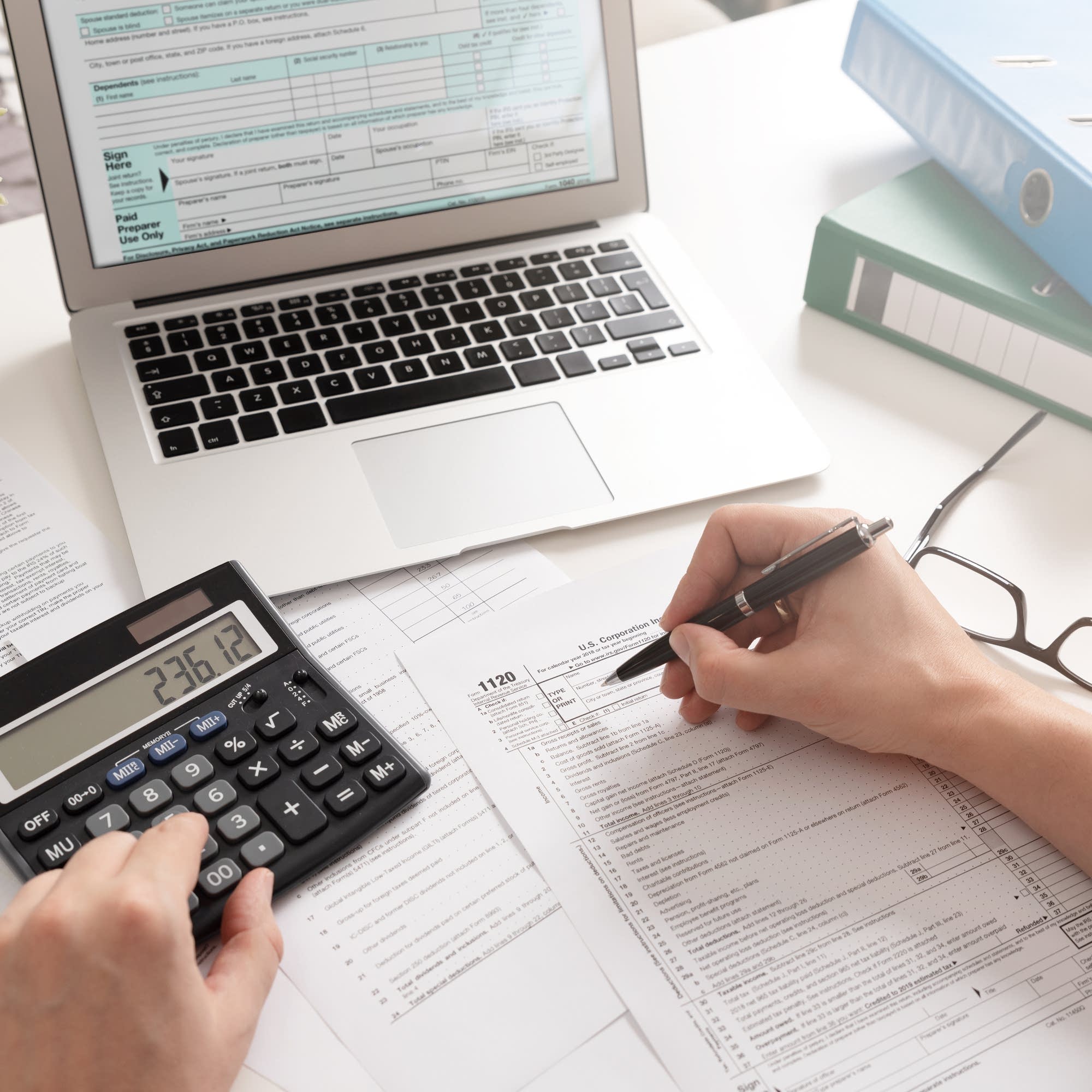
A confusing economy means a less confident consumer
Jun 3000:25:31Tap to summarizeFresh data on consumer confidence shows a lot of mixed signals — Americans are feeling better about the economy and where inflation is headed, but worse about job prospects and family finances. Also in this episode, we look at the widening gender wage gap, a small business owner dealing with tariffs, how remote work is giving families more options, and growing natural gas infrastructure.Every story has an economic angle. Want some in your inbox? Subscribe to our daily or weekly newsletter.Marketplace is more than a radio show. Check out our original reporting and financial literacy content at marketplace.org — and consider making an investment in our future.
Transcribe →
The president's new power over independent agencies
Jun 2900:25:33Tap to summarizeThe Supreme Court’s ruling Monday expanded presidential power over agencies that would traditionally be viewed as independent, with the Federal Reserve as an exception. What does that mean going forward? Also in this episode, we look at rising transportation costs, infrastructure projects, Comcast’s spinoff of NBCUniversal, and the business of estate sales in Los Angeles.Every story has an economic angle. Want some in your inbox? Subscribe to our daily or weekly newsletter.Marketplace is more than a radio show. Check out our original reporting and financial literacy content at marketplace.org — and consider making an investment in our future.
Transcribe →
The AI inflation roller coaster
Jun 2600:25:20Tap to summarizeEconomists are forecasting that AI is likely to cause prices to rise over the course of the next year. On Thursday, both Microsoft and Apple said they’re raising prices some of their flagship products thanks to skyrocketing memory and storage costs. But AI could end up making a whole lot of things cheaper — eventually. Also in this episode: how one union negotiated huge savings on healthcare prices, a look at the garage sale culture in Alaska, and the return of the restaurant matchbook.Every story has an economic angle. Want some in your inbox? Subscribe to our daily or weekly newsletter.Marketplace is more than a radio show. Check out our original reporting and financial literacy content at marketplace.org — and consider making an investment in our future.
Transcribe →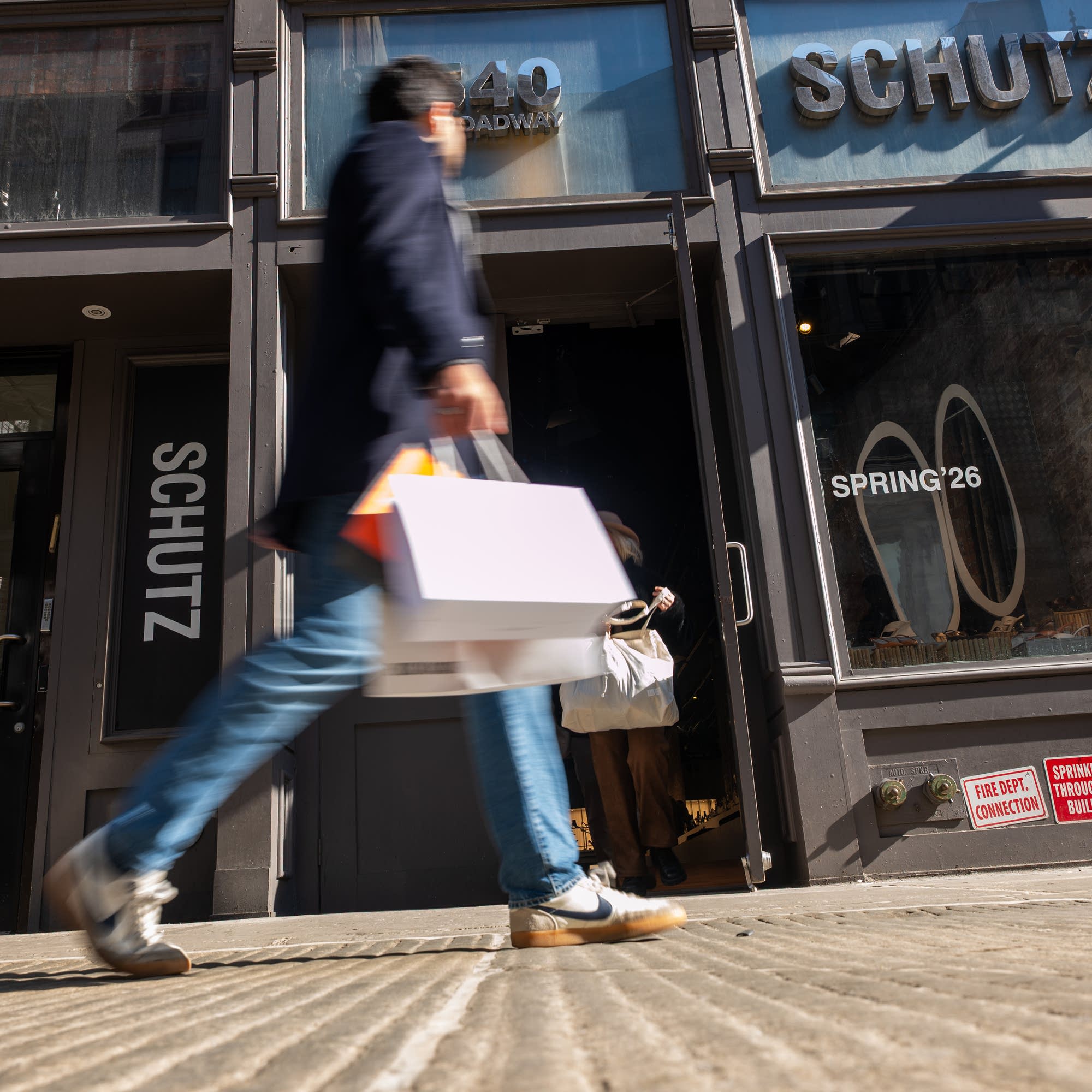
Inflation sped up in May. What's to blame?
Jun 2500:25:20Tap to summarizeInflation was up 4.1% in May, according to the BEA’s personal consumption expenditures index. We know hot energy prices, resulting from the war in Iran, were part of that spike. But cut out energy and food, and inflation still hit a three-year high, at 3.4%. So what else is driving the increase? Also in this episode: Q1 GDP is revised up, Wyoming navigates the consequences of property tax cuts, and Great Lakes cargo ships make up a vital branch of U.S. supply chains.Every story has an economic angle. Want some in your inbox? Subscribe to our daily or weekly newsletter.Marketplace is more than a radio show. Check out our original reporting and financial literacy content at marketplace.org — and consider making an investment in our future.Read the stories from today’s episode:It's not just food and energy — "core" inflation is up as wellGDP grew 2.1% in the first quarter of 2026. What does that tell us?What do we need property taxes for? Wyoming is finding outNeed a burger? A car? Winter road salt? Thank cargo ships on the Great LakesGen Z trades in date-flation for "solo-maxxing"
Transcribe →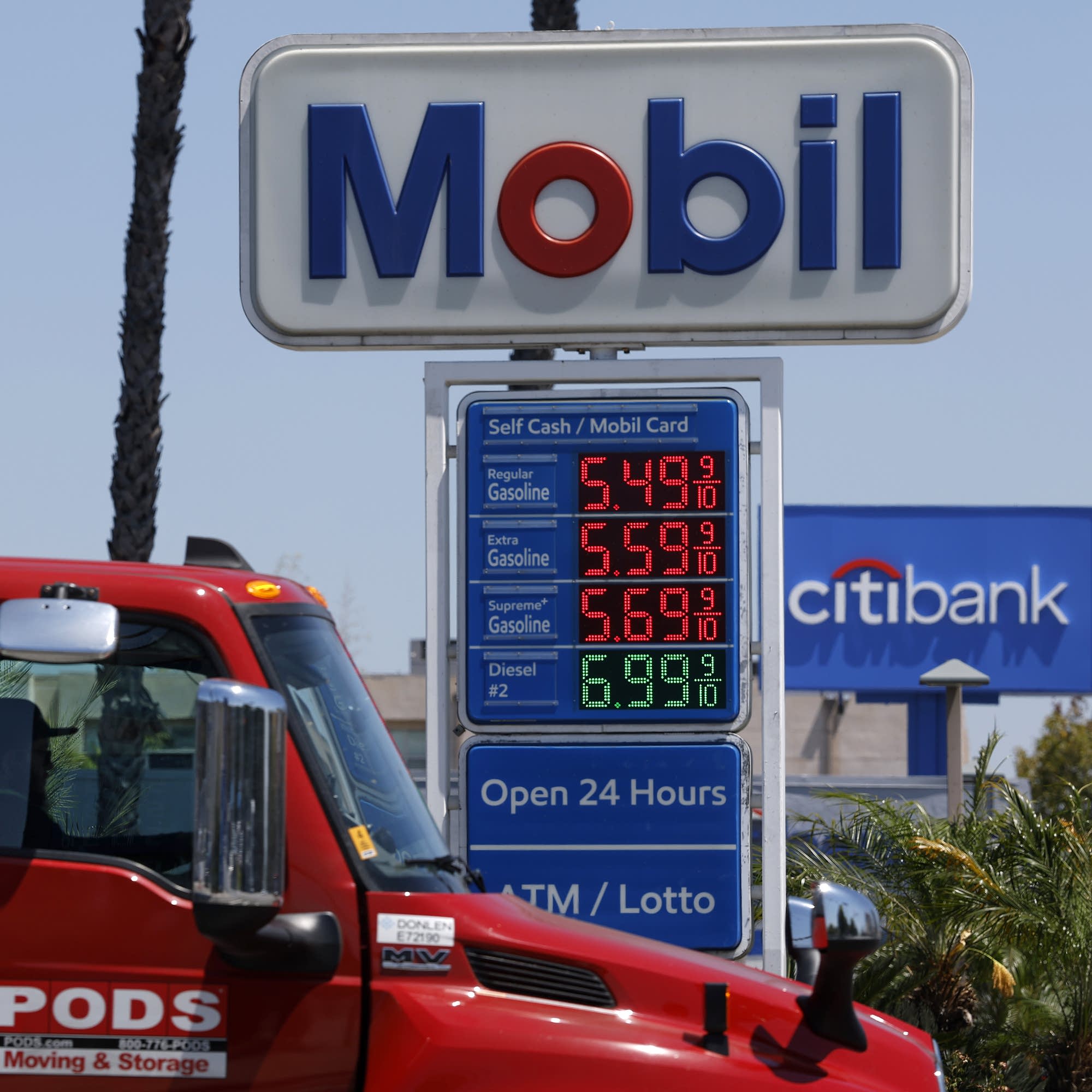
High inflation or ... high inflation?
Jun 2400:25:14Tap to summarizeWhen the U.S. launched a war against Iran, some Wall Street traders bet the ensuing energy shortages would push inflation up. Now that a ceasefire has brought down gas prices, the narrative has shifted: What if cheaper gas fires up the economy too much? In this episode, the markets are betting on inflation, whichever way you slice it. Plus: Prospective buyers struggle to secure mortgages on homes worth less than $100,000, local getaways anticipate healthy summer vacation demand, and direct-to-consumer brands reframe their environmental commitments.Every story has an economic angle. Want some in your inbox? Subscribe to our daily or weekly newsletter.Marketplace is more than a radio show. Check out our original reporting and financial literacy content at marketplace.org — and consider making an investment in our future.Read the stories in today’s episode: Whether oil prices are high or low, Wall Street is betting on inflationThe housing bill that might make small mortgages easierWith summer travelers facing higher costs, local vacation spots are thrivingWhy one direct-to-consumer brand is shifting its messagingBeekeeper turned business owner is growing into newer, bigger spaces
Transcribe →