
Podcast
Marketplace Morning Report
Hosted by Marketplace · EN
Get up to speed on the news each morning with our daily radio show and podcast, “Marketplace Morning Report,” hosted by Kimberly Adams. We give you the economy without the anxiety, in the amount of time it takes to brew a cup of coffee. Start your day with us, on air or by downloading our podcast, for context and perspective on the economic news that matters to you.
1,083episodes
Episodes
Newest firstAll episodes
Let's check in on construction jobs
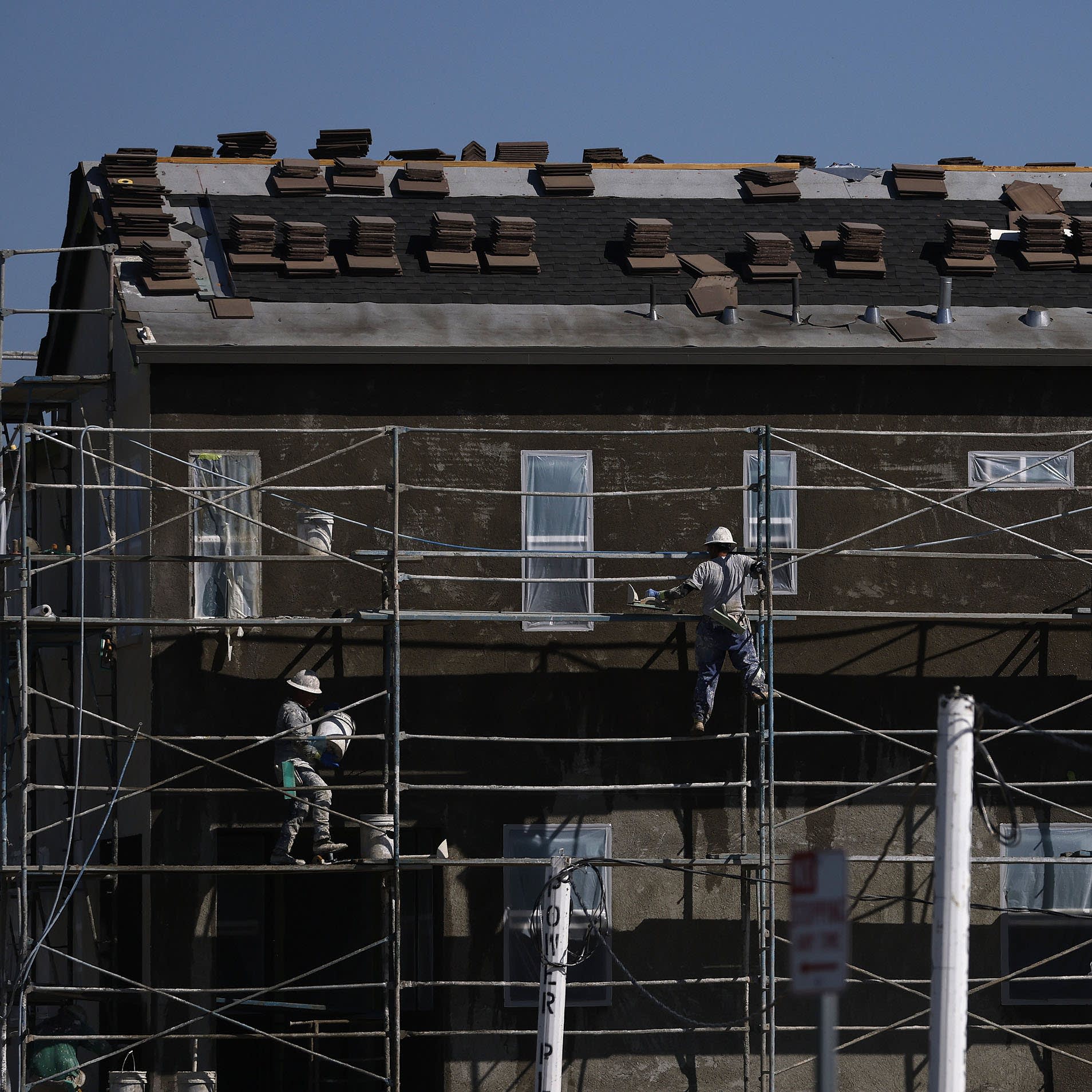
5d ago00:06:21Summary readyThe Associated General Contractors of America recently issued a report that finds job gains in the building trade are uneven, with residential construction still lagging. The reasons are a combination of supply chain uncertainty, immigration policy, and high mortgage rates. We'll unpack. Plus, AI and online gambling are following crypto's lead in campaign spending. And, from "Marketplace Tech," can AI tackle some of the biggest failings of our justice system?Every story has an economic angle. Want some in your inbox? Subscribe to our daily or weekly newsletter.Marketplace Morning Report is more than a radio show. Check out our original reporting and financial literacy content at marketplace.org — and consider making an investment in our future.Stories featured in today’s show:From “Marketplace Tech”: AI-driven law could be an answer to accessible legal helpWhat's behind the slowdown in construction jobs?
Summary
How record labels are handling AI music
5d ago00:06:46Summary readyThe music industry is wrestling with the best way to incorporate and acknowledge artificial intelligence in the business. AI tools are one thing, but what about AI-generated music or AI-generated artists? Record labels are now proposing new guidelines on how music generated by artificial intelligence should be treated. Today, we dig into what it means for chart eligibility and the task of finding human-made music. But first: World Cup fans boosted U.S. service exports.Every story has an economic angle. Want some in your inbox? Subscribe to our daily or weekly newsletter.Marketplace Morning Report is more than a radio show. Check out our original reporting and financial literacy content at marketplace.org — and consider making an investment in our future.
Summary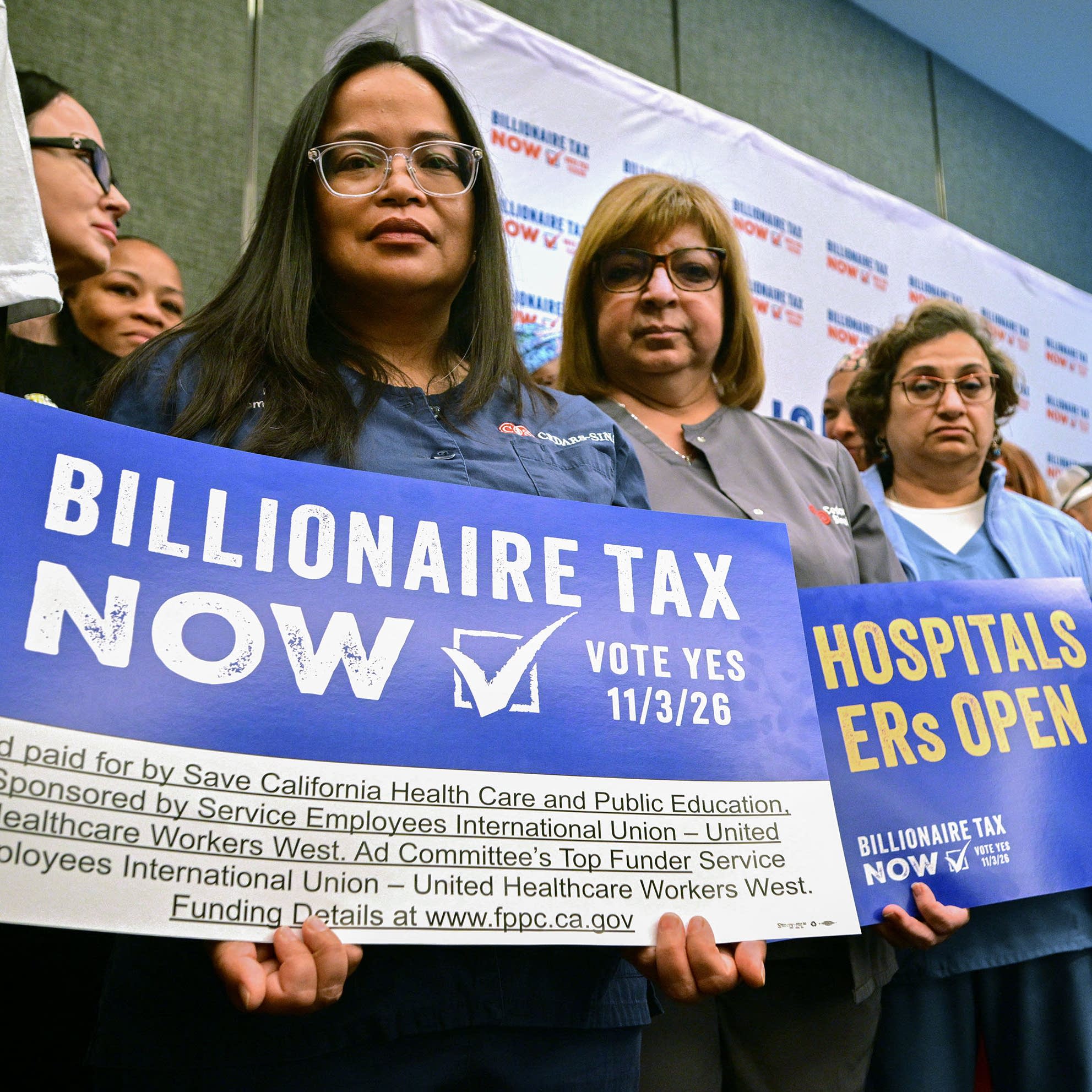
Understanding California's billionaire tax
6d ago00:06:56Summary readyCalifornia voters will decide this November whether to impose a one-time wealth tax on the state's richest residents, setting up what could become one of the most expensive ballot measure fights in state history. Proposition 40 would levy a one-time 5% tax on the total wealth — not just income, but stock holdings, real estate, yachts, and other assets — of roughly 200 of California's richest residents. We’ll dig in. Also: a stopgap funding bill and Treasury term premiums.Every story has an economic angle. Want some in your inbox? Subscribe to our daily or weekly newsletter.Marketplace Morning Report is more than a radio show. Check out our original reporting and financial literacy content at marketplace.org — and consider making an investment in our future.Stories covered in this episode:Why term premiums on U.S. Treasurys have been risingCalifornia voters weigh $100 billion wealth tax to offset Medicaid cuts
Summary
Why Trump is helping prop up the Japanese yen
1w ago00:06:58Summary readyJapan's yen is up against the dollar this morning. Over the weekend, President Donald Trump confirmed that the U.S. Treasury Department bought up yen, boosting its value. Japan has been struggling with the low value of its currency. The purchase could help the U.S. though, too. We'll explain. Then, Trump also said over the weekend that the U.S. would back down from fresh attacks on Iran. What's that mean for oil prices?Every story has an economic angle. Want some in your inbox? Subscribe to our daily or weekly newsletter.Marketplace Morning Report is more than a radio show. Check out our original reporting and financial literacy content at marketplace.org — and consider making an investment in our future.
Summary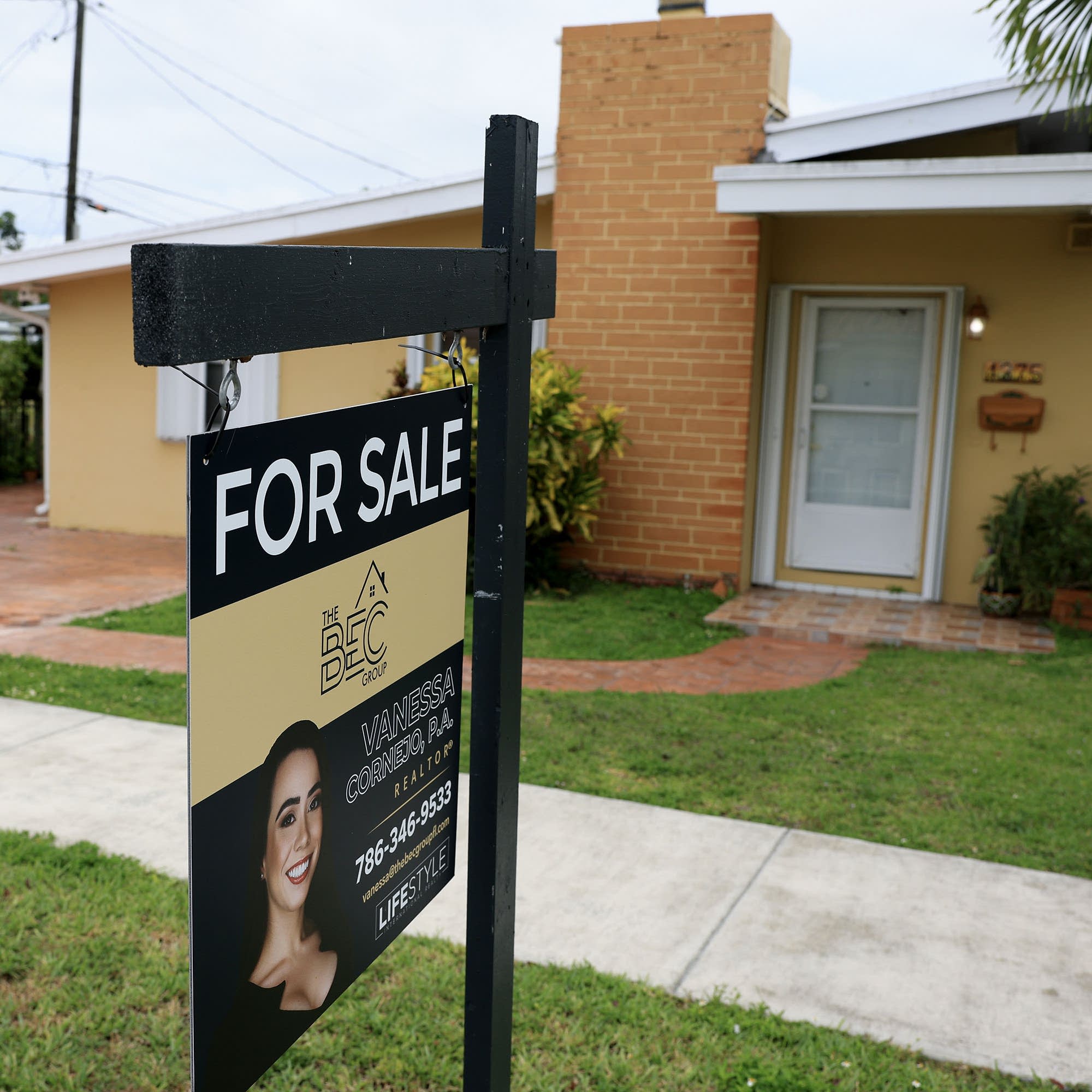
What's driving up the cost of buying a house?
1w ago00:06:23Summary readyThe latest news on mortgage rates — crucial for would-be buyers and sellers — is not great. According to Freddie Mac, the average interest on a 30-year fixed-rate mortgage edged up again last week to 6.66%. That puts the cost of borrowing to buy a home at the highest level we’ve seen in a year. We explain what's going on. Then, Google's AI summaries are leaving many publishers searching for new ways to reach customers.Every story has an economic angle. Want some in your inbox? Subscribe to our daily or weekly newsletter.Marketplace Morning Report is more than a radio show. Check out our original reporting and financial literacy content at marketplace.org — and consider making an investment in our future.Stories featured in this episode:Google's AI search is changing who gets web traffic
Summary
Trump wants to require NDAs for federal workers
1w ago00:06:59Summary readyThe federal government is proposing a rule allowing its agencies to require that their workers sign non-disclosure agreements. That rule has yet to be finalized. But another rule, which is final, says workers could be fired for refusing to sign an NDA or violating one after signing it. This is raising alarms for advocates. We dig in. But first: what the performance of some of the country's biggest companies tells us about the rest of the economy.Every story has an economic angle. Want some in your inbox? Subscribe to our daily or weekly newsletter.Marketplace Morning Report is more than a radio show. Check out our original reporting and financial literacy content at marketplace.org — and consider making an investment in our future.Stories in this episode:Trump wants to require NDAs for federal workers, worrying advocates
Summary
Why food prices are likely to jump more
1w ago00:06:36Summary readyInflation data out yesterday showed the pace of price increases slowed a bit in June, but that may be short-lived when it comes to food. Prices for commodities like wheat, corn, and rice could jump 10% to 18% by next summer because of ongoing wars in Iran, Russia, and Ukraine, as well as what’s forecast to be a “super El Niño” this year. Then, we check in on the state of remote work.Every story has an economic angle. Want some in your inbox? Subscribe to our daily or weekly newsletter.Marketplace Morning Report is more than a radio show. Check out our original reporting and financial literacy content at marketplace.org — and consider making an investment in our future.Stoires featured in this episode:Food commodity prices predicted to jump
Summary
Looking under the hood of jobs and inflation numbers
2w ago00:06:33Summary readyThe Federal Open Market Committee decided to hold interest rates steady yesterday. The central bank has a dual mandate from Congress to manage inflation while maximizing employment. Today, we'll dig into some warning signs in the current long-term unemployment figures, as well as the "low-hire, low-fire" environment. Then we'll learn why the Bureau of Economic Analysis is updating its inflation calculation and why it matters for everyday consumers.Every story has an economic angle. Want some in your inbox? Subscribe to our daily or weekly newsletter.Marketplace Morning Report is more than a radio show. Check out our original reporting and financial literacy content at marketplace.org — and consider making an investment in our future.Stories featured in this episode:Why the government is updating how it calculates inflation
Summary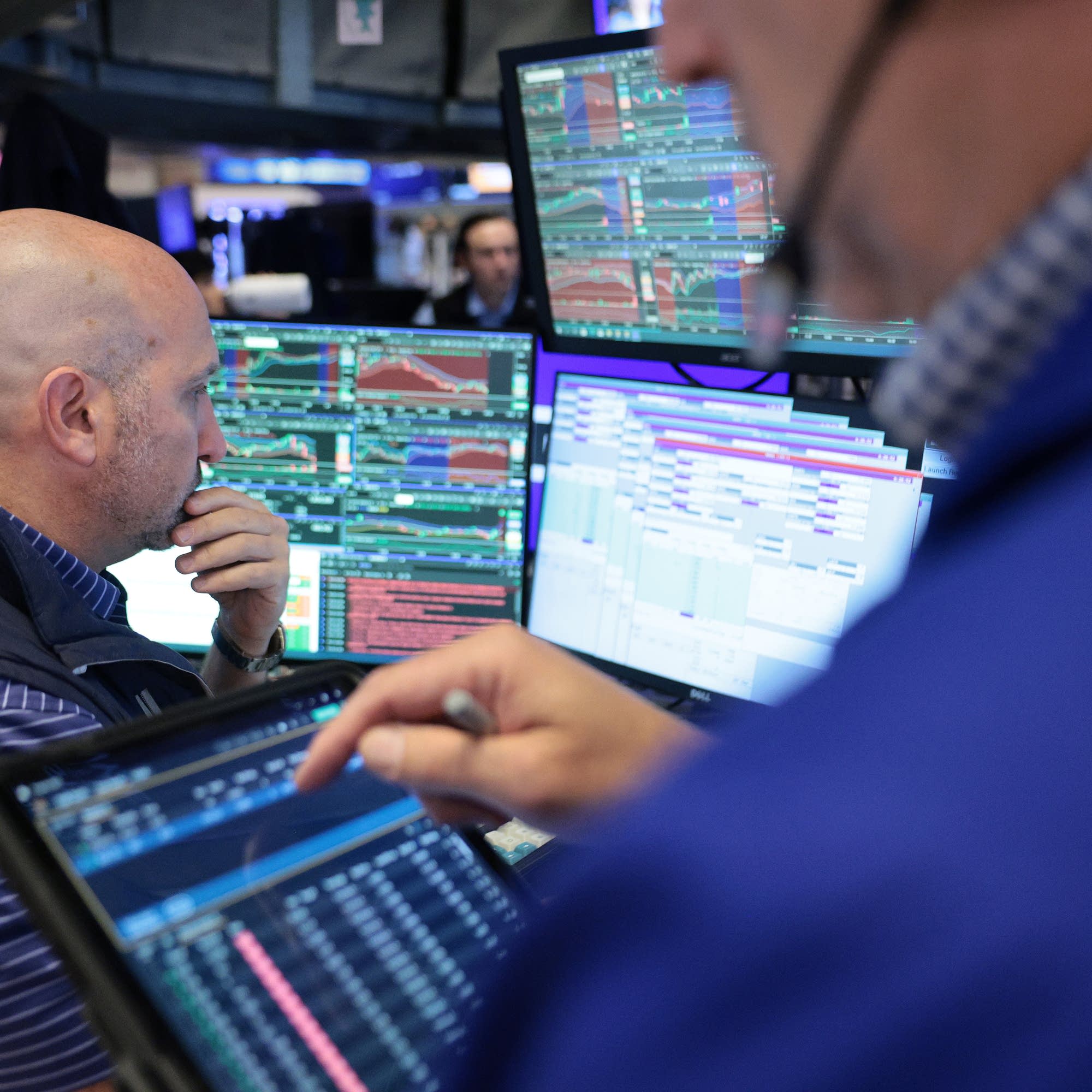
Behind a big tech stock tumble
2w ago00:06:37Summary readyToday, the key stock index in South Korea — the Kospi — was down almost 6% at close. That’s after dropping 10% yesterday. We’re starting to see somewhat of a change in investor emotion for tech stock, prompted by questions over big tech companies spending on AI. What else is driving the sell-off, and what does it mean for the broader market? Plus, we look at how AI is shaping the job market for younger job seekers.Every story has an economic angle. Want some in your inbox? Subscribe to our daily or weekly newsletter.Marketplace Morning Report is more than a radio show. Check out our original reporting and financial literacy content at marketplace.org — and consider making an investment in our future.
Summary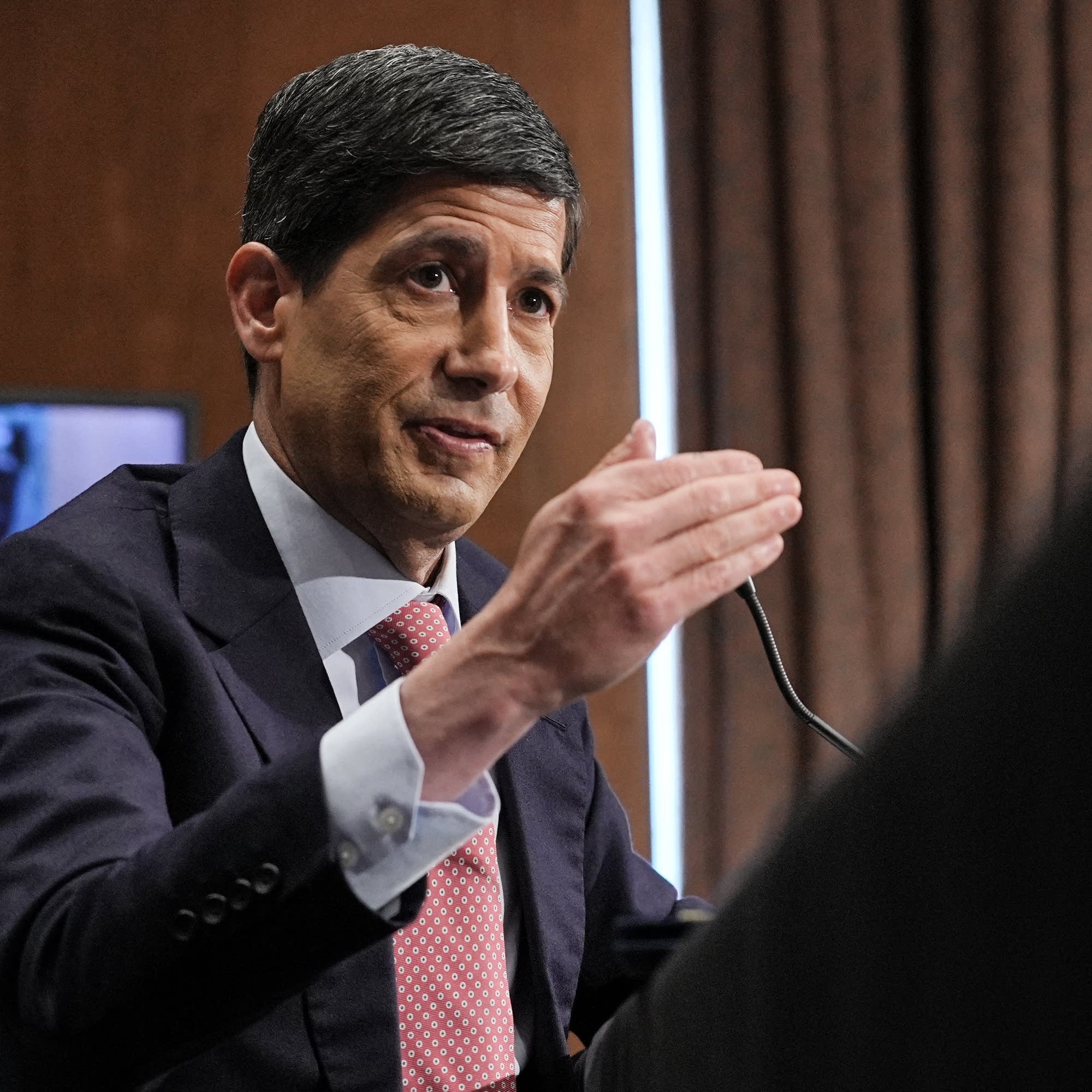
Will the Fed hold steady?
2w ago00:06:50Summary readyThe U.S. Federal Reserve will wrap up a two-day meeting today with an announcement from Chair Kevin Warsh on interest rates. In the middle of uncertainty regarding the war in the Middle East, oil prices, and inflation, experts say rates could remain unchanged — for now. Also, we look at how consumers are pulling back on grocery spending and why the Trump administration is arguing some countries have “excess capacity” in certain manufacturing sectors.Every story has an economic angle. Want some in your inbox? Subscribe to our daily or weekly newsletter.Marketplace Morning Report is more than a radio show. Check out our original reporting and financial literacy content at marketplace.org — and consider making an investment in our future.
Summary