
Podcast
Marxist Voice
Hosted by Revolutionary Communist Party · EN
Marxist Voice is the official podcast of the Revolutionary Communist Party (RCP) in Britain. We discuss Marxist theory, revolutionary history, and current events.
Head to our website for daily news and analysis, as well as links to join and support the party, and to subscribe to our various publications.
20episodes
Episodes
Newest firstAll episodes
Will America go Communist?
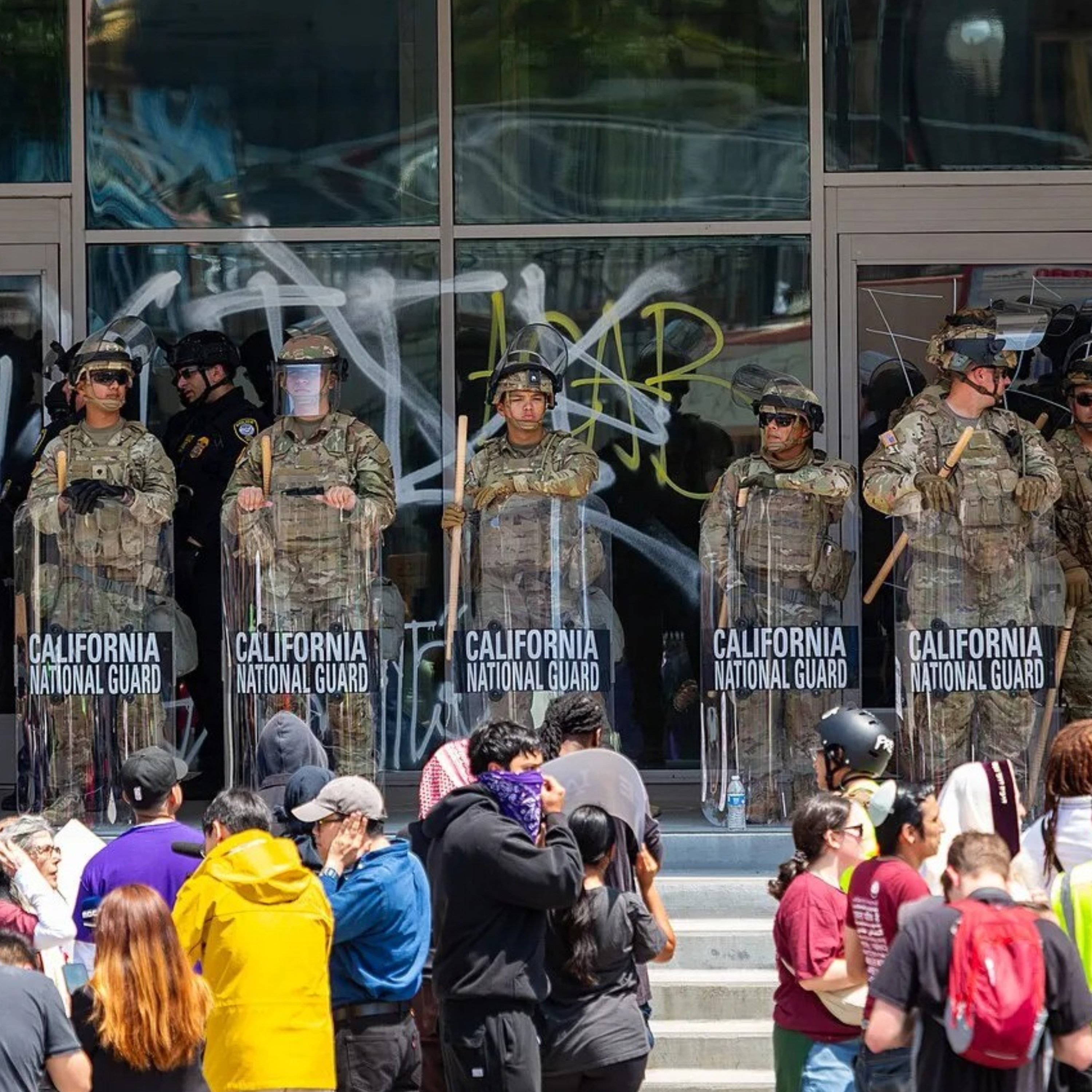
1w ago00:42:01Tap to summarizeThe United States has existed as the dominant imperialist power for over 80 years. In that time it has meddled in countries across the entire globe, setting the world order. Now that is coming to an end. The American Empire is collapsing and the anger of the workers in the US is growing. In this talk from the RCP summer camp, Will Collins discusses the prospects of a 3rd American Revolution. Books to delve deeper: America: Revolution and Counter Revolution, Colossus: The Rise and Fall of US Imperialism, Marxism and the USA
Transcribe →
What Are The Prospects for World Revolution?
2w ago00:38:46Tap to summarizeDespite vast technological progress, modern society has yet to achieve abundance. Instead, global capitalism continues to drive deepening contradictions, regional conflicts, and an accelerating crisis of imperialism.In this talk from the RCP Summer School, Lubna Badi explores the main forces shaping today’s world: from the relative decline of US hegemony and the fracturing of Western alliances, to Europe's severe industrial downturn and the surge of class anger worldwide as working people seek a revolutionary way forward.
Transcribe →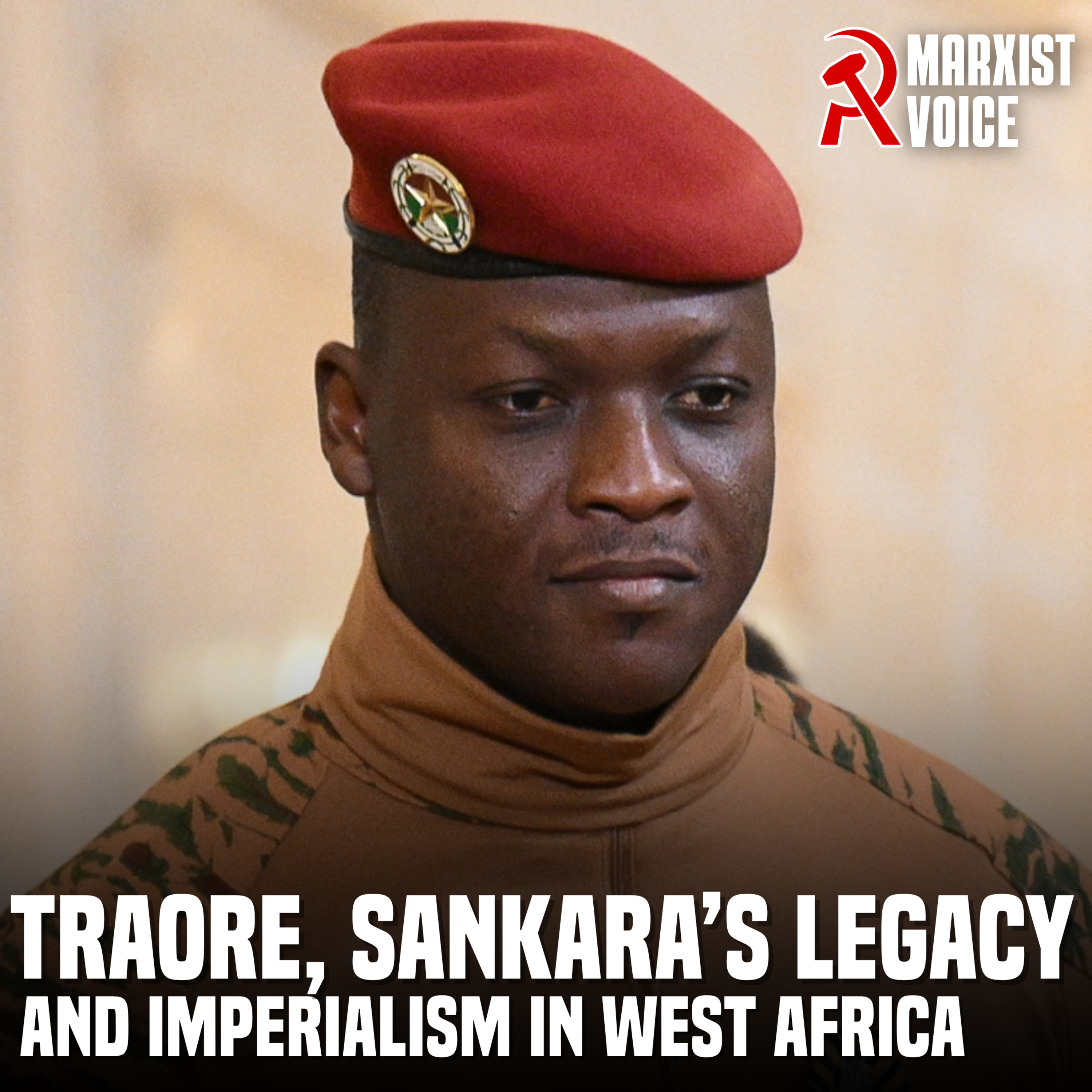
Traore, Sankara's legacy and imperialism in West Africa
3w ago00:56:34Tap to summarizeSince he came to power in September 2022, the leader of Burkina Faso’s military government, Ibrahim Traore, has attracted attention all over the world. Echoing Thomas Sankara, the leader of the Burkinabé Revolution of 1983-87, Traore has used radical anti-imperialist and pan-Africanist rhetoric, calling for a determined struggle for genuine sovereignty and development for the people of Africa.In the Western media, Traore is often portrayed as a brutal dictator, who is rapidly losing control of the situation. However, on social media, you can find a huge amount of support for Traore and his programme. What is the reality?In this talk, Josh Holroyd discuses what has been achieved in Burkina Faso since Traore came to power, and the way forward for the fight against imperialism in West Africa.
Transcribe →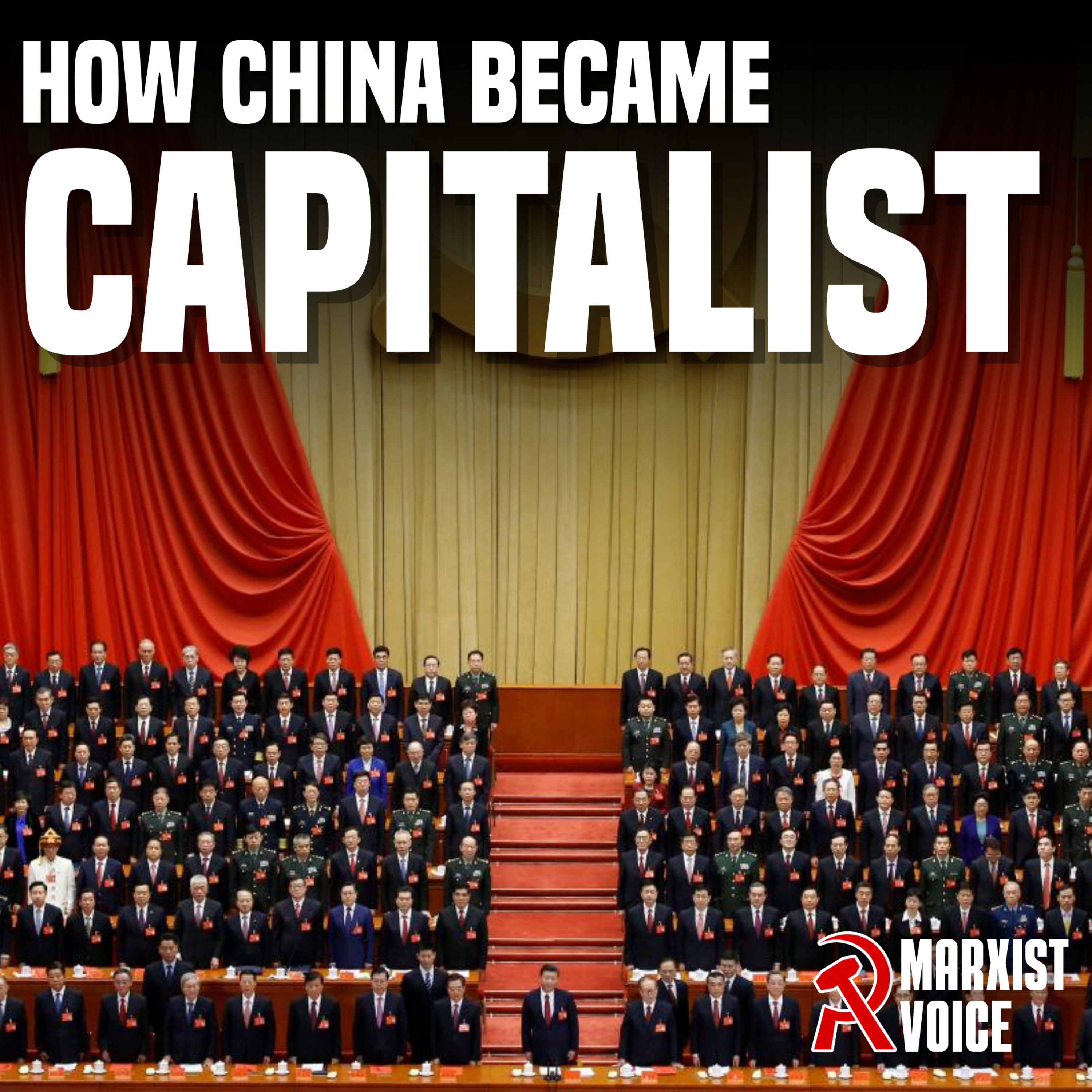
How China became capitalist
Jul 1400:44:22Tap to summarizeWhilst the Chinese Communist Party rule over China, it works with a capitalist mode of production. This is a historic peculiarity which originates with the successful Chinese Revolution in 1949. This revolution overthrew capitalism, but without workers power. This meant a slow return to capitalism was inevitable without successful revolutions internationally. But how did they return to capitalism while keeping the CCP in place? In this talk, RCP Central Committee member Tom Crozier, explains the process.
Transcribe →
Rise and fall of US Imperialism
Jul 701:05:13Tap to summarizeThe relative decline of US imperialism is a process having enormous effects on every corner of the globe and every capitalist market. The US is struggling through its death agony which is resulting in a deeply unpredictable world. From wars to trade wars, to foreign policy on truth social, anger is building towards the US government rapidly. This exists in countries imperially dominated by the US, but has now spread to the US and its allies. Huge social explosions have begun, and the RCI is trying to take this process to its logic conclusion: revolution. In this talk, given at the Central Committee meeting of the RCP last weekend, Fred Weston explains these processes.
Transcribe →
The failures of 'lesser evilism' and the popular front
Jun 3000:54:53Tap to summarizeThose on the left are increasingly being pushed the idea that we must support, vote for and publicly defend the 'lesser evil' in politics. Many liberal politicians orient their campaign around the idea that they are not as bad as the other candidate. This is not a new phenomenon but a rehashing of the ideas of the Popular Front, popularised by Stalin in the 1920s/30s to excuse his distaste for international revolution. Importantly, it has never worked in defeating either fascism or the right wing populists of today such as Trump or Farage. In fact, the left aligning themselves with the liberals, ie. the representatives of capitalist crisis, has only opened the road further to those on the right presenting themselves as the anti-establishment candidates. In this talk, delivered to the newly elected RCP Central Committee this weekend, Rob Sewell discusses different examples of lesser evilism and the popular front and their failures, linking this to how this bankrupt idea has informed the political situation in the West today. Rob Sewell is a member of the Executive Committee of the RCP and the International Secretariat of the RCI.
Transcribe →
1945: Liberation, revolution and betrayal
Jun 2300:40:11Tap to summarizeA revolutionary wave swept through Europe towards the end of the Second World War. In France, communists formed the backbone of the armed resistance to fascism. In Italy, workers occupied the factories, peasants took over the land, and communists led a mass armed partisan force. In Greece, the communist party led the resistance movement, and was in a strong position to take power. But in all these countries, capitalism survived. In this session, leading member of the RCI James Kilby, will explain the revolutionary process that developed towards the end of the war. He will explore how and why the Stalinists in one country after another betrayed these incredible movements, thus setting back the world revolution by decades.
Transcribe →
What would socialism look like?
Jun 1600:40:10Tap to summarizeMost people today are well aware of what they are against, poverty, austerity, racism, imperialism and much more. However, very few people have an idea of what they are fighting for. Politics promises things it can never achieve, demoralising people in the process. This is where Marxism is different. Instead of starting with what we want, we begin with what is possible and what is getting in our way. In this talk, Sarah Vedrovitch explains the world which communists are fighting for and how to get to it from what exists today.
Transcribe →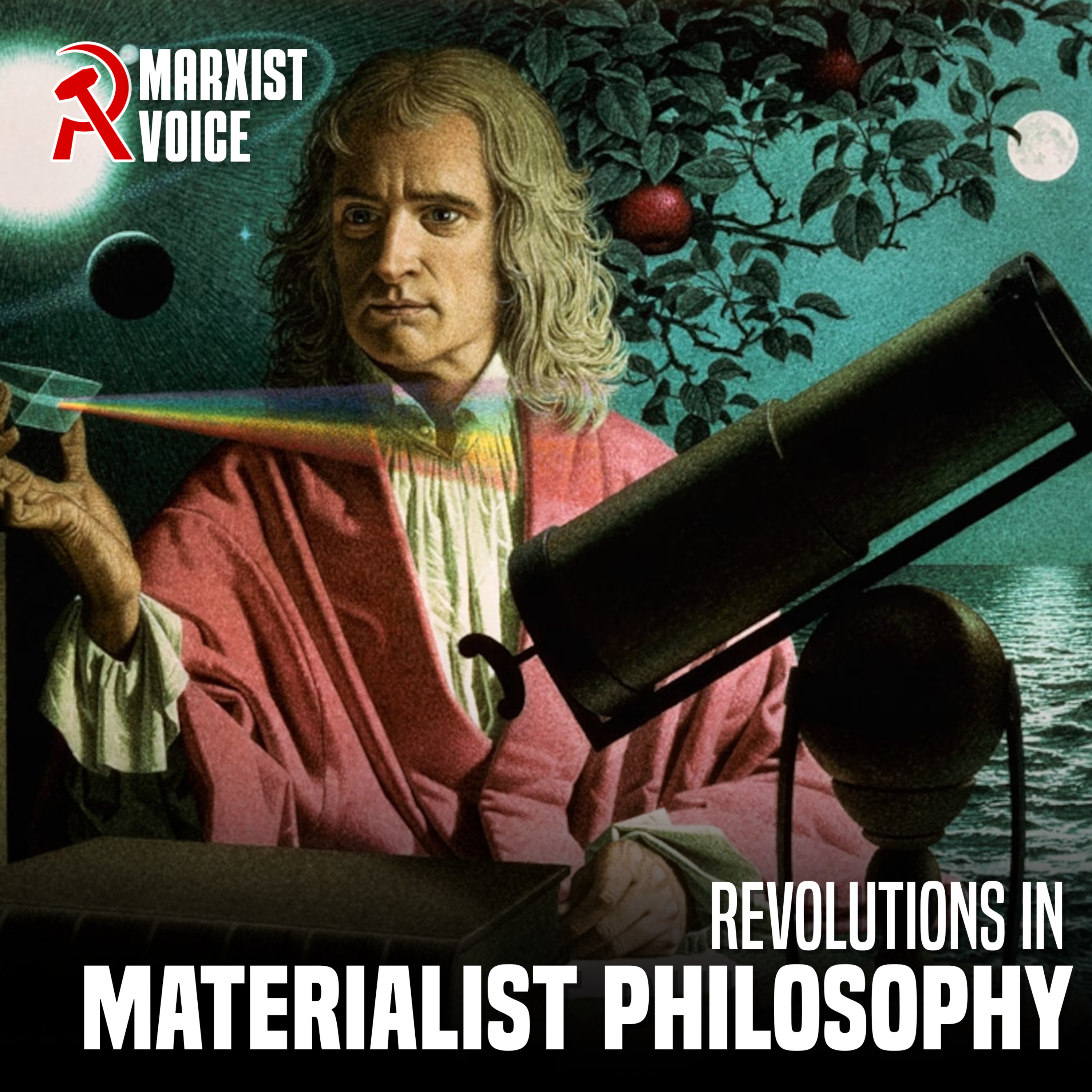
Revolutions in Materialist Philosophy
Jun 900:48:21Tap to summarizeFrom the Renaissance to Marx, this talk from the London Marxist School traces the revolutionary developments of materialist philosophy. Beginning with the scientific breakthroughs of figures like Francis Bacon and Isaac Newton, it explores how humanity fought to understand the world through reason, science, and experience.The talk examines the limits of English empiricism, explaining the triumph of Marx and Engels in using dialectics to elevate materialism onto a higher plane. In doing so, they uncovered the laws of historical development and the contradictions of capitalism itself.As Khaled Malachi explains, Marxist philosophy is a guide to revolutionary action: a method for understanding society, exposing the roots of class exploitation, and fighting consciously for a socialist future.
Transcribe →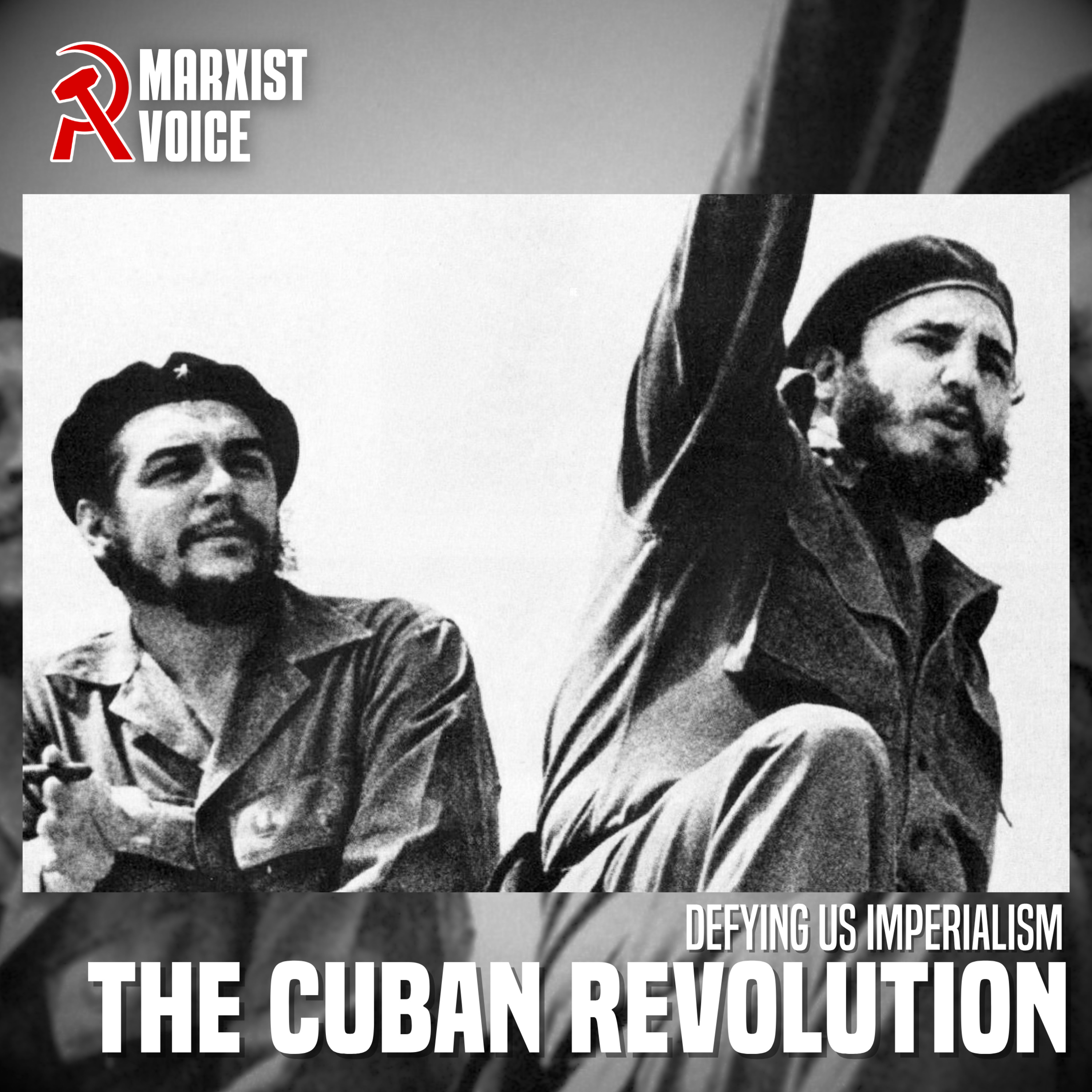
Defying US imperialism: Fidel Castro and the Cuban Revolution
Jun 200:49:35Tap to summarizeThe Cuban Revolution stands as one of the most revered revolutions in the history of capitalism. Fidel Castro and Che Guevara began as anti-imperialists and did not initially consider the revolution to be socialist.However, in the course of the struggle, they realised that the fight against imperialism, if it was to succeed, also had to be a fight against capitalism. With this understanding, they heroically ended capitalism on the island, leading to a long list of gains for Cuban workers.With the struggle against imperialism taking on renewed importance today, the lessons of the Cuban Revolution should be studied by all those who want to end the barbarism created by imperialism.In this talk, RCP Central Committee member Keelan Kellegher will draw out the lessons of the Cuban Revolution, explaining the most important conclusions we can take from this inspiring event.
Transcribe →