← Más de uno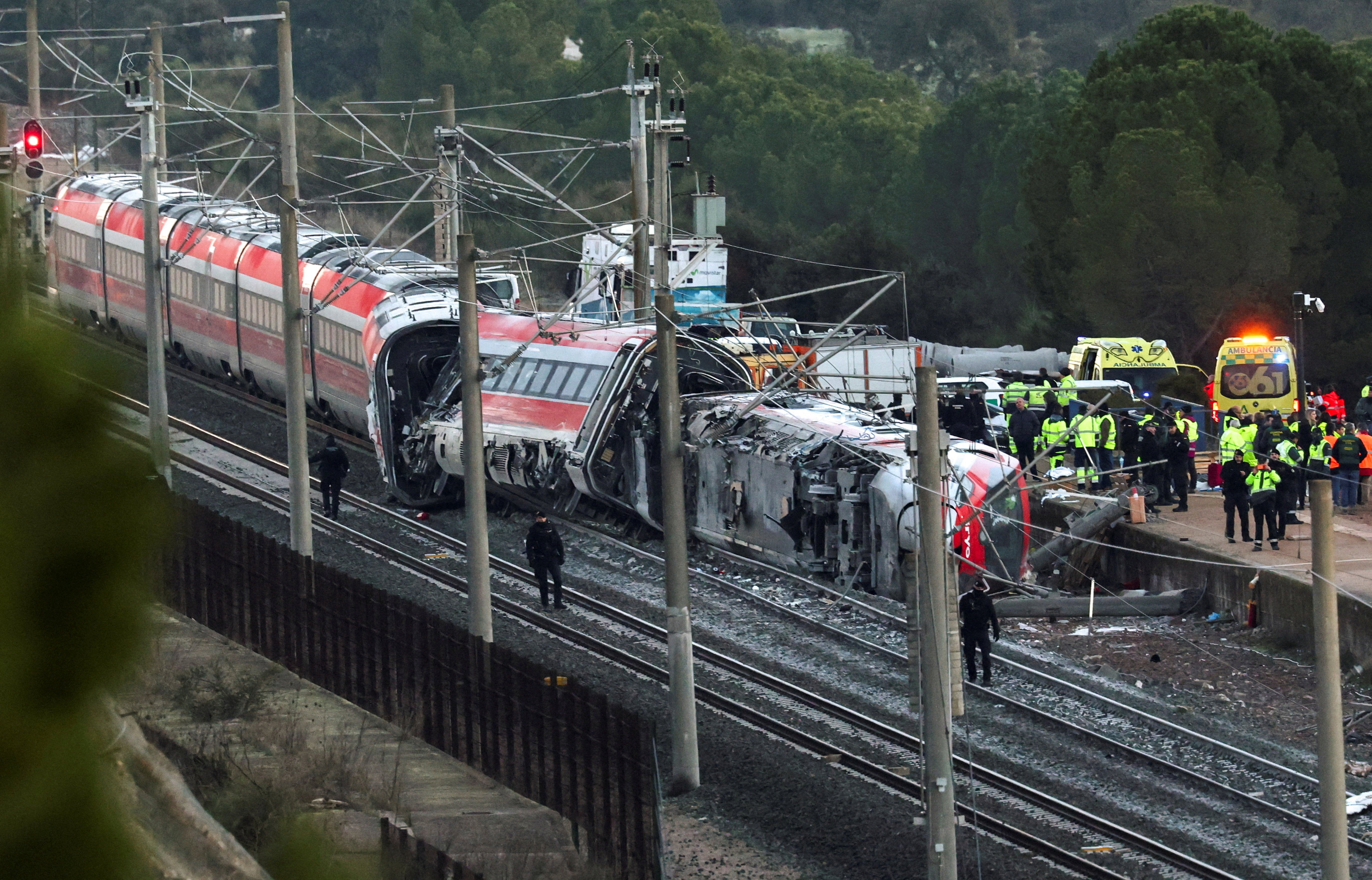
Más de uno
Agustín, viajero afectado que iba en el Iryo que se salió de la vía en Adamuz: "Tengo que agradecer que estoy vivo"
00:09:08
Agustín, viajero afectado que iba en el Iryo que se salió de la vía en Adamuz: "Tengo que agradecer que estoy vivo"
Loading summary
Transcript33 lines
- [00:00]
A
Nos quería contar. Y entretanto, saludo a Agustín, que es hasta ayer, uno de los pasajeros que iba en uno de los trenes que se vieron afectados por este accidente. Agustín, buenos días.
- [00:15]
B
Sí, Hola, buenos días.
- [00:16]
A
¿Qué tal? ¿Cómo estás?
- [00:19]
B
Pues en shock. Creo que estoy peor ahora que anoche. Anoche, con todo el. Con todas las circunstancias, no era consciente de la situación en la que habíamos vivido. Y bueno, he podido descansar un poco, pero al despertarme y ver las noticias actualizadas, el número de víctimas mortales, la verdad es que me da un poco bajón. Pero bueno, luego yo tengo que agradecer que estoy vivo y ya lo siento mucho por todos esos pasajeros que me acompañaban en el tren y no pueden. No pueden contarlo.
- [00:55]
A
Ahora es cuando los supervivientes tenéis conciencia de que ayer volvisteis a nacer. Le ha tocado al 39, que podíais haber sido también vosotros.
- [01:08]
B
Sí, sí, totalmente. Vamos, es que estadísticamente, si viajábamos 300 personas en el tren, es que una de cada 10 personas, o más de una de cada 10 personaS ha fallecido.
- [01:19]
A
Entonces, Agustín, ¿Tú en cuál de los trenes ibas? ¿En el Iryo, camino de Madrid, en.
- [01:26]
B
Irio, de vuelta a Madrid, de Málaga?
- [01:29]
A
En el vagón 6. Los vagones que se salen de la vía son los que iban.
- [01:39]
B
Realmente. El seis de los tres más aceptados fue el que menos, porque quedó de pie en la vía. Pero los otros dos quedaron, uno inclinado y otro totalmente. Totalmente tumbado sobre la vía. Y yo creo que ahí es donde quizá haya más víctimas dentro de ese.
- [01:58]
A
Vagón, porque los dos últimos son los que invaden la vía contraria, la vía del Alvia que iba caminando.
- [02:12]
B
No, no, Yo lo que empecé a sentir fue que el tren se movía de un lado para otro. Un ruido tremendo. Claro, de haberse salido del carril, las maletas cayendo, cristales rotos. Pero yo no sabía que había impactado con otro tren que venía en sentido contrario. Eso es que de hecho, tal y como salimos del tren, hacia el lado donde salimos, no veíamos lo que había hacia el otro lado. Entonces no sé si había un tren en otro lado. En ese momento no lo sabíamos. Fue cuando empezamos a hablar con más gente que había allí, cuando. Sí, nos dijeron que había otro tren.
- [02:48]
A
Claro, vosotros pensabais que el vuestro había descarrilado los últimos vagones y ya está. ¿Y se había parado el tren?
- [02:55]
B
Sí. ¿Por el motivo que fuera el descarrilamiento? No lo sé. En ese momento, desde luego, tampoco nos daba nadie explicaciones y no era el momento de dárnosla, porque había mucha gente que estaba herida y. Y lo primero es atender a los heridos. Los que estábamos bien pudimos salir por nuestro propio pie, coger nuestro abrigo, nuestra maleta, esperar allí a que nos atendieran, pero claro, los que estaban dentro necesitaban mucha más ayuda, por supuesto, porque.
- [03:26]
A
En tu vagón, no sé si tuviste ocasión de mirar a ver cómo estaban los demás pasajeros, en el vagón 6, en el que tú ibas, ¿Había alguna persona que tuvieras que?
- [03:35]
B
¿Quién? Yo iba como hacia la mitad del vagón, y es verdad que como tres o cuatro filas detrás había un grupo de chicas y después del impacto, pues empezaron a chillar, Un médico, un médico, por favor, un médico. Y había una persona tirada en el suelo, caída en el suelo. Vino alguien, supongo, sería médico, intentó hacer alguna maniobra de reanimación y bueno, yo no sé si estaba fallecida o no, porque luego ya nos mandaron hacia los vagones de adelante, que estaban bien, Y bueno, los que pudimos coger nuestras cosas, pues nos fuimos hacia adelante y desde allí ya salimos hacia el campo. Y bueno, del campo, muy cerquita estaba esa. No sé muy bien lo que es, Es una subestación. Sí, el apeadero o lo que fuera. Y bueno, allí pudimos estar por lo menos. Bueno, había luz y los que estábamos abrigados, pues con abrigo y los que no. Tenía yo una persona que bajó del. Bueno, bajó, le sacaron, pues claro, bajó tal y como estaba en el tren, con el jersey o lo que tuviera. Y bueno, pues yo no solamente abrí mi maleta y le di una cazadora. No abrigaba mucho, pero algo era algo. Y bueno, todos ayudamos en lo que pudimos, dentro de las circunstancias, claro.
- [05:05]
A
Circunstancias que ahora estáis entendiendo hasta qué punto eran graves y dramáticas. ¿Quienes ibais en el iryo? Porque han contado algunos pasajeros que una vez que el tren reanuda su marcha desde Córdoba, después de haber parado en la estación de Córdoba, que empezaron a sentirse como temblores o como si el tren botara demasiado. ¿Tú tienes memoria de que sintierais algo especial?
- [05:28]
B
No, no, no era consciente de eso, no. Estaba viendo una película con los auriculares y. No, la verdad es que no. ¿Quizá fueran los vagones de delante? No lo sé, yo no sentía eso, la verdad.
- [05:42]
A
¿En ningún momento tuvisteis la sensación, tú al menos, de que estuviera pasando nada inusual o nada raro?
- [05:48]
B
No.
- [05:50]
A
Y desde el Lapeadero, después que os llevaron, ¿Cómo os llevan hasta qué fuisteis hasta Damut, supongo?
- [05:57]
B
Sí, estuvimos ahí esperando en el apeadero a que organizara un poco todo, porque allí se presentaron todas las autoridades que podían intervenir, Guardia Civil, Sanitarios, todo eso. La verdad es que fue una reacción muy rápida. Y de allí nos llevaron, fuimos caminando por el mismo camino donde venían, por donde venían todos estos coches, fuimos caminando hacia una explanada 300 metros y allí ya nos recogieron los autobuses. Estuvimos esperando un poco autobuses hasta el pueblo. En el pueblo, bueno, pues estaba preparado un pabellón y también una sala de una romería, de una hermandad de una romería o algo parecido. Y allí nos dieron algo de comer, chocolate caliente, unos bocadillos, nos dieron mantas y bueno, la verdad es que el pueblo se portó como cabe esperar en estas situaciones, la gente es solidaria y se agradece.
- [07:07]
A
Tú vas camino de Madrid, has llegado ya a Madrid, has llegado al destino.
- [07:12]
B
De allí, Luego organizaron autobuses y yo salí al autobús de Laguna. Llegué a Madrid 5 y media aproximadamente y bueno, ya descansando un poquito, pero vamos, lo que he podido.
- [07:26]
A
En el autocar camino de Madrid, que veníais todos en silencio, todos digiriendo lo que os había pasado.
- [07:36]
B
Sí, porque ahora la verdad que yo me pude dormir un poquito, pero vamos, intentabas mirar el móvil, pero veías las noticias y tenías pocas ganas, la verdad, de seguir viendo las cifras de muertos, la gente dormida así callada.
- [08:01]
A
Esto que decías tú de ir asumiendo lo que te ha podido pasar. Lo que te ha podido pasar. Y supongo que la pregunta esta ¿Por qué le ha tocado al del vagón de al lado o al del tren de al lado? Me podía haber dicho. Me podía haber tocado a mí.
- [08:18]
B
Sí, sí, sí. Cuando sacas el billete de tren, pues te dan el. Salvo que lo pagues, claro, te dan el asiento aleatorio y esa misma suerte es la que. Bueno, en este caso a unos pues ha sido fatal y a otros hemos salido con vida de milagro.
- [08:41]
A
Agustín.
- [08:41]
B
Gracias. 4 Así no podía contarlo.
- [08:49]
A
Gracias por hablar con nosotros esta mañana, Agustín. Y gracias también por hablar con Onda Cero anoche, porque Agustín fue una de las primeras noticias que aquí tuvimos de lo que había sucedido en ese tren. Te envío un abrazo, Agustín. Gracias.
- [09:04]
B
Muchas gracias a vosotros.
- [09:06]
A
Gracias. Llegamos a las 10.