← Más de uno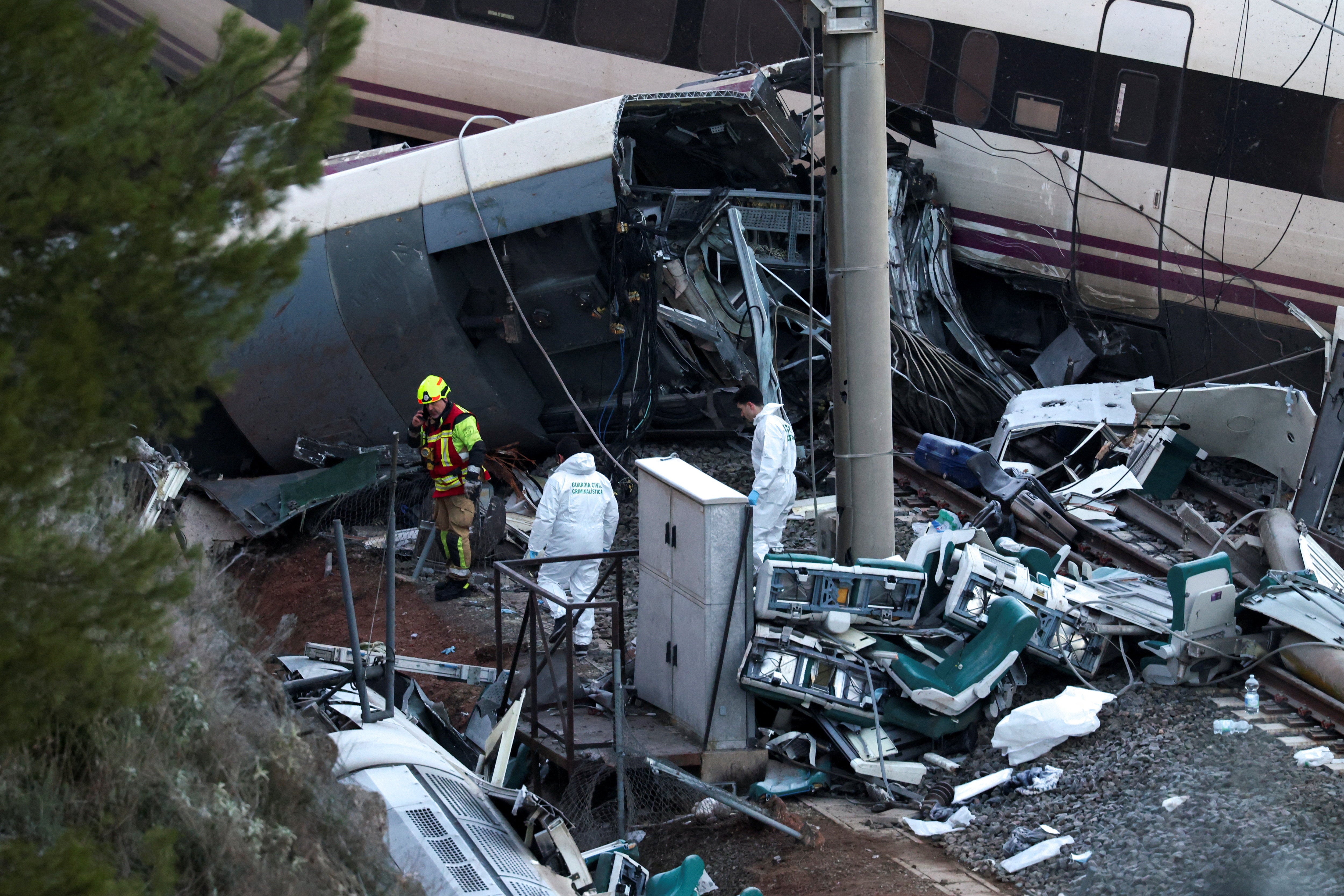
Más de uno
Así fue el rescate en las horas más críticas en Adamuz: "Tuvimos que retirar fallecidos para acceder a una persona viva"
00:04:55
Así fue el rescate en las horas más críticas en Adamuz: "Tuvimos que retirar fallecidos para acceder a una persona viva"
Loading summary
Transcript19 lines
- [00:00]
A
De los bomberos, el presidente de la Diputación, Paco Carmona, es el jefe del Consorcio de Bomberos de la Diputación de Córdoba y creo que también nos escucha ahora mismo. Carmona, buenos días.
- [00:14]
B
Buenos días, Carlos. ¿Qué tal? Hombre, me alegro de escucharle.
- [00:16]
A
Buenos días, lo mismo le digo. Pues estábamos hablando ahora con el presidente de la Diputación de lo complicado que es el sitio en el que han caído los dos vagones estos del Alvia, que es donde más víctimas mortales se han producido, lo complicado que ha sido llegar hasta esos vagones, el trabajo que se está haciendo ahora para asegurarse de que no quedan más víctimas mortales ahí dentro. Y luego hay que levantar esos vagones y sacarlos de ahí para que puedan ser examinados y para que pueda avanzar la investigación, supongo.
- [00:44]
B
Correcto, don Carlos. Es que ayer sacamos todos los que pudimos. Todos los que pudimos acceder hasta ellos, pero hay algunos que por el grave atrapamiento y deformación del vagón, pues hemos tenido que dejarla por la mañana para que venga una grúa y levante una grúa pesada, levante los vagones y a ver qué nos encontramos ahí debajo. También tenemos contabilizado cinco víctimas que quedan todavía en los vagones de Alvia y tres de Lirio, porque la máquina de Lirio también está volcada y ayer era muy complicado sacar a tres víctimas por la parte de arriba porque era una muy voluminosa, pesaba 130 kilos y no daba unas condiciones, una garantía de seguridad de que algún compañero resbalara o se cayera. Y bueno, preferimos dejarlo ahora por la mañana y que la grúa también lo estabilice y lo tenga derecho.
- [01:25]
A
Lo que la grúa será más fácil que llegue a Liria que al Alvia. ¿Por dónde ha quedado? Por dónde están los vagones del Alvia en ese terrapl. ¿Cómo llega la grúa hasta ahí abajo?
- [01:34]
B
Según nos han comentado. Según nos han comentado, la grúa va a entrar por donde está el Alvia, va a entrar por la vía por la que está el Alvia. Entonces posiblemente consigamos levantar primero los Alvia y una vez que esté aquello todo reconocido y veamos, ya hemos sacado los cuerpos que queden ahí, pues ya continuaría unos 800 metros hasta llegar hasta el Lirio y ya pondría derecha también la máquina de Lirio.
- [01:55]
A
Bueno, le vengo preguntando lo mismo a todos los técnicos de los cuerpos de emergencias con los que hablo esta mañana, y a usted también se pregunto a ti, Paco, no sé cuántos años de carrera llevarás de trabajo como bombero, ¿Cuántos años llevas dedicado a esto?
- [02:14]
B
28.
- [02:15]
A
28 años. Esto con lo que te encuentras ayer, cuando llegas por primera vez al lugar del siniestro, ¿Es lo más duro que te has encontrado en tu vida?
- [02:26]
B
Bueno, pues esto en la cara cocina, junto con la Dana, que también estuve, por desgracia, son las dos cosas más significativas. A lo largo de estos años hemos visto muchas cosas, muertos de todo tipo, pero es verdad que 30, 40, 50 víctimas así de golpe y poroso, encontrártelas pues te impacta un poco. Además el rescate fue muy exigente. El rescate fue duro, las condiciones duras. Los vagones están retorcidos, unos masijos de hierro, entonces costaba mucho llegar hasta las víctimas, había que ir entrando, avanzando, despejando, cortando, en fin, fue complicado. Fue bastante complicadillo.
- [03:05]
A
Ya, o sea, no es solo lo que sabes que tienes por delante, sino que es la dificultad técnica de poderte ir abriendo camino entre los amasijos.
- [03:19]
B
Sí, sí, sí, claro, tienes que ir abriendo camino. De hecho ayer hubo incluso algunos momentos en los que tuvimos que retirar a algún fallecido para poder acceder a algún vivo que estaba debajo. Una persona viva, Her. Y bueno, eso. Rescate complicado, ¿No? Rescate complicado. Las personas fallecidas, pues bueno, por desgracia no se quejan, entonces, no quiero decir más fácil, pero bueno, tiene otras condiciones que no tienen las personas vivas.
- [03:50]
A
La prioridad es salvar a los que están con vida, lógicamente, pero a la vez siempre procuráis el mayor de los respetos para el cuerpo de la persona fallecida.
- [04:02]
B
Correcto. Intentar siempre no producirle ninguna otra lesión añadida de la que ya pueda tener, porque los familiares tienen que ver a sus familiares enteros, por decirlo de alguna.
- [04:12]
A
Manera, para que la identificación se pueda producir ahora y entregar los restos mortales a las familias en cuanto se pueda. Paco, no te entretuvo.
- [04:20]
B
Ayer sacamos muchos cuerpos y los forenses ya estaban haciendo las primeras labores, pero luego falta, pues lógicamente ya en la morbi donde lo lleven, pues realizar ya identificaciones por propio oculares, imagino, por los familiares, por ADN si es necesario, imagino.
- [04:34]
A
Eso es, eso es. Y que se hagan, que se hagan bien las identificaciones que eso también para las familias es muy importante, que los restos que reciban sean los de su familiar fallecido. Gracias Paco, no te entretengo más, digo, y a seguir trabajando. Cuídate. Fuerte abrazo.
- [04:50]
B
Muy bien, muchas gracias Carlos.
- [04:52]
A
Un fuerte abrazo también para ti.