← Más de uno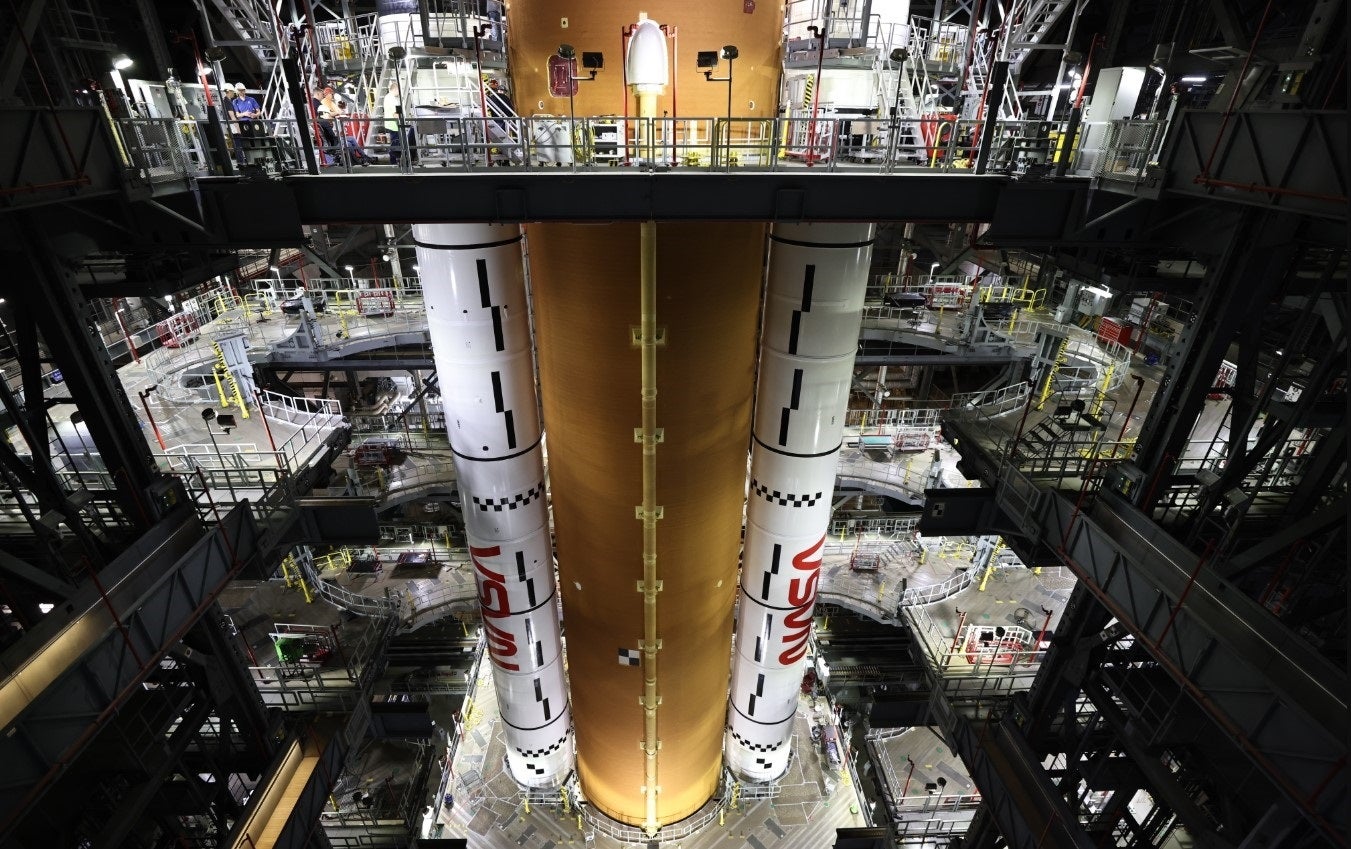
Más de uno
Calentando motores para volver a la Luna: La participación europea en la misión Artemisa II
00:17:37
En Más de uno, Carlos Alsina y Alberto Aparici recuerdan el legado del Apolo 11 para abordar el regreso de las misiones tripuladas a la Luna con Artemisa II, prevista para 2026. Aparici explica en qué consistirá este viaje alrededor del satélite y ...
Loading summary
Transcript105 lines
- [00:10]
A
Hola, Juan Raz. Buenos días.
- [00:11]
B
Hola, Begoña.
- [00:12]
A
Muy bien. Estoy muy feliz, ¿Sabes? ¿Aparici? Es que no le veo.
- [00:16]
B
Aparici. Pues ¿Estará Aparici su casa?
- [00:19]
A
Aparici, ¿Dónde estás? Aparici.
- [00:22]
C
Hola, muy buenas. Muy buenos días. Hola, Muy buenos días.
- [00:25]
A
¿Qué ha pasado?
- [00:26]
C
Os hablo desde mi casa, convaleciente de un proceso gripal, digamos.
- [00:32]
A
Quédate ahí, Ahí quietecito. Estás muy guapo. Muy bien.
- [00:36]
C
Tengo una voz así un poco regulinche. Ayer tendría que haber hecho muchas cosas y no hice nada. Me quedé en mi casa y creo que por eso estoy mejor con una voz no tan mala.
- [00:43]
A
Vale, muy bien.
- [00:44]
C
Pero además de eso, hoy es muy pertinente que me haya quedado aquí, porque, ojo, que mi biblioteca está haciendo ruido otra vez, que hacía semanas ya que no hacía ruidos.
- [00:52]
B
Anda, ¿Y qué tipo de ruidos?
- [00:55]
C
Pues escuchadlo vosotros mismos. A ver, esperad, que acerco el micro a la. A ver, esperad, que de verdad, cuánto pesa ver. Aquí está.
- [01:04]
B
Alberto. Alberto, eso suena. Tienes que comprarte una radio nueva.
- [01:10]
C
Pero esta no es mi radio. Si mi radio está en mi habitación. Yo ni siquiera sabía que mi biblioteca tuviera aparato de radio. La verdad es que le pega que sea así, un poco viejuna, con tanto libro antiguo, primera edición y tal. Bueno, sea como sea, anticipo para hoy un asunto con resonancia viajuna y nostálgica.
- [01:27]
A
Pero un asunto relacionado con la radio. ¿Radiofónico o no?
- [01:31]
C
Pues claro que. Bueno, no sé, supongo.
- [01:33]
B
Oye, a lo mejor todo esto es por el Día Mundial de la radio, el del 13. Sí, es la semana que viene. ¿Que estamos preparando? Yo que no voy a dar pistas, no voy a hacer spoiler, pero estamos preparando una cosa. Buen pitote para ese día viernes de la semana que viene.
- [01:50]
C
Pues no se hable más. Vamos a resolver ya este enigma hollando, este umbral querido, tan querido y siempre por engrasar que tenemos.
- [01:58]
A
Abre, abre.
- [02:10]
C
Vale, vamos a ver. Ahora todo consiste en lo de siempre. Vamos a mirar los libros que hay por aquí para saber qué es lo que la biblioteca nos quiere transmitir. A ver, aquí veo un libro que no tiene nada que ver con la radio y que es lo que hay que tener de Tom Wolf. Es un libro que va de astronautas y que recomiendo mucho. Súper bien escrito.
- [02:27]
B
Sí, es verdad. Mira, aquí está. Un hombre en la Luna. Los viajes de astronautas del programa Apolo de Andrew Chaikin.
- [02:37]
C
No le conozco Este es como el libro definitivo sobre el programa Apolo. Tiene prácticamente todo aquí ha llegado todo encerrado.
- [02:44]
A
Y aquí. Espérate, Alberto, que me traen recuerdos. Y sí que He leído Apolo 11, hombre. De Eduardo García Llama, que trabaja en la NASA además. ¿Eduardo?
- [02:54]
C
Ah, claro.
- [02:55]
B
Eduardo García Llama nos ha dado astronauta por liebre.
- [02:58]
C
Alberto, pero entonces ¿A qué viene todo este sonido de radio que estamos siguiendo todo el rato? No entiendo. Astronautas y radio.
- [03:06]
A
¿Y además, este dichoso sonido de radio no viene de ese atril de ahí? El que está.
- [03:12]
C
Correcto.
- [03:12]
A
Aquí está.
- [03:13]
C
A ver. Y. Ostras, ¿Verdad? Vuestra intuición era buena, porque esto es un transistor de los antiguos. Antiguos, antiguos.
- [03:19]
B
Yo como soy muy mayor, ya me lo sé. Mira, es que está puesto en ancho de banda preanalógico.
- [03:26]
C
¿Eso existe?
- [03:27]
B
¿Lo pongo en FM?
- [03:28]
A
Sí, por favor.
- [03:29]
B
¿Igual si lo pongo FM pasa algo?
- [03:32]
A
Dale, dale al botón.
- [03:53]
C
Les estamos contando lo que está sucediendo hace 50 años.
- [03:56]
A
Qué bien nos quedó este programa.
- [04:01]
C
Nos acaba de informar de que Neil.
- [04:02]
B
Armstrong, el comandante de la Polo Apolo.
- [04:04]
D
11, se encuentra ya.
- [04:05]
C
Bueno, esto para los oyentes que no lo reconozcan, este es el especial que hicimos en el año 2019, cuando se cumplieron 50 años del Apolo 11, y que quedó fabuloso.
- [04:14]
B
Qué biblioteca tan melancólica tienes, Alberto. Bueno, fonoteca en este caso. Fonoteca melancólica.
- [04:19]
A
Entonces, vamos a ver. Hoy hablamos entonces otra vez de Apolo 11.
- [04:23]
C
Bueno, yo creo que no. Me parece que ya he entendido el mensaje en este punto. Me parece que la biblioteca lo que quiere es que hablemos en realidad de actualidad. Porque la hoy fonoteca, bueno, medio biblioteca, medio fonoteca, nos recuerda que en estas próximas semanas vamos a volver a mandar gente a la Luna, que no es poca cosa. ¿Te acuerdas que hablamos de ello en Año Nuevo?
- [04:43]
A
Sí, me acuerdo de esto. Algo me dijo. ¿Me dijiste esto el Año Nuevo? Sí, así es.
- [04:48]
C
Sí, sí, me conté. Y a los oyentes que estuvieran el 1 de enero escuchándonos. La misión Artemisa 2 va a ser la primera que suba más allá de 500 kilómetros desde el año 1972. Más de 50 años, sin ir un poquito más allá de la piel de la Tierra.
- [05:04]
B
¿Y esto cuándo? ¿Cuándo está previsto que salga la misión?
- [05:08]
C
Bueno, no tiene día. Se supone que tiene que ser en los primeros meses de 2026. Inicialmente podría haber sido tan pronto como mañana o pasado mañana. Pero este martes ya anunciaron que tienen unas cositas en el cohete que han de ajustar y que será como pronto, en marzo.
- [05:22]
A
Iba a ser como las misiones Apolo yendo a la luna y demás. ¿Cómo serán?
- [05:27]
C
Bueno, van a ir a la Luna, pero no van a ir a la Luna a lo mejor como nos estamos imaginando, porque todavía no van a bajar a la Luna. El objetivo de esta misión en particular, que es Artemisa 2, es demostrar que podemos llegar a la Luna, que la tecnología nos permite hacer este viaje de ida y vuelta sin problemas. Y los astronautas, que van a ser tres hombres y una mujer, volarán hasta la Luna, le darán una vuelta, una vuelta gravitatoria, digamos, ¿No? No bajarán y volverán por donde han venido, literalmente. Y todo este proceso durará 10 días. Y claro, la misión lo que pretende es comprobar que las naves de Artemisa pueden mantener a estas cuatro personas en el espacio durante todo este trayecto de varios días. Y ojo, esto de las naves es importante porque ahora ya no usamos las naves del programa Apolo, las que funcionaron hace 50 años. El cohete es nuevo, la nave es nueva. Y de hecho, la mitad de la nave que van a usar es estadounidense y la otra mitad es europea.
- [06:18]
B
Ah, mitad y mitad, como las pizzas que se piden los jóvenes. Mitad de champi, mitad de carbonara.
- [06:25]
C
Bueno, creo que no exactamente, porque esas suelen pegar mal y estas pegan bien. La nave de ahora, la que va a subir en estos años 20, se llama Orión, así que ya hay que ir aprendiendose el nombrecito. Y tiene dos módulos. Tiene un habitáculo, que es donde viven los astronautas. ¿El módulo para los humanos, digamos, ese.
- [06:44]
B
Quién lo ha hecho?
- [06:45]
C
Y este es de fabricación estadounidense. Este lo ha hecho la NASA a través de subcontratas y todo esto.
- [06:50]
B
La casa es.
- [06:51]
C
Pero si se puede vivir en ese habitáculo es porque está la otra mitad de la nave, que se llama el módulo de servicio. Y este segundo módulo lo que hace es dar aire, dar electricidad y hasta da calefacción. Y el módulo de servicio es el que ha hecho la ESA, Agencia Espacial Europea, y es nuestra colaboración con esta vuelta del ser humano a la Luna en el siglo XXI.
- [07:11]
A
Pues es un notición.
- [07:12]
C
Es verdad.
- [07:13]
A
De hecho, quedaría genial, por ejemplo, si nos contabas también que hay científicos españoles involucrados en este proyecto y que incluso tienes a uno ahí junto a ti, por ejemplo, en tu sofá, tomándose un.
- [07:26]
B
Café bueno en su sofá, no, porque Alberto le pegaría la gripe.
- [07:31]
A
Tú en la cocina, el señor en el sofá.
- [07:33]
B
Mira, yo me conformo con que estuviera por teléfono.
- [07:35]
A
También podría ser.
- [07:36]
C
Pues efectivamente, confirmo que no hay nadie en mi sofá. Por fortuna para su salud. Pero marchando. Lo tenemos. Lo tenemos porque tenemos comunicación telefónica con Guillermo González Gómez. Él es ingeniero aeronáutico, trabaja en la Agencia Espacial Europea y es jefe de producción de este módulo de servicio de la nave Orion, nada menos.
- [07:54]
A
Muy Buenos días, Guillermo González Gómez.
- [07:57]
D
Hola, buenos días. ¿Me oís?
- [07:58]
A
Sí, perfectamente. Alto y claro. Qué maravilla, Guillermo. Claro que tú eres ingeniero aeronáutico en la Agencia Espacial Europea y jefe de producción del módulo de servicio de la nave Orión. ¿Qué es eso del jefe de producción?
- [08:13]
D
Pues mira, te comento. Los módulos de servicios europeos, como bien habéis comentado, son la mitad de la nave espacial Orion. Cada nave Orion va a necesitar uno. Entonces, tenemos una cadena de producción en la cual es necesario que para que se puedan entregar a tiempo todos los componentes, tengan que llegar a tiempo, tengan que llegar en buen estado. Todas las partes, todos los subsistemas de esta nave espacial, los que producimos nosotros, se producen en países por toda Europa. Muchos países distintos, muchas empresas distintas. Algunos de esos componentes ya habían sido utilizados antes. Sabemos cómo se comportan. Otros componentes son de diseño completamente nuevo. Entonces, la tarea del jefe de producción, junto con el resto del equipo, es un poco asegurarnos con todo el consorcio industrial que todo va progresando bien, que vamos entregando bien, que se construye bien, para después poder mandar este módulo de servicio a los Estados Unidos y que hagan la nave espacial con él.
- [09:12]
A
¿Se lo mandáis por piezas o cómo es todo ya hechito? Cuando llega allí.
- [09:20]
B
¿Llega como la Estatua de la Libertad o llega ya montadito?
- [09:24]
D
A nuestros compañeros de la NASA se lo ponemos muy fácil. Todas las piezas de todas las partes de Europa, incluida España, donde se hace un ordenador muy importante para esta nave, todas ellas van a Bremen, que es donde está el contratista principal europeo, que es Airbus, Defensa y Espacio, allí en Alemania. Allí es donde se construyen todos los módulos de servicios europeos. Se integra todo, se hacen las primeras pruebas y después todo eso se mete en un contenedor y viaja a Cabo Cañaveral. A veces puede ir por avión, también puede ir por barco. Y entonces, una vez llega allí, llega prácticamente terminado. Faltan algunas piezas, por ejemplo, los paneles solares van aparte, se integran aparte en el último momento. De tal manera que en ese caso, nuestros compañeros de la NASA lo único que tienen que hacer es coger, comprobar que todo ha ido bien durante el transporte y ya empezar a ensamblar nuestra parte con la parte que reciben ellos de su industria, que es la cápsula, como tú bien decías, es donde viajan los astronautas, y ya construir la nave espacial completa y hacer todas las pruebas en esa nave espacial que sólo se pueden hacer con la nave completa, que no se podían hacer por partes.
- [10:36]
C
Oye, Guillermo, tengo una duda. Yo he estado leyendo sobre este módulo de servicio y proporciona muchas cosas a los astronautas, pero entre otras algo tan vital y tan normal como el aire. Y yo tenía la duda de cómo se hace esto, si se ponen tanques de aire a alta presión, si van a respirar un aire con proporciones similares a la Tierra. Porque recuerdo que los Apolo respiraban un aire con más oxígeno del que tenemos en la atmósfera terrestre.
- [11:03]
D
Sí, sí, estás muy bien informado. Lo que nosotros llamamos consumibles, que son el aire que ellos respiran, pero también el agua que van a usar, lo transportamos nosotros y se lo administramos nosotros. En este caso llevamos tanques de gas separados. Llevamos tres tanques de oxígeno por un lado, sin mezclar, y un tanque de nitrógeno. Entonces esos son los o sea que no va aire como tal. Van estos dos componentes a mucha presión y entonces después ya se va creando la atmósfera dentro de la cápsula, que es una atmósfera, no es una atmósfera de oxígeno puro, eso es muy peligroso, pero tampoco es una atmósfera como la que tenemos en la Tierra. Es una atmósfera como tú bien, como tú bien has dicho y como está visto, llevamos tres tanques de oxígeno y sólo uno de nitrógeno. Es más rica en oxígeno. El aire no va como tal, pero se lo fabricamos y se lo damos.
- [11:53]
B
¿Y la temperatura? ¿Hace mucho frío ahí arriba?
- [11:57]
D
Pues mira, en el espacio puede hacer mucho frío o mucho calor, depende de. En principio, por supuesto, el espacio interestelar está a una temperatura muy baja. Lo que pasa es que no tienes allí la protección de la atmósfera, de tal manera que si te está dando directamente el Sol, se pueden alcanzar temperaturas muy altas. Entonces, otro de los sistemas que tenemos dentro de la nave es el de regularización de la temperatura, que lo llevamos desde Europa, desde la parte europea, con la cual las partes de la nave espacial que están muy calientes se enfrían y las partes que están muy frías se calientan.
- [12:32]
A
¿Y esto no ocurría antes? Los astronautas entonces sufrían mucho frío, mucho calor.
- [12:38]
D
No, esto siempre se ha tenido que hacer. Lo que pasa es que nosotros usamos ahora, pues eso, tecnología del siglo XXI. Y antes la gente del programa Apolo usaba tecnología de los años 60. Pero esto siempre, siempre ha habido que hacerlo.
- [12:52]
C
Guillermo, otra pregunta. Has mencionado que un ordenador de a bordo que está en el módulo es de fabricación española. ¿Hay más de un ordenador? Es el único ordenador. Es un poco como el cerebro. ¿Qué función cumple este ordenador, no digamos?
- [13:05]
D
Hay varios ordenadores. Tú tienes, por ejemplo, todo el sistema de propulsión de la nave espacial, Todo ese es europeo también. Está también en nuestro módulo de servicio. Entonces, el sistema de propulsión tiene su propio ordenador específico para él. El sistema, por ejemplo, de generación de potencia, de generación de electricidad de los paneles solares, que son nuestros europeos, también tiene su propio ordenador. Entonces, el sistema de regulación de temperatura, que es uno de los subsistemas más importantes de la nave, específicamente ese ordenador, ese ordenador es español, diseñado en España, construido en España.
- [13:39]
A
Y va a ser siempre así. Es decir, el programa Artemisa, en principio, sé que se va a extender a lo largo de los años 30. Vosotros vais a construir los módulos de servicio para todo el programa. ¿Estáis ya fabricando los módulos para misiones futuras o esto es como una prueba de fuego?
- [13:56]
D
No, no. Sí, sí. La nave espacial Orion, que es la nave espacial que no va a aterrizar en la Luna, no está diseñada para eso, pero es la nave espacial que sí que puede llevar tripulantes a la Luna. Los módulos de servicio de todas las naves Orion siempre van a estar construidos en Europa. Entonces, nosotros de momento ya hemos entregado para la primera misión Artemis I ya voló con nuestro primer módulo de servicio. El segundo es el que va a volar ahora. Pero fíjate tú, el tercero y el cuarto ya están construidos y ya están entregados a los Estados Unidos. Vamos varios años por delante y esos ya están en Estados Unidos. Si tú fueras a Cabo Cañaveral, los verías. El 3 y el 4 y el 5 y el 6 están en estos momentos siendo construidos en Europa.
- [14:40]
A
Pero habéis hecho un vuelo previo a este que se va a producir ahora.
- [14:44]
D
Exactamente, por eso se llama Artemis II. Artemis I se voló a finales del año 22. Fue un vuelo de la misma nave espacial, pero era un vuelo no tripulado, en donde era el primer vuelo, no había que correr riesgos, pero en ese vuelo se se probaron un montón de subsistemas que era necesario probar antes de meter una tripulación. Y de hecho la parte nuestra, la parte europea, sobre todo en el tema de propulsión, se forzó al máximo, se hicieron maniobras que seguramente nunca se harían con una tripulación, pero que era necesario para forzarlo al máximo, ver los límites de la nave espacial y se portó muy bien, fue un gran éxito. Y ahora por ese motivo podemos llevar ahora en la misión Artemis II una.
- [15:29]
A
Tripulación, adelantar varias siguientes. Claro, porque vais ya con las cosas muy controladas. Dos minutos tenemos de vida.
- [15:39]
C
Alberto, tengo una preguntita más. Yo sé que Guillermo ahora mismo es el jefe de producción de este módulo, pero él ha estado implicado en todo el programa tripulado de la Agencia Espacial Europea. Entonces vamos a aprovechar para preguntarle qué cosas tiene en cartera la Agencia Espacial Europea en cuanto a esto, en cuanto a misiones tripuladas, que robóticas ya sabemos que hay muchas.
- [15:59]
D
Pues mira, te te comento. Misiones tripuladas, la otra gran, gran nave espacial que sigue en uso es la Estación Espacial Internacional, que ya está viejecita, ya tiene casi cerca de veinticinco, treinta años, pero que sigue allí y que sigue siendo muy útil. Entonces nosotros a corto y medio plazo lo que vamos a hacer es seguir mandando astronautas europeos. De hecho, una astronauta francesa debería salir ya dentro de muy pocos días a la Estación Espacial Internacional durante seis meses y después van a salir otros. Y a corto y medio plazo eso es lo que tenemos, los vuelos a la Estación Espacial Internacional y en su momento los vuelos de astronautas europeos dentro del programa Artemis también.
- [16:42]
A
Muchísimas gracias. Ha sido súper claro. Te tienes invitado siempre, Alberto. Simpáticos, accesibles y sobre todo que hablan súper bien y lo explican todo de manera.
- [16:51]
B
Entendemos cosas complejísimas.
- [16:53]
A
Sí, sí, sí, es cierto.
- [16:54]
C
A ver, que es que muchos científicos son así, que es que esta imagen de que los científicos no se nos.
- [16:58]
B
Entiende aquí se demuestra así.
- [17:00]
A
Es que los traes porque existen y si existen, como Guillermo González Gómez. Muchísimas gracias, Guillermo y enhorabuena.
- [17:08]
D
Venga, un abrazo a todos desde la Agencia Espacial Europea. Hasta luego. Un abrazo.
- [17:11]
A
Qué chulo es eso.
- [17:14]
B
Desde la Agencia Espacial Europea. Pues nada, un abrazo a todos desde San Sebastián de Reyes, Estudios centrales.
- [17:19]
A
Así estamos en un estudio. Aquí estoy. Estupendo. Adiós Alberto y Tú adiós desde tu.
- [17:24]
B
Casa, cuídate mucho Alberto.
- [17:25]
A
Sí, un beso grande Alberto.
- [17:26]
C
Sí, sí, voy a seguir en casa un ratito.
- [17:27]
A
Hasta la semana que viene.
- [17:28]
C
Chao.
- [17:29]
A
La tortuga, vamos al balitín de las 12, las 11 en Canarias, más de uno en Onda Cero.