← Más de uno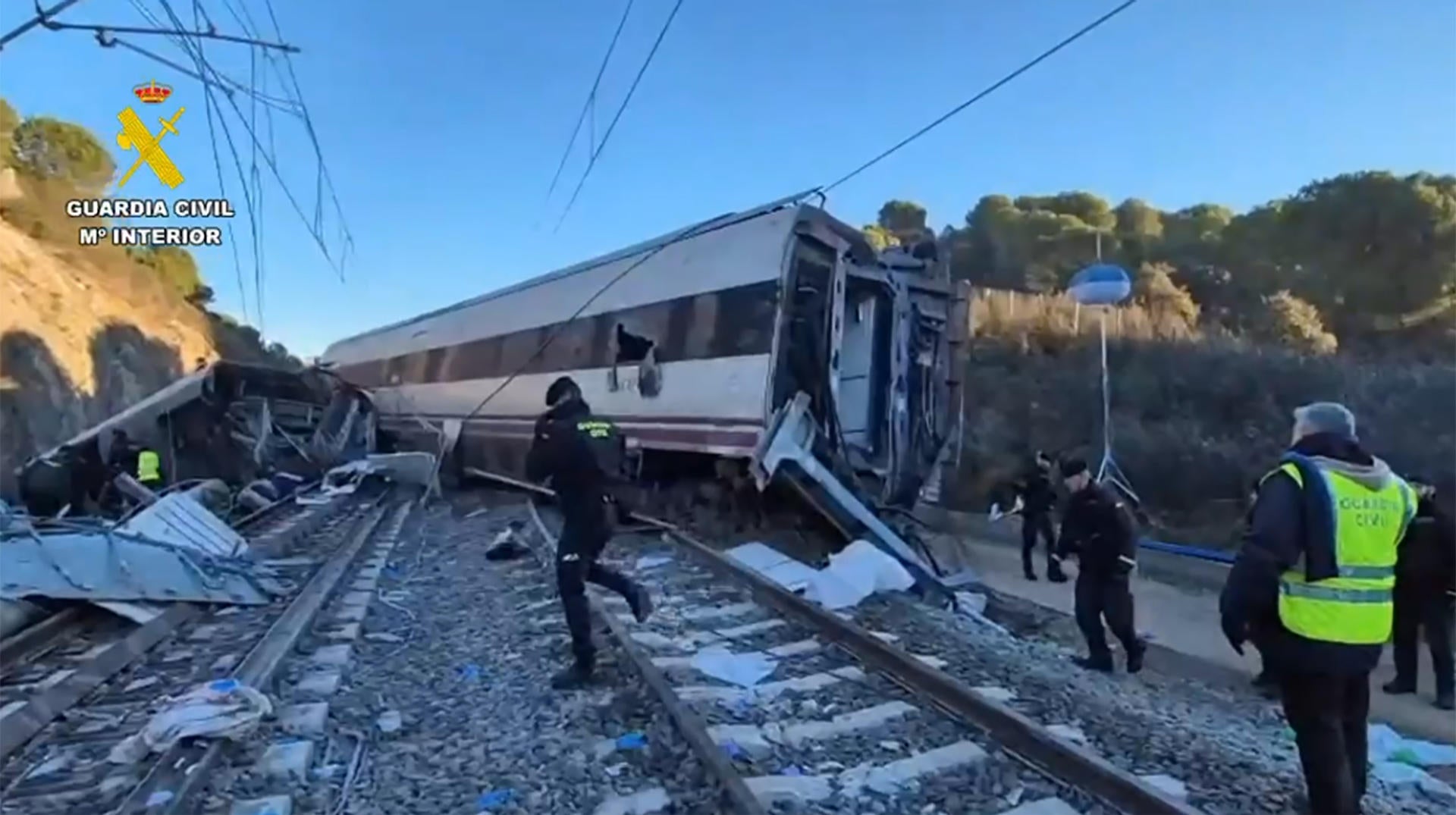
Más de uno
Cómo se investiga un accidente como el de Adamuz: "Una de las tres cosas que damos por seguras ha tenido que fallar"
00:09:09
Cómo se investiga un accidente como el de Adamuz: "Una de las tres cosas que damos por seguras ha tenido que fallar"
Loading summary
Transcript13 lines
- [00:01]
A
Bueno, ahora creo que ya podemos saludar a José Trigueros, que antes teníamos alguna dificultad. José, buenos días.
- [00:07]
B
Hola, buenos días, ¿Qué tal? ¿Cómo estamos?
- [00:09]
A
Buenos días. Pues aquí preguntándoos un poco lo que supongo que también os estáis preguntando los ingenieros que conocéis mejor que nosotros los trazados ferroviarios, que es cómo ha podido suceder algo como esto y cómo se investiga algo como esto. Sí, dime, José.
- [00:26]
B
Don Carlos, efectivamente no estoy muy de acuerdo con las cosas que dice los ministros, pero en esta ocasión es sorprendente lo que ha dicho el ministro, coincide sorprendente este accidente en una línea recta, una vía sustituida y digamos puesta en funcionamiento de nuevo en mayo del año pasado con el sistema de seguridad funcionando, el EZB, que incluso fallo humano no se puede dar porque el sistema de seguridad para el tren, con el tren, según las últimas informaciones, revisado hace prácticamente unos días, revisado el tren, parece una cosa casi imposible de que pase, pero ha pasado. Entonces, digamos, aquí hay tres elementos que son donde tiene que estar el fallo. Uno, la infraestructura, podía ser que uno del carril en un momento determinado tuviera un punto de fatiga en un punto determinado y que se hubiera deteriorado con el tiempo, cosa que no sucede nunca, pero podía. Todo lo que va a decir es que no sucede prácticamente nunca. La velocidad ya hemos dicho que no puede ser el tren también es lo que a mí la primera impresión era que los bugiles del tren son como digamos, las ruedas de los coches de atrás del tren, que alguna se hubiera deteriorado, se hubiera roto un eje y se hubiera hecho descarrilar al coche número 6 y digamos, eso es en cuanto a la parte del tenerillo. Pero es que luego después tenemos el otro, el Alvia, que era una línea recta, claro, tuvo que ser en el momento prácticamente la mala suerte de que pasara en muy poca distancia, porque incluso si no el maquinista lo hubiera podido ver a una distancia que había una invasión de la vía y a 200 kilómetros por hora, que iría menos, porque los Alvia suelen ir a 200 kilómetros por hora, pues pararían 2 kilómetros, o sea que ha sido una desastre total o incluso también el terraplén para que los coches queden colgados allí. En fin, las cajas negras, las cajas negras de los trenes puede que den alguna luz sobre este accidente, pero a priori todo debería estar en perfecto estado de revisión y lógicamente alguna de estas tres cosas tiene que haber fallado, o bien la técnica, o bien el tema de la infraestructura, o bien el sistema operativo de seguridad.
- [03:05]
A
La revisión. La revisión, como dice usted, Trigueros, el Lirio, esta máquina, la revisión la pasó hace cuatro días, la pasó la semana pasada.
- [03:13]
B
Por eso que es sorprendente que esto. Bueno, algún fallo en la propia revisión y la vía está puesta en mayo. Nosotros nos quejamos mucho desde la Asociación de Ingenieros de Caminos del mantenimiento de nuestras líneas de alta velocidad, y es verdad que necesitan una fuerte inversión en mantenimiento, pero en este caso precisamente sí que se había hecho esta inversión. Con lo cual, bueno, yo estoy también sé que están la gente en la BIF y Agencia Sube Ferroviaria trabajando, han estado toda la noche sin dormir, intentando averiguar qué es lo que ha podido pasar desde el punto de vista técnico y operativo. Porque claro, no solamente que ahora retiremos los trenes, sino que habrá que revisar incluso todo el sistema de seguridad de toda la línea para que este hecho no se repita. No se repita porque la desgracia sería que descubrir, no desgracia, sino la desgracia ya existido, el descubrir que hubiera sido un fallo mecánico, pues sería dentro de lo malo, lo mejor para saber que efectivamente el resto del sistema de seguridad de nuestra línea de alta velocidad funciona correctamente. Pero bueno, insisto, es muy prematuro el poder decir, afirmar ninguna de estas cosas que estoy diciendo.
- [04:30]
A
En principio, lo que lo único que se sabe es que el punto de partida o el detonante, el desencadenante del accidente es el descarrilamiento de los últimos vagones del tren Irio que iba camino de Madrid. Que se da la fatal circunstancia, iba a decir la fatal casualidad, no es que sea una casualidad que dos trenes se crucen yendo cada uno en un sentido en una misma vía, porque eso pasa constantemente, pero se da la fatal circunstancia de que el descarrilamiento se produzca justo cuando está el Albiac pasando a su lado y entonces lo embistes como un efecto látigo, digamos, del final del Lirio, que golpea la cabeza del Alvia y lo saca del tren y saca al menos dos vagones o tres, los saca y los vagones han quedado completamente destruidos. Pero que el origen es el descarrilamiento de los últimos vagones. Claro, si es un convoy que ha pasado la revisión la semana pasada. Se supone que las ruedas no se.
- [05:32]
B
Llaman técnicamente las ruedas, pero la infraestructura también de debería estar en perfecto estado dado que son hace unos meses que el desvío también se hizo de nuevo y los desvíos funcionan automáticamente, o sea que es que ya le digo que ahora mismo es muy sorprendente ya una de estas tres y los sistemas de seguridad también funcionan en todos los tres, en toda la línea. Luego una de estas tres cosas que estamos dando como segura pues tiene que fallar. Una de ellas ha tenido que fallar y además que la cabeza ya había pasado, la cabeza de delirio ya ha pasado, con lo cual si es un fallo infraestructura es que otra casualidad más terrible que justo en ese. Claro, claro, claro. Por eso le digo que hay que esperar un poquito a ver qué nos.
- [06:15]
A
Decide, a ver qué saber igual José, en redes sociales se dicen muchas cosas y casi todas son bastante desechables. Se está diciendo mucho, Claro, las infraestructuras del tren de alta velocidad, las vías se hicieron cuando había muchos menos trenes circulando que ahora. Ahora además hay competencia, operadores privados, etc. Entonces hay muchos más trenes circulando y a una velocidad superior a aquella con la que empezó la alta velocidad en nuestro país. ¿Eso significa que las vías puedan estar insuficientemente capacitadas como para dar abasto con toda la circulación que hay o no tiene que ver?
- [06:52]
B
No es más. Esa línea, la línea de Madrid Andalucía, la nueva, la nueva línea que se está poniendo incluso va a poder ir cercana a los 350 kilómetros por hora. Nuestras infraestructuras están perfectamente diseñadas para ir a esa velocidad, o sea que en realidad se dice muchas horas. Efectivamente. El mantenimiento de nuestra línea red de alta velocidad es manifiestamente mejorable, incluso los retrasos de este verano que hemos visto, la falta de mantenimiento es importante, pero es que precisamente la línea Madrid Andalucía es la que se está renovando, la que se ha renovado en su totalidad sin parar el tráfico, con lo cual es que es un tramo, ya digo, de los renovados. Entonces en redes sociales se puede decir muchas cosas. Nosotros desde la Asociación de Ingenieros de Caminos hemos abogado por la falta de mal durante los retrasos del verano pasado. Ojalá se tomaran las medidas que están tomadas en la línea Madrid Andalucía en todas las líneas de alta velocidad y no digamos que se debe a que circulan más trenes, sino a que nuestra red es un poco obsoleta y necesita una revisión en profundidad cómo se ha hecho la de Madrid Andalucía con este resultado tan desastroso.
- [08:07]
A
Al ministro Puente le preguntaron esta madrugada los periodistas, le preguntó por las incidencias que se vienen sucediendo en las líneas de alta velocidad en nuestro país, los retrasos, los trenes que él dijo, y yo creo que en eso también está acertado él no vinculemos ambas cosas porque no tienen vínculo posible. Una cosa es que se produzcan retrasos o que se produzcan incidencias puntuales en algunos trenes que efectivamente son muy desagradables para los viajeros, pero que no tienen mayor enjundia, digámoslo así, y otra cosa es un accidente como este, en el que vagones de un tren de alta velocidad, 200 por hora, se salen de la vía. Esto no es una incidencia, esto es un accidente muy grave que habrá que ver cuál es la causa que se haya producido, pero que no tiene nada que ver con otros fallos que vienen sufriendo los trenes en nuestro país por no andar mezclando cosas, que también somos muy de mezclarlo todo. Trigueros, gracias por habernos atendido esta mañana.
- [09:02]
B
Nada, muchísimas gracias. Un saludo a todos sus oyentes. Adiós.
- [09:07]
A
Gracias. Gracias. Lo mismo.