← Más de uno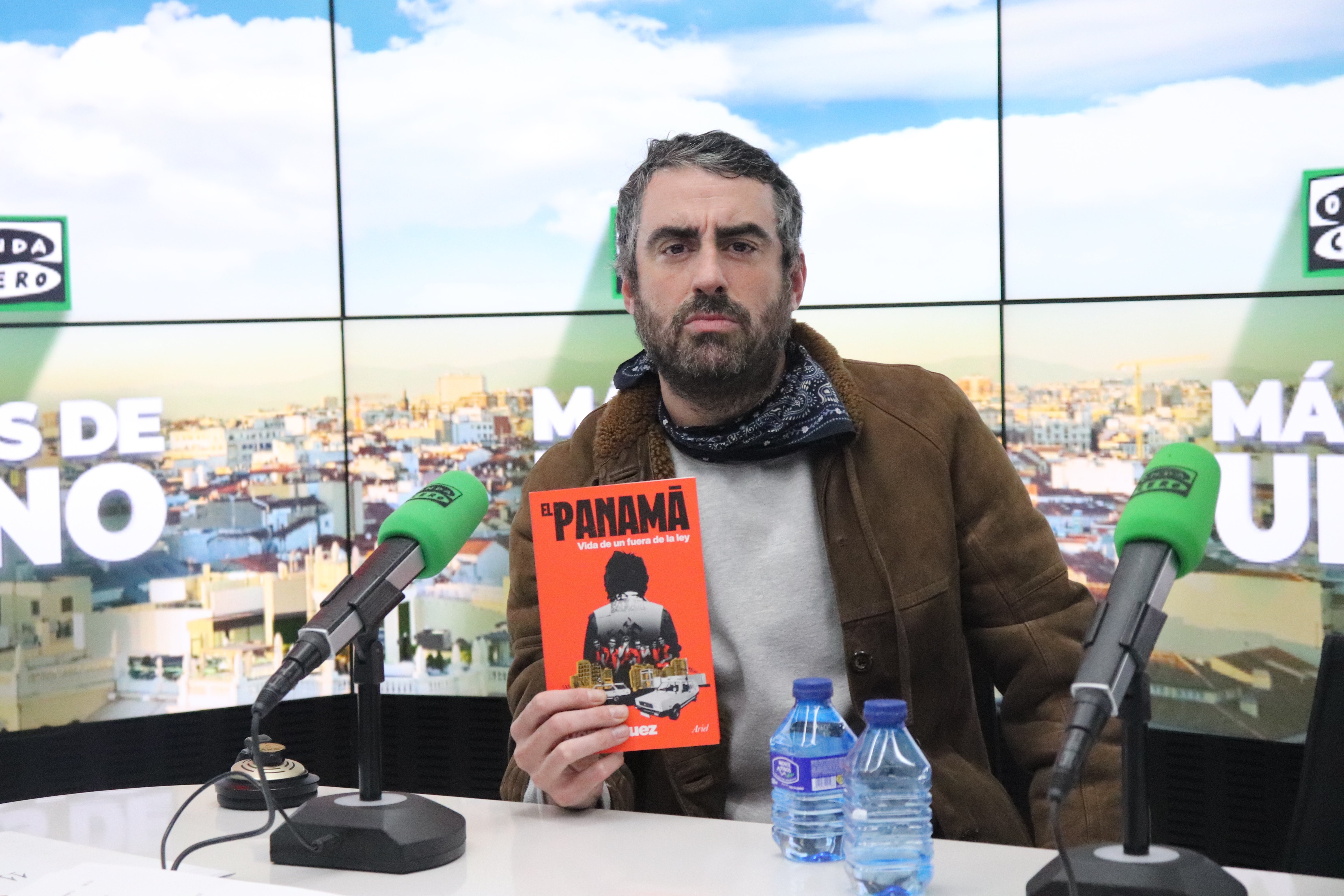
Más de uno
'El Panamá': el libro que narra la historia del delincuente que marcó una época del crimen en Madrid
00:23:16
Carlos Alsina ha conversado con Inaki Dominguez, el 'antropologo del macarrismo' que acaba de publicar una nueva novela despues de sostener varios encuentros en la carcel con Jose Manuel Cifuentes.
Loading summary
Transcript83 lines
- [00:00]
A
New Year, New priorities Real Value. Real Value means more than what you pay today. It's what your vehicle gives you. Every day after at McCurley Subaru New Subaru vehicles are built with purpose standard all wheel drive, advanced safety technology and legendary reliability designed for the long haul and if certified is the right fit certified preowned delivers trusted value too. This year. Choose smart value. Think McCurley Subaru.
- [00:32]
B
Más de uno en.
- [00:33]
A
Onda Cero donde Alsina.
- [00:44]
C
Lo que vamos a recordar ahora sucedió hace algo más de 12 años en Yunkos, que es un pueblo de la provincia de Toledo, cerca del límite ya con la Comunidad de Madrid. Es una localidad de 13.000 habitantes que aquel día, un sábado 5 de octubre, también durante las jornadas que le siguieron, fue protagonista de los informativos, de los programas de televisión y de las páginas de sucesos. Fue noticia por el atraco a un supermercado. Ocurrió todo a última hora de la tarde, cuando apenas faltaba media hora para que ese establecimiento cerrara. En ese momento y cuando aún había mucho trasiego de clientes que estaban apurando sus compras, tres hombres armados y con el rostro oculto entraron en el establecimiento con el objetivo de llevarse la recaudación de aquella jornada.
- [01:24]
B
Este es el momento en el que los tres delincuentes entra en el supermercado de Juncos, en Toledo. Llevaban gorra, guantes y una careta de látex que les deformaba la cara y como se puede ver, iban armados. Los hechos se produjeron cuando el establecimiento estaba a punto de cerrar sus puertas. De hecho se encontraban haciendo caja. Cuando entran estos tres hombres, les amenazan y les piden la recaudación. Es una cajera quien da la voz de alarma cuando los agentes de la Guardia Civil se presentan aquí. Comienza el tiroteo en el aparcamiento y Un agente de 37 años resulta herido y los tres presuntos atracadores huyen. En ese momento altos, o sea, venían bien programados y con una agresividad que eso ni las películas, vamos. Eso. Y estamos todos muy disgustados. Pero es que aquí está muy bien, porque sales de aquí, del Mercadona este, y coges la carretera de Toledo, te vas para. Y coges las Extremaduras sin pasar por semáforo ni ningún sitio.
- [02:14]
A
Tras más de 40 minutos de persecución, casi 50 kilómetros, una persecución de película, la policía le pierde la pista a los atracadores justo aquí, en la entrada a Vallecas. Enrique, vecino de Vallecas, es testigo de la persecución. Yo venía andando por aquí para el paso de cebra y resulta que o como un coche muy deprisa, chillando ruedas y de repente apareció un coche aquí, se saltó el semáforo, hubo unos señores que se apartaron y bueno, pues el coche siguió por la avenida Albufera para arriba. Al cabo del poquito estábamos aquí todos mirándonos y aparecieron unos coches de policía, me imagino que en persecución del coche, porque no es normal que vaya a esa velocidad.
- [02:52]
C
El agente de la Guardia Civil que resultó gravemente herido, Román David Gómez, quedó tetrapléjico como consecuencia de los impactos de bala en dos de sus vértebras. Dos meses después de este atraco, en diciembre de ese mismo año 2019, la Policía detuvo en Leganés a los tres hombres que, según la investigación, habían cometido ese robo y habían disparado no sólo contra el guardia Civil, también contra su compañera que estaba esperando en el coche patrulla y que afortunadamente no recibió ningún impacto de bala. Varios medios destacaron entonces que uno de los detenidos era un viejo conocido de la policía, una de las leyendas de los bajos fondos y de la delincuencia madrileña desde los años 80, de nombre José Manuel Cifuentes y alias El Panamá. Un atracador, dicen las crónicas de los de antes, un hombre capaz de atemorizar a los delincuentes más curtidos y con un historial que abarca desde el robo con violencia y el tráfico de drogas a la extorsión y las agresiones y sobre el que pesaba o pesan, un aura de leyenda. Después de su detención, decía por ejemplo, el de Arabc que era un ex líder de los Miami y que ya había sido detenido en el año 2004 por matar en Ibiza a un narcotraficante que también había pertenecido a esa mafia. El Panamá lleva más de 10 años en la cárcel después de que la Audiencia Provincial de Toledo le condenara a 32 años de prisión por aquel atraco y por el doble intento de homicidio de los dos guardias civiles. Y allí, en la prisión de Extremera, durante los permisos de los que ya disfruta, es donde El Panamá podrá leer un libro que cuenta no sólo su vida, sino que también narra un periodo de la historia de España en donde las cosas, incluidas las cosas de los delincuentes como este, pues eran muy distintas. El título del libro es El Panamá, vida de un fuera de la ley, y su autor es Iñaki Domínguez. Buenos días.
- [04:33]
A
Buenos días, Iñaki.
- [04:35]
C
También conocido como el antropólogo del macarrismo, que además este libro es consecuencia de otro libro tuyo, porque alguien leyó de manera muy entusiasta el libro anterior y digamos que te dio vía para conocer y para hablar con el Panamá.
- [04:49]
A
Sí, yo tengo muchos libros, la verdad. Tengo ya 12 publicados, este es el 12º publicado, pero macarras interseculares es un libro de Madrid, de macarras de Madrid, y tuvo bastante éxito. Y efectivamente, el Panamá lo leyó en la cárcel y quiso conocerme, le gustó mucho.
- [05:04]
C
Cómo describías el mundo del macarr.
- [05:06]
A
Exactamente, sí, sí. Mucha gente se daba por aludido, porque aparecían amigos suyos, aparecían lugares de Madrid que él había frecuentado.
- [05:14]
C
Y entonces, ¿Cómo se produce ese primer contacto? ¿Te invita?
- [05:17]
A
Sí, me invita a ir en la prisión, efectivamente. Y bueno, allí.
- [05:21]
C
Con la mampara.
- [05:22]
A
Con la mampara, como en las películas. La verdad es que sí.
- [05:24]
B
¿Cómo da contigo? Porque no tendría tu teléfono.
- [05:27]
A
No, no, A través de Instagram su hijo me añadió yo ya tenía mucho conocimiento, bastante conocimiento del mundo de la delincuencia, y había oído hablar del Panamá, pero había visto esas fotos, que además tiene esos ojos de tiburón blanco, como de muñeca, negros, que da mucho miedo, y la información que había sobre él daba mucho miedo, y parece que tenía cara de pocos amigos. Y curiosamente además me había pegado una juerga de dos días con una amiga los días anteriores, y fui a la cárcel con mi amiga y el hijo del Panamá. Y yo le preguntaba al ¿Pero tu padre es simpático? Porque claro, tenía esa imagen tan dura. Y curiosamente, como pasa muchas veces en este mundillo, él era sumamente sociable y sumamente hiperactivo, que lo he visto mucho, también los delincuentes, y me hizo sentir muy cómodo y era muy simpático, lo cual era ese lado humano. El otro lado que aparece también en películas como Casino, que el malo malísimo luego le hace el desayuno a su hijo todos los días. Entonces sí que tienen esas dos caras del personaje. Y a través de ese conocernos comencé a investigar con amigos suyos y demás personas que entrevisté, y también por cartas que nos enviábamos. Como la literatura carcelaria clásica. Y sí, efectivamente, era como las películas, la mampara con el telefonito y demás.
- [06:43]
C
Pero te inspiraba miedo una vez que le tienes ya delante, sabiendo quién es y todo lo que ha hecho. ¿Tú ibas con ese cosquilleo de A ver este tipo por dónde me sale?
- [06:56]
A
Yo ya había oído hablar de otro tío que llamaré el Ogro, que es lo que se llama en Estados Unidos la película, la serie de Wire, Omar Little, que es una figura que se dedica a atracar a los narcotraficantes. Este Ogro es otra leyenda de Madrid de atracar traficantes. Y a mí me daba pavor, como a todo el mundo, pero un día sentía que esa es la vocación. Es decir, sentía una atracción hacia ese mundo, a pesar de estar aterrorizado, pero esa es la vocación real. Porque sabía que ahí estaba la información que yo necesitaba.
- [07:24]
B
Esa es la adrenalina que tú tienes y que necesitas que mi madre. Adrenalina que necesita el Panamá.
- [07:29]
A
Efectivamente.
- [07:31]
C
Salvando las distancias.
- [07:33]
A
Estaba aterrorizado, naturalmente, pero sabía que tenía que ir en esa dirección. Y a mí mucha gente me decí ni se te ocurra ir en la dirección del Panamá. Eso, olvídate.
- [07:41]
C
Por el peligro.
- [07:42]
A
Por el peligro. Entonces, finalmente, aún así, no pude evitarlo y me dejé llevar por esa fascinación que era superior a mis miedos. Pero yo tenía mucho miedo, naturalmente. Luego, al conocerlo, en el caso del Panamá, sí te hace sentir muy cómodo. No como otros que sí que te hacen el poli bueno, poli malo. Ellos mismos. Si un día te aterrorizan, otro día te. Son simpáticos y están volviendo loco, ¿No? Porque a ellos, a los propios delincuentes, les hacían el poli bueno, poli malo. Y ellos lo usan también para aterrorizar a los demás. En cambio, Jose sí que te hacía sentir cómodo. En mi caso, qué le lleva a.
- [08:12]
C
Él a querer hablar. ¿Tú le propones hacer un libro?
- [08:16]
A
Sí, sí, de alguna manera. Ellos me llaman, pero como ocurre mucho en estos casos, le gusta creer que tú dices lo que él quiere. Él le gusta hacer ver que yo le propuse el libro. Pero yo creo que nos lo propusimos los dos, ¿Entiendes? Pero sí, sí, yo creo que queríamos los dos lo mismo, digamos. ¿Y a él le hacía ilusión o le interesaba? Le interesaba contar su historia más a su hijo, quizás. Más a su hijo, que estaba fuera y estaba interesado en ello.
- [08:43]
C
El hijo, perdóname, Iñaki. El hijo, ¿Qué opinión tiene de su padre?
- [08:49]
A
Ellos tienen una. Es que es un poco extraño, pero el Panamá es una persona muy.
- [08:53]
C
¿El hijo de un delincuente como el Panamá puede sentir orgullo por su padre aún sabiendo lo que su padre es?
- [09:00]
A
En ciertos ámbitos sí, claro. En ciertos sentidos sí, otros no tanto. ¿Tú piensas que, por ejemplo, algo positivo es que extorsionaba a todos los extorsionadores, por ejemplo, como suele decirse en la sabiduría española, en quien lo va a un ladrón tiene mil años de perdón? Este tipo de cosas. Sí que hay elementos positivos ahí, pero claro que hay otros elementos negativos. Pero yo creo que sí. En San Blas su padre es toda una eminencia, pero el hijo ha seguido.
- [09:25]
B
Los pasos del padre.
- [09:26]
A
No, no, para nada. De hecho, cuando tienes un padre así, también es como ocurre en el mundo del espectáculo, que eclipsas un poco a tus hijos. Tener estas condiciones y estas aptitudes dentr. Ese mundo tan marcadas, creo que eclipsa un poco a los hijos, sin esto ser algo negativo, sino que no siguen la línea ni mucho menos.
- [09:46]
B
Es el único de toda la familia.
- [09:48]
A
Eso es muy interesante. Eso es fascinante. Lo intento buscar la familia es absolutamente normal. La gente no me creerá, pero yo haciendo trabajo de campo, al encontrarme con su hermano debajo de la casa, yo me quedé en shock.
- [09:58]
B
¿Vivía debajo de tu casa?
- [09:59]
A
No, no, no, porque fui con el hijo a dar una vuelta por el barrio y estamos debajo de la casa familiar y me cuento con un hermano y era el típico nerd, así como un poco empollón.
- [10:07]
C
Se pone en la cabeza la idea de toda la familia está metida en eso.
- [10:10]
A
Sí, una sintomatología. Hablé con la hermana y la hermana fumó mucho tabaco, entonces yo la oí la voz y a lo mejor es que ella fuma drogas. Era perfectamente normal. Lo que pasa que de hecho la casa familiar es una casa de clase media. Lo que pasa que es verdad que ese entorno detrás de la casa ya están los aníbales, que son unos mercheros. Había una china que tiene puesto un colchón en medio de la puerta para que no le roben. Todavía San Blas conserva muchas cosas de antaño, incluso hay gente que dice que está peor, incluso hoy en día, ¿No?
- [10:41]
C
Si es la abuela o la tía de Panamá la que te aquí el único raro es José. Efectivamente, Toda la familia, el único raro es él.
- [10:47]
A
Y a mí me impactó mucho eso, porque realmente es cierto, la gente no lo creería. Yo lo que me he dado cuenta en mis investigaciones con delincuentes profesionales es que se ajustan más al modelo clásico del delincuente de raza, que al delincuente que por las circunstancias sociales está. Yo conozco delincuentes, lo que son hardco, delincuentes profesionales que no han cotizado en su vida. Conozco varios en Cuatro Caminos, en la zona más pija de Cuatro Caminos, son casi personas que han nacido un poco así, que con ciertas condiciones externas, se meten directos a esa vida, o sea que no es. Claro que hay delincuentes en parte de la sociedad están muy oprimidas, pero los delincuentes, eso tipo Miami que aparece en prensa y todo este tipo de cosas, son gente como que le gusta tirarse de paracaídas, solo que en el ámbito de la delincuencia, son gente que tiene un apetito por la adrenalina, etc. Y que se sienten cómodos en ese ambiente.
- [11:35]
C
Esto que decía antes Megaña del riesgo, de cómo el Panamá es un tipo que está enganchado al riesgo.
- [11:42]
A
Absolutamente.
- [11:42]
C
Al final si consigue además un botín y sacar un dinero o lo que sea, estupendo, pero que lo que le pone es la preparación, el saber que está en una situación de peligro grave.
- [11:54]
A
Efectivamente. Yo hice una obra de teatro basada en arco piso real de San Vicente Ferrer 34. Entonces la estrella de la obra, que es un tío real, decí el que no se droga, le gusta el vino o le gusta. Pues decía una serie de cosas, como que todo el mundo tiene un vicio. En el caso del Panamá es curioso que no fuma, no bebe, como dice su primo, no sabe el sabor de la cerveza, es totalmente antidroga, pero es un adicto a la adrenalina. Efectivamente. Él mismo dice que si alguien sintetizase una droga como la que genera la adrenalina, se haría de oro, se haría rico, y que esa sensación, estar entre la muerte y perder la libertad, es lo más excitante que hay. Entonces es curioso que, como ocurría con el delincuente Jacques Merr, que era francés también, él se siente absolutamente cómodo. Además no es que le ponga, es que cuando hay un rollo en el que hay 50 testigos en un atraco, y tiene que solucionar ese problema, se siente perfectamente en paz, se siente en un estado paradisíaco. Para él esto es realmente fascinante. Esto es como cuando iba yo con una amiga y su padre a hacer hiking, y me acuerdo que el puente está roto y nos toca volver otras cuatro horas para dar otra vuelta. Entonces el padre pone una cara. Ay, qué putada. Pero ponía un ojo ahí. Ah, qué bien. ¿Sabes? Al que le gusta el hiking le gusta tener que volver resolver el problema, ¿Entiendes? Tenía el ojo como que se le salía el ojo. Qué putada. Pero tiene un ojo ahí de vicioso. Pues este creo que es exactamente el mismo. Fenomenal, o sea que estamos atracando aquí a Sin y de repente abre una puerta alguien, hay 50 tíos, y ahí dice José, esta es la mía, ahora sí estoy a gusto, ahora estoy a gusto.
- [13:26]
B
Curioso que se dedica a vender droga, pero luego es antidroga total con los colegas, con la familia.
- [13:31]
A
Eso es muy común también. Eso ocurría con el tal Miki, que es el traficante asesinado en Ibiza, que se le acusa a José, aunque esto no fue siquiera. Este tipo se dedicaba al tráfico de hachís, pero luego era riquísimo, pero cuando veía un fumeta decía es que no soporto a esta persona. Al típico rasta fumándose un porro, que eran los que le estaban haciendo rico el cliente. Exactamente.
- [13:54]
C
Bueno, cuéntanos la historia del Panamá, ¿Quieres? ¿Cómo llega a ser él nace en San Blas y tiene un entorno de amigos, supongo, el colegio, el? El alias, el apodo es por el colegio.
- [14:08]
A
Muy bien. República de Panamá, que está ahí todavía.
- [14:10]
C
Por eso le llaman el Panamá.
- [14:11]
A
Efectivamente.
- [14:12]
C
¿Y cómo llega a convertirse él en esta figura tan destacada de la delincuencia?
- [14:16]
A
Sí, su familia, digamos que es un poco la oveja negra en ese sentido, una familia normal. Y él ya de pequeñito empieza a dar señales. Atraca una papelería con 13 años, se encuentra unos porros en Ascao, en un bar que había donde se vendía hachís con un amigo, y los empieza a vender. Y en el Parque Paraíso se convirtió en un centro de drogas de poca monta. Todavía a día de hoy hay toxicómanos en el propio Parque Paraíso, en la salida del Mafi, el bar Mafi, Salidas y mancas, metros y mancas. Y esto se convierte en los años 80 en un sitio donde se vende droga también para los modernos de la movida madrileña, etc. Y entonces él defiende a un tal Pirata, que era un camello de la zona, un ataque de otros macarras traficantes del parque. Y entonces se instala como uno de los camellos oficiales del Parque paraíso cuando tiene 14, 15, 16 años. Entonces se pone a traficar con drogas, de hecho vende drogas a las propias casas de gitanos de la avenida Guadalajara, que era un poblado de los focos muy conocido. Curiosamente él mismo atraca a los propios gitanos a los cuales él les vendía la mercancía y luego aparece, lo han atracado, no fastidia, se tapa la cara, les atraca y luego vuelve. Eso lo hacía mucho el Panamá, era muy valiente. Entonces atracaba a la gente y luego iba a pedirles, si se metía con él, iba a pedirles explicaciones y demás. Está metido en todo ese mundo del Pirri, el Pirri de la películas de cine, King, que era de Canillejas, la Chata, que es una famosa perista de la zona. Y en ese mundo empieza él a prosperar, empieza a hacer muchos atracos, porque es la época dorada de los atracos en España, con su mentor el Pirata. Y ya posteriormente se mete en un criadero de perros, que es fascinante esto porque es donde surgen los Miami. Entonces aquí explicamos en este libro el origen verdadero de los Miami, que en prensa está muy, muy Dice que no era él, pero se cree que él estaba metido en el germen de los Miami, no lo que ahora dicen elite de los Miami actuales, porque los Miami actuales no existen, pero lo que fue el germen orig de los Miami, en el que aparece un tal Caimán, que luego es asesinado, como un tal Luis el Repulsivo, que también es asesinado, como un tal Kike, que también es asesinado. Entonces en ese criadero de perros que es fascinante, que aparece en la película Salto al vacío de Calpalsoro, que hacen unas peleas de perro y lo hacen muy realista, pues es ese mismo criadero. Y bueno, surge todo el tema de los Miami y demás y él se pone a extorsionar a los que luego serían los propios Miami, hay un tiroteo, etc. El Panamá está metido en toda la delincuencia, Desde el rollo kinky de los años 80, atracadores de bancos, etc. Hasta pasando luego por lo que es la delincuencia española de los 90 con los Miami y todo este tipo de cosas. Se dedica a multar a traficante de droga, se dedica a robar a traficante de droga y está metido en todo el meollo de la delincuencia. Y lo que pasa es que tiene efectivamente esa adicción al atraco y se supone que realizó el atraco, aunque fue condenado, pero no fueron cogidos en el momento, o sea que realmente es complicado realmente saber si fue él, pero hacer atracos a un mercado en el 2013 es una cosa un poco extraña, ya no se lleva. Si ha sido él, sería por su adicción a tener que seguir haciendo eso.
- [17:18]
B
Hablas un poco de la sociología que tenía el vivir en San Blas en aquella época y esa sociología se va evolucionando hacia la propia forma de llevar la vida de gente como el Panamá.
- [17:31]
A
Bueno, eso se puede decir como los típicos ejecutivos agresivos, etc. Se habla que muchos psicópatas se hacen pilotos, se hacen ejecutivos agresivos, etc. Por el entorno al que pertenecen, Entonces yo no creo que José sea psicópata. José el Panamá Pero bueno, sí lo.
- [17:49]
B
Ofrece a la unión que había en el barrio, la unión que luego existe en su grupo.
- [17:53]
A
Eso es muy interesante. En el barrio y en los barrios de Madrid había una gran solidaridad vecinal, Él siempre lo dice, que antiguamente toda la gente lo estaba hablando ahora con unos compañeros vuestros que son de San Blas, que se organizaban excursiones con. Con autocares, iban todos a la sierra, iban todos juntos y ahora eso se ha roto. En España en general hoy a veces dices hola y a mí no me contesta mucha gente, a mí me pone muy nervioso, la verdad, o a lo mejor digo hola a una chica y se cree que quiero ligar, te estoy stalkeando, ¿No? Antiguamente decías hola, buenos días y tal, Entonces eso se ha roto. Y en los delincuentes efectivamente también se ha roto. Había unas normas en esa subcultura de que no te chivas, de que cuando uno salía de la cárcel se le tenía que dar un dinero, aunque él tuviese dinero para pagar al abogado, etc. Ese tipo de solidaridad muy bestia que hay en el mundo delincuencia, porque es una subcultura que se enfrenta a un peligro, igual que ocurre en la policía, en el ejército tienen una gran solidaridad a día de hoy con los nuevos, digamos, capitalismo tardío, lo que llaman neoliberalismo, etc. Individualismo radical, también se manifiesta en el ámbito del crimen, en el cual todo el mundo se chiva según ellos, y ya no existen atracadores, etcétera, etcétera.
- [19:03]
C
La idea que tienen los delincuentes de antes, los clásicos, de cómo es la delincuencia ahora es muy desfavorable. Una opinión muy crítica de cómo son los delincuentes de.
- [19:13]
A
Absolutamente. Dice que son todos, que la cárcel es todo un centro para locos, que están todos locos, que son unos maltratadores de mujeres, que son unos mindundis, que son todos extranjeros, etc. Ya no hay atracadores. Pero esto se dice en España y se dice en muchos otros lugares. Yo me investigo mucho también la delincuencia de Estados Unidos y este discurso que antiguamente la gente era leal, la gente no era chivata, etc. Pues también ocurre en España. Y es un microcosmos dentro de un macrocosmos más grande, en el cual las normas han cambiado. En general. Yo creo que en general, a día de hoy, cada uno va a su bola, cada uno va a su rollo, y también en el ámbito de delincuencia se manifiesta eso.
- [19:48]
C
Y después de haber hablado con el Panamá y de haber conocido su historia, ¿Qué opinión tiene de sí mismo? Él está orgulloso de la vida que ha llevado por el camino. Ha dejado víctimas, como hemos contado aquí, ha causado mucho dolor y mucho daño en mucha gente. Él todo eso lo tiene presente, ¿Le pesa de alguna manera?
- [20:13]
A
No lo sé, La verdad que primero, esas subculturas tienen sus propias ideologías y culturas. Igual que un musulmán considera que está muy bien hacer cierto tipo de prácticas, y a nosotros parece aberrante dentro del mundo de los ladrones y demás, a ellos robarles parece estúpido dentro de ellos tiene una visión muy diferente a la que tenemos el resto de la sociedad. Pero por otra parte, yo creo que sí, que en efecto ha cumplido muchos años de cárcel. No sólo ha cumplido esos 10 últimos, 12 ya, sino 20 años, casi 20 años, por otra condena previa. Y yo creo que sí, cuando yo estoy con él y con amigos, él siempre reniega de ese estilo de vida y de esas cosas, pero es una persona compleja. Entonces hacer el libro con él también ha sido jugar a ver qué me dice.
- [20:57]
B
Claro, qué te cuentas si nos engañamos.
- [20:59]
A
El uno al otro, si nos psicoanalizamos el uno al otro. Ha sido un trabajo fascinante realmente, porque además Panamá es un tío sumamente inteligente.
- [21:04]
B
Pues llegaría un momento en el que te preguntas, yo creo que lo dices en el libro, que te salió bien. Todos los atracos fueron estupendos.
- [21:13]
A
No ha pillado nunca en un atraco. Eso es curioso, que las películas, primero, En los años 50, en Estados Unidos, por ley ponían que los atracadores o los delincuentes les tenían que pillar al final de la película por narices. Esto es increíble. Lo que decías antes tú de la adrenalina. Él decía, hemos un gran botín y yo deprimido y enfadado, tenemos todo el botín, repartiendo el botín y súper cabreado porque quiere organizar otro atraco, porque tiene ese bajón dopamínico. Nunca ha hecho infinidad de tracos, no sé cuántos habrá hecho cientos de atracos y nunca lo han pillado, o sea que eso es fascinante. También es curioso, pero quemar un Picasso.
- [21:44]
B
Sí le pesa, ¿No?
- [21:44]
A
Eso sí le pesaba más. Parece que le pesaba un poco más y no me extraña. Un Picasso de la época azul.
- [21:55]
B
Pero eso no es prescrito, ¿No?
- [21:56]
A
¿El qué?
- [21:57]
B
Eso no ha prescrito.
- [21:58]
A
No sé si ha prescrito. Eso me contó. Había otro cuadro que no se puede decir, pero creo que Picasso había prescrito o algo por el estilo. ¿Se puede decir Svanti sobre el libro? Cambio el nombre.
- [22:09]
B
Ah, vale, vale, vale, vale, vale.
- [22:12]
A
El otro es muy famoso también, pero.
- [22:13]
C
¿Por qué él se mete también en el robo de arte?
- [22:15]
A
Una vez en robo arte, que es una mala idea, porque si tú robas, por ejemplo, cocaína, tú puedes vender la cocaína a cualquiera luego. ¿Pero si tú robas una obra de arte, esa obra de arte, saben cuál es? Se la tienes que colocar a alguien que luego puede verse que la tiene. Entonces el robo arte no le salió. No le salió, le salió rana, digamos. Ese robo que era unas obras valiosísimas. Pues no sé si querían venderla por 8 millones de euros, pero al final tuvo que quemarlas.
- [22:44]
C
Bueno, Jackie es un personaje. Personaje, lo es. De todos los delincuentes que has conocido tú ya en tu vida, este en.
- [22:54]
A
El ranking, este es el número uno. Y no solo el que más te han interesado, sí no un tipo fascinante. Hay muchos fascinantes, pero este sí. Luego es uno de los tíos más respetados dentro del mundo. En el mundillo hay mucha gente, pero nadie se mete con el Panamá, digamos, porque es muy respetado.
- [23:09]
C
Entonces, en ese sentido, el respeto es consecuencia del miedo. Por supuesto, por supuesto.
- [23:14]
A
Exactamente, exactamente. Es como el primo de Zumo Sol. Es como el Clint E Boot en las películas. Está El jinete pálido o las películas de Charles Bronson Yo soy la ley. Este tipo de gente que lleva la ley, ellos hacen cumplir la ley por su propia cuenta.
- [23:28]
C
Es muy simpático, pero.
- [23:29]
A
Sí, pero cuida con él. Sí, sí. No te metas con Él Iñaki, gracias.
- [23:33]
C
Por la visita como siempre y gracias por venir a hablar de este libro, El Panamá de Iñaki Domínguez. Hacemos una pausa muy cortita y a la vuelta recibimos a Marlaska y a Rendueles para seguir hablando territorio Negro. Ahora volvemos.