← Más de uno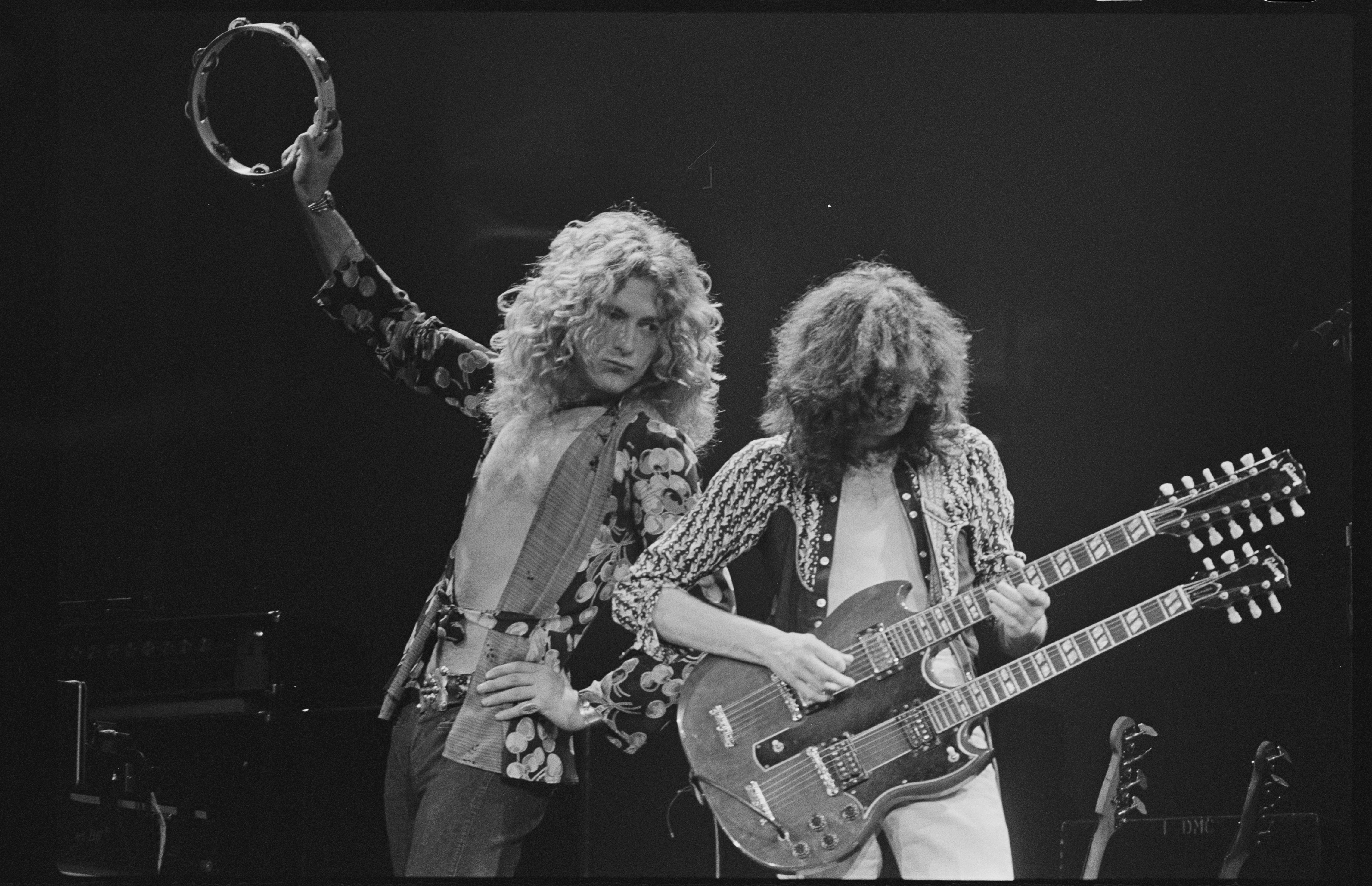
Más de uno
El plagio de Led Zeppelin - Lemon Song
00:07:30
J.F. León ha tenido que traicionar a una de sus bandas favoritas ante la evidencia de los hechos.
Loading summary
Transcript35 lines
- [00:25]
A
Me tranquiliza mucho, JF, comprobar que has reflexionado en Semana Santa, que has vuelto a tu ser, has abandonado el pop, has dejado atrás a los beat boys, a la Macarena.
- [00:36]
B
Incluso he huido del siglo XXI.
- [00:38]
A
Incluso has huido del siglo XXi, has vuelto a gente que no necesariamente está viva. Esto es Led Zeppelin, ¿No? Sí, sí.
- [00:46]
B
Solo está muerto de batería.
- [00:47]
A
Bueno, pues hay uno que ya no está entre nosotros.
- [00:49]
B
Sí, pero es de 1980. Pero bueno, esto de Led Zeppelin es el año 1969, su segundo disco, mi favorito no sólo de Led Zeppelin, sino de toda la historia del rock.
- [01:02]
A
En serio, este está en lo más alto de tu top.
- [01:04]
B
Sí, sí, sí, Sí. Desde hace 15 o 20 años dije este, este es mi crush. Así que imagina qué vinilo llevé a Jimmy Page para que me firmara cuando fui a entrevistarle en Londres en 2014.
- [01:17]
A
¿No? La automención de siempre. A la entrevista de Jimmy Page de JF. León, ¿Cuántos? ¿Doce años ya que fuiste?
- [01:26]
B
Sí, sí, bueno, septiembre era doce años. JF en su pic, su prime, en lo que sea. Pero de verdad, no, en serio, ahora, fuera de bromas, fue un absoluto y de verdad es mi disco favorito de la historia del rock. Aparte, es el disco en el que Led Zeppelin dejan de ser una promesa y se convierten en la banda más importante del rock, junto a los Beatles, que estaban a punto de separarse. Y la Credence, que, ojo, en 1969 sacaron tres discos brutales y se hincharon a vender millones de discos.
- [01:57]
A
Lo que pasa que este, yo no soy experto en Led Zeppelin, pero este es un poco blusero, ¿No? Este no es tanto de rock como de blues, o por lo menos la faceta más blues de los Zeppelin.
- [02:06]
B
Sí, sí, es una de las bases de Led Zeppelin y es de The Lemon Song, la canción del limón. Es blues electrificado, musculoso, sucio. Y ya no solo Jimmy Page con la guitarra, con esos riffs, es que ese bajo de John Paul Jones es como si estuvieras en un club de Chicago a las 3 de la mañana hace muchos años, antes de que tú y yo naciéramos, por supuesto. Incluso, sobre todo tú, incluso Alsina y Bego tampoco habían nacido.
- [02:35]
A
Bueno, JF, aquí hemos venido a lo que hemos venido. Yo sé que te duele hablar de los plagios, más si es una de tus bandas favoritas más si es el disco que más te gusta de la historia del rock. ¿Pero por qué vamos a retrasar más este momento?
- [02:46]
B
Duele, y no es broma, cuando descubres cosas, imagínate, yo conocí primero, por una cuestión de edad, a Led Zeppelin antes que a los grandes del blues de Chicago. De adolescente no te pones a escuchar plus sucio, pero sin embargo Led Zeppelin, cuando has crecido con el heavy, pues te pilla más cerca. Y un par de lustros más tarde, con veintitantos años, ya escucho a Howling Wolf, uno de los grandes del blues de Chicago, aunque como casi todos, ojo, arrancó su carrera en el sur profundo, en el estado de Misisipi. Y de repente Fran dispara, Por si hay alguna duda, Fran, porfa, ponme de nuevo la parte de Led Zeppelin del PLAG, por favor.
- [03:50]
A
Pues sí. ¿Y cuántos años antes se grabó la canción de Howling Wolf?
- [03:57]
B
Solo cinco. Este Killing Floor fue grabado para Chess Records, el mítico sello de Chicago. Y aquí es que no cabe decir me recuerda o tiene un aire. Es que hablamos de que la base del tema de Zeppelin sale directamente de aquí, de este riff. La estructura, el pulso, lo está todo. Y además hay un detalle clave. En los primeros conciertos Led Zeppelin ni lo escondían. Antes de grabar esta canción en estudio, tocaban esto y en su set list, en el papelito ponía directamente Killing Floor, o sea, ellos sabían perfectamente de dónde venía el asunto.
- [04:29]
A
Bueno, entonces no hay problema, es un homenaje, ellos lo reconocían, ¿No? Porque en blues, además, esto se ha hecho toda la vida.
- [04:35]
B
Sí, sí, en el blues se ha hecho toda la vida. Tú cogías, reinterpretabas, transformabas. Aparte no se sabía quién era el autor original, pero hay una especie de respeto, como una cadena de transmisión, algo cultural. Pero aquí el problema es que estamos en 1969, que sí, se sabía perfectamente de quién es esta canción escrita en 1964. Y esto es ya industria pura y dura.
- [04:58]
A
Aquí, como dicen ahora, la estaban monetizando
- [04:59]
B
ya, no, pero mucho, mucho. Y aparte es que si ellos hubieran oye, pues canción original de Howling Wolf y arreglada por Led Zeppelin, perfecto. Pero es que salió firmada por ellos. Y claro, ahí llega el problema.
- [05:13]
A
Entonces habría demanda. Demanda,
- [05:18]
B
sí, sí. A principios de los 70, la editorial de Howling Wolf los demandó.
- [05:22]
A
¿Y el juez qué dijo?
- [05:24]
B
No, es que no, Led Zeppelin. En aquella época las cosas no llegaban al juez, siempre había negociación, un acuerdo extrajudicial. Fíjate, solo empezaron a ir a juicio en el siglo XXI cuando ya presumían que las cosas se habían prescrito. Bueno, el resultado es que a principios de los 70 hubo un acuerdo pasta no se sabe cuánta secreto y Chester Burnett, que es el nombre verdadero de Hollywolf, pasó a figurar como coautor del tema.
- [05:53]
A
Ah bueno, pero eso es un buen acuerdo porque eso significa que cada vez que suena dé Lemonson de los Zeppelin hay una parte de esos derechos de autor que van directamente hacia el Delta.
- [06:03]
B
Sí, es igual que cuando vimos lo de los Beach Boys con Chuck Berry, Oled Zeppelin con un montón de artistas del blues a los que tuvieron que indemnizar Y bueno, la verdad es que hacia el Delta no sé porque no
- [06:14]
A
sé o dónde estén sus sobrinos nietos que tú fíjate qué buen regalo, qué buena herencia que te deja un tío abuelo de repente toma estos derechos de autor de este temazo,
- [06:28]
B
la cara dura que tenían, ¿Cómo lo hacían? Porque aparte con otras canciones como Like with you baby pues sí que ponían el autor original o el You shook me pero en este caso no, ¿Qué le vamos a hacer?
- [06:44]
A
Bueno JF, tú no te tortures, que esto no empañe ese disco que tanto te gusta.
- [06:49]
B
No, no sigo.
- [06:51]
A
Y que pases una feliz semana hasta el martes que viene que nos volvamos a escuchar con más plagios, espero que un poco menos dolorosos para ti que el de Lecepilin.
- [06:59]
B
Sí, yo creo que voy a ir a por bot Dylan esta vez.
- [07:02]
A
¿Te cae mejor bot Dylan o peor que Le Zeppelin?
- [07:05]
B
Hombre, Dylan me cae hasta mal, aunque sea un grande, eso sí es cierto. Pero por supuesto, con todo el dolor de los culturetos nocturnos también te digo.
- [07:18]
A
Bueno JF, que nos tenemos que ir, pero solamente hasta mañana. Nosotros ahora la programación sigue. Nosotros mañana volvemos a las 6 nada menos. Las 6 de la mañana a las 5 en Canarias vuelve más de uno. Adiós.