← Más de uno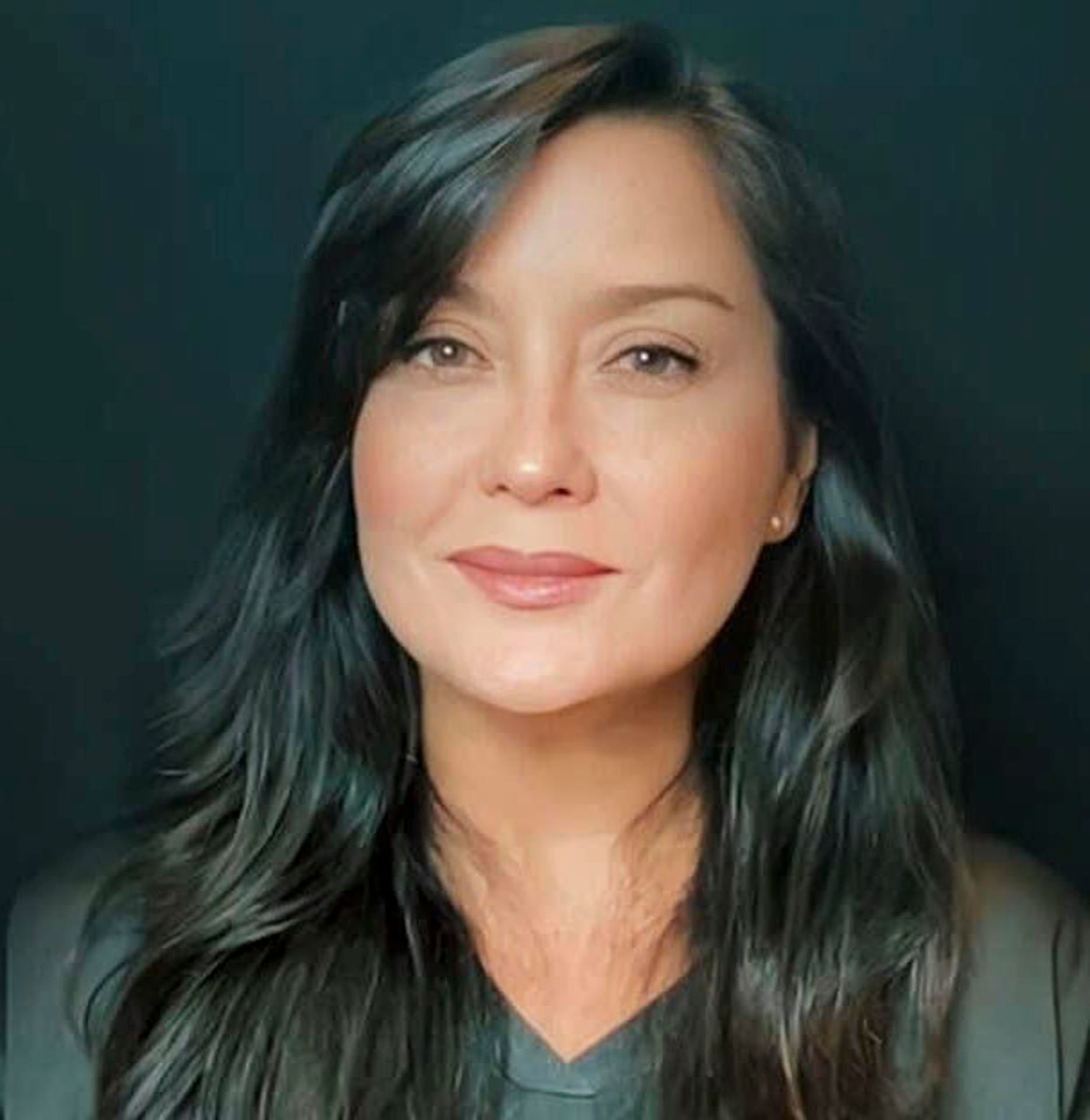
Más de uno
El portavoz de Rocío San Miguel celebra su liberación de las cárceles venezolanas: "El principio del fin de un régimen político"
00:13:53
Sergio Contreras ha pasado por los microfonos de Onda Cero para trasladar la situacion de una de las liberadas por el Gobierno de Delcy Rodriguez con nacionalidad espanola.
Loading summary
Transcript11 lines
- [00:00]
A
El asunto principal ayer por la tarde anunció Rodríguez, el hermano de Delsig, Jorge Rodríguez es el presidente de la Asamblea Nacional como las cortes del régimen de allí y el presidente ejerce como ministro, siempre ha sido un ministro más, de hecho fue ministro con Maduro y es un ministro más del gobierno de su hermana Delsi ahora y fue él quien anunció la liberación de presos y ha contado que él no utiliza la expresión presos políticos, claro, porque se supone que no existía en verdad sino de personas, personas venezolanas y extranjeras, personas encarcelada, estaban encarceladas. Él no se detuvo a explicar por qué estaban encarceladas y que han sido liberadas, oye, son 100 de los 1.000 o 2.000 según las fuentes, presos políticos que hay en Venezuela, o sea que estamos hablando de una pequeña parte, de una pequeña proporción Pero sí dijo que esta es una decisión, es un gesto, lo llamó él un gesto a iniciativa del gobierno, de las instituciones venezolanas sin que nadie les haya dicho que tengan que hacer nada semejante y con el que se busca contribuir a la pacificación y y a la convivencia entre venezolanos tengan el credo que tengan, tengan el color de piel que tengan, tengan porque se ve que hasta ahora no estaba tan garantizada esa convivencia. Antes de escucharos a vosotros quiero hablar con Sergio Contreras. Sergio Contreras es venezolano y ejerce como portavoz de Rocío San Miguel que hemos contado los oyentes que es una ciudadana venezolana y española porque tiene la doble nacionalidad y que en la sociedad venezolana es muy conocida y es una de las personas liberadas en el día de ayer. Liberadas no significa que vaya a poder disfrutar de libertad plena porque en Venezuela no existe la libertad plena para la sociedad por tanto lo que pasa que te sacan de la cárcel no significa que luego puedas ejercer libremente tu actividad ni política ni de ningún tipo Y Sergio ejerce el contado de portavoz de Rocío San Miguel y tengo interés en saber qué noticias tiene de ella. Sergio, buenos días.
- [01:53]
B
Sí, buenos días. Gracias por estar pendientes de de Rocío y de los presos políticos en Venezuela.
- [01:59]
A
¿Qué saben ustedes de Rocío en este momento? ¿Dónde se encuentra ella? ¿Dónde ha pasado los últimos meses y en qué situación está en este instante? ¿Qué noticias hay?
- [02:09]
B
Bueno, Rocío ayer es liberada justo el día de ayer se cumplían 23 meses que estuvo presa, la mayoría de esos meses estuvo incomunicada y con una lesión muy grave en un hombro. Recuérdense que no solamente ella fue detenida, sino que en el momento en que ella es detenida, detuvieron a su primer ex esposo, a su segundo ex esposo, a su hija y a dos de sus hermanos. Fue una persecución a toda su familia. Luego fueron puestos en libertad algunos de los miembros de su familia. Su primer ex esposo sigue preso, no logró salir en este lote de liberación. Y bueno, lo que deja claro es la crueldad del régimen, que no solamente persigue a una persona que es una defensora de derechos humanos, muy respetada en academia venezolana por dedicarse al tema de la defensa de derechos humanos dentro del ejército y dentro de los temas de seguridad y defensa. La buena noticia es que fue liberada y además es que Rocío San Miguel en las próximas horas estará llegando a España con su hermano que también estuvo preso y eso es algo lo cual podemos estar muy felices porque sin duda alguna pues ya no estaría sometido a ninguna de las medidas cautelares con la cual suelen dejar en libertad a los presos políticos, como me pasó en mi propio caso. Y esas medidas cautelares lo que hacen es que pues mantienen a las personas con una espada de Damocles en el cuello para que sean absolutamente silenciadas, que ni siquiera puedan contar cómo fue el proceso de encarcelamiento y cómo fue el proceso en el cual muchísimos de los presos políticos han pasado por teatros corales, degradantes, inhumanos, por tortura, por desapariciones forzadas y por cualquiera de las violaciones de derechos humanos en los centros de Tortura, en los 27 centros de tortura que hay en Venezuela. Recordemos que ya han pasado más de 18.000 personas por detenciones arbitrarias, tal cual como lo señalan los informes de las Naciones Unidas.
- [04:14]
A
Y esto de las medidas cautelares, Sergio, que usted menciona, es lo que explica que muchos dirigentes de la oposición que han pasado por la cárcel en Venezuela y que luego han sido liberados y se han expatriado o se han exiliado en otros países, por ejemplo en España, sean tan reacios a manifestarse públicamente sobre los detalles de las propias circunstancias que ellos han sufrido, porque ellos pueden estar en libertad y en otro país, pero siguen teniendo familia. Esto le pasa a Edmundo González y lo ha contado él mismo, siguen teniendo familia en Venezuela, que es una familia que está vigilada que está acosada, que en muchos casos sufre también la represión del régimen y que puede verse endurecida esa represión si ellos desde la posición que ocupan en otros países o desde la libertad de que disfrutan en otros países, hacen declaraciones que el régimen pueda interpretar como que contribuyen a generar la discordia entre los venezolanos. Esto es lo que lleva las medidas cautelares y esto lleva a muchas personas a seguir guardando silencio, incluso cuando ya han abandonado territorio venezolano, tal cual en.
- [05:10]
B
El caso de nuestro presidente Edmundo González Urrutia, tiene a su yerno preso, su hija está en Venezuela, anoche estaba su hija buscando en los centros de detención en El Rodeo, viendo a ver si habían liberado a su esposo. Y evidentement presiones lo que hacen es acortar el margen de actuación de aquellas personas que salen al exilio y que pudiesen tener, digamos, una agenda de lucha democrática para el restablecimiento de la democracia o para el proceso de transición a la democracia, que es lo que tanto anhelamos y por eso las impone. Pero además para generar un mensaje, una suerte de función ejemplarizante para decirle todo aquel que alce la voz que va a ser perseguido, que sus familiares van a sufrir, que sus familiares van a ser acosados, apresados, torturados y por eso es que generan estas medidas cautelares. Debo decirte que hay presos políticos, por ejemplo, que fueron simplemente vecinos o amigos de otros presos políticos que tienen más de 10 años con medidas cautelares. Más de 10 años con Medidas cautelares. Algo absolutamente irracional, dado que no está contemplado dentro del ordenamiento jurídico venezolano que un procedimiento dure tantos años.
- [06:25]
A
Sergio Y a quienes se han pasado años negando la existencia de presos políticos en Venezuela, por ejemplo desde España o desde otros países de Europa o de América, que han sostenido que en realidad lo que había era propaganda de las derechas, la ultraderecha, alimentando la desinformación o la intoxicación de que en Venezuela se perseguían a los disidentes o a los opositores y que en realidad eran delincuentes comunes que habían cometido delitos contra la seguridad nacional y que por tanto estaban encarcelados. A todas esas personas que durante años han negado la existencia de presos políticos en Venezuela, hoy que el régimen está liberando presos políticos que al parecer no existían, usted qué les diría, bueno, negar.
- [07:06]
B
La existencia de jóvenes autistas presos, negar la existencia de académicos presos, negar la existencia de más de 150 mujeres presas, es simplemente tener un capricho antidemocrático que de alguna forma se burla del sufrimiento de un pueblo. Es como si los venezolanos, por ejemplo, nos hubiésemos burlado de todas las personas que sufrieron los embates de la dictadura en España. Y frente a esto, pues a veces me provoca preguntarle a todos los españoles, por ejemplo, ¿Qué hubiesen hecho ustedes los españoles qué hubiesen sido capaces de dar para transitar a la democracia, por ejemplo, ¿Cuánto petróleo hubiesen estado capaces de dar para que cesara la dictadura de Franco, por ejemplo? Entonces hay un doble rasero que se aplica con el tema de Venezuela, sobre todo desde el privilegio europeo que no entiende el sufrimiento de un pueblo venezolano que ha sido apresado, que ha sido torturado, Hay más de 15.000 personas que han tenido heridas en concentraciones, estamos hablando de decenas de miles de personas, pero además de casi 9 millones de venezolanos que han tenido que huir, muchos de ellos, la gran mayoría de ellos, huir por las calles y por las autopistas de América Latina, que eso ha sido casi un éxodo bíblico, esto es una verdad incontrovertible. Y quien discuta esto, pues lamentablemente no es capaz de poder entender el sufrimiento de un pueblo y voltea la mirada por razones estrictamente ideológicas, como las que llevan algunos periodistas en medios españoles a decir que los venezolanos que han llegado acá son una caterva de fascistas, como lo vi publicado lamentablemente en La Sexta el día de ayer, y que deja entender que las razones ideológicas lamentablemente en España incluso pueden hacer que algunas personas volteen la mirada y obvien los derechos humanos y que el derecho internacional, los derechos humanos no se pueden poner a un lado por razones ideológicas. Que la verdad que sufre un pueblo, así como lo sufre Palestina o lo puede sufrir cualquier otro pueblo como Sudán, o cualquier otro pueblo que tiene violaciones masivas de derechos humanos, no puede ser entendida desde el crisol estrictamente político partidista. Y yo exhorto a aquellas personas, aquellos medios de comunicación, aquellos políticos, aquellos diputados de los partidos que tienen días insultando al pueblo venezolano que protesta por la liberación de Venezuela y por la captura del jefe del Cartel de los Soles es que entiendan que el pueblo venezolano tiene tres décadas donde ha sufrido lo innombrable y que aquellas personas que incluso celebran las leyes de memoria democrática deberían entender el sufrimiento del pueblo venezolano que lo ha hecho todo y que ha sido encarcelado, ha sido torturado, tal cual como Naciones Unidas y como múltiples organizaciones lo han relatado. Hay que ponerse del lado del que sufre, hay que ser solidario. La solidaridad no puede ser solamente discursiva con los que son amigos nuestros, tiene que ser aplicada en todos y cada uno de los casos. Nosotros los venezolanos y quienes y quienes, lo digo en particular, quienes conocemos la mirada del torturador, quienes sabemos lo que significa la persecución, quienes hemos estado en el frío de las cárceles, quienes sabemos cómo huele un barrote en una cárcel, no podemos entender cómo se aplica un doble rasero. Y simplemente le pedimos al pueblo español que sepan el pueblo venezolano lo ha hecho todo, ha sufrido todo, sus hijos se han ido, sus hermanos han sido presos, sus padres han sido torturados hasta la muerte y lanzados por un piso 10 de la sede del Sevilla, como Fernando Albán, o como el General Baduel o como cualquiera de los presos políticos, como el gobernador del estado Nueva Esparta, Alfredo Díaz, que hace 15, hace tres semanas lamentablemente falleció en manos de la dictadura. Lo hemos hecho todo, lo hemos hecho todo y ahora lo único que nos queda es celebrar la liberación de Venezuela, celebrar la liberación de los presos políticos, que aquella cantidad importantísima de personas que están en centros de tortura puedan salir a la calle, abrazar la libertad y que muchos de ellos tengan garantías plenas de no ser revictimizados, de no ser recapturados. Recordemos que hay personas que han pasado varias veces por la cárcel. Anoche liberaron a Biaggio Pilieri y Biaggio Pilieri, quien había sido gobernador, quien había sido diputado, quien es diputado, está preso y está preso por segunda vez. Y hay varias personas como Roland Carreño, que también está preso por segunda vez. Y hay muchísimas personas que han sido presas una y otra vez, como toda la familia del ex ministro de Defensa Raúl Isaías Badué, que fue asesinado en la cárcel de Ramover, de la misma cárcel donde yo estuve preso. Y yo mismo pude ver los tratos crueles, degradantes, inhumanos que fueron cometidos específicamente en la persona de Raúl Isaías Baduel Sepa el pueblo español que los venezolanos estamos legítimamente celebrando el inicio del fin de un régimen que ha ensangrentado nuestro pueblo. Y celebramos profundamente cada preso político que abraza a sus hijos, cada lágrima de alegría de un hijo que está abrazando a su padre o a su madre que tenía meses o años preso. Estamos celebrando que hay presos políticos que tienen 22 años presos. Escúchese esto, 22 años presos, toda una vida destruida de presos políticos que están esperando para ser puestos en libertad. Y lo único que pedimos es que se haga toda la presión, no para agradecer a quienes no se tienen que agradecer, sino la presión para que los gobiernos democráticos impulsen a que sean todos y cada uno de los presos políticos. No son siempre esos políticos que ya es un número que debería llenar de pavor a quienes hoy desoyen la realidad del pueblo venezolano. No, a todos y cada uno los presos políticos, a los casi mil presos políticos tienen que ser puestos en libertad. Los civiles, los militares, los hombres, las mujeres, los jóvenes, incluso las personas con discapacidad que están presas tienen que ser puestos en libertad. Y libertad plena, pues no vale la pena tener una libertad en la cual tengas un régimen de presentación donde tienes que ir semanalmente a una corte marcial o tienes que ir a un tribunal a firmar. No puede ser que estés en una libertad plena teniendo la imposibilidad de dar alguna entrevista o poder salir de tu casa o poder salir incluso de tu ciudad.
- [13:45]
A
Sergio, gracias por haber hablado con nosotros esta mañana y le deseo que tenga un buen día.
- [13:50]
B
Pues gracias a usted.
- [13:51]
A
Gracias y buenos días. Rocios.