← Más de uno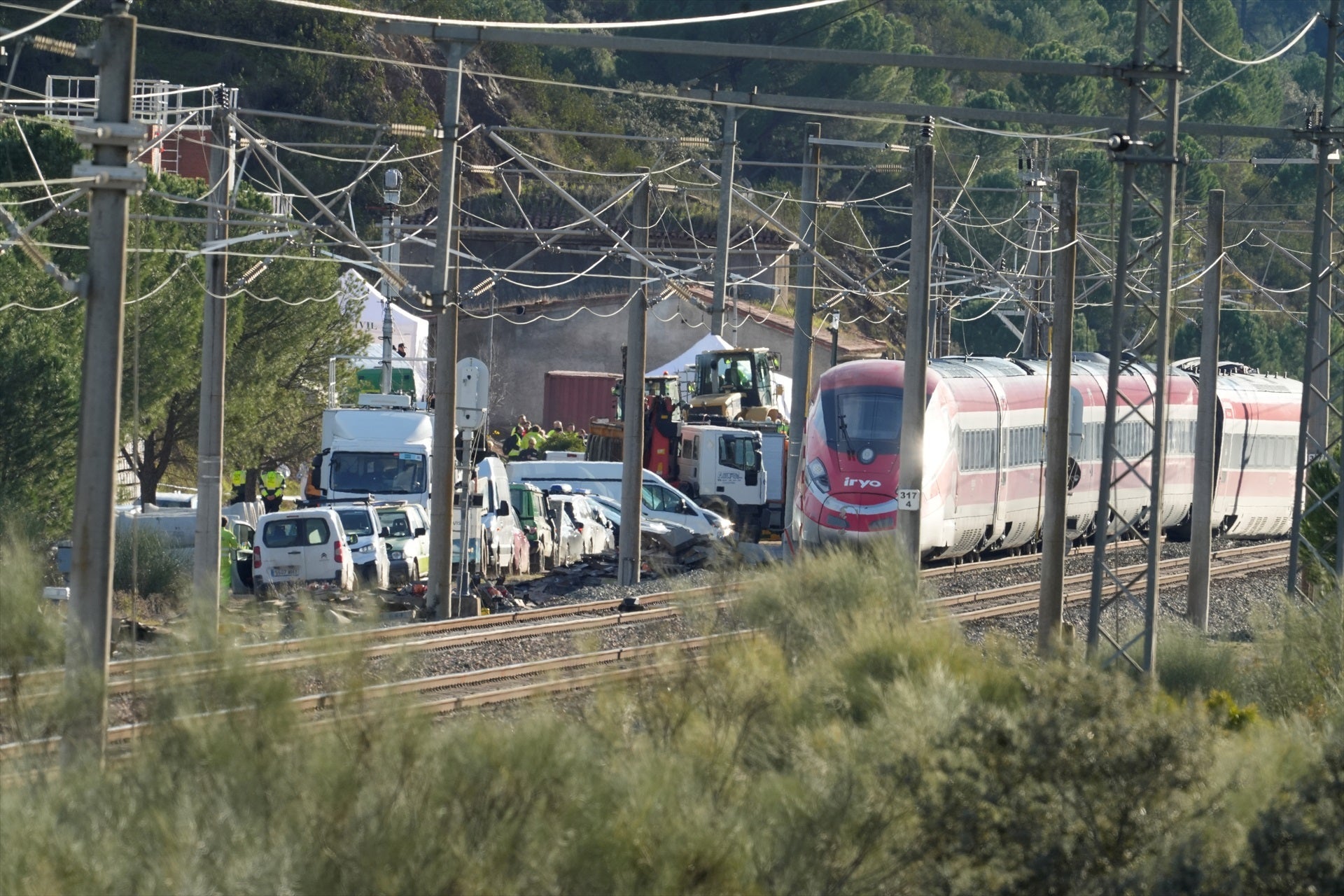
Más de uno
El sindicato de maquinistas señala un "déficit de mantenimiento" en las vías de alta velocidad liberalizadas
00:08:24
Diego Martín Fernández, secretario general de SEMAF, ha pasado por los micrófonos de Más de uno para explicar las advertencias que ya habían presentado los trabajadores sobre incidencias en los trenes de esas líneas.
Loading summary
Transcript21 lines
- [00:00]
A
Diego Martín Fernández es el secretario general del Sindicato de Maquinistas SEMAF. Diego, buenos días.
- [00:06]
B
Hola, buenos días.
- [00:07]
A
Buenos días. Venimos hablando de la vía y de la investigación que está abierta. No sé si en SEMAF tenéis ya alguna explicación de las hipótesis que se manejan. Vemos hoy en la prensa que de la que más se habla al menos es de esta rotura de una parte de la vía, de uno de los carriles, de un trozo de entre 30 a 40 centímetros que haya podido fallar la soldadura. ¿Os encaja esa posible explicación al sindicato de maquinistas? ¿Es compatible con el movimiento que luego hacen los vagones de Lirio y que trae como consecuencia el descarrilamiento también del Alvia?
- [00:41]
B
Yo creo que todas las hipótesis son considerables. Al final esta puede ser una. Lo que nosotros siempre hemos reivindicado es que al final todos los profesionales que tenemos investigadores en el sector, son los que tienen que detener las causas, porque nosotros no somos ni peritos ni técnicos especialistas en las condiciones de la infraestructura. Pero no es descartable ninguna y sobre todo si todo el mundo está apuntando hacia una en concreto. Pero lo que queremos es que exista la autonomía y la independencia, que muchas veces hemos visto que no ha existido, de esos informes que después se publiquen. Y eso es lo que nosotros reivindicamos, que haya después un informe que determine las causas, porque las responsabilidades las determinarán otros. Pero nosotros nos interesan las causas porque no queremos volver a vivir una situación como la que hemos vivido. En una tragedia como esta, en la que hay víctimas, incluso afectados de todas las compañías.
- [01:35]
A
El maquinista o los maquin de lirio, cuando sufre el tren esta situación de que el vagón 6 se cree que es el primero que descarrila, que se sale de la vía, ¿Cómo tienen que reaccionar? ¿Cómo son conscientes ellos de lo que está sucediendo en la parte de atrás del convoy y cuál es la reacción que el protocolo establece que tienen que tener ante una situación como esa?
- [01:59]
B
En este caso, los maquinistas, el titular que iba en el tren y el otro maquinista que viajaba sin servicio de transferencia, el propio tren, actuaron de manera ejemplar según los procedimientos que en el caso concreto, cuando nota algún tipo de irregularidad, incluso los sistemas de a bordo le avisan de cualquier tipo de comportamiento extraño del propio tren, pues acciona el frenado de emergencia y al final cuando se detiene el tren, comprueba el estado del mismo, porque puede ser por arrollamiento de cosas, cualquier otra circunstancia, incluso un enganchón de la catenaria, cualquier cosa. Entonces es lo que establecen los protocolos. Actuaron de manera ejemplar. El problema es que nunca se esperaban un desenlace como el que ocurrió.
- [02:44]
A
Ellos llegan a ser conscientes en ese momento de que activan el freno de emergencia, pero de que los últimos vagones del convoy han embestido contra, por decirlo así, han sacado de la vía a los dos primeros vagones, el Alvia. Llegan a saber que eso acaba de suceder o es mucho después cuando entienden lo que ha sucedido.
- [03:03]
B
Es raro que en el mismo momento, como todo sucede excesivamente rápido, porque son en segundos todos los acontecimientos, es raro te puedas dar cuenta de las consecuencias que ha tenido en tu propio tren, incluso con cualquier otro acontecimiento. Otro escenario es cuando una vez detenido los convoys, los vehículos, es cuando realmente puedes valorar la situación.
- [03:26]
A
Se ha hablado mucho en estas últimas horas y es otro motivo de hablar contigo, Diego, de este informe que en su momento presentó el SEMAF, en el que advertía de las vibraciones que se producían en este tramo de la vía de alta velocidad, en los trenes de alta velocidad. Quiero saber dos una, si hay alguna relación o podría haber alguna relación entre las vibraciones que se venían produciendo en los trenes de alta velocidad en esta vía, a qué se deben o a qué pensáis vosotros que se deben, cuál es la causa de esas vibraciones y si hay o no hay alguna posibilidad de que tenga alguna relación eso con un accidente como este de esta gravedad.
- [04:01]
B
Bueno, pues nosotros enviamos esa misiva al final a los responsables de lo que es la infraestructura y la seguridad del sistema ferroviario, porque habíamos detectado que el uso era más intensivo, porque hacía referencia a todas las líneas que estaban ahora mismo liberalizadas y con mayor volumen de viajeros y de trenes. En esas líneas se venían observando mayores irregularidades, mayores vibraciones y menor actuación preventiva, que al final es la que evita que haya irregularidades y afección a los propios trenes, porque al final es un círculo vicioso, si la infraestructura está peor, los trenes al final sufren más averías y al final es un círculo vicioso que no se puede parar. Y lo que queríamos era básicamente que se revisasen esos protocolos de mantenimiento preventivo para que no hubiese tanto desgaste y tantas irregularidades, sobre todo para el confort de los viajeros y de los trabajadores, que es lo que nosotros anunciábamos en la propia misiva.
- [04:55]
A
Entonces hablamos de una cuestión de comodidad de los viajeros o de evitar que sea más fácil que sufran averías los trenes y no de una cuestión de seguridad. ¿Esas vibraciones pudieran traer como consecuencia el riesgo de que hubiera un accidente?
- [05:11]
B
Nosotros, si hubiese existido indicios de que una infraestructura fuera insegura, como hemos hecho ya también en el pasado, no hubiéramos intentado que los responsables hubieran establecido limitaciones, hubieran mejorado los procesos de mantenimiento, sino que hubiéramos intentado incluso paralizar el servicio, como hemos hecho en el pasado en algún punto concreto, que entendíamos que si no se hacían actuaciones la vía no era segura. Pero en este caso nosotros no consideramos que la vía es insegura, ni el sistema ferroviario es inseguro, todo lo contrario, sino que existía un déficit o unos procedimientos de mantenimiento que podían mejorarse y podría ocurrir.
- [05:45]
A
¿Igual me vas a decir de qué hablo, que las vibraciones tuvieran como consecuencia que sufriera en exceso la soldadura del carril y que el exceso o la persistencia de las vibraciones pudiera haber ocasionado un debilitamiento de la soldadura de un tramo del carril o es una cosa inimaginable?
- [06:07]
B
Pues si le digo la verdad, nosotros no somos expertos en ingeniería de materiales, eso lo tendrá que establecer el informe y los peritos y los técnicos, que yo creo que son los especialistas, y que les den la autonomía suficiente para que esclarezcan todo lo sucedido, porque eso es lo que realmente se tiene que investigar en este tipo de accidentes, establecer esas causas y esa relación entre causa y efecto, esas deficiencias que se encuentren y solventarlas, porque lo que nosotros queremos es que no se vuelva a producir un accidente de estas características en el sistema ferroviario.
- [06:36]
A
Vosotros tampoco tenéis una explicación al porqué de las vibraciones. Vosotros advertís de que se está produciendo esa situación, pero no sabéis cuál es la causa de que los trenes vibren en exceso.
- [06:46]
B
Hombre, tampoco es una hipótesis ni ningún tipo de explicación totalmente técnica, sino que tú tienes mucho más volumen de trenes, tienes mucho más volumen de desgaste en las infraestructuras. Si tú mantienes igual que cuando tenías menos volumen, pues al final aumenta el desgaste y aumentan las vibraciones, aumenta todo lo que es la inestabilidad de rodadura. Es como si en una carretera pasen 10 veces más de coches y sigue manteniendo como si hubiera sido una décima parte de los coches. Al final tienes que invertir mucho más en que esa carretera o esas vías estén en las mejores condiciones.
- [07:21]
A
La carretera lo que sufre es el desgaste fruto del rozamiento de los neumáticos. En la vía férrea ocurre lo mismo. Fruto del desgaste se produce un desgaste fruto el aumento de los rodamientos de los trenes que circulan.
- [07:36]
B
Sí, efectivamente. Todo el volumen de tráfico. Además con el sistema ferroviario, que no es como en la carretera, el rozamiento es mayor, sino que es un impacto mucho más severo, porque es metal contra metal el tren contra la vía y existen muchísimas más inercias, muchísimas toneladas, lo que pesa un tren. Y eso produce muchísimos desgastes que al final tiene que paliarse con el mantenimiento preventivo y la inversión en esas infraestructuras, que nosotros tradicionalmente hemos sido especialistas en construir esas infraestructuras nuevas. Hemos construido muchísima línea férrea y ahora lo que tenemos que hacer es mantenerlas.
- [08:14]
A
Diego, gracias por haber hablado con nosotros esta mañana y que tengas buen día. Cuídate.
- [08:20]
B
Muchas gracias.
- [08:21]
A
Gracias. El secretario general del SEMAF. Enseguida.