← Más de uno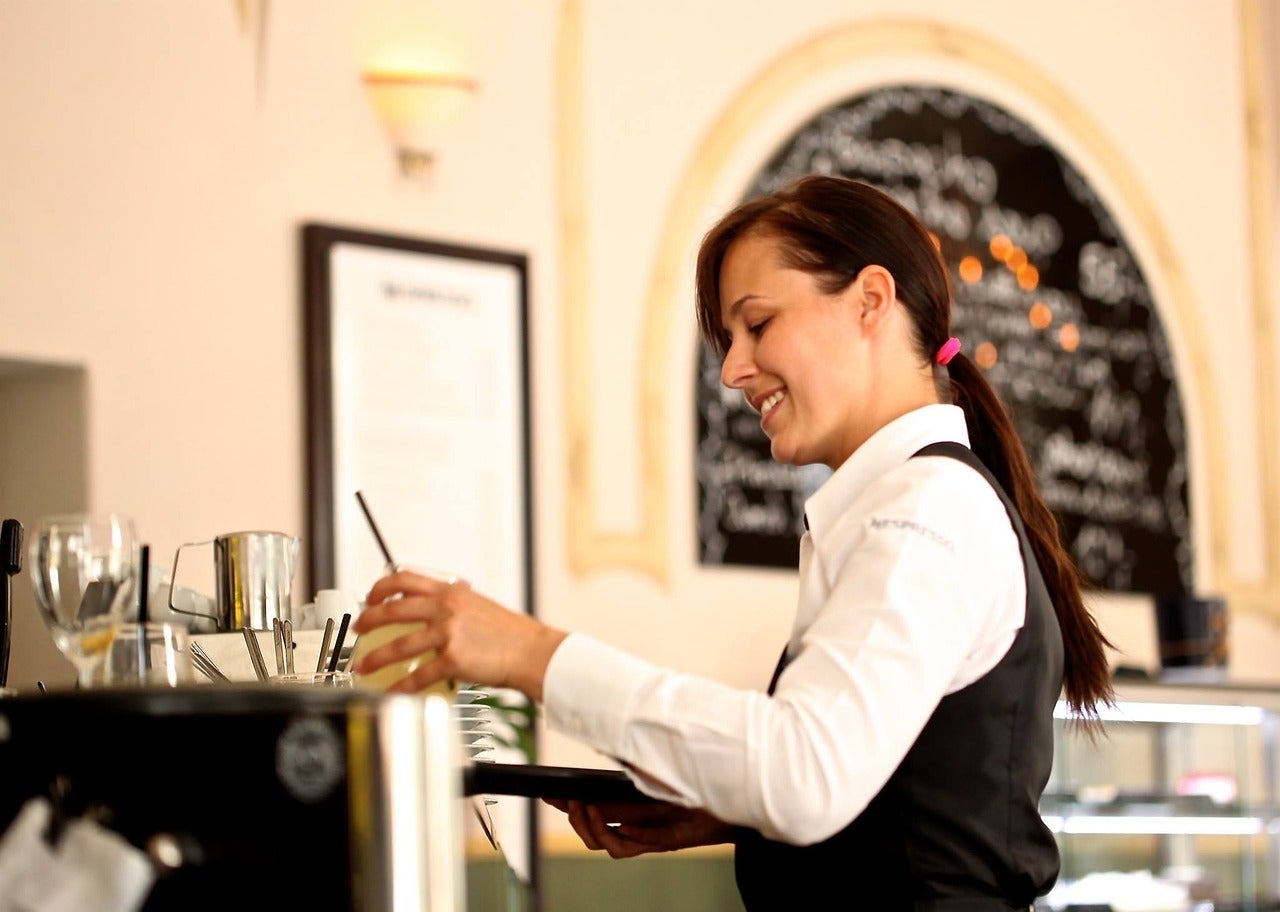
Más de uno
El trabajo de los maître y empleados de sala de un restaurante
00:20:19
Hoy en comer por España conocemos el trabajo de los maitres y de los empleados de sala. Para ello hablamos con Abel Valverde, que acaba de publicar 'La sala tiene la palabra. Manifiesto'. También conocemos el trabajo del sumiller con Juan Carlos Iban...
Loading summary
Transcript159 lines
- [00:21]
A
A ver, que hoy sí que es tarde. Hoy sí que es tarde. ¿Antes de que me lo reproche David Jorge, me lo reprocho a mí mismo, pero ha sido culpa de Susana Gris o que? No, mía. Buenos días, Begoña Gómez de la Fuente, ¿Cómo estás? Susana se pone ahí la polémica en su programa, me mete a mí en el lío y al final acabamos.
- [00:32]
B
Nunca.
- [00:33]
A
Buenos días, David.
- [00:34]
C
Menuda movida.
- [00:35]
A
Menuda.
- [00:39]
C
No tenemos idea, Panda. Sí, también te digo. Jesús Máyate, José.
- [00:44]
A
He estado a punto de sacar la maza también para Espejo Público, que sería como.
- [00:49]
D
No estaría mal. Además, visualmente da más importancia.
- [00:51]
A
Bueno, bueno, bueno. Qué momento. Eso es de los que luego se hace viral.
- [00:55]
C
Esto es viral, que de verdad, es que nos dan. Te digo, eres muy profesional porque pones.
- [01:01]
D
Una cara de póker.
- [01:04]
B
Cara de póker.
- [01:04]
D
Alsina me gusta.
- [01:05]
C
Sí, así de ti. Me encanta.
- [01:07]
D
Ponía cara para un lado, para otro.
- [01:09]
C
No, no, Cara de póker.
- [01:11]
B
¿Qué movida es esta?
- [01:12]
D
Esa ceja que quiere levantarse pero no levanta.
- [01:14]
A
En la tele me han dicho que no conviene que se levante la ceja porque se malinterpreta.
- [01:18]
C
Sí, por eso tenemos la suerte de que no nos ven. Yo ahora mismo estoy diciendo la radio semidesnudo, por ejemplo. La gente no se da cuenta.
- [01:31]
D
Qué frío.
- [01:33]
A
Yo estoy haciendo la radio maquillado, por ejemplo.
- [01:36]
D
Qué desgracia.
- [01:39]
C
Oye, por cierto, que tenemos por la.
- [01:42]
D
Incomodidad que supone un maquillaje, estoy maquillado.
- [01:45]
A
Y dice qué desgracia.
- [01:46]
C
Sí es que estás mucho mejor sin maquillaje.
- [01:48]
D
Tener prin en la cara no te da grima.
- [01:51]
A
Pues hacen un trabajo magnífico las maquilladoras.
- [01:55]
D
Porque tú sales por la tele, mucho.
- [01:59]
C
Trabajo, te peinan las cejas y la ceja te queda mucho mejor alborotada, o sea, esto es una cosa que Begoña y yo hemos comentado. Te pasan el peine en la ceja.
- [02:07]
A
Y vamos a lo nuestro.
- [02:08]
C
Venga, dale. Sí, por favor, que no hay tiempo.
- [02:10]
A
Para nada, que este es un rato de gastronomía. Hoy corto.
- [02:13]
C
Hoy tenemos un cliente, el pequeño Diego, ahí sentado en la butaca.
- [02:17]
A
Un cliente, un oyente.
- [02:18]
C
Qué majo. Un oyente ahí sentado. Qué majo, chaval.
- [02:22]
A
Pequeño Diego. Quítale el pequeño ya.
- [02:24]
C
Bueno, sí, bastante grande.
- [02:25]
A
Sí, ya es un señor ahí.
- [02:28]
C
Ha venido porque le interesa mucho de lo que vamos a hablar hoy. Te está estudiando el tema hostelería.
- [02:33]
A
Interesa mucho de qué vamos a hablar hoy, el libro del que vamos a hablar hoy y el invitado que nos acompaña, que es Abel Balber. Buenos días, Abel, ¿Cómo estás?
- [02:41]
B
Buenos días. Encantado de estar aquí con vosotros.
- [02:44]
A
Es autor de este libro que tenemos aquí que se llama La sala tiene la palabra. La sala es donde se atiende a quienes vamos a comer a los restaurantes. ¿Y quién vive mejor? ¿Quien trabaja en sala o quien trabaja en la cocina? A ver, más relajado.
- [03:02]
B
A ver, la sala igual en horarios tiene que estar a veces hasta altas horas, no tantas como cocina, que tiene que ser más madrugador por la mañana. Pero al final, el sufrimiento unos lo viven desde fuera, otros desde dentro. Y a veces, de hecho, apelo a que tendría que haber más conexión entre entender lo que pasa en la cocina y la cocina entender lo que pasa fuera. Hay un tema, un debate muy interesante.
- [03:24]
A
Hemos empezado por lo más interesante.
- [03:26]
C
Es que es clave. La sala y la cocina. Sí. Tienen que entender.
- [03:30]
A
Totalmente. Pero ¿Por qué no se entienden? ¿Cuáles son, por ejemplo, lo que desconocen, los choques más frecuentes que se producen? A ver, las desconfianzas, las rivalidades, las enemistades. Generan los egos.
- [03:43]
B
Los egos. Los egos. Los egos. Al final, imagínate un cliente que no le gusta el punto, el pescado, la carne o el plato en sí. Tú tienes que entrar dentro y darle la explicación doble. Primero excusarte con el cliente y luego excusarte con el chef que te va a pero si eso está impecable, dígaselo al cliente que no sabe cómo comérselo. Tú no puedes salir fuera a decírselo. No sabe usted cómo comérselo. Entonces, ese conocimiento de los dos espacios al final es siempre lo que más cuesta entender. Pero somos transmisores de las emociones de los cocineros y transmisores en hacer felices a los clientes.
- [04:15]
D
Tiene muy mal genio los cocineros, ¿Verdad?
- [04:17]
B
Bueno, tienen la fama, pero. No, Yo creo que no tienen la.
- [04:21]
A
Fama, pero ni a David de Jorge. Como calla.
- [04:23]
C
¿Sabes qué pasa? No cayó. No cayó. Eso es el old school. Ahora las cosas funcionan de otra manera.
- [04:28]
B
Totalmente.
- [04:30]
C
Y además debe de ser así. Yo siempre digo que los grandes restaurantes o los grandes establecimientos de hostelería que funcionan bien, no hay tensión ni en la cocina ni en la sala. Hay la tensión natural del servicio, pero es imposible que con tensión y que con más rollo se dé de comer bien o se atiende bien al cliente. Así de claro. Cuanto mejor es el establecimiento, yo te digo que mejor se entiende la cocina y mejor se entiende con la sala y mejor ambiente hay en la cocina y mejor ambiente hay en la sala porque eso el cliente además lo olfatea, o sea, yo entro en un local y me doy cuenta que la sala o que la cocina hay tensiones, que eso lo mal rollo que flipas, eso lo olfateas, entonces tiene que ser todo lo contrario, el cliente tiene que entrar y decir hostia, aquí hay buen rollo.
- [05:05]
B
Y eso se los ya se han intercalado, antes la cocina era un territorio donde nadie podía entrar dentro y ahora la cocina ha salido a la sala y la sala entra en cocina y hay camareros cocinando y hay cocineros fuera también interactuando, o sea que los espacios se han roto.
- [05:21]
D
La sala de diplomacia es lo primero, hay que saber mucho de diplomacia y política también.
- [05:26]
A
Claro, porque estáis salvando de como se dice ahora cursivamente en esta ecuación estáis salvando a los clientes que seguramente somos lo peor de todo.
- [05:35]
C
No, al revés, el cliente se la.
- [05:37]
A
Experiencia, habrá clientes impertinentes, clientes ignorantes, clientes pesados, clientes contradictorios, indecisos, los peores somos.
- [05:46]
B
Los del oficio normalmente David, somos los.
- [05:49]
C
Peores clientes nosotros mismos, son los mejores, los que entran así burriciegos, como Toro Burriciego que sale de Toril así que Torilo dice hostia, a ver cómo le meto a mano a esto. Ya tienes una buena faena y te ganas a un cliente. Esa es la mayor satisfacción, que un cliente que ha entrado así como con el ojo torcido se vaya a casa feliz, que haya disfrutado, que haya comido bien, que haya bebido bien y que se vaya diciendo oye, quiero volver la semana que viene. ¿Eso es maravilla Sineti, pero eso cómo se consigue?
- [06:14]
A
Hay que hacerle la pelota al cliente, hay que darle la razón siempre al cliente, hay que enseñarle a comer al cliente.
- [06:21]
B
Bueno, hay que, como está diciendo, es torear. Al final hay una parte que es la psicología del cliente, no todos los clientes vienen buscando lo mismo en un restaurante, entonces lo que hay que hacer es tener esa capacidad analítica de qué vienes a buscar distancia, un momento de relax, eres un food y quieres saber todos los ingredientes de los platos y que esté muy pesado. Tenemos que tener una capacidad adaptativa Y luego como dice David, el éxito es transformar actitudes negativas iniciales en positivas y decir esto es la pera y salir con una sonrisa o que te digan que le has hecho vivir una de las mejores experiencias de su vida. Incluso llegar a hacer llorar a un cliente, que esto lo decimos mucho internamente.
- [06:59]
A
Pero qué trabajo hacer esa persona Se consigue, se consigue, se consigue hacer llorar a un cliente.
- [07:05]
D
Los hay muy sensibles, Carlos, muy fácil, o ener de lágrima fácil, entiéndeme. ¿Sí, pero qué tiene que saber qué hace un jefe de sala? Suelo estar ahí.
- [07:17]
B
A ver, templa la intensidad del servicio, sabe hacer esta analítica de qué requiere este cliente en este momento. Juega con su equipo como si habláramos de un equipo de fútbol. No todos son delanteros, hay centros, hay defensas, Hay gente que atiende mejor a un cliente que otro porque tiene capacidad de resistencia cliente. Nosotros organizamos la sala en función, técnicamente, donde hace falta cada elemento para que ese éxito se cumpla.
- [07:44]
A
Interesante. Pero entonces tú sabes a qué cliente tienes que mandarle a cada camarero, por ejemplo.
- [07:47]
B
Por ejemplo.
- [07:48]
A
Pero así solo a simple vista.
- [07:50]
B
Sí, porque ves que es un cliente más difícil que si pongo uno que es más agresivo.
- [07:55]
A
Tú ves entrar por la puerta a un cliente y ya tu cabeza dice, tu cabeza dice, ojo, este no quiere que se le dé mucha conversación, lo básico, este quiere que se le cuente hasta el último detalle.
- [08:10]
C
Y luego hay clientes caprichosos que entran y que quieren que les atienda Nicolás.
- [08:14]
B
Están acostumbrados. Pero luego lo que digo, hay perfiles, un business que está ahí haciendo su conversación, tú no puedes llegar allí y explicarle la vida en verso, interrumpirle cada momento, necesitas un perfil discreto. Cada situación requiere de una adaptación por nuestra parte. El problema es cuando. Yo creo que hay que huir de los estándares cada vez más, o sea, no crear un estándar, sino tener capacidad adaptativa camaleónica en función de lo que el cliente demanda en cada momento, que eso es el éxito.
- [08:41]
D
Es súper complicado, la verdad. Yo no sé qué es más complicado.
- [08:45]
A
Hemos tenido hace poco un guionista o algo que había trabajado de camarero y entonces decía que cuando él empezó estaba de moda lo de contarle al cliente. Era un restaurante muy bueno de Barcelona.
- [08:59]
D
Con Michelin.
- [08:59]
A
Con Michelín, sí. Y entonces, en aquel momento, igual era hace quince, veinte años, que estaba muy en boga aquello de contarle al cliente hasta el último detalle de el último ingrediente, de cómo se había preparado, el tiempo que había estado en la sartén, el menú, degustaciones, entonces para el camarero era una pesadilla.
- [09:20]
B
Yo huyo cada día más de los discursos aprendidos, o sea, el pregón del pueblo que cuentas exactamente lo mismo a una mesa y al otro, hace impersonal la experiencia. Hay hacerlo que naturalizar todos los procesos y que el cliente se sienta a gusto, no invadido, no atacado, no que le estás contando una mindonga que no le viene, o sea, porque al final se aburre, es aburrido para el camarero y si no hay pasión, es un oficio pasional, visceral. Si tú cuando hablas no hablas de naturalidad, de lo que tú sientes realmente y te están forzando a hacer un discurso, los discursos aprendidos al final son banales, no llegan al cliente.
- [09:52]
D
Lo importante es que el cliente pregunte.
- [09:56]
C
Genera curiosidad y luego ¿Sabes que es muy importante que el camarero también haya comido lo que está comiendo el cliente?
- [10:00]
B
Totalmente. Saber lo que vende.
- [10:04]
C
Claro, que lo haya probado, que prueben los platos, pero que sea sincero y.
- [10:08]
D
Que te diga esto a mí no me gusta, pero oye, puede estar bien.
- [10:11]
C
Que cuando está viendo el cliente comer, él sepa que lo está gozando porque él también ha probado ese.
- [10:14]
B
Pero aquí he hecho mucha crítica a los cocineros también, David, en ese sentido, porque es verdad, no, no, es verdad que en muchos casos hemos privado como que si fuera un hecho prohibido de que el servicio y toda la sala probasen los platos para saber transmitir. Somos reacios y eso es cr comic, es crucial. Totalmente.
- [10:35]
C
Y de vez en cuando sentarles en el comedor también. Nosotros sentamos a la gente que está en cocina y en sala, de vez en cuando los sentamos en el comedor para que gocen, para que disfruten y para que vean la experiencia y vean lo que están haciendo en la cocina. Eso es fundamental o sineti, o sea.
- [10:50]
D
Que un jefe de sala sin camareros no es nadie.
- [10:53]
A
No, claro, no es jefe de nadie.
- [10:55]
B
No es jefe de nadie y aparte es que el equipo es crucial, pero.
- [10:58]
A
Te toca a ti también organizar los turnos de trabajo, por ejemplo, ¿Cuántas horas va a estar cada camarero? ¿Quién libra hoy?
- [11:03]
B
Todo el equipo, yo tengo los metres, hay dos personas, llevo un poco a la dirección de todo el grupo de restauración, pero in situ hay un metre, un segundo metre y entre ellos se van divirtiendo las funciones, porque luego aparte hay cosas que pasan en la sala, que hay que organizar lo que es el espectáculo frente al cliente, que esto es algo que está volviendo en forma y en mucha fortaleza el show. Todo lo que es movimiento de mesas de quesos, el trinchar, el flambear, son artes ya olvidadas que estamos recuperando otra vez para volver a que la sala no sean meros transportistas de platos que llevan un plato de un lado a otro. Por eso el lema de que camarero puede ser cualquiera. No estoy en contra totalmente. No vale todo el mundo para ser camarero.
- [11:40]
D
Estás hablando de una sala fetén.
- [11:42]
C
No, o de una sala normal, pero.
- [11:44]
B
No va tan bien. Pero buscamos lo mismo, el objetivo es el mismo. Eso me digo. Todo es hostelería. Hostelería es el bar donde vas abajo de tu casa y te conocen, te dicen por tu nombre y saben cómo te gusta el café y te preguntan por qué sabía que tenías un problema familiar. Eso es la psicología dentro de lo que es la barra de un bar clásica. Y no tiene por qué ser un restaurante Michelin, por ejemplo.
- [12:05]
A
Son menos 20. Tengo que hacer una pausa muy cortita, pero ahora enseguida continuamos hablando porque está siendo muy.
- [12:09]
C
Qué buen invitado hemos traído. Qué buen invitado, Begoña. Qué maravilla.
- [12:14]
A
No todos los días nos pasa, pero hoy muy bien.
- [12:16]
C
Mírale al pequeño Diego, qué contento está. Mira cómo sonríe. El pequeño Diego no es pequeño.
- [12:21]
D
Diego se está planteando ya su futuro.
- [12:23]
A
Profesional y igual le gustaría ser jefe de sala.
- [12:25]
C
Además se ha leído el libro de Abel. Se ha leído el libro de Abel, o sea, cuidado.
- [12:30]
B
Abel lo voy a fichar. Yo creo que lo ficho. Está por aquí fichándole.
- [12:33]
A
Ya, pero antes quería ser cocinero. Igual si ahora quiere ser jefe de sala es que algo le ha decepcionado.
- [12:38]
B
Yo también quería ser cocinero antes, o.
- [12:41]
A
Sea que estamos igual. Bueno, ahora me lo cuentas. A la vuelta de la pausa. ¿Qué os disuadió a Diego y a ti? Diego dice que él todavía no sabe, todavía no está disuadido de ser cocinero, porque igual es que descubristeis que la vida del cocinero tampoco es tan interesante como dicen en las series de televisión. Antes de eso vamos a hablar de Somos hijolusa, porque hay sabores que te transportan al campo. Por ejemplo, pues una patata bien asada, una zanahoria crujiente. Son cosas sencillas de las que siempre nos preguntamos por su secreto y lo que hay detrás. Pues son manos expertas, conocimiento técnico, innovación y respeto por lo auténtico. Somos hijo Lusa. El secreto de lo sencillo que es que no es sencillo.
- [13:21]
B
Una zanahoria, una patata y ya.
- [13:23]
D
No, no. Meses de trabajo, siembra, selección, pero parece tan fácil. Ese es el secreto.
- [13:29]
B
Somos Hijolusa. El secreto de lo sencillo es que no es sencillo.
- [13:45]
A
Aquí más de uno en Onda Cero con David de Jorge, como cada martes a esta hora también con Begoña Gómez de la Fuente y estamos conversando con Abel Valverde, que es el autor de este libro. La sala tiene la palabra. ¿Que manifiesto pone? El manifiesto es porque sois varios y tenéis algo que decirle a la.
- [14:06]
B
Sendero Luminoso para presentar caras.
- [14:08]
D
¿Cuál es el decálogo del manifiesto? Qué diez reivindicaciones primordiales saldrían de ahí.
- [14:14]
B
Habían diez, pero que se han transformado en treinta y pico desde la igualdad, Por supuesto. Creo que es importante dar valor también a un sector que ha sido muy poco en este inclusivo, cambiar las cosas, adecuar también los horarios y hacer el oficio más atractivo para las nuevas generaciones. Justo. Y salir de los estereotipos y de los tips que cuelgan. Aquí se vive mal, aquí vas a fustigarte, aquí no vas a disfrutar. Cuando todo el mundo está de vacaciones, tú estás ahí sudando como los de la radio.
- [14:45]
C
Perdona.
- [14:46]
A
Bueno, pues eso, el victimismo de verdad, divertirnos.
- [14:52]
B
Esto fue a raíz de una. Una inquietud. Una quedada. Una quedada, una inquietud de vamos a reunirnos, los meters un poco, que tengamos cierta influencia y vamos a hacer un decálogo que al final, como digo, se hizo ya más. Un manifiesto largo y extenso de qué puntos deberíamos mejorar y tocar para realmente mejorar el sector y que luego nos comprometamos todos en cumplirlo, tanto los centros que estamos allí, como expandirlo a una asociación que nacerá, que se llamará PROSA, donde reuniremos las diferentes pequeñas asociaciones de SA la que hay para empujar y dinamizar el sector un poco.
- [15:30]
D
Estamos a las puertas de una huelga.
- [15:32]
B
De camareros, Sería tremendo. Pero bueno.
- [15:41]
D
El manifiesto no se consigue nada.
- [15:43]
C
Pues entonces vamos a Manifiesto profesional. Es un manifiesto positivo, con los cocineros.
- [15:49]
A
Preparando todos los platos que conocen y sin nadie que se los pueda servir.
- [15:53]
B
Sabiendo servirlos.
- [15:55]
A
No hay camareros, sino que antes nos ibas a contar que tú querías haber sido cocinero pero luego se te pasó.
- [16:00]
B
Mi ilusión era ser cocinero. De hecho yo empecé en la escuela el primer grado justo quería hacer cocina, pero no habían plazas suficientes. Mi familia teníamos un bar en un pueblo en la zona del Montseigne, pequeñito y hacía mis pinillos ya con 13 años. Y al final fui entrando en la sala y me enamoré, me enamoré plenamente. Pero nunca he perdido el hilo de querer ser cocinero. Eso me ha permitido tener una cercanía con la cocina y luego tener al gran maestro Santi Santa María, que con él aprendí a aprendía día a día. Que gran amigo de David también y compartimos amigo.
- [16:32]
C
Grande Santi Santa María. Que por cierto el próximo 16 de febrero se cumple aniversario también de su fallecimiento, así que Alcinetti, tenemos que hacer algo. En la radio creo que cae en lunes, pero el martes 17 tendremos que hablar de Santi Santamaría o qué movida es esta porque es uno de los grandes titanes de la cocina española y sobre todo un Nostradamus que ya predijo hace muchos años lo que está pasando. Es verdad, era. Era un visionario, era un disfrutón, era un gran profesional, era un tío que escribía bien, que cocinaba bien. Era un fenómeno. Murió muy joven, la verdad que es una desgracia porque se murió con 53 años y muy lejos de su casa. Pero le quisimos mucho, igual que tú.
- [17:08]
B
Siempre está con nosotros en todos los sitios. Entonces, bueno, pues de cocinero tuve la gran influencia de un cocinero y de hecho estoy intentando recuperar, como os decía, técnicas de antes que ya se habían quedado olvidadas en la sala para cocinar en la sala. Yo ahora cocino en la sala. Ahora pues hago una salsa americana en directo.
- [17:29]
A
¿Lo haces tú?
- [17:29]
B
Sí, sí. Yo y mi equipo cocinamos en las cocinas centrales. De hecho diseñamos la sala. La sala diseñamos en 360 para que hubieran cocinas centrales donde pasaran cosas y sean los camareros y el servicio quien interactuara delante del cliente a cocinar. Hacer un flambeado, ya no una crepe sucette, que por ejemplo también las podemos hacer, pero sí, pues vuelven con fuerza. La que usted vuelve con fuerza es fantástica. Y bueno, pues estamos haciendo técnicas en la sala de flambeado trinchado.
- [17:59]
A
A David Jorge, ¿Le ves aptitudes para estar en sala en lugar de en la cocina? ¿Tú le ves para tratar, por ejemplo.
- [18:07]
D
Un poco plasta y pesado?
- [18:08]
A
No le ves muy.
- [18:10]
B
Quizá invasivo, pero David tiene mucha historia que contar.
- [18:14]
C
¿Cómo que no te gusta?
- [18:15]
A
Se empeña en contarla.
- [18:16]
C
¿Cómo que NO te gusta? ¿Cómo que no TE gusta? Claire Suze, que te parto la cara demasiado. Sí, sería excesivo.
- [18:24]
D
Te advierto que luego estás con elismucallado, o sea que no tiene nada que.
- [18:27]
A
Ver, pero bueno, salvo que se enfade. Sí, es verdad, le digas ese huevo, la puntilla le ha quedado rara. Madre mía la que te monta.
- [18:36]
C
No, pero es una gozada ir a una sala como la de Abel y que de repente te deshuesen un rodaballo, un lenguado, o te suasen algo.
- [18:46]
A
Yo.
- [18:47]
C
Que sé, o te hagan cualquier historia.
- [18:49]
B
Eran artes que estaban.
- [18:52]
C
Te sientes otro en Bismarck, joder, de repente dices, hostia, a mí me encanta que me deshuesen Austro prusiano. Es una maravilla. Y todavía hay muchos establecimientos que lo hacen. Por ejemplo, ahora me estoy acordando no solamente de los locales en los que trabaja Abel desde 1911, que es una maravilla, sino Horcher de Madrid, que es un sitio también que a mí me encanta y que todavía mantiene todo esto que estamos hablando.
- [19:15]
B
Barcelona. Hay muchos clásicos que siguen trabajando ese arte, el arte de trinchar, flambear, desespinar, que son temas que se han olvidado y que vuelve con fuerza ahora.
- [19:26]
D
¿Qué porcentaje de tu tiempo lo empleas al espionaje industrial?
- [19:32]
B
Siempre hay que estar conectado y ver lo que hace el compañero, inspirarte, porque.
- [19:35]
D
No es tan fácil con Twitter.
- [19:39]
C
Hay que ir a los sitios.
- [19:40]
A
Va de incógnito a los sitios, Abel.
- [19:44]
C
De incógnito, Si se le ve a 150 metros, igual que yo.
- [19:48]
A
Una nariz postiza con una gafa y.
- [19:51]
B
Unas cejas esas falsas, una peluca y tal. Hay que irse, se nos da distancia.
- [19:56]
A
Hay que irse, tenemos que acabar. Abel, muchas gracias por la visita.
- [20:00]
B
Un placer, encantado. Y gracias por invitarme y a seguir.
- [20:03]
A
David de Jorge. Que tengas una buena semana. El viernes nos encontramos, si a ti te parece bien.
- [20:07]
C
Sí, bueno, si queréis. Si no queréis, no pasa nada.
- [20:11]
A
Tomo nota de que es nuestra elección.
- [20:13]
C
Claro que quiero.
- [20:14]
A
Lo que pasa es que mí minutos y contamos las noticias de las 11.
- [20:19]
B
Vive la expresión.