← Más de uno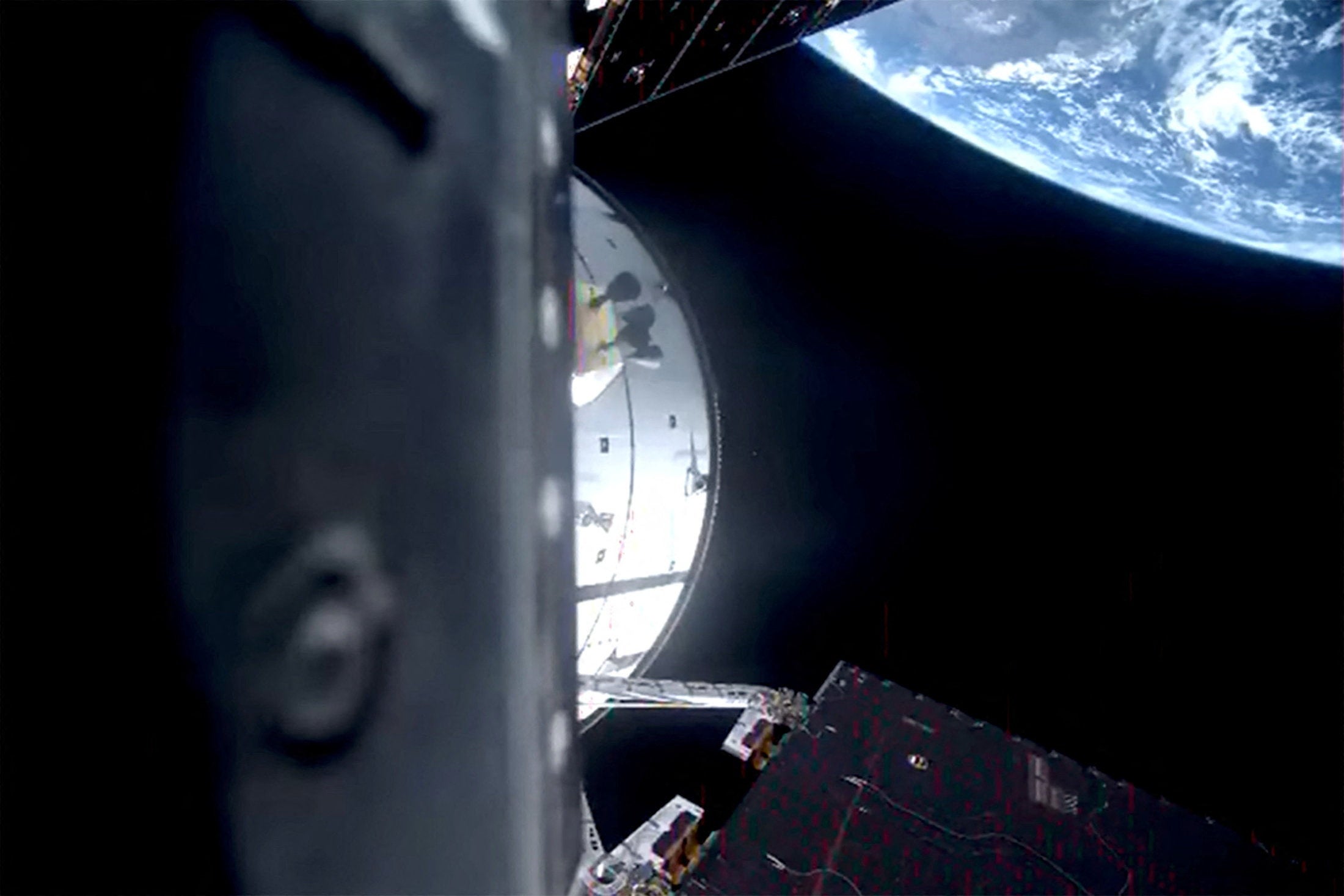
Más de uno
Fernando Gómez Carpintero, CEO de Airbus Crisa: "Artemis es la misión más importante de nuestra generación"
00:10:52
Fernando Gómez Carpintero, CEO de Airbus Crisa: "Artemis es la misión más importante de nuestra generación"
Loading summary
Transcript19 lines
- [00:00]
A
Gómez Carpintero, que es CEO de Airbus Crisa. Señor Gómez CarpinterO, ¿Qué tal? Buenos días.
- [00:06]
B
Muy buenos días. Muchas gracias por la oportunidad de hablar
- [00:09]
A
de esta misión, que me imagino que en su caso la pregunta es obvia. Usted desde luego estaba muy pendiente y me imagino que con los nervios a flor de piel porque había mucho en juego en general. Ya simplemente por la misión, pero porque digamos que en. En esa cápsula que viajaba, que ha ido con esa propulsión de ese inmenso cohete, hay una parte, el corazón térmico de ese módulo en el que viajan los cuatro tripulantes, que es de fabricación española y que ha salido de aquí. Ha habido una confianza plena en el trabajo que vienen realizando ustedes desde hace mucho tiempo. ¿Cómo lo ha vivido? ¿Cómo ha vivido usted estas horas en las que también ha habido un poquito de tensión, aunque luego se activó otra vez la cuenta regresiva y todo ha salido hasta ahora prácticamente según lo planificado?
- [01:03]
B
Efectivamente, estuve viendo el lanzamiento, no sólo yo, sino todos los profesionales a los que represento hoy aquí, que hemos participado en este proyecto. Muchísima emoción, muchísimos nervios y también mucha alegría de ver finalmente la misión empezar. Nosotros hemos desarrollado esta unidad de control térmico, que podríamos decir es el cerebro térmico de la nave. Es una pieza de tecnología esencial que va a permitir que los astronautas estén en un rango de temperatura confortable. Sabéis que en ese espacio profundo la Temperatura oscila desde menos 200 grados más 100 grados. Y son nuestras unidades las que garantizan el confort y la seguridad de la tripulación. Entonces es la primera vez que la NASA confía un elemento crítico de la nave a una empresa que no es americana. Para nosotros aquí en Muscrisa, para todo el equipo al que represento hoy, pues
- [02:07]
A
es un gran orgullo porque obviamente de la seguridad de la tripulación depende este trabajo, porque es el módulo de servicio, de mantenimiento que es esencial. Ahí depende el agua, el nitrógeno, el oxígeno y después la parte de la temperatura, porque qué temperaturas en el exterior pueden afrontar.
- [02:32]
B
Mira, la nave que está ahora mismo en la órbita terrestre, a punto de empezar su inyección translunar, tiene dos partes. Una parte es americana y otra parte, una mitad es europea. Efectivamente, ese módulo de servicio europeo que proporciona comunicaciones, propulsión, todos los suministros de agua, de oxígeno. Y dentro de esa mitad europea tenemos nuestras unidades de control térmico hechas aquí en España, que son las encargadas de garantizar esas condiciones óptimas para la tripulación en el espacio. Es un ambiente muy hostil, incompatible con la vida. Cuando no hay iluminación estamos muy por debajo de cero, cerca de los 200 grados bajo cero. Cuando hay iluminación podemos llegar a 100 grados. Y son estas unidades las que garantizan que dentro del habitáculo, dentro de esa pequeña habitación que ahora mismo está a punto de iniciar su viaje al espacio profundo, se dan las condiciones necesarias para la vida y para la seguridad de los astronautas.
- [03:36]
A
Señor Gómez Carpintero, ha escuchado usted aquí a mis compañeros de mesa, le decía yo no sé si es porque les he hecho trabajar este jueves Santo, estaban un tanto descreídos. Otra vez otra misión. Estamos hablando de una misión de estas características con tripulación que no veíamos desde hace más de 50 años, 54 en concreto, en la que no solamente hay inversiones multimillonarias, sino que hay mucho en juego y mucho de lo que puede venir a partir de 2028, 2030, cuando se quieren multiplicar estas misiones tripuladas y dar ese paso gigante que es el de establecer colonias permanentes en la Luna y por qué no pensar también en el futuro en Marte. Explíquenos usted con sus palabras, para los que somos un poco no expertos en la materia, ¿Por qué es tan importante esta misión Artemis II?
- [04:30]
B
Mira, Artemis es la misión más importante de nuestra generación. Habéis hablado de Apolo y ciertamente en la empresa todavía tenemos algunos profesionales que eran niños cuando ocurrió la misión Apolo. Artemis va a ser la misión más importante de nuestra generación. Apolo fue una misión que se dice de huella y bandera, de llegar, de demostrar esa supremacía, de llegar primero y ya está. Artemis tiene una vocación de largo plazo. Artemis va garantizar una presencia permanente en la Luna y además aprender todo lo que necesitamos aprender a nivel de tecnología, a nivel de cómo funciona el cuerpo humano para poder ir a Marte después. Entonces, desde muchos puntos de vista, Artemis va más allá que Apolo.
- [05:20]
A
Hemos pasado ya los momentos críticos principales. Entiendo que el viaje, el rumbo a la Luna todavía no va a llegar hasta el día de mañana, porque va a estar orbitando alrededor de la tierra durante 24 horas. ¿Cuáles son los siguientes puntos en los que vamos a tener que estar muy pendientes que todavía van a ser críticos en el desarrollo de esta misión?
- [05:45]
B
Pues mira, después del lanzamiento, que ciertamente ha sido un momento muy crítico porque era la segunda vez que este gran cohete hacía su función. Durante las siguientes 24 horas se tienen que verificar todos los sistemas de la NAP, en concreto también nuestras unidades de control térmico. Hay que garantizar que está todo operativo, que está todo funcionando dentro de los parámetros nominales, porque en un momento dado, dentro de las siguientes 24-48 horas, hay que hacer esa inyección en la órbita traslunar. Y una vez que se hace esa inyección en la órbita traslunar, ya no hay vuelta atrás, ya hay que ir hacia la Luna, hay que apoyarse en la gravedad de la Luna y esa es la que luego nos era esa tripulación de vuelta. Pero digamos que una vez que se da ese gran GO en las próximas 24 horas, ya no hay vuelta atrás. Es muy importante durante este periodo inicial asegurar que está todo en perfecto orden de marcha.
- [06:45]
A
Y en principio, si todo sigue según lo planificado, el viaje hasta el satélite, que ya estamos repitiendo mucho, que no va a haber alunizaje, sino que va a dar una vuelta alrededor de la Luna, va a pasar por esa parte oculta, va a estar unos, creo que son 7000 kilómetros sobre la superficie lunar, va a tardar más o menos como cuatro días. Estaría llegando algo así como el lunes a la Luna.
- [07:11]
B
Eso es, eso es. Si todo va bien, se verifican los sistemas, se da el GO dentro de las próximas 24-48 horas, entra en esa órbita, digamos, traslunar, irá hacia la Luna tres días, dará la vuelta por detrás de la Luna, verá la famosa cara oculta de la Luna, va a llegar más lejos que ninguna otra nave tripulada, 7.000 kilómetros más allá de la Luna, que a su vez está a 400 mil kilómetros, y luego iniciará la trayectoria
- [07:42]
A
de regreso a la Tierra, que terminará con un amerizaje, creo que en el Pacífico. Estos problemas técnicos de los que hemos hablado, que también, insisto, a los que no conocemos exactamente cómo han ido, transmisiones al detalle, con los tecnicismos, cómo de preocupantes son, porque algunos de ellos tenían que ver con las comunicaciones. Entiendo que si no hay comunicación hay un riesgo importante. Esa se ha solucionado. Pero son habituales este tipo de fallos que tengan lugar en los momentos tan críticos de la misión, justamente coincidan en los momentos posteriores al lanzamiento.
- [08:19]
B
Hay que entender que esta nave es un vehículo muy sofisticado, muy complejo. Digamos, todos estos acontecimientos que estás señalando forman parte de la normalidad. De hecho, la mejor prueba es que han continuado adelante con las diferentes inyecciones, no han sido problemas graves, pero sobre todo es que estamos en estas 24 horas iniciales donde hay que verificar que todo funciona. Entonces, un repaso por todas las funciones y todos los equipos de la nave antes de dar ese visto bueno para iniciar la órbita traslunar. Entonces forma parte de la normalidad y además hay que entender que este Artemis II es también un gran vuelo de prueba para las siguientes misiones. Artemis es un vuelo de prueba tripulado muy serio. Hay que garantizar, por supuesto, la seguridad de la tripulación, de los cuatro astronautas, pero forma parte de la normalidad hacer esta gran prueba y todas estas verificaciones que se están haciendo.
- [09:26]
A
Decía yo antes que en este caso, en esta renovada carrera espacial, ya no está la URSS. Rusia está a otras cosas ahora, pero está China, y China es bastante enigmática a la hora de dar información sobre sus misiones espaciales, aunque obviamente hay un interés enorme en volver a la Luna y se está manejando la fecha también de 2030. Por ahí andan las cosas, aunque no sabemos, no existe la misma transparencia que tenemos con las misiones en las que viene trabajando la NASA y que tanto publicita también ahora el presidente de los Estados Unidos.
- [10:04]
B
Aquí lo que me gustaría es poner el foco en España tenemos esta misión Artemis II supone también el éxito de la ingeniería y de la tecnología española. Todos los oyentes que anoche pudieron ver el lanzamiento, a mí me gustaría que supieran, se habla mucho de Estados Unidos, de China, de NASA. Bueno, a mí me gustaría que supieran que hay dentro de la nave. Hay dos unidades térmicas críticas que han sido diseñadas, fabricadas aquí en Madrid, en nuestras oficinas de tres tantos, y yo es ahí donde pondría el foco.
- [10:38]
A
Bueno, desde luego, y por eso hemos hablado con usted para que nos lo contara en un día importante. Estaremos muy pendientes de esta misión. Fernando Gómez Carpintero, CEO de Airbus CRISA Gracias por atendernos esta mañana. Un saludo.
- [10:50]
B
Muchísimas gracias.
- [10:51]
A
Un saludo. Bueno, no te.