← Más de uno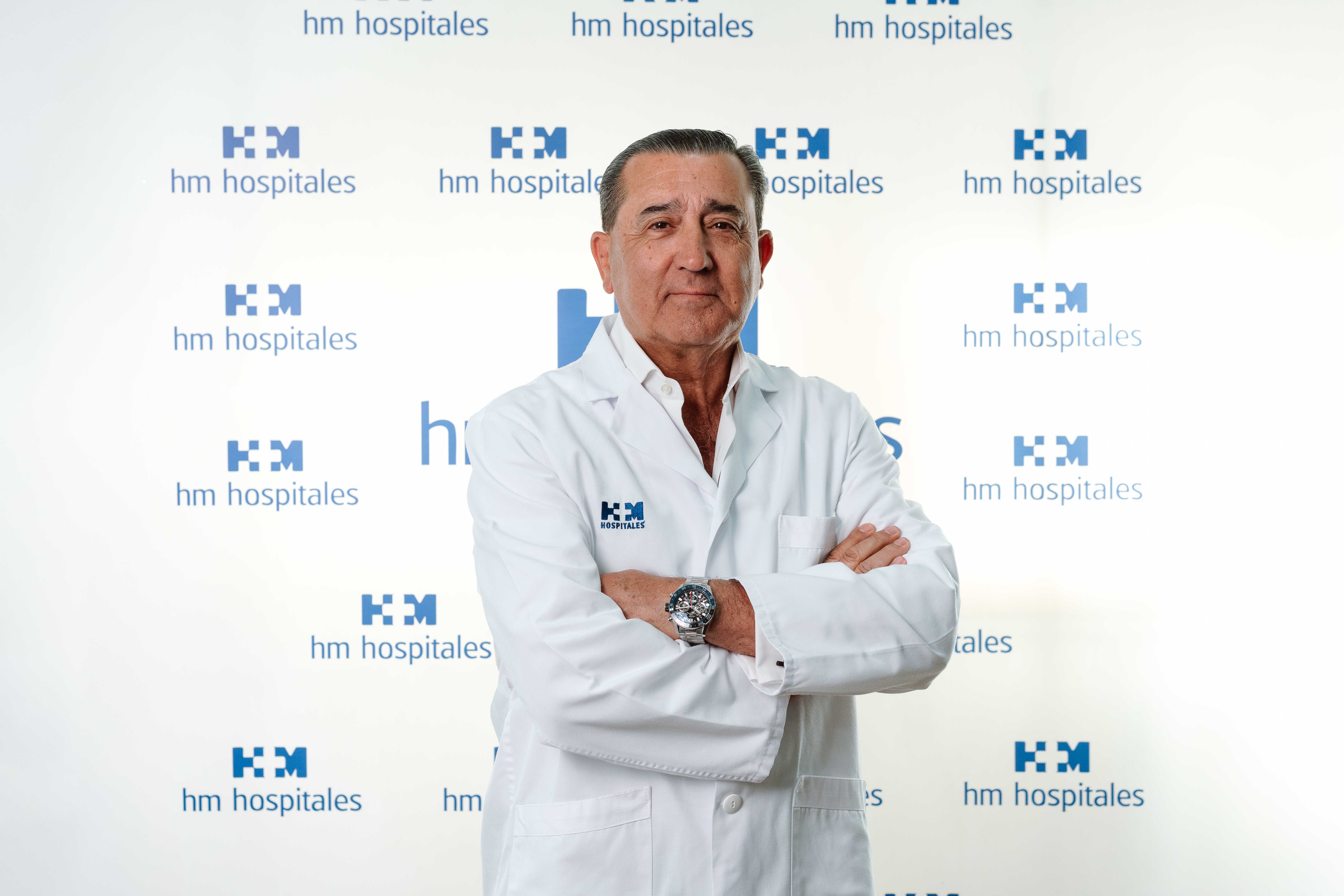
Más de uno
Hablamos de medicina regenerativa con el Dr. Manuel Díaz Samada, de la Unidad de Traumatología y Cirugía Ortopédica de HM Hospitales en Málaga
00:07:52
Hablamos de medicina regenerativa con el Dr. Manuel Díaz Samada, de la Unidad de Traumatología y Cirugía Ortopédica de HM Hospitales en Málaga
Loading summary
Transcript12 lines
- [00:04]
A
Hoy en nuestro espacio de salud queremos hablar de Traumatología y Cirugía Ortopédica y lo hacemos a partir del doctor a quien vamos a saludar, Manuel Díaz Samada, que es el Jefe de Servicio de Traumatología y Ortopedia en los hospitales Hm. ¿Qué tal doctor?
- [00:22]
B
Muy bien, muchas gracias por su llamada.
- [00:24]
A
Queremos conocer de qué manera implementan los Hospitales HM estas nuevas técnicas, estas praxis de medicina regenerativa, esas terapias menos invasivas en sus diferentes centros hospitalarios.
- [00:41]
B
Pues mire, como es bien sabido, el dolor articular y de los tendones y músculos a muchas personas les limita cosas tan básicas como el caminar, el hacer deporte, incluso dormir. En nuestra unidad de terapia biológica lo que buscamos es ofrecer una alternativa real antes de plantear una cirugía ya cirugía mayor. Entonces utilizamos tratamientos tan conocidos hoy día como el plasma rico en plaquetas, que se obtiene de la propia sangre del paciente para reducir la inflamación y mejorar a la vez que favorecer la reparación natural del tejido. Contamos con unas técnicas mínimamente invasivas que son guiadas habitualmente por ecografía y nos permiten tratar lesiones con enorme precisión sin tener que abrir la articulación y con una recuperación mucho más rápida. Respecto al problema del cartílago, como usted ha nombrado, disponemos de actividades específicas diseñadas para preservarlo y cuidar la articulación a largo plazo, sobre todo en pacientes jóvenes o de una edad mediana pero activos. En definitiva, lo importante es estudiar cada paciente en detalle cada caso y buscar la solución menos agresiva y más efectiva para que puedan volver a la vida normal lo antes posible. La segunda parte de su pregunta, que era ¿En qué casos se utilizan estas técnicas? Pues principalmente hoy día en todos los casos de lesiones de los tendones, sobre todo tendinitis, el famoso codo del tenista, el tendón rotuliano, la tendinitis de los tendones rotadores del hombro, que son las más conocidas. En lesiones musculares por sobreesfuerzo deportivo, por ejemplo tirones o roturas parciales de tendones o músculos, donde el PRP puede favorecer la cicatrización y acelerar su recuperación. Y ya metido en el tema del alto articulación, ¿Tienen que ser lesiones leves o moderadas? ¿Por ejemplo la artrosis que está iniciándose o es moderada? Porque cuando una artrosis ya muy severa, la verdad es que ninguno de estos tratamientos puede ser completamente efectivo puede ayudar, pero no ser curativo.
- [02:46]
A
Muchos pacientes doctor, no profesionales, acuden por lesiones deportivas. ¿Qué destacaría de la Unidad de Medicina Deportiva en este sentido?
- [02:55]
B
Pues mire, cada vez vemos un mayor uso de actividades deportivas por parte de la población en general. Se busca una mayor calidad de vida a través de que el organismo responda mediante fortalecimiento muscular y preparación física de sus articulaciones, músculos y tendones. El entrenamiento y la actividad deportiva no siempre son realizadas con rigor y con parámetros suficientes, lo cual hace que lleve a lesiones de todo tipo. Debemos empezar sobre todo por una concienciación de preparación previa suficiente, pero una vez llegado a la lesión, lo que nos hace a nosotros diferente es el trabajo multidisciplinar que que presentamos, aunque no sean deportistas profesionales, como disponen en nuestro equipo de traumatólogos, médicos deportivos, fisioterapeutas, podólogos, nutricionistas, psicólogos y una unidad de tratamiento biológico en coordinación unos con otros, hace que la probabilidad de la recuperación y volver con un menor índice de recaída aumente. Ya sabemos que siempre es mejor prevenir que curar, pero una vez llegado al punto de la lesión ofrecemos esa visión integral y en equipo para llegar lo antes posible a la curación de esa lesión.
- [04:05]
A
Como Jefe de Servicio de esa Unidad de Traumatología de HM Hospitales en Málaga y con un equipo multidisciplinar, ¿Qué cree que distingue el servicio que usted dirige?
- [04:18]
B
Pues yo diría que con esas dos palabras que ha dicho, la palabra equipo y la palabra multidisciplinar. Mi obsesión desde el principio siempre ha sido la de crear equipo. No creo para nada en los individualismos ni en los francotiradores. Yo recuerdo una frase que salió en todos los periódicos que dijo el entrenador de fútbol de la selección española, el señor Del Bosque, que resume un poco mi filosofía cuando le ¿Usted qué jugadores llevará al Mundial? Y él respondió a los mejores. He creado cinco unidades de trabajo y especialización que dirigen unos profesionales de prestigio en cada grupo de patologías. Por ejemplo, el Doctor Ferrer en los tratamientos biológicos, el Doctor Gómez Cáceres en Traumatología Deportiva, el Doctor Carnero en miembro superior, el Doctor Doncell en miembro inferior y el Doctor Virgilio de Lemo en todo lo que es patología de la columna vertebral. Como usted verá, con este elenco dirigiendo cada grupo y cada unidad, solo hay que llevar con suavidad la batuta de la organización, que es lo que yo pretendo. Hay un cambio constante de las técnicas y materiales que se realizan y utilizan. La formación de los residentes lleva años siendo cada vez más precaria en los hospitales, sobre todo en técnicas ortopédicas, porque la urgencia traumatológica lo ocupa todo. Hay necesidad de formarse en técnicas y materiales y más de que nuestro grupo, el Instituto Malagueño de Traumatología Deportiva, apuesta firmemente por este proyecto de la mano de HM, porque HM tiene en su ADN una apuesta firme por la docencia, formación e investigación. Por lo tanto, sólo lo que hacemos es poner las bases para desarrollar esta ilusionante aventura con este equipo que les he nombrado y con los centros HM actuales y los dos grandes centros sanitarios HM del futuro, el de Vélez Málaga y el de la zona del estadio de La Rosaleda.
- [06:08]
A
HM es el primer hospital privado de Andalucía en realizar cirugías de columna con un navegador D de última generación. ¿Cuáles son las principales ventajas, doctor?
- [06:18]
B
Pues mire, el Hospital HM Málaga ha incorporado un innovador sistema de imagen tridimensional intraoperatoria y de navegación quirúrgica, lo que se traduce en una mejora sobre todo en la seguridad y del paciente y en la precisión de la cirugía de columna que se está realizando. Se trata de una tecnología única en la sanidad privada andaluza que optimiza cada fase de la cirugía y reduce las complicaciones asociadas a la colocación de implantes como tornillos, prótesis o dispositivos interespinosos. Permite realizar procedimientos con una mayor precisión, mejorando la seguridad del paciente y minimizando los riesgos gracias al escáner intraoperatorio y al navegador, donde los cirujanos pueden visualizar en tiempo real la imagen tridimensional de alta resolución y guiar la colocación de dichos implantes con una exactitud milimétrica. Se trata de un escáner intraoperatorio con imagen D, el modelo más avanzado que existe en la actualidad. Además, ahora vamos a incorporar un robot quirúrgico a nuestro equipo, precisamente para rodilla y cadera, que simplificará y mejorará el posicionamiento y disminuirá las complicaciones en patologías, sobre todo protésicas, de esas articulaciones.
- [07:30]
A
Con ese apunte nos vamos a quedar. Doctor Manuel Díaz Amada, Jefe de Servicio de Traumatología y Cirugía Ortopédica en Hospitales HM Málaga. Gracias por habernos acompañado. Buen día.
- [07:41]
B
Gracias a ustedes gracias a ustedes.