← Más de uno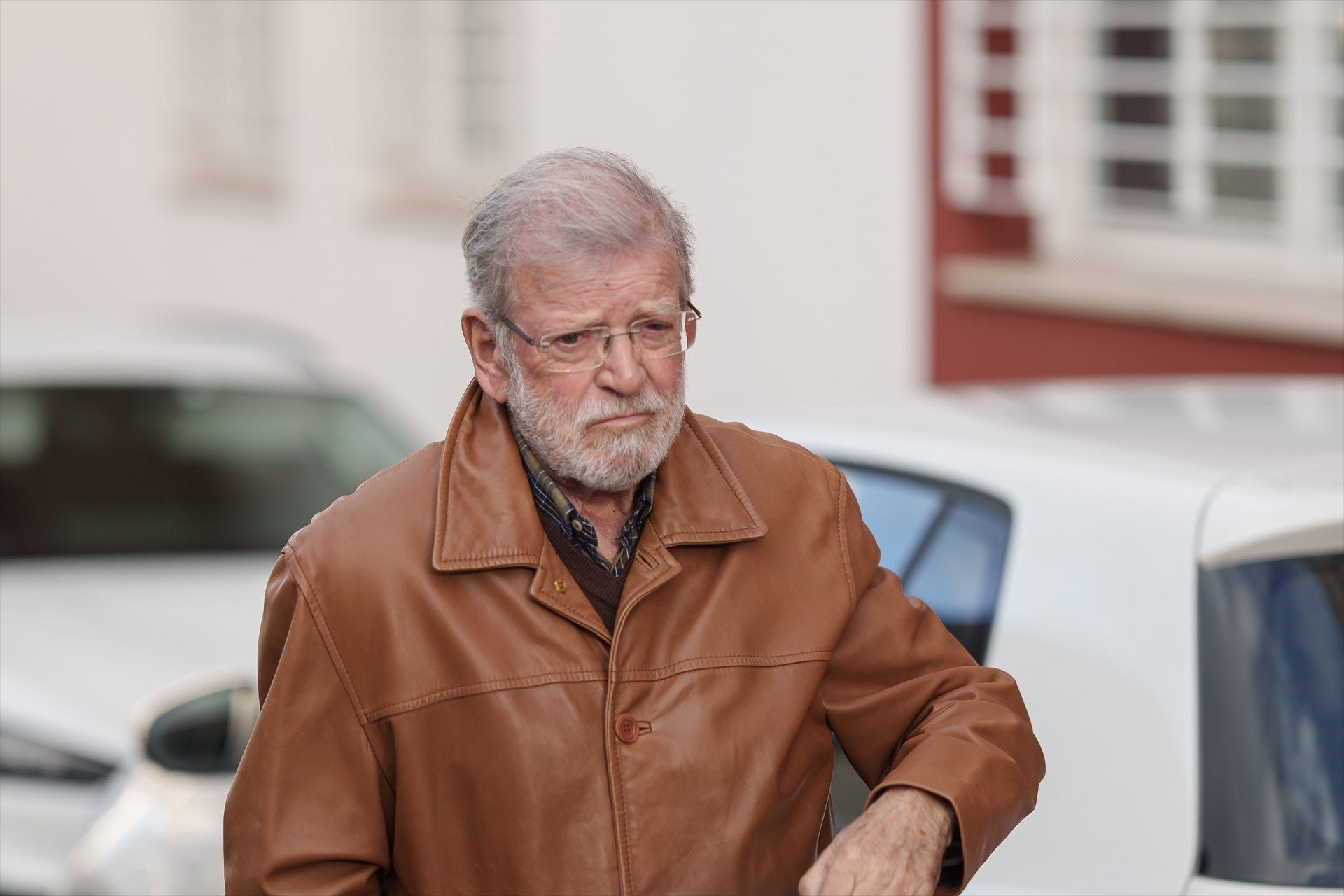
Más de uno
Ibarra critica el "desprecio" de Sánchez por las autonomías y atribuye a las políticas del Gobierno la debacle en Extremadura: "No se entienden"
00:17:06
Ibarra critica el "desprecio" de Sánchez por las autonomías y atribuye a las políticas del Gobierno la debacle en Extremadura: "No se entienden"
Loading summary
Transcript26 lines
- [00:00]
A
Bueno, Juan Carlos Rodríguez IBARRA Expresidente de la Junta de Extremadura. Buenos días.
- [00:04]
B
Hola, buenos días, señor. Señor.
- [00:06]
A
¿Cómo estamos?
- [00:08]
B
Pues muy bien, muy bien. Dispuesto para la cena nocturna, que no es como antes, cuando antes comíamos las gambas y los langostinos una vez al año. Me gustó esperar esa noche.
- [00:22]
A
¿Está esperando la llegada? ¿Sí, no? El tema de hoy, la Nochebuena es el principal tema. Que está esperando la llegada de Nochebuena. ¿Con ánimo o con resigno?
- [00:35]
B
Bueno, con muchísima preocupación. Con muchísima preocupación porque yo creo que la responsabilidad de un dirigente, o en este caso concreto, un militante socialista como soy yo, es analizar la realidad y saber esa realidad cómo se puede alterar en el supuesto de que no te gusten las consecuencias que pudiera derivarse de la no actuación del Partido Socialista Obrero español. Es decir, si todos los partidos hicieran lo que queremos hacer nosotros, por lo visto, es decir, no votar ninguna opción distinta de la nuestra, pues entonces habría una investidura de la señora Guardiola, que sería una investidura fallida en el mes de enero, porque si nadie le vota no tendría voto suficiente para obtener mayoría absoluta y por lo tanto tendríamos que ir a unas segundas elecciones. ¿Eso le interesa a Extremadura? Desde mi punto de vista, no. Yo creo que habrá que hacer algo para evitar irnos a unas elecciones que hace perder seis meses a la región. Y lo que es peor, una segunda elección en marzo cogería al Partido Socialista descabezado porque han emitido toda la Comisión Ejecutiva Regional y por lo tanto al Partido Socialista no le interesaría. En segundo lugar, supongamos que el Partido Popular elige como socio a Vox y Vox entra en el Gobierno o condiciona decisivamente el gobierno. ¿Eso interesa a los socialistas? Digo no, porque todo lo que hemos hecho durante 36 años corre el riesgo de desmoronarse si Vox mete las manos en el Gobierno del Partido Popular. Ya hemos visto lo que está pasando con la educación en los sistemas más bajos, de 0 a 3 años, los socialistas pusimos gratuidad en esa enseñanza. El Partido Popular está repartiendo cheques para que los niños vayan a las guarderías que quieran. ¿Cuál es el problema? Que los pueblos no existen guarderías. Por lo tanto, están suprimiendo un derecho que nosotros habíamos conseguido. Recordaba cuando leí ayer lo de mi ley, que exactamente lo está haciendo igual, pero en todos los niveles educativos de Argentina. Bueno es empezar de 0 a 3 años, pero nadie dice que no puedan continuar. Yo haré todo lo posible, o diré que hay que hacer todo lo posible para evitar que Vox entre en ese juego que haría que las conquistas que los socialistas hemos conseguido se vengan abajo o parte de esas conquistas se vengan abajo. Entiendo que haya gente en el partido que como no lo vivió, como no lo sudó, como no lo sufrió, pues no le importe que vos entre y eche a perder lo que nosotros hicimos. Pero recuerdo que los tres expresidentes que había en Extremadura, ya solamente quedan dos, uno ha fallecido desgraciadamente, otro como yo, tuvo que irse de la política porque me dio un infarto que me mandó al otro mundo y gracias a los médicos volví otra vez y queda solamente con buena salud, que yo se la deseo siempre. Monaco que estuvo cuatro años entonces sufrimos mucho para hacer que una región que había perdido el orgullo, la dignidad, la ilusión de un futuro lo haya conseguido. Yo haré todo lo posible para evitar elecciones y para evitar que Vox metas las manos en un gobierno del Partido Popular.
- [03:46]
A
¿Cómo de acompañado está usted en esta propuesta? Que a mí me parece bastante razonable, pero veo que en Ferrat no se lo parece. Me refiero, el otro día usted ya planteó esto en la reunión de la Ejecutiva del Partido socialista de Extremadura. ¿Cuál ha sido la acogida o cuál percibe usted que es la acogida en el PSOE extremeño?
- [04:06]
B
Estoy un poco confundido porque la Diputación de Cáceres, donde el presidente de la Diputación de Cáceres y el secretario general de Cáceres son los más opuestos a negociar con el PP, resulta que han aprobado sus presupuestos de la Diputación por unanimidad entre el Partido Suiza y el Partido Popular. ¿Por qué ellos pueden negociar con el Partido Popular y el Partido Socialista de Extremadura no puede negociar con el Partido Popular? Máxime si nos estamos jugando también la Diputación de Cáceres y la Diputación de Badajoz en las próximas elecciones municipales. Porque el acuerdo que yo pediría al Partido Popular es decir, oiga, nosotros nos abstenemos con estas condiciones y además firmamos un documento donde en las próximas elecciones la lista más votada será apoyada también por el Partido Popular. Porque viendo el resultado que ha habido en estas últimas elecciones, nosotros podríamos gobernar en muchos ayuntamientos que somos fuerza mayor y pero no tenemos mayoría absoluta. Si hubiera un pacto entre PP y Vox nos quedamos sin muchísimos ayuntamientos y por lo tanto sin las dos diputaciones. Esa parte también habrá que tenerla en cuenta a la hora de analizar la realidad. Y estoy confundido también porque ayer la portavoz del PSOE a nivel federal dijo que estos temas los decidían los militantes. Yo me sonreí ¿Será verdad que se lo cree ya? Porque a mí nadie me ha preguntado, a ningún militante, los pactos con Sumar o los pactos con Podemos. Supongamos que sea verdad. Supongamos que sea verdad. Yo encantado que decida a los militantes. Pero al mismo tiempo oigo por la tarde que la portavoz del Gobierno dice se acabó, eso no se va a hacer. Bueno, lo tomo como una opinión el Gobierno no tiene nada que ver en este asunto, no tiene nada que decidir. Daría la sensación de que al Gobierno le interesa que Bosch meta las manos en el Gobierno de Extremadura. Y bueno, yo no. Yo no tengo ganas de que Ebos meta la mano en el Gobierno de Extremadura porque echa a perder todo el esfuerzo y todo sacrificio que Guillermo y yo acompañó de un enorme partido como era el Partido Socialista. En Extremadura hicimos posible. Ahora hemos perdido. Podemos estar como los espectadores en los partidos de tenis, 18 diputados frente a 40 de la extrema derecha y derecha, mirando para acá, para allá, pero sin participar en el juego. Y yo quiero participar en el juego aunque hayamos perdido, porque nunca me ha gustado ser oposición, me gusta ser alternativa.
- [06:28]
A
¿Cuáles son, en su opinión, las causas después de una jornada electoral y cuando ya los votantes se han pronunciado? Lo más inteligente que puede hacer un partido político es examinar qué ha pasado, intentar saber si ha sido castigado, por qué ha sido castigado, si ha sido premiado, por qué ha sido premiado. En este caso, el castigo, por llamarlo así, al Partido Socialista, creo que es bastante nadie lo discute. ¿Cuáles son las razones últimas, en su opinión, o más relevantes para que se hayan producido situaciones como la de la ciudad de Badajoz, en la que el Partido Socialista queda por detrás de Vox y muy por detrás del Partido Popular, ¿Qué ha llevado a los votantes tanto a no votar, abstenerse, como a votar a otras opciones políticas? ¿Qué le ha pasado al Partido Socialista?
- [07:06]
B
No había que ser muy inteligente para saber que esto podía ocurrir porque en el año 23, es decir, hace dos años y pico, el candidato que llevábamos era un candidato excelente. Nadie el PSOE puede perder porque tiene un mal candidato. Llevamos a Guillermo Fernández Vara, que era un excelente candidato y teníamos 34 diputados en ese momento y perdimos el gobierno porque nos fuimos a 28. Perdimos 6 diputados de golpe, que nunca había ocurrido en la historia democrática en el cemento seis diputados de golpe. Algo habría pasado para que eso ocurriera. Ahora, por lo visto, el PSOE llevaba un mal candidato. Pero según dicen los analistas políticos, un candidato bueno aporta dos o tres puntos a la lista y un candidato malo resta dos o tres puntos. Supongamos que Gallardo y era un mal candidato y ha quitado tres puntos a la lista. Muy bien, hemos perdido 15 puntos. ¿El resto a qué se atribuye? Puede ser a la torpeza del Partido Socialista en Extremadura, que es verdad que estaba bastante deficiente. Yo he estado, como usted ha dicho, haciendo campaña y he ido a pueblos importantes y a lo mejor han ido 30 personas. A mí no me ha ocurrido eso nunca. Ni cuando fui diputado en el año 77 que estaba el partido iniciándose en Extremadura y tenía mucha más gente que ahora. Es decir, el partido soba bastante muerto, por decirlo de alguna manera. Pero después yo creo que hay una cosa que es elemental. Las políticas que está haciendo el Gobierno de España en enfermedad no se entiende. Y como no se entiende, pues al primero que ha puesto la mejilla que ha sido partido, le han partido la cara. Creo que esa es una razón irrebatible. Ya digo, además de las torpezas nuestras y de nuestro candidato, el gobierno ha influido decisivamente. Escuchando a Illa, por ejemplo, decir que hay que ir al principio de ordinario, pues está uno diciendo bueno, eso a Extremadura no le perjudica, o sea, no le interesa, beneficiará a Cataluña. Pero pactar con Bildu en Extremadura no se entiende. Ir a negociar con un prófugo de la justicia en Suiza no se entiende. Y todas estas cosas se comen las bondades de lo que haya podido hacer el gobierno socialista. Que es verdad que algunas ha habido importantes para la región, Sí.
- [09:14]
A
Y que la marcha de la economía española, pues el crecimiento del PIB es un dato objetivo y la mejora de las previsiones. Todo eso está ahí. Por eso lo importante.
- [09:24]
B
Por eso lo interesante viene siendo Alsina, que la mejora de economía española es cuantitativa, no cualitativa. Quedamos que nos daban dinero en Europa para transformar nuestro sistema productivo el sistema productivo sigue siendo el mismo, es decir, consumo y turismo. Hay más gente, por lo tanto hay más consumo y por lo tanto más impuestos pagando, pero no creo que cualitativamente estemos mejorando mucho.
- [09:48]
A
Sí que a la vez que se está produciendo el crecimiento de la economía y el crecimiento del PIB, que el gobierno no es discutible que el crecimiento se está produciendo, aunque pierda velocidad, pero bueno, se está produciendo. Al final tenemos este último informe, por ejemplo, de Cáritas, lo mencionaba aquí el otro día Jordi Sevilla también, el informe de Cáritas, que hay más fragmentación social que nunca en España. Con un gobierno de izquierdas no estamos consiguiendo reducir la fragmentación y aumentar la igualdad y el reparto de la riqueza. Pues algo está, algo está fallando, algo se está haciendo mal.
- [10:18]
B
Sí está habiendo una desafección de la gente que entiende que con un gobierno progresista, con un gobierno de izquierda, las cosas deberían conducirse de otra manera, sobre todo en la juventud. Nosotros conseguimos, en mi generación, conseguimos que nuestros hijos vivieran mucho mejor que nosotros. Yo que nunca tuve un dormitorio en mi casa, porque tenía tres hermanas que dormían en una habitación y mis padres en otra, y yo en el comedor, bueno, pues después, gracias a mi trabajo, mi esfuerzo, conseguí una casa, un dormitorio, un corto baño, mis hijos también, y ahora cuando se van resulta que ya no tienen un dormitorio y un cuarto de baño para ellos, sino que tienen que compartir habitación a unos precios carísimos. Por eso genera desafección. Evidentemente nuestros hijos comienzan a ir a un mundo que no estaban acostumbrados, porque habían vivido bien, porque nuestros padres o nosotros habíamos conseguido que se viviera bien en España, que no hubiera esas diferencias que ahora comienzan a florecer radicalmente.
- [11:15]
A
Esta semana hemos conocido también que en el único análisis que se le conoce al secretario general del Partido Socialista, que es el que hizo a puerta cerrada con la ejecución federal, porque en público, que a mí me conste al menos, no se le ha escuchado ninguna valoración, que lo que explicó el secretario general, Pedro Sánchez, a su ejecutiva es que su perspectiva Extremadura es un fenómeno muy concreto, local, porque ha habido guerra sucia contra el candidato. Lo importante es que los votantes progresistas no se queden en casa, que no haya la abstención que se ha producido en la comunidad extremeña. Y dice el secretario general eso en las elecciones generales es donde veremos cómo los votantes van a las urnas, los votantes progresistas. Esta idea de que al secretario general del Partido Socialista lo único que le preocupa es las elecciones generales y no las autonómicas, en Extremadura, en Aragón, en Castilla y León, en Andalucía, en Galicia. La resignación desde hace dos años y medio haber perdido el gobierno de casi todas las comunidades autónomas. ¿Esto no debería ser también un motivo de reflexión interna en algún momento?
- [12:17]
B
Es una declaración desafortunada desde mi punto de vista. Es decir, los votantes volverán en las generales y el resto en las autonomías. ¿No le importa a usted lo que va a pasar? Porque recuerdo que es en las autonomías dominan el tema de la educación, dominan el tema de la sanidad, dominan el tema de asistencias sociales. ¿No le importa a usted qué es lo que puede pasar en las comunidades autónomas que tienen que defender esos derechos ciudadanos que nuestra Constitución garantiza y que con los gobiernos socialistas se impusieron? Me parece que es despreciar a las autonomías. No importa lo que pase en las autonomías, total son de segunda división. Lo importante es lo que va a pasar en las generales. No, no, lo importante es lo que va a pasar en las autonomías que es donde la gente se juega sus derechos. Esos derechos no los está garantizando el Gobierno central. La sanidad Extremadura la garantiza el gobierno extremeño y la educación también y la asistencia social también. Por tanto, me parece que es un desprecio a las comunidades autónomas que debería hacérselo mirar al presidente. No confíe todo en que cuando llegue las elecciones generales los votantes Van a volver. ¿Van a volver a donde? ¿A los 86? ¿Ochenta y cinco diputados del año 2016 o a los 121 del año 2023? Porque eso es quedarse en casi nada. Yo como vengo de una cultura donde el PSOE tenía hasta 202 diputados, me parece que 121 o 85 diputados es un mal ejemplo para estar pensando en el futuro.
- [13:44]
A
Una última cuestión que sé que tiene otros compromisos que atender. Juan Carlos, el señor Sevilla, Jordi Sevilla en este programa dijo hace un par de hay que pasar página ya de la etapa de Pedro Sánchez. Ha sido una etapa que ha tenido cosas muy positivas, otras no tan positivas, otras negativas, pero han sido ya siete años y medio de gobierno y lo que el PSOE tiene que empezar a pensar es en qué viene después de Pedro Sánchez. Sevilla va a promueve un manifiesto. Ayer le escuché decir que estaba buscando figuras de referencia en el socialismo que puedan sumarse a ese manifiesto. Yo creo que sintoniza en muchos de los argumentos que yo le he escuchado a Jordi Sevilla, se los acabo de escuchar a usted mismo. A Jordi Sevilla le ha escarpuente, dese una vuelta por las sedes socialistas a ver cuántas firmas consigue para este manifiesto. Si se diera usted una vuelta por la sede socialistas conseguiría firmas para un manifiesto como este. ¿El sentir de la militancia socialista es tan unánimemente favorable a las posiciones del gobierno como trata de transmitir el entorno del presidente?
- [14:42]
B
Pues mire, yo estaba en la campaña electoral pisando las agrupaciones locales. A mí no me puede decir el ministro Puente que no piso las agrupaciones locales Y lo que le he dicho a usted lo decía en los mítines y me aplaudían mucho. Entonces entiendo que seguramente el militante socialista cuando está en su salsa, es decir, oyendo a alguien que está diciendo lo que él siente, lo exterioriza, pero después se encuentra huérfano, se encuentra desamparado. Oiga, yo creo que para intentar hacer un manifiesto que combata lo que en este momento existe en el PSOE, hace falta una bandera. Si no hay bandera no hay ejército detrás. Y como por el momento no tenemos a ningún candidato que pueda contrarrestar los efectos del presidente del Gobierno, pues entonces yo me parece bien que se hagan manifiesto pero sería bueno que apareciera alguien y dijera yo aspiro a ser secretario y poder contrastar opiniones y poder contrastar argumentos y poder debatir como siempre ocurrió en el Partido Socialista. Esto de que ahora cuando se habla salga Óscar Puente o cualquiera de estos desautorizando, insultando, no lo había visto yo nunca. Le recomiendo Oscar Puente que lea a Rosa Luxemburgo, fue la creadora del Partido Socialdemócrata alemán y después se pasó al Partido Comunista. Es decir, la discrepancia, la libertad de expresión sólo es posible si la ejerce el discrepante. Si no estamos en China. Entonces por favor, respeto a la discrepancia que siempre ha caracterizado al Partido Socialista. Algunas veces hasta se llevan a tiros.
- [16:14]
A
Sr. Rodríguez Ibarra, le agradezco que nos haya acompañado esta mañana y que tenga una buena Nochebuena, una buena Navidad.
- [16:20]
B
Muy Bien, igualmente para usted.
- [16:22]
A
Gracias. Un abrazo Hasta luego. Hasta luego. Son las 9 y 5 minutos, una hora menos en las Islas Canarias. Voy a hacer una pausa con vuestro permiso y ya después tendréis ocasión de comentar en que coincidís, en que discrepáis del análisis que hace un dirigente que creo que sigue siendo socialista.
- [16:39]
B
Un símbolo.
- [16:40]
A
De la izquierda durante muchísimos años también, Felipe González.
- [16:44]
B
Mayorías absolutas.
- [16:47]
A
Sí. Lecciones sobre cómo ganar unas elecciones, pues seguramente se pueden dar pocas al señor Rodríguez Ibarra. Bueno, entonces una Pausa, son las 9 y 5 minutos, una menos en Canarias y a la vuelta empezamos el análisis de las noticias de este día.
- [17:03]
B
Más de uno en Onda Cero.