← Más de uno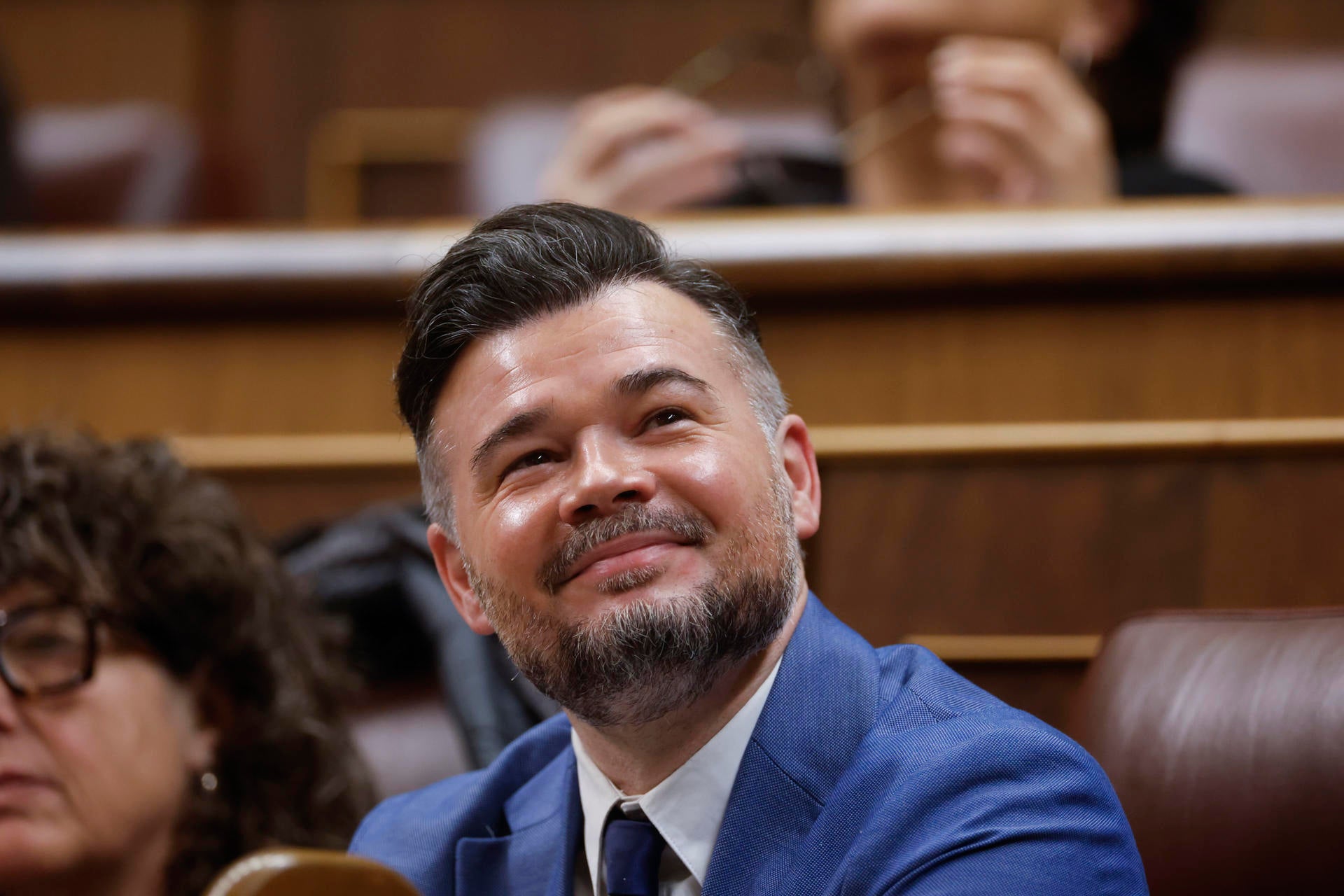
Más de uno
Ignacio Urquizu da las claves electorales para que la propuesta de Gabriel Rufián "tenga alguna posibilidad"
00:17:08
El sociólogo de Más de uno ha analizado cuáles son las características del electorado que se sitúa a la izquierda del PSOE, su tamaño y fidelidad a determinadas propuestas políticas.
Loading summary
Transcript57 lines
- [00:02]
Political Analyst
Pero hoy no venía a hablar de eso, hoy venía a hablar.
- [00:08]
Moderator
De la izquierda a la izquierda de.
- [00:10]
Political Analyst
Las izquierdas de la izquierda del PSOE. Algo de lo que es verdad que se está hablando mucho en las últimas horas, últimos días, y creo que hay que poner números de qué estamos hablando, porque es verdad que especulamos mucho sobre algunas cosas, pero no sé si lo hacemos con números. Es verdad que estamos ante el enésimo intento de coordinar todos esos votantes que están en las posiciones más a la izquierda. Y desde el principio de la democracia ese espacio siempre ha estado representado de alguna manera. En los años 70 y 80 era.
- [00:34]
Historian/Political Commentator
El partido Comunista que nos agrupaba, que llegó a tener casi 2 millones de votos y 23 escaños. Se derrumbó en el año 82 y es cuando apareció Izquierda Unida y que se inició una escalada que elección a elección llegó a su máximo en 1996, que tuvo 2,7 millones de votos y 21 escaños. Durante esos años se extendió una idea, una leyenda que decía que cuanto peor le iba al PSOE, mejor le iba a esa izquierda. Hasta que llegó el año 2000 y donde se derrumbó el PSOE y también se derrumbó esa izquierda, quedándose con menos de la mitad de los votos, 1,3 millones y 8 escaños. La etapa Rodríguez Zapatero fue la más complicada para la izquierda de la izquierda, porque el presidente socialista logró atraer a muchos de estos votantes y de hecho En el año 2008 Rodríguez Zapatero recuperó por última vez los porcentajes más elevados que ha tenido el PSOE en ese espacio, que fue en torno al 60%. Ya recuperó que tenía en su día, porque Felipe González también tenía muchísimos apoyos en ese espacio. Y fue en el 2008 la última vez que el PSOE se acercó al 60% de apoyos en la izquierda de la izquierda. El último barómetro del CIS es de enero del año 2026. Hoy al PSOE le votaría en ese espacio el 45%. Es decir que es verdad que Pedro Sánchez consigue el 45 de la extrema izquierda, que es dentro de la serie desde que Pedro Sánchez es líder, es la más alta y muy similar a la que tuvo en 2023. Es decir que hubo momentos más complicados. Y es aquí donde comienzan las complicaciones para las organizaciones a la izquierda del PSOE. Si el Partido Socialista aglutina a tantos votantes ahora mismo en esa franja es porque los demás están en horas bajas. En el último barómetro del CIS que digo, de enero, sólo el 11 que se sitúan en la extrema izquierda declaran votar a sumar, que es una tercera parte de lo que tenían al principio de la legislatura. Y el 7,5 se decanta por Podemos. Muy lejos de las cifras que llegó a tener el primer Podemos cuando, por ejemplo, En enero de 2016 el 50% de los votantes de extrema izquierda declaran votar al partido de Pablo Iglesias. De hecho, para que la propuesta de Gabriel Rufián tuviera alguna posibilidad, lo que tendríamos que observar es que estos votantes no tuvieran a quién votar o estuvieran desmovilizados realmente. Y si uno mira los datos del último CIS veremos que algo más del 12. Bueno, cerca del 13% de los votantes de extrema izquierda se declaran huérfanos. Es decir, estamos cerca del 13%. De hecho, si analizamos los distintos espacios ideológicos veremos que son los menos huérfanos, donde menos ahora mismo hay. En la izquierda la orfandad es del 26%. No en la extrema izquierda, sino en la izquierda. En el centro, donde, por cierto, a día de hoy el PSOE es la tercera fuerza política por detrás de PP y Vox, la orfandad es del 38%. En el centro derecha la cifra es casi del 22 y en la derecha la orfandad es del 18%. Es en la gente sin ideología donde hay una mayor orfandad, que es del 52. Por lo tanto, dicho de otra manera, si hay un sitio donde menos espacio hay para el nuevo partido político es en la extrema izquierda, es decir, donde menos espacio hay. ¿Cómo son estos votantes? La edad media es de 53 años. No son los más jóvenes, que son los que se sitúan en la izquierda, ni los más mayores, que son los que se declaran tener que tener no ideología, que tienen de media a 58 años. El 4% son mujeres. De hecho, junto con los sin ideología es donde encontramos más presencia de mujeres. Más de la mitad de ellos viven en ciudades intermedias, entre 10.000 y 400.000 habitantes. Por lo tanto se encuentran en las capitales de provincia, en las áreas metropolitanas o cabeceras de comarca. Pero no son los más urbanitas, ni declaran tener muchos estudios universitarios. De hecho, el 25% de ellos dicen tener estudios superiores Es de hecho electorado con menos universitarios. Bueno, no es el que menos, El que menos es la extrema derecha que sólo el 12% dice tener estudios universitarios La mitad de la gente de extrema izquierda y los que declaran no ideología que también son el 12 %. Dentro de los grupos ideológicos el mayor nivel de estudios estaría en la izquierda con casi el 43%. ¿Y alguna curiosidad más? Es el grupo ideológico donde más gente se declara clase trabajadora obrera y es el espacio ideológico donde menos clase media hay. Digamos que es donde se sitúa la mayoría de la ciudadanía. Si les preguntamos por quién les gustaría que fuera presidente del gobierno, aquí quizás lo único que le favorece a Gabriel Ruffin el 10 coma declara que fuera Gabriel Rufián el presidente del gobierno que es la segunda opción por detrás de Pedro Sánchez. De hecho la preferencia por Yolanda Díaz es del 6,7, por Irene Montero 1,6, por Gione Belarra 0,8 y por Pablo Iglesias 0,8 de hecho algo parecido ocurre en la izquierda que es el espacio natural del PSOE y el 7,7 se decanta por Gabriel Rufián como presidente del gobierno por detrás de Pedro Sánchez que cosecha el 40,1 ¿Algún dato más sobre ellos? Para ellos el principal problema para la gente de extrema izquierda es la vivienda y el segundo problema es los extremismos. Me ha llamado la atención porque alguien de extrema izquierda dice que el segundo problema del país es el extremismo En definitiva, creo que Gabriel Rufián se quiere tirar a una piscina. Gabriel Rufián se quiere tirar a una piscina donde hay gente que le quiere ver nadar Es decir, que es verdad que le quieren ver de presidente pero los datos dicen que no hay mucha agua en esa piscina. Es decir que el problema que tiene Gabriel Rufián es que se va a tirar a un sitio donde no hay muchos votantes en los que pescar porque realmente están casi todos posicionados. Y seguramente si vamos además un poco más a los problemas que puede tener, y no sé si será suficiente, es verdad que el sistema electoral español si algo premia es concentrar el voto, no dispersarlo Y justamente los partidos con los que quiere ir son aquellos que más concentran el voto porque son los nacionalistas y regionalistas concentran en un mismo espacio. Y dentro de la entrevista que hoy he pasado a mí también hay alguna cosa que me ha llamado la atención en cierto momento le preguntan que qué ser de izquierdas y al final al final ser de izquierdas tampoco hace falta filosofar mucho. Es decir, que seguramente el problema que tiene ese espacio de la izquierda tiene que ver más con ese tipo de respuestas que con sociología que como acabamos de ver mucho espacio no.
- [06:05]
Moderator
Tiene. Toni, adelante. Quiero hacer una.
- [06:08]
Political Commentator
Consideración ligando este tema con lo que ha pasado en Aragón este fin de semana. ¿Si las izquierdas hubieran ido juntas con los resultados que hay, me refiero, Izquierda Unida, Podemos y la Chunta hubiera mejorado el resultado o se hubieran mantenido los siete.
- [06:28]
Political Analyst
Diputados? Que creo que se queda prácticamente igual porque Izquierdoña entró por muy justo y los votos de Podemos realmente no añadían demasiado, o sea que no hubiese habido ninguno cambio, incluso ni aunque se acabó la fiesta hubiera ido con Vox tampoco habría cambiado demasiado la cosa porque son provincias con mucho tamaño y muy proporcionales y ya el reparto estaba bastante hecho, o sea que no se añadía mucho más a todo.
- [06:50]
Journalist
Ello. ¿Y Urquiz, perdón, sumar o lo que las políticas de sumar entrarían dentro de la extrema izquierda que estás describiendo más hacia Izquierda Unida o es el espacio natural del PSOE y ha ido más al centro, a la socialdemocracia, a.
- [07:09]
Political Analyst
Las políticas que se aplican y a.
- [07:12]
Journalist
La percepción que se tiene de él no.
- [07:14]
Political Analyst
Sumar? Básicamente lo que se ha visto a lo largo de la legislatura es que efectivamente ha ido bajando muchísimo el apoyo en ese espacio y yo creo que en cierta forma porque hay como un desencanto hacia las o porque hay.
- [07:24]
Journalist
Poca diferenciación del Partido Socialista, quiero decir, igual que Más Madrid ¿Es por poca diferenciación del Partido Socialista o es porque la extrema izquierda tiene un poco donde pescar? Porque sería un.
- [07:32]
Political Analyst
Poco. Es por poca diferenciación pero porque básicamente el PSOE ha devorado a sumar porque lo que se ha producido es que el PSOE es percibido como un partido más a la izquierda de lo que ha sido tradicionalmente. Cuando uno pregunta por determinadas políticas y posicionamientos ve un desplazamiento a la izquierda de muchas preguntas que hacemos sobre esa sanidad, la educación. Es decir, ha habido una visión de que el PSOE está más a la izquierda de lo que tradicionalmente estaba y como señalé hace un momento, la evidencia es que hoy el Partido Socialista es tercera fuerza en el centro. Para recordar un poco si uno quiere ganar las elecciones o no ganas en el centro o no ganas las elecciones. Eso significa que por ganar el centro vayas a gobernar, pero sí ganar. Entonces ese desplazamiento hacia la izquierda, que es percibido así por los votantes y por los ciudadanos, lo que significa efectivamente está muy fuerte en la extrema izquierda, pero ahora mismo está muy débil.
- [08:19]
Ignacio. Y tenemos ya datos de la fuga de voto que ha habido del Partido Socialista Vox, porque estamos viendo que se empieza a abrir ahí un agujero que antes no existía y que la estrategia del PSOE de alimentar a Vox para vaciar al PP había sido exitosa hasta cierto punto. Pero ahora estamos viendo también que empieza a haber ahí una grieta por la que se van votantes. ¿Está cuantificado, por ejemplo, en Aragón cuánto ha.
- [08:41]
Sido? Bueno, yo te he cuantificado a nivel. Esa es buena pregunta. Porque todo el mundo ¿Qué le pasa a la izquierda? ¿Por qué no gana elecciones? ¿Por qué no es mayoritaria la propuesta de Rufián? ¿Es porque no está unida y entonces hay que hacer algo nuevo para unirlos? Esa no es la respuesta. La respuesta es que si elección a elección estamos viendo que el centro de gravedad político se está desplazando hacia la derecha, es porque está habiendo una fuga de votantes hacia la.
- [09:03]
Historian/Political Commentator
Derecha. Lo que pasa a la izquierda.
- [09:05]
Political Analyst
Es que hay gente que se está yendo al PP y a Vox. Y en la última encuesta que nosotros tenemos En Metroscopia cuantificamos 1 millón de votantes que votaron al PSOE, hoy votarían a PP o Vox. 600.000 al PP y 400.000 a Vox. Por lo tanto, lo que hay es un desplazamiento o una disminución. Por eso cada elección se ve un porcentaje más alto de voto APP y Vox. No porque la izquierda esté desmovilizada, descoordinada, no, porque se están yendo hacia la derecha muchísimo.
- [09:29]
Más. Incluso el voto del cabreo, que decimos así coloquialmente, que podría pasar desde la extrema izquierda hasta la extrema derecha. Es decir, gente que en su día votó a Podemos porque era el voto de la impugnación, ahora puede estar votando a.
- [09:39]
Vox. Sí, son porcentajes son muy pequeños. Y es verdad que al final si piensas 400.000 votantes sobre el total, realmente es pocos votantes. Lo que pasa es que cuando la situación es tan tan ajustada, donde hay tan poca diferencia, hay que pensar que el PP ganó por 350.000 votos en el 23. Por lo tanto 400.000 es un mundo. Es decir, que son muchos que en una condición normal. Si la ventaja fuera de 2 o 3 millones de votos, 400 mil es una cosa menos significativa. Entonces es verdad que son muy pocos, pero lo que les hace especiales es que las elecciones siguientes, si nada cambia, se van a decidir por muy pocos votos de nuevo y además distribuidos en determinados sitios. Y por eso es relevante lo que acabas de señalar, que sí que es verdad. Hay gente que en su día votó a Podemos, que luego pasó a Ciudadanos y ahora que está votando a Vox. Hay un libro muy bueno de Jorge Dioni que se llama La España de las piscinas donde habla de esto, de esas zonas de áreas metropolitanas que son los alrededores de las grandes ciudades. Valdés, Parteran, Zaragoza, seguramente aquí será La Peseta, y toda la zona que ya es el este radio o lo que es Ensanche, Vallecas. Esas zonas que son jóvenes entre 30 y 45 años, clase media aspiracional, que han visto que ahora mismo no se pueden comprar una vivienda como tendrían que estar haciendo, tener un hijo, están retrasando todo su proyecto de vida y tienen hipotecas, si es que las tienen, que difícil de pagar. Y todo eso era gente que en su día votó a Podemos. Si miras los datos, que luego votó a Ciudadanos y que ahora está votando a Vox en esos barrios. Y eso tiene que ver, si veis lo que ha pasado en las últimas elecciones. Puebla del Finden gana Vox. Área metropolitana de Zaragoza. Cuarte de Huerva, segunda fuerza Vox por encima del PSOE. Área metropolitana de Zaragoza. Utevo también Vox, segunda fuerza Área metropolitana de Zaragoza. Son los alrededores de las ciudades donde hay mucha gente que no puede vivir en la ciudad por diferentes motivos, que en su día, como digo, votaron a Podemos, luego votaron a Ciudadanos y ya están votando a.
- [11:23]
Political Commentator
Vox. Ignacio, yo te pregunto no por esos 400.000 que has explicado muy bien, sino por los otros 600.000 por los que pasan del Partido Socialista al Partido Popular. Yo estoy seguro de que cuando en julio del año pasado Alberto Núñez Fijó se comprometió a no gobernar en coalición con Vox, estaba pensando en esos 600.000 y posiblemente en incentivar que ese número creciera. La pregunta es si con la decisión que ha tenido que tomar ahora, que es la contraria, esos 600.000 pueden.
- [11:50]
Political Analyst
Reducirse. Eso es muy buena pregunta. Y si tuviera la respuesta, pues seguramente habría fichado Génova podría cobrar mucho por ella. No creo que fuera Génova contarla, pero como siempre digo, en esta vida yo no soy el más listo. Seguramente hay alguien que lo habrá pensado antes que yo. No tengo ni idea realmente. Yo creo que uno de los mayores expertos que hay sobre extrema derecha es un politólogo holandés que el otro se lo escuchaba Antonio Maestre, que debe leer bastante y seguir. Y él contaba que en el fondo él lo que dice yo no sé qué es lo que hay que hacer para acabar con la extrema derecha, sé lo que no hay que hacer. Y él dice que lo que no hay que hacer es copiarles. Lo que sí que está demostrado es que cada vez que te pareces a ellos, ellos suben. Es decir, que lo que dice la evidencia empírica es que cuando el resto de formaciones políticas se quieren parecer a ellos, lo que sucede con el tema de Hacha es que sube. ¿Cómo se combate eso? No tengo ni idea. Hay países que el cordón sanitario funciona en algunos sitios, pero en otros, Portugal, donde no funciona. Es decir, que pactas con ellos y también suben. Entonces no hay una respuesta, básicamente. Yo si tuviera que dar un consejo a alguien le diría que si. En el fondo alguien, quién sea, ¿No se te ocurre a quien tenga voluntad en este país de acabar con vos? A veces dudo si hay voluntad realmente de acabar con él, pero si alguien quiere acabar con él, seguramente si. Lo que les lleva a votarles es que la gente está enfadada, un cierto entusiasmo negativo. Ese entusiasmo negativo, pues a lo mejor hay que tener que conseguir que decepcionen. En el momento que decepcionen, seguramente el soufflé bajará. ¿Y para decepcionar qué hay que hacer? Pues.
- [13:17]
Political Commentator
Gobernar. Se llama Podemos eso.
- [13:20]
Political Analyst
¿No? Sí, es lo que le pasó a Podemos y es lo que pasó a Vox cuando entró los gobiernos autonómicos que se salieron a toda.
- [13:25]
Journalist
Velocidad. Pero en vez de esperar a que decepcione la opción más extremista, a lo mejor se puede gobernar mejor. Para evitar que las causas del enfado sigan sirviendo de causa, escalo de cultivo, así a lo loco. Mejorar las condiciones de la vida.
- [13:39]
Political Analyst
De la gente, por.
- [13:40]
Ejemplo. Es verdad que a mí siempre digo a mis alumnos que los problemas de comunicación política no existen, lo que existen son los problemas de política. Entonces realmente siempre nos falta relato, nos falta comunicación. Cuando no tienes mucho que comunicar ya puedes tener relato. Es decir, que en el fondo el problema que hay ahora mismo en la política española es de proyecto político. Yo creo que eso ya es para otro.
- [14:03]
Historian/Political Commentator
Debate.
- [14:03]
Political Analyst
Pero los españoles lo perciben en las encuestas, que no perciben un proyecto de país en ninguna de formaciones.
- [14:12]
Political Commentator
Políticas. Y un proyecto ilusionante, porque tú puedes estar pidiendo el voto contrario a. Y eso funciona, pero no funciona siempre. La gente puede votar en contra de en unas elecciones el 23, pero a lo mejor en el 27, si nada más tienes que votar en contra de, te quedas en.
- [14:29]
Historian/Political Commentator
Casa. Así.
- [14:31]
Moderator
Es. Entonces están acertando tanto el señor Sánchez como señor Núñez. Fijó, porque los dos están en que gobierne Vox. Gobierne Vox para que.
- [14:39]
Journalist
Decepcione. Y si siguen así, van a.
- [14:41]
Political Commentator
Conseguirlo. El problema es que Vox no quiere.
- [14:44]
Moderator
Gobernar. El problema va a ser como Vox gobierne y no.
- [14:49]
Political Analyst
Decepcione en Italia con Meloni. Es decir, que tenemos el caso de Meloni, Italia y hay que pasar.
- [14:58]
Moderator
Por el trago previo de que.
- [14:59]
Political Commentator
Gobiernen. ¿Guardó la camisa.
- [15:03]
Negra? No exactamente. Es decir, nosotros lo que vemos es su proyección exterior, pero la proyección interior es.
- [15:10]
Historian/Political Commentator
Diferente.
- [15:10]
Political Commentator
Toni. Sí, eso es verdad. Pero la camisa negra está.
- [15:13]
Moderator
Guardada. Bueno.
- [15:15]
Journalist
Gracias. ¿Y los derechos de las mujeres y de los.
- [15:19]
Moderator
Inmigrantes? ¿Te das cuenta que no me hacen ni.
- [15:21]
Political Analyst
Caso? Que no hablo de la encuesta esa de.
- [15:26]
Political Commentator
Sexo. Yo no sabía que yo era de extrema izquierda. Según la.
- [15:33]
Moderator
Encuesta. Voy a hacer una pausa ya.
- [15:40]
Political Commentator
Y expulsa algún tertuliano que no sea.
- [15:42]
Moderator
Yo. Que se enfríe algún.
- [15:44]
Political Commentator
Tertuliano. Hay indicadores de fanfarronería en la encuesta del sexo también. No entiendo. Rubén tiene información de primera mano porque veo el ordenador de.
- [15:54]
Journalist
Urquizo. Explícalo. Si no quedaba confuso lo de.
- [15:57]
Political Analyst
Que tienes que escuchar el podcast de.
- [16:03]
Political Commentator
Marta. Por favor, en.
- [16:07]
Journalist
Pausa. Dimos la primicia. Esta encuesta, o sea, existía en 2008, la que yo contaba, porque quedó guardada en un.
- [16:13]
Moderator
Cajón. Minuto. Ahora mismo. Adiós, Urquizo. Tengas buen día. A la vuelta me habláis si queréis del pleno parlamentario de ayer. El Congreso de los Diputados. Si encontrasteis Extremadura. Pero si todo esto que acabamos de comentar es.
- [16:26]
Political Commentator
Extremadura. No, no hay más en.
- [16:30]
Extremadura.
- [16:30]
Moderator
Vox. Si nos interesa que Vox entre, el Gobierno no entra. Si le interesa Vox. Entrar, no entrar. Si hay que esperar a que pasen las elecciones de Castilla. Esto es lo que hemos hablado hasta este momento. Extremadura. Eso es. Si hay que esperar a que decepcionen. Una pausa y a la vuelta hablamos del pleno parlamentario de ayer, si es que algún elemento del pleno de ayer os llamó de alguna manera la atención, más allá de lo embarazoso que fue ver a los líderes políticos amputándose todo tipo de perversidades, maldades, indecencias, comportamientos delictivos. En ese sentido fue muy reconfortante. Ahora mismo lo.