← Más de uno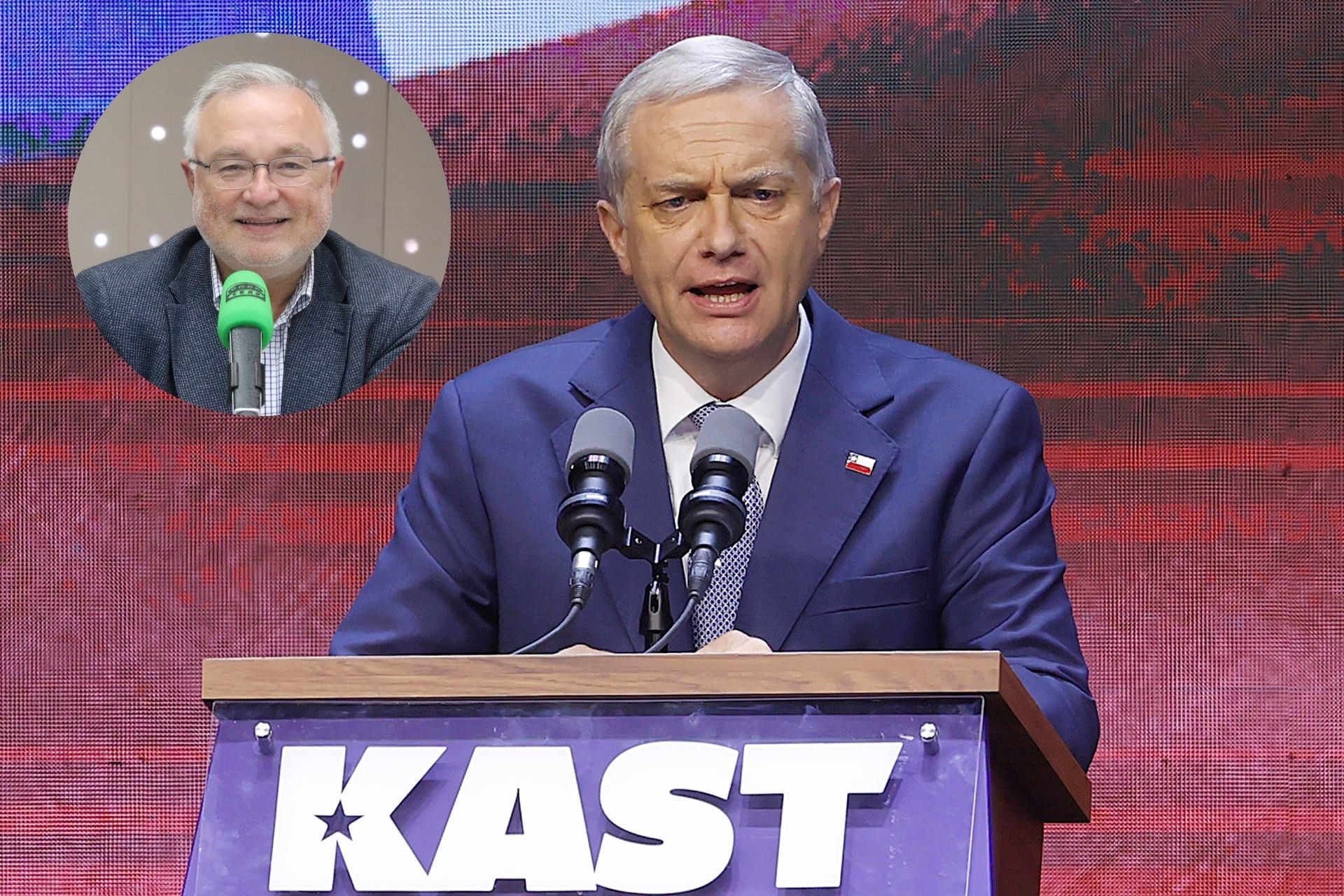
Más de uno
John Müller explica las claves de la victoria del ultraderechista Kast en las elecciones de Chile: "Ha aflorado una mayoría silenciosa"
00:19:37
John Müller explica las claves de la victoria del ultraderechista Kast en las elecciones de Chile: "Ha aflorado una mayoría silenciosa"
Loading summary
Transcript35 lines
- [00:00]
A
Compañía pública. Pero bueno, antes de todo eso, he invitado esta mañana al programa a un chileno, por aquello de que una de las noticias más relevantes de estas últimas horas son las elecciones presidenciales en Chile. Segunda vuelta. Lo que significa que los chilenos ya han elegido, ya han decidido quién quieren que sea su próximo presidente. El presidente electo, que en breve tomará posesión y sucederá a Gabriel Boric, ahora era un presidente de izquierdas, que además, como no puede presentarse a la reelección, porque esto es lo que dice la ley en Chile, cede su puesto a un presidente que es justo lo contrario a él. No sólo es que no sea de izquierda, es que es más allá de la derecha. Es un presidente de extrema derecha. Porque sabéis que el duelo estaba entre Jeanette Jara, que era la candidata del gobierno, y el Sr. Kast, que es quien ha ganado y de qué manera, porque ha metido un 58.42, creo que hemos contado 58% del voto frente al 42% de la señora Jara. Y hemos escuchado este pasaje de anoche, bueno, de esta madrugada en Chile, en el que conversan ya abiertamente, conversan cordialmente el presidente saliente y el presidente entrante para pactar su traspaso de poderes. Han quedado para esta misma mañana en el Palacio de la Moneda, que es donde está la sede presidencial en Chile, en Santiago de Chile. Han quedado para empezar a hacer el traspaso de poderes. Incluso hemos oído a CAS diciéndole, bueno, si no le importa, Presidente, y con su permiso, puedo llevar a algunos de mis colaboradores para que hablen con los suyos y así vamos avanzando y luego ya usted y yo hablamos en privado. En fin, una cosa muy correcta, muy elegante, muy cordial. A pesar de las diferencias evidentes e ideológicas que mantien tienen ambos candidatos y de las cosas que se han dicho en los últimos tiempos. Bueno, el chileno al que he invitado para que nos ilumine sobre la vida política de su país, es un chileno que lleva toda la vida en España, o casi toda la vida en España. Y en concreto en este programa, que es John Müller. No sé si tenéis noticia de periodista y bombero. Fue bombero y tenía un vínculo familiar con la radio y con la ficción radiofónica y todo eso. Yo creo que le convierte en la persona más adecuada para analizar el resultado de las elecciones en Chile. Señor Müller, buenos días.
- [02:04]
B
Hola, buenos días, Carlos. ¿Qué tal?
- [02:05]
A
Muy bien. ¿Cómo está?
- [02:08]
B
Pues fastidiado por una gripe, pero bien por lo demás.
- [02:12]
A
Vaya por ti. Bueno, ¿Por dónde empezamos? Sorpresa ninguna, porque las encuestas decían que iba muy por delante José Antonio Casi, porque ya dijimos después de la primera vuelta, igual lo dijiste tú mismo en este programa, que aunque el resultado de la primera vuelta era el que era, para la segunda probablemente se concentraría todo el voto que no sea de izquierdas en la figura de Casi, que eso le tenía como candidato favorito. ¿Ni siquiera te ha sorprendido la ventaja con la que se ha impuesto, la cantidad de votos que le ha metido de diferencia a la señora Jara?
- [02:43]
B
Bueno, yo creo que incluso se ha quedado un poco por debajo, por lo que esperaban algunas personas que estuvieran por encima del 60%. Porque en la primera vuelta los votantes que podríamos adscribir al centro derecha y derecha o que están a favor del mercado y en contra de las ideas comunistas, estaban en torno al 70%. Con lo cual, fíjate que K se ha quedado con el 58. Bueno, ha capturado en torno a un 34%, 34 puntos porcentuales de los votos que no fueron hacia él. Es un éxito, sin duda. Pero bueno, yo creo que es un resultado con todo contundente. Pero hay que tener en cuenta que en Chile esta es la primera elección presidencial con voto obligatorio. No nos olvidemos que en Chile ocurrió esa anomalía de. De que un montón de gente, un montón de personas mayores de edad no se inscribieron en los colegios electorales y no votaban porque el voto era voluntario y no había sanción. Ahora el voto se ha hecho obligatorio y el voto obligatorio ha aflorado una mayoría silenciosa de chilenos que no querían ir a las urnas, que no se expresaban o que despreciaban el sistema político, pero que sin embargo estaban fundamentalmente de acuerdo con el modelo, el denostado modelo neoliberal del que se ha hablado durante muchísimos años y que la izquierda decía que era mayoritariamente rechazado. Bueno, pues lo que se ha visto es que no era mayoritariamente rechazado. Y el voto a Kast lo que hace es que aquel centro derecha que interpretó que había que echarle agua a la leche del neoliberalismo, pues se equivocó.
- [04:25]
A
Miscontortuilios también pueden participar, tienen sus propios análisis sobre el resultado de las elecciones. Si queréis discrepar del chileno también podéis hacerlo esta mañana. Veo que se destaca mucho en las conexiones el hecho de que por primera vez desde que llegó la democracia, la transición a la democracia y el final de la dictadura en tu país, en Chile, por primera vez un candidato llega a ser presidente habiendo manifestado, bueno, no sólo en su juventud, habiendo sido defensor de pinochetista y defensor de Pinochet, sino habiendo manifestado en esta campaña electoral y en la anterior, habiendo manifestado que él está convencido que Pinochet habría votado por él, es decir, diciendo con orgullo que el pinochetismo está de su lado. Esto, claro, Bueno, no sé qué decir. Visto desde España nos puede sorprender. Igual ya no. Igual ya no.
- [05:15]
B
Yo creo que aflora un país más de derecha de lo que se creía y esto es interesante. Yo quiero destacar, sin embargo, ahora en este momento, el discurso de K de la victoria. La verdad es que ha sido un discurso para tranquilizar a su gente y sobre todo bajar la presión. Quiero valorar que en Chile todavía el candidato derrotado reconoce la derrota y llama al vencedor y le felicita, cosa que en España ya no ocurre. Quiero valorar los valores republicanos precisamente que ponen de manifiesto tanto Gabriel Boric cuando llama al candidato vencedor, como José Antonio Kast cuando ayer ante su público vencedor ponderó la actuación de Jeannette Jara e hizo un planteamiento que me deja descolocado porque me resulta difícil llamar populista a una persona que se plantea públicamente Bueno, una de mis hijas me preguntó si el mundo sería mejor si todos fuéramos de derecha y le contesté que no, que hay gente buena en la derecha y gente mala y gente buena y gente mala en la izquierda también, o que hacen bien las cosas, creo que es la expresión que utilizó. Vamos a ver, un llamado presidencial republicano aludiendo a los valores de la democracia que yo creo que alejan mucho, por lo menos desde este discurso, todas aquellas sospechas como las que aventó anoche Gustavo Petro diciendo que venía un periodo de muerte y siniestro. Mi impresión es que Kast ha conseguido reunir a las cuatro vertientes de la derecha o centroderecha que hay en Chile, la liberal laica, la liberal católica, los nacionalistas populares y los socialcristianos y con eso va a intentar tratar de hacer un gobierno amplio. No lo tiene fácil porque no tiene mayoría en el Senado y tiene que negociar muchos proyectos en el Congreso, en la Cámara de Diputados. John, pero una cosa, tú no crees que el homenaje a Pinochet, aparte de.
- [07:15]
A
Un discurso retrospectivo, sea un aval prospectivo, o sea que una vez que tú das por buena una dictadura como esa, con las limitaciones y las restricciones de las libertades, con la concepción autocrática del.
- [07:26]
B
Estado de derecho, estás avalando tu terreno para hacer después en nombre de ese homenaje ciertas desviaciones del poder. Bueno, no, yo creo que. Vamos a ver, lo que no hace es negar su historia. Él fue pinochetista, perteneció a un partido pinochetista, pero yo insisto, igual que el modelo económico, ese modelo fue legitimado por la transición a la democracia. Precisamente lo que hizo la transición fue eliminar el factor de la dictadura como un elemento de reproche entre los que habían estado. A partir de allí se estableció un sistema en el cual unos y otros reconocían la democracia como el mejor sistema para coexistir en Chile. Yo creo que él ha hablado del tema de Pinochet en el sentido de que primero no va a ocultar su historia, o sea, tú vas a encontrar vídeos y recortes de Kast como pinochetista, él apostó por Pinochet en el plebiscito del 88 frente a un montón de chilenos, el 60% que no lo hizo. Pero yo creo que se está refiriendo especialmente a una situación muy concreta que se da en Chile con los militares que están presos en una cárcel especial en Santiago por crímenes contra los derechos humanos. Hay militares ahí que tienen noventa y tantos años, que están detenidos y que hay un sector importante de la derecha que consideran que algunos de ellos tienen Alzheimer, otros están en condiciones, están moribundos y entonces hay una parte de la derecha que considera que se merecen una medida de gracia en el sentido de enviarles a su casa o a hospitales o a centros de de asistencia distintos.
- [09:07]
C
En las informaciones que se han publicado sobre la campaña en España se destaca mucho de Kast, por una parte se destaca su relación con el pinochetismo pero también que ha insistido mucho en la inmigración y la seguridad. Para los que estamos menos informados sobre la evolución de Chile en los últimos años, ¿Puedes contarnos qué ha cambiado en estos dos ámbitos, o sea, por qué si parece que muchos chilenos no han votado a Kast por su pinochetismo sino a pesar de su pinochetismo y atraídos por el mensaje sobre la inmigración y la seguridad? ¿Qué ha cambiado en China en los últimos años para que estos temas se hayan vuelto tan importantes?
- [09:47]
B
Bueno, es que la inmigración ha sido voluminosa, por decirlo menos. Yo creo que en Chile debe haber más de 600 mil venezolanos, probablemente más de un millón si contamos los que pueden haber ingresado irregularmente al país. Es cierto que el gobierno de Sebastián Piñera hizo una cosa muy parecida a lo que hizo Angela Merkel en Alemania con los sirios. Él extendió una visa democrática, le llamó una visa de solidaridad democrática para los venezolanos, especialmente para los venezolanos, con el fin de ofrecerles un país. Pero dentro de esa corriente migratoria también llegó el famoso tren de Aragua, también llegaron delincuentes. Parece que hubo una política deliberada generada por el chavismo, por el régimen de Maduro para repartir a todos los delincuentes que tenían presos en Venezuela, en distintos países de América. Y bueno, pues el tren de Aragua en Chile fue especialmente siniestro porque asesinó a disidentes venezolanos que vivían en el país. Esto la opinión pública lo tiene presente. Hay una sensación de inseguridad enorme en Chile y sobre todo esto se ha centrado en la inmigración. Chile ha dejado de ser un país abierto hacia la inmigración. Ahora mismo los chilenos son bastante racistas y xenófobos. En este momento hay una xenofobia rampante. Y yo creo que Kast ha recogido ese sentimiento, lo ha mencionado en el discurso de la victoria, pero al mismo tiempo ha dicho que agradece a los extranjeros que están en Chile trabajando y que están integrados en la sociedad, pero que le dice que al que está ilegal se marche ya del país porque no va a poder volver a entrar. Con lo cual está marcando, yo creo que está respondiendo a un clamor interno porque a unos les puede parecer una desgracia, a mí me lo parece. Pero Chile, que tenía en su himno nacional una frase que decía el asilo contra la opresión, que hablaba de su apertura hacia todos aquellos que estuvieran perseguidos en otros países, ahora ya no canta alegremente esa estrofa. John Iker, ¿Qué papel ha jugado, si.
- [11:53]
D
Es que ha jugado alguno, Donald Trump aquí? Porque Kast es afín obviamente a Trump.
- [11:59]
B
Pero sin embargo marca también distancias con él. Por ejemplo, en su relación con la prensa. Sí, fíjate que no ha jugado un papel tan relevante como el que jugó con Millet o como el que jugó o el que está jugando en Honduras con Asfura o como otros sitios. Pero su embajador sí ha sido su embajador en Santiago. Ha sido increíble porque hemos vuelto a los viejos embajadores intervencionistas norteamericanos donde antes se decía que esto, bueno, también en su época decía del embajador inglés, pero en este caso el embajador de Trump sí ha confrontado con el gobierno de Boric y ha dicho que las relaciones sin duda con K van a ser mejores que con Boric.
- [12:45]
D
Jon, yo sí te quiero preguntar sobre el giro hacia la derecha, ultraderecha en general de América Latina. Chile ahora pasa a ser un país más de una larga lista que está dando este giro de timón que aquí lo hemos visto desde la ultraizquierda que era boric hasta Kast. ¿Cuál es el sustrato social? Es decir, ¿Por qué la gente pasa de una opción a otra tan radicalmente diferentes más allá de ese florecimiento de la mayoría silenciosa que comentabas antes?
- [13:14]
B
Bueno, hemos dicho que el movimiento va más allá de un movimiento pendular. Parece haber un cambio de fondo, cierta decepción con los gobiernos de izquierda. Es verdad que el año 2024 no fue un buen ejemplo porque en México Sheinbaum la izquierda conservó el poder, en Uruguay Orsi también y en Venezuela la izquierda se robó las elecciones. Si llamamos izquierda a Nicolás Maduro porque en Iberoamérica hay mucha gente que se siente identificada, de hecho Jeannette Jara aunque aunque Gabriel Boris se distanció de Maduro y le llamó dictadura sin ningún reparo, sigue habiendo muchos militantes de izquierda. El propio Lula que tiene muchos problemas para llamar dictadura a la venezolana, al régimen venezolano y ese sigue siendo un elemento diferencial. Pero ahora vemos que la ola de la derecha es imparable. Ha ganado la derecha en Panamá, en El Salvador, en la República Dominicana, bueno, en El Salvador no tan claramente con las leyes un poco retorcidas, pero en Bolivia claramente una apuesta pidiendo capitalismo. El candidato que ganó Chile, Honduras, Bueno, pues se va consolidando una marea azul que el próximo año en Colombia podría tener sus reflejos. Yo creo que aquí uno de los titulares más acertados fue de Emily Blas con ABC que hablaba de que el famoso grupo de Puebla se despuebla, se está quedando sin pueblo y es porque efectivamente los gobiernos de izquierda yo creo que primero no han sido eficaces en los grandes problemas que tiene Iberoamérica, que anoche Kast en su discurso hizo una referencia a eso, habló de la confianza, de la recuperación, de la confianza social. Son numerosos los estudios tanto del Banco Interamericano de Desarrollo como del Fondo Monetario que indican que el principal lastre para el desarrollo económico en Iberoamérica es la falta de confianza social. Y yo creo que en ese sentido, fíjate, el discurso de Kastayer fue un discurso republicano, convocando a todos, y bueno, pues el discurso que había que esperar en una noche de la victoria muy distinto, donde dijo que él primero va a renunciar a su partido político, porque cree que el presidente no tiene que pertenecer a un partido político, debe gobernar para todos los chilenos. Y esto es un eco también de la historia. Salvador Allende cuando llegó al gobierno fue uno de los pocos presidentes que ha dicho que él no iba a gobernar para todos los chilenos, que él tenía claro que él representaba a la izquierda, que era en ese momento un tercio de los votantes.
- [15:46]
E
Me decía ayer un amigo, John, le pregunté que si K era como Millet, y me tienes que tener en cuenta que en Chile todo es más moderado que en el resto de países, y ni los comunistas son tan comunistas, tan radicalmente comunistas como en otros países vecinos, ni la ultraderecha es igual, o sea que K no tiene nada que ver con Millet. Y en ese aspecto lo que yo no sé es cómo interpretar correctamente lo que de lo poco que se puede asemejar con España, que es esto que dicen las encuestas, que hay un tercio de la población que mira con nostalgia a la dictadura de Pinochet, que yo creo que está más relacionado, desde mi punto de vista, que puede estar más relacionado con el fracaso de la alternancia de partidos clásicos de centro derecha, centro izquierda, derecha izquierda, que con otra cosa y con el fracaso de los gobiernos. Y la gente mira al pinochetismo al final, muchas veces de una forma que no tiene que ver con la realidad, pero con cierta nostalgia de un tiempo próspero, de bonanza económica.
- [16:52]
B
Efectivamente, es que yo creo que el pinochetismo, que en el mundo es sinónimo de crímenes, de desaparecidos, de torturas, de crímenes abominables, de operaciones Cóndor, etc. En Chile un gran porcentaje, y sobre todo es que insisto, aquí han aflorado una mayoría silenciosa, un montón de personas que no iban a votar estamos hablando de 5 millones de personas de los 12 millones que forman el colegio Electoral. Esas personas hasta el año 2021 no fueron a votar, no estaban obligados ni sintieron la obligación de acercarse a las urnas. Y han empezado a ir desde el famoso plebiscito que rechazó aquella Constitución enloquecida que intentó plantear la izquierda en Chile creando un Estado plurinacional, etcétera. El asunto es que lo que aparece es que hay un. Cuando tú hablas de Millet, libertarios en Chile hay un 20 % y se sabe porque le votaron al candidato libertario en la primera vuelta electoral. Ese 20 % casi en masa le ha votado a Kast. Pero Kast no es libertario. Kast es un neoliberal clásico. Él si por él fuera recuperaría mañana el famoso modelo, el denostado modelo de Chicago, que por cierto, hoy no hay ni visos de lo que fue. Y de hecho la falta de crecimiento en Chile se atribuye a las enormes distorsiones que se han introducido para tratar de corregir, entre comillas, ese modelo. Y ahora, bueno, pues lo que ha aflorado es un país que yo te digo, insisto, que era más de derechas de lo que parecía. Y en este caso le da la razón a los que tenían la hipótesis de la mayoría silenciosa, que es un concepto que muy poco utilizado en la historia, pero que lo usaba Franco habitualmente. El franquismo lo utilizaba, los periodistas del franquismo lo usaban y que lo acuñó básicamente Richard Nixon.
- [18:45]
A
En EEUU. Bueno, Sr. Müller, le agradezco mucho que tendrá cosas que hacer. Le agradezco mucho que nos.
- [18:50]
B
Haya atendido este trato de señor con los amigos.
- [18:52]
A
Que somos. Porque eres un.
- [18:53]
B
Entrevistado en. Pero por la condición de chileno peruano, un.
- [18:58]
A
Constipado entrevistado. Bueno, ¿Te has sentido más a gusto como entrevistado que como.
- [19:04]
B
Con tertulio? Me he sentido.
- [19:06]
A
Muy respetado. Nadie.
- [19:07]
D
Te interrumpe. Le hemos dejado.
- [19:09]
A
Hablar más. Nadie te interrumpe, nadie te.
- [19:11]
C
Ha visto. ¿Qué piensas.
- [19:13]
B
Tú, John? Yo creo que esta es.
- [19:15]
E
La tertulia la que más ha.
- [19:16]
B
Hablado, John. Sin duda, en el año. Por lo menos. Ahora os voy a decir una cosa. Os habéis librado de que.
- [19:22]
A
Os contagie. Bueno, cuídate John y hasta que esté.
- [19:28]
B
Muy bien. Carlos, gran.
- [19:29]
A
Programa. Cuídate. Lo mismo. Muchísimas gracias por tu opinión absolutamente imparcial.
- [19:35]
C
Objetiva.