← Más de uno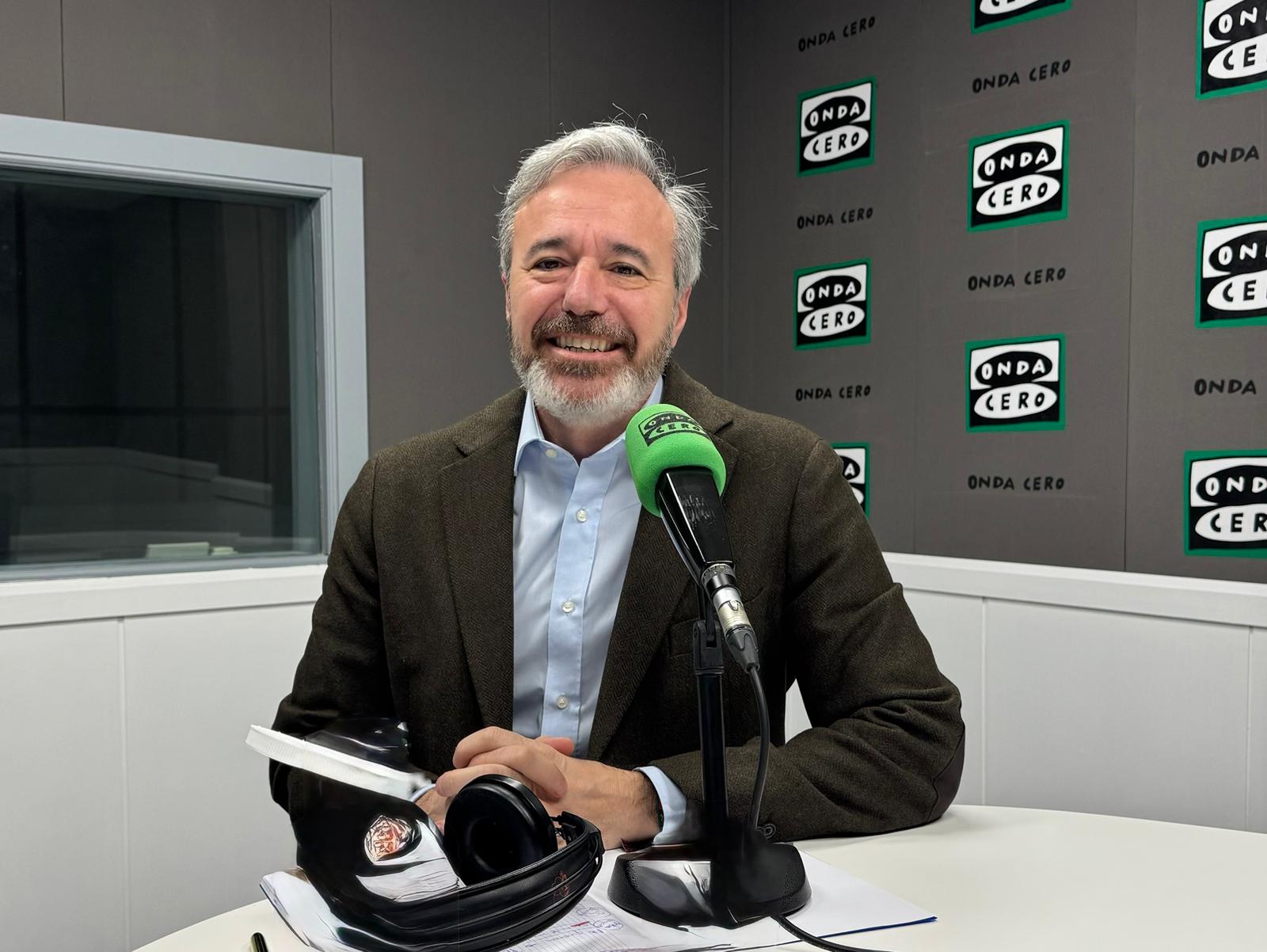
Más de uno
Jorge Azcón rechaza la regularización de inmigrantes: "No responde a razones humanitarias, sino a las necesidades políticas de Sánchez"
00:26:38
Jorge Azcón rechaza la regularización de inmigrantes: "No responde a razones humanitarias, sino a las necesidades políticas de Sánchez"
Loading summary
Transcript74 lines
- [00:00]
Journalist 1
Del voto de la candidata Jorge Ascón.
- [00:02]
Interviewer
Presidente de Aragón y candidato del Partido Popular. Buenos días.
- [00:07]
Jorge Azcón
Aragón. Buenos días.
- [00:09]
Interviewer
Buenos días. Gracias por acompañarnos esta mañana. Como todos los aquí presentes dan por hecho que el PP gana las elecciones autonómicas y que usted volverá a ser presidente de la Comunidad Autónoma. Cualquier otro escenario sería un revés muy notable. Quien parte favorito es quien más tiene que perder en unas elecciones.
- [00:29]
Jorge Azcón
Bueno, yo creo que por eso vamos a trabajar hasta el último día. Yo creo que las elecciones se ganan con el trabajo que has hecho mientras has gobernado y explicándoles a los aragoneses qué es lo que queremos que ocurra en Aragón en el futuro. Yo les decía que les agradezco su opinión pero en cualquiera de los casos yo no me voy a confiar. Voy a trabajar hasta el último día contando lo que hemos hecho en Aragón y contando lo que queremos que sea Aragón.
- [00:52]
Interviewer
He leído en las crónicas sobre el debate de anoche del cara a cara con Pilar Alegría en Aragón Televisión que hay que celebrar que que haya debates y que vuelvan los cara a cara. He leído que no hablaron ustedes ni de Vox ni de corrupción en el debate. ¿Esto lo tenían pactado?
- [01:07]
Jorge Azcón
No, no, la verdad es que no había más acuerdo que lo que significó las reglas que puso la televisión autonómica. Fueron temas que no salieron y que evidentemente no tenían que ver tanto con lo que es Aragón. El Partido Socialista atraviesa un serio problema de corrupción en España pero es verdad que en Aragón directamente no hay problemas de Corrup porque gobierna el Partido Popular. Estas elecciones son unas elecciones autonómicas, hablamos de lo que ocurre en Aragón y por lo tanto el debate de la corrupción que afecta y muy profundamente al Partido Socialista afecta en la política nacional. Y es verdad que la señora Alegría no sacó el tema de Vox, que es un tema recurrente para la izquierda. Yo creo que tiene que ver más con lo que también ha pasado aquí en Aragón. Yo creo que tiene que ver con que el PSOE en Aragón habla mucho con Vox. El PSOE en Aragón pacta con Vox. La señora Alegría me lo dijo cuando vino a mi despacho. La señora Alegría la última vez que estuvo en mi despacho me reconoció las conversaciones que el Partido Socialista tenía con Vox y por eso deduzco que la señora Alegría no le interesó aquí en Aragón hablar de Vox.
- [02:14]
Interviewer
¿Cuánto estuvo la Sra? ¿Alegría en su despacho? ¿Por última vez?
- [02:17]
Jorge Azcón
Pues hablamos con ella cuando estábamos intentando sacar unos presupuestos de Aragón adelante. Igual que hablamos con todas las formaciones políticas.
- [02:25]
Interviewer
Eso es. Hace unos meses, Ni siquiera meses.
- [02:28]
Jorge Azcón
Yo creo que hará un par de meses.
- [02:32]
Interviewer
¿Y qué le dijo Pilar Alegría exactamente? Esta conversación entre el PSOE y Vox en Aragón, ¿Con vistas a qué?
- [02:39]
Jorge Azcón
A ponerse de acuerdo para sacar decretos en las Cortes de Aragón. Es lo que reconoció en aquella conversación, en las conversaciones que el portavoz en las Cortes tenía, pero que vemos en otros sitios. Aquí en el Ayuntamiento de Zaragoza hemos visto como Vox se pone de acuerdo con el Partido Socialista no solamente para bloquear el presupuesto del Ayuntamiento de Zaragoza, sino para sacar muchas votaciones adelante. Porque una cosa es lo que se dice y otra cosa es que luego la realidad política hace que Vox y el Partido Socialista, en Aragón y en España lo vemos, se retroalimentan.
- [03:14]
Interviewer
¿Pero a usted no le parece nada mal que el PSOE pacte algunas cosas con Vox, dado que usted también las ha pactado?
- [03:19]
Jorge Azcón
Bueno, que lo explique el Partido Socialista. Que explique el Partido Socialista qué es lo que pacta con Vox. Esto es así de sencillo. Cuando tú llegas a acuerdos, lo que tienes que hacer es explicarlos con claridad. Lo que pasa es que el Partido Socialista no acostumbra a decir que llega a acuerdos con Vox, como efectivamente ocurre.
- [03:36]
Interviewer
Dice usted que no hablaron de corrupción porque la corrupción no es estrictamente en Aragón. Pero sí saca usted el caso Salazar, que afecta al Partido Socialista y que tampoco es estrictamente aragonés. El caso como tal. ¿Por qué el caso Salazar sí y el caso Cerdán no?
- [03:53]
Jorge Azcón
Porque es la reunión de la candidata. El caso Salazar es un caso que afecta directamente a la candidata del Partido Socialista cuando era ministra. Y la candidata del Partido Socialista todavía tiene muchas preguntas que contestar a esa cuestión. ¿En el caso Salazar de qué hablaron? Le reprochó la actitud de acoso sexual al Sr. Salazar. ¿Hablaron del acoso? ¿No hablaron del acoso? Hablaron de por qué el Partido Socialista estaba retrasando los expedientes de acoso sexual y retrasando cinco meses el expediente en concreto del señor Salazar. ¿Es lo que estaban pactando o estaban pactando que contrataban al señor Salazar para la campaña electoral o esas informaciones que hemos conocido sobre su contratación en embajadas? Yo creo que hay muchas preguntas sobre lo que las mujeres quieren saber de una candidata socialista que alardea de feminismo y que luego no tiene ningún pudor en sentarse a comer amigablemente con quien está acusado de acoso sexual. Es que eso es la candidata socialista en Aragón y por eso creo que cuando se habla de mujer es un tema relevante.
- [04:57]
Interviewer
Dígame algo que no ha hecho usted del todo bien en estos dos años y medio de gobierno aragonés. Algún asunto en el que haya pinchado.
- [05:05]
Jorge Azcón
Posiblemente aprobar presupuestos y que por eso estemos en elecciones. A mí me hubiera encantado que hubiéramos podido agotar la legislatura porque la mayoría política que fue capaz de cambiar el gobierno en Aragón consiguiera aprobar un presupuesto que siguiera mejorando las elecciones. Pero fuimos coherentes. Yo dije que si no conseguíamos aprobar un presupuesto no queríamos que ocurriera lo mismo que ocurría en la política nacional. Y la coherencia es hacer lo que dices. Y por eso hemos convocado elecciones, porque es verdad, no hemos tenido una mayoría para aprobar un presupuesto.
- [05:37]
Interviewer
El escenario posible después de las elecciones es lo que ha ocurrido en Extremadura, que es que usted tampoco tenga mayoría absoluta y por tanto tampoco tenga garantizada la aprobación de unos presupuestos y que tenga que volver a sentarse a hablar con los grupos políticos. Eso sería un fracaso Da las elecciones se convocan ante la ausencia de presupuestos. Volver a estar en una situación en la que necesita otros grupos para aprobar unos presupuestos.
- [06:00]
Jorge Azcón
Yo creo que las elecciones nunca son un fracaso porque cuando se le da la voz a los aragoneses decir que luego se han equivocado me parecería un error garrafal que nadie entendería. Los aragoneses van a hablar el día 8 de febrero, van a expresar su opinión y habrá que gestionar ese resultado. Yo ese resultado lo quiero gestionar aprobando un nuevo presupuesto como primero de los requisitos es el objetivo que el presupuesto que puede poner en marcha proyectos en nuestra comunidad autónoma se apruebe. Y por eso tengo el objetivo de seguir gobernando como estábamos gobernando con un gobierno en solitario del Partido Popular y que en el primer punto de la discusión esté la aprobación de unos presupuestos para Aragón.
- [06:41]
Interviewer
Usted gobernaba en solitario porque Vox le abandonó o se salió de él del gobierno autonómico. Es cosa de Vox, no de usted del Gobierno en solitario. Y ahora Vox quiere volver a los gobiernos autonómicos y usted está por la labor.
- [06:55]
Jorge Azcón
Está por ver. No, yo creo que está por ver cuál es el resultado que se obtienen las elecciones y está por ver cuál es la posición que tienen. Lo que hemos visto es que tan pronto dicen una cosa como dicen la otra. Y la razón fundamental es porque no.
- [07:07]
Interviewer
Son un socio fiable.
- [07:08]
Jorge Azcón
Vamos, la razón fundamental es porque gobernar es complicado. Porque efectivamente, cuando te sientas en la mesa del Consejo de Gobierno tienes que tomar decisiones que no siempre gustan a todo el mundo en la oposición. Una cosa es hablar y otra cosa es dar trigo, predicar y dar trigo. Evidentemente la oposición te permite poder decir cosas que cuando llegas al Gobierno te das cuenta de que son más complicadas porque hay presupuesto, porque hay procedimientos administrativos y tiempo, porque el Gobierno, sea del color que sea, significa tener que solventar problemas. Y hay que haber entendido, entrenado a gobernar. Hay que haber entrenado a gestionar problemas. No es sencillo a quien le den la responsabilidad. A quien le dan la responsabilidad. En ninguno de los casos es sencillo gobernar. Yo creo que Vox se ha dado cuenta de eso.
- [07:55]
Interviewer
A usted le pasó eso también, que en la oposición veía cosas, que las cosas eran muy fáciles y cuando llegó al Gobierno de Aragón se dio cuenta de que no era todo tan sencillo como usted decía.
- [08:05]
Jorge Azcón
Hace muchos años que me di cuenta de que una cosa era decir y otra cosa era hacer. Hace muchos años que por eso soy especialmente prudente y especialmente consciente de que cuando llegas al Gobierno lo que has dicho tienes que cumplirlo.
- [08:23]
Interviewer
Antes de recibirle a usted en ese programa estábamos hablando de la regularización extraordinaria de inmigrantes que va a aprobar hoy el Consejo de Ministros. ¿Tiene usted alguna estimación de cuántas personas en esa situación, ciudadanos sin papeles, viven en este momento en la comunidad de Aragón?
- [08:38]
Jorge Azcón
No tengo ese dato exactamente. No lo sé. ¿Ni una estimación en este momento? No. No, porque es una noticia que conocimos ayer y ayer es verdad que estuvimos enfrascados.
- [08:47]
Interviewer
Me refiero a una estimación no de la noticia de ayer, sino una estimación.
- [08:50]
Jorge Azcón
De las personas sin la regularización. Es una noticia que conocimos ayer y no querría darle un dato que fuera erróneo porque no lo conozco con fiabilidad.
- [08:59]
Interviewer
¿Es usted partidario de regularizar a las personas que están en España en situación irregular, sin papeles o de cumplir la ley y deportarlas, ¿Que sería?
- [09:10]
Jorge Azcón
Yo soy partidario de que la ley se modifique. Yo soy partidario de que haya un marco estable que regule la inmigración, no de parches. Yo creo que la regularización que estamos conociendo no responde ni a razones humanitarias ni a las necesidades del país. Responde, una vez más, a las necesidades políticas de Pedro Sánchez. Esto lo que hace es pactarse con Podemos como la financiación de las comunidades autónomas se pacta con Esquerra Republicana de Cataluña, como medidas de vivienda se pactan con Bildu. Eso tiene que ver ver con la supervivencia política de Pedro Sánchez. Pedro Sánchez está dispuesto a pactar cuestiones que de otra forma no haría pero que necesita para poder seguir manteniéndose en la Moncloa. Por tanto, este debate de la regularización de inmigrantes hay que encuadrarlo, hay que contextualizarlo en la situación política en la que vive el país. Yo creo que, una vez más, a Pedro Sánchez le importa poco lo que le ocurra a los inmigrantes y le importa lo que le ocurra a él exclusivamente.
- [10:10]
Interviewer
Al PP sí le importa lo que suceda a los inmigrantes y por eso el Partido Popular a favor de popularización.
- [10:16]
Jorge Azcón
O no, y por eso el Partido Voluntaria plantearía una ley, una ley que no está condicionada, que no esté condicionada a los imperativos de Podemos. Esta es una regularización que se hace por Real Decreto y que no va a pasar por el Congreso de los Diputados. Yo creo que lo primero es que una decisión de este calibre debería pasar por el Congreso de los Diputados. Todavía no conocemos cuáles van a ser todos los requisitos, pero hay algunos que llaman poderosamente la atención que cualquier persona que pueda acreditar su estancia en España antes del 31 de diciembre. Señor Alsina, ¿Usted es capaz en un mes conocer el idioma de un país?
- [10:55]
Interviewer
Yo no, Yo no conozco ni todos los idiomas del mío.
- [10:57]
Jorge Azcón
Pues eso significa. Eso significa que si a cualquier persona que llegó a España antes de 31 de diciembre se le va a regularizar, vamos a regularizar a personas que todavía no saben hablar español. Creo que esto, reitero, son las necesidades políticas de Pedro Sánchez, no una cuestión de humanidad ni una cuestión de las necesidades del país.
- [11:20]
Interviewer
Lo que tengo leído es que se va a reclamar, se va a exigir que haya cinco meses de presencia de estancia en España. Y respecto de la lengua, es que para dar la residencia en España no se exige el conocimiento del idioma en este momento, que yo sepa, lo cual.
- [11:36]
Jorge Azcón
Es una de las cuestiones que esa ley tendría que cambiar. Yo creo que conocer y exigir un mínimo de conocimiento del idioma en nuestro país debería ser uno de los requisitos inexcusables, porque entonces ¿Cómo se hace la integración en nuestro país si no se conoce ni siquiera el idioma? Es que un requisito básico para poder integrarse en la cultura, para poder socializar, es reconocer el idioma del país. Por eso entiendo que esto es un parche, esto son necesidades políticas, no son necesidades pensando en las personas.
- [12:10]
Interviewer
¿Pero eso se lo exigiría usted también a un ciudadano británico que quiere y decide venirse a vivir a la Costa.
- [12:18]
Jorge Azcón
Del Sol como nos lo exigen a nosotros cuando vamos a otros países? Es que esta exigencia de conocer el idioma no es algo que nos hayamos inventado, es algo que se exige en muchos países, el tener un mínimo conocimiento del idioma al que quieres ir a vivir.
- [12:32]
Interviewer
El británico que viene a vivir a la Costa del Sol, ¿Usted cree que hay que exigirle que conozca español para residir aquí?
- [12:38]
Jorge Azcón
Yo creo que cuando tú vienes de otro país y vas a querer vivir y trabajar en otro país, el sentido común dice que vas a necesitar conocer el idioma de ese país. Es algo bastante sencillo. Si tú solamente hablas inglés vas a tener un serio problema en España, por desgracia, para poder hacerte entenderte en la cola del supermercado o en la administración pública. Yo creo que ponía el ejemplo del idioma y de la fecha en la que estamos conociendo porque creo que es donde mejor podemos visualizar la improvisación. Reitero, a mí lo que me parece importante es que España tenga una ley que modifique la inmigración y que haga una reforma seria, que haga una reforma profunda de un problema tan complicado como es el de la inmigración y no una cuestión política, que es de lo que estamos discutiendo, de la necesidad de volver al redil político a Podemos, como tienen la necesidad de volver al redil político republicana y ya veremos con qué es con lo que consiguen convencer a Junts. Van a tratar de amarrar una mayoría parlamentaria que todos sabemos que a día de hoy no existe, que es la mayoría parlamentaria que permite la supervivencia de Pedro Sánchez.
- [13:53]
Interviewer
¿Le parece a usted bien? Y ya termino porque mis contertulios quieren participar. ¿Le parece A usted entonces bien que los independentistas catalanes reclamen el conocimiento del catalán para dar la residencia a cualquier persona en la comunidad catalana? ¿Que es lo que defiende Junts y Esquerra? Son dos los idiomas oficiales aquí. Pues tendrá que conocer los dos.
- [14:12]
Jorge Azcón
Es que una cosa es la cooficialidad de la lengua y otra cosa es cuál es la lengua oficial. En España la lengua oficial es el español y otra cosa es que tengamos lenguas cooficiales en nuestras comunidades autónomas, que están reconocidas por supuesto en nuestra Constitución, pero no vamos a ponerlas en pie de igualdad. La lengua oficial en este país es el español y las lenguas cooficiales en cada uno de sus territorios evidentemente tienen la importancia que tienen, pero en esos.
- [14:38]
Interviewer
Territorios si están en condiciones de igualdad, son cooficiales.
- [14:43]
Jorge Azcón
Yo creo que a la gente que viene lo que tiene que hacer es conocer el español. Y de hecho la sensación que tengo es que muchas veces en Aragón recibimos a personas inmigrantes que vienen de Cataluña exactamente por eso, porque la administración en Cataluña lo único que se preocupa es de darles cursos en catalán. Y la realidad es que para poder integrarse en nuestro país creo que con el catalán no es suficiente. Creo que lo que todo el mundo puede hablar sin ningún problema es el español.
- [15:13]
Interviewer
Mis contertulios quieren participar de la conversación rápidamente porque son las 9 y media ya y todos señor Azcón, tiene cosas que hacer. Que hay líderes autonómicos que recelan de.
- [15:22]
Jorge Azcón
La figura del presidente nacional y lo evitan.
- [15:25]
Interviewer
Usted ha decidido traérselo, incluso Ayuso. Se trata de sumar todas las fuerzas posibles. ¿Considera que Ayuso es un recurso político para Aragón?
- [15:33]
Jorge Azcón
Bueno, yo he traído a todos los presidentes del Partido Popular de todas las comunidades autónomas. Hace 2 fines de semana realizamos un acto en Zaragoza del cual salió la declaración de Zaragoza y del cual hablábamos de un tema especialmente trascendente en esta campaña electoral que es la financiación autonómica, que es tanto como hablar de la financiación de los servicios públicos. Este debate formó parte muy importante del debate que ayer tuvimos en la televisión autonómica. Un debate en el que nosotros lo que queremos que se visualice, lo que queremos ofrecer a Aragón y a España, es que no puede ser que esto esté condicionado única y exclusivamente una vez más a los intereses políticos de independentistas catalanes y de Pedro Sánchez, este debate en Aragón es fundamental porque lo que desde el Ministerio de Hacienda llaman ordinalidad, queriendo que nadie entienda de qué hablamos, es desigualdad. Esa idea que hoy defiende el PSOE en la que quiere que tenga más dinero quien más tiene, es insolidaridad. Y no entendemos que un criterio tan sensato como el de la despoblación no forme parte de la financiación autonómica. En Aragón siempre se había defendido la despoblación como uno de los criterios todos los partidos, hasta que llegó la señora Alegría. Hoy la gran diferencia es que el Partido Popular, que todos los presidentes del Partido Popular, defienden criterios que se adapten a las necesidades de las comunidades autónomas y no solamente al de una comunidad autónoma.
- [17:05]
Journalist 2
Buenos días, señor Azcón.
- [17:07]
Jorge Azcón
Buenos días.
- [17:07]
Journalist 2
Ha mencionado usted, yo soy castellano leonés, la palabra maldita que no superamos, que es la despoblación, los riesgos de despoblación, el problema del envejecimiento y también la dispersión territorial. Yo creo que la dispersión territorial, así como el envejecimiento, también el esfuerzo fiscal, yo creo que son criterios a tener en cuenta en cualquier modelo de financiación.
- [17:33]
Jorge Azcón
¿Estará usted de acuerdo conmigo en que la dispersión es uno de los criterios que pierde peso en este modelo de financiación y que es incomprensible?
- [17:40]
Journalist 2
Bueno, yo creo que no hay un modelo definitivo que yo conozca, pero para.
- [17:44]
Jorge Azcón
Mí es el que ha propuesto el Partido Socialista. Y lo digo porque usted, que también sabe cuál es el problema de la despoblación, estará de acuerdo en que tanto la superficie, que es un criterio que tiene el modelo, como la dispersión, que es otro criterio que tiene este modelo, lo que hace es rebajarlo respecto del anterior modelo que había, lo cual también es incomprensible. No solamente no se tiene en cuenta el criterio de la despoblación, sino que encima el modelo que afectaban a comunidades autónomas como la suya y la mía son perjudicados y todos sabemos por qué son perjudicados. Son perjudicados porque hay que beneficiar a los independientes catalanes. Esto es un escándalo y en Aragón esto nos duele especialmente.
- [18:23]
Journalist 2
Bueno, ya le digo que ahí queda mucho, mucho, mucho partido por jugar en relación con el modelo de financiación. En todo caso, en todo caso, en Castilla y León su colega Fernández Mañueco, en su momento Juan Vicente Herrera Clamaba clamaba porque el fenómeno migratorio llegara a la comunidad autónoma como única garantía de poder mantener vida en las zonas rurales, de mantener nuestros pueblos y de mantener actividades que los nacionales ya no desempeñamos. ¿Usted cree que realmente en Aragón habría un problema con una inmigración regularizada con derechos contribuyera a la sociedad aragonesa?
- [19:14]
Jorge Azcón
Yo lo que creo que acaba con la despoblación es la prosperidad. Y eso es lo que está ocurriendo en Aragón. En estos dos años desde los que yo soy presidente, a aragón han venido 75 mil millones de euros en inversiones. Para que ustedes se hagan una idea, los fondos Next Generation que venían a modernizar la economía de todo el país, significaron 70.000 millones. En Aragón van a venir 75.000 millones de euros de nuevas inversiones. Y esos 75.000 millones de euros es lo que van a crear decenas de miles de empleos, lo que va a permitir que la economía crezca, que aumente la recaudación y que efectivamente podamos prestarles mejores servicios públicos a los aragoneses. Yo creo que la clave es esa. Creo que la clave te pasa porque la prosperidad, porque el crecimiento de nuestra economía, la creación de riqueza es lo que permite que personas de otras comunidades autónomas que no tienen trabajo vengan a vivir Aragón.
- [20:07]
Journalist 2
Sí, claro, eso se define muy bien, pero la realidad es la que es. Entonces no se genera prosperidad en Aragón. Perdona, Pilar.
- [20:14]
Journalist 1
Señor Azcón, buenos días. Es confuso saber cuál es la postura oficial del Partido Popular respecto a los gobiernos con Vox. En julio, en el congreso del Partido Popular, recuerde que Feijóo se comprometió a que jamás gobernaría con Vox. Y en estos micrófonos también de más de uno lo hizo Miguel Tellado, portavoz también del PP. Usted estaba en ese congreso, además de flagrante, el 6 de julio. ¿Cuál es la postura oficial del Partido Popular? ¿Se gobierna o no se gobierna con Vox?
- [20:42]
Jorge Azcón
Yo creo que lo que os confuso es entender a Vox.
- [20:44]
Journalist 1
No, no, si se lo digo a usted del Partido Popular, futuro posible presidente, le pregunto por la postura del PP, no por un análisis político de Vox.
- [20:53]
Jorge Azcón
Por eso le decía, le doy mi opinión. Yo creo que lo que es confuso es entender a Vox, porque cuando se celebran elecciones y tú no tienes una mayoría política, tienes que ponerte de acuerdo con otras formaciones. Es evidente. Es que sin mayoría política no puedes gobernar. Yo he dicho en muchas ocasiones cuáles creo que son los criterios con los que yo me pondría de acuerdo con Vox. El primero, la legalidad. Vox no puede pedirme a mí que me ponga a limpiar los cauces de los ríos, que me encantaría limpiar los cauces de los ríos sin tener la autorización de la Confederación Hidrográfica del Ebro, porque es un delito. Y por lo tanto, yo voy a respetar siempre la legalidad. En segundo lugar, las competencias. Aquí hablamos de unas elecciones autonómicas y el Gobierno de Aragón tiene unas competencias. Y a mí me encantaría que hubiera mayor seguridad en los pueblos de nuestra comunidad autónoma, pero no soy el ministro del Interior. Para eso tenemos que cambiar el Gobierno de España. Y en tercer lugar, el mínimo común. Cuando tú en democracia no tienes una mayoría absoluta en Aragón nunca nadie en la historia, ningún partido político ha tenido una mayoría. Hay que ponerse de acuerdo en el mínimo común, que no es tu posición ni es la mía, sino en la posición en la que nos podamos encontrar. Ni es la posición de Vox, ni es la posición del Partido Popular, es la posición en la que nos podemos encontrar. ¿Podemos ponernos de acuerdo para bajar los impuestos? Sí, vamos a hacerlo. ¿Podemos ponernos de acuerdo para seguir mejorando la sanidad y la educación? Sí, vamos a hacerlo. ¿Podemos seguir poniéndonos de acuerdo para que Aragón siga siendo una tierra de prosperidad a la que vengan inversiones millonarias? Sí, vamos a hacerlo. Es evidente que el mínimo común en democracia es lo que marca los acuerdos. Sobre el Gobierno. Pues mire, ¿Qué quiere que le diga? Yo prefiero un gobierno del Partido Popular porque he tenido la experiencia de gobernar con Vox y he tenido la experiencia de un gobierno con consejeros del Partido Popular. Y creo que a la Comunidad Autónoma le ha ido mejor con un gobierno del Partido Popular. Y sobre todo, lo explicaba antes, creo que Vox ha decidido salir de los gobiernos y tengo muchas dudas de que Vox estuviera dispuesto a asumir las responsabilidades de la Consejería de Sanidad. Tengo muchas dudas de que Vox estuviera dispuesto a asumir la Consejería de Sanidad con la dificultad que significa gestionar una consejería tan importante.
- [23:07]
Interviewer
¿Pero usted estaría dispuesto a ofrecérsela?
- [23:10]
Jorge Azcón
Yo creo que estaría mejor en manos del Partido Popular. No le voy a engañar.
- [23:15]
Interviewer
Solo la de Sanidad.
- [23:17]
Jorge Azcón
Bueno, por eso le digo. Creo que todas. Creo que todas, pero para mí la sanidad es especialmente importante, como la vivienda es especialmente importante, como la economía es especialmente importante por eso. Y por eso creo que las consejerías que ha gestionado el Partido Popular, sin desdeñar ningún ámbito, porque evidentemente toda la gestión de un gobierno pensando en personas tiene su impacto y su interés, pero creo que la Consejería de Sanidad, como la promoción de vivienda asequible en nuestra comunidad autónoma, está mucho mejor en manos del Partido Popular que en manos de Box.
- [23:53]
Interviewer
La última, Marta.
- [23:53]
Journalist 3
Sí, señor Azcón, me ha sorprendido mucho cuando le decía al China que uno de los principales problemas que ve para lo que va a aprobar hoy el Gobierno para la regularización de inmigrantes es el idioma, cuando el 90%, más del 90% de las personas que residen en España de manera irregular vienen de Latinoamérica. Y también que mencione un mes, cuando sabemos que lo que se aprueba hoy requiere que se lleve al menos cinco meses en España para el 31 de diciembre, o sea, serían seis meses. Pero me ha sorprendido más todavía que diga no saber cuántas personas en situación irregular residen en su comunidad autónoma. ¿Cómo se pueden calcular los servicios públicos sin ese dato? ¿No será mejor regularizarlos para que usted pueda calcular bien la sanidad y la educación?
- [24:34]
Jorge Azcón
Bueno, porque no los prestamos desde ayer los venimos prestando, es evidente, los habrá. ¿Cuánta gente no venimos prestando ni? ¿Además se segrega cuando se pide alguien en la educación o cuando se entra en urgencias alguien en sanidad? No, evidentemente esa no es la forma ni el criterio con el que gestionamos. Cuando alguien entra por la sanidad de nuestros. Por las urgencias de nuestros hospitales, se le atiende, se le atiende y se le atiende además con una calidad que los médicos en nuestra comunidad autónoma hacen que sea bastante, bastante buena. Creo que es un dato que reconozco que a día de hoy, en este momento, no es un dato que conozca. Le aseguro que hoy me preocuparé de saber exactamente cuál es ese dato. Pero yo lo que le decía es, sinceramente, le ponía el ejemplo del idioma como le ponía el ejemplo del 31 de diciembre para hablar de una idea distinta y es que esto es un pacto con Podemos. Es que la realidad es que lo importante no es ni la fecha ni siquiera las condiciones. Lo importante es la supervivencia política de Sánchez. Esta es la realidad. No tiene que ver solamente con esas cuestiones. Porque tiene usted razón. Nosotros no conocemos todavía el decreto que se va a aprobar por el Gobierno. Creo que lo que debería hacer es aprobar una ley en el Congreso de los Diputados, que es donde todos van a poder opinar sobre una cuestión que es trascendente. Pero la cuestión de la que estamos hablando se puede ejemplificar con algunas cuestiones, pero lo esencial ni es por humanidad, ni es por las necesidades del país. Es por política, es por Sánchez y es por intentar que Podemos vuelva al redil y que siga votando a favor de lo que a Sánchez le interesa.
- [26:23]
Interviewer
Señor Azcón, gracias por habernos acompañado esta mañana. El domingo 8 los aragoneses votan y veremos qué es lo que deciden y tendremos ocasión, seguro también, de comentarlo y analizarlo después.
- [26:34]
Jorge Azcón
Muchísimas gracias. A vosotros. Un abrazo muy fuerte.
- [26:36]
Interviewer
Adiós. Adiós. Es que tiene prisa también.