← Más de uno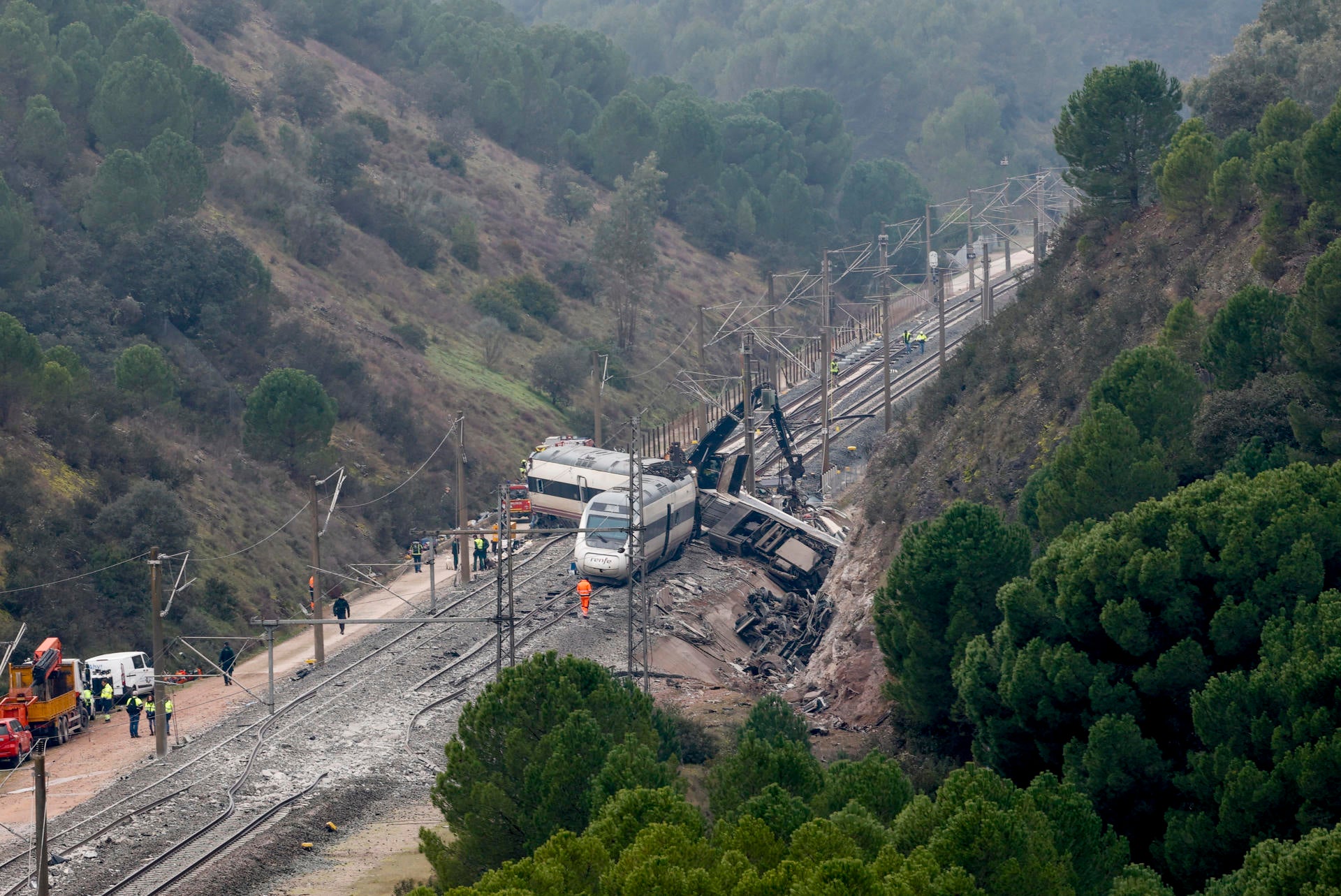
Más de uno
José María Galán, el viajero del Alvia que avisó al guardia civil de que había otro tren: "A las 20:28 seguía andando por la vía en dirección al Iryo"
00:14:59
El relato de los hechos que Galán ha hecho a Carlos Alsina no coincide con la cronología del Gobierno que afirma localizar el Alvia a las 20:15. Galán tomó una foto al tren a las 20:20, antes de salir hacia el Iryo.
Loading summary
Transcript29 lines
- [00:00]
Interviewer
Bueno, esta persona que llega hasta Elirio caminando por la vía, responde al nombre de José María Galán, pasajero del Alvia, y le quiero agradecer que nos atienda esta mañana y que nos cuente el recuerdo que él tiene de esas horas o de esos minutos tan complicados y tan difíciles. José María Galán, buenos días.
- [00:17]
José María Galán
¿Qué tal?
- [00:18]
Interviewer
Buenos días. Lo primero que le pregunto, José María, es usted iba en el vagón número 5 del Alvia, me parece recordar. ¿Ustedes tienen constancia o conocimiento de que dos de los vagones del Alvia se han salido de la vía, han caído por un talud? ¿Eran conscientes de la gravedad de lo que había sucedido o no?
- [00:44]
José María Galán
No teníamos ni idea de lo que nos había pasado. Yo iba en el vagón número 4, yo no recuerdo un vagón número 5. Y sí que recuerdo que una vez que ya nos habían dicho que la ayuda estaba en camino, pues decir también que. Que teníamos que tomar decisiones, la gente ya la estaba tomando. Fue todo como muy orgánico y muy organizado dentro de esa situación. Supongo que porque los niveles de adrenalina que el cuerpo mismo nos da para este tipo de situaciones, pues eran demasiado elevados como para pensar. Entonces reaccionamos dentro del inquieto de supervivencia, partimos las ventanas, salió el humo, atendimos a los que estaban al lado, nos preocupamos por todo el que estaba allí, porque del propio nervio es la reacción más natural, al menos en ese vagón. Luego bajamos, empezamos a salir por una puerta, los del vagón 3 habían roto también para poder abrir allí. Empezamos algunos ya a sacar gente y nada, otros a pensar ¿Por qué están tardando esta gente tanto? Localizamos así de visu las luces, pero eso estaba tardando mucho. La estimación en plena oscuridad de la distancia no se puede precisar, pero en ese momento yo pensaba estaba a 300 metros, a 500, a 800 o a un kilómetro, porque no llegaba el sonido. Hicimos señales con los móviles, la gente llamaban todavía al 112, que sí, que ya está esto, que no se preocupen, que esto está ya todo localizado. Y nada, pero nosotros, nadie de los que estábamos allí, o al menos con los que yo pude hablar y medio organizarnos, no teníamos ni idea que nos habíamos dado con otro. Con otro tren. Entonces, a partir de ahí surgen dos contactos que luego le cuento.
- [02:31]
Interviewer
Cuando llaman al 112, están llamando los pasajeros del Alvia y los pasajeros de Lirio, sin saber ninguno de ellos que hay otro tren y que el otro tren está sin estado, están llamando al 112, supongo que para decir el tren en el que íbamos ha tenido un accidente, necesitamos que vengan a socorrernos. Desde el 112, cuando ya han enviado las ambulancias, lo que entienden es que es el mismo tren. Y entonces lo que están diciendo es ya va para allá o ya están llegando allí las ambulancias y los pasajeros del Alvia dicen, pues aquí no llegan. Ven las luces en la distancia y no entienden por qué no van a socorrerles a ellos. Y esto es lo que hace que finalmente usted, no sé si usted solo, José María, o con alguna otra persona, decide echarse a la vía a ir hacia las luces para ver qué está pasando.
- [03:14]
José María Galán
Sí, le cuento. Allí estábamos metidos en el Embola. De todo el mundo, dos se fueron a atender parte de lo del vagón y había que tomar decisiones. Lógico sería que fuéramos dos, que hubiéramos ido dos, porque aquellos no sabíamos que no íbamos a encontrar. Podría haber sido cable, vamos, podría no. Aquello estaba todo regado de cable. Y además de cables de esta, de la tensión que le dan a la de esto, yo presumía que todas podrían estar con carga. Entonces me puse la bota y tiré para allá. La cuestión fue que cuando voy avanzando, me doy cuenta de que hemos atropellado algo. Yo pensaba que hubiera sido a lo mejor un caballo grande, un fierro y demás, pero no, eran, eran restos de personas. Digo, esto tiene que ser ya más gordo de lo que ya tenemos delante. Y ya ahí continué, continué, continué, y llegué hasta el primero de los dos agentes de la Guardia Civil, que efectivamente se llevó el mismo shock que me llevé yo cuando vi el tren. Yo vi el tren a unos 100 metros, veía que era un tren, pero yo creí que estaba aparcado. Fíjese cómo estábamos nosotros, que para mí ese me parecía a mí que estaba aparcado. Cuando vimos que tenían escalera en lo alto, cuando ya vi que todo eso estaba así, pues total, ya me hice con la situación de que aquello era un choque, pero hasta ese momento yo no tenía ni idea y mi coco iba viendo restos, hipótesis. Y ya luego dice uno, bueno, pues a comunicarlo con esta gente. Lo hablamos y nos volvimos para atrás, o sea, ya ahí decidimos que había que volver para atrás, que lo conducía para allá, porque este hombre sí dio crédito, porque me preguntó que cuántos vagones iban. Mira, yo iba en el 4, no sabía si llevaba un quinto o no, porque en ese momento no lo sabía. Y allí hay ciento cincuenta, ciento setenta, cien, ciento ochenta, no lo sé, pero de esa orden de magnitud hay bastante, bastantes restos por la vía. Y vamos a intentar de que la gente, los chavales que están allí, la gente así por lo menos que no lo vea. Cuando llegué me encuentro que venía para acá otro chico también, que previamente había estado hablando con él. Nos reunimos, nos fuimos todos para ir recogiendo al resto de la gente que quedaba allí. Y ellos continuaron, los que podían andar más o menos bien, continuaron. Y luego ya por lo que había, lo que hicimos fue seguir más o menos por una ruta segura. Yo no me metí en la catenaria, es decir, yo no iba por las vías como dice el personal, yo lo que hicimos fue atravesar una valla que estaba allí rota y luego intentar de ir lo más separado de la vía, pero dentro de que no sabíamos, yo al principio no sabía si había un barranco, si había un puente, si había una laguna o un río que justificase por qué no venían las.
- [05:48]
Interviewer
Y regresa usted al Alvia con el guardia civil que ha dado el primer aviso. El guardia va a ver.
- [05:55]
José María Galán
Exactamente, eran dos guardias civiles. A ver, quiero decir una cosa, estos estaban como nosotros, es decir, no hay que echarle la culpa de que no lo sabían, es que no se lo habían comunicado. Quiero decir que cuando alguna vez declaro que el guardia civil no lo sabía, es que no era consciente, él era súper competente en esto, pero el impacto que tenía, que te digan ahora que lo que tú tienes ahí no es un marrón comparado con lo que tenemos aquí detrás, que ahora va a ser la fiesta. Y el acceso complicado para vehículos, porque estaba toda la vía llena de cables, de restos y demás, pero bueno, que podíamos llegar, que se podía llegar, que no había ningún barranco, ni había nada, que podíamos llegar.
- [06:39]
Interviewer
Y cuando llega el guardia civil y se da cuenta de la dimensión de lo que hay allí, supongo que él sí avisa desde su teléfono móvil a.
- [06:48]
José María Galán
Quien sea por emisora, ya empezaron ellos, oye, tenemos aquí tripulante. Yo le dije que era del de Huelva, digo. Me dice, ¿Pero qué tren? Y digo el de Huelva. Yo creo que en alguna de las grabaciones del 112, del tren de Huelva, alguien, alguien, o nosotros o yo que sé, tuvimos que decir que éramos del tren de Alvia o del tren de Huelva, Del 112. Yo le dije que estábamos en un tren y creíamos que estábamos en Sierra Morena, en algún sitio de Sierra Morena y que había herido y que había muerto y que esto era gordo. Es algo así. Pero me imagino que de todos los que estábamos allí ya varía más gente. Del otro vagón, por supuesto, del 2 y del 1, me temo que no podían ni moverse. ¿Y luego distribuyéndonos el trabajo de forma totalmente inconsciente y competente, porque si tú ves que están atendiendo, si tú ves que hay otro que gana esto? Pues lo que hace falta para incrementar las mínimas probabilidades o aumentar es que venga la asistencia. Sin asistencia hacía un frío de cojones. Ya hacía frío. Colocar la gente sobre el suelo más tiempo era más riesgo de hipotermia. Entonces estuvieron allí ayudando como se pudo, con lo que sabíamos, porque nadie está preparado, como habéis dicho en alguna ocasión, para una situación tan compleja.
- [08:12]
Interviewer
Una vez que llega ya el guardia con usted al Alvia, la primera decisión que se toma es que los pasajeros que estén en condiciones de. De desplazarse que se vayan hacia donde están las ambulancias, que es el tren delirio, y los demás que se queden ahí esperando a que lleguen las ambulancias, supongo.
- [08:29]
José María Galán
Bueno, todo el personal que pueda moverse o que podamos ayudar a que se mueva, nos largamos, nos vamos de allí y todo el mundo mirando al haz de la linterna del guardia civil, que previamente habíamos dicho que apuntase hacia la izquierda. La derecha no podía apuntarse porque era bastante evidente los restos de personas, las formas que había y el espectáculo. Eso traumatiza a cualquiera. Imagínese a un niño, una persona sensible, ahí lo pasaba. Entonces decidimos que mirasen hacia la izquierda, hacia el campo.
- [09:04]
Interviewer
José María, está usted con el guardia cuando aparece el tercer maquinista, Digamos que es el maquinista del ablo, que hemos contado que es el. No sé si me ha cortado la comunicación o si está entrándole algún mensaje, alguna llamada al Sr. Galán.
- [09:20]
José María Galán
Se ha cortado.
- [09:21]
Interviewer
Le estaba diciendo si estaba usted con el guardia cuando aparece el maquinista del AVLO, que es este tren, que iba por detrás del delirio.
- [09:28]
José María Galán
¿No estaba usted? No, yo no. Ya estaba, ya estaba, o sea, yo ya sabía lo que tenía que hacer, porque me habían dado algunas instrucciones, me habían dicho pues llévelo, llévenlos y hacia allá.
- [09:42]
Interviewer
Estamos tratando de no perder la comunicación telefónica con Josemaría, solo para hacerle una última cuestión que tiene que ver con todo esto, son los cálculos que hacen los pasajeros. Nadie estaba en esa situación mirando la hora, hay que entenderlo, pero sí tienen una idea de cuánto tiempo más o menos podía transcurrir.
- [10:04]
José María Galán
Es un testimonio muy valioso el de José María.
- [10:06]
Interviewer
Registro temporal está ahí José María. José María, hemos recupera la comunicación. Perdóneme, me estaba usted contando que usted ya sabiendo un poco lo que hay que hacer, pues se va con los otros pasajeros camino Delirio para intentar ayudar en lo que se pueda.
- [10:19]
José María Galán
Sí, bueno, ayudar ya no podía ayudar mucho más, Lo que podíamos hacer era llegar al sitio, quedarnos allí quietos, el costado me dolía bastante y ya no había más fuerza para hacer eso otra vez. Además ya estaban llegando los procesionales y algunos de ellos iban muy frescos, es decir, que iban bien equipados con material, y ahí lo que puede hacer uno con las costillas o días es estorbar. Así que ya en ese sitio donde estábamos, que nos unimos al resto del personal de Iryo que estaba allí, pues bueno, pues darnos calor unos a otros, emocional, apoyando a los que estaban más derrumbados, y luego pues también cada uno tenía lo suyo, tenía que medir a ver si tenía más o menos. Luego empezamos a hablar algunos de los que estábamos allí que no entendíamos por qué no habían llegado hasta que hemos llegado allí, o sea, es que no existíamos, literalmente no estábamos en ningún plan, estábamos fuera totalmente de rango y sin posibilidad alguna de que llegasen hasta que nos descubrieran cuando alguien pasara por allí.
- [11:19]
Interviewer
Si es que pasaba, estaba contándoles a los gentes que claro, en una situación como esa, nadie va mirando qué hora es, están a lo que están, que es intentar encontrar.
- [11:27]
José María Galán
¿Sacan fotos? No, no, yo antes de salir, antes de salir del tren, antes de salir a andar al tren, a ver si a toro pasado ya uno lo ve de otra manera, pero yo cuando me meto para allá en medio, yo no sé dónde me estoy metiendo, o sea, la linterna del móvil mío aún 15 por ciento de batería que tenía me daba para iluminar un poco más allá de las botas, los cables, pues presumía que algunos probablemente pudieran tener descarga eléctrica, otros podrían ser. Lo ideal era que hubiéramos ido dos, pero no teníamos tanto personal así disponible para vámonos, porque si se le da un leñazo a uno por el otro, puede ser para adelante. Pero la cosa estaba complicada. Cuando me fui, pues saqué primero una fotografía del vagón y demás, por si había que enseñársela a alguien, porque esto era increíble, a la gente o lo que fuese, y para tener tiempos. Entonces tengo esa fotografía, tengo otro tiempo intermedio, que era las 20.28 más o menos. Yo salí sobre las 20.20, o al menos esa fotografía la realicé yo a las 8 y 20, si mal no recuerdo, antes de empezar ya a moverme. Y ya luego no recuerdo cuando llegué, porque claro, cuando tú llegas no te pones a sacar fotos, te pones hablar con el tío y le dice mire usted, ya nos vamos. Y el hombre, reaccionamos para atrás. Entonces por esas dos fotografías y sé que a las 20 20 ya arranqué, arranqué a andar con toda la precaución de la que podía disponer en esas condiciones, porque ya le digo que yo no sabía si había barranco, agujero, hierro, complicado moverse en ese entorno, yo no conocía el terreno tampoco.
- [13:01]
Interviewer
¿Si salió usted a las 20 20, qué calcula que llegaba el guardia, se lo encuentra a las 8.30 aproximadamente o por ahí, no?
- [13:08]
José María Galán
No tardé yo en hacer eso, ni de coña. Yo creo que tardaría más, no recuerdo, pero vamos, imagínense que yo llegaría allí 8 y 20 y 28 y 30 y tantos y 40, por ahí podría ser. Ya le digo que eso no tengo fotos. Muy próximo, hay 45, hay 50, una cosa así.
- [13:31]
Interviewer
El momento en el que usted se encuentra con el guardia que está en el lirio y le informa de lo.
- [13:34]
José María Galán
Que ha pasado, ¿No? Exactamente, sí eso es una estimación, porque de eso no tengo. Yo hice fotos de la salida y luego en un punto intermedio, porque tenía un problema para pasar el móvil, no me daba más luz, y con el fly intenté averiguar qué era lo que tenía delante. Ya está. Solo eso era por seguridad.
- [13:52]
Interviewer
Claro, yo esto se lo pregunto, ¿Usted lo entiende? Porque si usted se encuentra con el guardia a las 8.45, como pronto. En el relato que han hecho las autoridades, el relato del gobierno, dice que a las 8.30 la patrulla de la Guardia Civil ya localiza el Alvia y advierte de que hay un Alvia. Por lo que usted me está contando, cuando llegan de regreso con el guardia hasta el Alvia, como pronto, son las 9 de la noche.
- [14:18]
José María Galán
Ya no sé la hora a la que llegamos allí con ellos, pero que le digo que a las 8.28 estaba yo todavía andando por la vía y no había guardia, o sea, no teníamos guardia. El guardia me lo encuentro más para allá. Luego cuando volvíamos, cuando volvíamos sí que nos encontramos a otros dos o tres colegas de allí del tren que venían, siguieron andando y volvieron a comunicarlo. Esto se comunicó en varias ocasiones y las emisoras me imagino que funcionarían al ritmo que pudiera funcionar, me imagino.
- [14:48]
Interviewer
Bueno, José María, le agradezco que nos haya atendido esta mañana. Tenemos una dificultad con la comunicación, pero gracias José María Galán por su testimonio de esta mañana.