← Más de uno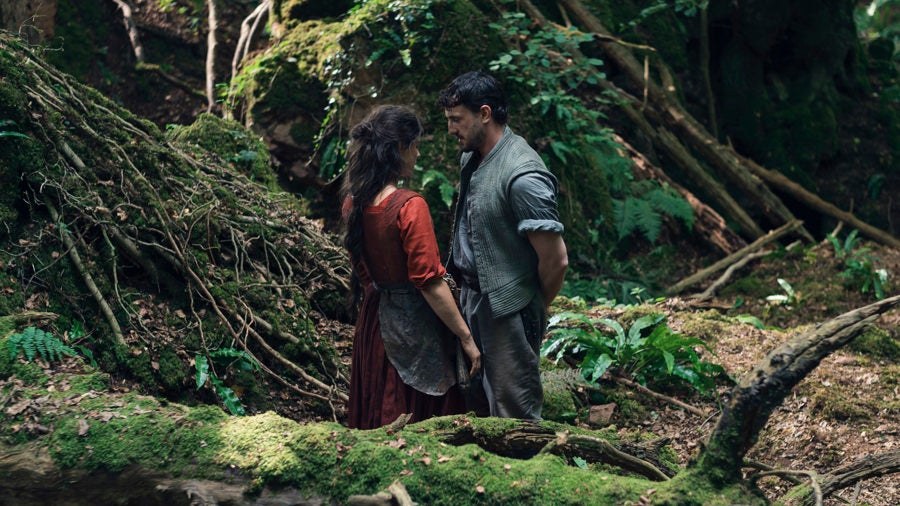
Más de uno
La Cultureta 12x21: 'Hamnet' a pesar de 'Hamnet'
00:33:08
Hemos ido a ver 'Hamnet', la adaptación de la aclamada novela de Maggie O’Farrell, que se coloca en la intersección entre ficción y realidad para contar la historia familiar de William Shakespeare y la génesis de su aclamada obra 'Hamlet'. ¿Es una ...
Loading summary
Transcript241 lines
- [00:00]
Carlos Alsina
Más de uno. La mañana de onda cero con alsina.
- [00:50]
Presentador/Moderador (posiblemente Carlos Alsina o un colaborador principal)
Aquí comienza la cultureta de los viernes por las mañanas en todas y cada una de las emisoras de la cadena Onda Cero, que es esta que usted está escuchando. Este programa participan cada viernes y a esta hora y tiene un gran éxito. Rosa Belmo, Buenos días.
- [01:05]
Rosa Belmonte
Muy buenos días.
- [01:05]
Presentador/Moderador (posiblemente Carlos Alsina o un colaborador principal)
Tiene un gran éxito el programa.
- [01:07]
Nacho Vigalondo
Y ella.
- [01:07]
Presentador/Moderador (posiblemente Carlos Alsina o un colaborador principal)
Y ella misma. También participa Sergio del Molino y tiene un gran éxito el programa. Buenos días, Sergio.
- [01:12]
Rubén Amón
Buenos días. Paso inadvertido. No voy a entrar en tu juego.
- [01:18]
Presentador/Moderador (posiblemente Carlos Alsina o un colaborador principal)
Bienvenido. Sí. Buenos días. Guillermo Altares, buenos días.
- [01:21]
Guillermo Altares
Hola, ¿Qué tal? Buenos días.
- [01:22]
Presentador/Moderador (posiblemente Carlos Alsina o un colaborador principal)
Buenos días. ¿Qué tal? Nacho Vigalondo, buenos días. Buenos días. Rubén Amón, ¿Cómo estás? Nacho está todavía reponiéndose del disgusto.
- [01:31]
Nacho Vigalondo
Sea el único.
- [01:33]
Sergio del Molino
¿Qué te pasa?
- [01:33]
Nacho Vigalondo
Quizás el único cineasta vivo que antes de acudir a unos premios, quizás públicamente pide a sus compañeros en un programa en oye, si ves que no gano nada, mándame un mensajito. Sentí vulnerable.
- [01:50]
Rosa Belmonte
No tengo tu teléfono.
- [01:52]
Presentador/Moderador (posiblemente Carlos Alsina o un colaborador principal)
Espérate a ver si es que tenemos más de encontrar.
- [01:56]
Nacho Vigalondo
Me sentí vulnerable, me sentí desorientado.
- [01:59]
Sergio del Molino
Yo no tengo tu teléfono, pero felicité al ganador como una revista miserable.
- [02:03]
Rubén Amón
Yo es que me enteré el lunes.
- [02:04]
Presentador/Moderador (posiblemente Carlos Alsina o un colaborador principal)
Tu teléfono no empieza. Tu teléfono no empieza por siete.
- [02:09]
Nacho Vigalondo
No empieza por siete 000 Es seis. Siete.
- [02:12]
Presentador/Moderador (posiblemente Carlos Alsina o un colaborador principal)
Ah, por seis.
- [02:13]
Nacho Vigalondo
Ah, dices siete después del seis, porque el seis se sobreentiende.
- [02:15]
Presentador/Moderador (posiblemente Carlos Alsina o un colaborador principal)
No, no, que si empieza por siete.
- [02:16]
Nacho Vigalondo
Empieza por siete mil. Pero si entendemos que el seis es un prefijo.
- [02:19]
Presentador/Moderador (posiblemente Carlos Alsina o un colaborador principal)
Pero a ver, Nacho, siete diecisiete solo.
- [02:21]
Nacho Vigalondo
Es un prefijo al ser eterno.
- [02:23]
Guillermo Altares
¿Pero no te sentiste ganador moral, Nacho.
- [02:25]
Presentador/Moderador (posiblemente Carlos Alsina o un colaborador principal)
Que no es el tuyo? Este.
- [02:26]
Nacho Vigalondo
¿Cómo que ganador moral? ¿Cómo que gANADOR MORAL, o subes o no subes?
- [02:31]
Rubén Amón
Yo quiero saber qué esperabas del mensaje. Yo no sé cómo actuar en esta.
- [02:36]
Presentador/Moderador (posiblemente Carlos Alsina o un colaborador principal)
Ganó un premio.
- [02:38]
Nacho Vigalondo
¿Cómo que ganó un premio?
- [02:41]
Presentador/Moderador (posiblemente Carlos Alsina o un colaborador principal)
A secundo. La rosa secunda.
- [02:44]
Nacho Vigalondo
Pero vamos a ver, ¿En qué cabeza ¿Estamos locos o qué? ¿Subí o no subí? Yo hablo de mí. Si, yo a título personal os digo.
- [02:51]
Presentador/Moderador (posiblemente Carlos Alsina o un colaborador principal)
Pero la decisión de subir o no.
- [02:52]
Nacho Vigalondo
Subir la toma cada uno si entendemos que gana o no el proyecto. Es una cosa institucional. Ya es una la pedrea.
- [02:59]
Rubén Amón
Puede ser, pero Nacho, ¿Cuál es el protocolo? Te acompaña un sentimiento. Otra vez será.
- [03:06]
Guillermo Altares
Fueron unos premios. Fueron unos premios muy repartidos. Sirven para tapar agujeros.
- [03:15]
Presentador/Moderador (posiblemente Carlos Alsina o un colaborador principal)
Quién ha premiado a Sekun se ha equivocado ¿Quién ha premiado a Sekun de la raza?
- [03:18]
Nacho Vigalondo
No me ha premiado a mí.
- [03:24]
Presentador/Moderador (posiblemente Carlos Alsina o un colaborador principal)
Quién lo diría. Que estás muy contento cuando estás aquí ignorando el premio que se ha llevado tu serie. Es verdad, se lo ha llevado Sekun.
- [03:29]
Nacho Vigalondo
Se ha llevado a Sekun. No puedo apropiar yo del premio de un compañero.
- [03:34]
Presentador/Moderador (posiblemente Carlos Alsina o un colaborador principal)
Bueno, pero si eres tú quien decide que Secun suba a recoger el premio de Secun. Pues es la decisión tuya.
- [03:41]
Nacho Vigalondo
No es una decisión mía.
- [03:43]
Presentador/Moderador (posiblemente Carlos Alsina o un colaborador principal)
Pues haber subido tú.
- [03:45]
Nacho Vigalondo
¿En qué cabeza cabe que suba yo.
- [03:46]
Presentador/Moderador (posiblemente Carlos Alsina o un colaborador principal)
En la de Secun?
- [03:47]
Nacho Vigalondo
Hubiera sido muy divertido. Hubiera sido fascinante que me hubiera otorgado la calidad de acompañante de Sekun. Oliéndome la tostada, oliéndome que el resto de la noche no iba a recibir. No iba a recibir ni feroces, ni premios feroces, ni SMS, ni mi mensaje es de WhatsApp. No me llevé nada. Lo que queda de noche Es que.
- [04:07]
Presentador/Moderador (posiblemente Carlos Alsina o un colaborador principal)
Si te lo hemos enviado.
- [04:07]
Nacho Vigalondo
Fui a la cama, como me levanté.
- [04:09]
Presentador/Moderador (posiblemente Carlos Alsina o un colaborador principal)
Te hemos enviado el mensaje, pero a otro.
- [04:11]
Nacho Vigalondo
¿Cómo que a otro?
- [04:12]
Presentador/Moderador (posiblemente Carlos Alsina o un colaborador principal)
Pues a otro número que empieza por 7, que se llama Nacho. También la otra persona es bastante conocida, por cierto. Y no se quejó de que le Felicitásemos por sus no premios.
- [04:22]
Nacho Vigalondo
¿Perdón? A ver, revisemos esta frase. No se quejó de que le felici Nacho.
- [04:27]
Presentador/Moderador (posiblemente Carlos Alsina o un colaborador principal)
Este otro Nacho, que es bastante famoso, tiene un número de teléfono que empieza como el tuyo, por 717.
- [04:33]
Nacho Vigalondo
Pero este laberinto de repente.
- [04:35]
Presentador/Moderador (posiblemente Carlos Alsina o un colaborador principal)
Entonces le enviamos esa noche, se lo hablamos entre nosotros. Oye, ha pasado lo que temíamos. Hay que enviarle un mensaje de ánimo. Era consensuado además a Nacho.
- [04:45]
Sergio del Molino
Muy bonito.
- [04:45]
Nacho Vigalondo
Nacho ¿Quién es?
- [04:46]
Presentador/Moderador (posiblemente Carlos Alsina o un colaborador principal)
Y lo recibió este otro Nacho. Pero no se quejó de que se lo enviásemos a él. Entonces, hasta este momento no nos habíamos dado cuenta de que a ti no te llegó ningún mensaje.
- [04:53]
Nacho Vigalondo
Yo creo que lo conozco. Otro Nacho ahora mismo en la esfera pública lo hay.
- [04:58]
Sergio del Molino
Tampoco es un hombre tan exótico. Nacho.
- [05:03]
Nacho Vigalondo
No llega a lo pública.
- [05:05]
Presentador/Moderador (posiblemente Carlos Alsina o un colaborador principal)
Es conocido como Don Ignacio. Pero nosotros, como hay mucha familiaridad, le llamamos Nacho. Y no puedo dar más pistas porque es una persona muy conocida y que tampoco ganó ningún premio feroz el otro día.
- [05:18]
Nacho Vigalondo
Estaría bueno. Encima que ganara otro Nacho. Ya sería ya el recochineo definitivo.
- [05:23]
Presentador/Moderador (posiblemente Carlos Alsina o un colaborador principal)
De todas maneras, si esta es tu actitud, nunca más te van a dar un premio Feroz. Si el año que no te lo dan, te quejas de que no te lo han dado.
- [05:30]
Nacho Vigalondo
Bueno, pues nada. Pues cuando tenga algo que perder, cambiaré de actitud.
- [05:33]
Rubén Amón
No creas, no creas.
- [05:35]
Presentador/Moderador (posiblemente Carlos Alsina o un colaborador principal)
En lugar de felicitar a.
- [05:36]
Nacho Vigalondo
Mira lo que sale por ahí.
- [05:38]
Presentador/Moderador (posiblemente Carlos Alsina o un colaborador principal)
No, claro.
- [05:38]
Rubén Amón
Si tú protestas, protestas. Yo creo que al final, sí por no irle, igual se lo dan.
- [05:43]
Presentador/Moderador (posiblemente Carlos Alsina o un colaborador principal)
A qué estás pensando en algún precedente de otros premios y de alguien que se lo diera.
- [05:49]
Guillermo Altares
Con el Cervantes, por ejemplo.
- [05:52]
Presentador/Moderador (posiblemente Carlos Alsina o un colaborador principal)
Más o menos.
- [05:53]
Guillermo Altares
No quiero comparar a Cela.
- [05:55]
Nacho Vigalondo
Cuando Almodóvar no iba a los Goya.
- [05:57]
Presentador/Moderador (posiblemente Carlos Alsina o un colaborador principal)
No estaba yo pensando precisamente en Almodóvar y en los Goya. Justamente.
- [06:03]
Nacho Vigalondo
Me niego a ir a los Feroces los próximos siete años. Igual Hay momentos que se ven obligados. Se ven obligados a rectificar sus errores Del.
- [06:13]
Presentador/Moderador (posiblemente Carlos Alsina o un colaborador principal)
Eso te encargan que lo presentes otra vez. Podría ser la gala.
- [06:17]
Nacho Vigalondo
No estaría mal, la verdad.
- [06:18]
Rosa Belmonte
También en Zaragoza, para que digan lo de la estación grande.
- [06:21]
Rubén Amón
Para que tengas el chiste.
- [06:23]
Nacho Vigalondo
Tenía un minuto de silencio por el chiste que evidentemente tenía ya pensado.
- [06:27]
Sergio del Molino
¿Cuál era?
- [06:27]
Nacho Vigalondo
Murió en mi boca. Murió en mi boca el pasado viernes. Ese chiste no puedo ahora mismo.
- [06:32]
Sergio del Molino
¿Lo tenías trabajando, No?
- [06:34]
Nacho Vigalondo
El destino decidió que ese chiste no se compartiera con nadie.
- [06:37]
Rosa Belmonte
No naciera.
- [06:38]
Nacho Vigalondo
No nació.
- [06:39]
Presentador/Moderador (posiblemente Carlos Alsina o un colaborador principal)
¿No sería una buena idea que te encomendaran la presentación de la gala de los premios Feroz y todo el tiempo fuera el cineasta que se siente maltratado por los premios Feroz y conduce la gala de los premios poniendo a parir la propia o manipula?
- [06:57]
Sergio del Molino
El atribuye todos los premios.
- [06:59]
Presentador/Moderador (posiblemente Carlos Alsina o un colaborador principal)
Sería bonito eso. Voy a proponérselo ya reconocidos, sí no.
- [07:02]
Nacho Vigalondo
O se da paso a los premiados. Pero no se quita. Él no abandona el centro del.
- [07:08]
Guillermo Altares
Claro.
- [07:08]
Presentador/Moderador (posiblemente Carlos Alsina o un colaborador principal)
Que es lo que tenías que haber hecho con Secunde la cosa.
- [07:10]
Nacho Vigalondo
No quitarse de ahí desde el año pasado. Plantarse en medio.
- [07:13]
Presentador/Moderador (posiblemente Carlos Alsina o un colaborador principal)
Bueno, pues no vamos a hablar de esto. Esta mañana, aquí, en La Cultureta, como ya los oyentes pueden imaginar, tenemos un mensaje para todos vosotros de Terrence Malik, que es un cineasta.
- [07:24]
Rubén Amón
Tampoco ha ganado ningún Feroz.
- [07:25]
Sergio del Molino
Es muy largo y muy lento.
- [07:27]
Presentador/Moderador (posiblemente Carlos Alsina o un colaborador principal)
Largo y lento. Bueno, no es para vosotros, ha dicho Malik a un amigo productor de cine.
- [07:36]
Colaborador narrador (posiblemente Esteban or another guest)
La vi anoche.
- [07:38]
Presentador/Moderador (posiblemente Carlos Alsina o un colaborador principal)
Se me hizo un nudo en la garganta durante toda la película. Me conmovió profundamente. Fue desgarradora y maravillosa. Qué obra tan magnífica. Llena de amor, ternura, humanidad, y compasión. Hoy también hay concurso. ¿De qué película está hablando Terrence Malik? A. Sirat. Ya está, no hay más B. Ahora sí que ya no hay más opciones.
- [08:17]
Rubén Amón
Solo es A. V.
- [08:18]
Rosa Belmonte
Pues cualquiera de las dos.
- [08:21]
Presentador/Moderador (posiblemente Carlos Alsina o un colaborador principal)
Pronto empezamos.
- [08:23]
Rubén Amón
Yo creo que es B, pero me hubiera gustado más que fuera.
- [08:26]
Sergio del Molino
Yo digo que la C no habiendo. Porque es una forma de silenciar el voto.
- [08:30]
Presentador/Moderador (posiblemente Carlos Alsina o un colaborador principal)
Enseguida hablamos de Hamnet en la cultureta. Aquí de nuevo, porque un poco ya se habló la semana pasada, pero poco. Pero antes vamos a prolongar el misterio, el supuesto misterio. Rescatando una antigua sección de este programa.
- [08:45]
Colaborador narrador (posiblemente Esteban or another guest)
Biografías que hacen lo que pueden.
- [08:51]
Presentador/Moderador (posiblemente Carlos Alsina o un colaborador principal)
En la sección Biografías que hacen lo que pueden. Divulgamos la vida de personajes culturetas. Sin ocultar los vacíos biográficos y las dificultades documentales. Ya basta de semblanzas categóricas. Ya vale de pontificar, ha escrito aquí el guionista. Adelante. Nuestro biografiado de esta semana, que es un señor británico de hace más de cinco siglos.
- [09:14]
Colaborador narrador (posiblemente Esteban or another guest)
William Shakespeare nació en la localidad inglesa de Stratford Upon Avon en el año 1564. Probablemente. Creemos que William asistió a la escuela primaria local. Aunque no existe ningún documento que lo acredite. Porque los archivos parroquiales se han perdido. Sí sabemos que William Shakespeare, a los 18 años, se casó con la señorita Anne Hathaway, bastante mayor que él y quizá llamada en realidad Agnes. Se sospecha que se casaron de penalti porque ella estaba embarazada. Pero esto es mera especulación. Una conjetura bastante factible es que la muy famosa obra de Hamlet. Estuviera inspirada en su malogrado hijo Hamlet. Porque en el siglo XVI, Hamlet y Hamnet eran variantes del mismo nombre. Y luego, si nos saltamos los llamados años perdidos. En los que no tenemos ni idea de qué hizo uno de los hombres más famosos de la historia, llegamos a 1592, cuando ya tenemos constancia documental de que William comenzó a hacer fortuna en Londres. Primero como actor y luego como empresario y brillante dramaturgo. De obras que todos ustedes conocen como Macbeth, Otelo o Romeo y Julieta. Siempre y cuando, claro, no sea cierta la tesis de que la obra de Shakespeare era en realidad producto de un hombre llamado Christopher Marlow.
- [10:37]
Presentador/Moderador (posiblemente Carlos Alsina o un colaborador principal)
Bien, antes de que critiquéis la película Hamlet, Guillermo Altares tenía interés en rellenar, diríamos, todas las lagunas que hasta ahora han existido sobre la vida del propio William Shakespeare.
- [10:49]
Colaborador narrador (posiblemente Esteban or another guest)
Él.
- [10:52]
Guillermo Altares
En realidad, es que no se pueden rellenar. Porque, como dice la presentación, sabemos muy poquito de Shakespeare. De hecho, se conservan seis firmas auténticas de Shakespeare. Y en todas ellas escribes un nombre de manera diferente. Y todos los años en que se fue a Londres y triunfó y se convirtió en un dramaturgo famosísimo en su época, prácticamente no hay documentos. Entonces, hay un libro muy divertido de Bill Bryson que se llama Shakespeare, Muy cortito. Muy cortito, donde lo explica muy bien. Porque luego hay otras biografías muy entretenidas y con muchísimos datos que básicamente no sabemos lo que son. De hecho, en vez de Hamed, quería hablar de Shakespeare in Love, que he vuelto a ver porque me recordó mucho. Y claro, Shakespeare Love juega todo el rato con eso, con todos los vacíos con que te puedes inventar cualquier cosa de la obra de Shakespeare. Y cuando yo no me acordaba, el guionista es Tom Stopper, que es uno de los grandes dramaturgos del siglo XX. De hecho, tiene un juego con la obra de Shakespeare, que se llama Rosenkracy y Gildenstein han muerto, que son dos personajes secundarios de Hamlet. Y Stoppard, que era un dramaturgo y un guionista extraordinario. De hecho, cuando. Cuando Spielberg quería arreglar una película, le llamaba. Él juega todo el rato con los enormes vacíos sobre la vida de Shakespeare. Te puedes inventar cualquier cosa, porque no sabemos nada de la vida. Ni siquiera sabemos en realidad si su obra es su obra, porque no se publicó en vida. El primer folio se publicó de Schwarz Shakespeare, que es la primera recopilación de sus obras que hicieron como sus amigos. Pero no sabemos ni siquiera si eso es exactamente lo que Shakespeare quiso que se publicase.
- [12:38]
Nacho Vigalondo
Y el gran éxito de La canción de la raja de tu falda, que fue quizás su mayor. Cómo se hizo conocido.
- [12:46]
Presentador/Moderador (posiblemente Carlos Alsina o un colaborador principal)
No Shakespeare, sino. Qué pena.
- [12:52]
Nacho Vigalondo
No, no pido ni siquiera.
- [12:55]
Guillermo Altares
Pero Rosa se está descomponiendo claramente.
- [12:56]
Nacho Vigalondo
En este programa doy más de lo que pienso.
- [12:59]
Rosa Belmonte
Que ha venido destiempo porque tenía que estar hablando de Stop.
- [13:02]
Rubén Amón
Claro.
- [13:05]
Nacho Vigalondo
Mi público no tiene por qué.
- [13:07]
Presentador/Moderador (posiblemente Carlos Alsina o un colaborador principal)
Sobre todo después de que Willy haya confesado que vuelto a ver Shakespeare.
- [13:11]
Guillermo Altares
Y está muy bien, Porque Hammet es claramente una copia de Shakespeare in Love. Lo que pasa es que Hammet es la versión truñaco. Es la versión truñaco. Y Shakespeare in Love juega lo mismo. Hay una escena en que los niños.
- [13:29]
Rubén Amón
Creo que no ha visto ni Hamnet ni Shakespeare in Love.
- [13:32]
Rosa Belmonte
Eso es solo.
- [13:35]
Rubén Amón
Es muy reimpostor.
- [13:36]
Guillermo Altares
Juega lo mismo. Hay un momento en que los niños dicen Te vamos a hacer una obra de teatro. Y entonces representan las. Representan las brujas de Macbeth que dicen esa famosa frase de lo bueno es malo, lo malo es bueno. Y eso es el mismo tipo de juegos que hacen todo el rato con Shakespeare Love.
- [13:58]
Presentador/Moderador (posiblemente Carlos Alsina o un colaborador principal)
Voy a hacer una pausa.
- [13:59]
Rosa Belmonte
El título que podrías pensar Shakespeare in Love y podrás pensar que esta se llama Shakespeare in Pain. Y ya está.
- [14:07]
Sergio del Molino
Antes de la publicidad, Alsina. Todos los motivos que ha expuesto Tennis, Malik, son los motivos por los que no me gusta la película.
- [14:13]
Rosa Belmonte
La película es.
- [14:14]
Presentador/Moderador (posiblemente Carlos Alsina o un colaborador principal)
Pausa. Ahora la vuelta. Hablamos de la película.
- [14:19]
Nacho Vigalondo
Conmovedora.
- [14:21]
Presentador/Moderador (posiblemente Carlos Alsina o un colaborador principal)
Es conmovedora, la verdad. Ahora sí.
- [14:32]
Carlos Alsina
Más de uno en onda cero donde alsina. Más de uno en Onda Cero donde Alsina.
- [14:54]
Presentador/Moderador (posiblemente Carlos Alsina o un colaborador principal)
Adaptar Hamnet la novela al cine ha sido un acto un tanto botanico.
- [15:00]
Rosa Belmonte
There's a lot of cross pollination.
- [15:02]
Maggie O'Farrell
Yes, that's a good word. We maggie did the first draft and then I condensed a bit more the second draft. And then from that moment, in all we just worked off the same draft.
- [15:15]
Presentador/Moderador (posiblemente Carlos Alsina o un colaborador principal)
Ha sido como un acto de polinización cruzada. Esta es la directora de la película. Dice que la autora de la novela hizo una primera versión del guión y ella hizo una segunda versión. Y a partir de ahí trabajamos a cuatro manos. Y en ese proceso de adaptación se tomó la decisión de cambiar el final del libro. Final en el cine bastante alargado, pero con el que está encantada la autora de la novela. El libro no podía incluir largos fragmentos de Shakespeare, por más que ella quisiera que en una película sí funciona. Y por eso vemos al final la obra de teatro representándose en el Globe Theatre. Esta mesa de la cultureta buena, que es la de por las mañanas se sienta un amante de Hamnet. De la novela. De la novela Hamnet, que es Sergio, como él ha contado aquí. Y ha llegado el momento de saber si a él esta adaptación, que a los demás ya hemos visto que no les ha gustado, le ha satisfecho. ¿Colmado tus expectativas?
- [16:21]
Rubén Amón
En absoluto. En absoluto. No, no. A ver, yo creo que no. No tengo una opinión tan visceralmente contraria, aunque sí la tengo bastante. Sí que estoy muy alineado con la opinión general de la cultureta. No creo que estemos nosotros alineados con la opinión mayoritaria, porque yo lo que percibí en el cine lleno en el que la vi fueron muchos lloros y mucha gente muy emocionada. Y luego me fui a ver otra película a otros cines y vi salir a la gente de la sesión de Hamnet, que la mía estaba en otra sala, y salía un mogollón de gente con los ojos rojos y muy emocionado. Nosotros creo que estamos en franca minoría en cuanto a lo que está provocando Hamnet. Pero las declaraciones que ponías de Maggie o', Farrell, que estaba muy satisfecha con el final de la película, en la que se incluye una representación de Hamlet donde aparecen unas cuantas escenas y de verdad está muy alargada y tiene mucha presencia William Shakespeare, cosa que en el libro no la tiene en absoluto, ni siquiera se le nombra. Es que ni siquiera aparece el nombre de William Shakespeare por ningún sitio en la novela y no aparece tampoco la obra. Y esa es una de sus grandes virtudes de la novela, la capacidad de elipsis, la capacidad de dejar fuera de cuadro un montón de cosas, incluida la muerte del niño, incluida muchísimas. Parte de la emotividad enorme que tiene Hamnet tiene que ver con la contención y con lo que deja fuera es justo lo contrario de lo que hace la película. Es como si la película estropeara el proyecto narrativo de Magio Farrell. Y me resulta inconcebible que vea la novela y que le parezca bien. Eso le debe parecer bien otras cosas.
- [17:55]
Sergio del Molino
Eso en principio puede discrepar, porque una vez que concedes los derechos y te atienes a un recorrido comercial.
- [18:01]
Rubén Amón
Mira, Juan Marcé, cómo discrepaba cuando venía.
- [18:03]
Rosa Belmonte
Los derechos, pero coescribió.
- [18:05]
Sergio del Molino
No, yo digo que aquí hay una implicación que le conviene a la autora.
- [18:09]
Guillermo Altares
Además es guionista, es coguionista, ha estropeado su propia obra.
- [18:13]
Sergio del Molino
Bueno, pero está integralmente y orgánicamente integrada en la obra. A ver, yo creo que la gran diferencia entre la novela y la película, porque tiene sentido compararlas, en la medida que la protagonista que engendra la criatura es la misma, está en el misterio de la novela, no está en la película. Y creo además que lo peor de la película es la distancia que hay entre la sensibilidad y la sensiblería, y la sensiblería abarrota la película. Y además creo que lo hace de una forma muy programada, como si tuviera una cadencia temporal que sabe dónde y en qué momento utilizar la sensiblería para impactar la sensibilidad del espectador. Y por lo que veo, conseguirlo en un ejercicio de estilo igualmente programado. Entonces yo veo un artificio tan grande que no me permito entrar nunca en la película, precisamente porque veo las trampas como si fuera un mago falso, asiente Villarondo. Ojo, me siento comprendido.
- [19:10]
Rosa Belmonte
Es que la película tiene la intención de ser como una película de prestigio, pero la novela también lo tenía, es decir, la novela tiene una falsa carga de profundidad, que acá o en mucha gente, que la película sea diferente, da igual. Y es verdad que tiene esa intención de ser una película muy importante y muy de prestigio. Y es verdad que Chloe Zhao parece que saca una película y es como si sacara las tablas de la ley.
- [19:34]
Rubén Amón
Pero eso en principio tampoco es malo.
- [19:36]
Colaborador narrador (posiblemente Esteban or another guest)
En sí mismo, ¿No?
- [19:37]
Guillermo Altares
Pero es buena Chloe Zhao, a mí es la única peli de Chloe Zhao que he visto que no me gustó.
- [19:42]
Rosa Belmonte
Pero el final ese que se supone que es conmovedor y además en el sentido de voy a utilizar la música y The Globe y cómo varía la actitud de Jesse Buckley en The Globe para que te conmuevas, o sea, es una cosa muy falsaria y muy premeditada por parte de la directora, que me parece muy bien, porque si es lo que quiere.
- [20:07]
Rubén Amón
A mí eso no es lo que más me molesta de la película.
- [20:11]
Rosa Belmonte
A mí no me conmueve.
- [20:13]
Rubén Amón
A mí no me conmueve. Perdona Willy, que te dejo ahora con tu firstfolio. A mí no me me molesta la forma en la que persigue la emotividad, no es eso. Y eso que se hablaba, además, las primeras críticas que recibieron, que se hablaba de pornografía emocional, a mí eso en absoluto. Yo creo que eso es lo que iba persiguiendo y lo que buscaba en la novela. Me molesta lo obvio, la reiteración, la forma en la que vuelve una y otra vez a lo mismo, a subrayar constantemente al espectador cosas que en la novela no aparecen o están sutiles, y no porque diga que haya que comparar o que tenga que ser fiel, sino que elige un camino completamente contrario para ir hacia un espectador muy premasticado, muy fácil, pero no por lo emocional, por dejar claras las cosas. Hay un momento en la película, no se ha nombrado a William Shakespeare y al final llega, sólo un ejemplo, cuando llegan a Londres, la madre se le nombra, estamos buscando a William Shakespeare, que sólo le falta a William Shakespeare, el famoso dramaturgo inglés, autor de Hamlet y tal. Es absurdo se dicen dos veces el monólogo de ser dos veces dicho. Esto es intolerable.
- [21:26]
Presentador/Moderador (posiblemente Carlos Alsina o un colaborador principal)
Es intolerable. Pues menos mal que tu opinión no era tan vehemente como visceral. Intolerable la película.
- [21:34]
Rosa Belmonte
La película no me gusta, pese a lo muchísimo que me gusta Jesse Buckley y Emily Watson, que no sé cuándo se ha convertido en Colin Duhar, en Ana, o sea, cómo se ha transformado esa señora.
- [21:45]
Nacho Vigalondo
Y bueno, está el precedente de ese Spin Love con el que estoy más de acuerdo de lo que me gustaría.
- [21:53]
Guillermo Altares
O sea, en esta temporada vamos a.
- [21:54]
Nacho Vigalondo
Estar de acuerdo, ya veremos, ya veremos si cuidas de mí, si duras temporadas.
- [22:03]
Presentador/Moderador (posiblemente Carlos Alsina o un colaborador principal)
Ya veremos si dura toda la temporada.
- [22:05]
Nacho Vigalondo
Llegamos al final tú y yo, al final de la temporada, ya veremos si estamos de acuerdo. Y luego está el presente, el cautivo, pero que es esta tendencia de repente a plantar escritores legendarios que están buenísimos, pero bueno. Ya, pero está buenísimo Cervantes, no os gusta nada. Es que voy a hacer la biografía de Miguel Delibes, interpretado por el Duque, que lo tengo pensado, ya tengo el chiste hecho.
- [22:30]
Rosa Belmonte
¿Se refiere a Miguel Ángel Silvestre?
- [22:33]
Nacho Vigalondo
Sí, claro. Bueno, ya. Esta película, yo creo que también en relación con el libro, creo que subraya un hecho, que es que el prestigio, cuando Hollywood hace películas de prestigio, el género es el prestigio. El prestigio es una cosa que es un traje que uno se pone y hay muchas decisiones estilísticas que te otorgan los demás. No, no, el prestigio es un color.
- [23:00]
Rosa Belmonte
Te lo ven los demás.
- [23:01]
Rubén Amón
También tenía esa visión y esa puesta en escena, pero.
- [23:08]
Nacho Vigalondo
La película parece por momentos una película producida por aquí, y cuando ves la puesta en escena de la obra de teatro que vemos al final, parece una escena de The Witch o de Midsommar. Y esto no es nada casual, hay una pátina de prestigio que ya tiene el nombre de prestigio puesto en el bote de pintura, que te lo compras quiero una lata de prestigio, que es un barniz. Y utilizan ese prestigio para modelar una adaptación de una novela que en el fondo no es tan de autor, o no es tan aguerrida, o no es tan abstracta, o no es tan impenetrable como parece al comienzo. Hollywood se hace una de estas todos.
- [23:49]
Sergio del Molino
Los años en el empalago, la película se relame y te mira qué escena más bonita. Me refiero con la idea de la programación.
- [23:58]
Guillermo Altares
Y dentro de ese barniz de prestigio que decías, está la directora. Eligen a una directora que tiene pelis el ginec los cuentos que nos contaron nuestros padres en una reserva india, incluso la de Nómada. Y de repente eligen a una directora para hacer una especie de, no digo superproducción, pero gran película de época, de mucho prestigio, basada en una novela muy archifamosa y archivendida en todo el mundo.
- [24:27]
Nacho Vigalondo
¿Os acordáis de Silver Line in Playbook? Aquella película.
- [24:30]
Presentador/Moderador (posiblemente Carlos Alsina o un colaborador principal)
Absoluto.
- [24:31]
Nacho Vigalondo
¿Sabéis cuál era? ¿Las películas oscarizables? Esta de la pareja bipolar o Hubo una pareja de sordos o Que vivía en una casa de sordos. Siempre hay una película al año en la que Hollywood de lejos parece que está hecho una película de autor, una película de autor independiente, propia del circuito de festivales de autor. Y cuando la ves y llegas al desenlace, ves que es una película que va sobre seguro.
- [24:59]
Rubén Amón
Nacho en realidad está purgando aquí cosas que no tienen que ver con Hamlet.
- [25:04]
Nacho Vigalondo
Yo intento siempre no personificar y no hacer alusiones personales, porque si aquí me puse yo a leer entre líneas, aquí no acabamos, o me ponga a leer entre líneas, que es una amenaza bastante curiosa, Como me ponga a leer entre.
- [25:19]
Rubén Amón
Líneas, acabamos con presbicia todos.
- [25:20]
Presentador/Moderador (posiblemente Carlos Alsina o un colaborador principal)
¿Qué estás queriendo decir?
- [25:22]
Nacho Vigalondo
Yo, claro, entre líneas. Oye, cuidado, tiene mérito decir cosas entre.
- [25:28]
Sergio del Molino
Líneas, aunque la película parece que tiene una plantilla.
- [25:30]
Presentador/Moderador (posiblemente Carlos Alsina o un colaborador principal)
La verdad es que no os gusta.
- [25:31]
Nacho Vigalondo
A medida que avanza el tercer acto es mucho más fácil que el primero.
- [25:34]
Rubén Amón
El centro de la película es también el. El duelo y la muerte del hijo y demás. Y yo creo que eso es un asunto que la directora ni comprende ni quiere comprender. Quiero decir, no está ahí un reflejo del dolor que es totalmente arquetípico, nada trabajado, totalmente fuera de tono y fuera de comprensión. Y eso no pasa en el libro también. Eso no pasará en libro. Entonces, a mí eso creo que. Pero lo que me sorprende es que haya tantísima gente emocionada. Yo a mí cuando se enciende, cuando llegan los créditos y veo que estoy rodeado de gente con los mocos colgando.
- [26:14]
Presentador/Moderador (posiblemente Carlos Alsina o un colaborador principal)
Parte de lo agente sensible.
- [26:18]
Nacho Vigalondo
Porque en la película hay niños medio muriéndose todo el rato.
- [26:22]
Sergio del Molino
Es que no se puede hacer eso.
- [26:24]
Nacho Vigalondo
Para cuando la palma un niño, ya casi la palma.
- [26:27]
Sergio del Molino
Tiene que ver con la sensibilidad.
- [26:28]
Rosa Belmonte
El niño es muy mono, es como el príncipe George.
- [26:31]
Rubén Amón
El niño se parece a Or.
- [26:32]
Nacho Vigalondo
Se parece un poco. Se parece a Carlos Pumares. Y desde aquí un beso a Carlos Pumares. Allí donde esté, no busca entre líneas. A ver qué he dicho ahí seguro.
- [26:43]
Rubén Amón
Que nos estará escuchando allí donde esté.
- [26:45]
Presentador/Moderador (posiblemente Carlos Alsina o un colaborador principal)
Una pausa.
- [26:46]
Nacho Vigalondo
Por Dios, Parece plátano.
- [26:48]
Presentador/Moderador (posiblemente Carlos Alsina o un colaborador principal)
Es A ver qué dicho Orson Wells. Parece el niño. Ahora volvemos.
- [26:56]
Carlos Alsina
Más de uno en onda cero. Más de uno en onda cero.
- [27:31]
Presentador/Moderador (posiblemente Carlos Alsina o un colaborador principal)
Bueno, y entonces he visto que no os gusta nada y que todo os parece intolerable. Dijo Sergio. Una película intolerable.
- [27:39]
Rubén Amón
Bueno, intolerable. Ese final iba empeorando.
- [27:42]
Presentador/Moderador (posiblemente Carlos Alsina o un colaborador principal)
¿Habéis visto algo? ¿Habéis leído algo? ¿HABÉIS IDO? Alguna función teatral que os haya.
- [27:51]
Sergio del Molino
Estuve en Ariandi, Barbazul de Duká, que se ha estrenado en el Teatro Real. Y eso acontecimiento muy recomendable porque es una ópera que no se hacía desde 1913, porque está fuera del repertorio y porque tiene artífices tan interesantes como Alex Hou de La Fura. Y como Picha de Stembas, el director de orquesta octogenario e israelí. Igual no se han dado cuenta de que hay israelí. Nadie ha hecho ninguna protesta, pero ya se han constado los ánimos.
- [28:14]
Rubén Amón
Bueno, ya lo has dicho tú.
- [28:18]
Sergio del Molino
Boicoteando el Teatro Real porque hay un director israelí extraordinario, clarividente. Y porque la historia que parte de una adaptación de Largo azul de Meterlink, que a su vez el compositor francés convierte en un acontecimiento extraordinario, es muy incómoda para el público. Y por eso creo que en algunos ámbitos ha tenido cierta resistencia. Porque creen algún aficionado que pasa al teatro solo para gozar y no para sufrir. Y por sufrir entiendo lo perturbador que puede ser un retrato psicológico de un heteropatriarcado. Que suene esto bien, muy bien planificado y expuesto y un montaje duro, pero compensatorio, porque la experiencia de verdad que siendo extrema, es muy interesante.
- [28:56]
Rubén Amón
Pues yo quería ir, pero la entrada más barata eran 700 euros. Para ti, no para mí. Ya sé que no es verdad. Es verdad que yo puedo entrar.
- [29:05]
Guillermo Altares
Yo he leído un libro que me ha encantado de Hervé Letelier, El nombre sobre el muro. Hervé Letelier ganó el premio concuj con su anterior novela, que se llama La anomalía, que es una novela realmente muy divertida y sorprendente.
- [29:16]
Rosa Belmonte
Ciencia ficción muy rara.
- [29:17]
Guillermo Altares
Era una ciencia ficción mUy rara, pero un libro muy brillante. Hervé Letelier pertenece al grupo Ulipo, que fundó Georges Perec y siempre hace juegos metaliterarios. Y esta es una novela llena de nigresiones, donde se compra una casa en el campo, descubre un nombre en un muro que es de un antiguo resistente francés y reconstruye la historia de este resistente y muchas digresiones en torno a la historia de Europa. Es un libro cortito realmente está muy bien y muy sorprendente.
- [29:46]
Rubén Amón
El grupo LIPO vinculado a la nouvelle Bach, también de la misma época. Y yo he visto esa película nouvelle de la que creo que vamos a.
- [29:54]
Sergio del Molino
Hablar sí nos ocupamos de la cultura.
- [29:56]
Rubén Amón
De esta noche, pero como movimiento. Y hay una película ahora en cartel que se titula Nouvelle Bach, que es el rodaje del final de La escapada, protagonizada por Godard. Y es preciosa, es una preciosura de película. A mí me ha encantado.
- [30:09]
Guillermo Altares
De vuestro director favorito, el director de esa obra maestra llamada Boy Hood.
- [30:12]
Rubén Amón
Mira, pues oye, aquí se ha redimido. Se ha redimido después de Boy Hood, parecía que no iba a levantar cabeza y de repente se ha revelado como un gran director.
- [30:20]
Nacho Vigalondo
Pero Boyhood, la de Kevin Costner o la de Pues yo esta semana he comprado un bono para pasarme las tardes nadando en una piscina de rencor.
- [30:35]
Sergio del Molino
Extraordinario.
- [30:37]
Rubén Amón
¿Crees que te ibais a ir a una cabaña? ¿Galicia?
- [30:39]
Sergio del Molino
Entre líneas. Entre líneas. Lo he entendido todo.
- [30:49]
Presentador/Moderador (posiblemente Carlos Alsina o un colaborador principal)
Bueno, pues Por cierto, me han chivado que la columna de Nacho Galondo de este sábado en el mundo.
- [30:55]
Rubén Amón
¿Te pasa la previa a ti?
- [30:57]
Presentador/Moderador (posiblemente Carlos Alsina o un colaborador principal)
Es que yo tengo contactos y me han dicho que va de JFK.
- [31:05]
Rubén Amón
Aquí te la juegas, Nacho, te la juegas.
- [31:07]
Presentador/Moderador (posiblemente Carlos Alsina o un colaborador principal)
¿Pero de JFK como tal o de la película?
- [31:10]
Nacho Vigalondo
No, de la película. De la película, claro. Hablar de la película es hablar de.
- [31:14]
Sergio del Molino
Ya, pero la tesis.
- [31:16]
Nacho Vigalondo
La película es fascinante.
- [31:18]
Guillermo Altares
La película es fascinante.
- [31:19]
Nacho Vigalondo
Todo es mentira, pero Todo es mentira, pero cada vez más.
- [31:23]
Rubén Amón
¿Has visto cómo Guillermo ha ido en la línea correcta?
- [31:26]
Presentador/Moderador (posiblemente Carlos Alsina o un colaborador principal)
Desarrolla un poco entonces la línea.
- [31:29]
Nacho Vigalondo
Bueno, ¿Os acordáis el momento hipnosis literal, que es el back and to the left, que es cuando te repite una y otra vez el mantra de que la cabeza de Kennedy se movía hacia atrás y a la izquierda? El poder de las palabras es tal que tú puedes ver en el celuloide del cinta Zapruder que antes de moverse hacia adelante, antes de moverse hacia atrás, la cabeza de Kennedy se mueve hacia adelante, pero como las palabras no lo mencionan, se vuelve invisible. Exactamente, o sea, es pura hipnosis. Es el control de la palabra. Sobre que es de lo que escribo mientras sufro una crisis porque veo que yo no tengo control ni de la imagen ni de la palabra.
- [32:04]
Presentador/Moderador (posiblemente Carlos Alsina o un colaborador principal)
Tampoco te castigues tanto a ti mismo. Eres incomprendido.
- [32:08]
Nacho Vigalondo
¿Cómo que no? Pero que yo me castigue a mí mismo es una muy buena noticia para los futuros espectadores.
- [32:15]
Rosa Belmonte
Philip Glass en Estados Unidos ha hecho un David UCLA. Se ha dicho que él no estrena en el Trump Kennedy Central.
- [32:21]
Rubén Amón
Eso es.
- [32:21]
Presentador/Moderador (posiblemente Carlos Alsina o un colaborador principal)
Hace.
- [32:24]
Rubén Amón
Igual. Félix Gras tiene más razones también.
- [32:30]
Nacho Vigalondo
El mayor enemigo de un artista lo encuentras en el espejo. Siempre.
- [32:34]
Presentador/Moderador (posiblemente Carlos Alsina o un colaborador principal)
Hasta aquí la cultureta buena. Ya la otra empieza a la una y media.
- [32:40]
Sergio del Molino
¿De qué te ríes?
- [32:44]
Presentador/Moderador (posiblemente Carlos Alsina o un colaborador principal)
No lo digas porque no vas a salir vivo entonces de aquí. Bueno, adiós. Adiós, Arque. Adiós, Willy.
- [32:51]
Rubén Amón
Adiós, Rosa.
- [32:52]
Presentador/Moderador (posiblemente Carlos Alsina o un colaborador principal)
Adiós, Amón. En cuatro minutos, Esteban.
- [32:54]
Nacho Vigalondo
Hay un padre y un hijo. El nombre de Esteban ya te lo he dicho. Padre se llama Esteban y el hijo.
- [32:59]
Sergio del Molino
Ya te lo he dicho.