← Más de uno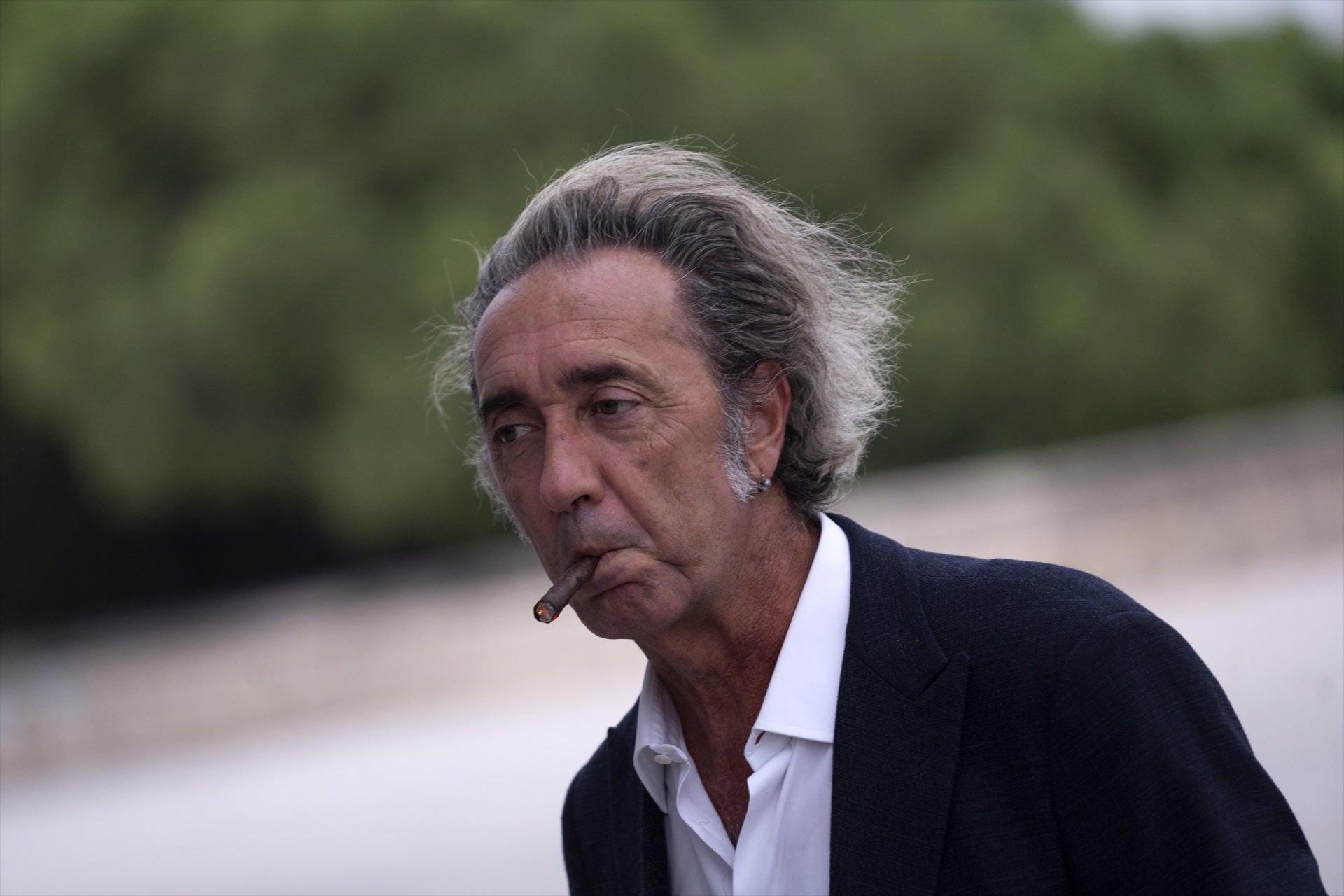
Más de uno
La Cultureta 12x29: La gracia ingrávida de Sorrentino
00:33:39
Un presidente italiano saliente, ya casi anciano. Un dilema imposible de resolver justo antes de jubilarse. Una ley de eutanasia que, de rubricarla, te convierte en un asesino y, de rechazarla, en un torturador. ¿Qué hacer? ¿Qué haría un coracero? ¿...
Loading summary
Transcript214 lines
- [00:38]
Javier
Aquí comienza para felicidad de todos los oyentes y también de todos los que lo hacemos. La cultureta de Por las mañanas de los viernes, que transmite felicidad, bienestar, ilusión, conocimiento. Hacemos mucha divulgación y mucha influencia. Mucha influencia en el mundo cultural de nuestro país. ¿Por qué? Porque es un programa de enorme éxito en el que colabora Nacho Vigalondo. Muy buenos días, Nacho.
- [01:00]
Nacho Vigalondo
Buenos días y muchas gracias por cederme el honor de ser el primer invitado mencionado en La Ristra. He dicho La ristra, perdonad, Es lo que viene ahora.
- [01:15]
Javier
Sergio del Molino, integrante de La Ristra. Buenos días.
- [01:19]
Sergio del Molino
Muy bien. A pesar de ser un integrante de La Ristra, estoy encantado de participar en este programa. ¿Que te hace mejor persona?
- [01:26]
Javier
Te hace mejor persona participar en el programa, no, escucharlo.
- [01:28]
Sergio del Molino
Escucharlo.
- [01:29]
Javier
También sé que hay de todo, porque criminales que escuchan la cultura por las
- [01:35]
Sergio del Molino
mañanas y son un poco menos criminales
- [01:37]
Javier
después de escuchar, hay veces que se indignan muchísimo con lo que decís y luego tratan de reincidir en sus crímenes. Pero conmigo como víctima, esto a mí me ha pasado.
- [01:49]
Carlos
Muy buenos días y muchas gracias por dejarme participar en La Ristra. Me gustaría ser una ristra de morcillas, tío.
- [01:55]
Sergio del Molino
De chorizos.
- [01:56]
Carlos
Yo de morcillas.
- [01:57]
Nacho Vigalondo
Por dejarme en paz.
- [01:59]
Sergio del Molino
Para.
- [01:59]
Javier
Título de programa. Eso. La ristra.
- [02:01]
Nacho Vigalondo
Sí. Qué bonito sería poder escuchar el programa.
- [02:04]
Javier
La ristra. No sé qué. La ristra.
- [02:06]
Nacho Vigalondo
Qué bonito sea poder escuchar el programa desde fuera sin dejar de participar en él. Un acto de bilocación completa es la única cosa que me impide llegar a la felicidad plena. Pero esto es lo más parecido posible.
- [02:17]
Javier
Bueno, eso, que ha sido tu cumpleaños esta semana.
- [02:19]
Nacho Vigalondo
Bueno, don Carlos, no esperaba.
- [02:22]
Javier
Buenos días, Amón. ¿Cómo estás?
- [02:24]
Amón
Bueno, de la ristra, como yo si fuera la marginalidad, no amo. ¿Cómo estará la peseta?
- [02:31]
Nacho Vigalondo
¿Cómo?
- [02:31]
Sergio del Molino
Es lo que va al final de que ata los chorizos.
- [02:34]
Nacho Vigalondo
Esa pieza de metal, la mecha.
- [02:37]
Sergio del Molino
¿Eso no se llama la peseta?
- [02:38]
Amón
La peseta. Yo soy la peseta.
- [02:39]
Sergio del Molino
No, la peseta.
- [02:41]
Amón
¿Y tú que eres? El contenido, Moyar.
- [02:42]
Sergio del Molino
Yo soy el relleno. El relleno. La proteína. La proteína.
- [02:48]
Javier
Vamos a enviar desde aquí. Igual le venía bien un cariñoso, cariñoso saludo. Cada vez se exige menos formación para ser locutor.
- [03:08]
Amón
¿Eres locutor? ¿En serio?
- [03:09]
Javier
Se nota. Ya quisiera yo. ¿Dónde estábamos? Que enviamos un cariñoso Saludo a Guillermo Altares, integrante de la Ristra. Solo que hoy no está aquí porque
- [03:22]
Sergio del Molino
se ha comido una ristra.
- [03:26]
Javier
Ha pedido permiso para no abandonar el lugar en el que se encuentra y por eso no va a participar de la Cultureta de esta mañana, Que va a participar en su casa, quiero decir que va a ser oyente de la Cultureta de por las mañanas porque está en un lugar del que conviene que no se mueva. Y ya está. No voy a decir más, porque si digo más, pues va a ser reprochado después. Pero bueno,
- [03:54]
Amón
no la cobra por oírla. No la cobra.
- [03:56]
Javier
¿Sabéis que esta mañana he contado en la revista de prensa lo de Cristóbal Colón?
- [03:59]
Carlos
Sí. Qué gallego.
- [04:01]
Javier
Lo de que hay una. Bueno, es una vieja teoría, pero que hay una especialista en linajes genéticos que sostiene que es una teoría correcta. Dice ella que han estado examinando el ADN de restos de familias, una gallega y una navarra, y que ha llegado a la conclusión de que Cristóbal Colón en realidad era el nombre ficticio que se puso. ¿Cómo se llamaba el gallego en cuestión? Pedro Madruga, que fue un aristócrata gallego de aquellos años, que se puso el nombre ficticio porque cayó en desgracia, porque él iba con la Beltraneja. Entonces cayó en desgracia y para recuperarla dijo voy a fingir mi propia muerte. Y así inicio una nueva vida y su nuevo nombre fue Cristóbal Colón. Bueno, ella aporta estos elementos genéticos, pero me han enviado aquí el equipo de la Cultureta, que cada vez es más numeroso, por cierto, el de la Cultureta mañanera. Una refutación de esa teoría. Una refutación a cargo de una especialista en lengua. Una especialista en lingüística que sostiene que Cristóbal Colón se sabe que era genovés porque algunas de las expresiones o palabras que utilizaba sólo puede conocerlas alguien que se ha criado entre genoveses. Por ejemplo, quién ha dicho bueno, Bueno,
- [05:23]
Amón
no sé, con matices, ¿No? Vida Londo, con matices.
- [05:27]
Sergio del Molino
No es una foto lo que hay que oír.
- [05:29]
Nacho Vigalondo
Yo cuando veo que alguien.
- [05:32]
Javier
¿Dialectismos, dialectalismos o dialectismos? Dialectismos, lo que tú digas.
- [05:40]
Sergio del Molino
Me has preguntado, yo te respondo.
- [05:41]
Javier
Por ejemplo, cuando copiaba una receta para hacer crecer el perejil, porque se utilizaba el perejil para hacer una salsa en todas las. No, para hacer una tisana con la que aliviar las consecuencias de los problemas renales que sufría don Cristóbal, el Almirante. Que Cristóbal Colón no acertó a dar con el término oculto de la palabra y escribió por simolum, que es la palabra con la que se denomina al perejil en el dialecto genovés. ¿Y por qué iba a salirle a él esa palabra si no es porque era genovés? Es una de las de los argumentos
- [06:17]
Nacho Vigalondo
a favor de la geno podía tener una novia genovesa.
- [06:22]
Sergio del Molino
Claro, esto ya es una teoría tuya, o habría estado. Era un marinero, había estado en mil sitios, se lo podía haber quedado la palabra de estar en Génova.
- [06:29]
Javier
Vosotros queréis que sea gallego, Ya lo veo yo.
- [06:30]
Sergio del Molino
No, a mí me da igual, pero con esto es muy divertido. La coronología es muy divertida. La. No, la colonología. Colonología no, colonoscopia de Colón. No, de Colón, De Colón, Las cosas de Colón, No de Colón.
- [06:50]
Nacho Vigalondo
No, es que no es Cristóbal Colón, es Cristóbal Colón.
- [06:52]
Sergio del Molino
Por eso digo.
- [06:53]
Nacho Vigalondo
Te tengo que corregir.
- [06:54]
Sergio del Molino
Claro, es que no es Cristóbal Colón, es Colón.
- [06:57]
Carlos
Es Columbus
- [07:00]
Javier
y Colombo en el original apellido de la familia, porque eran de Génova, según Consuelo Varela.
- [07:06]
Sergio del Molino
Es que eso hay muchas discusiones. Me encantan porque luego hay estudios filológicos también que dicen que
- [07:13]
Carlos
yo a Consuelo Varela la conozco porque viajado con ella por América, ella y su marido eran las personas más sabias acerca de América.
- [07:23]
Javier
Y de cuenta con solo Varela que este debate sobre dónde había nacido Colón, que en realidad no empieza hasta muy entrado el siglo XIX debido a un afán patriótico malentendido, que en realidad hasta bien entrado el siglo XIX nadie había discutido que Colón fuera genovés, ni siquiera tú, Sergio del Molino.
- [07:44]
Sergio del Molino
No, yo en el siglo XIX no discutía casi nada. Pero es muy divertida estas disputas porque hay muchos estudios que se ponen a analizar. Claro, Colón dejó mucho escrito, tenía los diarios del Almirante, escribió bastante como para poder analizarlo. Entonces unos dicen que sí, que está eso lleno de extranjerismos y de italianismos y de genovesismos o como se llame. Y otros dicen que no, que es la prosa de alguien español que no tiene un español contaminado.
- [08:16]
Carlos
Si hay disputas sobre dónde has vivido tú, imagínate un señor del siglo XV.
- [08:22]
Javier
Bueno, sobre dónde ha vivido Sergio no hay disputas, lo que es una labor de ocultamiento.
- [08:26]
Sergio del Molino
No, si yo soy transparente, soy transparente
- [08:29]
Javier
para que no se sepa. ¿Bueno, que estuvo Vigalondo anoche en el estreno de Kill Bill? Pone aquí de Kill Bill en qué año estamos.
- [08:36]
Nacho Vigalondo
Bueno, claro, el estreno de Whole Glory Flare, que es el montaje de las dos películas, con la excusa de que originalmente eran una, de que cuando se estrenó Kill Bill fue una imposición por parte de Harvey Winston, que hace tiempo que no impone, pero en su momento sí, en posición de manos, en posición de albornoz. Entonces no sé si. Yo creo que. Sospecho que más con una intención un poco más. No, no creo yo que existiera realmente una película única como Kill Bill. No creo que la película se rodara pensando en que fuera una sola película. Pero el caso es que han hecho el experimento de juntar las dos, supuestamente en función de un plan original, y ahí tenéis un churro de cuatro horas y pico que no se distancia tanto de ver Kill Bill 1 y Kill Bill 2 pegadas con un intermezzo por la mitad.
- [09:30]
Sergio del Molino
Qué bonito.
- [09:31]
Nacho Vigalondo
¿Has visto? Y ayer caí en. Pues eso, ahí estuve además en celuloide, que también es una cosa celebrar, que cada vez es más difícil.
- [09:41]
Javier
No han cambiado el montaje de ninguna de las dos.
- [09:43]
Nacho Vigalondo
Han cambiado el montaje, sí.
- [09:44]
Javier
Ah, pensé que se habían pegado y ya está.
- [09:45]
Nacho Vigalondo
Ha cambiado el montaje, pero a mí me hubiera gustado que hubiera gozado un remontaje, porque una película episódica, además, que ya por sí misma estaba llena de desórdenes cronológicos, daba para jugar con ella. Y hay cambios, pero hay que estar muy pendiente y hay que saberlos un
- [10:02]
Carlos
poco de antemano, de plano a plano la película, o sea que siguen estando los pies horrorosos de Uma Thurman, Los
- [10:07]
Nacho Vigalondo
pisos horrorosos de Uma Thurman
- [10:12]
Carlos
cuando está intentando escaparse del coche.
- [10:13]
Amón
Pero qué bonitas las zapatillas Tiger, Zapatillas Asics amarillas y negras. Muy bonitas.
- [10:19]
Javier
Los pies más feos de la historia del cine hiperbólico.
- [10:23]
Carlos
Sí, porque contrasta la cara de un Maturman con sus pies. Entonces, quiero decir, habrá pies más feos, pero el contraste.
- [10:30]
Sergio del Molino
Qué pena que no esté Willy aquí para hacernos una lista de los 10 pies más feos de la historia del cine que no tengamos.
- [10:34]
Carlos
Te digo yo que son los de un Batul.
- [10:36]
Nacho Vigalondo
Habrá que refutarte eso. ¿Cómo que son los pies?
- [10:38]
Carlos
Hay veces unos pies horrorosos.
- [10:39]
Nacho Vigalondo
¿Porque son como piraguas, dices? Porque son de esos pies que son como. Que parece que puede caminar sobre las aguas como Jesús.
- [10:46]
Carlos
No están para hacer anuncios de cosas de pies.
- [10:49]
Nacho Vigalondo
Hombre, el carisma de Uma Zurman. Yo creo que incluso ha crecido con los años en esa película espectacular y
- [10:57]
Carlos
además se ha reproducido para el cine.
- [10:58]
Nacho Vigalondo
Y luego David Carradine, que también es una figura que no ha dejado de crecer con el paso de los años. Que dices, ¿Quién hubiera sido el bill? ¿Os acordáis de la figura de?
- [11:08]
Carlos
Yo me acuerdo hasta de Kufu.
- [11:09]
Nacho Vigalondo
Dice, ¿Quién hubiera podido haber hecho de esa figura aquí en España? Porque es un arquetipo muy curioso, el de la presencia masculina ausente, pero que contamina y que enamora a todo el mundo que tiene alrededor.
- [11:22]
Javier
Estaba preguntando ahora, y os lo preguntaré a vosotros, ¿Qué estarán haciendo los astronautas de la misión Artemisa, la segundo, en la cápsula espacial? Probablemente duerme, probablemente duerma.
- [11:40]
Zoomer
Debe ser el simple dormir en ascenso de gravita.
- [11:43]
Javier
Puede ser fácil dormir sin gravedad o por el o al revés. En esta breve charla que hemos esperado, nos introduce o nos introducirá a la vuelta de este pequeño intermedio que vamos
- [12:08]
Nacho Vigalondo
a hacer, como es Intermezzo, el intermecho
- [12:10]
Javier
Intermezzo de la cultureta de por las mañanas, que es la que gusta, la que sigue la gente, nos permitirá abordar el asunto elegido por el guionista Zoomer para esta mañana de radio, que es
- [12:20]
Amón
una película qué has dicho magnífica. Elección de Zoomer.
- [12:23]
Javier
Zoomer, sí. Fue bien elegido. Sí, hicimos un casting muy exigente
- [12:28]
Amón
y las dos cosas son compatibles.
- [12:31]
Nacho Vigalondo
Y la elección de Zoomer, perdonad, pero es que no me gustaría quedarme. Para mí, que hace poco los arqueólogos han estado también investigando sobre el título de la película Kill Bill.
- [12:45]
Amón
Han puesto un pasaje de la gracia de la película, Sorrentino, pero él no
- [12:50]
Carlos
distingue Sorrentino de Tarantino, sobre todo.
- [12:52]
Javier
No nos quedemos en el chiste. ¿Qué han descubierto?
- [12:54]
Nacho Vigalondo
Pues que Kill Bill, que en realidad, que si coges el título con las puntas de los dedos y los tiras como si fuera un desplegable, se ha descubierto en realidad. Dice Kil me ha robado el mes de abril, que es una canción en homenaje a una canción de Joaquín Sabina.
- [13:07]
Sergio del Molino
Igual no hacía falta, igual podía publicidad,
- [13:11]
Nacho Vigalondo
pero es que el arte nunca hace falta.
- [13:12]
Javier
Minuto. Y ahora mismo de las peores,
- [13:32]
Amón
Más
- [13:32]
Carlos
de uno en Onda Cero.
- [13:55]
Javier
Bueno, vamos a ir, atención, a una boda, que ¿Me acompañáis? Vamos a una que no es una boda cualquiera. Se casan un príncipe y una princesa. Por eso Rosa se ha puesto la pamela y vosotros habéis puesto el chaqué. No que no a todo el mundo le sienta bien el chaqué, Sergio. Pero esta es la etiqueta que se exige para esta boda. Y no hay excepciones. El príncipe se llama Humberto y la princesa se llama Margarita Teresa. Son primos de la Casa de Saboya y se van a casar en el Palacio Real de Turín para convertirse en rey y reina de Italia. Por eso se les ve como agobiados. Humberto y Margarita no caminan solos. En esta mañana de 1868, han seleccionado para la ocasión, de entre el cuerpo de los Carabinieri, a los 80 mejores jinetes de caballería, buscando entre las legiones de Florencia, Milán y Bolonia. Estos 80 elegidos forman un escuadrón de escoltas, un cuerpo de acompañamiento ceremonial, emparentado simbólicamente con las guardias de honor de arqueros y escuderos de los Saboya del siglo XVI. Como sabéis, este cuerpo de 80 elegidos no será disuelto. Tras el enlace, se le asignará la seguridad de los aposentos y de la familia real. Una guardia suiza para el rey y la reina de todos los italianos. Cambiará varias veces de nombre a lo largo de sus primeros años de funcionamiento esta unidad. Primero serán los Guardias de Honor de Su Majestad, después serán los Guardias Reales Carabineros del Cuerpo de Su Majestad, más tarde el Escuadrón de Guardias de Su Majestad y después el Escuadrón de Carabineros del Rey, hasta mediados del siglo XX. Y así con varias denominaciones más, oficiales y cambiantes, hasta la actualidad. Hoy responden popularmente por una sola palabra. Hoy se les llama Coracieri, o sea, los Coraceros. Tengo aquí a Mon, que me supervisa italiano, porque él ha estado alguna vez allí. Y hoy los Coraceros protegen al Presidente de la República Italiana en número de 250, y desde unos barracones muy cercanos al Palacio del Grinale, que es antigua residencia papal y hoy residencia de la presidencia del Presidente de la República. Lo hacen vistiendo, como veis, yelmo de 2 kilos con crines de caballo, botas altas, armadura de pecho completo de 7 kilos de peso, además del sable reglamentario. Para ser admitido en este cuerpo, un coracero tiene que medir al menos un metro y noventa centímetros de alto. Ha de tener, por tanto, cuerpo de jugador de baloncesto, pero al mismo tiempo debe ser capaz de moverse con la ligereza de un astronauta en estado de gravedad extraterrestre. Un coracero tiene que ser alto y grácil, pero también imperturbable. No debe mostrar sus emociones en público y ha de dominar una serie de pericias adicionales como montar a caballo, montar en moto y disparar armas de fuego. Tiene que ser capaz de proteger y de escoltar, claro, incluso hacer de agente secreto. Quizá lo más ilustrativo sea decir que un coracero debe saber hacer de todo.
- [17:33]
Zoomer
Perdón, emocionar sin público. Un coraziere safari tutto.
- [17:48]
Javier
El lema de la unidad coracera la virtud o el coraje se fortalece en el peligro. Y este lema sobrevuela las decisiones que tiene que tomar el presidente saliente de la República Italiana, Mariano De Santis, en una película está muy al final ya de su mandato y tiene que decidir con valor de coracero si firma o no firma. Es decir, aprueba o no aprueba una controvertida ley de eutanasia.
- [18:18]
Zoomer
Firmaré con la leche de un corral Turi Duchi. La cuestión es un conflicto. Trae el corallo y la paura Manon e cuesto. ¿El punto es cuál hay punto zeno? Firmo, son un torturadora. Se firmó, son un asesino. Cuesto el punto antiguo. Esto es el dilema.
- [18:35]
Javier
Este es el dilema. Si no la firmo soy un torturador y si la firmo soy un asesino. Tras la nueva película de Sorrentino, se llama La gracia, que está en cines y que habéis visto todos esta semana.
- [18:49]
Nacho Vigalondo
Yo porque me equivoqué.
- [18:52]
Javier
Todos menos Macho.
- [18:53]
Amón
Yo la vi ayer y salí muy satisfecho y sorprendido. Sorprendido entre otras razones porque es la película más sobria de Sorrentino, la más contenida. Estamos acostumbrados a un Sorrentino mediterráneo y de espacios abiertos y esto todo sucede hacia adentro y casi en un ámbito psicológico, ni siquiera físico. Y después porque él traslada al ámbito de la liturgia religiosa que tanto lo caracteriza, al de la liturgia política con otros códigos también mucho más sobrios. Se reencuentra con Tony Servilo como actor de referencia. Servilo que ya fue Giulio Andreotti de verdad, inspirándose directamente en el caso del primer ministro. Y aquí hace de un presidente de la República inexistente, por mucho que la película sorprenda a los espectadores con una serie de informaciones al final donde se viene a sobreentender que existió de verdad y que existen sus sucesores. Y se crea esta confusión de tal manera que hay espectadores, entiendo que habrán ido a chagpt para preguntar si existió De Santis o no existió De Santis, siendo un presidente en ejercicio. Yo creo que nos ha sorprendido a todos Solentino, precisamente por la sobriedad, por la contención, y después yo creo que por esta relación orgánica que él tiene entre la palabra y la imagen, que me sigue pareciendo prodigiosa, que él sea guionista y el director no es una excepción en vuestro gremio, Nacho, pero armonizarlo con esa naturalidad y esa relación orgánica, sin que por ello no escaseen ni las metáforas, ni las imágenes alegóricas, ni siquiera los debates de fondo que tienen que ver con la eutanasia, lo tenemos muy caliente aquí, o con la gracia, que es la manera en que en Italia se llama al indulto. Lo digo porque el título es muy polisémico, que tiene mucho significado y es muy polisémico también, y me parece a mí que está muy bien traída, Carlos, la idea del astronauta, porque yo creo que la gracia, por mucho que el presidente De Santis la defina como la belleza de la duda, en realidad tiene que ver con la ingravidez, y esa es la gracia en sentido yo creo que más cultural y poético.
- [21:00]
Carlos
Pero el astronauta, por ejemplo, Umberto Giordani, sí es Umberto Guidoni, que era astronauta italiano y político. Y luego la referencia a los otros presidentes, es verdad que Mattarella es viudo y tiene una hija que la acompaña. Sí que hay varias cosas, por ejemplo Scalfaro era democristiano y también, bueno, Pertini como el más querido de todos, y Cosiga que lo llamaban el piconatore, a este lo llaman cemento armado, entonces que sí coge cosas de algunos presidentes, pero es verdad que cuando empieza la película aparece el corrachero y Servilio, digo jo, ya está el pesado este aquí,
- [21:44]
Sergio del Molino
ya
- [21:44]
Carlos
desde el principio me produce un rechazo, a los 5 minutos creía que era el presidente y tal, o sea, de verdad, yo con eso retino, hay muchas cosas que no me gustan y sin embargo en esta película es verdad que lo de la sobriedad es absoluto, a la gracia que tiene, a la gracia en el otro sentido español, es decir, la amiga Coco es muy graciosa, el Papa con rasta es muy gracioso, Papa negro con rasta, papa negro con rasta quiere decir que hay muchas cosas que son muy graciosas. Luego todo el mundo habla, incluido el corrasero, como en El ala oeste, todo el mundo es listísimo. La que está en la cárcel, el que está en la cárcel, por supuesto, él y su hija, es decir, todo el mundo habla que dice más elocuente, ¿No?
- [22:30]
Amón
Pero no crees que la estilización de su propio cine. La palabra también.
- [22:33]
Sergio del Molino
Sí, además eso lo vemos en todas sus películas.
- [22:35]
Carlos
Y luego esa salida del final cuando dice no me puedo ir a mi casa andando y entonces se va por la Vía Condotti a su casa que está en la Plaza España, hijos de puta, esta es la casa que tiene. Y encima hay una cosa que Nacho siempre nos ha dicho de las marcas y aquí no se produce en absoluto, o sea, va por la Via Condotti andando y solo se ven marcas italianas. En la Via Condotti también hay marcas que no son italianas, pero se ve Max Mara, se ve Ferragamo, se ve Armani mientras va caminando hacia su casa y hostias, me gusta Italia así en general.
- [23:06]
Nacho Vigalondo
Todo, todo.
- [23:08]
Sergio del Molino
Y qué bien retratada esa Roma también burocrática de un poder gris, o sea, realmente el personaje servilo es un presidente de una grisura y de una sobriedad, no solo una sobriedad, a veces recordaba a Azaña, recordaba un poquito también Azaña en El jardín de los frailes, alguien que en buena medida se siente impotente y a la vez siente el peso de todo el país encima le ha ido asfixiando, le ha ido provocando una grisura, un apartamiento, y el hecho de algunos de los estribillos de la película, que está compuesta por varios leitmotivs dialécticos, y uno de ellos es que se duerme cuando reza, él es muy católico y dice noto que me hago viejo porque cuando me pongo a rezar me duermo, y le dice la hija pues no reces, dice no reces y ya está, y así no te duermes, olvídate de todo eso. Cómo se entrevera el humor, cómo se entrevera esa mirada que no tiene nada ver, que nada de épico sobre la política. Es verdad que todos son muy listos y muy elocuentes y hablan como en una película de Sorkin, pero es muy poco sorkiniana la película, realmente tira más hacia un libro de Pessoa, parece un personaje que va paseándose por el Roma
- [24:25]
Amón
inverosímil además por su grisura y una
- [24:27]
Sergio del Molino
política inverosímil porque el Palacio Quirinal está vacío realmente son unas estancias enormes, salones, y esos sofás, unos salones tremendos en los que él está rodeado de libros con su hija y no hay. El séquito es mínimo, el coraziere que le da tabaco de matute porque no puede fumar y está a dieta el hombre y está un poco entristecido y machacado. Y es un espacio tristísimo que se proyecta la tristura del propio personaje que tiene que enfrentarse a sí mismo, a su propia falta de coraje, descubrir que es un tío que no es valiente y que se lo dice su hija. A ti lo que te pasa, papá, es que dejas pasar las crisis de gobierno que se solucionen ellas solas porque tú no intervienes. Tú estás siempre al margen porque no te atreves. No tienes coraje para intervenir. Y en esos seis meses tiene que tomar una decisión. Y asistimos a ese demonio interior que yo creo que es muy difícil de rodar. Y Sorrentino ha hecho un peliculón emocionante, muy divertido por momentos y muy emocionante por otros. A mí me ha parecido una obra maestra, una maravilla.
- [25:35]
Nacho Vigalondo
Hay que valorar lo difícil que es que una obra. Las voces presentes en la ficción sean todas inteligentes, pero que no tengan la misma voz, o sea, que no parezcan que es la misma persona la que habla por todos. Que es el problema que tiene Tarantino en Kill Bill. Lo siento, es mi única forma de enfrentarme, la única forma que tengo de participar.
- [25:53]
Sergio del Molino
Eso es justo lo contrario de Kill Bill.
- [25:56]
Nacho Vigalondo
Por eso. No, pero que el gran pecado de Tarantino siempre ha sido que la voz suya es la de los personajes y no es capaz ni modularles mínimamente. No como lo que estáis contando en relación a otra película que no has visto.
- [26:09]
Carlos
Quiero pensar que Javier Gomá no había visto la película cuando escribió este tuit sobre un tuit del mundo que decía unas palabras de Sorrentino, que hago cine cuando el aburrimiento es excesivo y la cuenta corriente demasiado escasa. Entonces twittea Javier Goma y sabe trasladar ese sentimiento a sus películas.
- [26:28]
Sergio del Molino
No es en absoluto aburrida. No, no.
- [26:30]
Amón
Dos. Que no lo había visto y además no tiene ninguna interpretación.
- [26:38]
Sergio del Molino
No es nada aburrido.
- [26:39]
Javier
Qué es lo que había dicho Sorrentino. Que no.
- [26:40]
Carlos
Sorrentino había dicho cuando el aburrimiento es excesivo y la cuenta corriente demasiado escasa. Y entonces Javier Gomá tuitea sabe trasladar ese sentimiento. En este caso no es así.
- [26:54]
Amón
¿No? Además la película es ninguna pretensión comercial. Una sobriedad.
- [26:58]
Sergio del Molino
Pero es muy entretenida también.
- [27:01]
Amón
No puedes apartar la que no es el Sorrentino estrafalario, extravagante, erótico.
- [27:07]
Sergio del Molino
Ni barroco.
- [27:08]
Amón
Ni barroco. Es la sobriedad. Y además escenas presentada por la condición de un jurista. Que en efecto vive entre los límites del código civil y el código penal. Como si fuera una cárcel. Hasta el punto que Coraz le dice. Su problema, si me lo permite, es la relación que tiene excesiva con la verdad. Y él responde hombre, no dejo de ser un jurista.
- [27:29]
Zoomer
Sí.
- [27:30]
Sergio del Molino
Y hay frases, reflexiones estupendas. Cuando él dice la burocracia es necesaria. Todo el mundo le molesta la burocracia. Pero nos permite no precipitarnos en las decisiones. Que es lo que no tolara es la civilización. Pero a la vez también él entiende que ahí está fallando él también. Que está usando la ley como parapeto. Y está usando su formación de jurista como parapeto para no mojarse.
- [27:55]
Nacho Vigalondo
Y hay que aplaudir que una película sepa ser tal. Divertidas, sin números de artes marciales, sin acrobacias.
- [28:00]
Sergio del Molino
Bueno, pero hay un presidente. Hay algunas escenas. Hay un presidente de la República portuguesa. Que se empapa en un momento dado. Una escena maravillosa.
- [28:09]
Carlos
Es tremendo. Eso es que te da un agobio y una angustia.
- [28:12]
Sergio del Molino
El papa de las rastas. Es muy divertido.
- [28:15]
Carlos
Eso es tremendo. Y yo quería El robot es un guardaespaldas.
- [28:21]
Amón
Es otra alegoría.
- [28:22]
Carlos
Yo ya, ya. ¿Pero funciona como seguridad?
- [28:25]
Sergio del Molino
Parece que sí. Lleva como unos cañoncitos. Para. Dispara
- [28:30]
Amón
y va vestido. Corachir en el robot, la alegoría de la huerta.
- [28:35]
Javier
Lo único que no habla.
- [28:38]
Sergio del Molino
Ahora se habla y sale. Fíjate que Roma siempre es luminosa. Siempre tiene esa sol. Sale una Roma gris. Una Roma burocrática.
- [28:45]
Amón
Compárala con la Roma de la Grande Belén.
- [28:47]
Sergio del Molino
Sí, sí. Es que no tiene nada.
- [28:48]
Carlos
Hay un homenaje. Hay un homenaje. Cuando él habla con la directora de Vogue al final de la película. Cuando le dice yo, A mí me habría gustado llevar una chaqueta roja y un pantalón blanco.
- [29:02]
Sergio del Molino
Tiene esa parte que siempre está en un punto rijosillo de Sorrentino. Cuando la directora de Vogue le tira los trastos al presidente de la República. Y el hombre se queda un poco. Totalmente desubicado. Le falta valentía también. La otra le está poniendo todo en bandeja. Y el otro se arruga. Se arruga muchísimo. Es maravilloso.
- [29:23]
Carlos
Has dicho tirar los trastos. No se dice tirar los tejos, tirarse los trastos a la cabeza.
- [29:28]
Sergio del Molino
Pues sí, pero he mezclado las dos cosas como suelo hacer.
- [29:31]
Javier
Eso era antes de que todo el mundo lo mezclara.
- [29:34]
Sergio del Molino
Los jóvenes ¿Cómo lo dicen eso? ¿Cómo se hacen?
- [29:37]
Javier
Claro, es que ahora ya todo tipo,
- [29:39]
Carlos
o sea, es que es un traf.
- [29:40]
Nacho Vigalondo
Bueno, bueno. Y también dicen, Yo llegué a escuchar gente que dice estamos en el candelabro todos boca oreja, boca oreja.
- [29:47]
Sergio del Molino
Yo lo digo, yo lo digo.
- [29:49]
Nacho Vigalondo
¿Se puede decir boca a oreja?
- [29:50]
Sergio del Molino
Yo lo digo. Eres un rencoroso.
- [29:51]
Nacho Vigalondo
Es boca a boca.
- [29:53]
Sergio del Molino
La boca es una técnica de reanimación.
- [29:55]
Amón
Coincidió con Peláez en que
- [29:58]
Javier
ausente. También coincido con alguien que no está,
- [30:02]
Amón
que adora a Solentino pero no soporta a los partidarios de Sorrentino.
- [30:10]
Javier
¿Se lo dice por quién?
- [30:11]
Amón
Bueno, en general porque son muy pesados. Los sorrentinianos son muy pesados, sobre todo
- [30:15]
Carlos
con la gran belleza. Me gusta la gran belleza.
- [30:21]
Amón
Yo adoro la grande Venencia y adoro
- [30:24]
Javier
Sorrentino y creo que Sorrentiniano que adora la gran belleza de Salmón, o sea,
- [30:30]
Sergio del Molino
Peláez era un dardo contra ti. Puede ser, si. No lo conozco.
- [30:34]
Javier
¿Te imaginas?
- [30:35]
Amón
Hay mucho pesado sobre ti. Bueno, pasa con Sokolov y Pianista.
- [30:38]
Nacho Vigalondo
No digo nada. No digamos nada, porque cada vez que vas a un piso, cada vez que vas a un piso ves un postre de Pulp Fiction y dices un pesado. Otro pesado del cine con Pulp Fiction, con Reservoir Dogs, con Kill Bill, con la madre que lo parió. También son pesados esos son pesados. Todo es que todo se puede, Todos los caminos llevan a todo.
- [30:59]
Javier
Remite a Gilvis.
- [31:01]
Sergio del Molino
Una mención al guión de Zoomer de hoy, de Los coraceros. Yo creo, le voy a pedir una copia para llevármelo, porque creo que es de los mejores de la temporada. Que me firme el guión.
- [31:09]
Javier
Te doy la mía y que te
- [31:10]
Sergio del Molino
lo dedique porque me ha gustado mucho.
- [31:12]
Javier
Un minuto, ahora mismo continuamos.
- [31:20]
Carlos
Más de uno en onda cero, donde alsina.
- [31:40]
Javier
¿Cómo se ha notado la ausencia de Guillermo Altares esta mañana? Para bien, no la cultureta, Hombre, para bien, como dices.
- [31:46]
Sergio del Molino
Se os hubiera dicho vaya truño. Hubiera dicho.
- [31:49]
Javier
Se habría portado un punto de vista distinto.
- [31:50]
Amón
Hubiera dicho vaya truño. Estoy de acuerdo, seguro.
- [31:54]
Sergio del Molino
Yo creo que no lloró, se durmió a la hora.
- [31:56]
Amón
Yo creo que le habría gustado enfermó viendo.
- [32:00]
Javier
Bueno, vamos a hacer apuestas. Cuando la vea si le va a gustar o no. Yo digo que sí, que le va a gustar, vosotros decís que no.
- [32:10]
Carlos
Yo creo que ha llegado a verla.
- [32:12]
Javier
¿A la ha visto?
- [32:13]
Carlos
Yo creo que ha llegado a verla antes de caer.
- [32:17]
Sergio del Molino
No nos está escuchando porque no reacciona por el WhatsApp.
- [32:20]
Nacho Vigalondo
Pero que es de misterio.
- [32:21]
Javier
Guillermo está ahora mismo inmovilizado, no por voluntad propia, sino por conveniencia, inmovilizada en un determinado lugar del hogar. Ya está.
- [32:31]
Nacho Vigalondo
No puedo decir, o sea, que está inmovilizado, No, está como oprimido.
- [32:37]
Javier
Oprimido no, más bien al revés, digamos. Demasiado suelto.
- [32:41]
Nacho Vigalondo
Demasiado suelto. Tiene un problema de.
- [32:45]
Sergio del Molino
Está alcanzando la ligereza.
- [32:47]
Javier
Tampoco falta ya decir mucho más. No,
- [32:54]
Nacho Vigalondo
Quiero aprovechar rápidamente.
- [33:00]
Javier
10 segundos.
- [33:00]
Nacho Vigalondo
Quiero decir que no quiero. Para mí el guión de hoy de Zoomer ha sido tan bueno como el de todos los días, porque la calidad de Zoomer creo que nunca se quiebra y yo jamás destacaría un guión por encima de los demás. Porque eres condescendiente, que ya queda mejor que Sergio, de alguna manera. No sabía cómo hacer.
- [33:16]
Sergio del Molino
No, pues has quedado peor, Has quedado condescendiente.
- [33:20]
Amón
Creía que había
- [33:23]
Carlos
quién ha quedado.
- [33:24]
Javier
Pensé que ibas a decir que estaba a la altura. ¿De Kill Bill?
- [33:29]
Nacho Vigalondo
No, de la otra.
- [33:30]
Javier
Que os vais. Adiós, Rosa, Adiós, Nacho Kilville.
- [33:34]
Sergio del Molino
No, la siguiente.
- [33:35]
Javier
Adiós, Amón.
- [33:37]
Nacho Vigalondo
Lo siguiente.