← Más de uno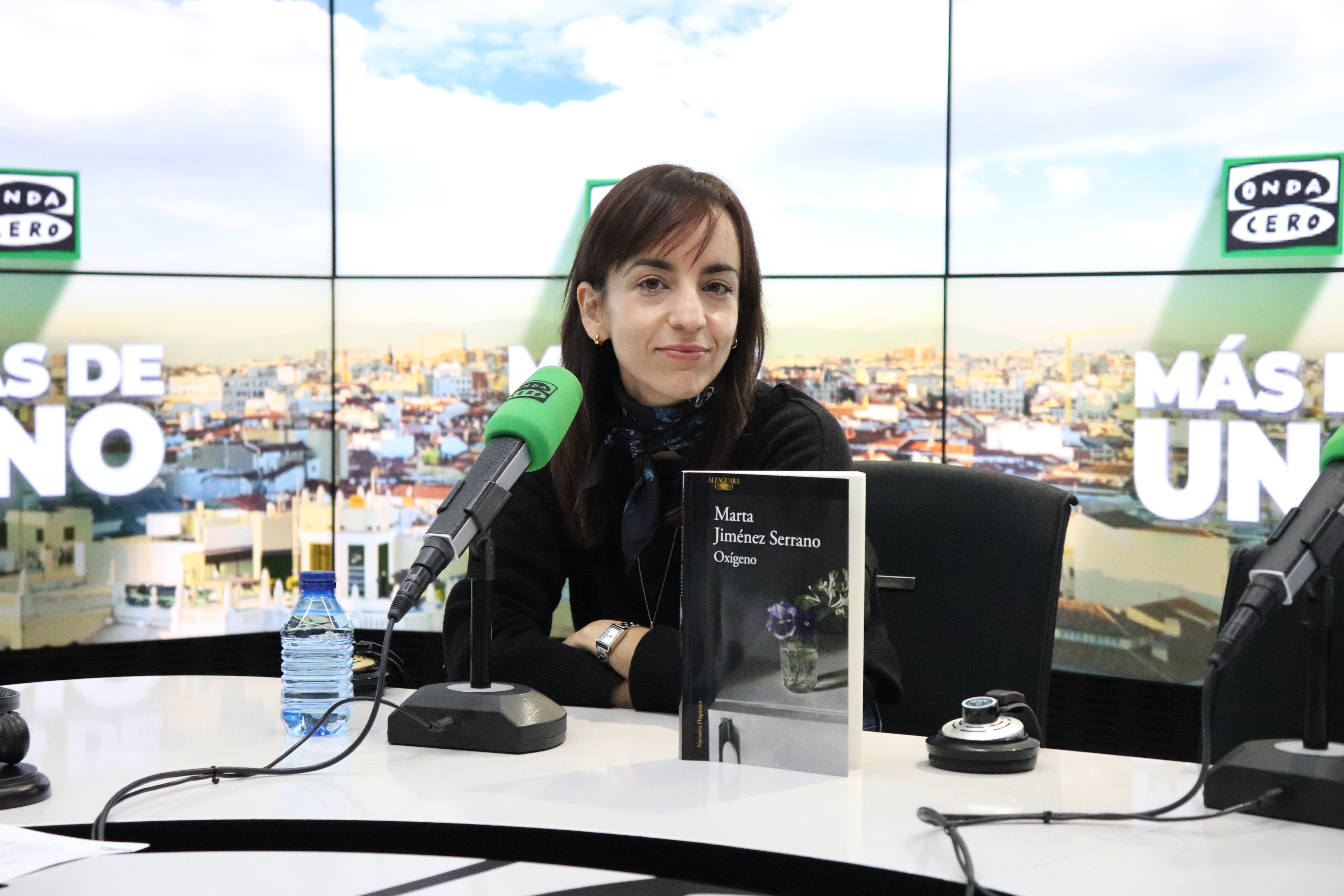
Más de uno
La dura historia de Marta Jiménez Serrano, una mujer que casi muere por una intoxicación de monóxido de carbono en su piso
00:22:09
'Oxígeno' es el título de la novela en la que cuenta su historia a partir de este episodio "terrorífico" abre una reflexión sobre nuestra manera de defender la vida y la relación con la muerte.
Loading summary
Transcript83 lines
- [00:08]
Marta Jiménez Serrano
Más de uno en Onda Cero, donde Alsina. Casi un año después de que ocurriera todo, En diciembre de 2021, mi antigua casera me envió un mensaje a Idealista. Por supuesto, fue un error. El mensaje que yo le había enviado en 2020 diciéndole que me interesaba su piso había quedado sin responder. Tuvimos que llamar por teléfono para que nos hicieran caso. Así que un año después, ella no tenía el piso alquilado y respondió a mi mensaje como si fuera nuevo.
- [00:39]
Hola, Marta, ¿Eres una agencia?
- [00:41]
No pude creerme la notificación del email que me mandaba la página de Idealista. Hola, no, no soy una agencia, soy tu antigua inquilina, la que casi muere por una intoxicación de monóxido de carbono. Y ese mensaje es de hace años. Veo que la despreocupación y la negligencia no te abandonan. Saludos. Ahí terminó la conversación, que quizá no merezca siquiera el nombre de conversación, así que puede decirse que no he vuelto a hablar con ella. Si esto fuera una novela, como ha de ser una buena historia completa, uno de esos falsos documentales en los que los protagonistas se van sentando en un sillón, en una silla, en una butaca, frente a la cámara, aquí tendríamos todas las versiones. La arrendadora podría explicar cuántos inconvenientes le causó el incidente. Tuvo que volar desde Estados Unidos, reorganizar las actividades extraescolares de sus hijos esa semana, llamar a un abogado, todo sin la ayuda de su marido, que en todo momento figuró en el contrato, pero jamás habló y nunca quiso saber nada del tema. Pero esto no es una historia completa, esto es mi versión. Y en mi versión el vello se sigue erizando en el antebrazo cada vez que leo en el email que ella no sabía nada, que ella no pagará la mudanza porque no es asunto suyo. En mi versión hay una que alguien algún día le regale a la arrendadora este libro.
- [02:30]
Interviewer (possibly a journalist or radio host)
Este libro es Oxígeno y su autora es Marta Jiménez Serrano, que tiene la gentileza de acompañarnos esta mañana. Buenos días. Buenos días, Marta. ¿Cómo estás?
- [02:38]
Marta Jiménez Serrano
Buenos días. Muy bien.
- [02:39]
Interviewer (possibly a journalist or radio host)
Comino govinola. Y no debería haberlo hecho.
- [02:41]
Interviewer/Panelist (possibly a co-host or guest commentator)
Te pasa luego, el azúcar se queda ahí. Perdón, yo no me la he comido.
- [02:46]
Interviewer (possibly a journalist or radio host)
Gracias por acompañarnos.
- [02:47]
Marta Jiménez Serrano
Un placer.
- [02:48]
Interviewer (possibly a journalist or radio host)
Esta mañana para hablar de. De tu libro, si estuviera aquí Sergio del Molino, lo primero que me diría es. No se te ocurra preguntar de qué género es el libro, porque eso es lo más insultante que le puedes preguntar a un escritor. Claro, él defiende esto. Siempre que él saca novela, yo le pregunto cuánto hay de autobiográfico. Qué más da. Qué más da. Bueno, en tu caso, en este libro hay mucho. Bueno, todo es autobiográfico.
- [03:18]
Marta Jiménez Serrano
Sí, prácticamente el género es ese, la propuesta, que luego siempre tiene algo de juego literario y en cuanto uno se pone a contar, está jerarquizando, seleccionando y tuneando la realidad. Pero el juego es que lo estoy dando en crudo, que lo estoy dando tal y como fue, y que esto no es una novela. Ese es el juego de la novela, que tiene algo también de construcción narrativa, pero ese es el planteamiento.
- [03:47]
Interviewer (possibly a journalist or radio host)
Me interesa mucho saber cómo llega.
- [03:51]
Marta Jiménez Serrano
Cómo.
- [03:51]
Interviewer (possibly a journalist or radio host)
Llegas al producto final. Yo como lector recibo una novela o un libro que viene ya terminado, pero ¿Cuánto ha habido antes? ¿Cuántas versiones? ¿Cuando empiezas a pensar en escribir esto, que ahora me dirás tú cuándo fue, si es que sabes cuándo fue? ¿Cuántas vueltas le das a qué es realmente lo que quiero contar y cómo?
- [04:21]
Marta Jiménez Serrano
Pues bastantes vueltas. En el caso de Oxígeno, probé un montón de narradores. Empecé a contarlo como una ficción pura.
- [04:28]
Interviewer (possibly a journalist or radio host)
Por ejemplo, como si no fueras tú.
- [04:30]
Marta Jiménez Serrano
Sí, con unos personajes en tercera persona, pero la cosa no funcionaba. Di muchísimas vueltas hasta que encontré el tono final de este planteamiento del que estamos hablando. Y luego le di muchas vueltas también al puzle, que es el libro. El puzle está casi montado como si fuera una peli, como si yo hubiera rodado las escenas y luego las hubiera montado. Y a ese puzle y a esa estructura también le di bastantes vueltas.
- [04:57]
Interviewer (possibly a journalist or radio host)
Voy a contar algo. Siente solo un poquito. El punto de partida es el episodio. El episodio es este que hemos escuchado ahora de la caldera, que está defectuosa, que está averiada, y entonces está emitiendo todo el rato monóxido de carbono. Quienes vivís en esa casa, que sois tu marido y tú, no sois conscientes de ello. Solo notáis que os estáis apagando. Apagando. Te estás durmiendo, consigues levantarte, ir al baño, sufres un desvanecimiento. Gracias a eso se avisa al 112. Este es el punto de partida. Pero a partir de ese punto de partida, que en realidad son unos minutos en tu vida y todo lo que viene después. Pero ese es el punto de partida para contarnos tu vida.
- [05:40]
Marta Jiménez Serrano
Sí, sobre todo para extraer de ahí una serie de temas, yo creo. Porque yo tenía muy claro desde el principio que la anécdota, por muy brutal que hubiera sido para mí, porque estuve a punto de morir y fue una cosa traumática, pero yo veía que ahí no había libro, en la anécdota, que eso que para mí podía haber sido muy brutal, era absolutamente irrelevante para la humanidad y que no bastaba con eso. Entonces, esa es como la estructura de base de la cual voy tirando para que salgan determinados temas. Todos tenemos una relación con la muerte, con la propia y con la ajena, con el hogar, con la casa, con lo colectivo y lo individual, con los cuidados, con los amigos. Entonces, el gran propósito del libro fue, a partir de ese episodio, como tú dices, llegar a lugares más universales.
- [06:34]
Interviewer (possibly a journalist or radio host)
Seguro que mucha gente habrá bueno, pero entonces no te pasó nada. El episodio empieza y termina, empieza y termina. Bueno, no te pasa nada, pero solo te pasó que te podías haber quedado ahí.
- [06:44]
Marta Jiménez Serrano
Claro, el susto es nada y todo al mismo tiempo. Era un poco difícil de contar. Fue difícil de contar y creo que también era difícil reaccionar ante ello todavía. Yo creo que nos cuestan más los dolores psicológicos que los físicos. Muchas veces también para con nosotros mismos. Nos cuesta más admitir algo que nos está pesando que sea psicológico, que decir me duele la rodilla, que está claro, te duele, no hay misterio. Y claro, yo creo que parte de lo traumático fue el no sentirme acompañada en las reacciones posteriores. Hemos oído antes un fragmento sobre la casera. La casera no solo tuvo una negligencia. Yo creo que lo más traumático fue que luego se comportó con muy poca humanidad, como si no hubiera pasado nada. Entonces, claro, hay un momento del libro que digo, todo es nada si se compara con la muerte. Claro, sí, por un lado no hubo consecuencias irreversibles, lo cual ya es bastante, pero de ahí a nada.
- [07:44]
Interviewer/Panelist (possibly a co-host or guest commentator)
A mí me gusta mucho la vecina tuya de enfrente, que me parece alucinante que la gente haga eso, sobre todo si fueran chavalines que están todo el día enganchados a un móvil, pero que te esté haciendo una foto una vecina de enfrente desde tu balcón, cuando te están sacando en la camilla los técnicos del 112, tú medio en pelotas.
- [08:04]
Marta Jiménez Serrano
Es decir, sí mira en esto. No sabes. ¿Sabes quién es?
- [08:07]
Interviewer/Panelist (possibly a co-host or guest commentator)
Porque sabes el balcón. Me imagino que sabes quién es, ¿No? Deja un libro tuyo ahí metidito en el buzón.
- [08:13]
Marta Jiménez Serrano
No sé quién es, la verdad. Nunca supe quién era. Pero está bien que te fijes, porque ese detalle casi nadie me lo está sacando a colación. Es un libro que tiene héroes y villanos claros, la verdad, frente a lo que yo suelo opinar de la literatura, que nos debería dar grises y tal. Y aquí estaba, frente al 112, que llegaron y no solo fueron eficaces, sino que fueron muy majos. Es decir, claro, estás en un momento de extrema vulnerabilidad cuando estás en la camilla de una ambulancia, tumbada medio desnuda, con una mascarilla puesta. Y hubo gente que hizo ese momento mucho más cálido y grato, como el enfermero que me estaba atendiendo y la médico. Y lo primero que yo veo cuando abro los ojos, finalmente tumbada en la camilla, cuando ya me habían sacado del piso, fue a una señora grabando desde el balcón. Y esto fue un poco. Bueno, no sé, fue una de las cosas que quedaron ahí, que luego, lo mismo que hablaba antes, si lo que recibes luego es calor, o si lo que recibes luego es como. No sé, yo sigo sin entender qué se te pasa por la cabeza para ver a alguien entrando en una ambulancia y sacar el móvil, la verdad.
- [09:19]
Interviewer (possibly a journalist or radio host)
Pues la sorpresa de que pase algo inusual y la obsesión esta que tenemos ahora por grabarlo todo y guardarlo todo. Pero fíjate, ahora que estás hablando de cómo tú ves esa mujer que te está grabando, cuando tú estás en una situación muy vulnerable con los escritores, yo siempre tengo la misma duda. Cuando tú estás escribiendo en la soledad de tu casa, tú escribes muy temprano, muy pronto. Creo que sois capaces de desnudaros en realidad, porque la intimidad del acto que es escribir, puede ser capaz de contar cualquier cosa, porque en ese momento en realidad te la estás contando a ti misma. Pero luego el libro se publica y luego ya te lo lee todo el mundo. Y luego tienes que venir aquí a hablar de cosas que igual ya no es tan fácil. ¿No os resulta mucho más fácil poner por escrito lo que os ha pasado, lo que habéis sentido, lo que os ha avergonzado, lo que os ha hecho daño, que luego tener que delante de otras personas, ¿No?
- [10:30]
Marta Jiménez Serrano
Es más difícil ponerlo por escrito.
- [10:32]
Interviewer (possibly a journalist or radio host)
Es más difícil ponerlo por escrito sí.
- [10:34]
Marta Jiménez Serrano
Es difícil porque hay casi un proceso de descubrimiento. A veces ni sabes qué te pasa. Es difícil ponerlo por escrito luego. Claro, yo casi. Lo has dicho. Yo tengo la sensación de que en un libro podría contar cualquier cosa, pero cuando luego hacemos la promoción, el libro coge cosas de la vida, pero la promoción habla del libro. Entonces hay como dos saltos.
- [10:56]
Interviewer/Panelist (possibly a co-host or guest commentator)
¿Tú no ibas a hacer promoción de este libro?
- [10:58]
Marta Jiménez Serrano
Claro, yo hubo mucho rato que pensé que igual ni lo publicaba o que igual ni hacía promoción, porque en aquel momento todavía me daba ansiedad recordar lo ocurrido. Ahora no. Y en realidad cuando yo hago entrevistas no siento que esté hablando de la realidad, siento que estoy hablando del texto. Yo nunca he contado en una entrevista nada que no esté en el libro. Ya estoy hablando de algo que es una foto fija y que es inofensiva, digamos.
- [11:25]
Interviewer (possibly a journalist or radio host)
Bueno, pero tú en el libro si dices que hay cosas que no cuentas ni siquiera en el libro.
- [11:28]
Marta Jiménez Serrano
Claro, claro, claro. Hay muchas cosas. Por eso decía, claro, si no las he contado en el libro.
- [11:35]
Interviewer (possibly a journalist or radio host)
¿No, pero cuál es el criterio? Si es que hay un criterio. Claro, has ido descartando porque habrás dicho pues esto lo podría contar, pero No quiero.
- [11:43]
Marta Jiménez Serrano
Claro.
- [11:44]
Interviewer (possibly a journalist or radio host)
¿Por qué?
- [11:45]
Marta Jiménez Serrano
Hay un montón de criterios. En realidad. Yo he intentado en el libro contar lo justo y necesario para que la historia se entendiera y para que tuviera sentido. Pero desde criterios personales hasta criterios casi legales, te diría en este libro, hasta cosas que simplemente son un tema de radar interno que me parecen impúdicas u obscenas. Yo creo que hay pendiente en España una charla, yo me ofrezco para que me inviten, que alguien organice una charla sobre los límites del humor y los límites de la autoficción, porque estamos ahí todo el rato y hay una parte de esto que es radar interno, de decir, en este libro yo he intentado mucho huir de lo morboso, porque había ahí varias escenas que he intentado contar con la mayor elegancia posible. Entonces hay un montón de criterios, hay muchas cosas ahí en juego. Y yo creo que cuando uno elige el tono del libro, en realidad ya está cribando mucho. Cuando eliges un registro ya estás hablando desde ahí. Y hay muchas cosas que no van a entrar.
- [12:47]
Interviewer (possibly a journalist or radio host)
Desde esa óptica, digamos, esta mañana en el Diario del País entrevistan a. Bueno, esta mañana lo publican, a María Goibi Zelaya, que es directora teatral, es dramaturga, y está haciendo la adaptación, está dirigiendo la adaptación de Alberto Conejero de un texto que habla de la muerte, que es la historia de tres hermanas cuya madre no saben nada de ella, está en Grecia y de repente la noticia que reciben es que se ha muerto. Y a partir de ahí empieza la historia. Bueno, y dice. Dice María, se pregunta María por qué vivimos como si la muerte no fuera a suceder. Yo quiero aprender a vivir y para eso necesito aprender a morir. Dice ya la conciencia de la muerte nos ayuda a definir cómo queremos vivir. Claro, en tu caso, la conciencia de la muerte viene a lo bestia, te atropella la conciencia de la muerte, ¿Cómo te cambia eso? ¿Se te pasa después o no se te pasa con tu vida, o ha cambiado tu forma de buscar un piso.
- [13:50]
Interviewer/Panelist (possibly a co-host or guest commentator)
De alquiler, por ejemplo?
- [13:52]
Marta Jiménez Serrano
Ha cambiado mi forma de relacionarme con un montón de cosas, sobre todo por el proceso terapéutico que yo hice después de esto. Lo digo porque a veces así contado, parece que una está en el suelo muriéndose, ve la luz y entonces cambia su visión de la vida, y no es tampoco así, pero lo ocurrido a mí me obligó a hacerme una serie de preguntas, o yo me las quise hacer, y sí que ha cambiado un poco mi relación con la vida, con las cosas, con el placer. Hay un momento del libro en que yo impugno mucho el carpe diem, porque claro, creo que hay que tener conciencia de la muerte para valorar según qué cosas, pero al mismo tiempo no estar todo el rato como en esta paranoia de que cada minuto puede ser el último, porque esto que nos han contado como algo que puede ser un impulso para disfrutar, a mí en realidad me parece un agobio terrorífico. Entonces creo que ahí hay un punto de pérdida de control también, cuando asumes que total, no lo decides tú, sí te puedes morir ahora o con 95. Entonces creo que desde ahí yo he aprendido a disfrutar más desde el sosiego, la verdad.
- [14:55]
Interviewer/Panelist (possibly a co-host or guest commentator)
¿Y la hipocondria cómo la llevas entonces?
- [14:57]
Marta Jiménez Serrano
Pues mucho mejor, mucho mejor. La hipocondria se me disparó, claro, por eso digo que fue todo un proceso la hipocondría. Hay muchos miedos, se me dispararon muchísimo también miedos que no tenía antes. Y bueno, en el proceso de colocar esos miedos como que llegué al otro lado. Entonces ahora no quiero cantar victoria, pero siento que me he pasado un poco la pantalla del videojuego.
- [15:18]
Interviewer/Panelist (possibly a co-host or guest commentator)
Bien, bien.
- [15:20]
Interviewer (possibly a journalist or radio host)
¿Y de casa cómo andáis tu marido y tú? ¿Ya estáis en la definitiva?
- [15:26]
Marta Jiménez Serrano
Bueno, no estamos juntos.
- [15:27]
Interviewer (possibly a journalist or radio host)
¿Ya no estáis juntos?
- [15:28]
Marta Jiménez Serrano
No.
- [15:30]
Interviewer (possibly a journalist or radio host)
Qué disgusto me das.
- [15:32]
Marta Jiménez Serrano
Ya no estamos juntos, pero bueno, no sé. Nunca sé si será la casa definitiva. Es parte de lo que cuento.
- [15:37]
Interviewer/Panelist (possibly a co-host or guest commentator)
Es como Emanuel Carrer, que habla de su esposa, de su ex espos. Tú has hablado de tu ex marido.
- [15:42]
Marta Jiménez Serrano
Sí, correcto, correcto.
- [15:44]
Interviewer (possibly a journalist or radio host)
Con permiso de él.
- [15:45]
Marta Jiménez Serrano
Sí, es que cuando escribí el libro sí estábamos juntos, entonces él dio su bendición en su momento y ya está. También eso. Antes que me preguntabas de la promo y los libros, siempre hay un gran desfase entre el momento de la escritura y el momento de la promoción. Entonces cuando promocionas hay muchísimas cosas que ya han prescrito y de algún modo es más fácil también hablar de ellas.
- [16:05]
Interviewer/Panelist (possibly a co-host or guest commentator)
¿Y el gato, ¿Sabes algo de él?
- [16:07]
Marta Jiménez Serrano
Bueno, espero que esté bien. Era suyo y se lo quedó él.
- [16:12]
Interviewer (possibly a journalist or radio host)
Es que ese desfase entre el momento en el que. El desfase es triple porque es el momento en el que escribes, el momento en el que llega hasta los lectores y luego el momento de hacer la promoción. Es mayor el desfase cuando se trata de una obra o de un texto que habla un poco de ti, bueno, un poco mucho, que habla de ti y de tus circunstancias.
- [16:32]
Marta Jiménez Serrano
Yo creo que ese desfase ayuda mucho. De hecho, yo soy bastante incapaz a la hora de luego hablarlo y promocionarlo y tratarlo como un objeto que va más allá de ti. De hecho, a mí siempre. Sé que hay escritores que lo hacen y les va muy bien y de ahí sacan libros, pero a mí siempre me ha costado mucho escribir cosas literarias en redes sociales, por ejemplo, escribir algo y publicarlo al momento o tener un feedback instantáneo. Esto nunca se me ha dado bien. Yo necesito este desfase incluso para valorar literariamente el propio libro. Es decir, hay un momento en que te lo relees y yo necesito releerlo desde la frialdad, viendo lo que le funciona al libro o lo que no le funciona al libro.
- [17:10]
Interviewer/Panelist (possibly a co-host or guest commentator)
¿Cuántas veces lo reescribes? Sí. Es decir, el primero es un boceto, el segundo es otro boceto, el tercero también.
- [17:17]
Marta Jiménez Serrano
Me cuesta mucho decir cuántas veces porque no es tan ordenado como que haya un borrador y luego otro y luego otro. Hay como muchas versiones que se van solapando y bueno, no hay nada mejor que que me digan que se ha ido a imprenta y saber que ya lo puedo sacar de mi cabeza y que no tengo que volver a pensar nada mejor que no poder cambiar nada.
- [17:39]
Interviewer (possibly a journalist or radio host)
Pero lo relees una vez ya publicado.
- [17:42]
Marta Jiménez Serrano
Pues mira, esta vez es la única vez que lo he releído publicado porque he grabado el audiolibro, entonces no me ha quedado más remedio que leerlo cuando ya estaba publicado.
- [17:53]
Interviewer (possibly a journalist or radio host)
Grabar un audiolibro es un trabajo.
- [17:56]
Marta Jiménez Serrano
A mí me ha encantado, me lo he pasado muy bien.
- [17:58]
Interviewer (possibly a journalist or radio host)
Has acabado agotada.
- [18:00]
Marta Jiménez Serrano
Bueno, es trabajo. Pero me ha gustado mucho. Me ha gustado mucho. Ya me voy a pelear con todos mis libros para que me dejen grabarlos.
- [18:07]
Interviewer (possibly a journalist or radio host)
Cometí el error de grabar una vez uno que, claro, no era mío, pues yo no sé escribir, y acabé.
- [18:15]
Marta Jiménez Serrano
Claro, igual es distinto grabar uno de otro.
- [18:20]
Interviewer (possibly a journalist or radio host)
¿No? Claro, claro que es distinto. Y más un libro como este, que además los lectores agradeceremos mucho escucharlo en la voz de quien lo ha escrito, que es un libro que efectivamente habla de la vida y de la muerte, como estamos, pero habla de muchas otras cosas que antes decías tú. Habla de la casa, habla de la infancia, habla de los pueblos y de cómo era la vida de nuestros abuelos, pues era más sencilla. Bueno, era más sencilla y también más trabajosa para muchas cosas. Y cómo la vida de nuestros abuelos en realidad discurría en un espacio geográfico muy pequeño, porque era la vida del barrio o la vida del pueblo, más allá de eso no había mucho más. No tenían costumbre de viajar, esa es la verdad. Pero de su espacio geográfico se lo sabían todo, conocían a todo el mundo y sabían de las historias, vivencias y necesidades de quienes estaban a su alrededor qué diferente era la vida entonces de la nuestra.
- [19:17]
Marta Jiménez Serrano
Sí, es que ha cambiado muchísimo en dos generaciones. La vida cambia muy rápido ahora. Y ha cambiado una barbaridad. Yo cuento cómo mi abuela vio un único azucarero de latón durante toda su vida y Y como yo a los 30 no había tenido ningún azucarero de casa en casa siempre había ido metiendo la cucharilla directamente en el saquito.
- [19:35]
Interviewer (possibly a journalist or radio host)
¿Ya tienes azucarero?
- [19:37]
Marta Jiménez Serrano
No, no tengo azucarero.
- [19:38]
Interviewer (possibly a journalist or radio host)
Te voy a contar que yo leyéndote a ti, de repente, y yo. Yo tampoco.
- [19:44]
Marta Jiménez Serrano
Bueno, valga el azucarero, valga cualquier otra cosa que a uno le ancle.
- [19:49]
Interviewer (possibly a journalist or radio host)
Es así.
- [19:50]
Marta Jiménez Serrano
Pero claro, ha cambiado mucho y tendemos también ahí a hacer una batalla generacional que tampoco comparto como decías tú, pues es que unas cosas, claro, eso les daba más suelo, pero también estoy convencida de que a mi abuela le habría encantado irse de Erasmus y vivir su vida.
- [20:07]
Interviewer/Panelist (possibly a co-host or guest commentator)
Y no era que le dijera a sus padres y casarse cuando le diera la gana y tener los hijos que quisiera.
- [20:12]
Interviewer (possibly a journalist or radio host)
Que al final sabemos de nuestros abuelos lo que sabemos. Claro, sabemos lo que nos han contado, lo que hemos vivido como nietos. Es que Máximo Huerta cuenta también hoy en otro, no sé en qué periódico está o ayer, es una entrevista que hacen a Máximo Huerta y a la hija de Pascual Margal, que hablan del Alzheimer de Pascual Maragal y de la demencia que sufre la madre de Máximo. Entonces Máximo cuenta que una de las pocas cosas divertidas que le han pasado como consecuencia, le sigue pasando como consecuencia de la demencia de su madre, es que a veces ella, como cree que él es un amigo suyo de su época, como cree que es de su edad, pues con él habla como hablaría con un amigo que tuviera la misma edad aquella cuando eran jóvenes. Entonces, gracias a eso, Máximo de repente se entera de todo, ve a su madre contando cómo se iba de copas o qué le gustaba beber, o qué hacía cuando salía del trabajo, con quién se acababa, de esas cosas.
- [21:09]
Marta Jiménez Serrano
Claro, además era una época en la que se sostenía más esa imagen. Yo creo que ahora nos hemos flexibilizado también en las relaciones entre padres e hijos, pero en aquella época también uno mantenía más esa imagen de abuelo o abuela respetable.
- [21:25]
Interviewer (possibly a journalist or radio host)
De repente es mi madre, siendo la joven que fue mi madre, aunque tenga la edad que tiene ahora, pero estoy descubriendo cómo fue de joven, contado por ella misma. Eso ya para otra. Para otra novela. Bueno, muchas gracias por la visita y sobre todo por el libro. El libro, lo hemos dicho, se llama Oxígeno y la autora es Marta Jiménez Serrano y está editado. Marta, muchas gracias.
- [21:49]
Marta Jiménez Serrano
Muchísimas gracias. Un placer.
- [21:50]
Interviewer (possibly a journalist or radio host)
Que ahora ya estarás escribiendo lo siguiente, pero claro, un gusto. Hasta que empiece.
- [21:55]
Interviewer/Panelist (possibly a co-host or guest commentator)
Hazlo de ese tamaño, que me encantan los libros de ese tamaño.
- [21:59]
Interviewer (possibly a journalist or radio host)
Un minuto y enseguida recibimos a Rendueles y a Marrasca.