← Más de uno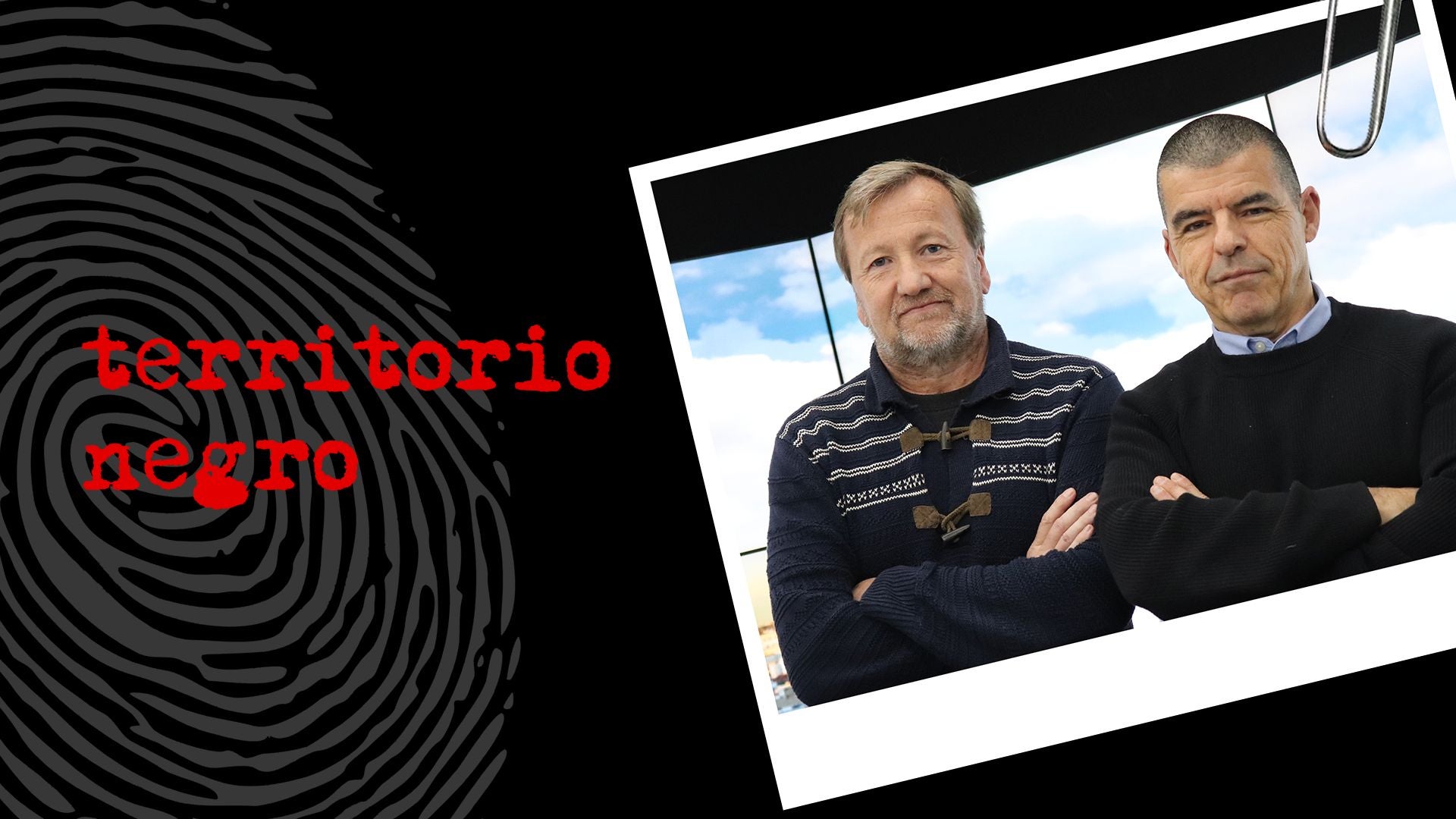
Más de uno
La misteriosa historia de los ladrones de guante blanco y la Navidad criminal "más millonaria" de España
00:10:44
Manu Marlasca y Luis Rendueles nos hablan este martes de aquellos ladrones que operaban bajo el lema "Sin armas, sin odio y sin violencia". Tambien del golpe que realizo la banda de 'Casper' en el Banco Popular de Yecla.
Loading summary
Transcript46 lines
- [00:03]
A
Territorio negro en más de uno con Marlaska y Rendueles.
- [00:19]
B
Hace un par de semanas le pregunté a Marlásque Rendueles por sus malos favoritos. Y creo recordar que Luis habló de ladrones de guante blanco y la magia de la Navidad o lo que sea, que no sé será. Pues a este posible que hoy dediquen su espacio a estos cacos, que no sé si seguirá diciendo caco.
- [00:37]
C
A ver.
- [00:37]
B
Manu, buenos días. ¿Cómo estás?
- [00:39]
A
¿Qué tal? Buenos días, Luis.
- [00:40]
B
Buenos días. ¿CÓMO ESTÁS?
- [00:41]
C
Buenos días, Begoña.
- [00:42]
B
Son robos sin armas y sin violencia.
- [00:44]
A
Así era, sin odio, sin armas y sin violencia. Fíjate, la frase no es nuestra, sino que la dejó escrita Albert Spagiari, Bertito, que era un mercenario y ladrón francés. Y la dejó escrita en los muros de una cámara acorazada de la Sociedad General de Niza. Durante tres días vació 400 cajas de seguridad en la fiesta nacional francesa del año 1976. Trabajaron con tanta calma que los cacos pudieron salir a comprar vino, quesos y paté. Fue el primer gran butrón de la historia. Cavaron un túnel de 8 metros desde las alcantarillas hasta el suelo de la cámara acorazada. Se llevaron, ojo, 60 millones de francos. Es decir, casi 10 millones de euros. Y ese sin odio, sin armas, sin violencia, se convirtió un poco en el lema de estos delincuentes. ¿Que hacen? Son capaces de hacerse botines multimillonarios sin esgrimir un arma.
- [01:35]
B
Y ese ejemplo de buen ladrón, o al menos de ladrón sin violencia, cundió en España. Hemos tenido nuestro Spadjari.
- [01:42]
C
Hay cacos similares con menos glamour. Sí que hay una buena noticia. Hay una buena nómina de butroneros, que es esa especialidad que te explicaba Manu de espallar. Daniel Carparsoro sí que hizo en ficción la vida de alguno de esos butroneros. Hizo una peli y una serie, se llamó Hasta el cielo. Y ahí sí que había una buena porción de realidad. En el caso de Spagiari, él había sido militar en la Legión Extranjera, había estado en guerras coloniales, en Indochina, en Argelia. Y de ahí, de ex militar, de exmercenario, pasó a ser ladrón. Los butroneos españoles tienen una biografía menos épica. Casi todos dan sus primeros pasos en la delincuencia como aluniceros, estrellando coches contra los cristales de las tiendas. Y si son buenos, el siguiente escalón para crecer es hacerse butroneros. Y a partir de ahí ya hay de todo.
- [02:27]
B
Es decir, que algunos se quedan ahí y otros siguen creciendo.
- [02:31]
A
Sí, eso es. Hay una buena parte de aluniceros que se convirtieron en butroneros que robaban todo lo que tuviesen ocasión de robar desde un almacén de joyas, un concesionario de coches de lujo, un camión cargado de teléfonos móviles, cualquier cosa. El problema es que muchos de ellos acabaron dedicándose a una especialidad, vamos a llamarle de riesgo dentro del mundo delictivo. Es un oficio que la esperanza de vida es más bien cortita, es más corta que la de un minero del siglo pasado.
- [02:56]
B
¿Y ese oficio cuál es?
- [02:58]
A
Los vuel.
- [02:59]
C
Es robar droga y robar dinero a otras organizaciones criminales. Unos cuantos aluniceros y butroneros ambiciosos, vamos a decir, desviaron sus pasos hacia ese camino y acabaron mal. El más conocido fue el Niño Sáez. Murió tiroteado en su barrio en Madrid en 2017 y dos de sus allegados, el Harry y el Pimiento, porque casi todos tienen motes, corrieron esa misma suerte.
- [03:20]
A
Hace bien poquito, un compañero de correrías y de generación también del Niño Sáez, alguien conocido como el Niño Juan, fue secuestrado en plena calle y además fue grabado el secuestro por varias cámaras y por varios teléfonos móviles. Dos coches se empotraron contra el coche en el que viajaba él y saliendo de los coches dando tiros al aire se lo llevaron a rastras. Estuvo retenido varias horas hasta que finalmente fue liberado. Curiosamente, o no tan curiosamente, ni él ni nadie denunció los hechos detrás de los que al parecer lo que hay es el robo de más de una tonelada de cocaína, es decir, un vuelco muy importante. Lo cierto es que en esa tentación de robar droga, por peligroso que sea, o quizá precisamente por ese peligro que tiene, caen casi todos los que un día se dedicaron a los robos sin armas, sin odio y sin violencia. Como decía Spagiari, también el protagonista de probablemente la Navidad más multimillonaria de nuestra historia criminal, que sospecho que nada tiene.
- [04:13]
B
Que ver con la lotería. ¿No?
- [04:16]
C
Ni con los niños. La Navidad más millonaria, la Navidad criminal más millonaria de España fue la de Yecla en Murcia en el año 98. La Nochebuena de ese año un grupo de ladrones, posiblemente los mejores que ha dado el hampa en España, les llamaban el Drintín entraron en la cámara acorazada del Banco Popular de Yecla y se llevaron un botín que oficialmente se cifró en algo menos de 5 millones de euros, pero que algunos lo elevaron a 15 millones de euros.
- [04:40]
B
¿Y esos ladrones quiénes eran? ¿Herederos de Spatjari o no?
- [04:44]
A
Pues era una banda liderada por un tipo que luego tuvo mucho renombre. Entonces era un desconocido que se llamaba un burgalés llamado Ángel Suárez Flores, apodado Casper. Casper porque atravesaba las paredes como el fantasmita aquel, tan simpático en ese momento, a finales del siglo pasado, se rodeó de los mejores en todas las especialidades que exigen los butrones. Es decir, tenía al mejor desactivador de alarmas que había en España, tenía al mejor operario de taladradora industrial y de lanza térmica, tenía los mejores para interceptar las comunicaciones de la policía, tenía los mejores conductores y también sabía mejor que nadie cómo captar información, cómo contar con los mejores santos, tal y como pasó en Yecla.
- [05:24]
B
Santos nuevamente, supongo que está hablando con argot delincuencial, nada tiene que ver con la imaginería religiosa.
- [05:33]
C
Un santo aquí, en este territorio, es el que da información necesaria para dar un golpe, para dar un palo, ya sea sobre el botín que hay en un sitio, que se pueden llevar, sobre algunos errores de medidas de seguridad, etc. Y en este caso, Casper sabía que las cajas de seguridad de aquel Banco Popular en Yecla tenían mucho dinero en efectivo, dinero que estaba allí para hacerlo invisible, especialmente a los ojos de Hacienda. De ahí la diferencia entre lo robado oficialmente, menos de 5 millones de euros, y las estimaciones reales que llegaban a esos 15 millones. Tiempo después, varios años después, cuando Casper y los suyos robaron la colección de arte de la casa de Sterkoplovic en Madrid, golpe del que hablamos aquí hace unas semanas, también tuvieron un informador, un santo tan solvente que fue el vigilante de Sterkoplovich en su casa.
- [06:13]
B
Y me imagino que no eligieron así, a lo loco, la Nochebuena así por.
- [06:17]
A
Casualidad, como fecha, ¿No? Igual que Spagiari y su banda, Bertito y su banda escogieron el puente de la Fiesta Nacional francesa. Ellos escogieron Nochebuena porque el banco iba a estar cerrado cinco días. Nochebuena cayó un jueves, así que estaba cerrado el jueves, el viernes, el sábado y el domingo. Entonces el plan se dio defraguar durante varios meses, porque desde noviembre los cacos contaban con una llave. Una llave de la entidad bancaria, una llave de la puerta principal con la que esa noche abrieron tranquilamente la puerta del banco. Una vez dentro, desactivaron las alarmas, algo que entonces ya no era nada sencillo en aquel momento, y abrieron la puerta trasera de la sucursal, que es la que servía de salida de emergencia. Por esa puerta trasera, para huir un poco también de los curiosos, entraron el resto del equipo con el material necesario para perforar la gruesa capa de hormigón que protege la cámara acorazada donde estaban esas cajas de seguridad.
- [07:10]
C
La escena debía ser memorable, porque en plena Nochebuena es un grupo de ladrones metiendo en una sucursal de banco una taladradora industrial, conectando mangueras a los grifos de los cuartos de baño del banco para poder enfriar la punta del diamante del taladro y evitar que una temperatura altísima provocara un incendio. Allí la cosa no empezó bien, porque el primer agujero, el primer butrón que practicaron, topó con un pilar del edificio y tuvieron que volver a empezar casi desde cero.
- [07:35]
B
Estoy viendo Manu en Internet, mientras contáis todo esto, una taladradora industrial de punta de diamante. Y me esto no hace mucho ruido.
- [07:42]
A
¿Nadie se dio cuenta?
- [07:43]
B
Nochebuena, que no hay obras.
- [07:48]
A
Son de un tamaño enorme. Y lo eran entonces. También es verdad que algunos vecinos dijeron luego a la policía que sí, que escucharon ruidos raros, pero que no le dieron mucha importancia. La verdad es que la banda tenía todo previsto y apilaron varias cajas con expedientes de la oficina para sobre ellos apoyar la máquina y amortiguar un poco el sonido. Cuando la taladradora acabó el trabajo y la punta alcanzó la cámara acorazada, los cacos sacaron, extrajeron el cilindro de hormigón que había quedado, que había dejado la taladradora, y el más pequeñito, el más menudo de la banda, se metió por el agujero y empezó a reventar con una palanqueta las cajas de seguridad.
- [08:22]
C
Meses después, cuando fue detenido el jefe de la banda, Casper, explicó bastante gráficamente cómo habían vivido ellos aquella Nochebuena. Y vamos a leer textualmente él contó Abrías una caja y caían los billetes a montones. Eso sí que es una Nochebuena y no las que pasan ustedes, les dijo a los policías. La banda trabajó con tanta calma, que a mitad de aquella nochebuena salieron fuera, salieron a la calle, hicieron una pausa para comprobar que todo estaba en orden y que nadie estaba detectando lo que pasaba dentro del banco.
- [08:48]
B
Tenéis un minuto y medio para resolver, así que a ver cómo lo hacemos.
- [08:52]
A
Venga. La policía cree que estuvieron vaciando cajas toda. Toda, prácticamente toda la noche hasta el amanecer. Aún Así, reventaron solo 89 de las 212 cajas que había en el escenario. Abandonaron, y esto es muy curioso, la taladradora, que es una herramienta que estaba valorada en 130.000 euros. Centenares de billetes mojados. Y esa taladradora, precisamente, Luis, sirvió para empezar a dar con la banda.
- [09:14]
C
Sí, sí. La mañana del 27 de diciembre se descubrió todo. Se llamó Operación Orquídea, porque era la flor que Casper regalaba a las mujeres que más o menos le interesaban. Nunca se supo cuánto dinero había, pero después de los ladrones llegó la Agencia Tributaria y empezó a investigar a todos los clientes que tenían una caja de seguridad. Había una caja incluso de zapatos vacía en el banco. Y cuando se preguntó lo que contenía, el dueño dijo que no había nada y no reclamó nunca aquello. Luego contaron que en una de esas cajas había cocaína también.
- [09:42]
B
Me ha gustado mucho. ¿Dices que Casper al final acabó haciendo vuelcos?
- [09:46]
A
Sí, acabó haciendo vuelcos y condenado a casi 90 años de prisión. De hecho, murió. Murió, Lo sacaron, lo excarcelaron por una enfermedad muy grave que tenía y murió en el año 2021. Pero se dedicaba a robar cocaína. Concretamente secuestró a un portuario y robó un contenedor con cocaína al Puerto Algeciras.
- [10:06]
B
Madre mía. Bueno, pues compañeros, muy bien.
- [10:09]
C
Para la semana que viene. Eso. Muy optimista. El romance del ciego, que decían antes. El romance del ciego, que decían antes.
- [10:15]
A
El romance del ciego.
- [10:15]
B
La semana que viene.
- [10:16]
C
No, no, la semana que viene regalos criminales. Vale.
- [10:19]
B
Qué alegría. Y con mucha sangre. Ya. Y mucha víscera.
- [10:26]
C
Higadillos.
- [10:28]
B
Manu, un beso enorme y feliz año.
- [10:30]
A
Adiós. Igualmente.
- [10:31]
B
Otro beso enorme y feliz año también para ti. Disfrutad mucho de estos días. Hasta luego. Chao. Adiós. Adiós. Que nos vamos al boletín de las 12 de las 11 en Canarias y dentro de un momento tenemos a varios debutantes, o a uno, no sé. Es que debutan pero es una locura lo que están haciendo. Hablaremos con ellos.